Hotels in Cape Verde

Atlantic islands of desert beaches, wind and turtles

Cape Verde

LanguagePortuguese
CurrencyCVE
TimezoneAtlantic/Cape_Verde
Temperature22-28 °C
Dial Code+238
Population598K
Area4,033 km²
SocketsType C / Type F
Tap waterNot drinkable

Discover Cape Verde

Cape Verde, in Portuguese Cabo Verde, is an archipelago of ten islands in the Atlantic about six hundred kilometres off the coast of Senegal. Most European holidaymakers head for two flat, dry islands, Sal and Boa Vista, which have charter flights in winter. They have kilometres of white beaches, turquoise sea, a steady trade wind and a desert landscape with dunes and salt lakes, so they suit relaxing, kitesurfing, windsurfing and turtle watching. Mountains and greenery are found elsewhere: on Santiago, Santo Antão or Fogo, where the Pico do Fogo volcano rises, but these are reached by domestic flight. The weather is dry almost all year and temperatures run around twenty-five to twenty-eight degrees, so you can go from November to June and even in summer; from August to October brief showers arrive. Citizens of the EU must pre-register through EASE before arrival and pay an airport fee. Cape Verdeans are friendly and the islands' motto is 'morabeza', kindness.

What to see

The places worth your time in Cape Verde, and what to expect at each

Santa Maria on Sal

Santa Maria on Sal

Sal

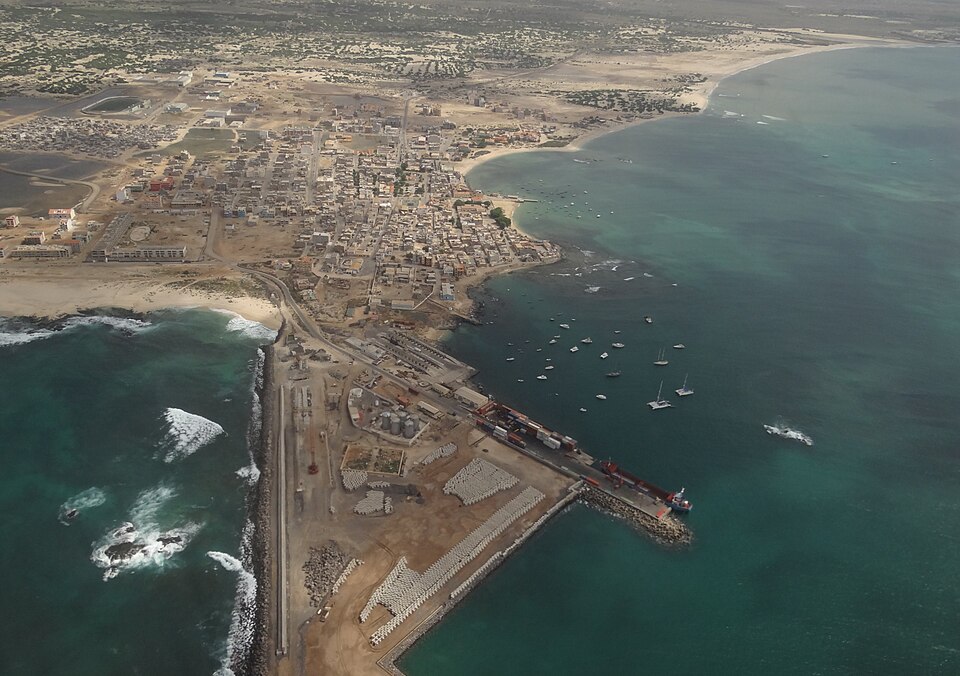
The main tourist town on Sal in the south, with a long white beach, a fishermen's pier, shops, restaurants and bars. The beach is wide, the sand fine and the water turquoise, but currents are sometimes strong. In the evening fresh fish is sold at the pier and music plays.

Tip: Swimming is safest at hotel beaches with a lifeguard; on the public beach obey the flags. The best light for photos is before sunset, when fishermen set out or return.

Admission:
free
Time needed:
half a day
Pedra de Lume Salt Crater

Pedra de Lume Salt Crater

east Sal

A flooded crater of an extinct volcano with a lake of concentrated salt water in which you can float effortlessly as in the Dead Sea. Salt was mined here until 1985, and rusting wagons and a tunnel remain. The water is warm and a dip is good for skin and joints.

Tip: Bring a towel and do not apply sunscreen right after bathing. The tunnel is dark, so use your phone's torch; come in the morning, before the tour buses.

Admission:
about €5
Time needed:
1–2 hrs
Buracona and the Blue Eye

Buracona and the Blue Eye

west Sal

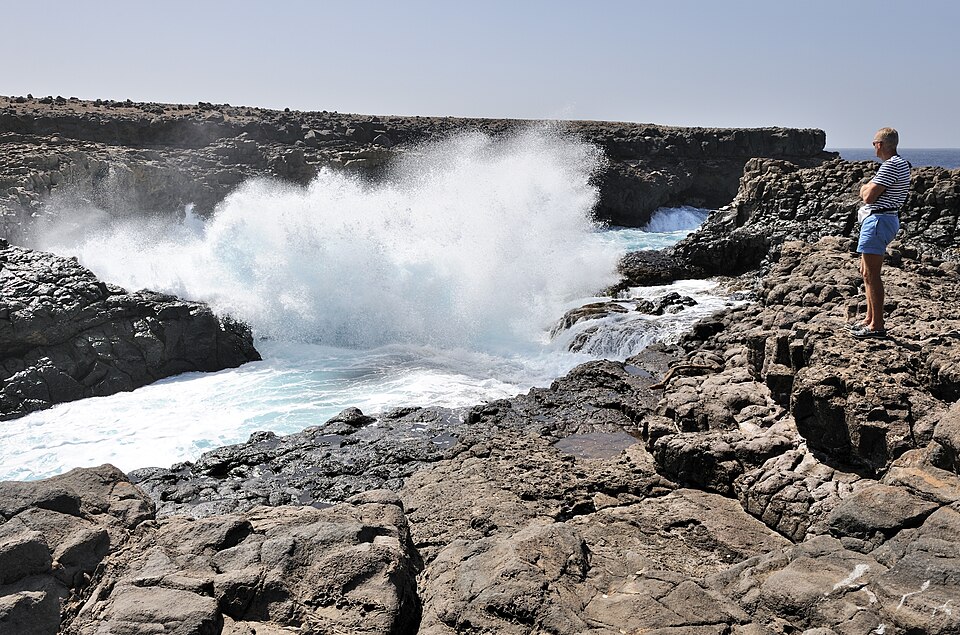
A natural pool carved by the sea in lava rock in the west of the island, where around midday a blue light reflected from the floor of the cave appears, called Olho Azul. The surroundings are lava cliffs where waves shoot water into the air. It is the island's best-known natural sight.

Tip: The best time to arrive is between eleven and one, when the blue light stands out. Beware of waves, do not go near the edge and do not swim in the pools in bad weather.

Admission:
about €3
Time needed:
1 hr
Kitesurfing and Windsurfing on Sal

Kitesurfing and Windsurfing on Sal

Sal

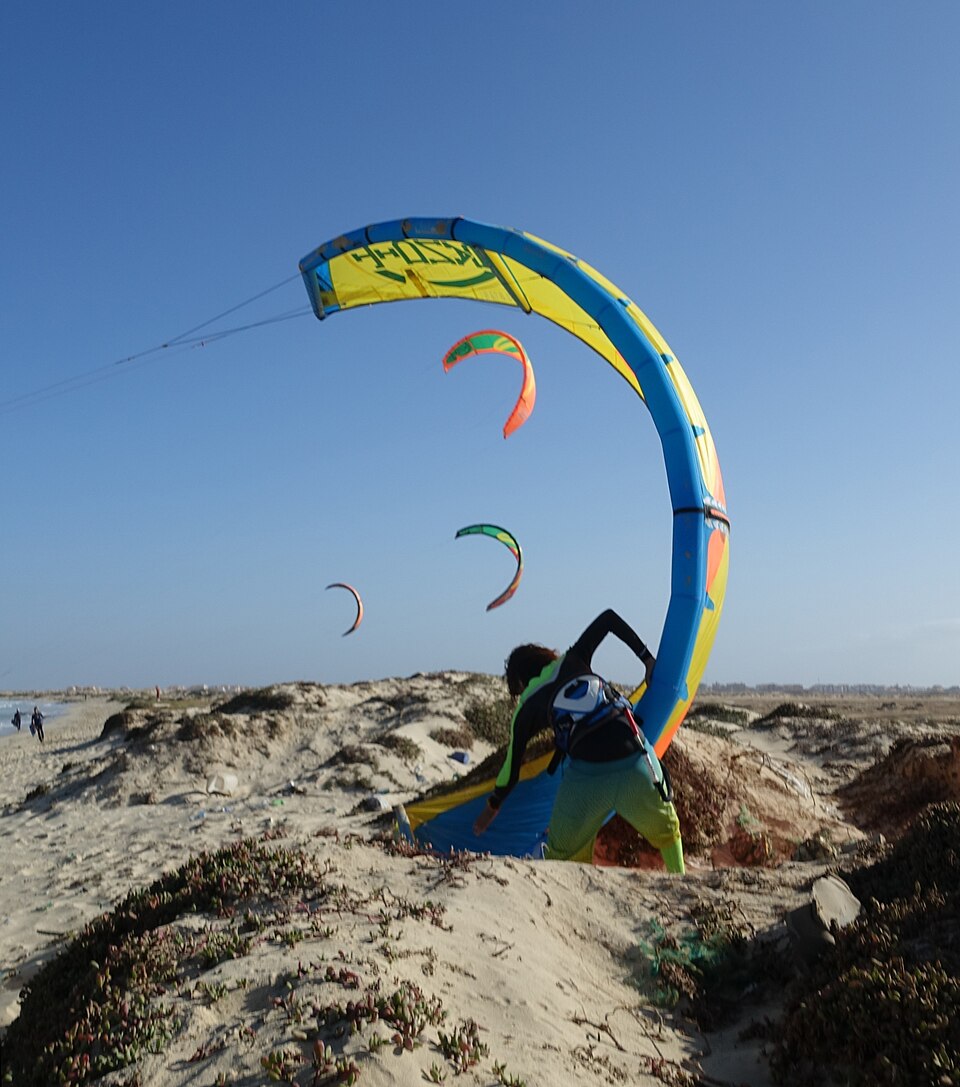
Sal is one of the best places in the world for kitesurfing and windsurfing thanks to a steady trade wind from November to June and a shallow lagoon at Kite Beach. Schools and rental shops offer lessons for beginners and the experienced. Advanced riders go to the waves at Ponta Preta.

Tip: Beginners are advised to go in the morning, when the wind is weaker, with an IKO-licensed school. No one sets out without a helmet or vest.

Admission:
lessons from €70
Time needed:
half a day
Sal Rei on Boa Vista

Sal Rei on Boa Vista

Boa Vista

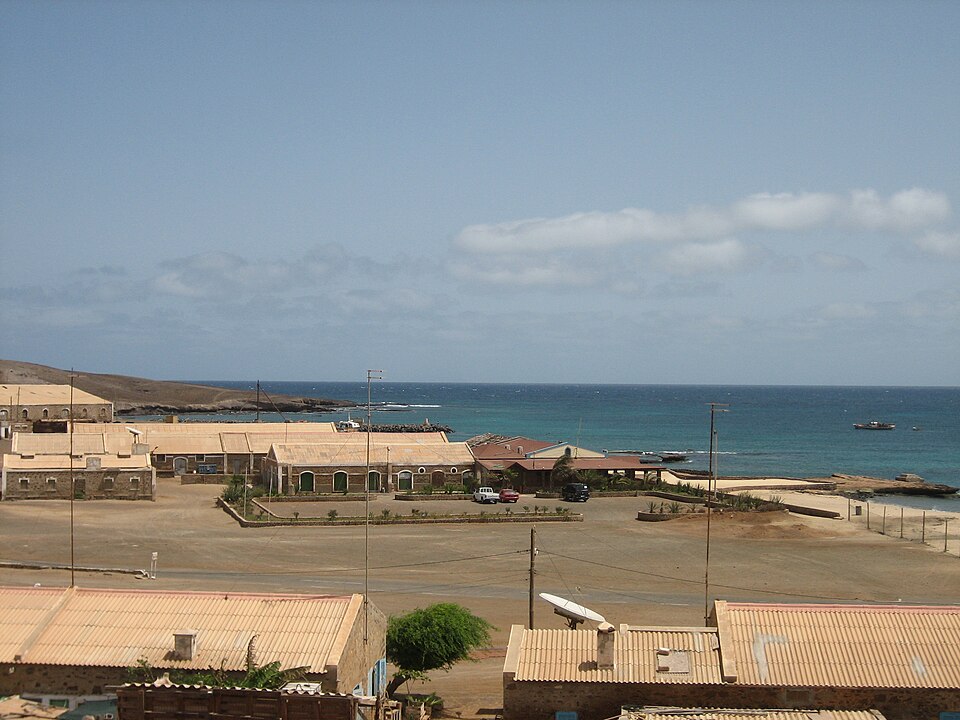
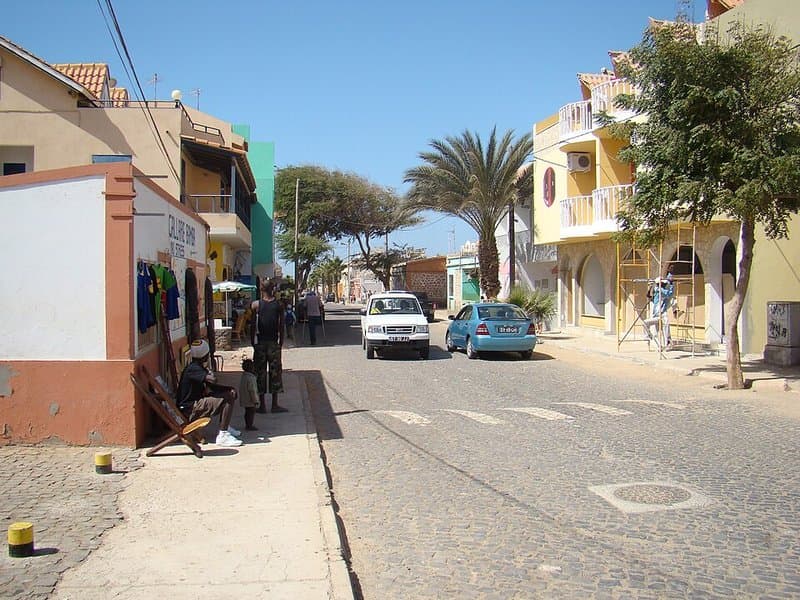
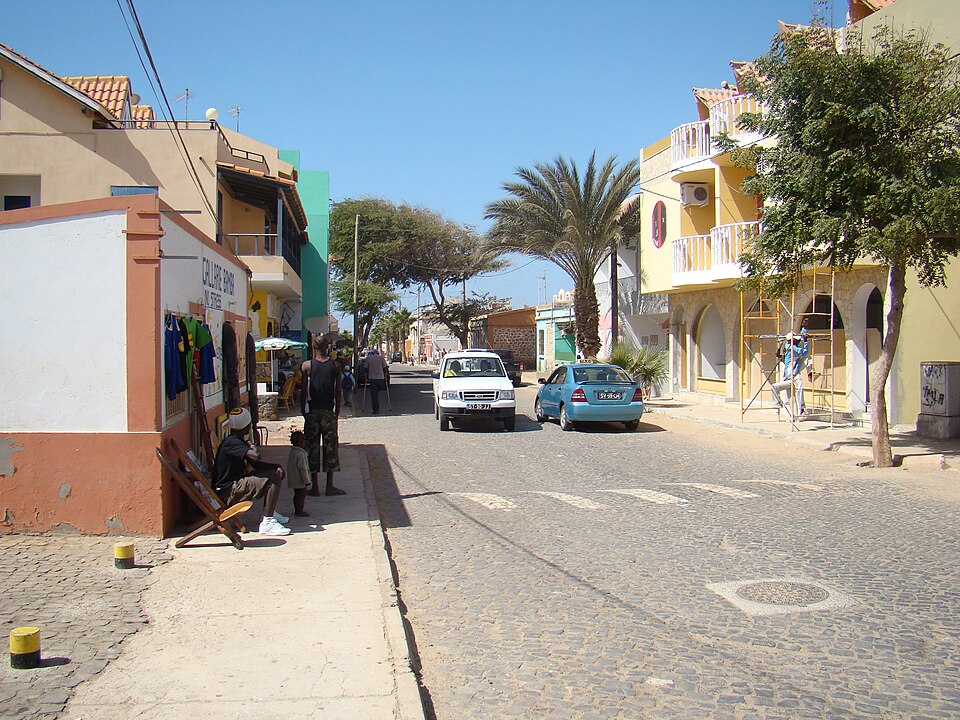
The main town of Boa Vista with a small harbour, colonial houses, a beach and a promenade. It is calmer than Santa Maria and has kept a fishing atmosphere. Boats leave from here for snorkelling and turtle-watching trips.

Tip: In the evening it is worth going for dinner at a fish restaurant by the harbour. Taxis run from the town into the interior, with prices agreed in advance.

Admission:
free
Time needed:
half a day
The Viana Desert

The Viana Desert

central Boa Vista

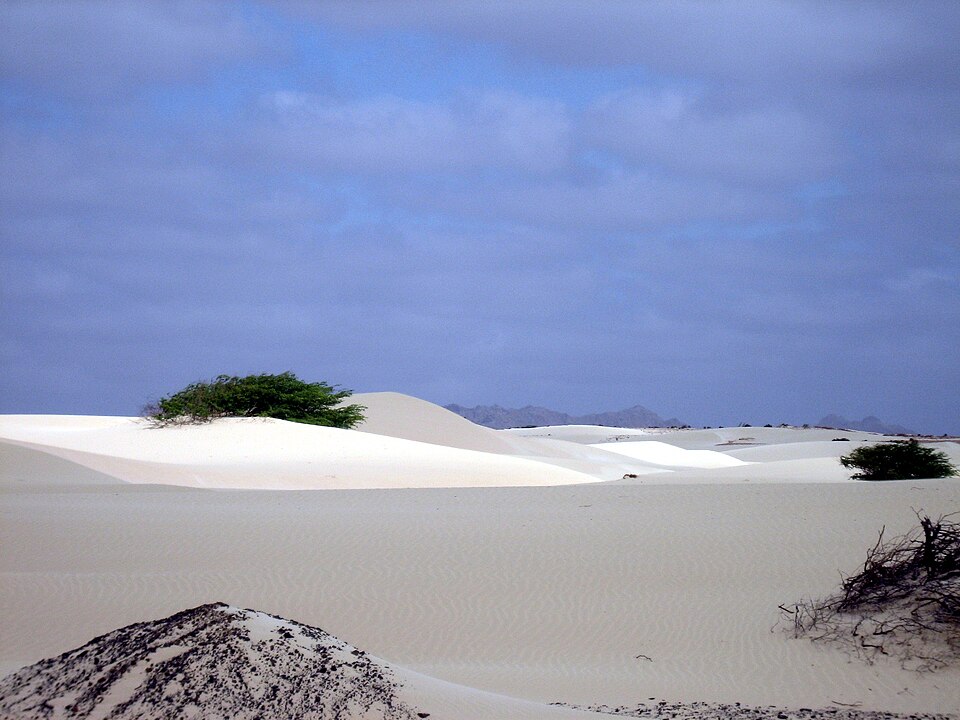
A sandy desert with dunes in the heart of Boa Vista, carried by the wind from Africa and nicknamed the 'little Sahara'. You can cross it by quad and jeep, and islands are visible in the distance. It is loveliest at sunset, when the dunes turn gold.

Tip: Bring a scarf for your face and glasses, as the sand is fine. For quads pay extra for insurance and go with a licensed operator.

Admission:
trip from €40
Time needed:
half a day
Santa Mónica Beach

Santa Mónica Beach

southwest Boa Vista

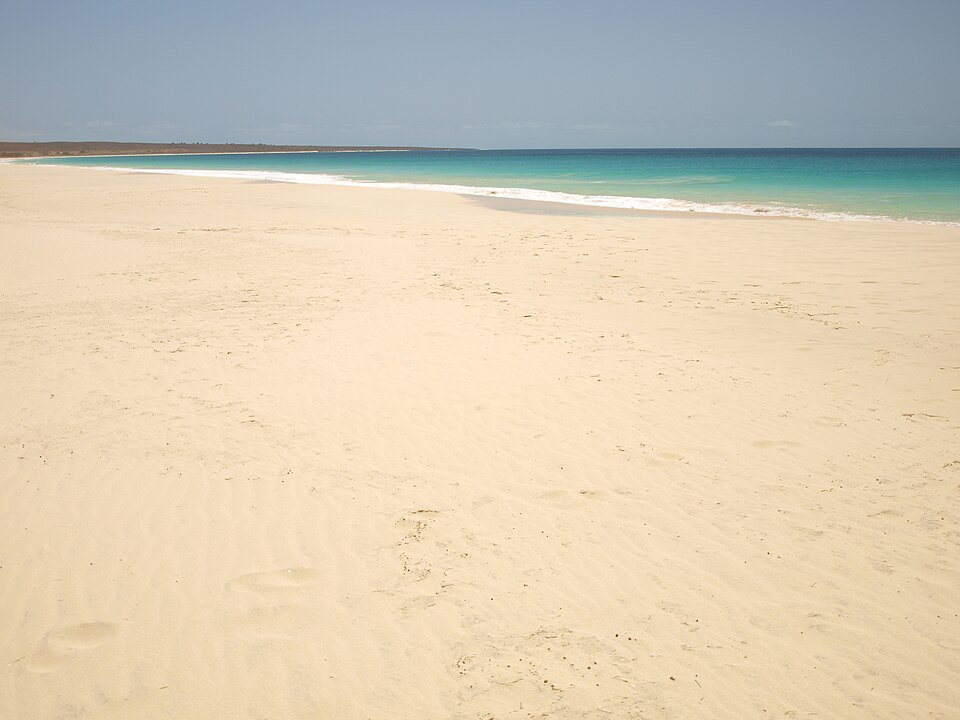
A beach twenty-two kilometres long on the southwest of Boa Vista, one of the longest and calmest in Cape Verde. The sand is white, the water turquoise and for most of the day no one is there. The beach is wild, with no facilities and strong currents.

Tip: Do not forget water, food and shade, as nothing is nearby. Swimming here is dangerous; it is more for a walk and photographs.

Admission:
free
Time needed:
half a day

Sea Turtle Watching

Boa Vista beaches

Boa Vista is one of the largest nesting sites of the loggerhead turtle in the Atlantic, and from June to October females come ashore at night to lay eggs. Evening tours with rangers take you to the beach and let you watch females and hatchlings. It is one of the best experiences on the island.

Tip: Tours are booked through local organisations and no light or flash may be used. Follow the guide's instructions and do not touch turtles or hatchlings.

Admission:
from €30
Time needed:
3 hrs
Pico do Fogo Volcano

Pico do Fogo Volcano

island of Fogo

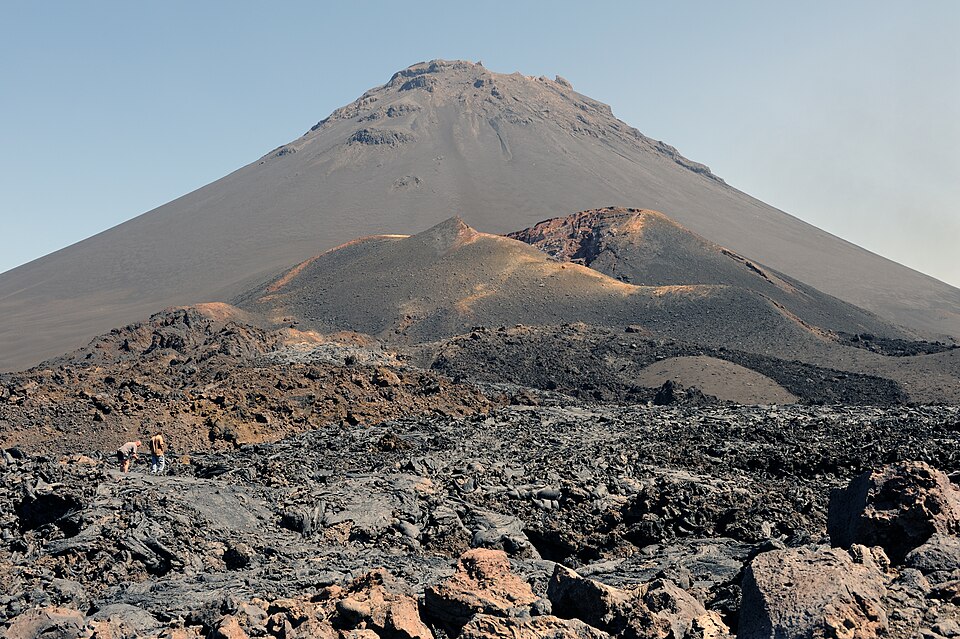
An active volcano 2,829 metres high on Fogo, the highest point in Cape Verde, which last erupted in 2014 and 2015. You climb to the crater with a guide in four to five hours and from the top there is a view of the whole island. Below is the village of Chã das Caldeiras, where wine and coffee are grown.

Tip: A flight to Fogo from Sal or Boa Vista costs about a hundred and fifty euros and the trip needs a whole day. Bring sturdy shoes, a cap and a warm layer.

Admission:
trip from €80
Time needed:
full day

Photos: Santa Maria on Sal — Montek (CC BY-SA 4.0) · Pedra de Lume Salt Crater — Ingo Wölbern (Public domain) · Buracona and the Blue Eye — Cayambe (CC BY-SA 3.0) · Kitesurfing and Windsurfing on Sal — Franzfoto (CC BY-SA 3.0) · Sal Rei on Boa Vista — Bjørn Christian Tørrissen (CC BY-SA 3.0) · The Viana Desert — Ingo Wölbern (Public domain) · Santa Mónica Beach — Adriao (CC BY 3.0) · Pico do Fogo Volcano — Cayambe (CC BY-SA 3.0)

Where to stay

Areas and districts, matched to the kind of trip you are taking

Santa Maria (Sal)

Best for: beach, restaurants and nightlife

The main tourist town in the south of Sal, with beachfront hotels and a choice of restaurants and bars. The most services and the best access, but also the most people. Suits a first visit.

Murdeira (Sal)

Best for: resorts and calm

A bay on Sal with all-inclusive resorts, golf and private beaches. It is calmer than Santa Maria and prices are higher. A good choice for families.

Sal Rei (Boa Vista)

Best for: town and harbour

The main town of Boa Vista with a harbour, colonial houses and beaches. The atmosphere is authentic and there are smaller hotels. Suits travellers who want to get to know the island.

Praia de Chaves and Santa Mónica

Best for: resorts and wild beaches

The southwestern beaches of Boa Vista with big all-inclusive resorts and vast beaches. It is calm and spacious, but far from the town. Suits relaxation.

Getting around

From the airport

Sal and Boa Vista have charter flights from Europe in winter. Amílcar Cabral Airport (SID) on Sal is about eighteen kilometres from Santa Maria and Aristides Pereira Airport (BVC) on Boa Vista about five kilometres from Sal Rei. Binter CV flies between the islands, taking twenty to sixty minutes. Before arrival you complete the electronic EASE pre-registration and pay the TSA airport fee.

Sal – Amílcar Cabral Airport (SID) · 18 km

  • Tour operator transfer· 25 min
  • Taxi to Santa Maria· 25 min· €20

Boa Vista – Aristides Pereira Airport (BVC) · 5 km

  • Transfer to the hotel· 20–40 min
  • Taxi to Sal Rei· 10 min· €10

Around town

On the islands you travel by taxi, aluguer (minibus) or a rented car or quad. Taxis have fixed prices by zone, but check them in advance. Between islands you fly; ferries run only rarely. On Sal, Santa Maria is well walkable; on Boa Vista access is poorer and you cannot manage without a car.

TaxiFixed prices by zone, check in advance. · €5
AluguerMinibus on the main routes, pay in cash. · €1
Car or quad rentalFor trips into the islands' interior, a licence is needed. · €50
Inter-island flightsWith Binter CV, book in advance. · €80

Useful apps: Google Maps, Maps.me, Windy, Binter CV

When to go

Cape Verde has a desert climate with temperatures around twenty-five to twenty-eight degrees all year and a steady trade wind from November to June. The sea is warm at twenty-two to twenty-six degrees. From December to March fine Saharan dust sometimes appears and reduces visibility. From August to October brief and rare showers arrive. The best time is November to May, and kitesurfers come from December to June.

Best time

November to June

What to avoid

September and October (brief showers and waves)

MonthJanFebMarAprMayJunJulAugSepOctNovDec
Day25°25°26°26°27°27°28°29°30°29°28°26°
Night19°19°19°20°20°21°23°24°24°24°22°20°
Rainy days000000123110
Sea22°21°21°21°22°23°24°25°26°26°25°23°

Food & drink

Cape Verdean cooking is Portuguese with African influences: fish, maize, beans and plenty of rice. Main dishes in restaurants cost eight to twenty euros and fresh fish is especially good. With meals people drink beer, grogue rum and wine from Fogo.

What to try

Cachupa

The national dish: maize with beans, vegetables, fish or pork, stewed for a long time. The leftovers are fried with an egg the next day.

Grilled tuna and wahoo

Fresh fish caught in the morning, grilled in slices with garlic and served with rice and chips. The staple of fish restaurants.

Lobster

Boiled or grilled and sold by weight. Ask the price in advance so the bill is not a surprise.

Caldo de peixe

A thick fish soup with sweet potatoes, banana and pumpkin, flavoured with garlic and coriander. Served as a main course.

Goat's cheese with papaya jam

Fresh goat's cheese with a thick papaya jam, served as a dessert. A simple but distinctive combination.

Pastel com diabo dentro

A fried pastry of maize dough filled with spicy tuna. A street snack for a few dozen escudos.

Grogue and ponche

A sugar-cane spirit and its sweet version with molasses. The best is bought in shops with a mark of origin.

What it costs

Coffee

100–150 CVE

Lunch in a restaurant

800–1,500 CVE

A beer

150–250 CVE

Taxi in Santa Maria

400–800 CVE

Pedra de Lume

600 CVE

Kitesurfing (lesson)

€70–100

All-inclusive hotel (night)

€80–180

Inter-island flight

€80–150

Indicative prices that change over time — treat them as a guide, not a price list.

Practical information

SocketsCEuroplug, two round pinsFSchuko
Voltage230V / 50Hz
Tap waterDo not drink tap water — Tap water in Cape Verde is not for drinking: drinking water is made by desalination. Bottled water is everywhere and a bottle costs a hundred to a hundred and fifty escudos.
TippingTipping is not obligatory; in restaurants leave five to ten per cent. Guides and drivers on excursions are given five to ten euros per group.
Driving on theright
SafetyCape Verde is among the safest countries in West Africa, but petty theft on beaches does occur. The main danger is nature: the Atlantic has strong currents and waves, and the sun burns. The police emergency line is 132, ambulance 130.
Opening hoursShops open around nine and close for two to three hours at midday. On Sunday most are closed. Banks work on weekdays from about eight to three.
Customs & etiquetteCape Verdeans are Catholic and courteous; you enter a shop with 'bom dia'. Swimwear belongs on the beach and in villages people dress. Ask before photographing people.
A few local wordsGood day — Bom diaThank you — Obrigado / ObrigadaPlease — Por favorHow much is it? — Quanto custa?Cheers — SaúdeThe bill, please — A conta, por favorWhere is the toilet? — Onde é a casa de banho?

How to plan your days

1 day

A day on Sal

  1. 1Morning the beach at Santa Maria.
  2. 2Afternoon Pedra de Lume and a float in the salt lake.
  3. 3Early evening Buracona and the Blue Eye.
  4. 4Evening dinner in a fish restaurant on the pier.

2 days

Two days: Sal and kitesurfing

  1. 1Day one as above.
  2. 2Day two morning a kitesurfing lesson.
  3. 3Afternoon the beach and a walk around Espargos.
  4. 4Evening a concert on the beach.

3 days

Three days: Sal and Boa Vista

  1. 1Days one and two as above.
  2. 2Day three a flight to Boa Vista, the Viana desert.
  3. 3Afternoon Sal Rei.
  4. 4Evening turtle watching (in season).

Day trips

Santiago (Praia and Cidade Velha)

200 km · 1 hr by plane

The largest island of the archipelago with the capital Praia and the UNESCO site of Cidade Velha, the oldest European town in the tropics. It suits a full-day trip with a flight or a longer stay.

Fogo

220 km · 1 hr by plane

An island with the Pico do Fogo volcano, vineyards and the village of Chã das Caldeiras in the crater. The climb takes four to five hours and it suits a full-day trip or a weekend.

São Vicente (Mindelo)

300 km · 1 hr by plane

An island with the town of Mindelo, a music scene and a colourful harbour. It is the cultural centre of Cape Verde and the birthplace of the singer Cesária Évora.

Frequently asked questions

Which island should I choose, Sal or Boa Vista?+

Sal is livelier, with the town of Santa Maria, restaurants and nightlife, and suits families and kitesurfing. Boa Vista is calmer and wilder, with long beaches and dunes. For a first visit Sal is better, for calm Boa Vista.

Do I need a visa for Cape Verde?+

Citizens of the EU do not need a visa for a stay of up to thirty days but must pre-register in the EASE system at least five days before arrival and pay the TSA airport fee of 3,400 escudos, about thirty-one euros. The passport must be valid for another six months. On a package holiday the travel agency often arranges it.

When is the best time for Cape Verde?+

November to June, when it is around twenty-six degrees, dry and steadily windy. Kitesurfers come from December to June. From August to October brief showers and waves can arrive.

Is the sea suitable for swimming?+

Yes, but beware of currents and waves on unprotected beaches. Swimming is safest by hotel beaches with a lifeguard. In winter the sea is twenty-two degrees and in summer twenty-six.

How do I get from the airport to the hotel?+

Package tours usually have a shared transfer included. A taxi from the airport on Sal to Santa Maria costs about twenty euros and takes a quarter of an hour. On Boa Vista the airport is closer to Sal Rei and the hotels.

When can turtles be watched?+

Sea turtle nesting runs from June to October, mostly in August and September. Evening tours are booked through local organisations. No light or flash may be used.

What is the currency in Cape Verde?+

The Cape Verdean escudo (CVE), which is pegged to the euro at 110.265 escudos per euro. Hotels and many shops take euros, but give change in escudos. Cards are used in hotels and larger restaurants, while cash is needed in smaller places.

Is Cape Verde suitable for children?+

Yes, hotels have kids' clubs and beaches with a gentle entry into the sea. Wind and waves can be strong, so choose hotel beaches. Turtles and the salt lake interest children.

Visa Requirements

Check the latest visa requirements for entering this country. Some nationalities may need to apply for a visa or e-visa before travel.

Check visa requirements

Language

Portuguese

Currency

CVE

Timezone

Atlantic/Cape_Verde

Dial Code

+238

Population

598K

Area

4,033 km²

Voltage

230V / 50Hz

Driving Side

Right

Top Hotels in Cape Verde

Live prices from 500+ properties

Loading hotels...

Planning a trip to Cape Verde?

Compare hundreds of hotels, find the best price, and book with free cancellation on TravelManiac.