Hotels in Dili

Asia's youngest capital, between a coral sea and mountains, where tourists have only just begun to arrive

Dili

LanguageTetum / Portuguese
CurrencyUSD
TimezoneAsia/Dili
Temperature24-32 °C
Dial Code+670
Population1.3M
Area14,874 km²
SocketsType C / Type E / Type F / Type I
Tap waterNot drinkable

Discover Dili

Dili is the capital of Timor-Leste, one of the world's youngest states, which gained independence in 2002 after 4 centuries of Portuguese rule and a quarter-century of brutal Indonesian occupation. It's a small, calm, unexpectedly slow-paced coastal city by Asian-capital standards, lying between a coral sea and steep mountains. There are few monuments, but their stories are powerful: a resistance museum, the former Chega prison, and Santa Cruz cemetery, where a 1991 massacre turned the world's attention to Timor. Above the city on a headland stands a 27-metre statue of Christ with arms outstretched, and beneath it some of the area's finest beaches. But the main reason to come is the sea: the waters around Dili and Atauro island are among the most biologically rich on earth, with coral reefs starting a few metres from the beach, and whales and dolphins passing through the strait in October and November. Tourist numbers are very low, infrastructure is basic and prices higher than you'd expect. It's a destination for those who want somewhere mass tourism hasn't reached yet.

What to see

The places worth your time in Dili, and what to expect at each

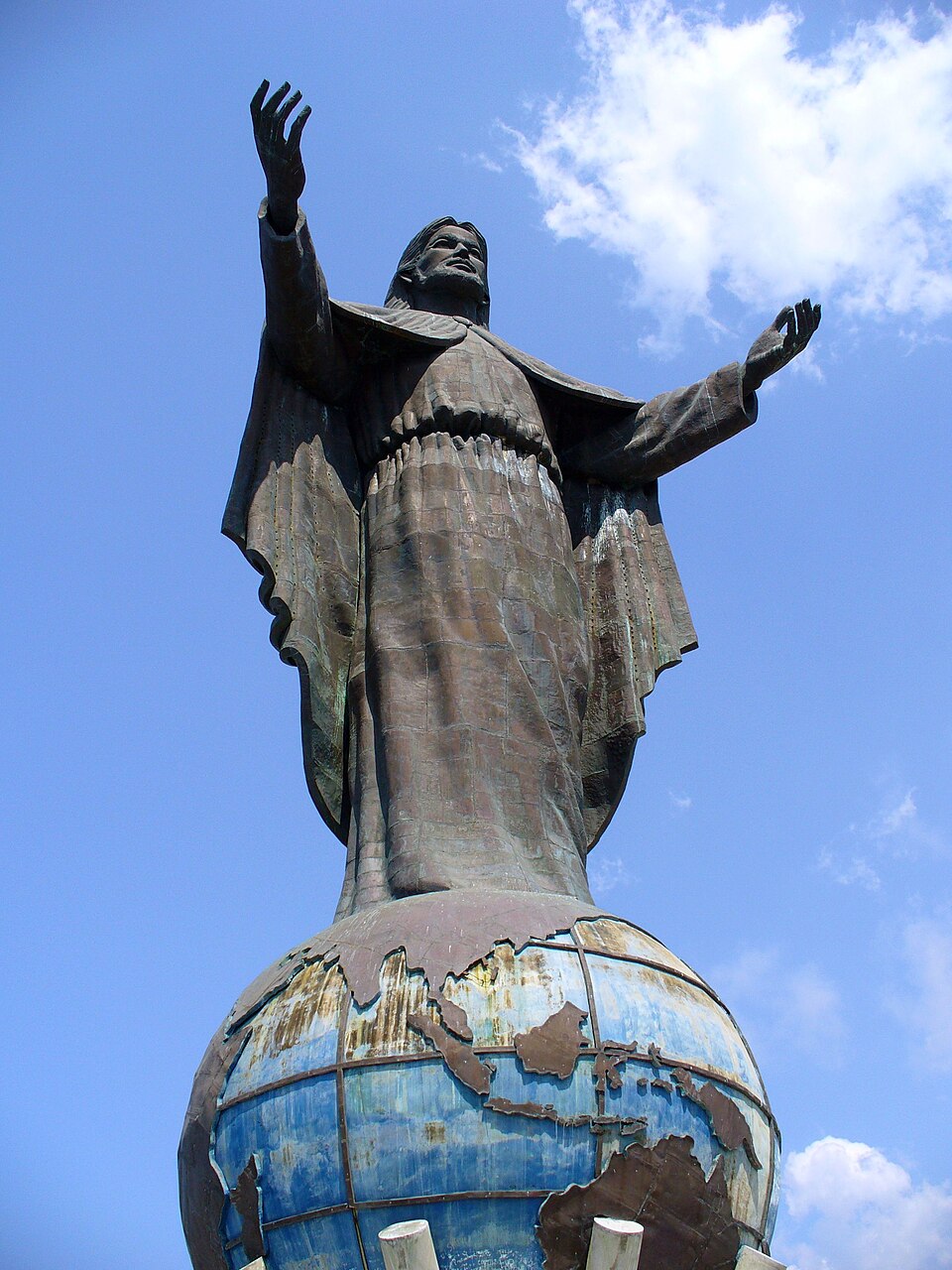
Cristo Rei Statue

Cristo Rei Statue

Cristo Rei de Dili

Fatucama headland / 7 km east

A 27-metre statue of Christ standing on a globe, at the top of Fatucama headland east of the city. Built by the Indonesian government in 1996 as a gift marking the 20th anniversary of the annexation, it's now a symbol of Catholic Timor. 570 steps with stations of the cross and views over the bay lead up to the statue.

Tip: Climb the steps an hour before sunset, when it's cooler and the light is best, and bring water — the climb in tropical midday heat is exhausting. There are 2 beaches below the statue: Areia Branca on the western side, and the hidden Jesus Backside Beach beyond the headland, reached by a trail, empty and with the best snorkelling. Locals come here to exercise at dawn on weekends.

Admission:
free
Time needed:
1.5–2 h
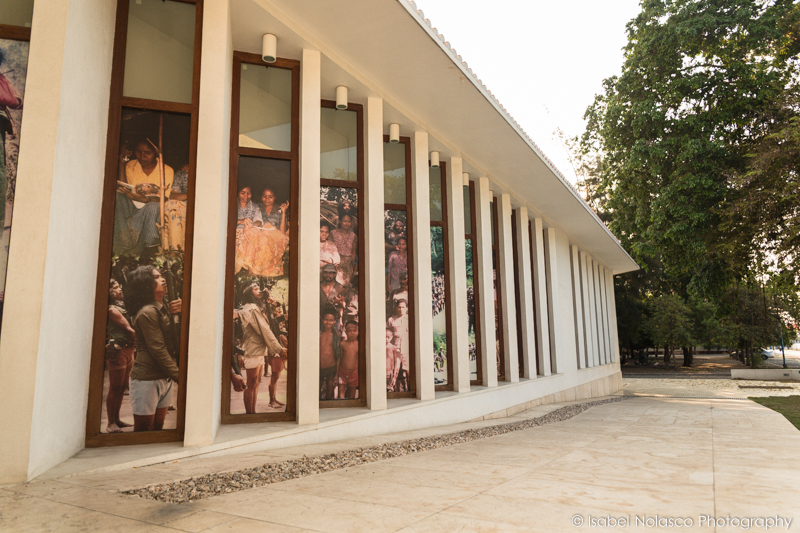
Archive and Museum of Timorese Resistance

Archive and Museum of Timorese Resistance

Arquivo e Museu da Resistência Timorense

Centre

A museum documenting 24 years of resistance against the Indonesian occupation of 1975–1999, during which roughly a quarter of the population died. Photographs, documents, weapons and personal belongings of Falintil guerrillas, a reconstructed jungle hideout, and stories of leaders such as Xanana Gusmão.

Tip: It's the best place to understand why Timor is the way it is — start here on your first day. Labels are in Portuguese, Tetum and English. The museum is small; an hour and a half is enough. It's often closed on Mondays and opening hours vary, so check in advance. Admission is symbolic.

Admission:
USD 1
Time needed:
1.5 h
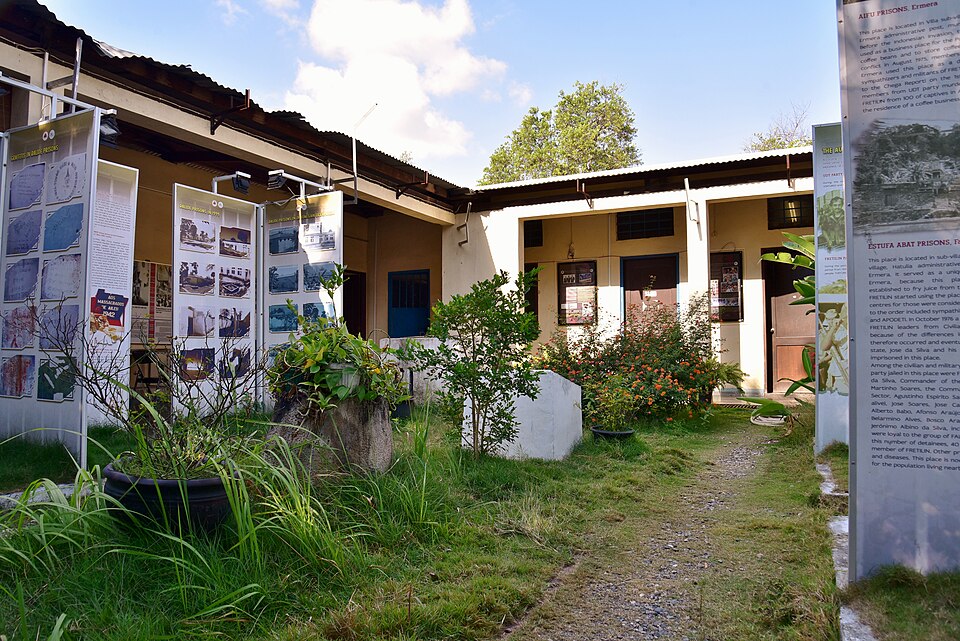
Chega! and the former Balide prison

Chega! and the former Balide prison

Centro Nacional Chega!

Balide

A former Portuguese prison used by the Indonesian authorities to detain and torture Timorese political prisoners. Today it houses the Chega! (Enough!) national centre, with an exhibition on the truth and reconciliation commission's report on the crimes of the occupation, original cells and survivor testimonies.

Tip: The cells, with prisoners' inscriptions still on the walls, are the most powerful part — moving, and tough going for more sensitive visitors. English labels are provided. It's worth visiting the resistance museum first for context. In practice the centre opens irregularly, so ask at your hotel beforehand or try a weekday morning.

Admission:
free, donations welcome
Time needed:
1 h
Santa Cruz Cemetery

Santa Cruz Cemetery

Cemitério de Santa Cruz

Santa Cruz

The cemetery where, on 12 November 1991, Indonesian soldiers opened fire on a peaceful funeral procession, killing over 250 people. British cameraman Max Stahl filmed the massacre, and footage smuggled out of Timor turned the world's attention to the occupation. The anniversary is now a public holiday.

Tip: The cemetery is still in use, so behave respectfully and don't photograph funerals or mourners. A memorial to the victims stands on site. It's worth visiting the resistance museum first for context. Locals will happily show you what happened where, but for many families it's still a painful subject.

Admission:
free
Time needed:
30–45 min
Areia Branca Beach

Areia Branca Beach

Praia de Areia Branca

Coast / 5 km east

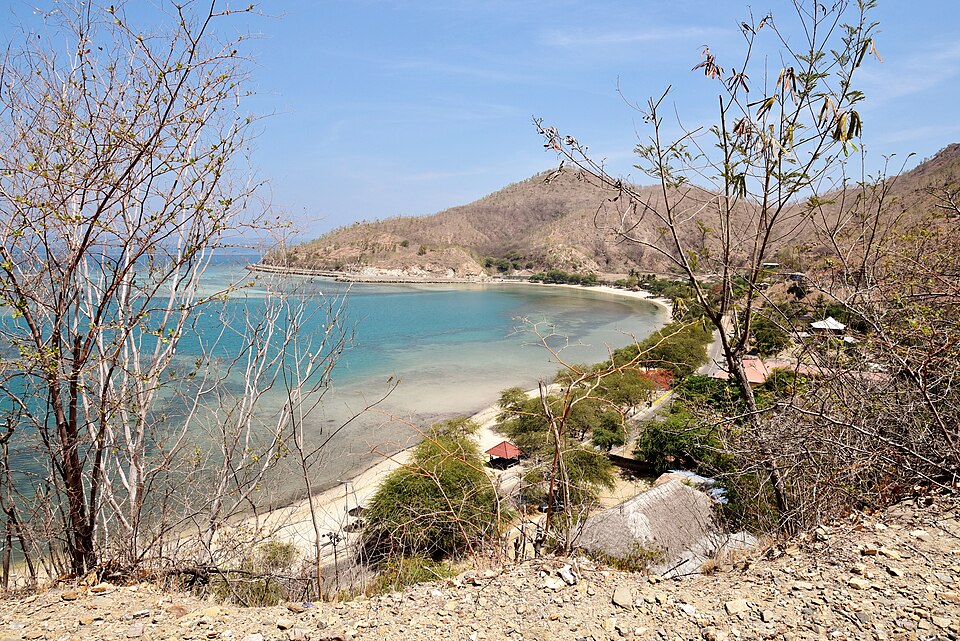
A white-sand beach beneath the Cristo Rei statue, Dili's most popular beach. Lined with trees and simple restaurants and bars where fresh fish is grilled in the evening. The water is calm and snorkelling is possible right from shore, though the coral isn't as rich as beyond the headland.

Tip: Sunset with grilled fish and a beer at a beach bar is the best evening in Dili. Swimming is fine, but don't go in the water at dusk or at night — saltwater crocodiles live in the surrounding waters, though attacks at Areia Branca beach are rare. The best snorkelling is at Jesus Backside beach beyond the headland, or on Atauro.

Admission:
free
Time needed:
2–3 h
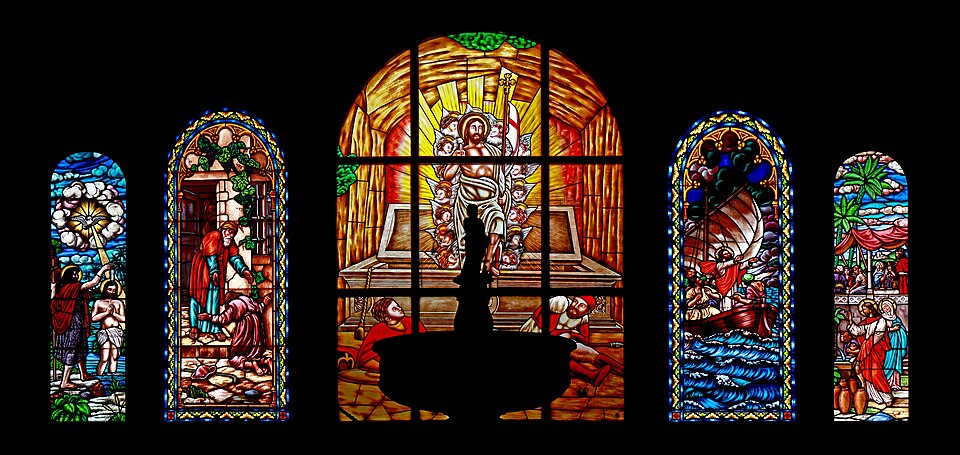
Immaculate Conception Cathedral

Immaculate Conception Cathedral

Catedral da Imaculada Conceição

Centre

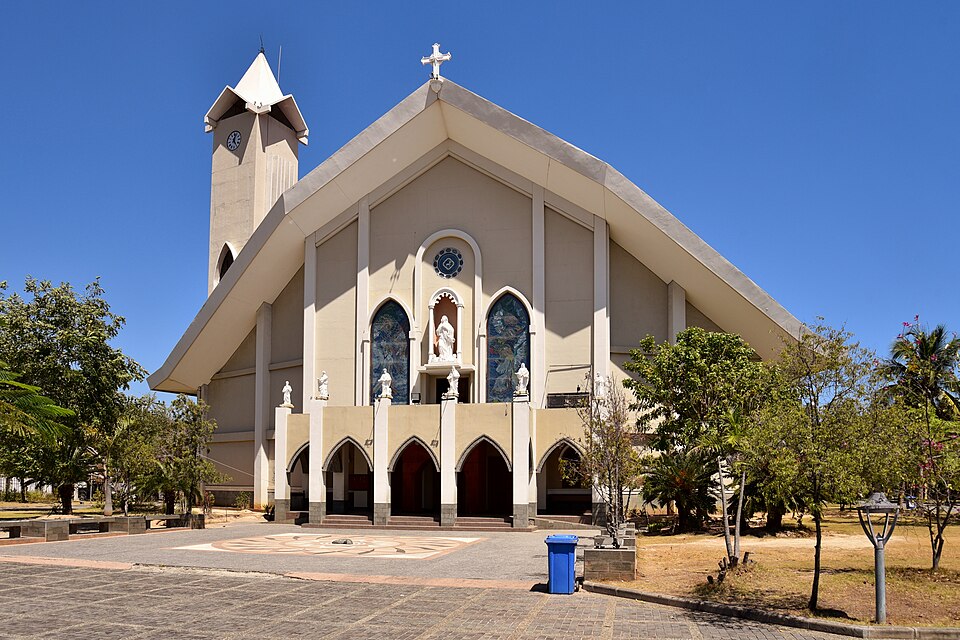
The largest cathedral in Southeast Asia when completed in 1988, built under the Indonesian regime. A white building with 2 towers, it's the centre of Catholic life in a country where 97% of the population is Catholic. Pope John Paul II held mass here in 1989.

Tip: Best is Sunday morning mass, when the cathedral is full and singing is in Tetum — a powerful experience even for non-believers. Dress with long sleeves and trousers. During the week the cathedral is open and quiet. For comparison, also visit the smaller Motael church on the waterfront.

Admission:
free
Time needed:
30–45 min
Motael Church and the Waterfront

Motael Church and the Waterfront

Igreja de Motael

Waterfront

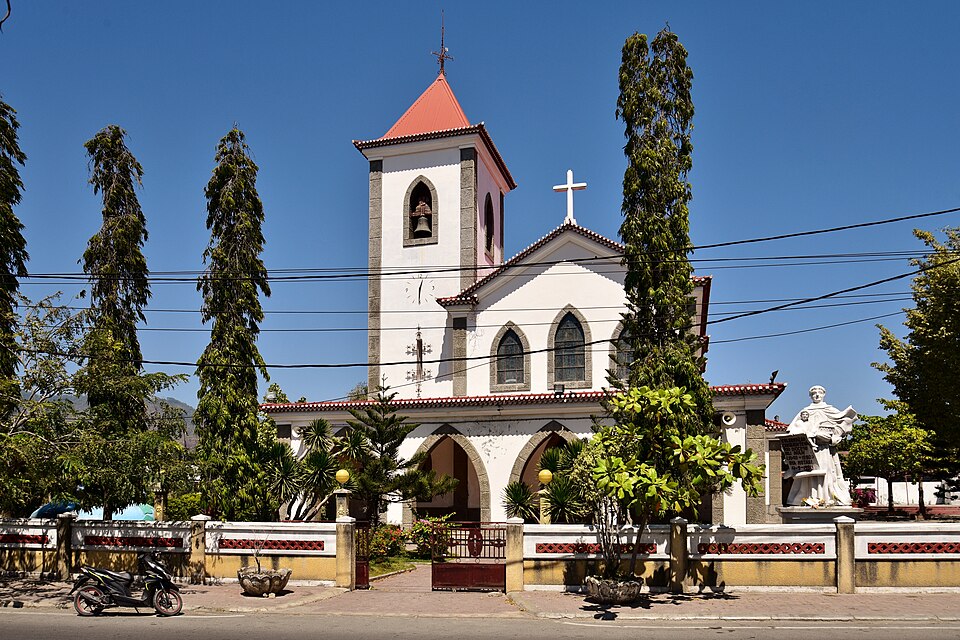
Dili's oldest church, dating from the Portuguese era, white with blue trim, stands on the waterfront overlooking the bay. In 1991, young activists took refuge inside it, and the killing of one of them led to the funeral procession that ended in the Santa Cruz massacre. The surrounding waterfront is the city's main promenade.

Tip: An early-evening walk along the waterfront from the church to the Palácio do Governo is the nicest time: locals play football, sell coconuts and grilled corn, and the sun sets behind Atauro island. Simple food stalls and cafés line the waterfront. The area around the government palace is well kept and lit.

Admission:
free
Time needed:
1 h
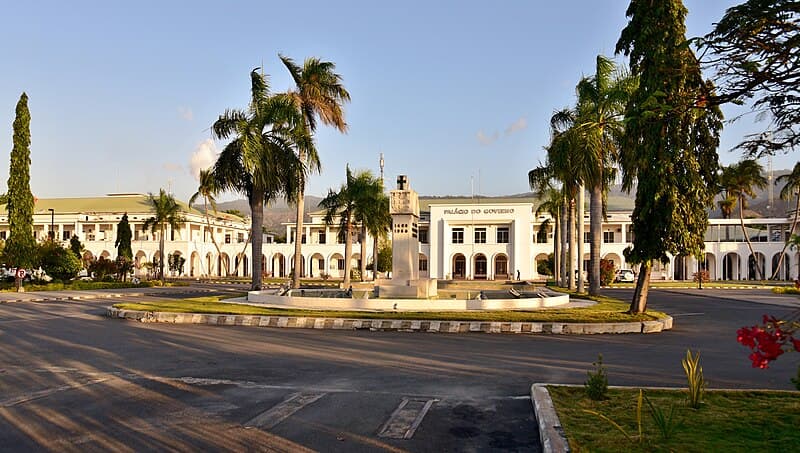
Government Palace

Government Palace

Palácio do Governo

Waterfront

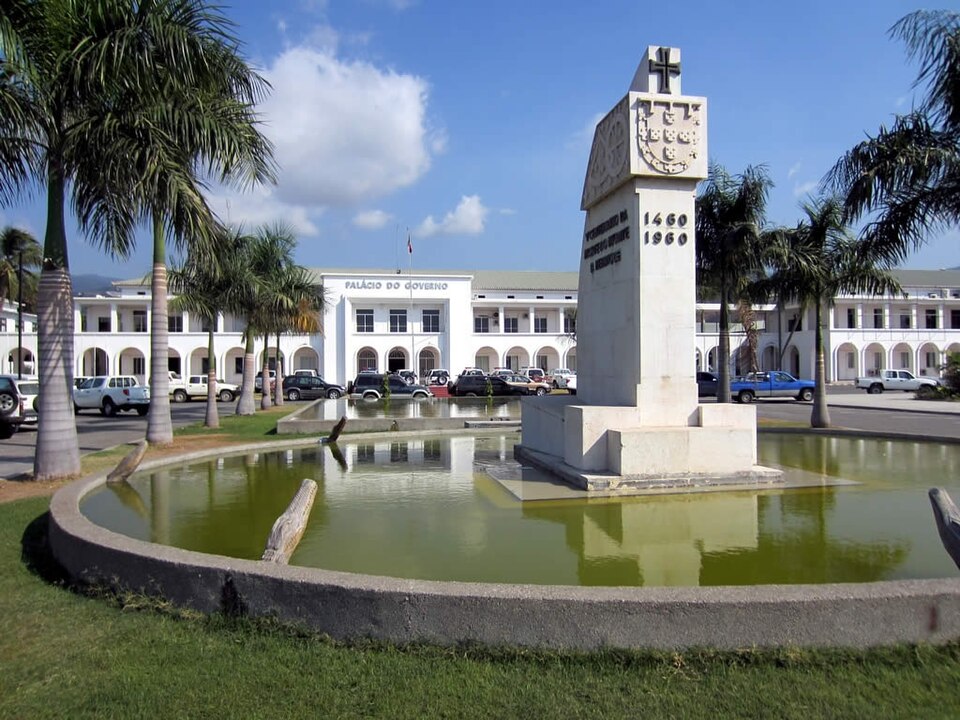
A white colonial building from the 1950s with arcades on the waterfront, seat of the government and prime minister. It was damaged during the Indonesian withdrawal in 1999 and later restored. In front is a square with a park and a view over the bay, where official ceremonies and independence celebrations are held.

Tip: The building can be photographed from outside; you can't go in. The square in front of the palace is a pleasant spot for an evening walk. Other colonial buildings and the Lobato memorial are nearby. The palace sits midway along the waterfront, an easy walk from Motael to the port.

Admission:
free from outside
Time needed:
30 min
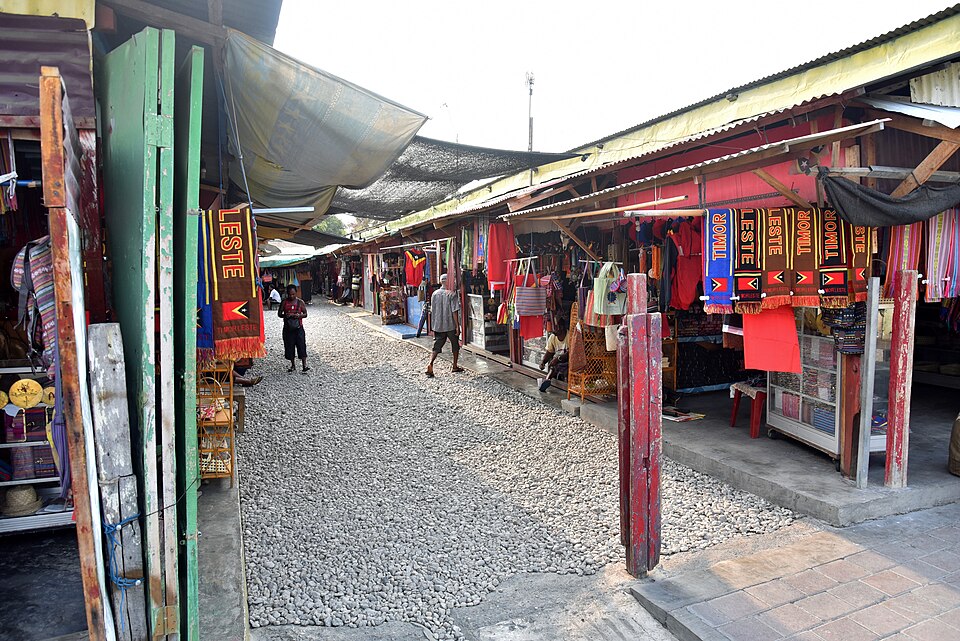
Tais Market

Tais Market

Mercado Tais

Colmera / centre

A market selling traditional hand-woven tais cloth, woven on simple looms with a different pattern and colour in every part of the country. Tais are worn at ceremonies, weddings and funerals and form part of a UNESCO-recognised intangible heritage. The market sells scarves, sarongs, bags and smaller souvenirs.

Tip: Prices vary by size and fineness — a large hand-woven tais in natural dyes costs tens to hundreds of dollars, smaller scarves a few dollars. Ask where each pattern is from; the sellers are happy to explain. Mild haggling is acceptable. For quality pieces direct from weavers, try the Timor Aid shop, where proceeds go straight to the weavers.

Admission:
free
Time needed:
45 min – 1 h

Photos: Cristo Rei Statue — Kok Leng, Yeo from Singapore, Singapore (CC BY 2.0) · Archive and Museum of Timorese Resistance — Isabel Nolasco Timor (CC BY-SA 4.0) · Chega! and the former Balide prison — Bahnfrend (CC BY-SA 4.0) · Santa Cruz Cemetery — H. Zell (CC BY-SA 3.0) · Areia Branca Beach — Bahnfrend (CC BY-SA 4.0) · Immaculate Conception Cathedral — Bahnfrend (CC BY-SA 4.0) · Motael Church and the Waterfront — Bahnfrend (CC BY-SA 4.0) · Government Palace — David Stanley from Nanaimo, Canada (CC BY 2.0) · Tais Market — Bahnfrend (CC BY-SA 4.0)

Where to stay

Areas and districts, matched to the kind of trip you are taking

Waterfront and centre

Best for: a first visit, walking

Hotels and guesthouses along the waterfront and in the centre around Colmera, within walking distance of museums, churches and restaurants. It has the most infrastructure, ATMs and cafés. Hotel choice is limited and prices higher than in neighbouring Indonesia.

Areia Branca and Cristo Rei

Best for: the beach, diving, calm

The eastern coast below the statue, with guesthouses, eco-lodges, dive centres and beach bars. Quieter and prettier than the centre, with the sea a few steps from your room. It's a 10-minute drive to the centre; without a taxi or car, staying here is inconvenient.

Farol and Lecidere

Best for: embassies, calm

Districts on the western and central waterfront with embassies, government buildings and a few better hotels. Calm and safe, with sea views. Walking distance to the centre.

Bidau and Becora

Best for: local life, cheaper accommodation

Residential districts in the east and south with local markets, simple guesthouses and diners. More authentic but less convenient. Microlets run to the waterfront and centre.

Getting around

From the airport

Dili is reached from Europe with 2 connections — most commonly via Bali (Denpasar), served by Airnorth and local carriers, or via Darwin in Australia and Singapore. Total journey time is typically 24–30 hours. Entry requirements vary by nationality and route and have changed in recent years — check your foreign ministry's website before travelling to see whether visa-free entry applies for your nationality, or whether a visa is issued on arrival. Your passport must be valid for at least 6 months. Presidente Nicolau Lobato Airport is small and lies 6 km from downtown. A land border crossing to Indonesian West Timor exists, requiring a visa in advance.

Dili Presidente Nicolau Lobato (DIL) · 6 km

  • Taxi to downtown· 15–20 min· USD 10
  • Hotel transfer· 15 min· USD 10
  • Microlet (minibus)· 30 min· USD 0.25

Around town

Dili is small, and the downtown waterfront area is walkable, even if it's hot at midday. For longer distances, yellow taxis without meters operate — agree the price in advance, usually $2–5 across town. Microlets, coloured minibuses with route numbers, run fixed routes for 25 cents and are the cheapest option, but without a timetable. Ride-hailing apps barely work in Dili. For trips into the mountains and along the coast, a car with a driver or a rented 4x4 is essential — roads outside the city are narrow, unpaved and often impassable in the rainy season. Ferries and fast boats run to Atauro island.

Yellow taxiNo meter, agree the price in advance. · USD 2
MicroletMinibuses on fixed routes, paid in cash. · USD 0.25
Car with driver for the dayFor trips into the mountains or along the coast, a 4x4. · USD 80
Boat to AtauroThe Berlin Nakroma ferry or fast boats. · USD 5

Useful apps: Google Maps, maps.me (offline), WhatsApp

When to go

Dili has a tropical climate with temperatures around 30°C year-round. The dry season, from May to November, is best, with sunshine, a calm sea and passable mountain roads. From October to November, migrating whales, sperm whales and dolphins pass through the Ombai-Wetar strait, and it's the peak of the diving season with the best visibility. The rainy season, from December to April, brings heavy downpours, landslides and impassable mountain roads, with high humidity and a rougher sea. The water stays around 27–29°C year-round. Big celebrations are held in Dili on 20 May (Restoration of Independence Day) and 28 November.

Best time

May–November, whales October–November

What to avoid

the rainy season (December–April)

MonthJanFebMarAprMayJunJulAugSepOctNovDec
Day31°31°31°32°31°31°30°30°31°32°32°31°
Night23°23°23°23°23°22°21°21°21°22°23°23°
Rainy days1312128642111410
Sea29°29°29°29°28°27°26°26°27°28°29°29°

Food & drink

Timorese cuisine is simple, built on what the land and sea provide: rice, corn, cassava, beans, squash and, above all, fish. In Dili the best grilled fish is on the waterfront and at Areia Branca beach, where the day's catch is grilled over coals in the evening. Portuguese heritage shows in bakeries and cafés, and Indonesian influence in diners serving nasi goreng and satay. Because Dili relies heavily on international organisations, it also has an unexpectedly wide choice of restaurants — Portuguese, Thai, Indian, Italian — with prices closer to European ones. The best local product is mountain-grown coffee, among the finest in Southeast Asia. A meal at a simple diner costs $2–5, dinner at a restaurant for foreigners $15–30. Eat vegetables and fruit cooked or peeled.

What to try

Ikan sabuko and grilled fish

Timorese food is mainly fish: in the evening the day's catch is grilled on the coast over coconut shells and served with rice, lime and hot sauce. Priced per piece, not by weight.

Batar daan

Corn, squash and mung beans cooked together into a thick stew. Everyday rural food, simple and filling, sold in Dili's simple diners.

Se'i

Smoked pork or beef in thin slices, smoked over tamarind wood. It originates from the western part of the island and is sold ready-made in Dili's markets.

Tukir

Meat or fish with spices, cooked in a bamboo tube over a fire. A festive dish prepared for ceremonies and weddings, only occasionally found in restaurants.

Portuguese heritage

400 years of Portuguese rule left Dili with pastries, caldo verde, bacalhau and pastéis de nata; the best cakes are found at the bakeries where office workers stop for their morning coffee.

Timorese coffee

Arabica grown in the mountains around Ermera and Maubisse is the country's main export and ranks among the best in Southeast Asia. Small cafés in Dili roast it, and a bag of beans is the best souvenir.

Tua mutin and palm wine

Tua mutin is fermented lontar-palm sap, sweet and mildly alcoholic; tua sabu is a spirit distilled from it and tends to be very strong. Drunk at ceremonies and at rural markets.

What it costs

Coffee at a café

USD 1.50–3

Meal at a local diner

USD 2–5

Grilled fish on the beach

USD 5–10

Dinner at a restaurant

USD 15–30

Beer at a bar

USD 2–4

Taxi across town

USD 2–5

Dive with a dive centre

from USD 60

Night in a 3-star hotel for 2

USD 70–130

Indicative prices that change over time — treat them as a guide, not a price list.

Practical information

SocketsCEuroplug, two round pinsEFrench, with earth pinFSchukoIAustralian, angled pins
Voltage220V / 50Hz
Tap waterDo not drink tap water — Tap water is not drinkable anywhere in Timor-Leste. Buy bottled water (a bottle costs $0.50–1) or refill with filtered water at hotels and cafés that offer it free. Ice and raw market vegetables are a risk in the first few days; food from restaurants frequented by expats is safe.
TippingTipping isn't traditional; at restaurants for foreigners, bills are rounded up or around 10% is left. The currency is the US dollar, with Timor's own small coins up to 50 cents (centavos), which are worthless outside the country. Only better hotels and a few restaurants take cards; everything else is cash — ATMs work in Dili but are rare outside the capital, so stock up on cash. Bring small notes, since $100 bills are hard to break.
Driving on theleft
SafetyTimor-Leste is a calm country today, and violence against foreigners is rare, but ordinary caution applies in Dili: don't walk alone on unlit streets at night, don't leave things visible in the car, and avoid gatherings and youth-group scuffles. The main risks lie elsewhere — mountain roads are narrow, unpaved and impassable in the rainy season, healthcare is basic, and a serious injury means an air evacuation to Darwin or Bali, so insurance with repatriation cover is essential. Dengue fever occurs in the country, and malaria in rural areas. Saltwater crocodiles live in the seas around Dili; only swim where locals swim, and never at dusk. The police emergency number is 112.
Opening hoursShops open at 8am and close 6–7pm, with many smaller ones taking a midday break from 12 to 2pm. On Sundays most shops are closed and the city belongs to churches and the beach. Restaurants for foreigners serve until 10pm. Offices and banks close at 4pm. Catholic holidays and Independence Day (28 November) and Restoration Day (20 May) bring the whole country to a stop.
Customs & etiquette97% of Timorese are Catholic, and the church is the centre of community life; dress modestly for church. Festivals and family ceremonies are interwoven with the local tradition of sacred houses (uma lulik), which shouldn't be entered without an invitation. Shorts and vest tops aren't worn in rural areas. Elders are given precedence and always greeted with a handshake first. People speak openly about the Indonesian occupation of 1975–1999, during which roughly a quarter of the population died, but it's not a light conversation topic.
A few local wordsGood morning / afternoon — Bondia / BotardeThank you — Obrigadu (muž) / Obrigada (žena)How much does that cost? — Hira?Too expensive — Karun liuGood, OK — DiakGoodbye — Até logo

How to plan your days

1 day

Dili in a day

  1. 1Morning at the Archive and Museum of Timorese Resistance.
  2. 2Santa Cruz Cemetery and the cathedral.
  3. 3Lunch at a café with Timorese coffee.
  4. 4Afternoon at the Tais Market and the waterfront by Motael church.
  5. 5Early evening climb to the Cristo Rei statue and grilled fish at Areia Branca.

2 days

2 days in Dili

  1. 1Day 1: the resistance museum, Chega!, Santa Cruz.
  2. 2Day 1 evening: the waterfront and sunset at Motael.
  3. 3Day 2: snorkelling at Jesus Backside beach below Cristo Rei.
  4. 4Day 2 afternoon: the cathedral and the Tais Market.
  5. 5Day 2 evening: dinner at Areia Branca beach.

3 days

3 days with Atauro

  1. 1Day 1: the resistance museum, Santa Cruz, the cathedral, the waterfront.
  2. 2Day 2: morning boat to Atauro island.
  3. 3Day 2: snorkelling and diving on Atauro's reefs, overnight at an eco-lodge.
  4. 4Day 3: walk to Beloi village and return to Dili.
  5. 5Day 3 evening: Cristo Rei at sunset.

Day trips

Atauro Island

25 km · 1 h by fast boat, 2 h by ferry

An island north of Dili whose coral reefs, according to research, have the highest reef-fish diversity on earth. Snorkelling starts right from the beach, and dive centres run trips to walls of coral and turtles. The island has simple eco-lodges and villages of craftspeople making wooden dolls. The ferry runs once a week; fast boats and charter boats run daily. Worth staying overnight.

Maubisse and Mount Ramelau

70 km · 3 h by car

A mountain village at 1,400 metres with a Portuguese pousada and views over coffee plantations and mountains. From here you can head to Mount Ramelau (Tatamailau), the country's highest peak at nearly 3,000 metres, climbed at night so you reach the summit for sunrise above the clouds. Too far for a single day — stay overnight in Maubisse or in Hato Builico below the mountain.

Baucau

120 km · 3 h by car

The country's second-largest city, on a clifftop above the sea, with a Portuguese old town, a faded market and a pousada. Below the town is the village of Osolata, with spring water and beaches. The coastal road from Dili passes beaches and fishing villages. It's a long trip for a single day — better to stay overnight and continue east to Tutuala and Jaco beach.

Frequently asked questions

Do I need a visa for Timor-Leste?+

Entry requirements have changed several times in recent years. Before travelling, check your foreign ministry's or the Timorese immigration service's website to see whether your nationality qualifies for visa-free entry, or whether a visa on arrival is issued at Dili airport, paid in cash in US dollars. Your passport must be valid for 6 months. Different rules apply for the land crossing from Indonesia.

How do I get to Dili?+

Most commonly via Bali (Denpasar), served by Airnorth, Citilink and others, or via Darwin in Australia and Singapore. From Europe that's 2 connections and 1–2 days of travel. Flights are infrequent and expensive, so book ahead. Dili's airport is small, 6 km from downtown.

Is Timor-Leste safe?+

It's calm for tourists today, and violence against foreigners is rare. Ordinary caution applies in Dili — don't walk alone at night in unlit areas, and don't leave things in the car. The main risks are mountain roads, dengue fever, malaria in rural areas and weak healthcare. Insurance with repatriation cover is essential.

What currency is used in Timor-Leste?+

The US dollar, supplemented by the country's own coins up to 50 cents, which are worthless outside the country. Only better hotels and restaurants for foreigners take cards; everything else is cash. ATMs work in Dili but are rare outside the city. Bring smaller notes, since $100 bills are hard to break.

When's the best time to dive?+

From May to November, the dry season, when the sea is calm and visibility is best. The peak is October and November, when migrating whales, sperm whales and dolphins pass through the strait. The water stays around 28°C year-round. Dive centres in Dili run dives along the coast and around Atauro.

Are there crocodiles in Timor?+

Yes, the saltwater crocodile is a sacred animal in Timor, and legend says the island was born from a crocodile. They live in rivers, mangroves and coastal waters, and attacks near Dili do occasionally happen. Only swim where locals swim, never at dusk or at night, and not near river mouths.

How many days are enough for Dili?+

2 days for the city, its museums, the waterfront and Cristo Rei. Add 2 days for Atauro island with an overnight stay. For a deeper look at Timor, you need a week to 10 days with a car and driver — the mountains around Maubisse and Ramelau, and the east with Baucau and Jaco beach. Travel around the country is slow.

Will I get by in English in Dili?+

In hotels, restaurants and with young people, partly yes, since many international organisations operate in Dili. The official languages are Tetum and Portuguese, and Indonesian is also widely spoken. A few words of Tetum — bondia, obrigadu — open doors and locals appreciate it.

Visa Requirements

Check the latest visa requirements for entering this country. Some nationalities may need to apply for a visa or e-visa before travel.

Check visa requirements

Language

Tetum / Portuguese

Currency

USD

Timezone

Asia/Dili

Dial Code

+670

Population

1.3M

Area

14,874 km²

Voltage

220V / 50Hz

Driving Side

Left

Top Hotels in Dili

Live prices from 500+ properties

Loading hotels...

Planning a trip to Dili?

Compare hundreds of hotels, find the best price, and book with free cancellation on TravelManiac.