Hotels in Galapagos Islands

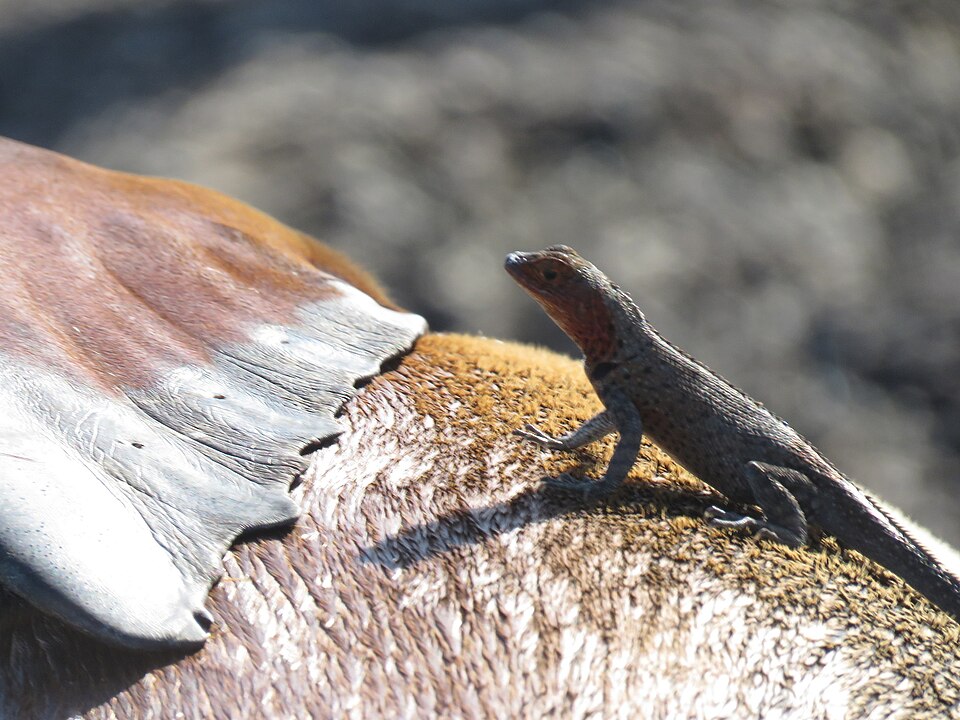
Islands where sea lions sprawl on benches and giant tortoises show no fear of people

Galapagos Islands

LanguageEnglish
CurrencyUSD
TimezoneGMT-6
Temperature18-28 °C
Dial Code+593
Population18M
Area256,370 km²
SocketsType A / Type B
Tap waterNot drinkable

Discover Galapagos Islands

The Galápagos are a volcanic archipelago on the equator, 1,000km off the coast of Ecuador, where animals arrived by sea or air and, in isolation, evolved into species found nowhere else on Earth. Charles Darwin observed finches and tortoises here in 1835, and his observations became the foundation of the theory of evolution. The animals here have never had a natural predator, so they show no fear of people: sea lions sleep on benches at the harbour, marine iguanas bask on pavements, blue-footed boobies perform their mating dance a few metres away, and sea turtles, rays and sharks swim right alongside you while snorkelling. There are 2 ways to visit the Galápagos — a multi-day cruise, sailing at night and dropping you on a different remote island each day, or a stay on the inhabited islands of Santa Cruz, Isabela and San Cristóbal with day trips by boat. The second option is cheaper and more flexible; the first reaches further afield. Entry to the national park costs $200.

What to see

The places worth your time in Galapagos Islands, and what to expect at each

Charles Darwin Research Station

Charles Darwin Research Station

Puerto Ayora, Santa Cruz

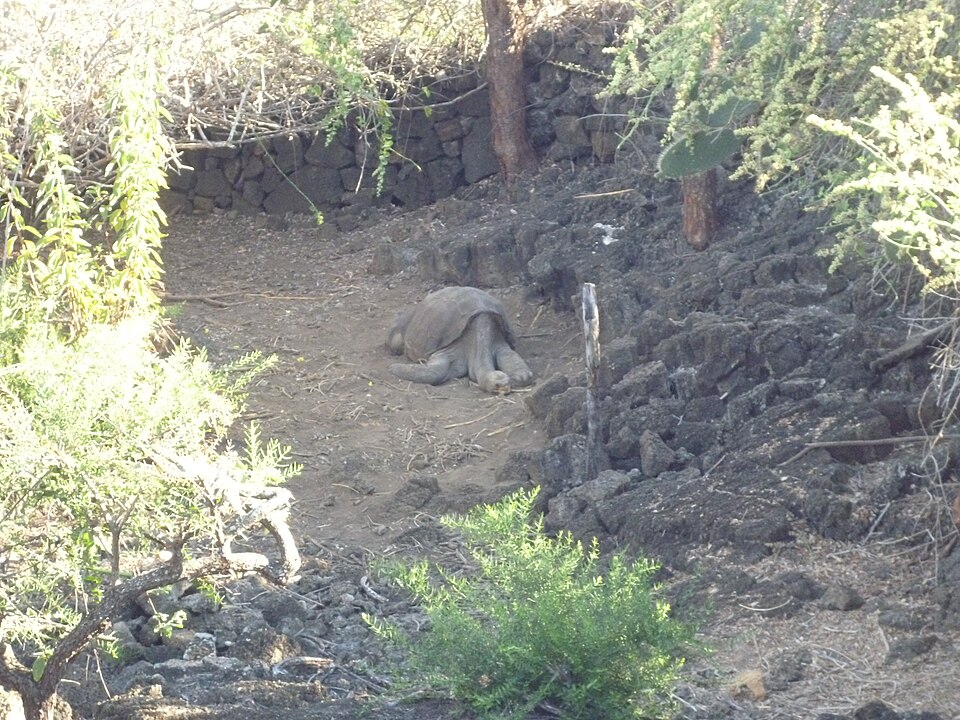
A scientific centre in Puerto Ayora that has bred and released endangered giant tortoises from individual islands since the 1960s. Enclosures hold tortoises of every size, from hatchlings to century-old males, and the air-conditioned pavilion displays Lonesome George, the last tortoise from Pinta Island, who died in 2012.

Tip: Come right at 7am or late afternoon, when the tortoises are active and feeding; at midday they sleep in the shade. The path from the station continues to the small Playa de la Estación beach, with calm water good for a first snorkel. Entry to the grounds is free, and the Lonesome George pavilion with a guide costs a small fee.

Admission:
free
Time needed:
1.5 h
Tortuga Bay

Tortuga Bay

Santa Cruz

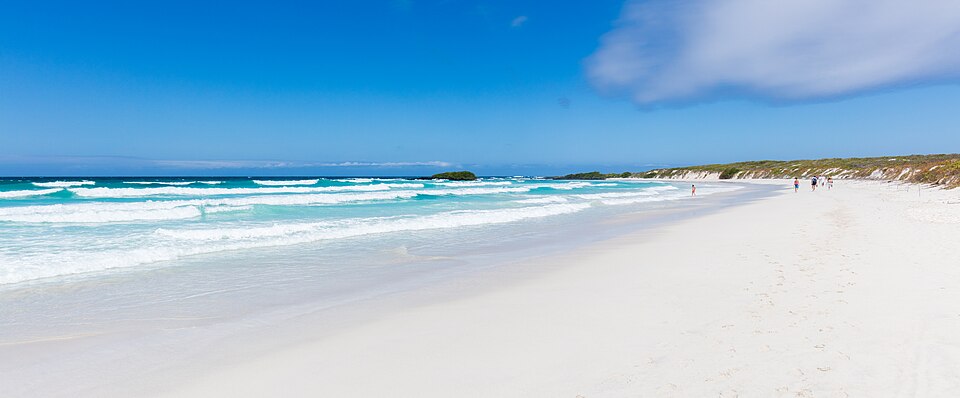
A 2.5km stretch of white-sand beach, reached on foot along a paved trail through a cactus forest. The main beach has high waves and swimming is dangerous, but at its far end lies a sheltered mangrove bay where you can swim among marine iguanas, reef sharks and pelicans.

Tip: The trail is open from 6am to 6pm, and you sign a logbook at the entrance. Go early in the morning, before the sun starts to burn — there's no shade or drinking water on the trail or the beach. A water taxi back to the harbour runs from the beach for $10, saving an hour's walk in the heat.

Admission:
free
Time needed:
3–4 h
Santa Cruz Highlands: El Chato and Los Gemelos

Santa Cruz Highlands: El Chato and Los Gemelos

Santa Cruz Highlands

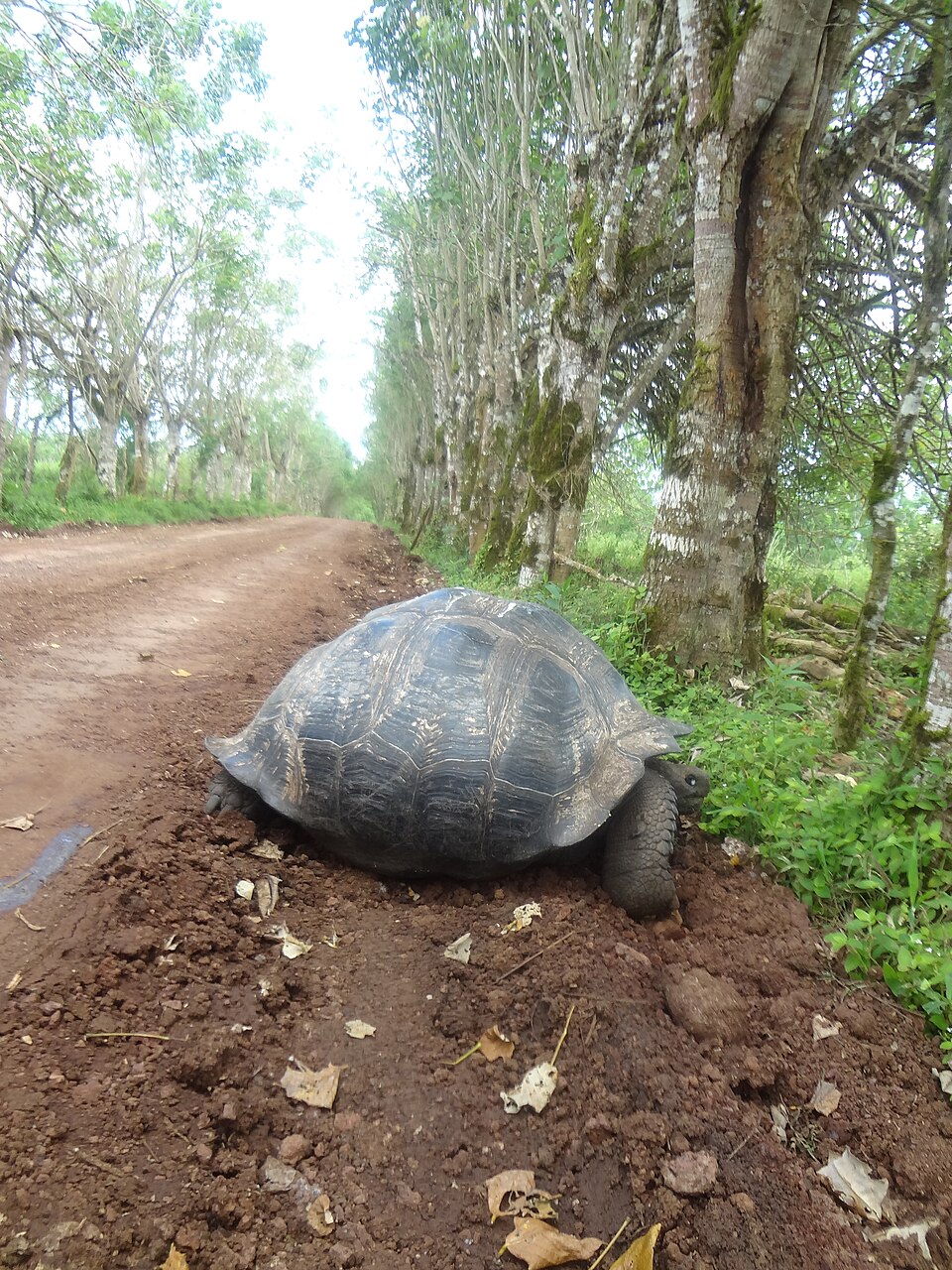
The green highlands of the island, where hundreds of giant tortoises graze freely in pastures and muddy pools. El Chato Ranch has trails winding among the tortoises and lava tunnels you can walk through underground. Along the way lie Los Gemelos, two collapsed craters overgrown with scalesia trees and full of finches.

Tip: The Galápagos highlands can be cold and misty even when the sun is blazing down at the harbour, so bring a jumper. A half-day taxi from Puerto Ayora with all stops costs around $40 per car. Tortoises are most active in the warm season, from December to May, retreating higher up during the cool season.

Admission:
around $10
Time needed:
3 h
Las Grietas

Las Grietas

Santa Cruz

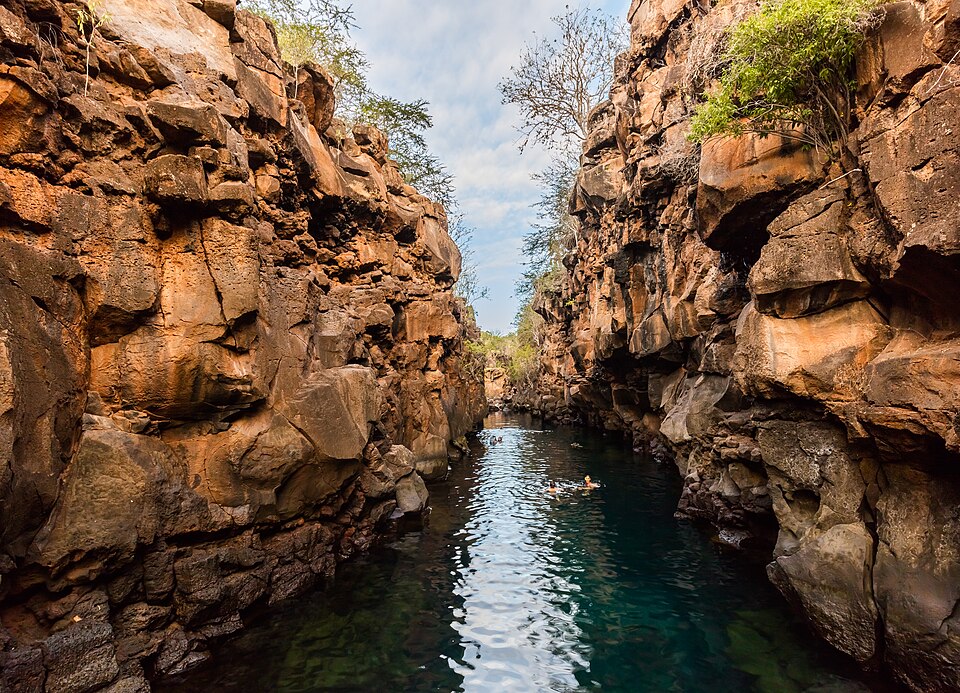
A narrow crevice in lava filled with crystal-clear brackish water, where fresh water from the highlands mixes with the sea. Between sheer walls, you swim over boulders up to 12m deep, with shoals of fish streaming beneath you. The path there passes salt ponds and flamingo lagoons.

Tip: A water taxi from the harbour crosses the bay for $1, then it's a 20-minute walk. Come in the morning, when the sun shines directly into the crevice and the water glows turquoise. Jumping from the rocks is banned and rangers will send you away — swimming and snorkelling only.

Admission:
free
Time needed:
2 h
North Seymour Island

North Seymour Island

North Santa Cruz

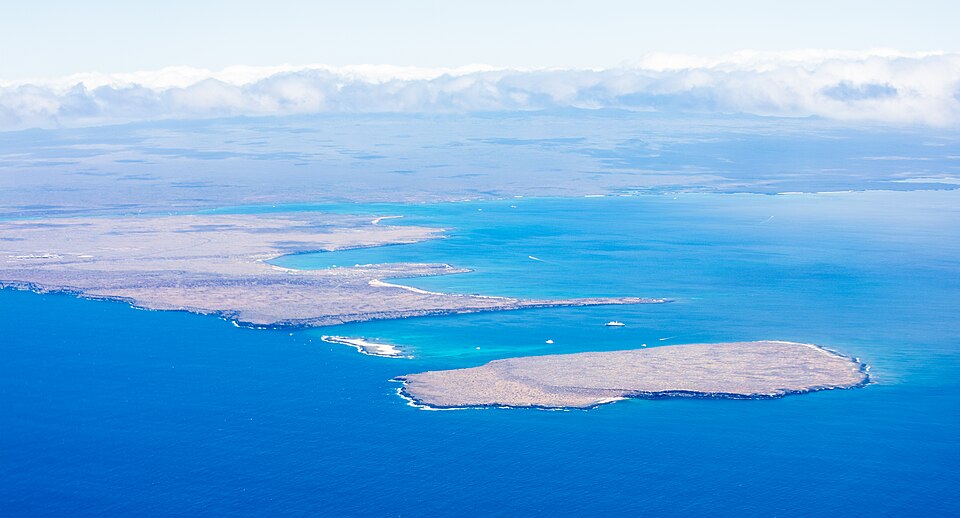
A small, flat island north of Santa Cruz with the largest colony of frigatebirds with inflated red pouches, plus blue-footed boobies, sea lions and land iguanas. The trail runs 2km among nests, with birds sitting right by the path, paying no attention to people.

Tip: Day trips here are sold through agencies in Puerto Ayora and spaces are limited, so book on the day you arrive. Frigatebirds inflate their red pouches mainly from March to May during courtship. After the walk, snorkel off Mosquera or Las Bachas, where you might spot reef sharks.

Admission:
$200–260 with the trip
Time needed:
full day
Bartolomé Island

Bartolomé Island

Between Santa Cruz and Santiago

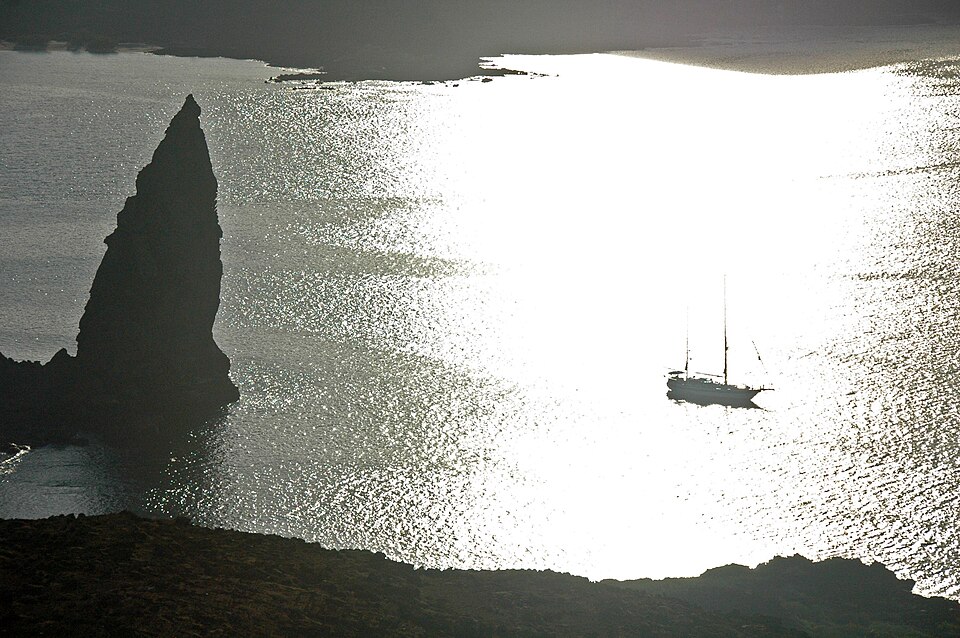
A moon-like landscape of fresh lava fields and cones, with a wooden staircase leading to a viewpoint over the bay and Pinnacle Rock. It's the most photographed view in the Galápagos. Below the rock, you can snorkel among Galápagos penguins, the only penguins found north of the equator.

Tip: The trip from Santa Cruz takes a full day and involves 2 hours each way by boat; anyone prone to seasickness should take medication beforehand. The viewpoint means climbing 370 steps at midday with no shade. You're more likely to see penguins in the cool season, when there are more fish in the sea.

Admission:
$220–280 with the trip
Time needed:
full day
Kicker Rock (León Dormido)

Kicker Rock (León Dormido)

San Cristóbal

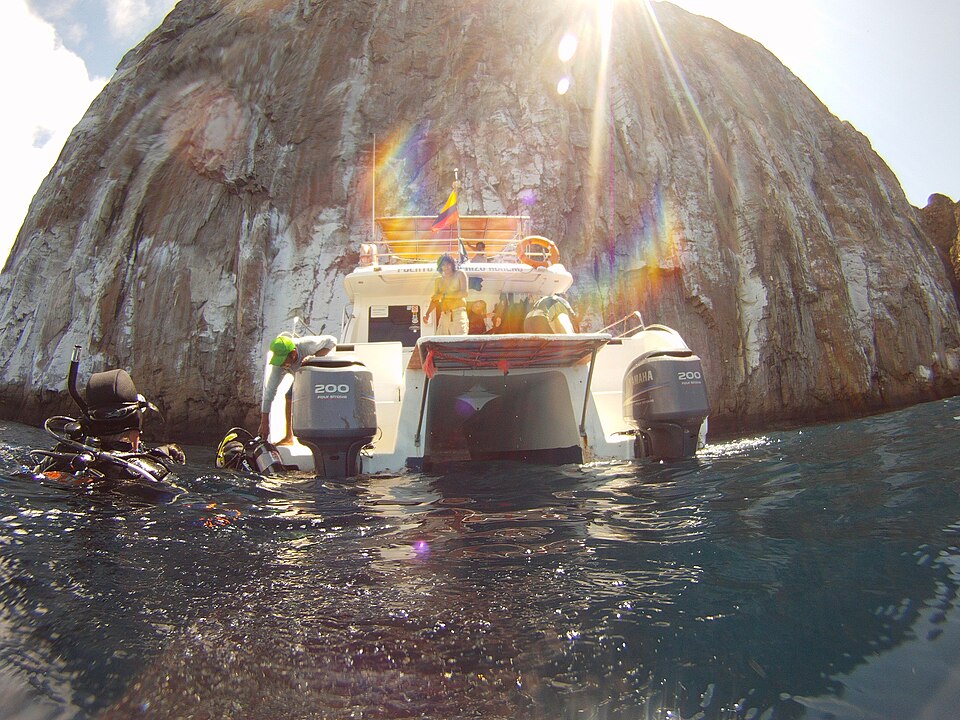
A jagged rock rising 140m from the sea off San Cristóbal, split by a narrow channel you swim through with a snorkel. Hammerhead and Galápagos sharks circle in the depths below you, while turtles, rays and sea lions swim around. It's the most famous snorkelling site in the islands.

Tip: Trips leave from Puerto Baquerizo Moreno and are usually combined with a beach on the island. The water in the channel is deep and currents strong, so it's guide-only and with fins. In the cool season, from July to November, bring or rent a wetsuit, as the water sits around 20 degrees.

Admission:
$150–190 with the trip
Time needed:
full day
Sierra Negra Volcano

Sierra Negra Volcano

Isabela

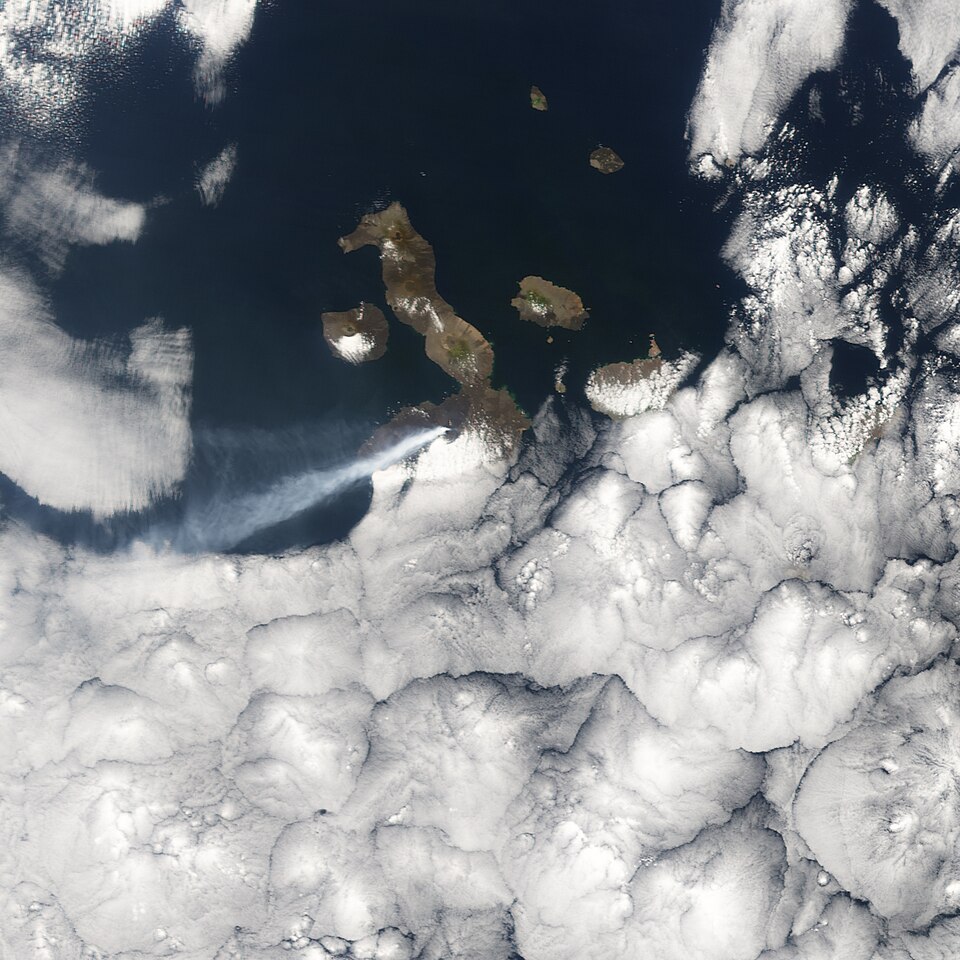
A shield volcano on Isabela Island with one of the largest calderas in the world, 10km wide. The trail follows the crater rim, then crosses fresh lava fields to Chico volcano, with its sulphur fumaroles and views over the whole island. It last erupted in 2018.

Tip: The hike runs 16km round trip and takes 5 to 6 hours, guide-only. Set off in the morning, since there's no shade on the lava fields. In the cool season, the crater rim is often shrouded in mist, so ask the agency for the forecast. Wear sturdy-soled shoes, as the lava is sharp.

Admission:
around $50 with a guide
Time needed:
6 h
Los Túneles

Los Túneles

Isabela

Lava arches and tunnels in a shallow lagoon off Isabela's south coast, beneath which you snorkel among seahorses, reef sharks resting in caves, turtles and rays. Blue-footed boobies nest on the lava above the surface. Many people consider this the best snorkelling in the Galápagos.

Tip: The boat from Puerto Villamil takes 45 minutes across surf that can get rough; seats at the back bounce less. The trip runs only with licensed boats with limited capacity, so book as soon as you arrive on Isabela.

Admission:
$120–150 with the trip
Time needed:
half a day

Photos: Charles Darwin Research Station — David Adam Kess (CC BY-SA 3.0) · Tortuga Bay — Diego Delso (CC BY-SA 4.0) · Santa Cruz Highlands: El Chato and Los Gemelos — David Adam Kess (CC BY-SA 4.0) · Las Grietas — Diego Delso (CC BY-SA 4.0) · North Seymour Island — Diego Delso (CC BY-SA 4.0) · Bartolomé Island — David Broad (CC BY 3.0) · Kicker Rock (León Dormido) — MusikAnimal (CC BY-SA 4.0) · Sierra Negra Volcano — NASA image created by Jesse Allen, Earth Observatory, using data obtained courtesy of the MODIS Rapid Response Team (NOA (Public domain) · Los Túneles — (c) Juan Carlos Caicedo Hernández, some rights reserved (CC BY) (CC BY 4.0)

Where to stay

Areas and districts, matched to the kind of trip you are taking

Puerto Ayora (Santa Cruz)

Best for: first visit, boat trips

The largest town in the archipelago, right in the middle of the Galápagos, with day trips to more islands than anywhere else. It has the most hotels, restaurants and agencies, and in the evening fish is grilled on Binford Street. The best base for a first visit.

Puerto Villamil (Isabela)

Best for: peace and quiet, beaches, snorkelling

A sleepy village with sandy streets and a long white beach, where flamingos wander the lagoon behind town in the evening. Hotels are small and family-run, and the pace is slow. The best place for 2 to 3 days of rest.

Puerto Baquerizo Moreno (San Cristóbal)

Best for: sea lions, surfing, arrival point

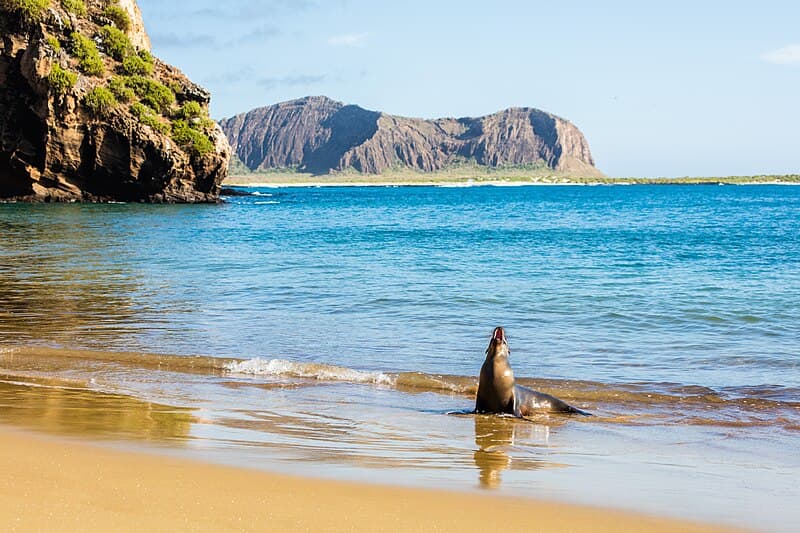
The Galápagos' administrative centre, with the second airport, a sea lion colony right on the town beach, and good surf. Trips to Kicker Rock leave from here, and there are beaches within walking distance. Fewer tourists than Puerto Ayora.

Cruise ship

Best for: remote islands, time

A multi-day cruise on a yacht for 16 to 100 people, where you sleep on board and sail overnight to the next island. It's the only way to reach the remote islands of Genovesa, Española and Fernandina. Prices start at around $300 per person per day.

Getting around

From the airport

From Europe, flights to the Galápagos connect through hubs such as Madrid, Amsterdam or Miami to Quito or Guayaquil, and from there by domestic flight with Avianca, LATAM or Equair to Baltra Airport (GPS) near Santa Cruz, or San Cristóbal (SCY). The flight from Quito takes 3 hours, with a stop in Guayaquil. At the airport in Quito or Guayaquil, before departure, you pay $20 for a TCT transit card, and luggage is checked for banned plants and food. On arrival, national park entry is paid in cash: $200 per adult. With an overnight stop in Quito, the whole journey from Europe takes about 2 days.

Baltra (Seymour) for Santa Cruz (GPS) · 40 km

  • Bus to the Itabaca Channel + ferry + taxi to Puerto Ayora· 1 h· $30
  • Bus to the channel + ferry + bus· 1 h 30 min· $8

San Cristóbal (SCY) · 2 km

  • Taxi to Puerto Baquerizo Moreno· 5 min· $3
  • On foot· 20 min

Around town

Between the inhabited islands, fast boats called lanchas run in the morning and afternoon: Santa Cruz–Isabela and Santa Cruz–San Cristóbal both take 2 hours, and the sea can be choppy. Uninhabited islands can only be reached with a licensed boat on a day trip or multi-day cruise. Around town, you walk or take one of the white pick-up trucks that serve as taxis. Bikes can be rented on Santa Cruz and Isabela. A local water taxi crosses the harbour in Puerto Ayora for $1. Small Emetebe planes also fly between islands — pricier, but without the rocking.

Speedboat between islandsSanta Cruz–Isabela and Santa Cruz–San Cristóbal, twice daily. · $30
Pick-up taxiIn towns and for trips to the highlands, price based on distance. · $2
Water taxiBetween the shores of Puerto Ayora harbour and to Las Grietas. · $1
BicycleRental shops in Puerto Ayora and Puerto Villamil, ideal on Isabela. · $15/day

Useful apps: Google Maps, Uber, inDrive, WhatsApp

When to go

The Galápagos can be visited year-round, and each season has its advantages. The warm season, from December to May, brings sunshine, brief showers, calmer seas and warm water around 25 degrees, ideal for snorkelling; vegetation blooms on the islands and tortoises lay eggs. The cool garúa season, from June to November, is drier but overcast and misty, the water cools to 20 degrees and the sea is rougher, though it carries more plankton and fish, boobies nest, and albatrosses arrive on Española. Crowds peak at Christmas and from July to August.

Best time

December–May for snorkelling, June–November for wildlife

What to avoid

September–October, if you're prone to seasickness

MonthJanFebMarAprMayJunJulAugSepOctNovDec
Day30°30°31°31°29°27°26°25°25°25°26°28°
Night22°23°23°23°22°21°20°19°19°19°20°21°
Rainy days566532222223
Sea25°26°26°26°25°23°22°21°21°22°22°24°

Food & drink

Food in the Galápagos is mainly fish and seafood from the local catch — tuna, flounder, sea bream, and, in season from September to January, spiny lobster. The best and cheapest experience is Charles Binford Street in Puerto Ayora in the evening, where tables are set up in the road after dark and restaurants grill whole fish. A set lunch, almuerzo, with soup, a main course and juice, costs $6–10 at local eateries. Most food is shipped in from the mainland, so shop prices run about 50% higher than in Quito. Coffee from the highlands of San Cristóbal and Santa Cruz is excellent.

What to try

Pescado brujo a encocado

Fish cooked in a coconut milk sauce with pepper and coriander, served with rice and fried plantains. A classic Ecuadorian coastal dish, made on the islands from the fresh catch.

Spiny lobster

Galápagos spiny lobster, clawless, is caught only in season from September to January, and can't be sold outside that period. Grilled with garlic butter, it costs around $25–30 on Binford Street.

Ecuadorian-style ceviche

Unlike the Peruvian version, shrimp or fish is marinated in citrus juice with tomato and served in a bowl like a cold soup, with popcorn and roasted corn.

Encebollado

A tuna fish soup with cassava and pickled onion, topped with plantain chips and popcorn. The coastal hangover cure, eaten in the morning.

Bolón de verde

A ball of mashed green plantain with cheese or pork cracklings, fried until golden. A typical breakfast, served with coffee and a fried egg.

Patacones

Twice-fried green plantain patties, a side dish served with almost everything in place of chips.

Galápagos coffee

Coffee grown in the highlands of San Cristóbal and Santa Cruz, cultivated without chemical sprays, which are banned. Highland roasteries offer tours and tastings.

What it costs

National park entry

$200

TCT transit card

$20

Speedboat between islands

$30

Day trip by boat to an uninhabited island

$150–280

Set lunch (almuerzo)

$6–10

Grilled fish on Binford Street

$15–25

Multi-day cruise, per day per person

$300–900

Night in a 3-star hotel for 2

$120–250

Indicative prices that change over time — treat them as a guide, not a price list.

Practical information

SocketsAtwo flat pins (US/JP)Btwo flat pins plus ground (US)
Voltage120V / 60Hz
Tap waterDo not drink tap water — Tap water isn't safe to drink in Ecuador. Bottled water costs $1–1.50 for 1.5 litres in shops, and hotels and boats usually have a water dispenser for refilling your own bottle.
TippingAt restaurants, the bill usually includes a 10% service charge and 15% tax; if service isn't included, leave 10%. Tour guides are given $10–20 a day, and on multi-day cruises, tips for the crew and guide are collected into an envelope at the end. Ecuador uses the US dollar, and Ecuadorian coins have the same value as American ones.
Driving on theright
SafetyThe Galápagos are calm and safe, and petty crime here is rare — the safety concerns you read about for mainland Ecuador don't apply to the islands, though they can apply to a connecting stop in Guayaquil. The risks are natural: the equatorial sun burns skin in 20 minutes even under cloud, currents at some snorkelling spots are strong and fast, and speedboats between islands can rock heavily on rough seas — anyone prone to seasickness should take medication beforehand. Keep at least 2 metres from the animals; male sea lions can bite during mating season. Hospitals on the islands are small, and serious cases are flown to the mainland, so travel insurance with air evacuation is essential.
Opening hoursSites within the national park can only be visited from 6am to 6pm, and most only with a licensed guide. Shops and agencies in Puerto Ayora open from 8am to 8pm, shorter hours on Sundays. The fish market and stalls on Charles Binford Street come alive in the evening, when the street closes to traffic and tables are set up. ATMs are found only in the main towns and occasionally don't work, so bring cash in dollars.
Customs & etiquetteThe Galápagos has the strictest conservation rules in the world, and guides enforce them: don't approach animals closer than 2 metres, don't feed them, don't touch them, and don't use flash photography. Nothing may be taken off the islands — not even a stone, shell or grain of sand — and no fresh fruit, seeds or plants may be brought onto them; luggage is checked. Sites within the national park are visited only on marked trails, and mostly only with a guide. Beyond that, ordinary Ecuadorian courtesy applies: greet with "buenos días" when entering a shop.
A few local wordsHello — Buenos días / Buenas tardesThank you — GraciasHow much is it? — ¿Cuánto cuesta?The bill, please — La cuenta, por favorWhere is the harbour? — ¿Dónde está el muelle?Do you speak English? — ¿Habla inglés?

How to plan your days

1 day

Santa Cruz in a day

  1. 1Morning: Charles Darwin Research Station with the tortoises.
  2. 2Late morning: walk to Tortuga Bay and swim in the sheltered bay.
  3. 3Lunch: almuerzo in Puerto Ayora.
  4. 4Afternoon: water taxi and snorkelling at Las Grietas.
  5. 5Evening: grilled fish on Binford Street.

2 days

Santa Cruz in 2 days

  1. 1Day 1: Darwin Station, Tortuga Bay and Las Grietas.
  2. 2Day 2: a full-day boat trip to North Seymour or Bartolomé.
  3. 3Snorkelling with sea lions and reef sharks.
  4. 4Afternoon: the highlands — tortoises at El Chato and the Los Gemelos craters.
  5. 5Evening: the fish market at the harbour, with pelicans and sea lions.

3 days

3 islands in a week (3-day core)

  1. 1Day 1: Santa Cruz — the station, Tortuga Bay and the highlands.
  2. 2Day 2: a morning boat to Isabela, then the flamingo lagoon and Concha de Perla in the afternoon.
  3. 3Day 3: Los Túneles or Sierra Negra volcano.
  4. 4Continue to San Cristóbal for Kicker Rock and sea lions on the beach.
  5. 5Fly back to the mainland from San Cristóbal.

Day trips

Isabela Island

75 km · 2 h by speedboat

The largest island of the archipelago, made up of five volcanoes, with the quiet village of Puerto Villamil, flamingo lagoons and a tortoise breeding centre. The Wall of Tears, built by prisoners of the old penal colony, is now reached by bike. A day trip from Santa Cruz is possible but exhausting — it's worth spending 2 nights here and adding Los Túneles and Sierra Negra.

Floreana Island

60 km · 2 h by speedboat

The least inhabited island, with just a few hundred residents, known for the mysterious history of German settlers in the 1930s who disappeared without a trace. At Post Office Bay, a barrel has stood since the 18th century where sailors left letters for passers-by to deliver — leave a postcard there. Nearby, you can snorkel with turtles and sea lions.

South Plaza and Santa Fe Islands

25 km · 1–1.5 h by boat

2 small islands east of Santa Cruz. South Plaza is covered in a red carpet of sesuvium succulents, with a colony of land iguanas and opuntia cactus trees. Santa Fe has a bay full of sea lions and its own species of iguana found nowhere else. The trip is usually combined with snorkelling among the sea lions.

Frequently asked questions

Is a cruise better than staying on the islands?+

A cruise gets you to remote islands like Genovesa or Española, which you can't reach from the inhabited islands, and you don't lose time travelling between them. But it's more expensive, from $300 a day per person, and the itinerary is fixed. Staying on Santa Cruz, Isabela and San Cristóbal with day trips is cheaper and more flexible, and is enough for a first visit.

How much does entry to the Galápagos cost?+

Since August 2024, entry to the national park costs $200 for foreign adults and is paid in cash on arrival. Before departure from Quito or Guayaquil, you pay for a $20 TCT transit card. On Isabela, there's also a small municipal fee on landing.

How many days do you need for the Galápagos?+

At least 5 to 7 days, since the journey from Europe alone takes 2 days, and each island needs 2 to 3 days. The most common combination is Santa Cruz, Isabela and San Cristóbal over a week. Cruises last 4, 5 or 8 days.

Do I need a wetsuit for snorkelling?+

In the warm season, from December to May, swimwear and a rash guard against the sun are enough. From June to November, the water is only 20 to 22 degrees, and without a wetsuit you'll last only a few minutes in it. Wetsuits can be rented on tours for $5–10, and mask and snorkel are usually free.

What animals will I see in the Galápagos?+

Certainly giant tortoises, sea lions, marine and land iguanas, blue-footed boobies, frigatebirds, pelicans and crabs. While snorkelling, sea turtles, rays and reef sharks. With a bit of luck, Galápagos penguins near Isabela and Bartolomé, flightless cormorants on Fernandina, and albatrosses on Española, though you can only reach that one by boat.

Is it suitable for children?+

Yes, kids love the Galápagos: the animals are close by and calm, and you can snorkel even in shallow water off the beaches. Younger children, though, can struggle with long transfers on fast boats over rough seas. Staying on 1 or 2 islands with shorter trips suits families better than a cruise.

Can I bring food to the islands?+

No fresh fruit, vegetables, seeds, meat or live plants — the Galápagos protects its ecosystems from introduced species, and luggage is searched in Quito, Guayaquil and again on arrival. Packaged and processed food like biscuits or snack bars is fine.

How do you pay in the Galápagos?+

In US dollars. Better hotels and restaurants accept cards, often with a 5% surcharge; tour agencies want cash. ATMs are found in Puerto Ayora and Puerto Baquerizo Moreno, with one on Isabela that often doesn't work. Bring plenty of cash, since the park entry fee is cash-only.

Visa Requirements

Check the latest visa requirements for entering this country. Some nationalities may need to apply for a visa or e-visa before travel.

Check visa requirements

Language

Spanish

Currency

USD

Timezone

GMT-6

Dial Code

+593

Population

18M

Area

256,370 km²

Voltage

120V / 60Hz

Driving Side

Right

Top Hotels in Galapagos Islands

Live prices from 500+ properties

Loading hotels...

Planning a trip to Galapagos Islands?

Compare hundreds of hotels, find the best price, and book with free cancellation on TravelManiac.