Hotels in Jakarta

30 million people, Dutch Batavia, a giant mosque and malls as big as town squares

Jakarta

LanguageEnglish
CurrencyIDR
TimezoneGMT+7
Temperature26-32 °C
Dial Code+62
Population275M
Area1,904,569 km²
SocketsType C / Type F
Tap waterNot drinkable

Discover Jakarta

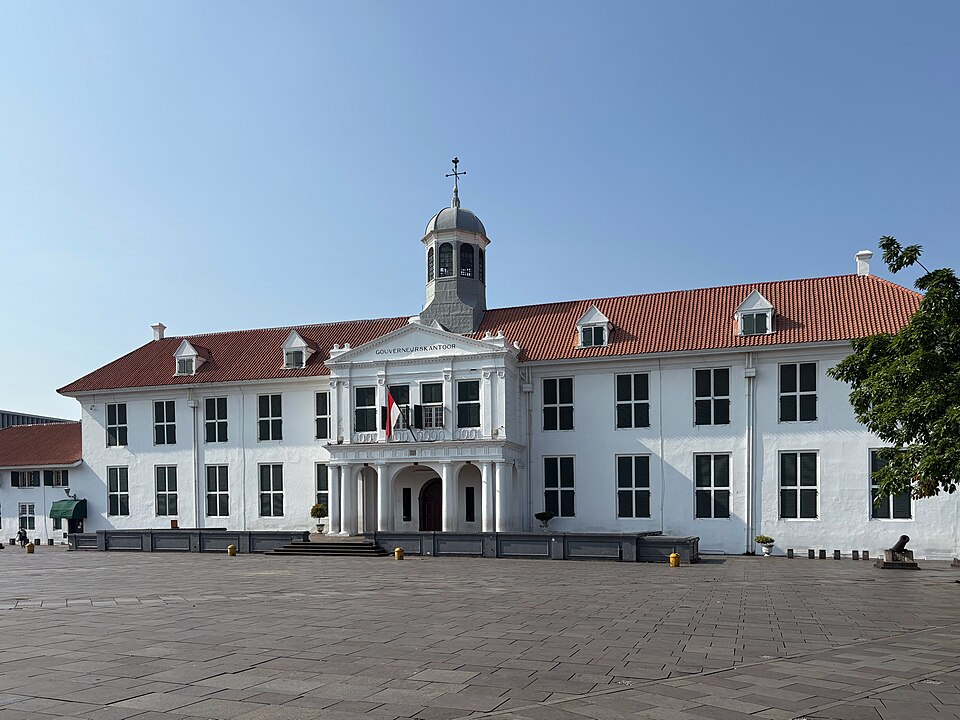
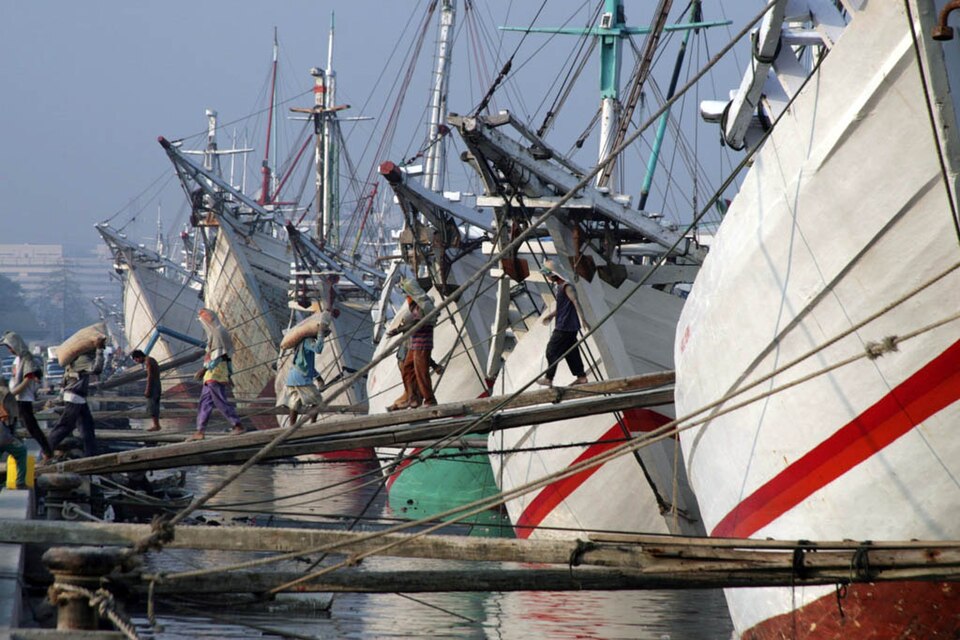
Jakarta is Indonesia's capital and, with its surrounding area, the largest metropolitan area in South East Asia, home to more than 30 million people. Most tourists know it only as a transit airport on the way to Bali, which is a shame: it's the best place to understand Indonesia — a country of 17,000 islands, hundreds of languages and the largest Muslim population in the world. In the northern part of the city lies Kota Tua, the old Dutch Batavia with its 17th-century town hall and Fatahillah Square, and the port of Sunda Kelapa, where wooden pinisi schooners are still loaded by hand. In the centre stands the Monas national monument with its golden flame, the Istiqlal Mosque, the largest in South East Asia, and, across the road, a Catholic cathedral. To the south lies modern Jakarta, a city of skyscrapers, enormous shopping malls and cafés, where much of social life plays out. Jakarta is loud, congested and flooded during the rainy season, but the new MRT metro line and Transjakarta buses have made it more accessible, the food is excellent and cheap, and the people are friendly. The government is moving the capital to Borneo, but Jakarta will remain the country's business heart.

What to see

The places worth your time in Jakarta, and what to expect at each

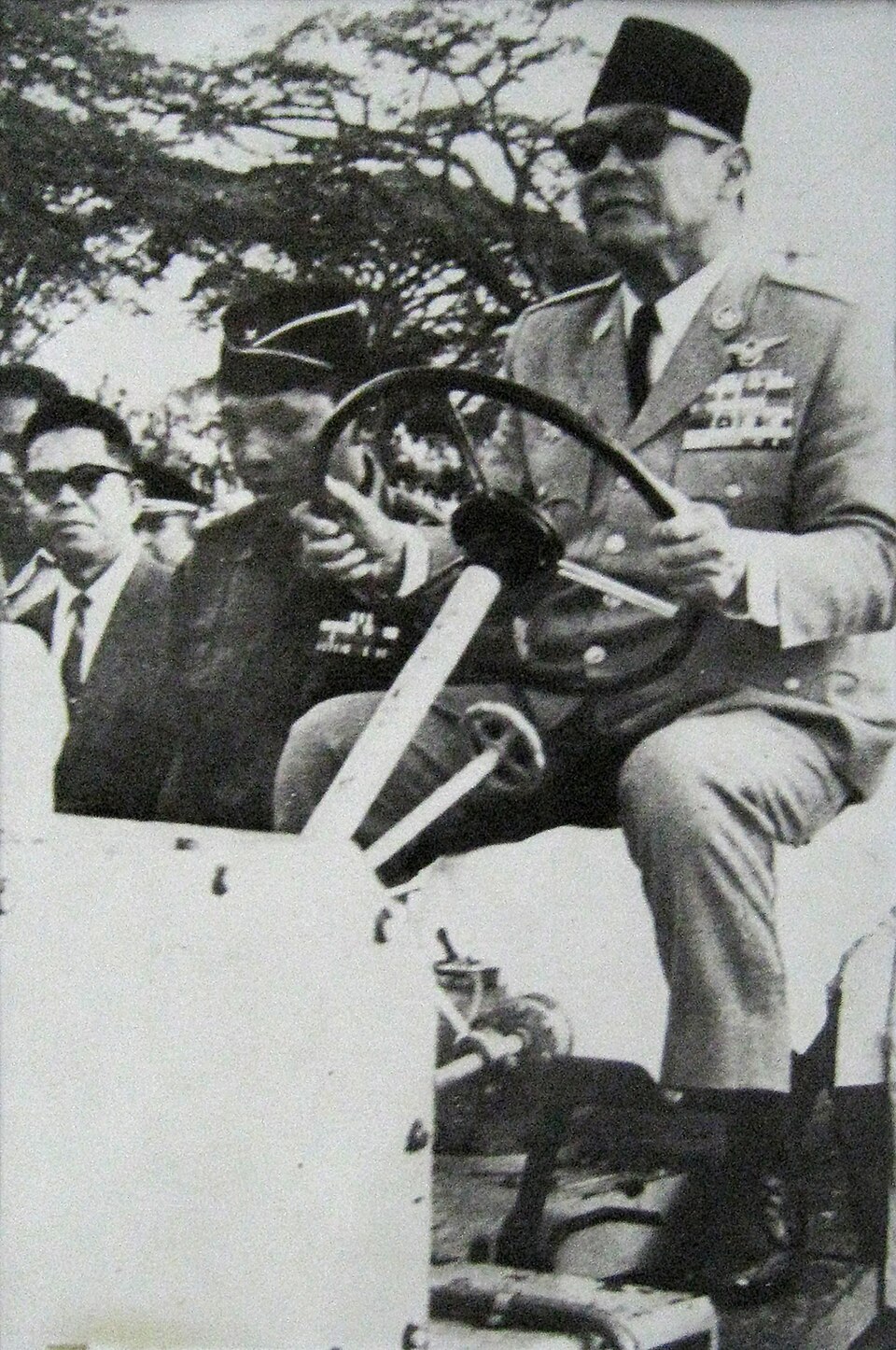
National Monument (Monas)

National Monument (Monas)

Monumen Nasional

Gambir/Merdeka

A 132-metre marble obelisk topped with a golden flame coated in 50 kg of gold, a symbol of Indonesian independence. It stands in the middle of Merdeka Square, one of the largest in the world. There's a history museum with dioramas underground and a viewing platform at the top.

Tip: A limited number of people are allowed on the viewing platform lift, and tickets sell out by morning, with queues of up to an hour — arrive right at opening. It's closed on Mondays. In the evening the obelisk is lit up, and at weekends there's a light-and-water show with music on the square. Enter via the underground tunnel from the north side of the park, not from the main road.

Admission:
around IDR 20,000 (viewing platform)
Time needed:
1.5–2 h
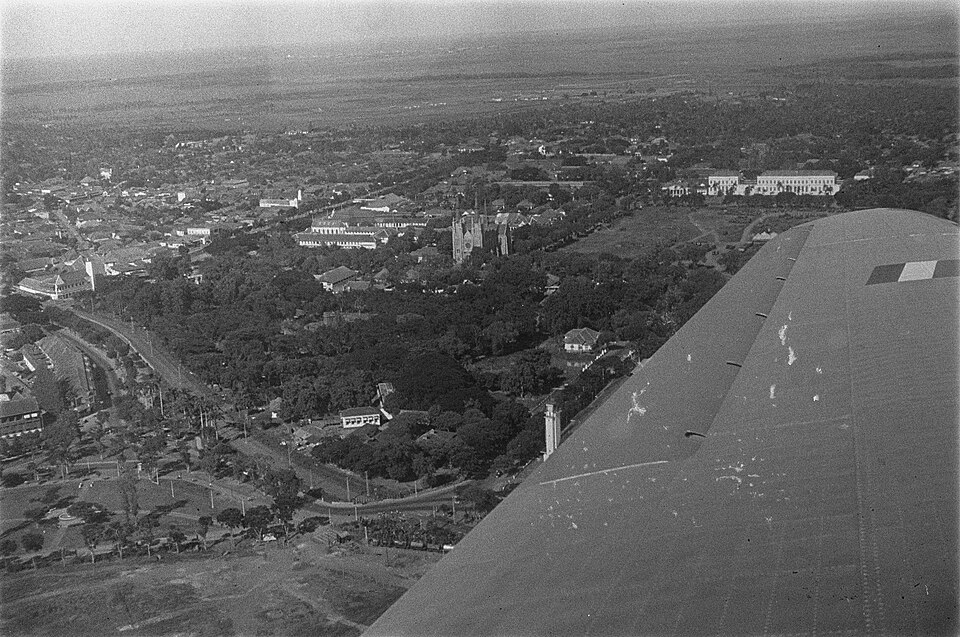
Istiqlal Mosque

Istiqlal Mosque

Masjid Istiqlal

Gambir

The largest mosque in South East Asia, holding over 200,000 worshippers. Built in 1978 to a design by a Christian architect, it symbolises independence — Istiqlal means 'independence' in Arabic. The main dome is 45 metres across and rests on 12 pillars.

Tip: Outside prayer times, free tours run with an English-speaking guide who will take you into the main prayer hall too; sign up at the visitors' entrance on the north side. Wear long sleeves and trousers; women are given a robe and headscarf. The underground Tunnel of Friendship leads directly to the Catholic cathedral across the road — a symbol of religious tolerance.

Admission:
free
Time needed:
1 h
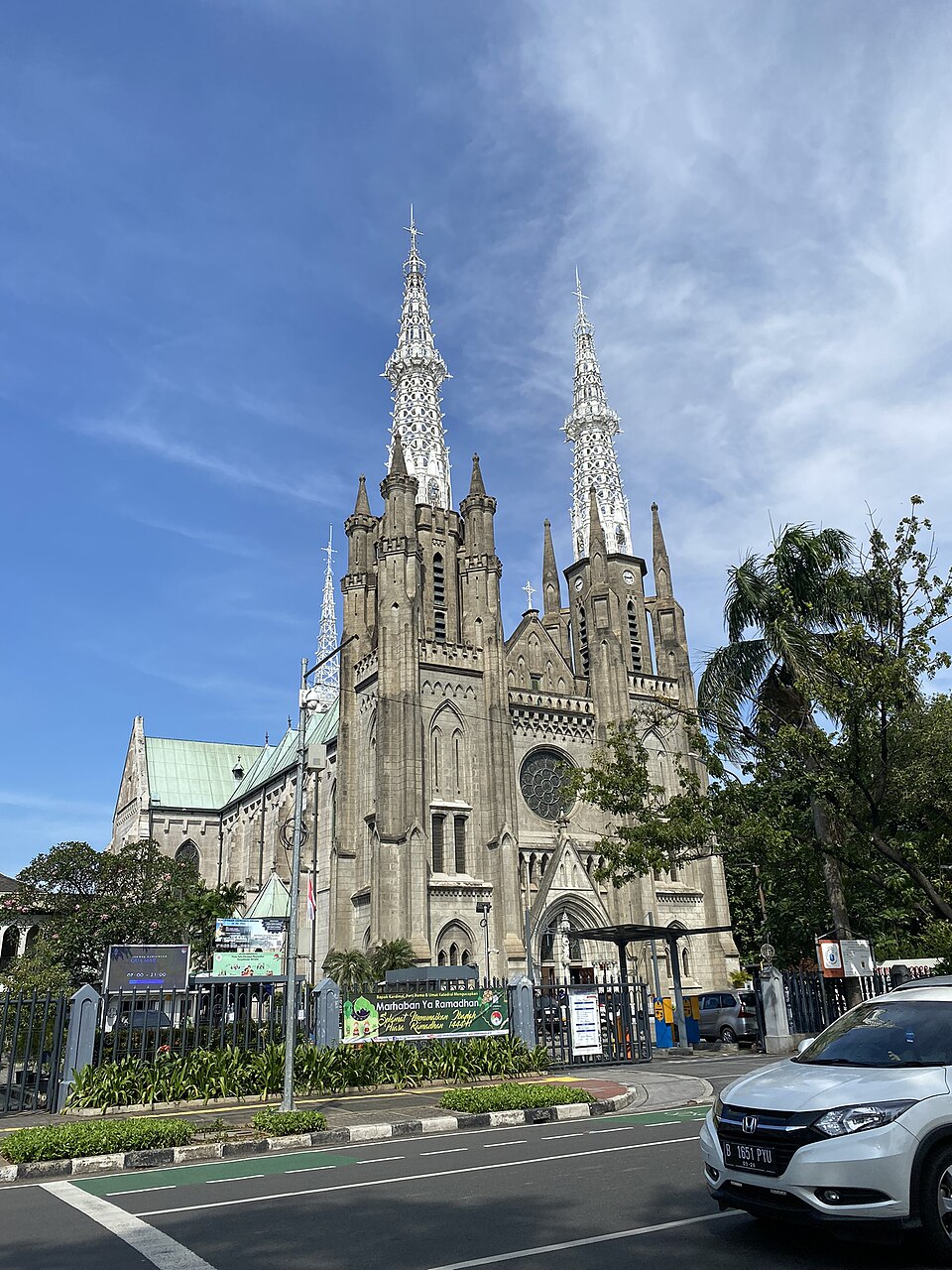
Jakarta Cathedral

Jakarta Cathedral

Gereja Katedral Jakarta

Gambir

A neo-Gothic Catholic cathedral from 1901 with 2 slender iron spires facing the Istiqlal Mosque. Inside are stained-glass windows, wooden altars and, upstairs, a small museum of the history of the Catholic Church in Indonesia, with liturgical objects from the Dutch era.

Tip: The museum is open only on certain days and closed on public holidays, so check at the entrance. It's worth combining with a visit to the Istiqlal Mosque to see how close the two buildings stand to each other. At Christmas and Easter it's packed with worshippers and entry is guarded.

Admission:
free
Time needed:
30–45 min
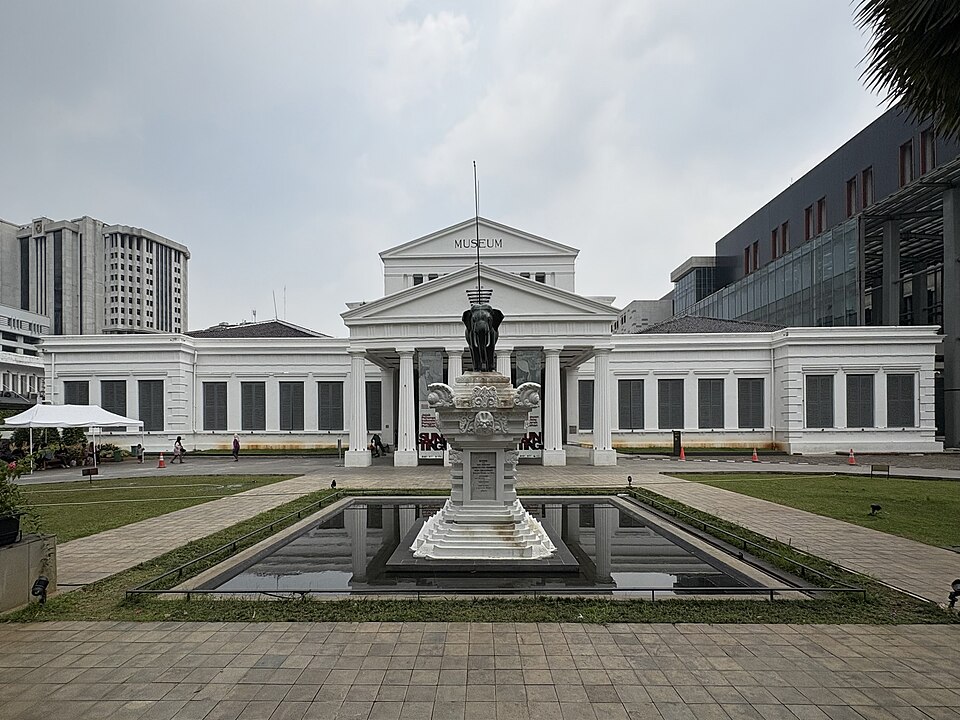
National Museum of Indonesia

National Museum of Indonesia

Museum Nasional

Gambir/Merdeka

The oldest museum in South East Asia, founded in 1778, nicknamed Museum Gajah after the elephant statue outside the entrance. It showcases the culture of the whole archipelago: Hindu and Buddhist statues from Java, ceramics, textiles, kris daggers, traditional houses from various islands and a treasury of gold jewellery.

Tip: The museum suffered a fire in 2023, and parts of the collection are being reopened gradually after restoration, so check which galleries are currently open. The stone statues on the ground floor and the textile collection are the highlights. The museum sits on the western side of Merdeka Square, so combine it with Monas. Closed on Mondays.

Admission:
around IDR 25,000
Time needed:
1.5–2 h
Kota Tua and Fatahillah Square

Kota Tua and Fatahillah Square

Kota Tua

Kota Tua

The old town of Dutch Batavia, headquarters of the Dutch East India Company from 1619. On the cobbled Fatahillah Square stands the 1710 town hall, now the Jakarta History Museum with underground cells, along with the Wayang Puppet Museum, the fine arts museum, the ceramics museum, and Café Batavia in a colonial-era building.

Tip: Go in the morning on a weekday; at weekends the square fills with families and rental bikes with colourful hats. The easiest way here is on Transjakarta bus corridor 1 or the KRL train to the Jakarta Kota terminus. The Wayang Puppet Museum occasionally holds shadow-puppet shows — ask about the schedule. Have lunch at Café Batavia overlooking the square.

Admission:
museums around IDR 5,000–15,000
Time needed:
2–3 h
Sunda Kelapa Port

Sunda Kelapa Port

Pelabuhan Sunda Kelapa

Penjaringan

Jakarta's oldest port, in use for trade since the days of the Hindu kingdom of Sunda in the 12th century. Dozens of traditional wooden pinisi schooners from Kalimantan and Sulawesi still dock here, loaded by hand by porters carrying sacks of cement and timber. Nearby stand a Dutch watchtower and the Maritime Museum, housed in 17th-century warehouses.

Tip: It's most beautiful early in the morning, when loading is underway and the light is soft. Local boatmen offer short rides for a few tens of thousands of rupiah among the schooner hulls — agree the price beforehand. The port is a 10-minute walk from Kota Tua, so combine the two. Wear sturdy shoes, as the pier is uneven and slippery.

Admission:
around IDR 5,000
Time needed:
1 h
Glodok Chinatown

Glodok Chinatown

Glodok

Glodok

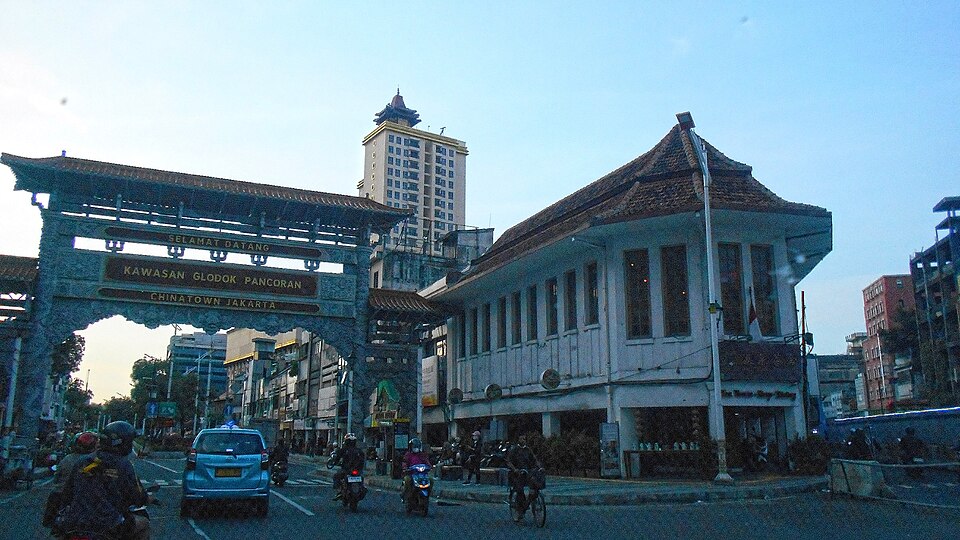
One of the largest Chinese districts in Indonesia, where the Dutch relocated Batavia's Chinese population in the 18th century. In the narrow lanes of Petak Sembilan are Buddhist and Taoist temples, traditional medicine pharmacies, incense shops and food stalls. The Jin De Yuan Temple, from 1650, is the oldest in Jakarta.

Tip: The Pancoran alley at Chinatown Point and the Petak Sembilan market are liveliest in the morning. Try kopi es kopi tiam at Kopi Es Tak Kie, a café that's been running since 1927. During Chinese New Year the district is decorated and the temples are packed. Glodok sits between Kota Tua and the centre, so it's easy to visit en route.

Admission:
free
Time needed:
1.5 h
Taman Mini Indonesia Indah

Taman Mini Indonesia Indah

East Jakarta

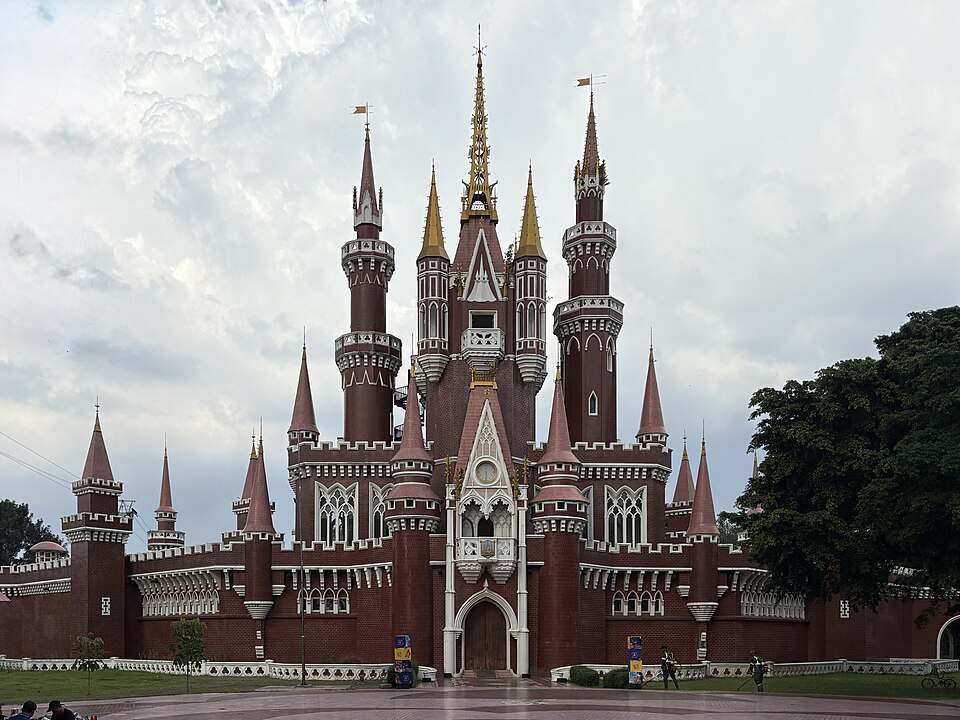
A 150-hectare park that presents Indonesia in miniature: pavilions for every province in its traditional architectural style, museums, temples of every recognised religion, and a lake with a map of the archipelago. Opened in the 1970s, it underwent a major renovation in 2023.

Tip: The site is huge and can't be covered on foot alone — electric buses and a cable car over the lake with a view of the island map run inside. The Toraja pavilion from Sulawesi, the Minangkabau pavilion from Sumatra and the Papuan houses are the highlights. The park is in the south-east of the city, an hour away in traffic, so set off early. Allow half a day for a full visit.

Admission:
around IDR 25,000 + pavilions
Time needed:
half day
Ancol and the seafront promenade

Ancol and the seafront promenade

Ancol

North Jakarta

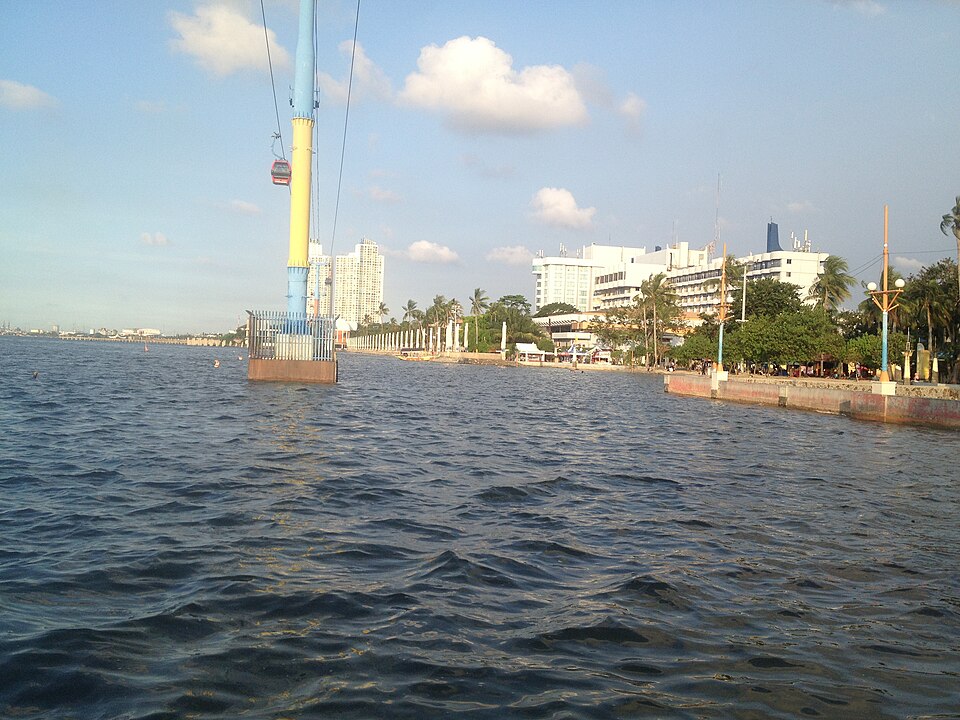
A recreational area on Jakarta's north coast with a park, beaches, the Dunia Fantasi amusement park, the SeaWorld oceanarium and Marina Ancol harbour, from where boats depart for the Thousand Islands. Jakarta families come here for weekend picnics by the sea, since there's no other sea access elsewhere in the city.

Tip: Swimming isn't recommended, as the bay water is polluted; Ancol is better for a stroll, the amusement park and sunset. Boats to the Thousand Islands leave from the marina, with fast boats departing around 7am. It's quiet here on weekdays. Admission is charged per person and per car.

Admission:
around IDR 30,000 site entry
Time needed:
2–4 h

Photos: National Monument (Monas) — Unknown authorUnknown author (CC BY-SA 3.0) · Istiqlal Mosque — Fotograaf Onbekend / DLC (CC0) · Jakarta Cathedral — Rantemario (CC BY-SA 4.0) · National Museum of Indonesia — Chainwit. (CC BY 4.0) · Kota Tua and Fatahillah Square — Chainwit. (CC BY 4.0) · Sunda Kelapa Port — Danumurthi Mahendra from Indonesia (CC BY 2.0) · Glodok Chinatown — Firzafp (CC BY 4.0) · Taman Mini Indonesia Indah — Chainwit. (CC BY 4.0) · Ancol and the seafront promenade — Rantemario (CC BY-SA 4.0)

Where to stay

Areas and districts, matched to the kind of trip you are taking

Menteng and Thamrin

Best for: first visit, central location, sightseeing

The leafy colonial district of Menteng, with villas and cafés, and the neighbouring Thamrin avenue with hotels, the Grand Indonesia and Plaza Indonesia malls, and MRT stations. Monas, Istiqlal and the museums are all within walking distance or a short metro ride. The best base for a short stay.

Sudirman and SCBD

Best for: modern Jakarta, bars, restaurants

A skyscraper business district with luxury hotels, rooftop bars and the city's best restaurants. It has a metro station and pedestrian zones around SCBD. Hotels are pricier, and the nightlife is the liveliest in the city. The historic sights are a 20-minute metro ride away.

Kemang

Best for: cafés, expats, boutiques

A southern district popular with expats, with cafés, galleries, restaurants and boutique hotels. The atmosphere is relaxed, but it's far from the metro, and the trip to the centre is long in traffic. Suited to a longer stay.

Kota Tua and Glodok

Best for: history, budget accommodation

Old Batavia and Chinatown in the north, with museums, temples and markets. Hotels are simpler and cheaper, but there's not much nightlife and the centre is far away. A good choice for a history-focused stay.

Getting around

From the airport

Flights to Jakarta usually connect once, via hubs such as Dubai, Doha, Istanbul, Singapore or Kuala Lumpur, with a total journey time of 17–22 hours. Garuda Indonesia flies direct from Amsterdam. Many nationalities can get a visa on arrival; the more convenient option is an e-VOA arranged online in advance for 500,000 rupiah, valid for 30 days with 1 extension possible, and a customs declaration must be completed before arrival in the All Indonesia app. Soekarno-Hatta International Airport lies 30 km north-west of the centre and is linked to the city by train.

Jakarta Soekarno-Hatta (CGK) · 30 km

  • Airport train to BNI City station (Sudirman)· 50 min· IDR 70,000
  • Grab or Blue Bird taxi to the centre· 45–120 min· IDR 200,000
  • DAMRI bus to Gambir· 60–120 min· IDR 80,000

Around town

Jakarta is notorious for traffic jams, but public transport has improved. The MRT metro line runs from the south through SCBD and Sudirman to the Thamrin and Monas area in the centre, and now continues north to Kota. Transjakarta buses run in dedicated lanes across the city and cost a flat 3,500 rupiah. KRL commuter trains connect the centre with Kota Tua and Bogor. Everything can be paid for with a contactless bank card or a JakLingko card. Grab and Gojek offer both cars and motorbikes; a motorbike is the fastest way through traffic. Blue Bird taxis run on the meter and are reliable.

MRT metroNorth–south through Sudirman and Thamrin; pay by card. · IDR 3,000
TransjakartaBuses in dedicated lanes across the city, flat fare. · IDR 3,500
Grab / GojekCar or motorbike with a driver, price set in advance. · IDR 15,000
Blue Bird taxiBlue metered taxis, reliable even at the airport. · IDR 40,000

Useful apps: Gojek, Grab, Google Maps, Moovit, MyBlueBird, JakLingko

When to go

Jakarta has a tropical climate with temperatures above 30°C year-round and high humidity. The dry season runs from June to September and is the most pleasant time to visit, even though the heat is the same. From December to March is the rainy season, and in January and February floods arrive, turning streets into rivers and bringing traffic to a halt. The timing of Ramadan shifts each year; during the day restaurants are curtained off, and at its end comes the Lebaran holiday, when half of Jakarta heads to the countryside and the city goes unusually quiet, while all transport is sold out. In August, Independence Day is celebrated with parades and competitions.

Best time

June–September

What to avoid

January–February (floods), the week around Lebaran

MonthJanFebMarAprMayJunJulAugSepOctNovDec
Day30°30°31°32°32°32°32°32°33°33°32°31°
Night24°24°25°25°25°25°24°24°25°25°25°24°
Rainy days181614119754581215

Food & drink

Jakarta is a crossroads of Indonesia's regional cuisines. Padang restaurants with rendang came from Sumatra, gudeg and soto from Java, grilled fish from Sulawesi, and the Chinese community contributed noodles and dumplings. The best food is found on the street and in small warung eateries, where you can eat your fill for 20,000–40,000 rupiah. In the evening, night markets spring up on the streets, grilling satay and baking martabak. On the other end of the scale are enormous shopping malls with food courts, where you can try everything under one air-conditioned roof, and the modern restaurants of SCBD. Food is often spicy, thanks to sambal, which is served on the side. Pork is found only in Chinatown, and alcohol in bars and hotels.

What to try

Nasi goreng

Fried rice with sweet soy sauce kecap manis, chilli paste sambal and a fried egg on top, served with crispy krupuk crackers. Eaten for breakfast, lunch and dinner, it costs from 15,000 rupiah at a food cart.

Satay

Grilled skewers of chicken, goat or beef with peanut sauce and compressed rice cakes lontong. Best in the evening from street vendors who grill them over charcoal right on the pavement, fanning the coals by hand.

Rendang

Beef simmered for hours in coconut milk with spices until the sauce reduces to a dark paste. It comes from Sumatra and is most often eaten at Padang restaurants, where a dozen small dishes are set straight on your table and you only pay for what you eat.

Soto

A hearty soup with chicken or beef, herbs and turmeric, different in every region; Jakarta's soto betawi is thick, made with coconut milk. Served with rice and lime.

Gado-gado

Blanched vegetables, tofu, tempeh and egg with peanut sauce, ground fresh right in front of you in a stone mortar. The best vegetarian dish you'll find in Indonesia, and almost never spicy.

Martabak

A night-time street speciality in 2 versions: a savoury one filled with egg and meat, and a sweet, thick pancake with chocolate, cheese and peanuts. 1 sweet portion is enough to feed a whole group.

Kerak telor

A Jakarta speciality made of sticky rice, duck egg, dried shrimp and grated coconut, cooked in a pan over charcoal and briefly flipped upside down directly over the hot coals. Sold at Monas and in Kota Tua.

Kopi and es teh

Indonesia is a major coffee producer; traditional kopi tubruk is brewed Turkish-style, with the grounds settling at the bottom. In the heat, locals drink iced sweet tea, es teh manis, which costs just a few thousand rupiah.

What it costs

Nasi goreng at a warung

IDR 20,000–35,000

Satay (10 skewers)

IDR 30,000–50,000

Lunch at a Padang restaurant

IDR 40,000–80,000

Dinner at a restaurant in SCBD

IDR 250,000–500,000

MRT or Transjakarta ride

IDR 3,500–14,000

Grab across town

IDR 50,000–120,000

Bintang beer at a bar

IDR 50,000–90,000

Night in a 4-star hotel for 2

IDR 900,000–1,800,000

Indicative prices that change over time — treat them as a guide, not a price list.

Practical information

SocketsCEuroplug, two round pinsFSchuko
Voltage230V / 50Hz
Tap waterDo not drink tap water — Tap water in Indonesia isn't drinkable — use it for brushing your teeth only in better hotels. Locals buy Aqua-brand water barrels for dispensers, and a bottle costs 4,000–6,000 rupiah at Indomaret and Alfamart shops. Ice in restaurants is industrially made and safe — you can tell by the cylindrical shape with a hole in the middle; skip the irregular chunks from street carts.
TippingRestaurant bills usually include around 10% tax and 5–10% service, so the final total ends up 15–21% higher than the menu price. No extra tip is expected, though rounding up is appreciated. Grab and Gojek drivers can be tipped in the app. Card payments work in malls and hotels, but on the street and at small warung eateries it's cash or the QRIS QR code only. ATMs mostly dispense 100,000-rupiah notes, which small vendors can't change.
Driving on theleft
SafetyIndonesia is generally safe for tourists; the main risks are traffic and nature. Motorbikes come from every direction, including the pavement — crossing the street is a matter of a raised palm and a slow, steady pace. The country sits on the volcanic belt and earthquakes are frequent; during the rainy season, major cities can flood within the hour. Pickpockets operate on crowded buses and at markets. Drug penalties are the harshest in the region, including the death penalty for trafficking. The emergency number is 112, police 110. Jakarta also has high air pollution, especially in the dry season.
Opening hoursShopping malls open from 10am to 10pm every day and are the centre of social life. Small warung eateries cook from morning to evening, and night markets start after 6pm. On Fridays around midday, many shops close for prayers. During Ramadan, restaurants are curtained off during the day and open fully at sunset; around the Lebaran holiday at its end, the whole country travels home for a week and transport sells out. Museums are closed on Mondays.
Customs & etiquetteMost Indonesians are Muslim, and city dress is modest; shorts and vests are inappropriate away from the beach, and mosques require covered arms and legs, with women given a headscarf, usually borrowed at the entrance. Food is served and eaten with the right hand. Don't touch anyone's head, not even a child's, and don't point with your index finger — use your thumb instead. Raising your voice causes a loss of face. Public displays of affection are avoided. Shoes come off before entering a home.
A few local wordsGood morning / Hello — Selamat pagi / Selamat siangThank you — Terima kasihHow much is this? — Berapa harganya?Not spicy, please — Tidak pedasThe bill, please — Minta bonNo, thank you — Tidak, terima kasih

How to plan your days

1 day

Jakarta in a day

  1. 1Morning: Monas and the viewing platform right at opening.
  2. 2The National Museum on Merdeka Square.
  3. 3Tour the Istiqlal Mosque and the cathedral.
  4. 4Lunch, then train to Kota Tua and Fatahillah Square.
  5. 5Sunset at Sunda Kelapa port and dinner in Glodok.

2 days

2 days: old and new Jakarta

  1. 1Day 1: Kota Tua, Sunda Kelapa and Glodok.
  2. 2Day 1 evening: night market for satay and martabak.
  3. 3Day 2: Monas, Istiqlal, the cathedral and the National Museum.
  4. 4Day 2 afternoon: Grand Indonesia shopping mall.
  5. 5Day 2 evening: a rooftop bar in SCBD.

3 days

3 days with Bogor

  1. 1Day 1: the centre around Merdeka Square.
  2. 2Day 2: Kota Tua, Sunda Kelapa and Glodok.
  3. 3Day 3 morning: KRL train to Bogor's botanical garden.
  4. 4Day 3 afternoon: back to the city for Taman Mini or Kemang.
  5. 5Day 3 evening: dinner at a Padang restaurant.

Day trips

Thousand Islands

45 km · 1–2.5 h by boat

An archipelago of 110 small islands in the Java Sea with white beaches, coral reefs and clear water, worlds apart from Jakarta Bay. Fast boats leave Marina Ancol in the morning, and the nearest resort islands like Bidadari are an hour away; more distant ones like Pramuka or Tidung take over 2 hours, and staying overnight is worthwhile. Boats are full at weekends.

Bogor

60 km · 1–1.5 h by train

A city at the foot of volcanoes with the Kebun Raya botanical garden, founded in 1817, one of the oldest and richest tropical gardens in the world, with a huge orchid collection and rafflesia flowers. Next to it stands the presidential palace, with deer roaming the lawn. It rains in Bogor almost every afternoon, so set off in the morning. The KRL commuter train runs from central Jakarta for a few thousand rupiah.

Bandung

150 km · 45 min by high-speed train

A city at 700 metres above sea level with a pleasantly cooler climate, art deco buildings from the Dutch era, tea plantations and the Tangkuban Perahu volcano nearby. Since 2023, South East Asia's first high-speed train, Whoosh, has cut the journey to under an hour. Bandung is also known for its outlet malls with cheap clothing.

Frequently asked questions

Is Jakarta worth visiting?+

It isn't essential for a first trip to Indonesia, but 1–2 days give a different view of the country than Bali does. Anyone connecting through on the way elsewhere can turn the layover into a trip to Kota Tua and Monas. Jakarta is also a gateway to Bandung, Yogyakarta and Borobudur.

Do I need a visa for Indonesia?+

Yes, either a visa on arrival or an electronic e-VOA arranged in advance for 500,000 rupiah, valid for 30 days with 1 extension possible. Doing it online is faster, since it lets you skip the counter queue at the airport. Your passport must be valid for at least 6 more months.

How do you avoid the traffic jams?+

Use the MRT metro and Transjakarta buses, which have their own dedicated lanes, and avoid driving during rush hour, from 7–9am and 4–7pm. For short trips, a motorbike via Gojek or Grab is fastest. Plan your day by neighbourhood, not across the whole city.

Is Jakarta safe?+

For tourists, yes — violent crime is low. Watch your belongings on crowded buses and at markets, use Blue Bird taxis or app-based rides, and keep an eye on flood warnings during the rainy season.

How should I dress?+

In the city, light clothing is worn, but on the more modest side, especially away from shopping malls and around mosques. Air-conditioning in malls and offices is often set very low, so a light jumper comes in handy.

How much does food cost?+

Cheap. A plate of nasi goreng at a warung costs 20,000–35,000 rupiah, lunch at a Padang restaurant 50,000. International restaurants and bars in SCBD are at European prices.

How do I get from the airport?+

The most reliable option is the airport train to BNI City station in the Sudirman business district, taking 50 minutes and connecting to the metro. Blue Bird taxis or Grab are comfortable, but in traffic the trip can take 2 hours.

Is the capital moving?+

Indonesia is building a new capital, Nusantara, on Borneo, and government offices are gradually moving there, though timelines keep slipping. Jakarta will remain the country's largest city and business centre, and nothing changes for visitors.

Arrival Card

Fill in the required arrival card before your trip to avoid delays at immigration.

Complete Arrival Card

Visa Requirements

Check the latest visa requirements for entering this country. Some nationalities may need to apply for a visa or e-visa before travel.

Check visa requirements

Language

Indonesian

Currency

IDR

Timezone

GMT+7

Dial Code

+62

Population

275M

Area

1,904,569 km²

Voltage

230V / 50Hz

Driving Side

Left

Top Hotels in Jakarta

Live prices from 500+ properties

Loading hotels...

More destinations in Indonesia

Planning a trip to Jakarta?

Compare hundreds of hotels, find the best price, and book with free cancellation on TravelManiac.