Hotels in Lagos

Africa's loudest, fastest and most creative city

Lagos

LanguageEnglish
CurrencyNGN
TimezoneGMT+1
Temperature25-35 °C
Dial Code+234
Population223M
Area923,768 km²
SocketsType D / Type G
Tap waterNot drinkable

Discover Lagos

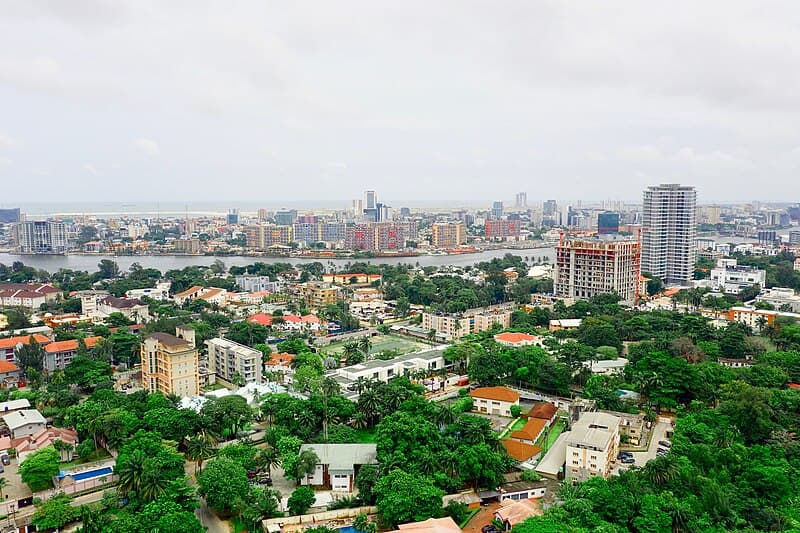
Lagos is Africa's largest city — the metropolitan area has over 20 million people — and Nigeria's commercial and cultural engine. It sits on lagoons, islands and sandbars on the Gulf of Guinea, and the bridges between the islands are endlessly jammed. It's a city of contrasts: the islands of Victoria Island, Ikoyi and Lekki have skyscrapers, luxury restaurants and clubs where people spend like they're in London, while a few kilometres away are markets with thousands of stalls and stilt villages on the lagoon. Lagos is the home of Afrobeat — Fela Kuti invented the genre here that today dominates global charts through Burna Boy, Wizkid and Davido — and of Nollywood, the world's second-largest film industry. The arts scene, with its galleries, festivals and fashion, is the liveliest on the continent. Lagos isn't an easy destination: it calls for a visa, preparation, local contacts or a guide, and strict caution. Get it right, and you'll see an Africa that safari tourists never do — confident, modern and relentless.

What to see

The places worth your time in Lagos, and what to expect at each

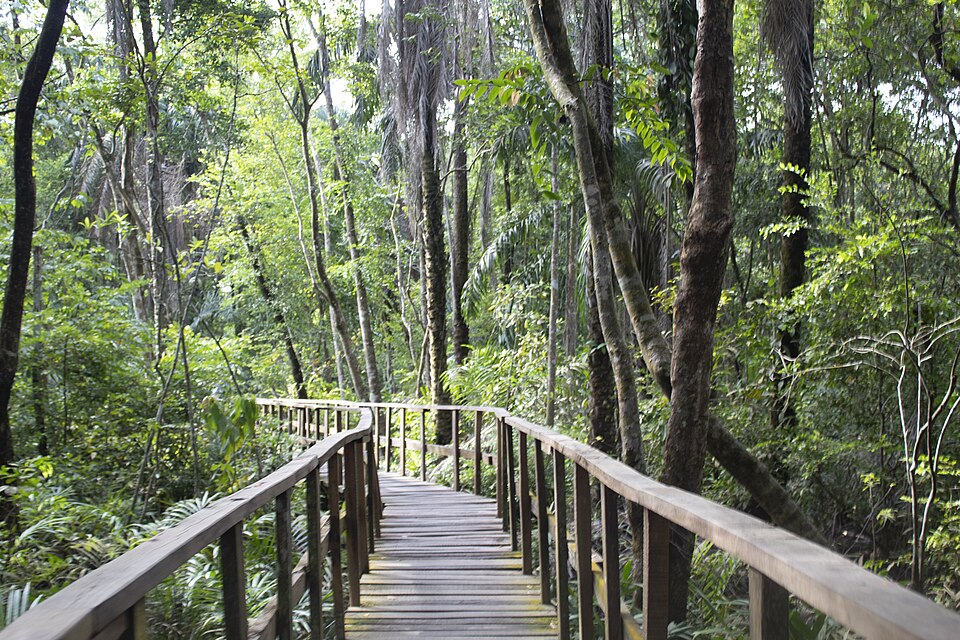
Lekki Conservation Centre

Lekki Conservation Centre

Lekki

A nature reserve on the Lekki peninsula, a rescued patch of wetland forest with mona monkeys, crocodiles and birds. Africa's longest canopy walkway runs for over 400 metres through the treetops.

Tip: Arrive right at opening, 8am, before the heat and the crowds. The walkway sways and reaches heights of up to 22 metres — if you're prone to vertigo, stick to the trails below. Bring insect repellent, as the wetland has mosquitoes.

Admission:
admission fee
Time needed:
2–3 h
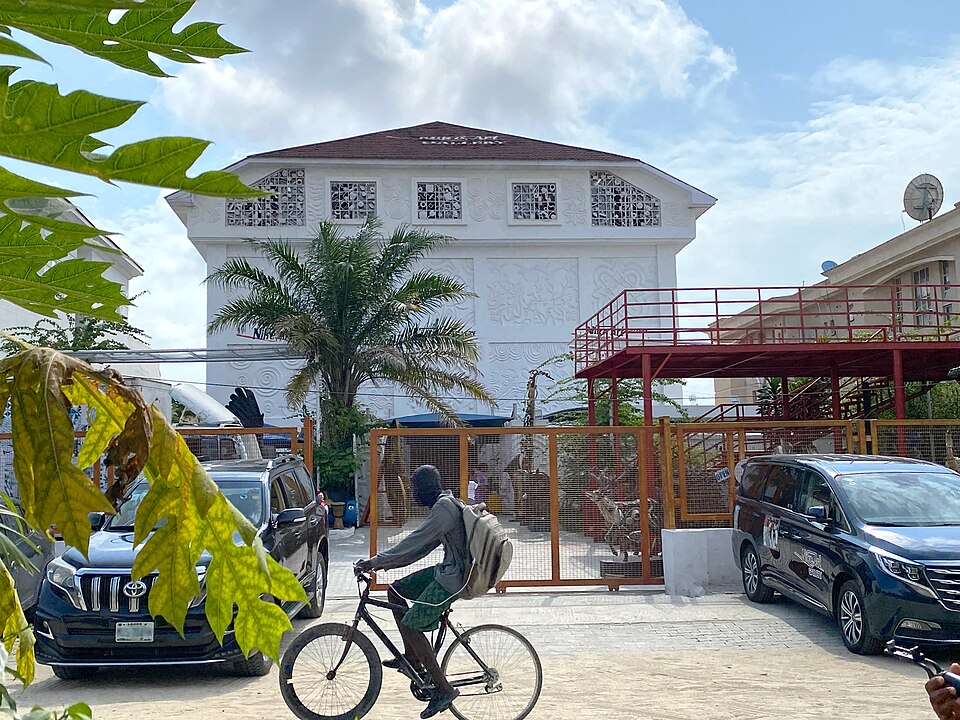
Nike Art Gallery

Nike Art Gallery

Lekki

A 5-storey gallery run by artist Nike Okundaye, holding over 8,000 works of Nigerian art: paintings, sculptures, adire batiks and beadwork. One of the largest galleries in West Africa.

Tip: Admission is free, and founder Nike often personally welcomes guests. The works are for sale, and prices can be negotiated. Check the paintings on the top floor too, where there are fewer people and the best contemporary work.

Admission:
free
Time needed:
1.5 h
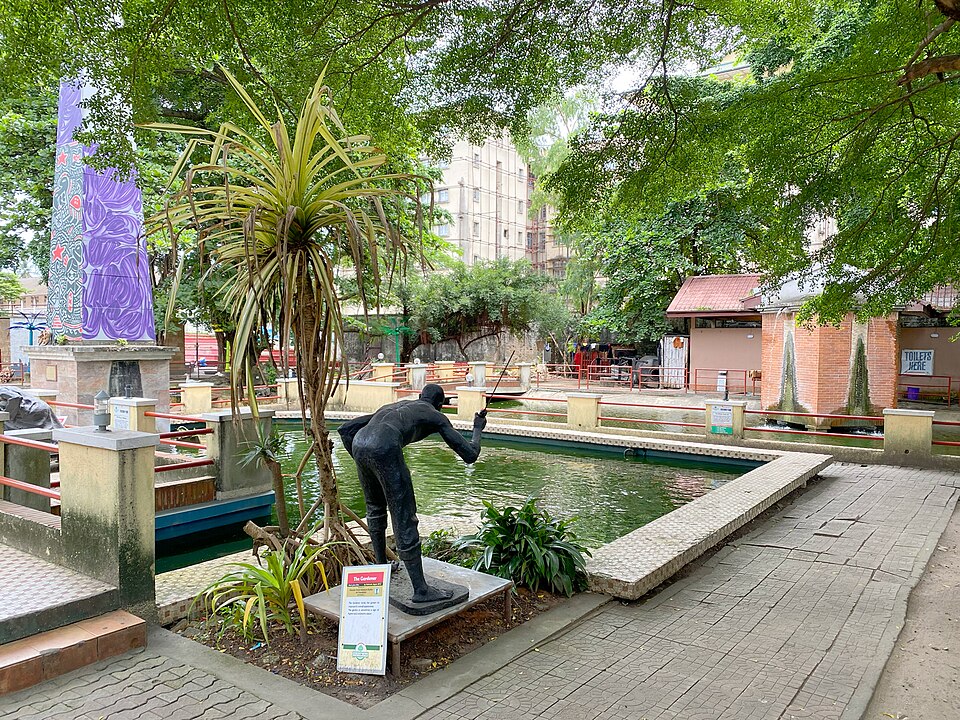
Freedom Park

Freedom Park

Lagos Island

A park in central Lagos Island on the site of the former Broad Street colonial prison, where independence fighters were held. Today it's a cultural space with concerts, theatre, monuments and restaurants.

Tip: On weekend evenings, there's live music and festivals here. During the day, walk through the exhibition on the former prison. Lagos Island is crowded during the day, so arrive by Uber and don't wander the surrounding streets on foot.

Admission:
admission fee
Time needed:
1–2 h
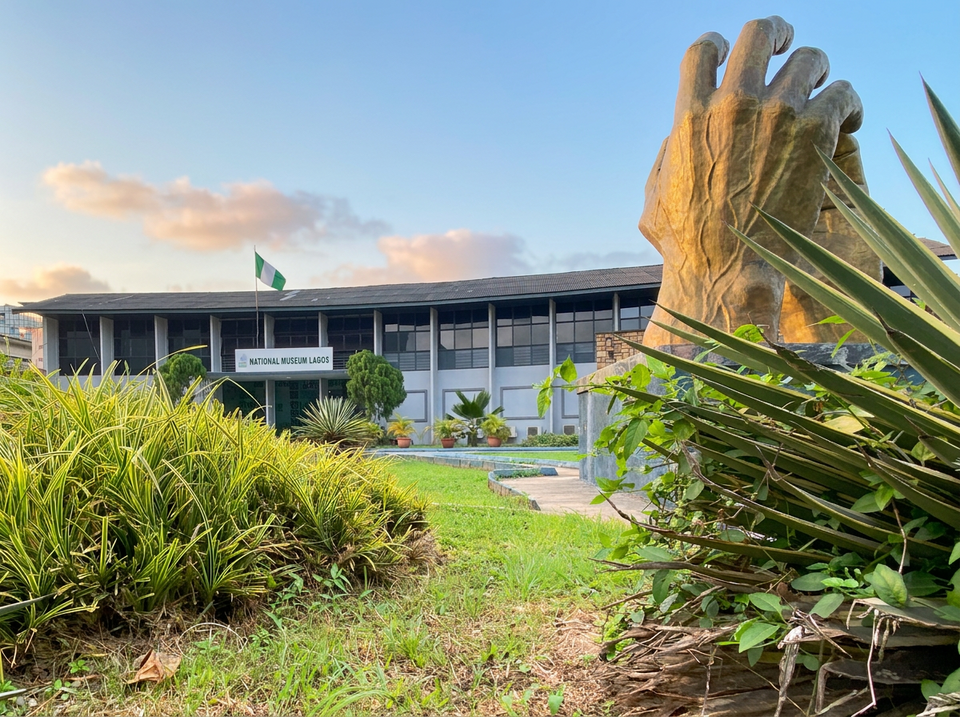
National Museum

National Museum

Onikan

A museum of Nigerian history and art, with Benin and Ife bronzes, terracotta heads from the Nok culture over 2,000 years old, and the car in which Nigeria's first military leader was shot.

Tip: The museum is modest and unevenly maintained, but the exhibits are exceptional. Guides offer their services at the entrance; agree the fee beforehand. It's on Lagos Island, by Tafawa Balewa Square.

Admission:
admission fee
Time needed:
1.5 h
Kalakuta Museum

Kalakuta Museum

Ikeja

The home of Fela Kuti, the founder of Afrobeat, in Ikeja, now a museum holding his saxophones, costumes, records and the room where he lived. Fela declared it the 'Kalakuta Republic', independent from military rule.

Tip: There's a rooftop bar with live music in the evenings. Opening times vary, so check by phone in advance. Combine it with an evening at the New Afrika Shrine, which is just nearby.

Admission:
admission fee
Time needed:
1 h
New Afrika Shrine

New Afrika Shrine

Ikeja

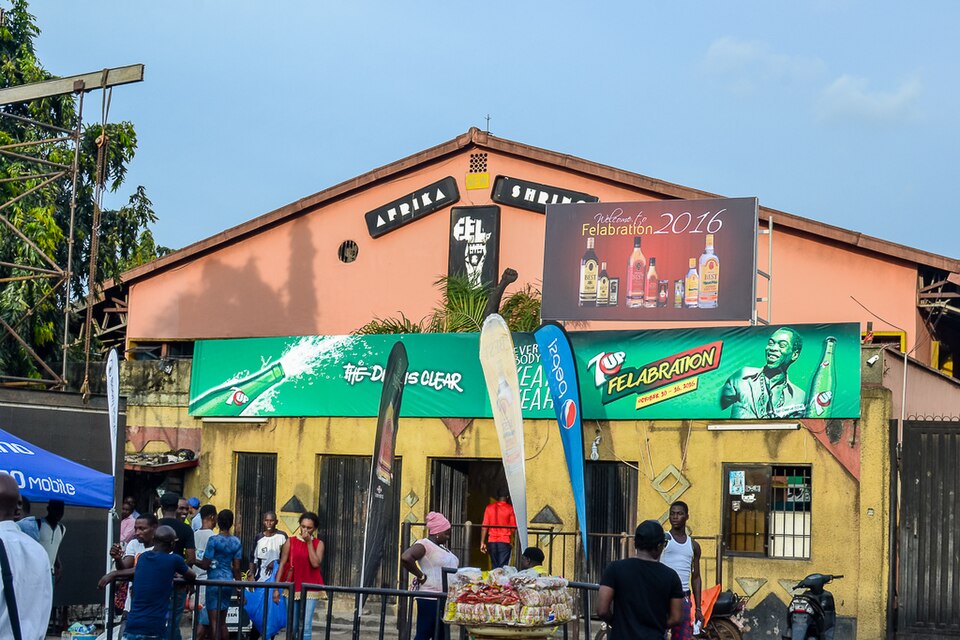
A club founded by Fela's sons Femi and Seun Kuti as a continuation of their father's famous club. Afrobeat concerts run into the morning on Thursdays and Sundays, and the Felabration festival takes place in the last quarter of the year.

Tip: Concerts start late — Femi Kuti usually plays from midnight. Admission is cheap and the atmosphere informal. Travel to and from with Uber or a pre-arranged driver; don't hail a taxi on the street.

Admission:
admission fee
Time needed:
3–4 h
Tarkwa Bay

Tarkwa Bay

Lagos Harbour

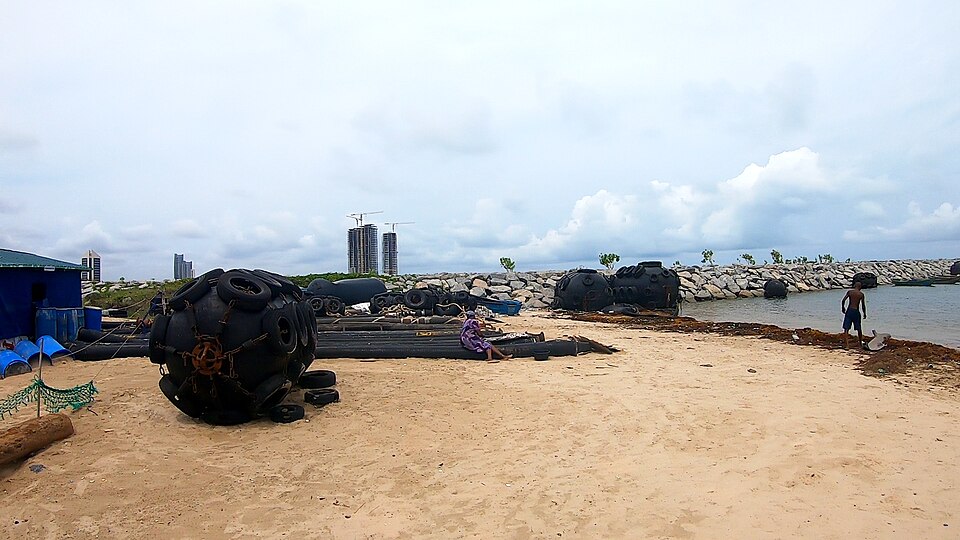
A sheltered sandy beach on an artificial islet at the harbour entrance, accessible only by boat. Its calm waves are good for swimming and beginner surfing, unlike the wild ocean beaches on the mainland.

Tip: Boats leave from Tarzan Jetty or Falomo; agree the return fare in advance and insist on life jackets. Tents and cabins can be rented on the beach. Don't swim at Bar Beach — the currents are deadly.

Admission:
boat fare
Time needed:
half a day
Lekki Arts and Crafts Market

Lekki Arts and Crafts Market

Lekki

The Oba Elegushi market with handmade crafts from across West Africa: masks, sculptures, kente and adire textiles, beadwork and leather goods. The best place for souvenirs.

Tip: Bargain — the first price is often several times too high, so start at a third of it. Vendors are persistent but friendly. Best on a weekday morning.

Admission:
free
Time needed:
1–2 h
Balogun Market

Balogun Market

Lagos Island

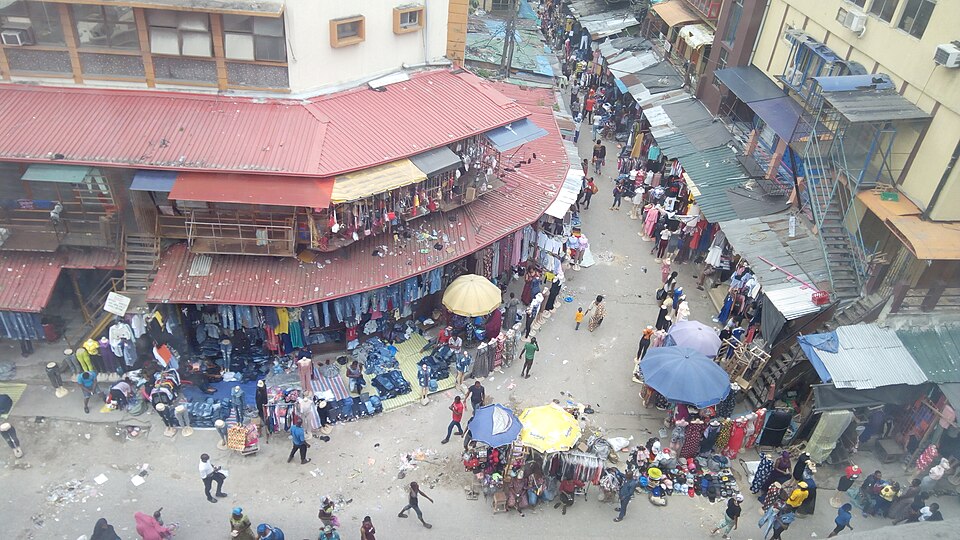
A giant market in central Lagos Island, one of the largest in Africa, with thousands of stalls selling textiles, footwear, electronics and ankara fabric. A taste of African commercial energy at full volume.

Tip: Only go with a local guide or friend, without a backpack or jewellery, and keep your phone out of sight — this is prime pickpocket territory. Best on a weekday morning. Ankara fabric is sold by the yard and is cheap.

Admission:
free
Time needed:
1–2 h

Photos: Lekki Conservation Centre — Obiazi Emefile (CC BY-SA 4.0) · Nike Art Gallery — FrankvEck (CC BY-SA 4.0) · Freedom Park — FrankvEck (CC BY-SA 4.0) · National Museum — FrankvEck (CC BY-SA 4.0) · Kalakuta Museum — Photo by David J. Stang (CC BY-SA 4.0) · New Afrika Shrine — User:Kaizenify (Public domain) · Tarkwa Bay — Liesel81 (CC BY-SA 4.0) · Lekki Arts and Crafts Market — user:AngMoKio (CC BY-SA 2.5) · Balogun Market — Yellowcrunchy (CC BY-SA 4.0)

Where to stay

Areas and districts, matched to the kind of trip you are taking

Victoria Island

Best for: first-time visitors and business

A business district with hotels, restaurants, bars and embassies. The safest and most convenient base.

Ikoyi

Best for: calm and luxury

A leafy residential district with villas, boutique hotels and restaurants. Quieter than Victoria Island, and just a few minutes over the bridge from it.

Lekki

Best for: beaches and galleries

A long peninsula with new developments, galleries, a nature reserve and beach clubs. Traffic on the Lekki–Epe road is legendarily bad.

Ikeja

Best for: music and the airport

A mainland district near the airport, home to the Afrika Shrine, the Kalakuta Museum and shopping malls. Because of traffic, the islands can be an hour or more away.

Getting around

From the airport

Murtala Muhammed International Airport is in Ikeja on the mainland, 20–30 kilometres from the islands. Flights typically connect through London, Paris, Frankfurt, Amsterdam, Istanbul, Dubai or Addis Ababa, with total journey times of 9–12 hours from many European cities. Nigeria requires a visa, arranged online in advance, and yellow fever vaccination. Arrange your airport transfer with your hotel beforehand.

Murtala Muhammed International (LOS) · 25 km

  • Hotel transfer to Victoria Island· 45–120 min· 50 USD
  • Uber / Bolt· 45–120 min· NGN 25,000

Around town

Lagos is notorious for traffic jams, known locally as 'go-slow' — crossing between the islands and the mainland can take 2 hours. For visitors, the safest option is a driver arranged through your hotel or Uber and Bolt. Water taxis across the lagoon are fast, but only travel with a life jacket and a reliable operator. Local danfo minibuses and okada motorbike taxis aren't suitable for foreigners.

Uber / BoltThe main way to get around, with the fare shown upfront. · NGN 5,000 between the islands
Private driverThe most comfortable option for a full day, arranged through your hotel. · 80 USD/day
Water taxiAcross the lagoon from Falomo or Five Cowries, faster than the road. · from NGN 5,000
Lagos Rail Blue LineA new metro line running from Marina to the mainland. · from NGN 750
Danfo and okadaMinibuses and motorbike taxis, not suitable for foreigners. · —

Useful apps: Uber, Bolt, Google Maps, Chowdeck, Glovo

When to go

Lagos has a tropical climate with temperatures around 30°C year-round and high humidity. The best time is the dry season from November to March, though in December and January the harmattan wind from the Sahara brings dust and haze. May to July are the wettest months, when streets flood. December is concert and festival season, when the diaspora returns home for 'Detty December' and hotels are expensive.

Best time

November to March

What to avoid

May to July, because of rain and flooding

MonthJanFebMarAprMayJunJulAugSepOctNovDec
Day32°33°33°32°31°29°28°28°29°30°31°32°
Night23°25°25°25°24°23°23°23°23°23°24°24°
Rainy days1361014181410141252

Food & drink

Lagos eats big and loud. Nigerian cuisine is spicy, bold and filling, and it's best at places called 'bukas', where soups with balls of pounded yam are eaten by hand. Victoria Island and Ikoyi have international restaurants and clubs with prices to match Europe. Suya is sold from street stalls in the evening.

What to try

Jollof rice

Rice cooked in a tomato, pepper and chilli sauce with a smoky flavour from the bottom of the pot, served with fried chicken and plantain. Whether Nigerian or Ghanaian jollof is better is the subject of endless debate.

Suya

Thin skewered strips of beef coated in a spicy ground-peanut-and-spice mix and grilled over charcoal. Sold in the evenings from stalls with onion and tomato, wrapped in newspaper. It's genuinely hot.

Egusi soup with pounded yam

A thick soup of ground melon seeds, leafy greens and meat or fish. Eaten by hand with a ball of pounded yam, used to scoop up the soup.

Pepper soup

A thin, spicy soup with goat meat or catfish and aromatic spices, served in bars with beer. Locals recommend it for colds and hangovers alike.

Dodo

Slices of ripe plantain fried until golden, sweet and caramelised. A side dish for everything, especially jollof rice, and the safest choice for your first day.

Puff-puff and akara

Puff-puff are round doughnuts made from a yeasted dough; akara are fried balls of bean paste. A street breakfast and snack.

Chapman and palm wine

Chapman is a non-alcoholic cocktail of soft drinks, grenadine and cucumber, served in every club. Palm wine is a naturally fermented palm sap, drunk fresh, that grows stronger through the day.

What it costs

Suya from a stall

NGN 2,000–4,000

Jollof rice with chicken

NGN 4,000–8,000

Dinner on Victoria Island

NGN 25,000–60,000 per person

Beer

NGN 1,500–3,000

Lekki Conservation Centre admission

from NGN 5,000

Uber between the islands

NGN 5,000–10,000

Boat to Tarkwa Bay

from NGN 10,000

Night in a 3-star hotel on Victoria Island

100–200 USD

Indicative prices that change over time — treat them as a guide, not a price list.

Practical information

SocketsDthree round pins (India)GBritish, three rectangular pins
Voltage230V / 50Hz
Tap waterDo not drink tap water — Never drink tap water in Nigeria. Drink bottled water in sealed bottles bought from a supermarket; skip the 'pure water' sold on the street in plastic sachets. Ice and raw vegetables only at hotels and better restaurants. Brush your teeth with bottled water. Yellow fever vaccination is mandatory before travelling, and malaria prevention is recommended, since it's common even in Lagos.
Tipping10% is given at restaurants if service isn't already on the bill, and hotel porters get 500–1,000 naira. Nigeria has high inflation and the naira keeps losing value, so prices go out of date quickly. Cards are accepted at hotels, supermarkets and better restaurants; on the street you'll need cash or a bank transfer, which almost everyone uses here. ATMs often reject foreign cards and cash can be scarce; exchange dollars at your hotel or with an authorised exchange dealer, never on the street.
Driving on theright
SafetyNigeria is a demanding destination, and most foreign ministries advise increased caution; the north and the Niger Delta should be avoided entirely. In Lagos, stick to the islands of Victoria Island, Ikoyi and Lekki, which have hotels, restaurants and guarded buildings. Don't walk after dark, and travel only with a vetted driver or via Uber and Bolt — never a taxi hailed on the street. Don't hold your phone near the car window. There are police checkpoints on the roads; keep your documents at hand and stay calm during checks. Good healthcare is available only at private clinics, so make sure your insurance covers medical evacuation. The emergency number is 112.
Opening hoursShops and malls are open from 9am to 8pm, including weekends; markets run from morning until dusk. Offices and banks work from 8am to 4pm. Lagos comes alive at night — clubs and bars on Victoria Island get going after 11pm and run until dawn, though Sunday mornings are quiet as people go to church. Plan around traffic, known locally as 'go-slow': 10 kilometres can take 2 hours, so build plenty of buffer time into your plans.
Customs & etiquetteNigerians are confident, loud and warm, and greetings matter — not greeting an elder is considered rude. Among the Yoruba, younger people bow or slightly bend their knees to elders. Food and items are given and received with the right hand. Being addressed as 'aunty' or 'uncle' is a sign of respect, not an indication of family ties. Religion matters a great deal to most people and isn't criticised. Photographing soldiers, police, airports and bridges is forbidden. Bargaining happens everywhere except supermarkets, and the first price quoted at a market is often several times too high.
A few local wordsHello (Yoruba) — E kaaroThank you (Yoruba) — E seHow are you? (Pidgin) — How far?How much is it? (Pidgin) — How much be this one?Everything's fine (Pidgin) — No wahalaWait a moment — Abeg wait small

How to plan your days

1 day

A Day in Lagos

  1. 1Morning at the Lekki Conservation Centre and the canopy walkway.
  2. 2Nike Art Gallery.
  3. 3Lunch with jollof rice.
  4. 4Afternoon at the Lekki Arts and Crafts Market.
  5. 5Evening suya and a bar on Victoria Island.

2 days

2 Days in Lagos

  1. 1Day 1 as in the one-day itinerary.
  2. 2Day 2 with a guide on Lagos Island.
  3. 3National Museum and Freedom Park.
  4. 4Afternoon at the Kalakuta Museum.
  5. 5Evening concert at the New Afrika Shrine.

3 days

3 Days in Lagos

  1. 12 days as in the previous itinerary.
  2. 2Day 3 by boat to Tarkwa Bay.
  3. 3A day at the beach.
  4. 4Return in the afternoon.
  5. 5Evening dinner in Ikoyi.

Day trips

Badagry

60 km · 2 h by car

A historic coastal town near the border with Benin, from where ships carried enslaved people to the Americas. There's a slavery museum, the Well of Attonement and the 'Point of No Return' on a sandy spit. A powerful and important place.

Olumo Rock in Abeokuta

100 km · 2.5 h by car

A granite outcrop above the town of Abeokuta that served as a refuge for the Egba people in the 19th century. Both a lift and stairs lead to the top, where there are shrines and a viewpoint. Abeokuta is famous for its adire dyed cloth.

Ibadan

130 km · 2 h by car

Nigeria's third-largest city and the historic centre of the Yoruba people, with the country's oldest university, Bower's Tower with views over the rust-coloured rooftops, and Cocoa House, tropical Africa's first skyscraper.

Frequently asked questions

Is Lagos safe?+

It requires a high level of caution. Stay on Victoria Island or in Ikoyi, use a vetted driver, avoid walking after dark, and only visit markets and Lagos Island with a guide. Check your government's current travel advisories.

Do I need a visa for Nigeria?+

Yes. A visa is applied for online in advance and requires an invitation or hotel booking and proof of yellow fever vaccination.

How many days do I need for Lagos?+

3 days: nature and art in Lekki, historic Lagos Island, music and the beach. With more time, add a trip to Badagry or Abeokuta.

How do I get from the airport?+

Best arranged as a transfer booked through your hotel. Because of traffic, allow up to 2 hours.

Where should I stay in Lagos?+

On Victoria Island or in Ikoyi, where the hotels, restaurants and best security are found.

How do people pay in Nigeria?+

Hotels and restaurants take cards; otherwise it's bank transfers and cash in naira. Bring dollars in new notes and exchange them at your hotel.

When does Lagos have the most going on?+

In December, when concerts, festivals and fashion shows take place. Hotel prices are highest then, though.

Does Lagos have nice beaches?+

The mainland's ocean beaches have dangerous currents. The best options are Tarkwa Bay and other boat-access beaches, where the waves are calmer.

Visa Requirements

Check the latest visa requirements for entering this country. Some nationalities may need to apply for a visa or e-visa before travel.

Check visa requirements

Language

English

Currency

NGN

Timezone

GMT+1

Dial Code

+234

Population

223M

Area

923,768 km²

Voltage

230V / 50Hz

Driving Side

Right

Top Hotels in Lagos

Live prices from 500+ properties

Loading hotels...

Planning a trip to Lagos?

Compare hundreds of hotels, find the best price, and book with free cancellation on TravelManiac.