Hotels in Lapland

The Arctic Circle, snow-laden forests, husky sledding and the northern lights over a glass igloo

Lapland

LanguageEnglish
CurrencyEUR
TimezoneGMT+2
Temperature-10-22 °C
Dial Code+358
Population5.6M
Area338,424 km²
SocketsType C / Type F
Tap waterDrinkable

Discover Lapland

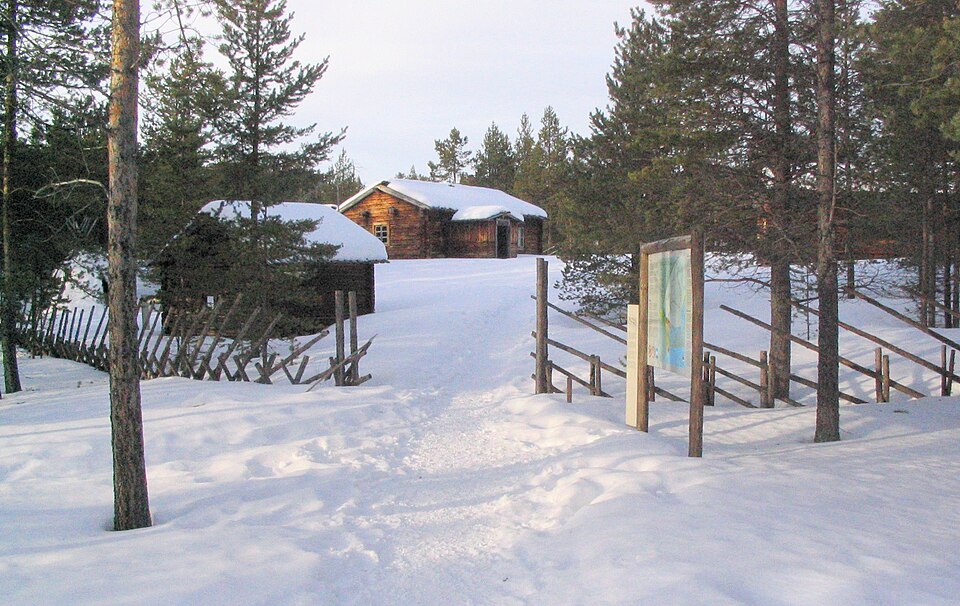
Finnish Lapland is Finland's northernmost province, roughly the size of Iceland, with just under 200,000 residents and roughly as many reindeer. Snow and taiga cover most of the year, the sun barely peeks above the horizon for half the winter, and the northern lights appear in the sky from September to March. In summer, by contrast, there's light around the clock and the midnight sun never sets. The main gateway is Rovaniemi, a town sitting right on the Arctic Circle, home to Santa Claus's office in Santa Claus Village, which charter flights from across Europe serve in winter. Further north lie the ski resorts of Levi and Ylläs, and near the Norwegian border the village of Saariselkä and Inari, the centre of Sámi culture. Lapland is all about experiences: husky and reindeer sledding and snowmobiling, sleeping in glass igloos and sauna cabins, and hunting the northern lights at night. It's expensive, but for families with children before Christmas and couples in January it's one of Europe's most powerful winter experiences.

What to see

The places worth your time in Lapland, and what to expect at each

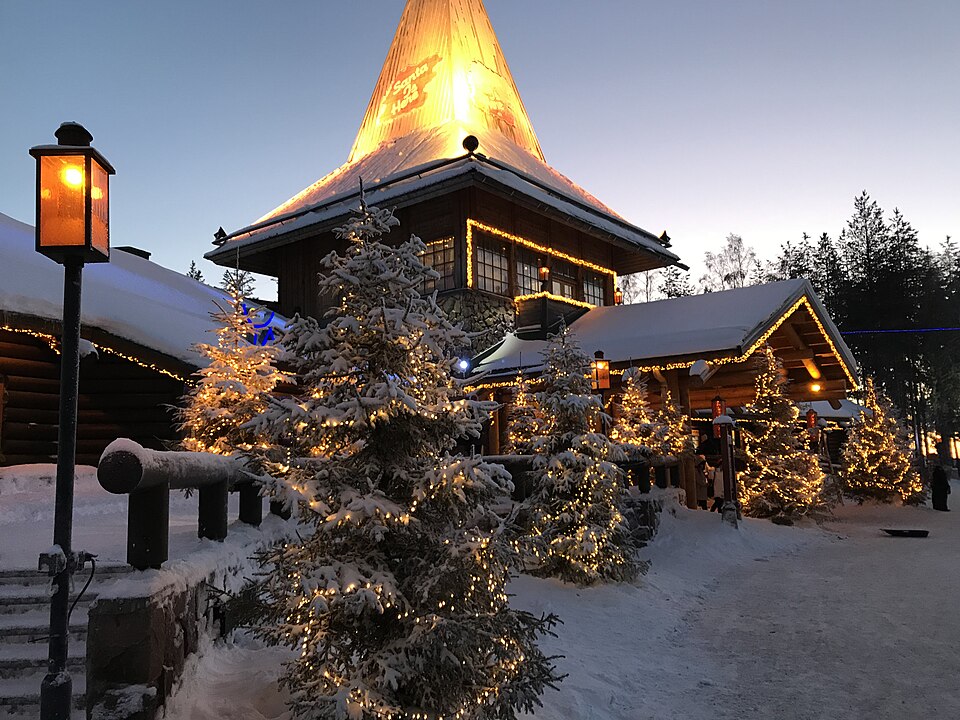
Santa Claus Village

Santa Claus Village

8 km from Rovaniemi

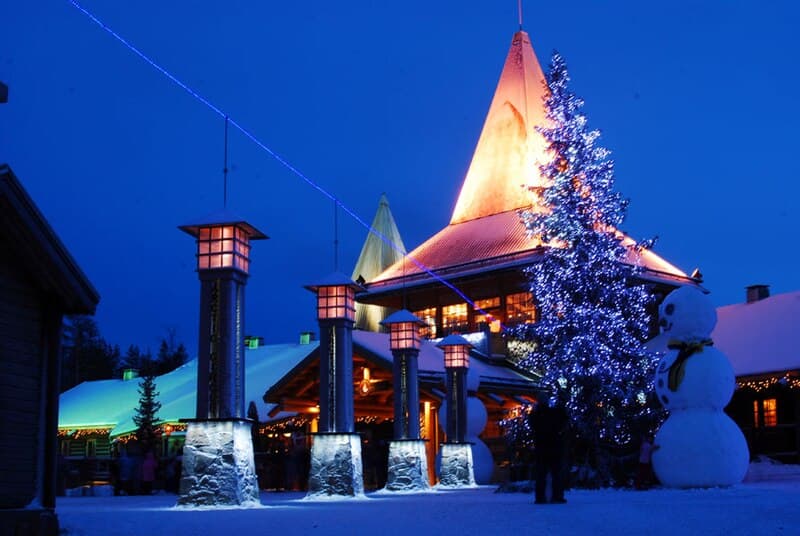
A Christmas village 8 km north of Rovaniemi, right on the Arctic Circle line, where Santa Claus keeps his year-round office. It's home to Santa's main post office, which receives letters from children worldwide, along with shops, restaurants, glass igloos and, in winter, reindeer and husky sledding. Entry to the village is free.

Tip: Meeting Santa in his office is free, but photos cost €40–60 and you're not allowed to use your own camera. Queues are shortest in the morning at opening time and in January after Christmas — in December you can wait up to an hour. You can post a postcard here that arrives at Christmas stamped with the Arctic Circle postmark.

Admission:
free, photos with Santa €40–60
Time needed:
2–4 h
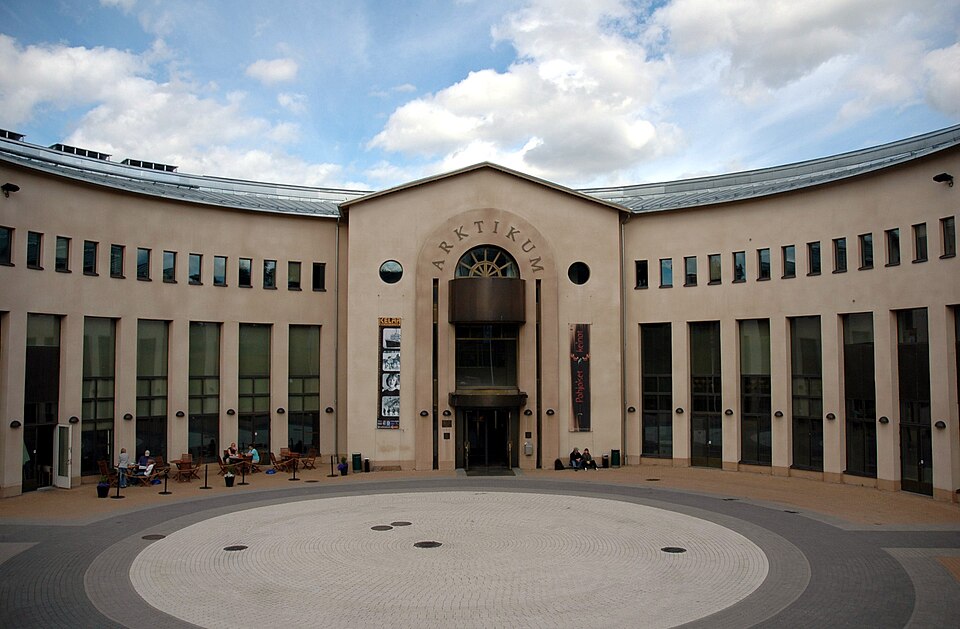
Arktikum

Arktikum

Rovaniemi centre

A museum and science centre about the Arctic in Rovaniemi, housed in a building with a long glass tunnel pointing north towards the river. Exhibits explain the northern lights, Arctic nature, Sámi life and Lapland's history, including the burning of Rovaniemi by retreating German forces in 1944. There's also a planetarium with a show about the aurora.

Tip: Arktikum is the best programme for the coldest day, or for an afternoon before a night-time northern-lights hunt — it explains what you'll see in the sky. Allow 2–3 hours. The museum restaurant has a good, reasonably priced lunch buffet with Lapland dishes.

Admission:
around €20
Time needed:
2–3 h
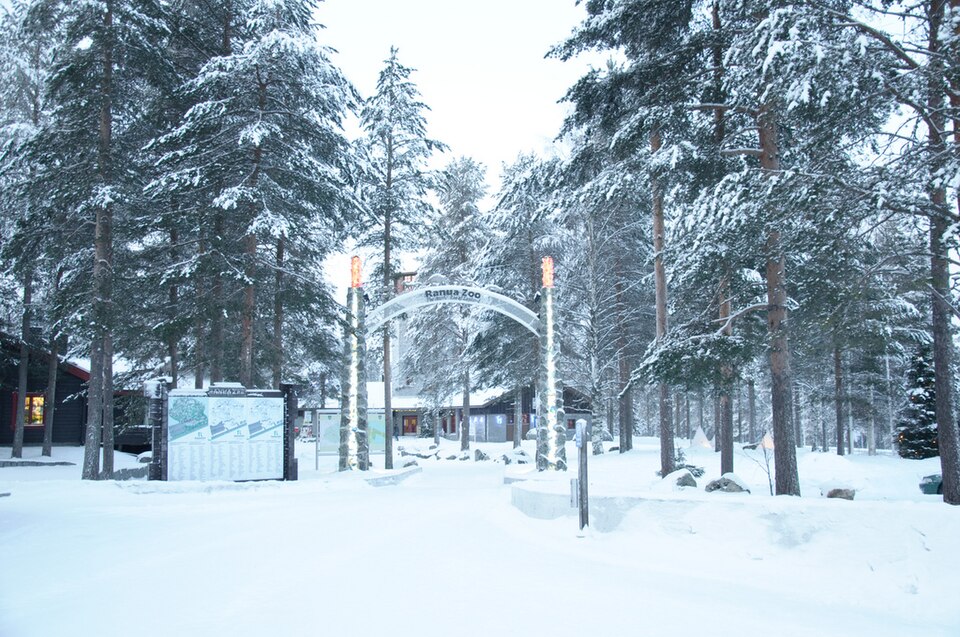
Ranua Zoo

Ranua Zoo

Ranua, 80 km south

An Arctic zoo 80 km south of Rovaniemi with more than 50 species of northern animals — polar bears, wolverines, lynx, wolves, elk, brown bears and owls. The animals live in large forest enclosures, connected by 3 km of wooden walkways. The brown bears hibernate in winter.

Tip: Go January to March around midday, when there's daylight and the animals are active — in December it's dim all day. The polar bears are the only ones in Finland. The bus from Rovaniemi takes an hour and a quarter; the most comfortable option is an organised trip with hotel pickup.

Admission:
around €30
Time needed:
3 h
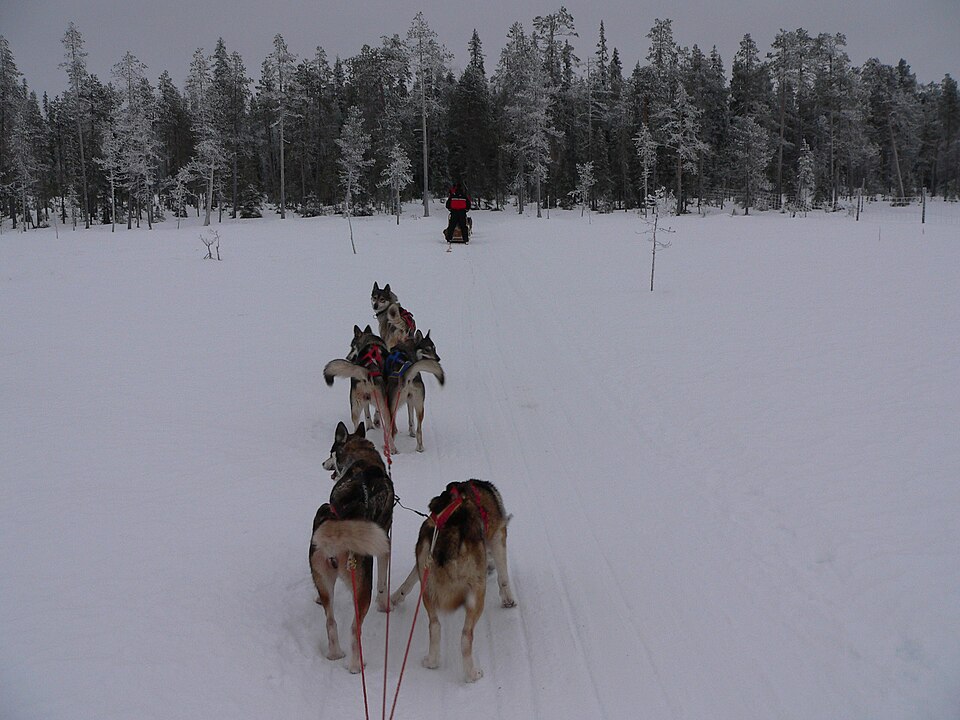
Husky sledding

Husky sledding

Rovaniemi, Levi, Saariselkä

A sled ride pulled by a team of 6–10 huskies along snowy forest trails and frozen lakes. On longer trips you drive the sled yourself after a short briefing; on shorter ones you sit in the sled while a musher drives. Afterwards at the farm you can cuddle the dogs and puppies.

Tip: Go for a trip of at least 20–30 km — short 5 km loops don't teach you anything and end before they've really begun. Driving a sled is physically demanding, requiring pushing when braking and going uphill. Choose farms where the dogs live in packs outdoors and look healthy. The best experience is in February and March, when there's daylight.

Admission:
€120–250
Time needed:
2–5 h
Reindeer farm and Sámi culture

Reindeer farm and Sámi culture

Rovaniemi, Inari

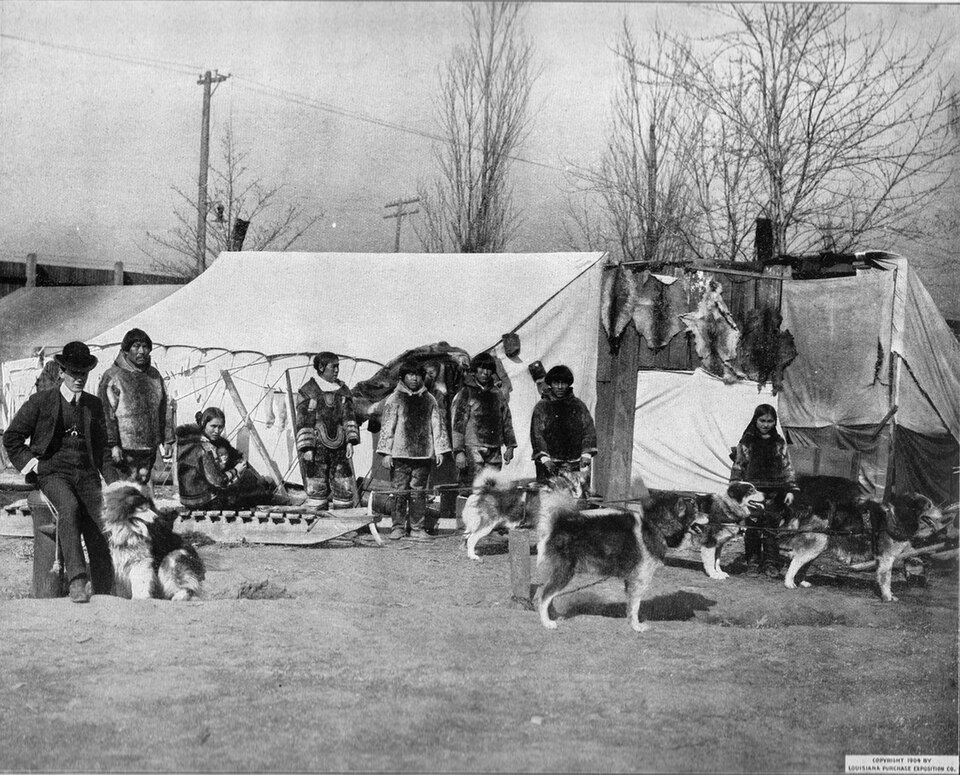
A visit to a reindeer farm, where a reindeer pulls you on a sled through the forest and a family of herders tells you about reindeer husbandry, a way of life for the Sámi and Lapland people. Coffee and reindeer meat are served by the fire in a kota (traditional tent). Farms often also offer a "reindeer driving licence".

Tip: A reindeer ride is slow and calm, ideal for small children and older people for whom husky sledding isn't suitable. Farms run by families of herders feel more authentic than the attractions near Santa Claus Village. Don't expect the reindeer to run — it moves at walking pace.

Admission:
€80–150
Time needed:
2–3 h
Northern lights

Northern lights

All of Lapland

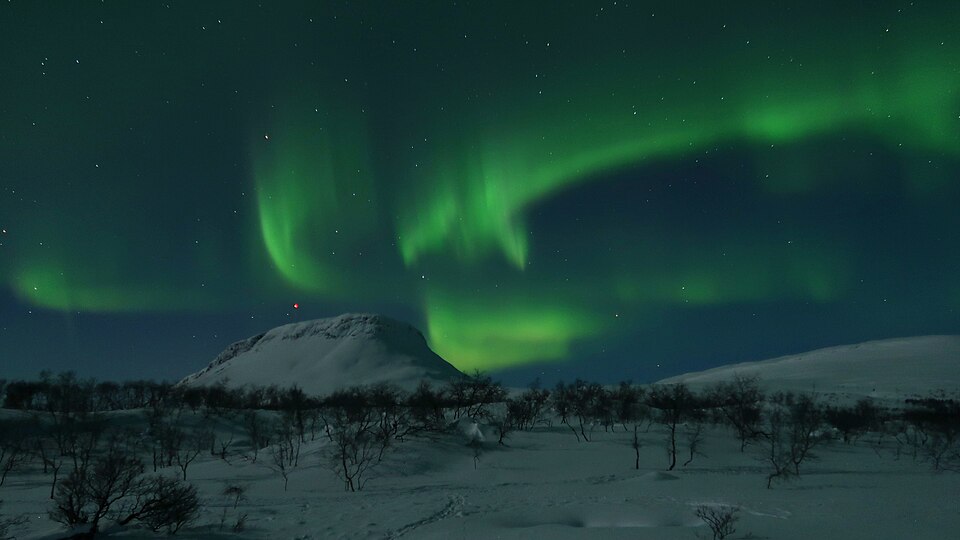
Green, purple and sometimes red curtains of light in the sky, created when particles from the solar wind hit the atmosphere. In Lapland they can be seen on roughly two out of every three clear nights from late August to early April. They're usually strongest around midnight and far from city lights.

Tip: Track aurora activity with the Aurora Alert app and check the cloud forecast — a clear sky matters more than the activity index. From Rovaniemi, organised aurora hunts head out by minibus or on snowshoes to a lake; from Levi and Saariselkä you only need to walk a few hundred metres beyond the village. For photos you'll need a tripod and a long exposure.

Admission:
aurora hunt €80–150
Time needed:
3–4 h
Levi

Levi

Levi

Finland's largest ski resort, 170 km north of Rovaniemi, with 43 pistes on a 531-metre hill and 700 km of cross-country trails. The village at the foot of the hill has hotels, restaurants and bars, and all the safaris depart from here. Every November a World Cup slalom race is held here.

Tip: The pistes are short and gentle, ideal for families and beginners; experienced skiers may find it dull. The cross-country trails, on the other hand, are lit and excellent. For sunset, take the gondola to the summit, from where in March you can see snow-covered forest stretching to the horizon. The nearest airport is Kittilä, 15 minutes by car.

Admission:
day pass around €55
Time needed:
1–7 days
Saariselkä and Urho Kekkonen National Park

Saariselkä and Urho Kekkonen National Park

Saariselkä

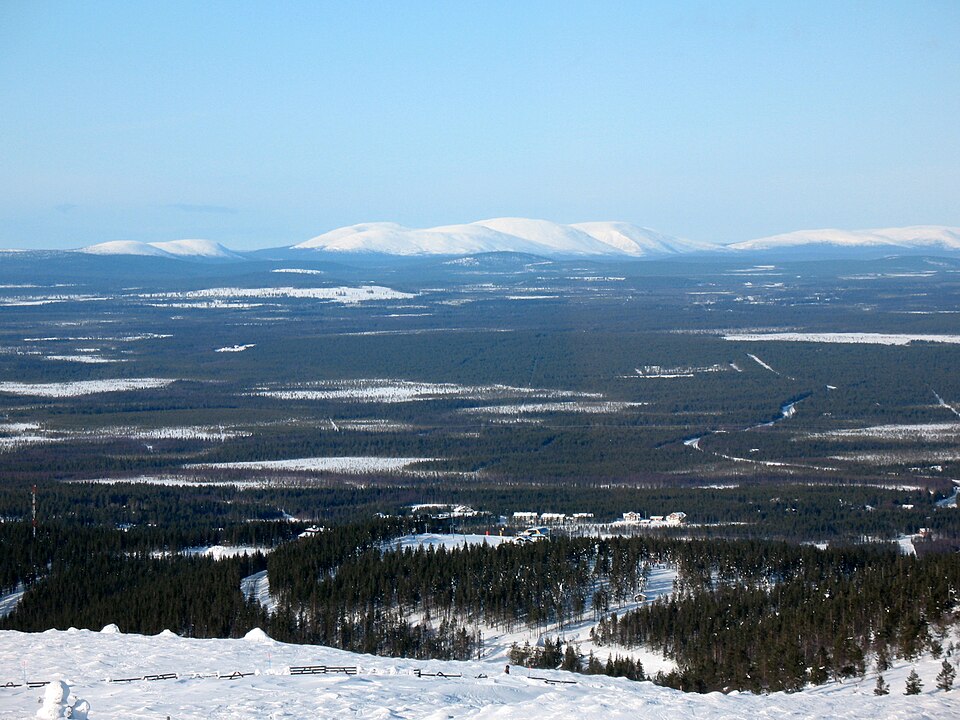
A mountain village on the edge of one of Finland's largest national parks, with bare fell tops, tundra and forest, explored on snowshoes and cross-country skis. Nearby is Kakslauttanen, the resort that originated the glass igloo for watching the northern lights. It's a less commercial, darker place than Levi.

Tip: Saariselkä lies 250 km north of the Arctic Circle, and from early December to mid-January the sun doesn't rise at all — a polar night with a blue half-light at midday. It's one of the best spots for the northern lights, since there's so little light pollution. Glass igloos start from €300 a night and book up a year ahead.

Admission:
free
Time needed:
2–3 days
Siida and Inari

Siida and Inari

Inari

A museum of Sámi culture and Lapland nature in Inari, Finland's Sámi centre on the shore of the vast Lake Inari. The modern exhibition shows Sámi life, reindeer herding, languages and crafts, with traditional dwellings in the surrounding park. Next door is Sajos, a cultural centre and seat of the Sámi Parliament.

Tip: Inari is the only place in Finland where you'll hear Sámi spoken on the street and can buy genuine Sámi craft with the Sámi Duodji certificate — near Santa Claus Village it's often imported instead. In winter, snowmobile trips cross the frozen lake to the sacred island of Ukko. It's 40 minutes by car from Saariselkä.

Admission:
around €20
Time needed:
2 h

Photos: Santa Claus Village — Floppyjb (CC BY-SA 4.0) · Arktikum — Francisco M. Marzoa Alonso (CC BY-SA 2.5) · Ranua Zoo — Maarten (c) (CC BY-SA 2.0) · Husky sledding — Евгений Гранат (Public domain) · Reindeer farm and Sámi culture — William H. Rau (Public domain) · Northern lights — WikiLucas00 (CC BY-SA 4.0) · Levi — Oleg Krivolapov (CC BY-SA 3.0) · Saariselkä and Urho Kekkonen National Park — MattiPaavola (CC BY-SA 3.0) · Siida and Inari — Birit Schenk (Birit) (CC BY 2.5)

Where to stay

Areas and districts, matched to the kind of trip you are taking

Rovaniemi centre

Best for: first-time visitors, families

Hotels, restaurants and shops in the compact centre at the confluence of two rivers, from where safaris and aurora hunts pick you up. Bus number 8 reaches Santa Claus Village in 20 minutes. The town's light pollution means you need to head out of it for the northern lights.

Santa Claus Village and the Arctic Circle

Best for: children, glass igloos

Cabins and glass igloos right in Santa's village or in the surrounding forest, five minutes from the airport. For families with children this is the most convenient base, since Santa is just around the corner. It's quiet in the evening and dark enough for the aurora.

Levi

Best for: skiing, nightlife

Lapland's liveliest resort, with hotels, cabins, bars and restaurants beside the slopes, where you can ski, go on safaris and enjoy the evening scene. It's pricier and more commercial, but everything is in one place. The aurora can be seen just a few minutes' walk from the village.

Saariselkä and Inari

Best for: polar night, tranquillity, aurora

A remote northern area with darkness and little light pollution, the best place for the northern lights, the polar night and Sámi culture. There's a smaller choice of restaurants and services, but the most authentic Lapland experience. Ivalo airport is 30 minutes away.

Getting around

From the airport

Rovaniemi (RVN) is reached with a connection at a major European hub such as Helsinki with Finnair, with the journey taking 5–7 hours; during the winter season from December to March, direct charter flights also run from tour operators across many European cities. Levi is served by Kittilä airport (KTT), and Saariselkä and Inari by Ivalo (IVL). From Helsinki, the Santa Claus Express night train runs to Rovaniemi in 12 hours with sleeper compartments, including space to load a car. Buses and airport transfers linked to flights run between locations within Lapland. Flights and hotels are most expensive around late November and early December.

Rovaniemi (RVN) · 10 km

  • Bus to the centre· 15 min· €8
  • Taxi to the centre· 15 min· €30
  • On foot to Santa Claus Village· 20 min

Kittilä (Levi) (KTT) · 15 km

  • Airport bus to Levi· 20 min· €10
  • Taxi· 15 min· €40

Ivalo (IVL) · 30 km

  • Airport bus to Saariselkä· 30 min· €15
  • Taxi to Inari· 45 min· €100

Around town

City buses run around Rovaniemi, and Santa's village is served by route 8. Long-distance buses run between Rovaniemi, Levi, Saariselkä and Inari several times a day, but agencies pick you up directly at your hotel for safaris and excursions. A rental car in winter only pays off for experienced drivers — roads are snow-covered but well maintained, cars have studded winter tyres, and at night it's dark with reindeer about. In the resorts, people get around on foot, by ski bus, and by snowmobile on marked trails, for which you need a driving licence.

Organised safarisHuskies, reindeer, snowmobiles and aurora hunts, with hotel pickup and clothing provided. · €80
Long-distance busRovaniemi–Levi, Rovaniemi–Saariselkä–Inari. · €35
Rental carFor experienced drivers on snow; cars have studded tyres. · €60/day
Rovaniemi city busRoute 8 to Santa Claus Village. · €4

Useful apps: Aurora Alert, Matkahuolto (buses), VR (trains), Foreca (weather)

When to go

Lapland has 2 completely different seasons. Winter, from December to March, means snow, frost, safaris and the northern lights. December has a festive feel but the highest prices and shortest days, when Rovaniemi has just a few hours of twilight and the north sees the polar night. January and February are the coldest but bring more light and clear nights for the aurora. March is the best compromise: long sunny days, plenty of snow, milder frost, and still dark enough for the lights. Summer, from June to August, is about the midnight sun, hiking and mosquitoes. September brings ruska — the tundra's autumn colours — and the first auroras.

Best time

February–March, September

What to avoid

November (dark with no snow)

MonthJanFebMarAprMayJunJulAugSepOctNovDec
Day-8°-7°-2°4°11°17°20°17°11°3°-3°-6°
Night-17°-16°-12°-5°1°7°10°8°4°-2°-8°-14°
Rainy days1199789111211121212

Food & drink

Lapland's cuisine is simple, built on what the forest and lake provide: reindeer, salmon and whitefish, forest berries and mushrooms. The most typical dish is poronkäristys, thinly sliced reindeer sautéed in butter and served with mashed potato and lingonberries. The cloudberry, an orange berry from the peatlands, is the north's rarest and most expensive forest fruit. Restaurants in Rovaniemi and Levi offer Lapland tasting menus as well as everyday food, and prices are high — a main course costs €25–€40. You'll eat cheaply at lunchtime buffets and at the S-market and K-market supermarkets, which also sell ready meals. Alcohol above 5.5% is sold only in state-run Alko shops.

What to try

Poronkäristys

Reindeer meat sliced thin, sautéed in butter and served with mashed potato, lingonberries and pickled gherkin. A Lapland classic served by Nordic-cuisine restaurants in Helsinki too; the meat is lean and tastes somewhere between game and beef.

Leipäjuusto

"Bread cheese" made from colostrum, grilled until it has dark spots and squeaks as you eat it. Served warm with cloudberry jam as a dessert; in Lapland it's also dropped straight into a cup of coffee.

Lohikeitto

A creamy salmon soup with potatoes, leek and plenty of dill. Finland's most typical dish, served at harbourside markets in a bowl with dark bread for €10–€14 as a full lunch.

Cloudberry

Lakka, an orange berry growing on peatlands, hand-picked in August. Served as jam with warm leipäjuusto cheese, in ice cream, or as the liqueur Lakkalikööri. A kilogram costs over €30.

Muikut

Small lake vendace coated in rye flour and fried whole, eaten head, bones and all like chips, with mashed potato and lemon. Sold at markets straight from a large pan — the best dish at a Finnish market.

Karjalanpiirakka

A Karelian pasty of rye dough filled with rice porridge, served with egg butter (munavoi). A breakfast classic sold in every supermarket; warm from the bakery it's a completely different food from a cold one out of the fridge.

Salmiakki

A salty liquorice sweet containing ammonium chloride, a national favourite for Finns and a shock for most foreigners. Also sold as the liqueur Salmiakki Koskenkorva. Buy a small bag before committing to a large one.

What it costs

Half-day husky sledding

€150–250

Reindeer sleigh ride

€80–150

Organised northern lights hunt

€80–150

Arktikum admission

around €20

Lunch buffet

€15–20

Poronkäristys in a restaurant

€30–40

Beer at a bar

€8–10

Night in a glass igloo for 2

€300–700

Indicative prices that change over time — treat them as a guide, not a price list.

Practical information

SocketsCEuroplug, two round pinsFSchuko
Voltage230V / 50Hz
Tap waterTap water is drinkable — By international measurements, Finnish tap water is the cleanest in the world, and Finns drink it straight from the tap as a matter of course. Restaurants bring it free without being asked, and every sauna has a drinking fountain. Bottled water is bought almost exclusively by tourists and costs around €2. Bringing your own bottle is the best way to save money in an otherwise expensive country.
TippingTipping isn't customary in Finland and nobody expects it — service and tax are included in the price, so the going rate is zero. Anyone who wants to can round up. Finland is almost cashless: cards work on trams, in saunas, at markets and even at hot-dog stands, and some places refuse cash altogether. ATMs (Otto) charge a fee, and since Finland is in the eurozone, there's no reason to exchange anything in advance.
Driving on theright
SafetyLapland is one of the safest places in Europe, with virtually no crime. The real danger is the cold: in January temperatures regularly drop below minus 20, and on a snowmobile or dog sled in the wind the feels-like temperature can fall below minus 30. Thermal wear, a snowsuit, boots and gloves are provided on safaris, but your own wool base layers are essential. Only cross frozen lakes and rivers with a guide, as ice near currents is thin. Reindeer and elk cross roads mainly after dark — drive slowly. The emergency number is 112.
Opening hoursDuring the winter season from December to March, shops in Rovaniemi and the ski resorts open from 10am to 9pm, and supermarkets stay open until 10pm, including Sundays. Daylight is scarce: in December Rovaniemi gets only 2–3 hours of twilight around midday, and further north in Levi and Saariselkä the sun doesn't rise at all for several weeks. Safaris are therefore scheduled for midday and northern-lights hunts for night. Outside winter, many cabins and attractions close for spring and autumn.
Customs & etiquetteFinns speak little, and silence in conversation isn't uncomfortable for them — don't try to fill it, as that can come across as nervous. Personal space is large; standing far apart at a bus stop isn't rudeness. Punctuality is taken seriously: arriving ten minutes late for an arranged meeting is a problem. The sauna is a social institution, not a wellness treatment: people go in naked (separated by sex in public saunas), sit on a towel, stay quiet or speak softly, and phones stay in the changing room. Shoes always come off before entering a home.
A few local wordsHello — Hyvää päivääThank you — KiitosPlease — Ole hyväThe bill, please — Lasku, kiitosCheers — Kippis

How to plan your days

1 day

Rovaniemi in a day

  1. 1Morning: Santa Claus Village and crossing the Arctic Circle.
  2. 2Santa's post office and meeting Santa.
  3. 3Afternoon: husky or reindeer sledding.
  4. 4Early evening: Arktikum and the northern-lights exhibition.
  5. 5At night: an organised northern-lights hunt.

2 days

Rovaniemi in 2 days

  1. 1Day 1: Santa Claus Village, reindeer farm and Arktikum.
  2. 2Evening: aurora hunt by a frozen lake.
  3. 3Day 2: full-day trip to Ranua Zoo to see the polar bears.
  4. 4Afternoon: sauna and a dip in an ice hole.
  5. 5Dinner: poronkäristys and cloudberries.

3 days

Lapland in 3 days

  1. 1Day 1: Rovaniemi, Santa Claus Village and Arktikum.
  2. 2Day 2: husky sledding and travel to Levi or Saariselkä.
  3. 3Evening: northern lights beyond the village.
  4. 4Day 3: snowshoeing or cross-country skiing in the national park, and the Siida Sámi museum in Inari.
  5. 5Night in a glass igloo.

Day trips

Kemi: the Sampo icebreaker and SnowCastle

115 km · 1 h 30 min by car

A port on the Gulf of Bothnia, from where the icebreaker Sampo sails on a 4-hour winter cruise across the frozen sea. The highlight is floating in the ice hole in buoyant survival suits between the floes. Every winter the town builds a SnowCastle, with a chapel, restaurant and hotel made of snow and ice. The trip is sold from Rovaniemi with transport included.

Korouoma

110 km · 1 h 30 min by car

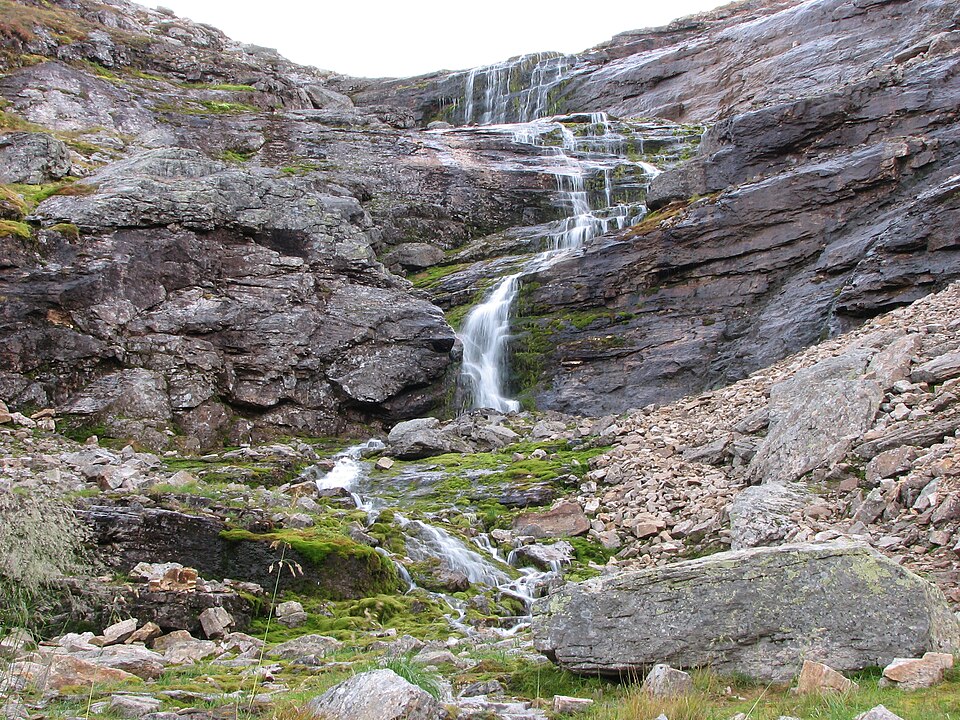
A forested canyon south of Posio where, in winter, dozens of waterfalls freeze into ice walls up to 30 metres high, drawing ice climbers. A trail runs along the canyon floor to the falls, roughly 6 km there and back, walked in winter with snowshoes or crampons. It's the finest natural spot in southern Lapland and little known.

Pyhä-Luosto and the amethyst mine

110 km · 1 h 30 min by car

A national park with Finland's oldest mountains, and on Lampivaara hill Europe's only working amethyst mine, reached in winter by snowmobile or reindeer sledge. Every visitor can dig out their own lucky amethyst. Nearby are the ski resorts of Pyhä and Luosto, quieter than Levi.

Frequently asked questions

When can I see the northern lights?+

From late August to early April on clear nights. February, March and September are best, with enough darkness and more frequent clear skies. December and January have the longest darkness but more cloud. Over 4–5 nights in Lapland you're very likely to see it. Watch the cloud forecast and get out of town.

When should I visit Santa with children?+

December is the most magical, but also the most expensive and crowded, with queues and the shortest days. November is usually snow-free. January after Christmas and February have more snow, more light and cheaper hotels, and Santa is in the village year-round. With small children, Rovaniemi is more practical, as everything is close together.

How cold does it get in Lapland?+

In January and February, typically minus 15 to minus 25 degrees, occasionally minus 30 or colder. The air is dry, so the cold feels more bearable than it sounds. On safaris you're given a snowsuit, boots and gloves. Bring wool or thermal base layers, a hat and warm socks.

How much does a holiday in Lapland cost?+

Lapland is expensive. A week in Rovaniemi for a couple, with flights, accommodation and 2–3 safaris, adds up quickly, more so in December. Safaris cost €100–€250 per person, and glass igloos €300–€700 a night. You'll save by travelling January to March and eating from the supermarket.

Rovaniemi, Levi or Saariselkä?+

Rovaniemi is best for families with children and for a short stay built around Santa and flights. Levi is for skiing and a lively atmosphere. Saariselkä and Inari are best for the northern lights, the polar night and Sámi culture. For a week you can combine Rovaniemi with one northern location.

What is the polar night?+

The period when the sun doesn't rise above the horizon. On the Arctic Circle in Rovaniemi this happens only around the solstice, but north of Levi and in Saariselkä it lasts several weeks from early December to mid-January. It isn't total darkness — around midday there are a few hours of bluish twilight, known in Finnish as kaamos.

Can I drive a snowmobile in Lapland?+

Yes, on marked safari trails with a guide and a category B driving licence. Usually 2 people share 1 snowmobile and take turns. Speed is limited and the routes run through forest and across frozen lakes. If there's an accident you pay the excess; extra insurance can be added.

Is summer in Lapland worth visiting?+

Yes, but differently. From June to mid-July there's the midnight sun, which never sets, so you can hike, paddle the rivers and, in August, pick blueberries and cloudberries. Santa is in the village year-round. Mosquitoes in July are the drawback. September brings colourful tundra and the first auroras.

Visa Requirements

Check the latest visa requirements for entering this country. Some nationalities may need to apply for a visa or e-visa before travel.

Check visa requirements

Language

Finnish / Swedish

Currency

EUR

Timezone

GMT+2

Dial Code

+358

Population

5.6M

Area

338,424 km²

Voltage

230V / 50Hz

Driving Side

Right

Top Hotels in Lapland

Live prices from 500+ properties

Loading hotels...

More destinations in Finland

Planning a trip to Lapland?

Compare hundreds of hotels, find the best price, and book with free cancellation on TravelManiac.