Hotels in Lima

South America's gastronomic capital, above the cliffs of the Pacific

Lima

LanguageEnglish
CurrencyPEN
TimezoneGMT-5
Temperature15-28 °C
Dial Code+51
Population34M
Area1,285,216 km²
SocketsType A / Type B / Type C
Tap waterNot drinkable

Discover Lima

Lima is the capital of Peru, and for most visitors just a stopover on the way to Cuzco and Machu Picchu. That's a mistake — Lima deserves at least 2 days. The Spanish founded it in 1535 as the City of Kings, and the wealth of the viceroyalty left behind a UNESCO-listed historic centre of baroque churches, wooden balconies and catacombs. Amid the modern districts stand the clay huacas pyramids, 1,000 years older than the Incas. Modern Lima sits on cliffs more than 50 metres above the Pacific, with parks and a coastal path where paragliders take off. But the main reason to visit is the food: Lima is the gastronomic capital of South America, with 2 restaurants near the top of world rankings and thousands of cevicherias serving fish caught that same morning. Indigenous, Spanish, African, Chinese and Japanese cuisines all mix here. The weather is unusual: for 9 months of the year a grey garúa mist hangs over the city, and it almost never rains.

What to see

The places worth your time in Lima, and what to expect at each

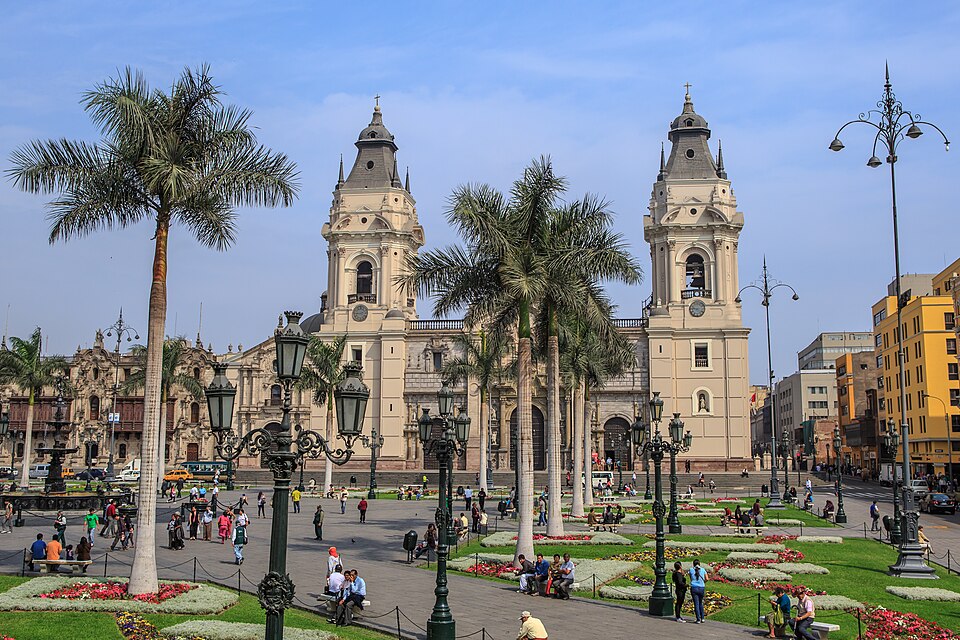
Plaza Mayor

Plaza Mayor

Centro Histórico

The main square of the historic centre, where Francisco Pizarro founded the city. It's surrounded by the cathedral, the archbishop's palace with its carved wooden balconies, and the Government Palace, where the guard changes at noon.

Tip: The changing of the guard takes place on weekdays around noon and lasts half an hour, with a band. Nearby Jirón de la Unión has more balconies. Downtown is safe by day; come by taxi only in the evening.

Admission:
free
Time needed:
1 h
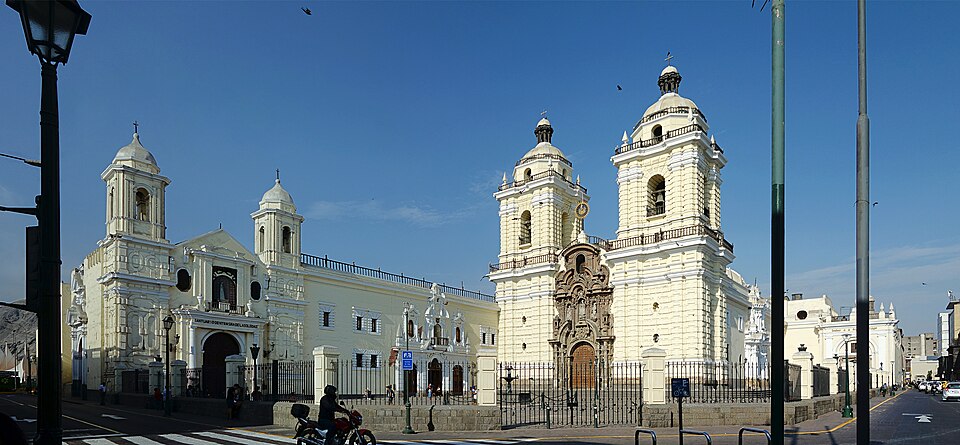
San Francisco Monastery

San Francisco Monastery

Centro Histórico

A baroque monastery with a yellow facade, a library of 25,000 old books, and a Last Supper painting in which the apostles eat guinea pig. Beneath the church are catacombs holding the bones of around 25,000 people, arranged into geometric patterns.

Tip: Tours are guide-only and last 40 minutes, with English-language groups departing frequently. No photos in the catacombs. The church is at its finest during evening mass. Pigeons fly around the square in front of it, which is why it's known as the square of the pigeons.

Admission:
admission fee
Time needed:
1 h
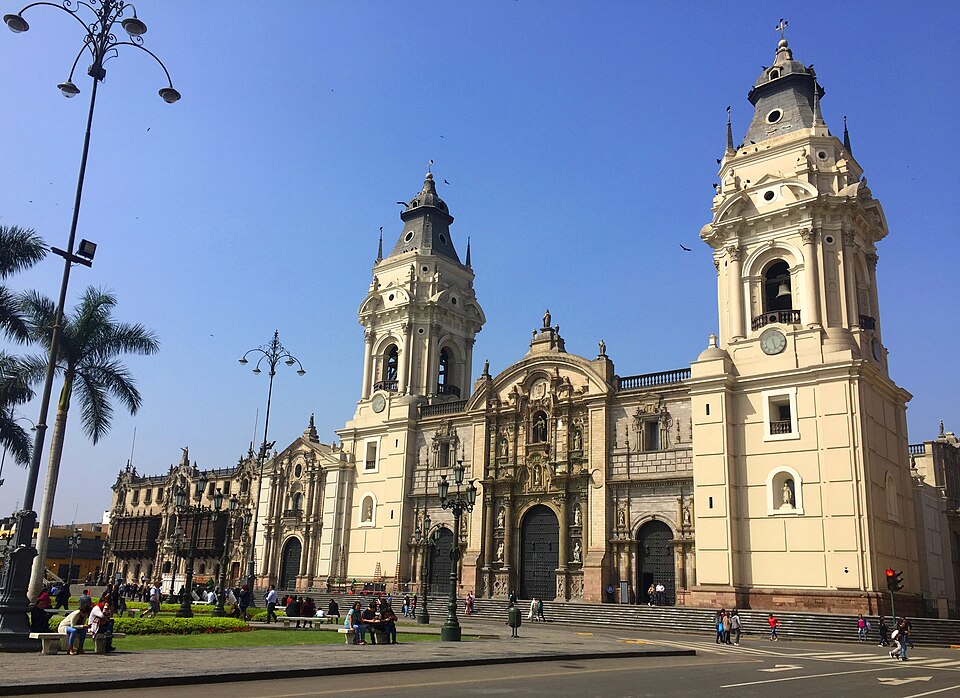
Lima Cathedral

Lima Cathedral

Centro Histórico

The cathedral on Plaza Mayor, with Francisco Pizarro's remains in a chapel by the entrance, richly carved choir stalls and a museum of religious art. Rebuilt after the earthquakes of 1687 and 1746.

Tip: The ticket includes the museum and the neighbouring archbishop's palace, which has the finest balconies — combine the two. Pizarro's tomb is just to the right of the entrance. Mornings are the quietest.

Admission:
admission fee
Time needed:
1 h
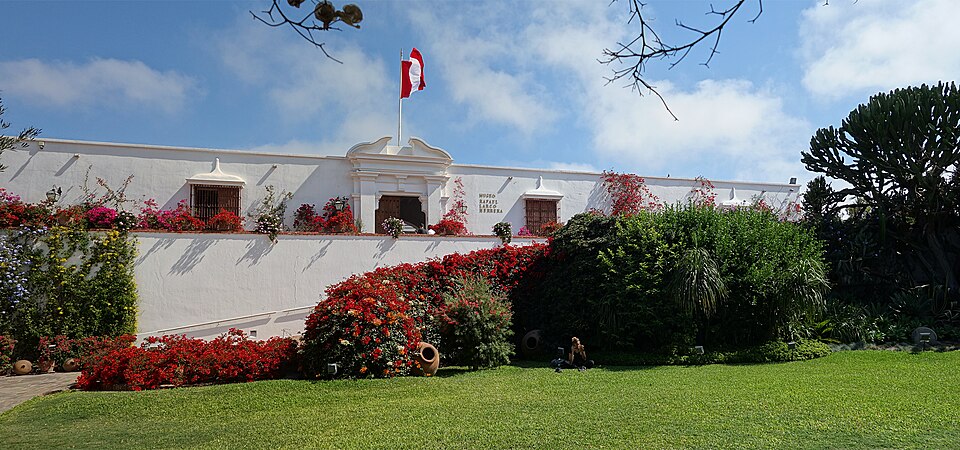
Museo Larco

Museo Larco

Pueblo Libre

A museum of pre-Columbian art in a colonial mansion, with a vast collection of pottery, gold jewellery and textiles spanning 5,000 years of Peruvian history. Its gallery of erotic Moche pottery is well known.

Tip: The museum stays open until 10pm, and the restaurant in its bougainvillea garden is one of the best in Lima — combine your visit with dinner. The storeroom, with tens of thousands of pieces, is open to visitors and looks like a library of pottery. It's in Pueblo Libre, a 20-minute taxi ride from Miraflores.

Admission:
admission fee
Time needed:
2 h
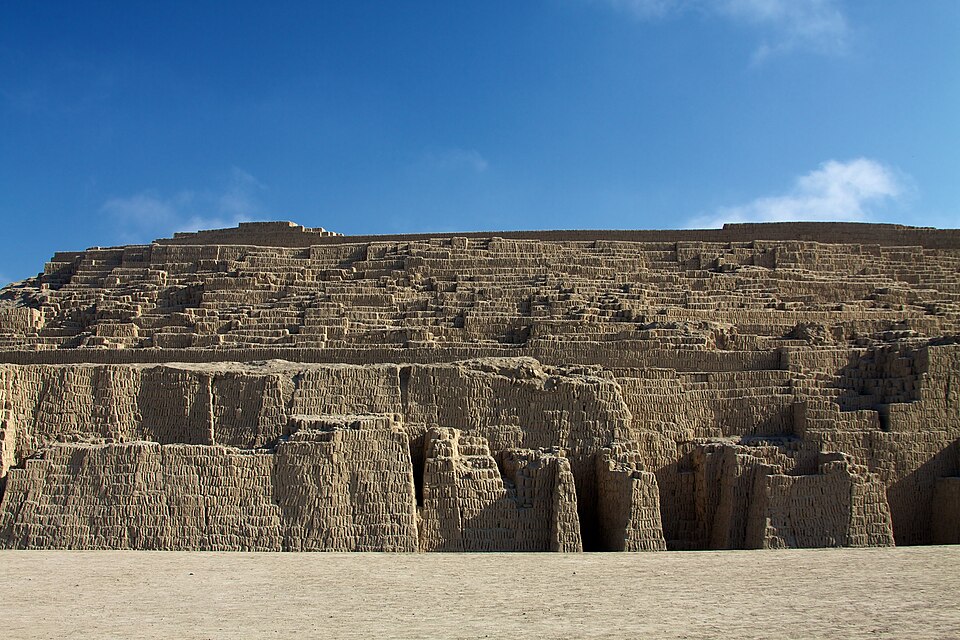
Huaca Pucllana

Huaca Pucllana

Miraflores

A huge adobe pyramid built by the Lima culture between the 4th and 7th centuries, standing amid the modern district of Miraflores. The bricks are stacked vertically, like books on a shelf, to withstand earthquakes.

Tip: A guided tour is the only way through the site and takes 1 hour. In the evening the pyramid is lit up, and the restaurant overlooking it is well known. Closed on Tuesdays.

Admission:
admission fee
Time needed:
1 h
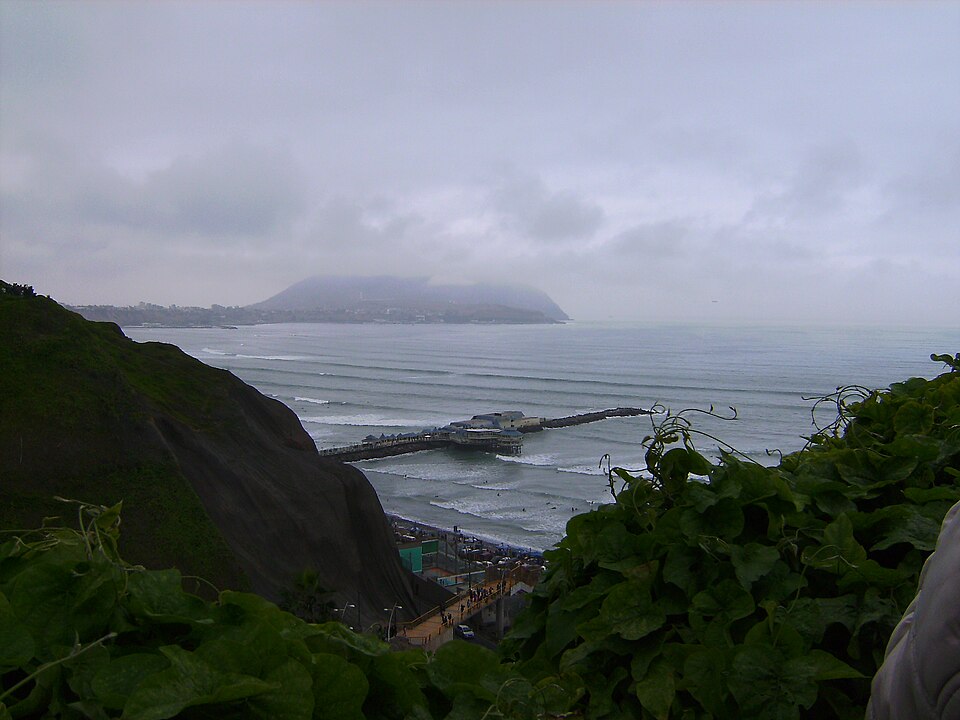
Malecón de Miraflores

Malecón de Miraflores

Miraflores

6 km of parks along the clifftops above the Pacific, with a cycle path, the Parque del Amor with its mosaics and statue of a kissing couple, and a paragliding launch point above the coast.

Tip: A tandem paragliding flight from Parque Raimondi lasts 10 minutes, and the price can be negotiated on the spot. The best ocean sunsets are from Parque del Amor, once the mist lifts. Down below the cliffs are beaches with surfers.

Admission:
free
Time needed:
2 h
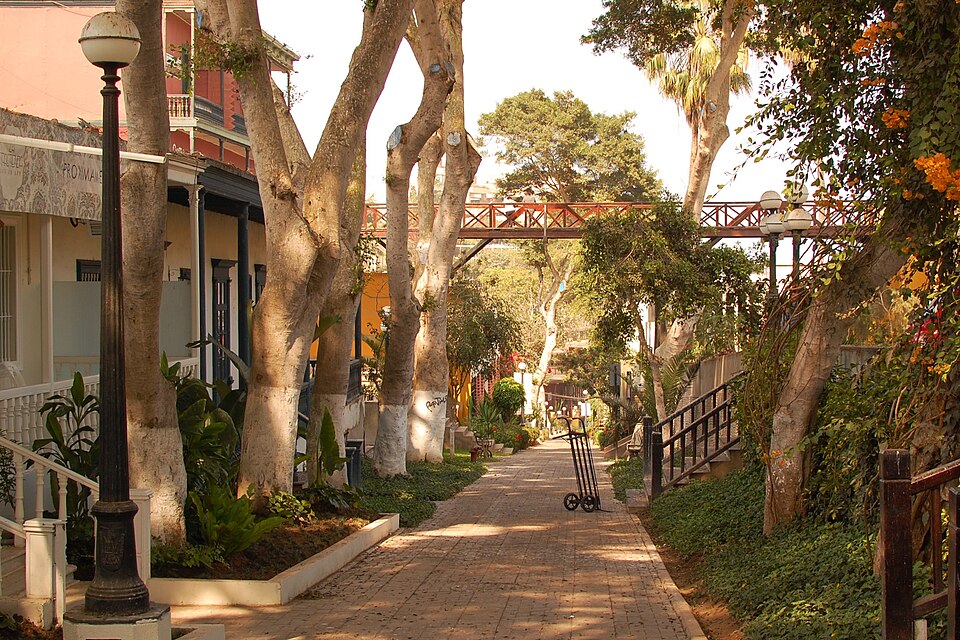
Barranco

Barranco

Barranco

A bohemian district of colourful mansions, galleries, street art and bars. A wooden Bridge of Sighs spans a ravine leading down to the sea, with a local superstition that crossing it while holding your breath grants a wish.

Tip: The MATE museum of Mario Testino's photography is in Barranco and is worth a visit. In the evening people come here for the bars and Peruvian music at peñas. It's a half-hour walk along the cliffs from Miraflores.

Admission:
free
Time needed:
2–3 h
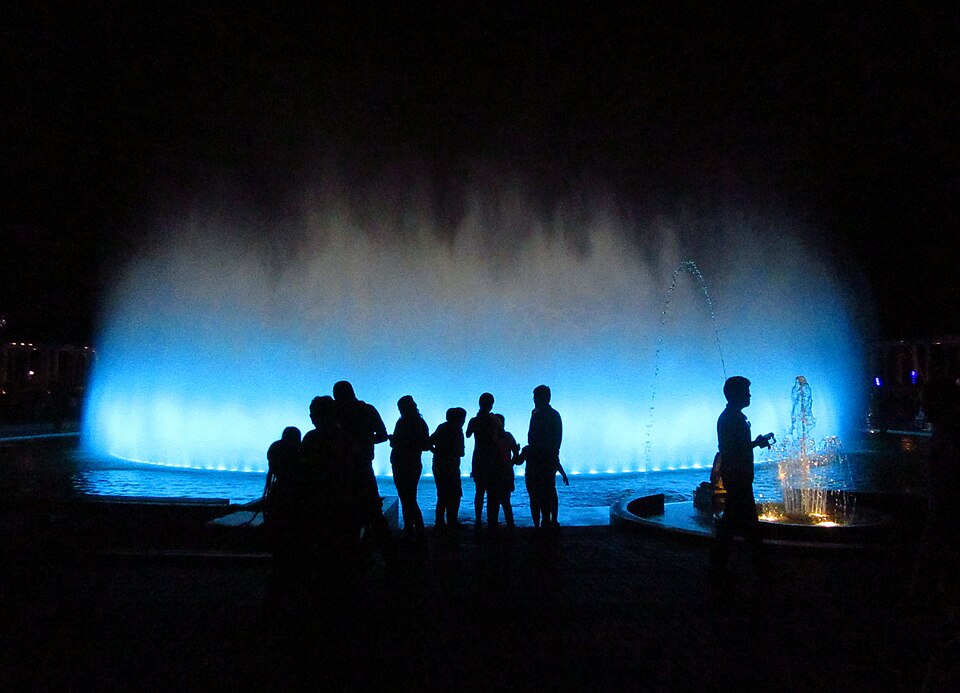
Magic Water Circuit

Magic Water Circuit

Santa Beatriz

A park with 13 fountains in the Parque de la Reserva, which holds the Guinness World Record for the largest fountain complex in the world. In the evening there's a light show with lasers and music on a water wall.

Tip: The show runs Wednesday to Sunday evenings at 3 set times — come to the first one. Admission is nominal. The Túnel de las Sorpresas fountain lets you walk through a tunnel of water; bring a spare T-shirt in summer.

Admission:
admission fee
Time needed:
1.5 h
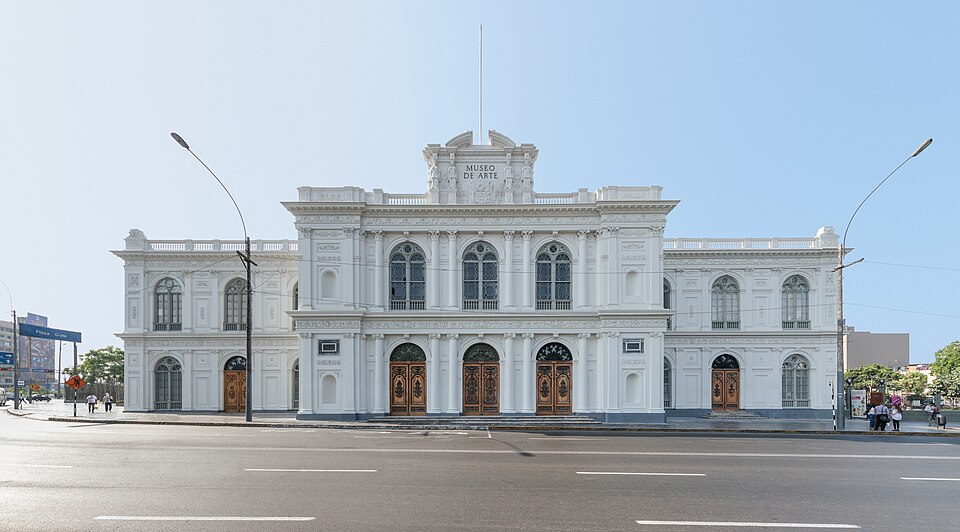
MALI

MALI

Centro

The Lima Art Museum, housed in a neo-Renaissance palace in Parque de la Exposición, tracing Peruvian art from pre-Columbian textiles to the present day. The building itself was designed for an exhibition in 1872.

Tip: The pre-Columbian textiles and colonial paintings of the Cuzco school are the highlights. The museum lies between downtown and Miraflores. The surrounding park is safe by day.

Admission:
admission fee
Time needed:
1.5–2 h

Photos: Plaza Mayor — Murray Foubister (CC BY-SA 2.0) · San Francisco Monastery — Velvet (CC BY-SA 4.0) · Lima Cathedral — Gatodemichi (CC BY-SA 4.0) · Museo Larco — Velvet (CC BY-SA 4.0) · Huaca Pucllana — McKay Savage (CC BY 2.0) · Malecón de Miraflores — Angela Vanessa Ortiz (CC BY-SA 4.0) · Barranco — tadekk (CC BY 2.0) · Magic Water Circuit — Felipe Restrpo Acosta (CC BY-SA 4.0) · MALI — UE en Perú (CC BY 2.0)

Where to stay

Areas and districts, matched to the kind of trip you are taking

Miraflores

Best for: first-time visitors

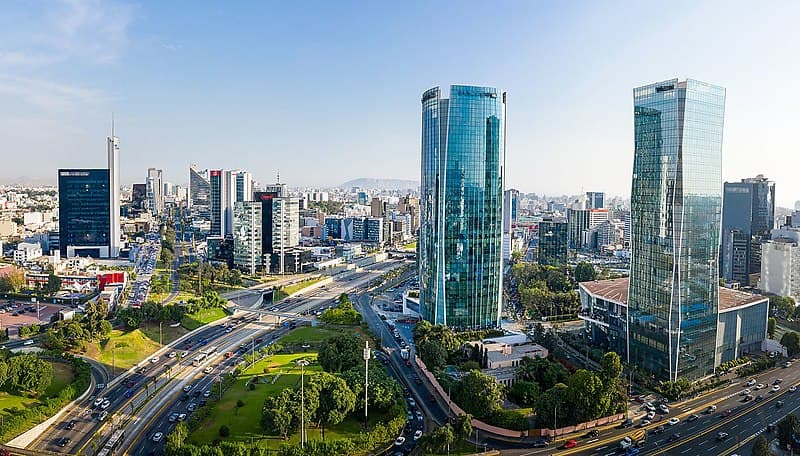
A modern clifftop district with hotels, restaurants, parks and the Larcomar shopping centre. The safest and most convenient base.

Barranco

Best for: bohemian atmosphere and nightlife

A colourful district of artists, galleries and bars, south of Miraflores. Charming boutique hotels. Live Peruvian music plays here in the evenings.

San Isidro

Best for: business and quiet

The financial district, with the El Olivar olive grove and some of the best restaurants. Quieter and pricier. The airport is closer from here than from Barranco.

Centro Histórico

Best for: sightseeing by day

The UNESCO-listed colonial centre, with its squares and churches. Interesting by day; not somewhere to stay overnight. It's a half-hour taxi ride from Miraflores.

Getting around

From the airport

Jorge Chávez International Airport is in the port of Callao, 12 km from downtown and 20 km from Miraflores. A new terminal opened in 2025. Direct and connecting flights serve Lima from major European hubs such as Madrid, Amsterdam and Paris, with total journey times of around 15–18 hours. Most Western passport holders don't need a visa for tourist stays of up to 180 days. Flights to Cuzco take about 1 hour 15 minutes.

Jorge Chávez International (LIM) · 20 km

  • Airport Express Lima bus to Miraflores· 60 min· USD 10
  • Official airport taxi· 45–90 min· PEN 60
  • Uber· 45–90 min· PEN 45

Around town

Lima is sprawling and clogged with traffic. Between Miraflores, Barranco and downtown, the best way to get around is by Uber or Cabify, both cheap. The Metropolitano bus rapid transit line runs on a dedicated lane from Barranco through Miraflores to downtown. Don't hail taxis on the street. Miraflores and Barranco are walkable.

Uber / Cabify / InDriveThe safest and most comfortable way to get around. · PEN 12, Miraflores–Barranco
MetropolitanoBus rapid transit on a dedicated lane; pay by card. · PEN 3.20
Metro Line 1An elevated line through the southern and eastern districts, of limited use to tourists. · PEN 1.50
On footAlong the clifftops between Miraflores and Barranco. · free
BikesA cycle path along the clifftops in Miraflores, with rental stands near the parks. · PEN 15/h

Useful apps: Uber, Cabify, InDrive, Google Maps, Rappi

When to go

Lima has a desert climate where it almost never rains. The summer season from December to April is sunny, around 27°C, with swimming at the beaches. From June to October a grey garúa mist hangs over the city, it's cool at around 18°C and damp, but rain-free. This is also the best time to visit the Andes and Machu Picchu. Lima is good year-round.

Best time

December to April

What to avoid

nothing major — grey mist in winter

MonthJanFebMarAprMayJunJulAugSepOctNovDec
Day26°27°27°25°22°20°19°18°19°20°22°24°
Night20°21°21°19°17°16°15°15°15°16°17°19°
Rainy days000001111000
Sea20°21°21°19°18°17°16°15°15°16°17°19°

Food & drink

Lima is the gastronomic capital of South America. The restaurants Central and Maido rank among the best in the world and are booked out months in advance, but you can eat just as well at a cevicheria for 20 soles. Indigenous, Spanish, African, Chinese (chifa) and Japanese (nikkei) cuisines all mix here. Lunch is the main meal of the day, and the set lunch menu is the cheapest way to eat.

What to try

Ceviche

Raw white fish marinated for a few minutes in lime juice with onion and ají limo chilli, served with sweet potato and toasted corn. The leftover marinade is called leche de tigre and is drunk from a glass as a hangover cure. It's eaten at lunch, never in the evening.

Lomo saltado

Strips of beef flash-fried in a wok with soy sauce, onion and tomatoes, served with both chips and rice. A showcase of Chinese-Peruvian chifa cuisine, as much at home in Peru as indigenous cooking.

Ají de gallina

Shredded chicken in a creamy sauce of ají amarillo yellow chilli, bread and walnuts, served with rice, egg and olive. A mildly spicy, hearty home-style dish that's easy on unfamiliar stomachs.

Anticuchos

Skewers of beef heart marinated in vinegar and chilli and grilled over charcoal, served with potato and corn. A street food sold from stalls after dark; those not expecting offal are often surprised how tender it is.

Causa limeña

A cold layered terrine of mashed potato flavoured with lime and ají amarillo, filled with tuna or chicken, mayonnaise and avocado. Peru has more than 3,000 potato varieties, and causa is the most elegant way to try them.

Pisco sour

Grape brandy pisco shaken with lime, sugar and egg white, topped with a dash of bitters. The national cocktail, whose origin Peru and Chile both claim. It's stronger than it tastes — 2 are enough.

Chicha morada and Inca Kola

Chicha morada is a non-alcoholic drink made from purple corn boiled with pineapple, cinnamon and cloves; Inca Kola is a yellow, bubblegum-flavoured soda that Peruvians drink more than Coca-Cola. Both are ordered with lunch.

Picarones

Fried rings of pumpkin-and-sweet-potato dough drizzled with chancaca cane-sugar syrup. Sold freshly fried from stalls in the afternoon and evening; once cold, they lose all their charm.

What it costs

Set lunch menu

PEN 15–25

Ceviche at a cevicheria

PEN 30–50

Tasting menu at a top restaurant

from PEN 1,000

Pisco sour

PEN 20–35

San Francisco Monastery

PEN 15

Museo Larco

PEN 50

Uber, Miraflores–downtown

PEN 20–30

Night in a 3-star hotel in Miraflores

PEN 250–450

Indicative prices that change over time — treat them as a guide, not a price list.

Practical information

SocketsAtwo flat pins (US/JP)Btwo flat pins plus ground (US)CEuroplug, two round pins
Voltage220V / 60Hz
Tap waterDo not drink tap water — Tap water isn't drunk in Peru, not even in Lima, where it's officially treated — the pipes are old, and foreign stomachs react to it. Bottled water costs around 2 soles for 1.5 litres at a supermarket; a large refill jug for your room works out cheapest. Ice in better restaurants is made from filtered water; skip it at street stalls. Raw vegetables and ceviche at an established restaurant are fine; peel market fruit or wash it with bottled water.
TippingIn better restaurants, leave 10% unless 'servicio' is already on the bill; at casual places serving the set lunch menu, leave nothing or just round up. Tour guides get 10–20 soles per day per person, porters 2–3 soles. Taxi fares are agreed in advance, and no tip is expected. Withdraw cash in soles from BCP and Interbank ATMs inside branches or shopping centres; hotels and agencies accept dollars, but markets take soles only.
Driving on theright
SafetyPeru is generally safe for tourists, but Lima has its own city rules: don't hold your phone out over the street, where a passing motorcyclist can snatch it; don't hang your bag on the back of a restaurant chair; and watch for pickpockets downtown and at bus terminals. Don't hail taxis on the street — book through an app or via your hotel. Miraflores, San Isidro and Barranco are the tourist districts with police patrols; the historic centre is safe by day. The country lies in a seismic zone, so note the 'zona segura' (safe zone) signs in your hotel. The police emergency line is 105, and the tourist police have their own stations downtown and in Miraflores.
Opening hoursShops are open from 10am to 8pm, and shopping centres until 10pm, including Sundays. Lunch is the main meal of the day, eaten from 1pm to 3pm; a set lunch menu with soup and a main course costs 15–25 soles at a casual eatery. Cevicherias open in the morning and close around 5pm, since by local custom ceviche is only eaten from the morning's catch. Dinner is eaten from 8pm. Museums close on Mondays.
Customs & etiquettePeruvians are polite and somewhat formal: a 'buenos días' greeting on entering a shop and the use of 'señor' and 'señora' are expected. Women greet each other with 1 kiss on the cheek. Timekeeping is relaxed, and arriving 15 minutes late to a meeting is normal. Bargain lightly at markets, but not in shops with fixed price tags. Photographing people in traditional dress without permission is rude, and they'll often ask for a sol for the photo. Pride in Peruvian cuisine runs deep, and the question of whether ceviche is from Peru or Chile is not one to raise here.
A few local wordsHello — Buenos días / Buenas tardesThank you — GraciasHow much does this cost? — ¿Cuánto cuesta?The bill, please — La cuenta, por favorNo chilli, please — Sin ají, por favorDo you speak English? — ¿Habla inglés?

How to plan your days

1 day

A day in Lima

  1. 1Morning: the historic centre and Plaza Mayor.
  2. 2San Francisco Monastery and its catacombs.
  3. 3Lunch: ceviche.
  4. 4Afternoon: Huaca Pucllana and the Malecón in Miraflores.
  5. 5Evening: Museo Larco and dinner at its restaurant.

2 days

2 days in Lima

  1. 1Day 1 as the single-day itinerary above.
  2. 2Day 2 morning: MALI.
  3. 3Lunch at a chifa in Chinatown.
  4. 4Afternoon: Barranco and the Bridge of Sighs.
  5. 5Evening: the Magic Water Circuit.

3 days

3 days in Lima

  1. 1Days 1–2 as above.
  2. 2Day 3: a trip to Pachacamac.
  3. 3Lunch in San Isidro.
  4. 4Afternoon: paragliding above the cliffs.
  5. 5Evening: a tasting menu.

Day trips

Pachacamac

35 km · 1 h by car

A huge archaeological site of adobe temples and pyramids by the sea, a place of pilgrimage for cultures spanning 1,000 years, both before and during the Inca period. The on-site museum explains how pilgrims travelled here to consult the oracle.

Palomino Islands

20 km · 30 min by boat from Callao

Rocky islands off the coast home to a colony of 8,000 South American sea lions. In calm seas you can swim with them in a wetsuit — the young sea lions are curious and will swim right up to you. Trips depart in the morning.

Callao and La Punta

15 km · 30 min by car

A port town with the 18th-century Real Felipe fortress, the Monumental Callao arts district with its colourful houses, and the La Punta waterfront. In Monumental Callao, stick to the marked safe zone.

Frequently asked questions

How many days are enough for Lima?+

2 days for downtown, museums, Miraflores and Barranco, plus some serious eating. Then continue on to Cuzco.

Is Lima safe?+

Miraflores, San Isidro and Barranco, yes, with ordinary caution. Visit downtown during the day by taxi, and don't hold your phone out near the road.

Do I need a visa for Peru?+

No — most passport holders can stay visa-free as tourists for up to 180 days. Your passport must remain valid for 6 months after arrival.

How do I get from the airport?+

By the Airport Express bus to Miraflores, or an official airport taxi. Allow 1 hour because of traffic.

Where should I stay in Lima?+

In Miraflores or Barranco. Both neighbourhoods are by the sea, safe and full of restaurants.

Why is Lima always overcast?+

The cold Humboldt Current cools the air over the sea, and from June to October it forms the garúa mist over the city. It almost never rains, though.

How do I book Central or Maido?+

Online on their websites, several months ahead. Lunch tasting menus are usually easier to get. For dinner, tables tend to open up first on weekdays.

Is Lima good for altitude acclimatisation?+

No — it's at sea level. You acclimatise to Cuzco's altitude of 3,400 metres once there, or in the lower Sacred Valley.

Visa Requirements

Check the latest visa requirements for entering this country. Some nationalities may need to apply for a visa or e-visa before travel.

Check visa requirements

Language

Spanish

Currency

PEN

Timezone

GMT-5

Dial Code

+51

Population

34M

Area

1,285,216 km²

Voltage

220V / 60Hz

Driving Side

Right

Top Hotels in Lima

Live prices from 500+ properties

Loading hotels...

More destinations in Peru

Planning a trip to Lima?

Compare hundreds of hotels, find the best price, and book with free cancellation on TravelManiac.