Hotels in Nassau

A pirate harbor that became a Caribbean crossroads

Nassau

LanguageEnglish
CurrencyBSD
TimezoneGMT-5
Temperature24-32 °C
Dial Code+1-242
Population410K
Area13,878 km²
SocketsType A / Type B
Tap waterBottled advised

Discover Nassau

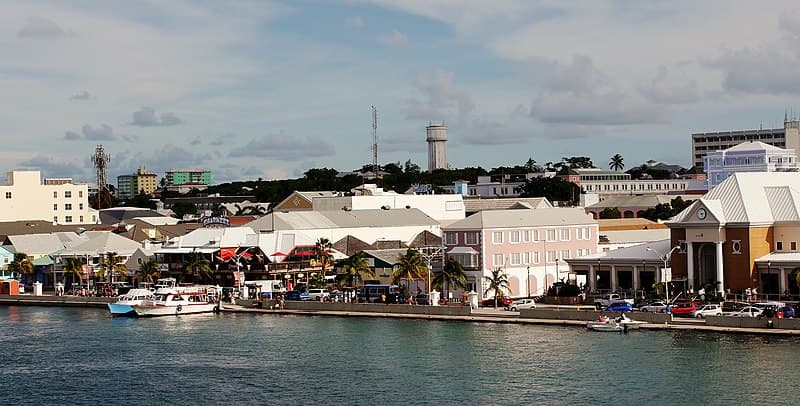
Nassau sits on the island of New Providence and is the capital of the Bahamas, an archipelago of seven hundred islands scattered between Florida and Cuba. The city's history is unusually colorful: in the first decade of the eighteenth century there was no government here at all, and the harbor was effectively a pirate republic, home to Blackbeard and Calico Jack, until the British crown sent a governor who drove them out within two years. Later the city grew rich running the blockade during the American Civil War and smuggling alcohol during Prohibition — both activities illegal elsewhere, not here. Today Nassau is the busiest cruise ship port in the world, and on days when four ships are docked at once, thirty thousand people pour through downtown. The beaches are at Cable Beach west of downtown and on Paradise Island, connected by two bridges. The Bahamas lie further north than the Caribbean, so it's cooler here in winter than most people expect — in February the sea is twenty-four degrees and evenings call for a sweater.

What to see

The places worth your time in Nassau, and what to expect at each

Cable Beach

Cable Beach

Cable Beach

The island's main beach, six kilometers west of downtown, with white sand and a shallow turquoise sea. It's lined with large resorts and is the most convenient place to stay on New Providence — the beach is public along its whole length, with marked access points between hotels.

Tip: The name comes from the first submarine telegraph cable, laid here from Florida in 1892. The quietest stretch is the western end near Goodman's Bay, where locals go and there are no hotel sunbeds. Bus number ten from downtown takes twenty minutes and costs a dollar and a quarter.

Admission:
free
Time needed:
full day
Queen's Staircase

Queen's Staircase

downtown Nassau

Sixty-six steps carved by enslaved laborers out of solid limestone between 1793 and 1794, linking the lower town to Fort Fincastle atop the hill. There were originally sixty-five steps, one for each year of Queen Victoria's reign, and the staircase takes its name from her. At the top stands a small ship-shaped fort with a view over the harbor.

Tip: The staircase sits in a shaded ravine with a waterfall and is one of the few cool spots downtown. Come early morning or late afternoon — between ten and two, crowds from the cruise ships pass through, and vendors at the base of the stairs won't take no for an answer.

Admission:
free
Time needed:
1 h
Fort Charlotte

Fort Charlotte

west of downtown

The largest of Nassau's forts, built in 1789 by Lord Dunmore, with a moat cut into solid rock, a drawbridge, dungeons and underground passages. It cost four times its planned budget and, like Fort Fincastle, was never used in battle.

Tip: Tours are led by a costumed guide and included in the admission price; without one you can't access the underground passages and dungeons. The best harbor views are from the ramparts on the western side. It's two kilometers from downtown, walkable along the main road or reachable by bus number ten.

Admission:
from 5 USD
Time needed:
1 h
Fish Fry at Arawak Cay

Fish Fry at Arawak Cay

Arawak Cay

A cluster of colorful wooden shacks on a landfill west of downtown, serving Bahamian food — conch salad made in front of you, fried fish, peas 'n' rice. It's the best food in Nassau, and locals eat here just as much as tourists.

Tip: Conch salad is made from raw conch on the spot, and it's best wherever locals are lining up — skip the signage and go by the line instead. In the evening, and especially on weekends, there's live music, making this the liveliest spot in Nassau. Pay cash.

Admission:
food from 15 USD
Time needed:
2 h
Paradise Island and Atlantis

Paradise Island and Atlantis

Paradise Island

An island facing downtown, linked by two bridges, home to the giant Atlantis resort with its own aquarium complex, water park and casino. It also includes Cabbage Beach, the best beach near Nassau, three kilometers long, with white sand and calm water.

Tip: A day pass to the Atlantis aquarium and water park can be bought without staying at the resort, but it's expensive — hundreds of dollars per person. Cabbage Beach, by contrast, is public, with marked access at its eastern end; there's no bus, but a water taxi runs from the harbor for a few dollars.

Admission:
beach free, Atlantis from 200 USD
Time needed:
full day
Straw Market and Bay Street

Straw Market and Bay Street

downtown Nassau

A covered market on the main downtown thoroughfare, where hundreds of vendors sell woven bags, hats and wood carvings, surrounded by Bay Street's duty-free shops. It's been the commercial heart of the city since the pirate era.

Tip: Most goods at the market are imported from Asia rather than Bahamian-made — genuine local palm-leaf weaving has a coarser texture and a higher price, and vendors will gladly tell you which is which if you ask. Bargaining is expected, starting around two-thirds of the asking price. On cruise ship days it's impossible to move through.

Admission:
free
Time needed:
1–2 h
Ardastra Gardens

Ardastra Gardens

Chippingham

A botanical garden and small zoo west of downtown, famous for its marching flamingos — a colony of Cuban flamingos, the national bird of the Bahamas, has performed a trained march three times a day since the 1950s. Also home to parrots, iguanas and the Bahamian hutia.

Tip: The flamingo march runs on a fixed schedule, and the garden isn't worth the admission without it — check the times ahead and arrive half an hour early, since seating is limited. The garden is shaded and a good refuge from the midday heat, easily combined with Fort Charlotte nearby.

Admission:
from 20 USD
Time needed:
1–2 h
Clifton Heritage Park

Clifton Heritage Park

western tip of the island

A protected area on the island's western tip, with a coastal trail, the remains of a plantation and a Lucayan settlement, and an underwater sculpture park. A ring of wooden female figures called Ocean Atlas stands in the water offshore — a five-meter statue of a girl carrying the ocean, the largest underwater sculpture in the world.

Tip: Ocean Atlas sits at a depth of five meters and is easily visible while snorkeling from shore, so you don't need a diving certification. The park is a half-hour drive from downtown and isn't reachable by bus. Bring your own water and food, since there's nothing on site.

Admission:
from 15 USD
Time needed:
half a day
Junkanoo

Junkanoo

Bay Street

The Bahamian carnival, held on the nights of December 26 and January 1: groups in crepe-paper costumes parade down Bay Street to the sound of cowbells, goatskin drums and brass, dancing from two in the morning until dawn, competing for the title.

Tip: Anyone not in Nassau for the holidays can visit the Junkanoo World museum downtown, which displays winning costumes, some weighing tens of kilograms. A smaller summer version of the carnival is held in July too. Grandstand seats for the main Junkanoo sell out months in advance.

Admission:
grandstand from 50 USD
Time needed:
overnight

Photos: Cable Beach — Joachim Greiner (CC BY-SA 3.0) · Queen's Staircase — JERRYE AND ROY KLOTZ MD (CC BY-SA 3.0) · Fort Charlotte — Ahodges7 (CC BY-SA 3.0) · Fish Fry at Arawak Cay — LittleT889 (CC BY 4.0) · Paradise Island and Atlantis — Whoisjohngalt (CC0) · Straw Market and Bay Street — Larry D. Moore (CC BY 4.0) · Ardastra Gardens — Charles Pluta from Augusta, USA (CC BY-SA 2.0) · Clifton Heritage Park — bowlochile (CC BY 3.0) · Junkanoo — WikiPedant (CC BY-SA 4.0)

Where to stay

Areas and districts, matched to the kind of trip you are taking

Cable Beach

Best for: the beach and large resorts

Six kilometers west of downtown, with the island's longest continuous beach and a row of large hotels, including the Baha Mar complex with its casino. It's the most convenient place to stay on New Providence — beach right below the hotel, restaurants within reach, and a twenty-minute bus ride downtown.

Paradise Island

Best for: families and the best beach

An island facing downtown, linked by two bridges, dominated by the Atlantis resort with its aquariums and water park. Cabbage Beach is the prettiest beach in the area. It's the most expensive part of Nassau, with little going on outside the resorts, but it's the best choice for families with children.

Downtown Nassau (Bay Street and around)

Best for: history, shopping and cheaper accommodation

The historic core, with the forts, the Queen's Staircase, the market and the cruise ship harbor. On days when ships are in port it's impossible to move through and prices rise; in the evening and on Sundays it's empty by contrast. Accommodation is cheaper than near the beaches, but you have to travel to reach the water.

Arawak Cay and Chippingham

Best for: Bahamian food and life off the tourist track

A strip west of downtown with the Fish Fry, Fort Charlotte and Ardastra Gardens. It's the most authentically Bahamian part of Nassau, where locals come to eat, with live music in the evening. There's almost no accommodation here — people come for the food and an afternoon out.

Getting around

From the airport

Lynden Pindling International Airport lies sixteen kilometers west of downtown and is the country's largest. There's no direct connection from Prague, and the most common route goes via London or through US airports, most often Miami — anyone connecting through the United States needs ESTA registration even for a mere transit. Total travel time runs fourteen to twenty hours. The airport has US pre-clearance, so anyone continuing on to the United States clears US immigration already in Nassau. Czechs don't need a visa and can stay in the Bahamas for ninety days; before traveling, fill out the electronic Bahamas Travel Health Visa form. There are no buses at the airport — expect a taxi at a fixed rate or a hotel transfer.

Lynden Pindling International (NAS) · 16 km

  • Hotel transfer included with stay· 20–35 min· included
  • Taxi to Cable Beach· 20 min· 22 USD
  • Taxi to downtown Nassau· 25 min· 32 USD
  • Taxi to Paradise Island· 35 min· 38 USD

Around town

Nassau has a dense network of shared minibuses called jitneys, running numbered routes from downtown to Cable Beach, the Fish Fry and the forts; they cost a dollar and a quarter, paid to the driver on exit, and are flagged down from the roadside. It's the cheapest transport option and entirely normal for tourists to use, though it doesn't run after dark or to Paradise Island. Reach Paradise Island by water taxi from the harbor for a few dollars, faster than crossing the bridge. Taxis have no meters and run on a posted government zone-based rate; confirm the price beforehand and check whether it's per vehicle or per person. A rental car isn't worthwhile — driving is on the left, downtown parking is hopeless, and the island can be crossed in an hour.

Jitney (shared minibus)Numbered routes from downtown to Cable Beach and the Fish Fry. Flag it down from the roadside, pay on exit. Doesn't run after dark. · 1.25 USD
Water taxi to Paradise IslandFrom the downtown harbor, running every half hour during the day. Faster than the bridge and cheaper than a taxi. · 4 USD
TaxiNo meters, priced by government zone rate. Confirm whether the fare is per vehicle or per person. · 15 USD
Ferry to the Out IslandsBahamas Ferries from downtown to Exuma, Eleuthera and Harbour Island, several times a week. · 80 USD

Useful apps: Google Maps, Uber (limited), WhatsApp, Bahamas Ferries

When to go

The Bahamas lie further north than the Caribbean, and the climate shows it. The best period is mid-December through April, dry, with temperatures around twenty-seven degrees and low humidity — this is also peak season, when Americans head south and prices are highest. Keep in mind it's cooler here in winter than most people expect: in February the sea is twenty-four degrees and evenings call for a sweater. From May to November it's warmer and the sea more pleasant, but that's hurricane season, peaking in September, when resort evacuations genuinely do happen. May and November are the best compromise between weather, price and risk. Junkanoo takes place on the nights of December 26 and January 1.

Best time

December through April, with May and November as a compromise

What to avoid

August through October, the peak of hurricane season

MonthJanFebMarAprMayJunJulAugSepOctNovDec
Day25°25°27°28°30°31°32°32°31°29°27°26°
Night17°17°18°20°22°24°24°24°24°22°20°18°
Rainy days65559121314151386
Sea24°24°25°26°27°28°29°29°29°28°27°25°

Food & drink

Bahamian cuisine is built around a single ingredient: conch, a large sea snail with a pink shell, eaten raw in salad, fried in batter, in soup, and in fritters. Conch salad, made to order, is the national dish, and it's best at the Fish Fry on Arawak Cay. The second icon is Caribbean spiny lobster, but note — fishing is only permitted from August to March, and whatever's on the menu in summer came from the freezer. The standard side to everything is peas 'n' rice, rice with pigeon peas and thyme, and johnny cake, a sweet cornbread. The Bahamas are expensive because almost everything is imported; resort restaurants cost as much as in New York, and the cheapest meals are found at the Fish Fry or at downtown diners. Drinks include Kalik beer, rum, and the Bahamian specialty sky juice.

What to try

Conch salad

Raw conch meat diced with onion, bell pepper, lime and orange — the Bahamian answer to ceviche and the national dish. Made fresh in front of you at the Fish Fry, and best wherever there's a line.

Cracked conch

Pounded conch meat in batter, fried and served with fries and a dipping sauce. It's the most common way to get conch at a restaurant, and when poorly prepared it turns rubbery — good cracked conch should be tender.

Bahamian lobster

Caribbean spiny lobster, clawless, grilled or stewed. Fishing is only permitted from August to March, and outside that season you won't find it fresh — whatever's on the menu in summer is from the freezer.

Peas 'n' rice

Rice cooked with pigeon peas, bacon and thyme, the standard side to everything. When done right, it has a dark color from tomato paste and smells of thyme.

Johnny cake

A dense, sweet cornbread cooked in a pan, once carried by sailors on voyages. Served with soups and at breakfast, and costs a few dollars a loaf at bakeries.

Souse

A clear, sour soup made from chicken or mutton with lime, onion and allspice, eaten by Bahamians for breakfast, especially after a night out. Served with johnny cake and nothing else.

Guava duff

A rolled dough filled with guava, steamed and topped with a butter-rum sauce. It's the most Bahamian dessert there is, and tourist restaurants only serve it occasionally — at the Fish Fry it's made properly.

Sky juice

Gin, coconut water and condensed milk with nutmeg, sold from roadside coolers. It tastes innocent and isn't; the real Bahamian version of this cocktail isn't found at resorts.

What it costs

Conch salad at the Fish Fry

15–20 USD

Lunch at a downtown diner

12–20 USD

Dinner at a resort

60–120 USD per person

Kalik beer at a store

3 USD

Cocktail at a beach bar

14–18 USD

Jitney fare

1.25 USD

Water taxi to Paradise Island

4 USD

Night at a 4-star hotel on Cable Beach

from 250 USD for a double

Indicative prices that change over time — treat them as a guide, not a price list.

Practical information

SocketsAtwo flat pins (US/JP)Btwo flat pins plus ground (US)
Voltage120V / 60Hz
Tap waterTap water is treated, bottled is common — On New Providence, water is produced by desalination and is safe to drink, but it tastes salty, and most visitors and locals alike drink bottled. At hotels it's safe without reservation; on the more remote Out Islands, stick to bottled only. Ice is machine-made and safe everywhere. Bottled water is expensive in the Bahamas — a gallon jug at the supermarket costs a fraction of a small bottle at a hotel.
TippingThe Bahamas run on the American model, and tips are part of income. Fifteen percent at restaurants unless a service charge is already on the bill — hotels on Cable Beach and Paradise Island often add it automatically. One to two dollars per bag for porters, three to five dollars a day for housekeeping, fifteen percent for taxi drivers. The Bahamian dollar is pegged one-to-one to the US dollar and both are accepted interchangeably, though change comes in Bahamian dollars.
Driving on theleft
SafetyNassau is safe in its tourist zones — Cable Beach, Paradise Island and Bay Street during the day — but New Providence has high crime in the Over-the-Hill neighborhoods south of downtown, where a tourist has no business, day or night. After dark downtown, stick to main streets and take a taxi rather than walk for shorter distances. The most common problems visitors face, though, aren't muggings: they're thefts from unlocked rooms, and rented jet skis where invented damage or an accident shows up after return — it's worth avoiding jet ski rentals entirely in Nassau. Hurricane season runs June to November, peaking in September, and resort evacuations genuinely happen; travel insurance with weather-related cancellation coverage is worthwhile here.
Opening hoursDowntown Nassau shops open nine to five and follow the cruise ship schedule — on a day with three ships in port, Bay Street is packed and hours extend later. On Sundays most shops are closed and downtown is empty; only resorts and Paradise Island stay open. The Straw Market runs daily eight to eight. Banks close at three in the afternoon, five on Fridays. Restaurants serve until ten, and the bars at the Fish Fry on Arawak Cay stay open until midnight, later on weekends.
Customs & etiquetteBahamians are polite and formal, and greeting someone before asking a question is a rule, not an extra courtesy — jumping straight to a question comes across as rude. The country is strongly religious; Sunday means church, and some businesses close. Swimwear belongs at the beach and pool; downtown Nassau, shops and restaurants expect you to be dressed, and it's actually written into local ordinance. Topless sunbathing is banned. Leave cannabis-themed scarves and bags at home — drug laws are strict and customs officers have no sense of humor about it.
A few local wordsHello — Good morning (English is the official language)How are you? — What da wybe is? (Bahamian dialect)Thank you — Thank youHow much does it cost? — How much is it?Everything's fine — Erry ting cool

How to plan your days

1 day

A day in Nassau

  1. 1Morning at the Queen's Staircase and Fort Fincastle, before the cruise ships arrive.
  2. 2Late morning on Bay Street and the Straw Market.
  3. 3Lunch: conch salad at the Fish Fry on Arawak Cay.
  4. 4Afternoon at Fort Charlotte and the marching flamingos at Ardastra Gardens.
  5. 5Early evening: water taxi to Cabbage Beach and dinner by the water.

2 days

Two days: city and beaches

  1. 1Day one: the historic center, forts and the Fish Fry.
  2. 2Day two: water taxi to Paradise Island.
  3. 3Morning at Cabbage Beach, afternoon at the Atlantis aquariums.
  4. 4Evening: back downtown for a last drink by the harbor.

3 days

Three days: Nassau and the outer islands

  1. 1Day one: downtown, the forts and the Queen's Staircase.
  2. 2Day two: a full-day trip to Blue Lagoon Island or Exuma.
  3. 3Day three morning: Clifton Heritage Park and the Ocean Atlas statue.
  4. 4Afternoon at Cable Beach for a swim.
  5. 5Evening: Fish Fry at Arawak Cay with live music.

Day trips

Exuma and the swimming pigs

220 km · 1 h by plane or a full day by boat

An archipelago of three hundred sixty islets southeast of Nassau with the clearest water in the Bahamas. The best-known attraction is the swimming pigs of Big Major Cay, which paddle out to boats for food, along with the chance to swim with stingrays and nurse sharks in the shallows. A full-day trip from Nassau is long and expensive; anyone with more time should fly out and stay two nights.

Blue Lagoon Island

5 km · 25 min by boat

A private islet northeast of Paradise Island with a calm lagoon, beaches and a dolphin facility. It's the easiest half-day escape from the bustle of Nassau — boats leave the harbor several times a day, and lunch and sunbeds are usually included. Anyone with reservations about captive marine mammals can still visit without the dolphin program; the beach and lagoon are worthwhile on their own.

Rose Island and Sandy Toes

10 km · 30 min by boat

A narrow island east of Nassau with beaches facing a calm shallow, and several beach clubs offering a full day with lunch included. It draws noticeably fewer people than Blue Lagoon, and the sea is shallow and clear, making it a good choice with children. Snorkeling at the reef on the north side ranks among the best around New Providence.

Frequently asked questions

When's the best time to visit the Bahamas?+

From mid-December to April, when it's dry, temperatures sit around twenty-seven degrees and humidity is low. This is peak season, with the highest prices. Note that the Bahamas lie further north than the Caribbean, so it's cooler here in winter than most people expect — in February the sea is twenty-four degrees. From May to November it's warmer, but that's hurricane season, peaking in September. The best compromise is May and November.

Do I need a visa for the Bahamas?+

No, Czech citizens don't need a visa and can stay in the Bahamas for ninety days. The passport must be valid for the entire stay, and a return ticket is required. Before traveling, you fill out the electronic Bahamas Travel Health Visa form. Anyone connecting through the United States also needs an ESTA registration even for a mere transit — something many travelers forget.

Is Nassau safe?+

Tourist zones — Cable Beach, Paradise Island and Bay Street during the day — are safe. New Providence does have high crime in the Over-the-Hill neighborhoods south of downtown, and a tourist has no business there, day or night. After dark downtown, stick to main streets and take a taxi for shorter distances rather than walking. The most common problems visitors run into aren't muggings, though — they're thefts from unlocked rooms and rented jet skis where invented damage shows up after you return them. Avoid jet ski rentals entirely in Nassau.

Where should I stay in Nassau?+

Cable Beach is the most convenient choice: the island's longest continuous beach, large resorts, and a twenty-minute bus ride downtown. Paradise Island has the prettiest beach, Cabbage Beach, and the Atlantis resort with its aquariums — it's the priciest option and best for families with children. Downtown Nassau is cheaper, but you have to travel to reach the water, and on days when cruise ships are in port it's impossible to move through.

How do I get around Nassau cheaply?+

By shared minibuses called jitneys, which run numbered routes from downtown to Cable Beach and the Fish Fry and cost a dollar and a quarter. Flag them down from the roadside and pay the driver when you get off; tourists use them too. They don't run after dark, though, or to Paradise Island. For Paradise Island, a water taxi runs from the harbor for a few dollars and is faster than crossing the bridge.

What's the currency, and should I bring dollars?+

The Bahamian dollar is pegged one-to-one to the US dollar, and both currencies are used interchangeably — you can pay with US dollars anywhere and will get change in Bahamian dollars. So it's enough to bring US dollars. Cards are accepted without issue at resorts and larger businesses; at the Fish Fry and small shops, pay cash.

Where's the best place to eat in Nassau?+

At the Fish Fry on Arawak Cay, a cluster of colorful shacks west of downtown that serve Bahamian food and draw locals. Conch salad is made fresh in front of you, and it's best wherever locals are lining up — skip the storefront signs and follow the line instead. In the evening and on weekends there's live music. Pay cash. Resort restaurants cost several times as much.

When is lobster season?+

Caribbean spiny lobster fishing is only permitted in the Bahamas from August to March, and outside that window you won't find it fresh — whatever's on the menu from April to July came from the freezer. Similarly, conch, the national ingredient of the Bahamas, is subject to quotas and its population is declining. For the best seafood, come between August and March — though that overlaps with hurricane season.

Visa Requirements

Check the latest visa requirements for entering this country. Some nationalities may need to apply for a visa or e-visa before travel.

Check visa requirements

Language

English

Currency

BSD

Timezone

GMT-5

Dial Code

+1-242

Population

410K

Area

13,878 km²

Voltage

120V / 60Hz

Driving Side

Left

Top Hotels in Nassau

Live prices from 500+ properties

Loading hotels...

Planning a trip to Nassau?

Compare hundreds of hotels, find the best price, and book with free cancellation on TravelManiac.