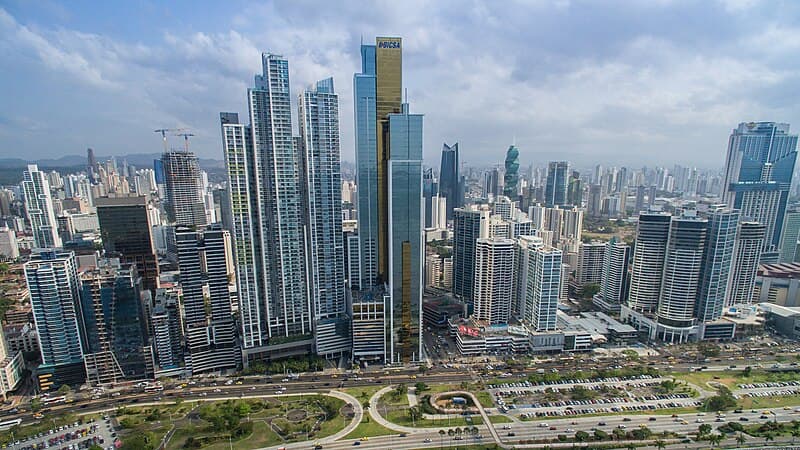

Hotels in Panama City

Where two oceans meet, and rainforest begins just past the skyline

Panama City

LanguageEnglish
CurrencyUSD
TimezoneGMT-5
Temperature26-32 °C
Dial Code+507
Population4.4M
Area75,417 km²
SocketsType A / Type B
Tap waterDrinkable

Discover Panama City

Panama City is the capital of Panama and the only metropolis in the world where rainforest with sloths and toucans sits fifteen minutes from skyscrapers. The city stands at the Pacific entrance to the Panama Canal, the engineering feat that joined two oceans in 1914 and reshaped global trade. From a viewing platform at the Miraflores Locks, you can watch giant container ships rise a full seventeen metres through the chambers. Panama City wears three faces: the ruins of the original city, Panamá Viejo, torched by the pirate Henry Morgan in 1671; the colonial Casco Viejo on its peninsula, a UNESCO site with restored mansions, rooftop bars and plazas; and the modern skyline along the Cinta Costera, reminiscent of Miami. The currency is the US dollar, the airport is Latin America's main transit hub, and the city is safer than most of its regional neighbours. Just outside town are Pacific islands, Soberanía National Park with its birdlife, and on the Caribbean side, the fortresses of Portobelo and the San Blas archipelago.

What to see

The places worth your time in Panama City, and what to expect at each

Miraflores Locks

Miraflores Locks

the canal

The locks on the Pacific side of the Panama Canal, with a visitor centre, viewing terraces and a museum. Ships pass through two chambers here, rising or falling seventeen metres in under an hour.

Tip: Ships pass most often in the morning until eleven and in the afternoon from two — the Panama Canal Authority's website has the schedule. Arrive early for the terrace, and the upper level has the best view. The IMAX film is a good introduction. The newer Cocolí locks for larger ships are visible in the distance.

Admission:
paid entry
Time needed:
2 h
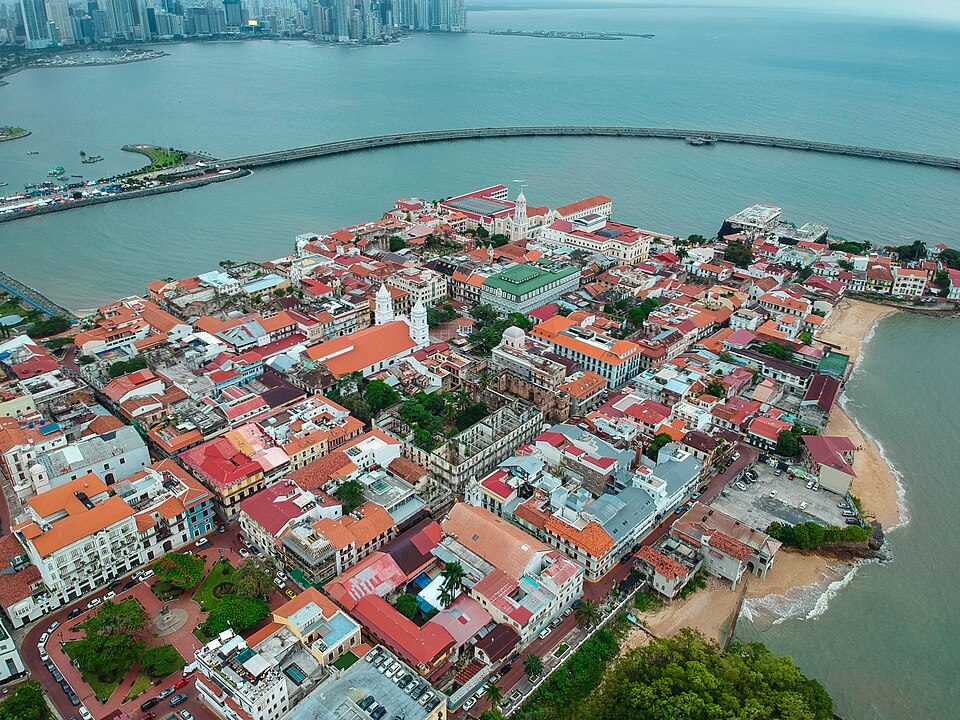
Casco Viejo

Casco Viejo

Casco Viejo

A colonial quarter on a peninsula dating from 1673, a UNESCO site with restored colonial houses, churches, plazas, boutique hotels and rooftop bars overlooking the skyline. The prettiest spot in the city.

Tip: Go in the morning or late afternoon; midday gets hot. The golden altar in the Church of San José is the only one that survived Morgan's raid — legend says it was painted black to hide it. Rooftop bars like Tántalo and CasaCasco are best at sunset. Don't wander into neighbouring El Chorrillo.

Admission:
free
Time needed:
3 h
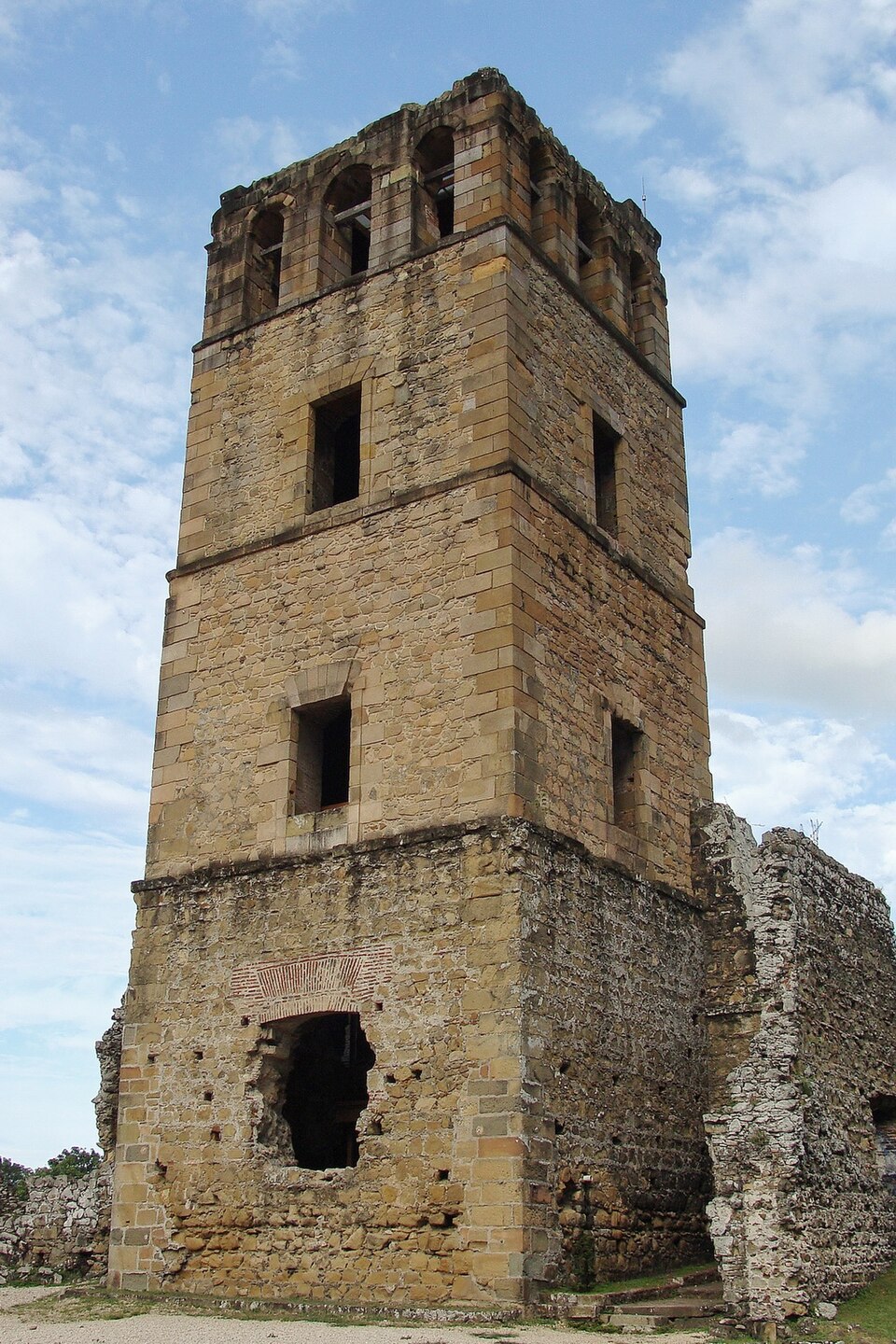
Panamá Viejo

Panamá Viejo

Panamá Viejo

The ruins of the original Panama City, founded in 1519 as the first European city on the Pacific coast, burned down by the pirate Henry Morgan in 1671. A stone cathedral bell tower offers a viewpoint, alongside a museum.

Tip: Climbing the cathedral tower is included, and the view of modern skyscrapers beyond the ruins is the city's best contrast shot. The museum at the entrance to the site has a model of the city. Mornings bring the least heat.

Admission:
paid entry
Time needed:
1.5–2 h
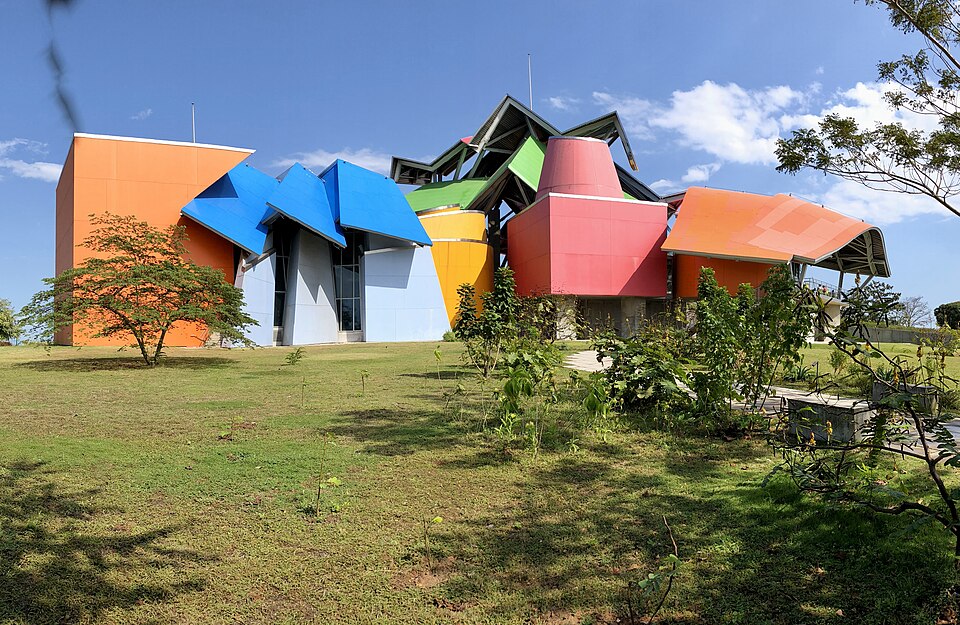
Biomuseo

Biomuseo

Amador

A biodiversity museum designed by Frank Gehry, with a brightly coloured roof of corrugated panels. It tells the story of how the Panamanian isthmus formed three million years ago, joining continents and reshaping life on the planet.

Tip: The building itself is more interesting than the exhibits, but the explanation of how the isthmus formed is excellent. Closed on Mondays. The museum sits at the start of Amador Causeway — combine it with a bike ride.

Admission:
paid entry
Time needed:
1.5 h
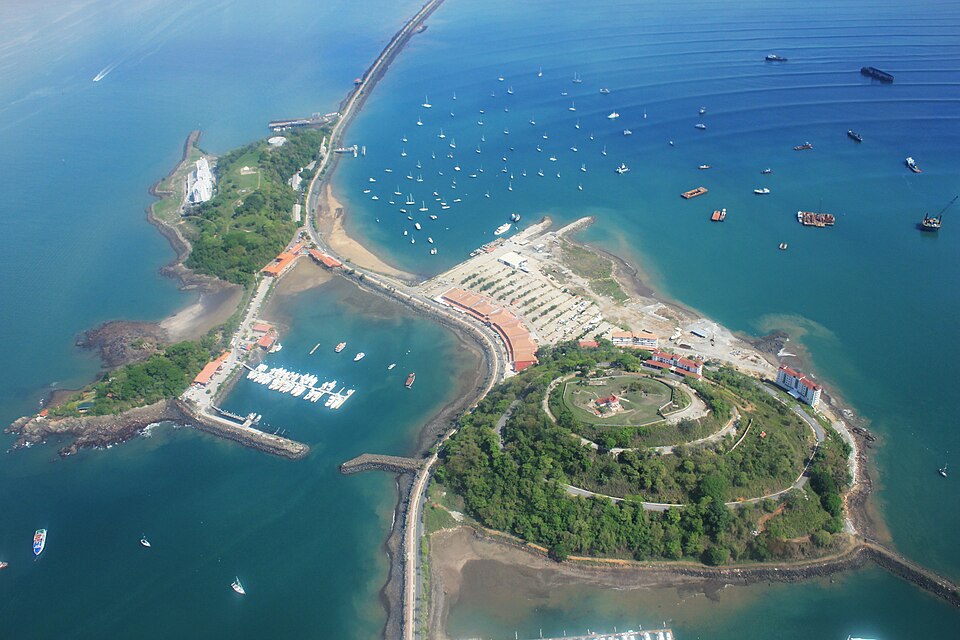
Amador Causeway

Amador Causeway

Amador

A six-kilometre causeway built from rock excavated during the canal's construction, linking the mainland to three islands. A promenade overlooks ships waiting to transit, plus restaurants and a marina.

Tip: Rent a bike or a quad bike at the start of the causeway and ride to the end, where the seafood restaurants are. It's loveliest at sunset. Ferries to Taboga leave from here too.

Admission:
free
Time needed:
2 h
Cerro Ancón

Cerro Ancón

Ancón

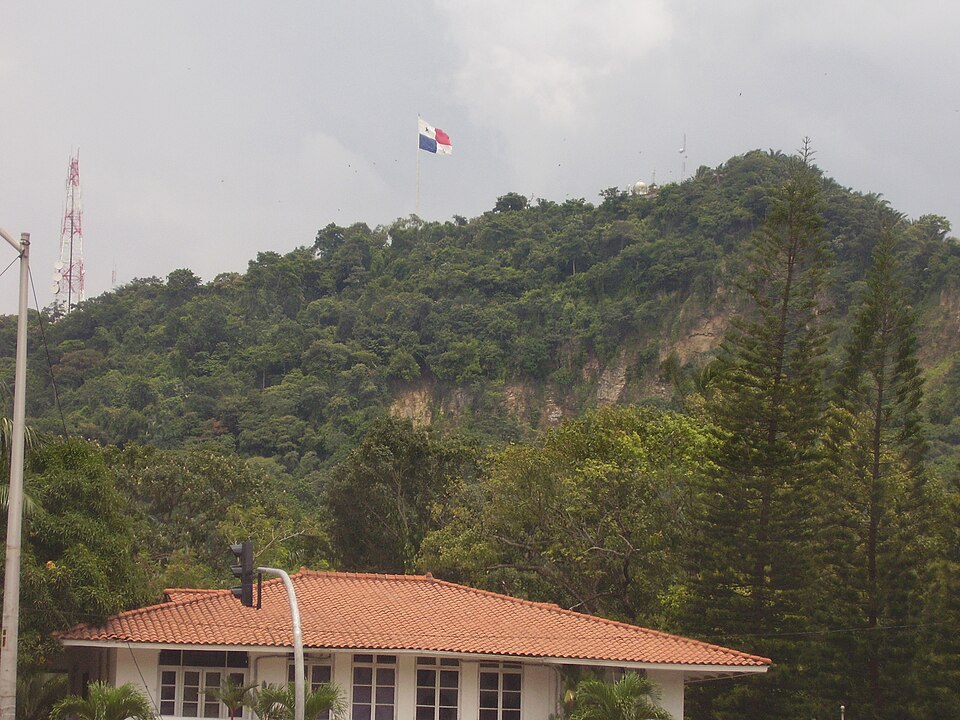
A hill a hundred ninety-nine metres above the city, topped with a giant Panamanian flag, reached by a steep forest trail. Sloths, toucans and coatis are commonly spotted along the way.

Tip: Set out before eight in the morning, while it's cool and the animals are active — the climb takes twenty to thirty minutes. From the top there are views of the canal, Casco Viejo and the skyline. A taxi will drop you at the entrance on Quarry Heights.

Admission:
free
Time needed:
1.5 h
Metropolitan Natural Park

Metropolitan Natural Park

Curundú

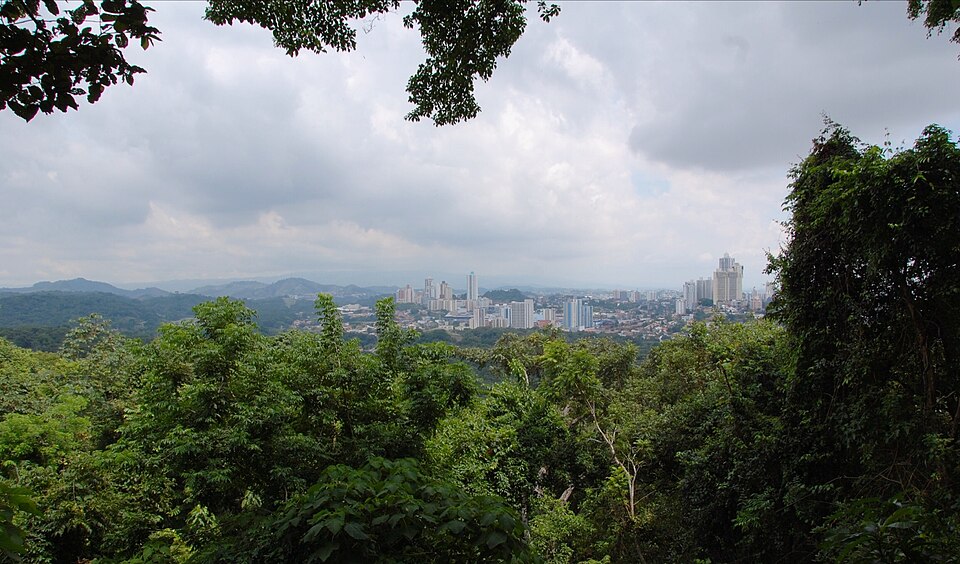
A two-hundred-thirty-two-hectare patch of tropical forest right inside the city, with five trails, views over the canal and skyline, and wildlife including sloths, titi monkeys, toucans and turtles.

Tip: The Mono Titi trail reaches a viewpoint in about an hour. Go at seven in the morning, when it's cooler and the animals are active. Bring insect repellent and water.

Admission:
paid entry
Time needed:
2 h
Fish Market

Fish Market

Cinta Costera

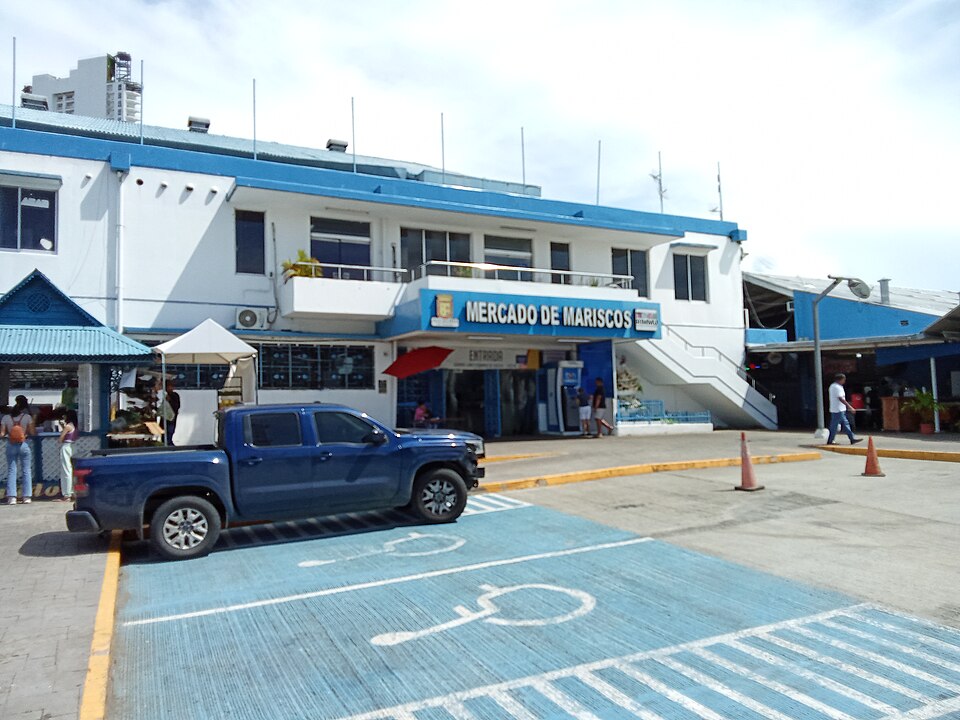
The Mercado de Mariscos on the waterfront near Casco Viejo, with morning fishermen and an upstairs floor of eateries serving cup ceviche and fried fish. The cheapest, freshest food in the city.

Tip: The ceviche stalls outside the market are cheaper than the upstairs restaurants. Try the corvina and the shrimp ceviche. Mornings are when the market is liveliest.

Admission:
free
Time needed:
1 h
Panama Canal Museum

Panama Canal Museum

Casco Viejo

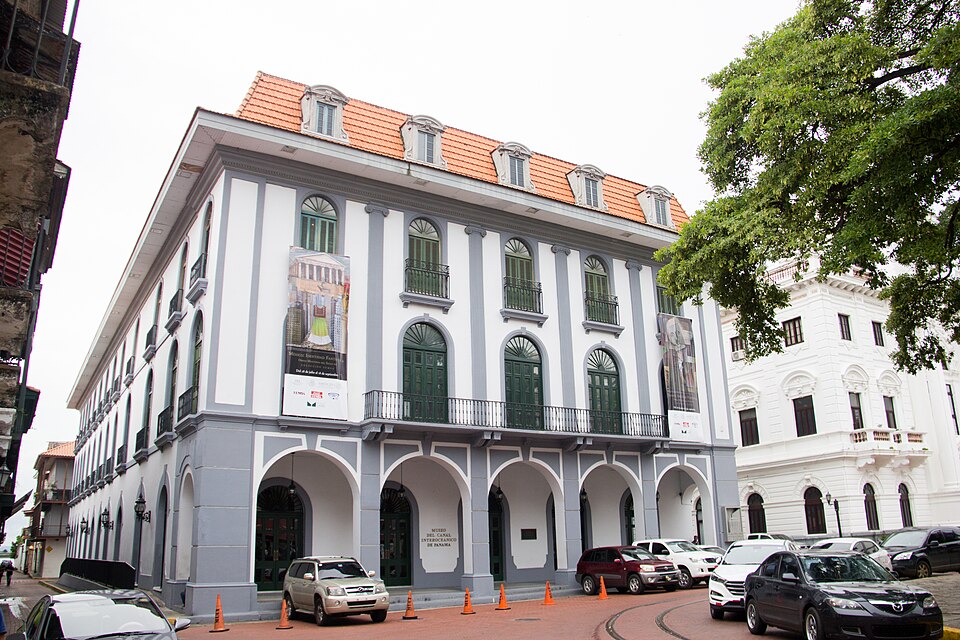
A museum in the former French canal company's building on Plaza de la Independencia in Casco Viejo, covering the canal's history: the failed French attempt, the American construction, and the handover to Panama in 1999.

Tip: The exhibits are mostly in Spanish; an English audio guide helps. Anyone who's seen the Miraflores Locks will understand here why the project cost thousands of lives. The museum sits right on the main plaza.

Admission:
paid entry
Time needed:
1.5 h

Photos: Miraflores Locks — Gordon Panoramic Photo Co. (Public domain) · Casco Viejo — Garcia.dennis (CC BY-SA 4.0) · Panamá Viejo — Melpanama (CC BY 3.0) · Biomuseo — user:ArnoldReinhold (CC BY-SA 4.0) · Amador Causeway — Ayaita (CC BY 3.0) · Cerro Ancón — Kiam-shim (CC BY-SA 3.0) · Metropolitan Natural Park — LWY from Pasadena, USA (CC BY-SA 2.0) · Fish Market — Virpana (CC0) · Panama Canal Museum — Ssaucedoc (CC BY-SA 4.0)

Where to stay

Areas and districts, matched to the kind of trip you are taking

Casco Viejo

Best for: atmosphere and nightlife

The colonial quarter, with boutique hotels, restaurants and rooftop bars. The prettiest place to stay, but noisy at night.

Obarrio and Marbella

Best for: hotels and business

Financial districts with skyscrapers, hotels and restaurants. Close to shopping centres and the sea. From here it's ten minutes by Uber to anywhere.

Punta Paitilla and Cinta Costera

Best for: the waterfront

Coastal skyscrapers along the Cinta Costera promenade. Sea and city views. The promenade is popular for walking and cycling.

Amador

Best for: peace and quiet

The causeway, with its islands, marina and restaurants. Further from the centre, but quiet. Ferries to Taboga Island leave from here.

Getting around

From the airport

Tocumen International Airport lies twenty-four kilometres east of the centre and is the main hub for Copa Airlines, with connections across Latin America. Direct flights from Europe run on Iberia from Madrid, KLM from Amsterdam, Lufthansa from Frankfurt and Turkish Airlines from Istanbul; the journey from Prague takes fourteen to seventeen hours. Citizens of most EU countries don't need a visa for stays of up to ninety days.

Tocumen International (PTY) · 24 km

  • Metro line 2 with a transfer· 50 min· $1.35
  • Official taxi· 30–60 min· $30
  • Uber· 30–60 min· $20

Around town

Panama City has two metro lines running from the airport through the centre to Albrook, but they don't reach Casco Viejo or Amador. Uber is the most practical option, cheap and reliable. Taxis have no meter and often overcharge tourists — agree on the fare beforehand. Cinta Costera and Casco Viejo are best explored on foot.

MetroTwo lines; pay with a MetroBus card or contactless. · $0.35
Uber / InDriveThe most convenient transport, and cheap. · $5 within the centre
TaxiNo meter — agree on the fare in advance. · $5–10
MetroBusAir-conditioned buses across the city. · $0.25
Bikes on the Cinta CosteraRental stands along the promenade and on Amador Causeway. · $5/h

Useful apps: Uber, InDrive, Moovit, Google Maps, PedidosYa

When to go

Panama has a tropical climate with temperatures around thirty degrees year-round. The dry season from December to April is best, with sunny, breezy days. The rainy season from May to November brings afternoon storms, but mornings are usually sunny and prices are lower. October and November are the wettest.

Best time

December to April

What to avoid

October and November, for the rain

MonthJanFebMarAprMayJunJulAugSepOctNovDec
Day31°32°32°32°31°30°31°30°30°29°29°30°
Night22°22°23°24°24°24°24°24°23°23°23°23°
Rainy days42261517161718211911
Sea27°26°26°27°28°28°28°28°28°28°28°27°

Food & drink

Panamanian cuisine blends Spanish, Indigenous, African and Caribbean traditions: rice, meat, seafood and fried plantains. Casco Viejo has modern restaurants working with local ingredients. The fish market is the cheapest place for ceviche. Prices are in dollars and similar to those in the US.

What to try

Sancocho panameño

A chicken soup with yucca, corn and culantro herb, which Panamanians say works equally well for heat and for hangovers. The national dish, served with rice on the side, costing three to five dollars at a fonda.

Market ceviche

Panamanian ceviche is white corvina fish with lime, onion and chili, sold in cups. Cheapest and freshest at the fish market, where a cup costs a few dollars.

Patacones

Twice-fried slices of green plantain, flattened between two boards and salted. Served with everything in place of bread, and best fresh, while still crisp.

Arroz con pollo y guandú

Rice with chicken and pigeon peas, cooked in coconut milk in the Caribbean version. An everyday lunch dish at eateries called fondas.

Carimañola and hojaldre

Carimañola is a fried yucca roll filled with meat; hojaldre is fried dough flatbread. Both are eaten at breakfast with coffee and egg.

Geisha coffee

The highlands around Boquete grow the Geisha variety, which sells for record prices at auction. Roasters and cafés in the capital serve a cup for six to twelve dollars.

Seco Herrerano and rum

Seco is a clear sugarcane spirit from Herrera province, drunk with milk or with lime and soda. Ron Abuelo is a Panamanian brand, and a bottle costs a fraction of the European price.

What it costs

Ceviche at the fish market

$3–6

Lunch at a fonda

$5–8

Dinner in Casco Viejo

$25–50 per person

Panamá or Balboa beer

$2–5

Miraflores Locks

from $20

Uber within the centre

$5

Ferry to Taboga

from $15

Night in a 3-star hotel in Casco Viejo

$90–180

Indicative prices that change over time — treat them as a guide, not a price list.

Practical information

SocketsAtwo flat pins (US/JP)Btwo flat pins plus ground (US)
Voltage120V / 60Hz
Tap waterTap water is drinkable — Panama City is one of the few Latin American capitals with drinkable tap water — it's treated from the same rivers that feed the canal, and locals drink it. For a sensitive stomach, bottled water is the safer bet for the first few days; a litre and a half costs around a dollar at the supermarket. In the heat and humidity, expect to drink three to four litres a day. Ice in restaurants is safe.
TippingTen percent is customary at restaurants, unless it's already added to the bill as 'servicio' — which happens often at tourist spots, so check the bill. Taxi drivers don't expect tips, but agree on the fare before getting in, since taxis have no meter. Panama uses the US dollar as legal tender (its own balboa exists only as coins of equal value), so there's no need to exchange currency. Carry small bills — shops often won't accept a hundred-dollar note.
Driving on theright
SafetyPanama is one of the safer countries in Central America, but the capital still follows big-city rules. Tourist areas like Casco Viejo, Cinta Costera, Amador and the business districts are patrolled and safe; the neighbouring districts of El Chorrillo, Curundú and Santa Ana are not places to walk through even in daylight. At night, take an Uber rather than walking between neighbourhoods. In national parks, watch for snakes, and be careful of strong currents at Pacific beaches. The emergency number is 911.
Opening hoursShops are open from ten to eight, and malls like Albrook Mall stay open until ten every day. Offices and banks operate from eight to three. Restaurants serve lunch from noon to three and dinner from seven; bars in Casco Viejo don't get going until after ten. During Carnival before Ash Wednesday, and during November's national holidays — five of them within the month — the city is half-empty and some shops close.
Customs & etiquettePanamanians are relaxed and friendly, and being addressed as 'amigo' is common. Shorts and tank tops aren't worn into offices, churches or government buildings; in banks and public offices this can even be grounds for being turned away. Air conditioning is set cold everywhere, so bring a sweater. Haggling only happens at the craft market, where Guna women sell their embroidered molas. Photographing Guna women without permission is considered rude.
A few local wordsHello — Buenos díasThank you — GraciasHow much does it cost? — ¿Cuánto cuesta?The bill, please — La cuenta, por favorCool / good (local slang) — Chévere / Buena vainaDo you speak English? — ¿Habla inglés?

How to plan your days

1 day

One Day in Panama City

  1. 1Morning at the Miraflores Locks.
  2. 2Lunch at the fish market.
  3. 3Afternoon in Casco Viejo and the Canal Museum.
  4. 4Sunset at a rooftop bar.
  5. 5Dinner in Casco Viejo.

2 days

Two Days in Panama City

  1. 1Day one as above.
  2. 2Day two, morning climb up Cerro Ancón.
  3. 3Biomuseo.
  4. 4Afternoon cycling along Amador Causeway.
  5. 5Evening at Panamá Viejo and the Cinta Costera.

3 days

Three Days in Panama City

  1. 1The first two days as above.
  2. 2Day three, boat to Taboga Island.
  3. 3A day at the beach.
  4. 4Return in the afternoon.
  5. 5Evening steak dinner in Marbella.

Day trips

Taboga Island

20 km · 30 min by ferry

The 'Island of Flowers' in the Pacific, with a white church, the second-oldest in the Americas, and a beach overlooking ships waiting to enter the canal. Ferries leave from Amador Causeway and it gets busy on weekends.

Soberanía National Park

30 km · 40 min by car

Rainforest along the canal, home to the legendary Pipeline Road, one of the best birding trails in the world, with over five hundred recorded species. Boat trips on Gatún Lake visit Monkey Island.

Portobelo

100 km · 2 h by car

A Caribbean town with Spanish fortresses on the UNESCO list, once used to ship silver to Spain in colonial times. Its church holds the Black Christ, a pilgrimage site. From here you continue on to the small islands and to San Blas.

Frequently asked questions

How many days are enough for Panama City?+

Two to three days, then continue on to San Blas, Bocas del Toro or Boquete. The city also has direct flights to Costa Rica and Colombia.

When can you see ships passing through the canal?+

At the Miraflores Locks, mornings until eleven and afternoons from two. A full-day canal cruise can also be booked.

Do I need a visa for Panama?+

Citizens of most EU countries don't need a visa for tourist stays of up to ninety days. The passport must be valid for six months, and proof of onward travel is required.

What currency is used?+

The US dollar. The Panamanian balboa exists only as coins of equal value. Bring dollars in smaller bills.

Is Panama City safe?+

The tourist districts, yes, with ordinary caution. Avoid the El Chorrillo, Curundú and Santa Ana neighbourhoods.

Where should I stay?+

In Casco Viejo for the atmosphere, in Obarrio or Marbella for hotels and quiet. Casco Viejo is livelier and noisier at night.

How do I get from the airport?+

By Uber or an official taxi. The metro from the airport is cheap but requires a transfer. The trip takes thirty minutes to an hour.

Is a stopover in Panama worth it?+

Yes — Copa Airlines offers a stopover of up to several days at no extra charge, and two days is enough for the canal and Casco Viejo.

Visa Requirements

Check the latest visa requirements for entering this country. Some nationalities may need to apply for a visa or e-visa before travel.

Check visa requirements

Language

Spanish

Currency

USD

Timezone

GMT-5

Dial Code

+507

Population

4.4M

Area

75,417 km²

Voltage

120V / 60Hz

Driving Side

Right

Top Hotels in Panama City

Live prices from 500+ properties

Loading hotels...

Planning a trip to Panama City?

Compare hundreds of hotels, find the best price, and book with free cancellation on TravelManiac.