Hotels in Reykjavik

The world's northernmost capital, where people unwind in hot pools after work

Reykjavik

LanguageEnglish
CurrencyISK
TimezoneGMT+0
Temperature0-13 °C
Dial Code+354
Population383K
Area103,000 km²
SocketsType C / Type F
Tap waterDrinkable

Discover Reykjavik

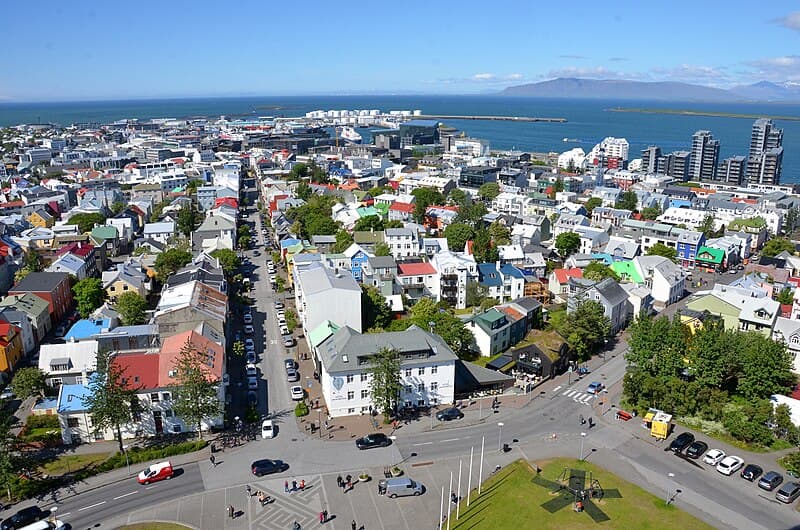
Reykjavik is the world's northernmost capital and home to two-thirds of all Icelanders. It's small, colorful and easy to navigate — corrugated-metal houses painted red, yellow and blue, the striking concrete Hallgrímskirkja church rising above downtown, the glass Harpa concert hall by the harbour, and Mount Esja across the bay in the background. The city is heated from geothermal boreholes, hot water runs beneath the pavements, and every neighborhood has a public pool with hot tubs where locals gather the way people elsewhere meet at the pub. Reykjavik is above all a base for exploring the island: within an hour you're on the Golden Circle among geysers and waterfalls, within two you're on the black-sand beaches of the south coast, and in winter this is where people set out to chase the northern lights. Iceland is expensive but safe, and thanks to direct flights and short distances it's ideal for a long weekend or a week-long trip with a rental car. In recent years a volcano on the Reykjanes Peninsula near the airport has repeatedly woken up, and under good conditions the lava eruptions can be watched from a safe distance.

What to see

The places worth your time in Reykjavik, and what to expect at each

Hallgrímskirkja

Hallgrímskirkja

Downtown, Skólavörðuholt

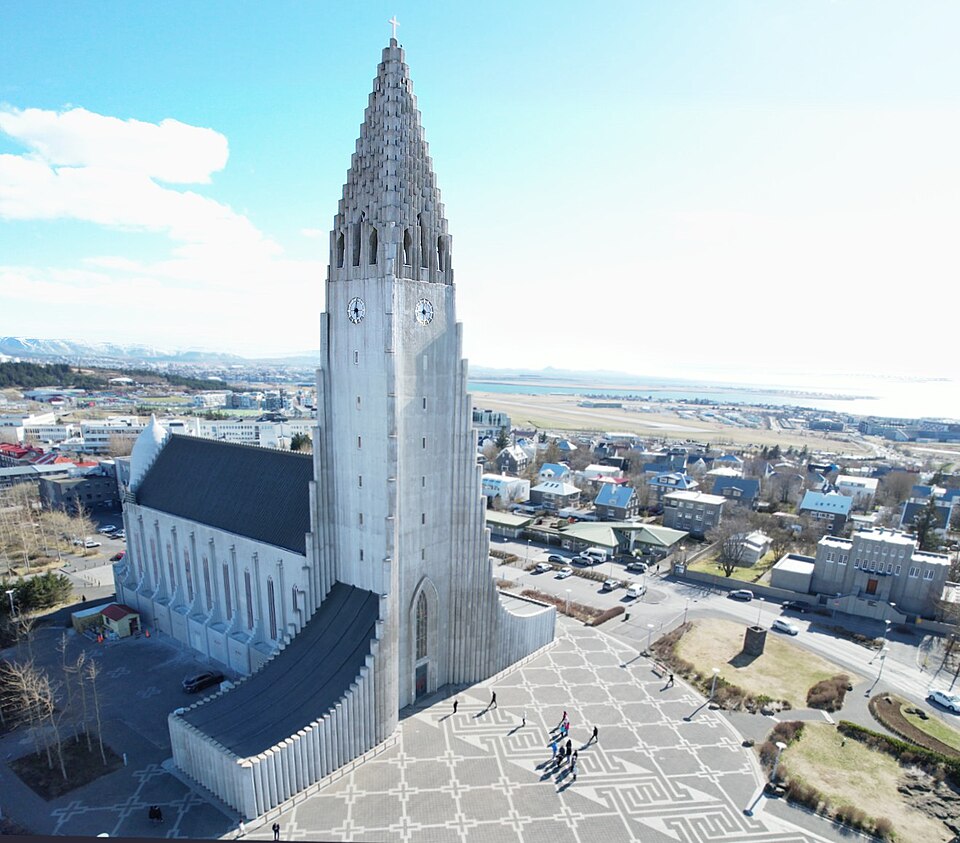
A Lutheran church with a 74-meter tower, the tallest building in the city, whose concrete facade echoes the basalt columns formed by cooling lava. Construction took forty-one years, finishing in 1986. Inside are plain white walls and a giant organ with five thousand pipes. The tower offers a view over the city's colorful rooftops.

Tip: The tower elevator is a paid ticket and there can be a wait in summer — arriving right at opening is best. On a clear winter day you can see snow-capped Esja across the bay from the tower, along with the low midday sun. In front of the church stands a statue of Leif Erikson, who reached America five hundred years before Columbus.

Admission:
tower around 1,400 ISK
Time needed:
45 min
Harpa

Harpa

Harbour

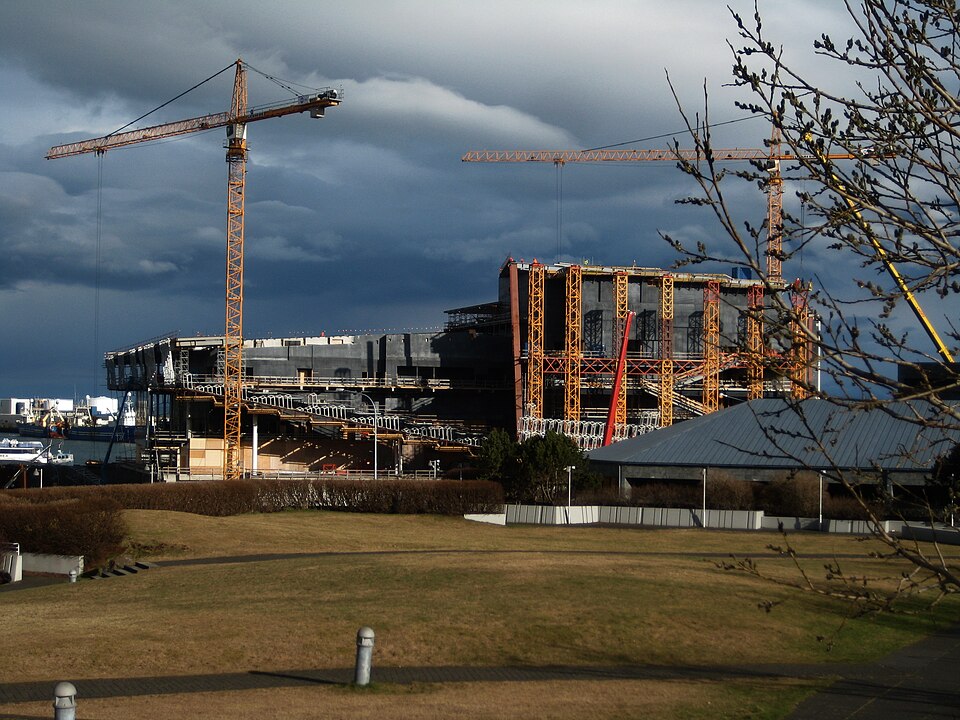
A concert and conference hall on the waterfront, built in 2011, with a glass facade of thousands of hexagonal panels designed by artist Ólafur Elíasson, which shift from blue to gold depending on the light. It is home to the Icelandic Symphony Orchestra and the opera. Entry to the building is free even without a concert ticket.

Tip: Harpa is loveliest after dark, when patterns of colored LEDs ripple across the facade — in winter that's already from four in the afternoon. Climb the stairs to the top floor for a view across the harbour toward Mount Esja. There's a café and an Icelandic design shop on the ground floor.

Admission:
free
Time needed:
30 min
Sun Voyager

Sun Voyager

Sæbraut waterfront

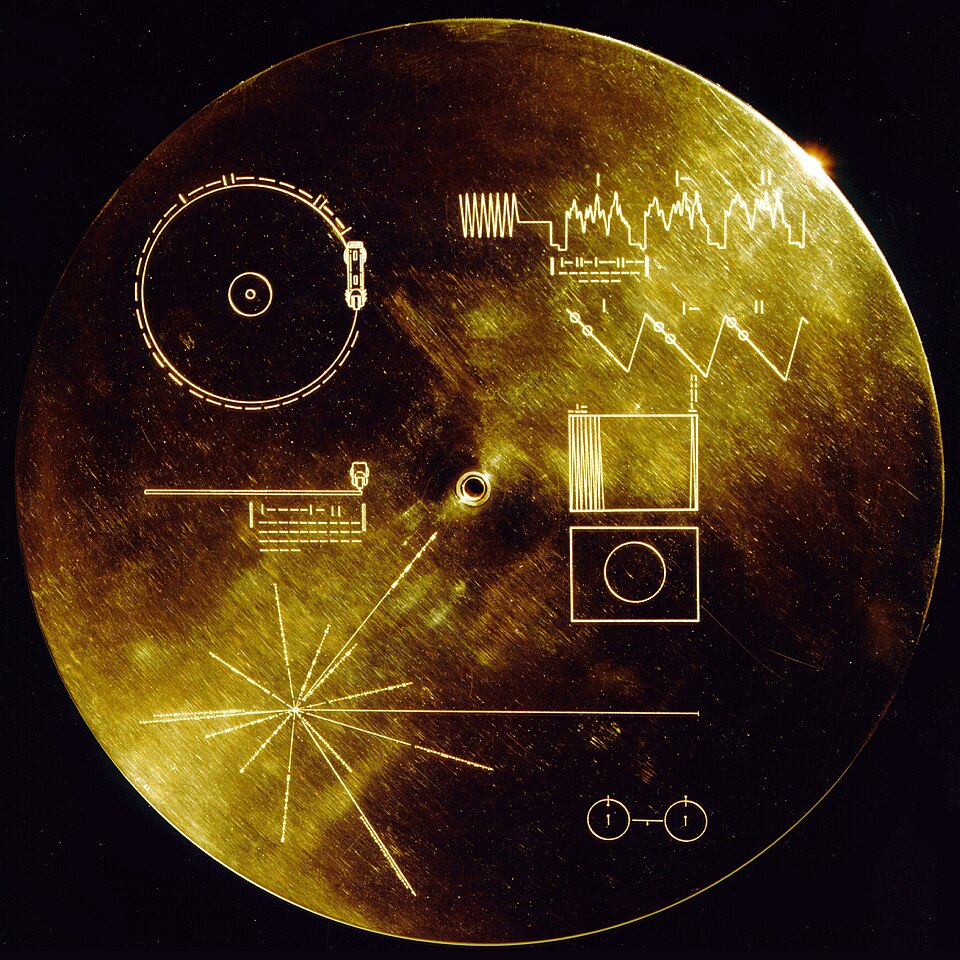
A stainless-steel sculpture on the waterfront shaped like the skeleton of a Viking ship, created by Jón Gunnar Árnason in 1990 as an ode to the sun and a dream of undiscovered lands. It stands on the Sæbraut promenade with a view across the bay to Mount Esja. It's the most photographed spot in Reykjavik.

Tip: Come at sunset — around four in winter, after midnight in summer. A ten-minute seaside promenade connects it to Harpa. On clear winter nights, this waterfront is one of the few spots in the city where a strong aurora can be seen over the bay.

Admission:
free
Time needed:
15 min
Perlan

Perlan

Öskjuhlíð

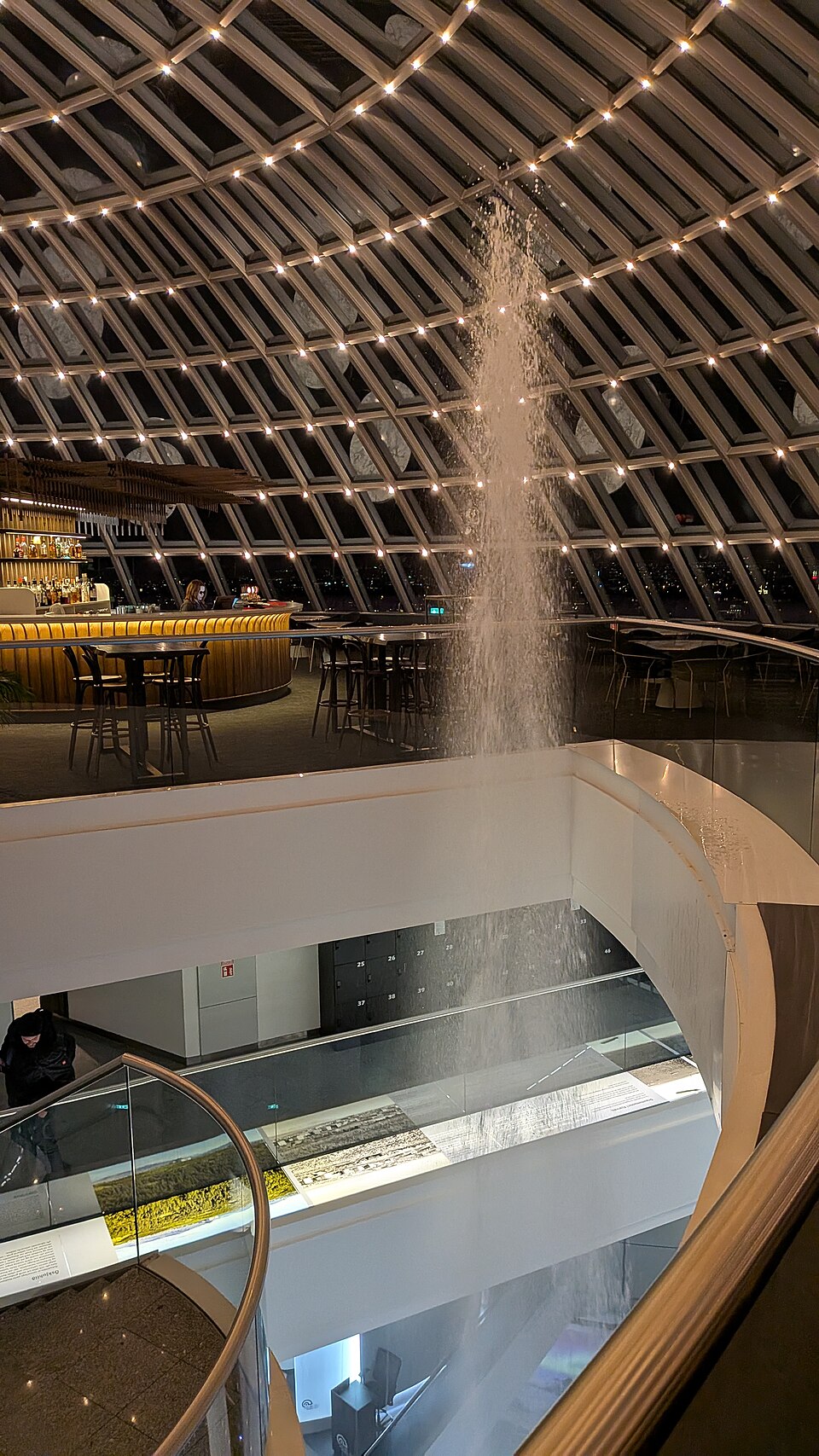
A glass dome atop hot-water storage tanks on Öskjuhlíð hill, now home to a museum of Icelandic nature. Inside is a hundred-meter man-made ice cave built from real snow, an exhibition on glaciers, volcanoes and earthquakes, and a planetarium with a film about the northern lights. The viewing deck looks out over the whole city.

Tip: The planetarium show about the northern lights is the best substitute when the real aurora doesn't show up. The terrace around the dome requires a ticket, but the café upstairs can be visited separately. A forest with trails leads down from Perlan to the geothermal Nauthólsvík beach, where you can swim in a heated lagoon.

Admission:
around 5,500 ISK
Time needed:
2–3 h
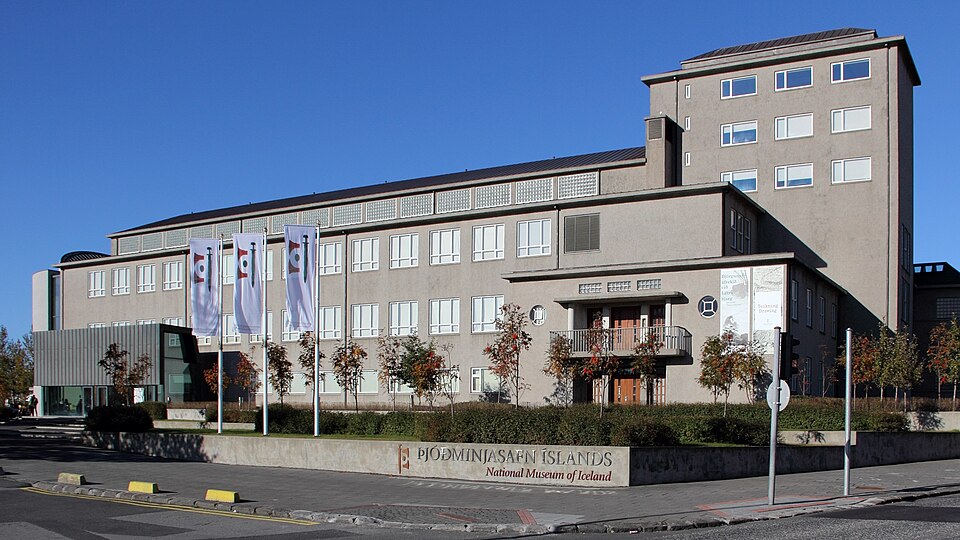
National Museum of Iceland

National Museum of Iceland

Near the university

The permanent exhibition tells the story of Iceland from the arrival of the Vikings in the ninth century to the present: swords, jewelry, drinking horns, medieval manuscripts, and the famous church door from Valþjófsstaður carved with a knight and a lion. It's a good way to understand how people survived for a thousand years on a treeless island.

Tip: Set aside two hours for the museum, ideally on your first day before heading out on day trips — the sagas and Viking settlement will make more sense afterward. Entry is free with the Reykjavik City Card. There's a café downstairs with excellent homemade cakes.

Admission:
around 3,000 ISK
Time needed:
2 h
Old Harbour and whale watching

Old Harbour and whale watching

Gamla höfnin (Old Harbour)

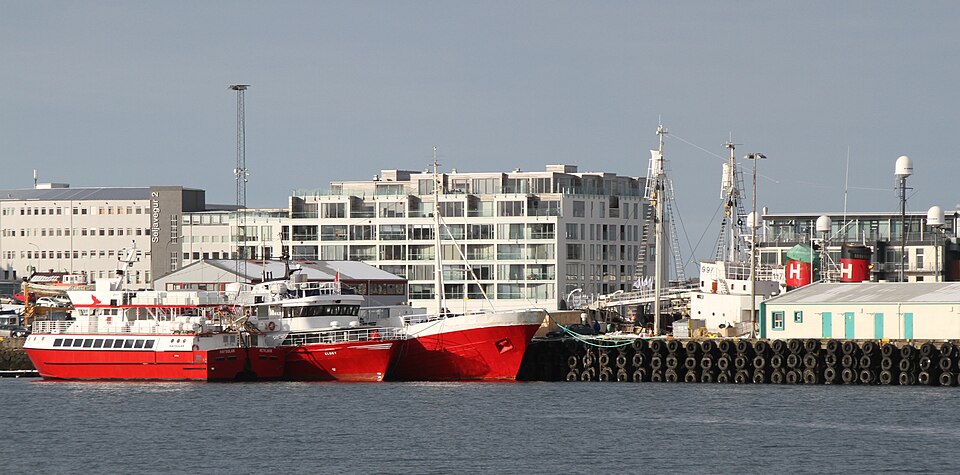
A harbour lined with colorful wooden warehouses now housing restaurants, museums and whale-watching tour offices. On a three-hour cruise around Faxaflói Bay you can spot minke whales, humpback whales, dolphins and porpoises, and from May to August puffins on the islets of Lundey and Akurey.

Tip: The best chance of seeing whales is from April to October, though boats run year-round. If you don't spot any, most companies give you a free ticket for another trip. Smaller speedboats get closer to the animals, while the larger boats have warm indoor seating. While at the harbour, stop for lobster soup at Sægreifinn.

Admission:
whale watching 12,000–15,000 ISK
Time needed:
3 h
Tjörnin and City Hall

Tjörnin and City Hall

Downtown

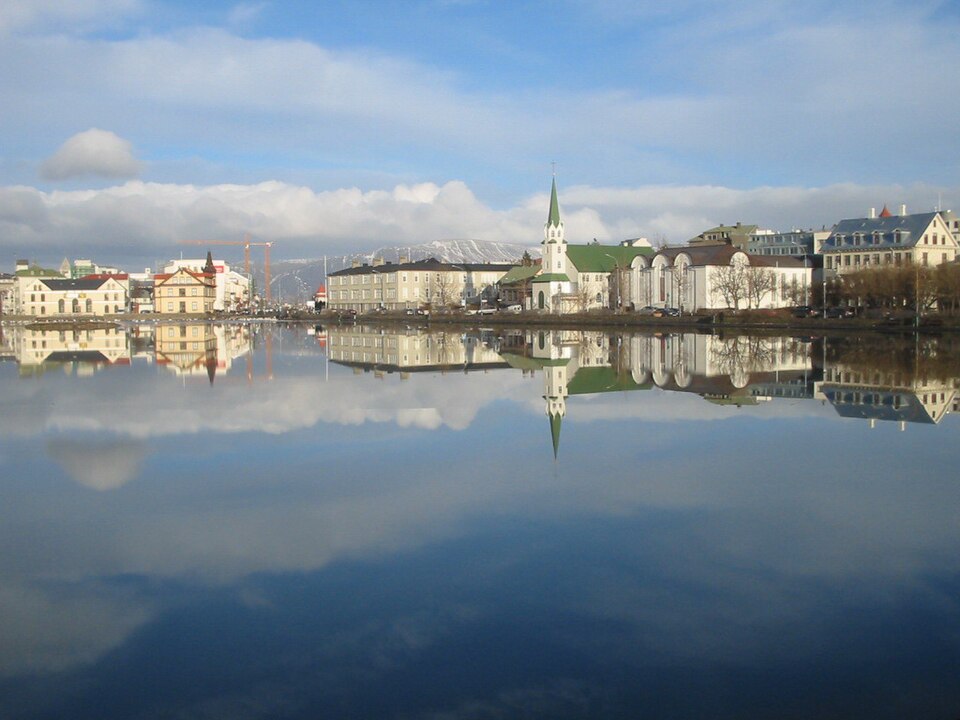
A pond in the city center that draws ducks, swans and geese from all over town, and turns into a skating rink in winter. On its shore stands the modern 1992 City Hall, with a giant relief map of Iceland in the lobby showing the whole island's mountains and glaciers to scale. The oldest houses in the city cluster around it.

Tip: City Hall is free, and its relief map is one of the best places to plan your routes around Iceland. Locals mostly come here with kids to feed the birds on the pond. Hljómskálagarður park on the south bank fills with sunbathers in summer whenever it hits 15°C.

Admission:
free
Time needed:
30 min
Laugardalslaug pool

Laugardalslaug pool

Laugardalur

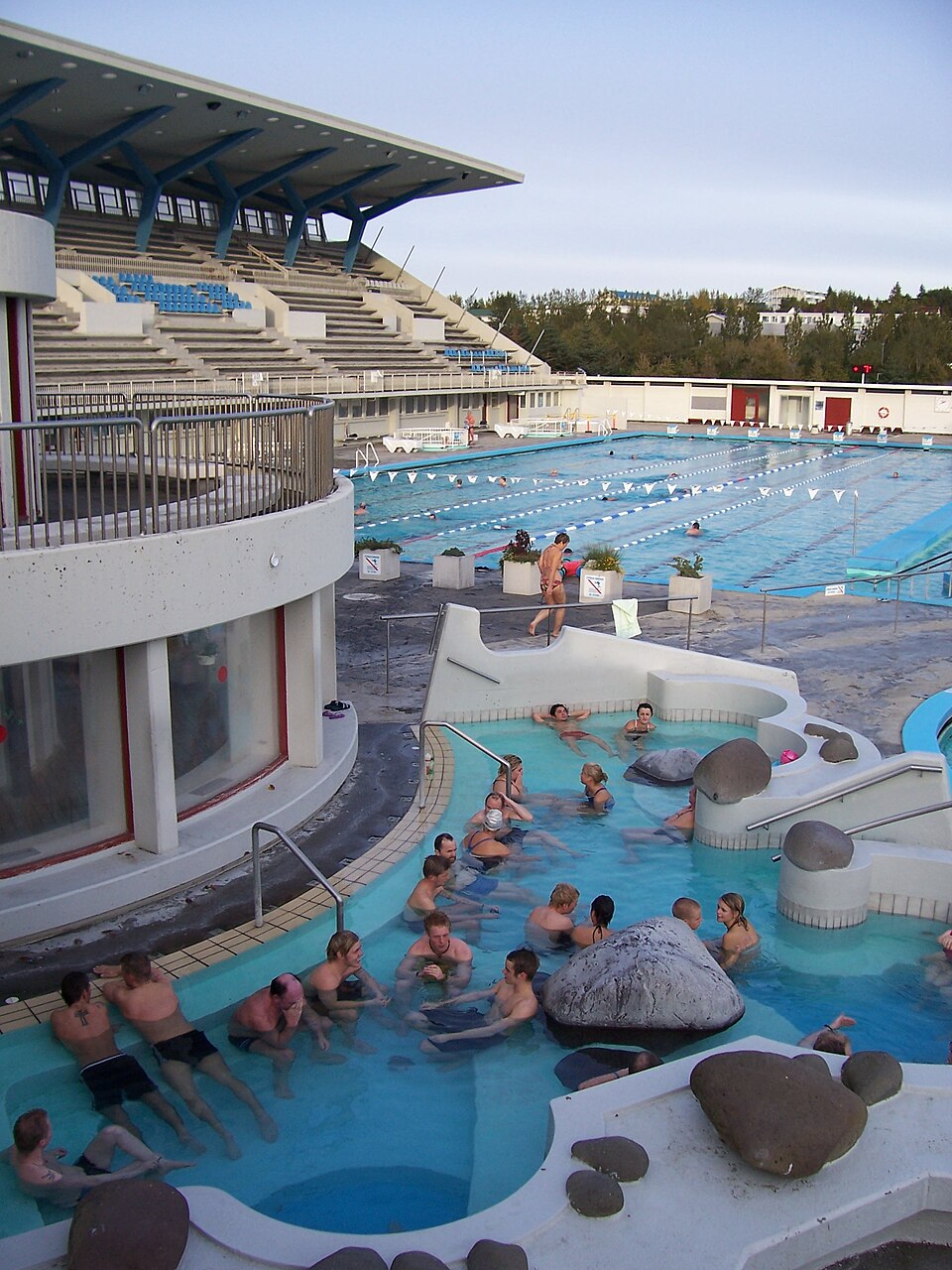
Reykjavik's largest public pool, with a fifty-meter outdoor pool heated by geothermal water, hot tubs ranging up to 44°C, a steam bath, a waterslide and a cold plunge pool. Icelanders come here daily, even in spring frost and snowfall.

Tip: This is the most authentic Icelandic experience you'll find in Reykjavik, at a tenth of the price of the lagoons. A thorough soap shower without swimwear is mandatory beforehand — an attendant will remind you. It's best on a winter evening, when steam rises off the water and snow falls around you. Other city pools like Vesturbæjarlaug are smaller and quieter.

Admission:
around 1,400 ISK
Time needed:
1–2 h
Blue Lagoon

Blue Lagoon

Reykjanes, 45 km from the city

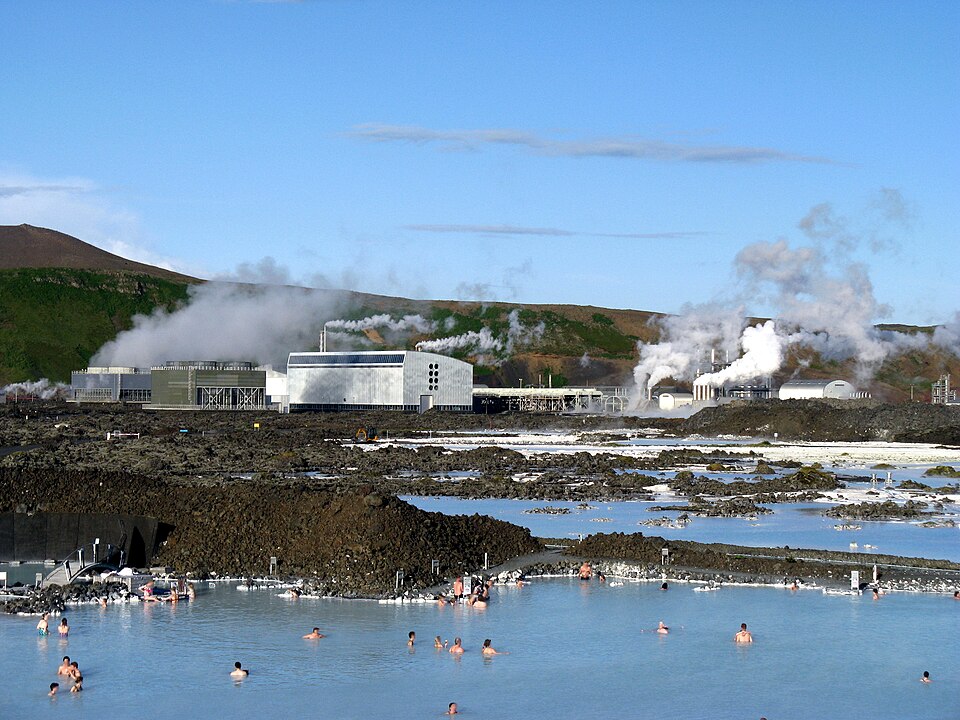
A geothermal spa with milky-blue water set in a lava field on the Reykjanes Peninsula, twenty minutes from the airport and forty-five from Reykjavik. Water from the adjacent power plant's boreholes is rich in silica and algae, sits around 38°C, and admission includes a white mud mask. It's Iceland's most-visited attraction.

Tip: Tickets are sold online for a specific time slot and sell out in high season. It's best combined with your arrival or departure, since it has a luggage storage area. Because of the repeated volcanic eruptions near Grindavík, the lagoon is sometimes closed for days — check the current status before you go. Sky Lagoon in Kópavogur is a closer alternative with sea views.

Admission:
from 10,000 ISK
Time needed:
2–3 h

Photos: Hallgrímskirkja — Steinninn (CC BY 4.0) · Harpa — Börkur Sigurbjörnsson from Barcelona (CC BY 2.0) · Sun Voyager — NASA/JPL (Public domain) · Perlan — Steinninn (CC BY 4.0) · National Museum of Iceland — Helmut Seger (CC BY-SA 4.0) · Old Harbour and whale watching — Tony Hisgett from Birmingham, UK (CC BY 2.0) · Tjörnin and City Hall — Helgi Hall from Reykjavík, Iceland (CC BY 2.0) · Laugardalslaug pool — (WT-en) Meltwaterfalls at English Wikivoyage (CC BY-SA 1.0) · Blue Lagoon — Prosthetic Head (CC BY-SA 4.0)

Where to stay

Areas and districts, matched to the kind of trip you are taking

101 Miðborg

Best for: first-time visitors, nightlife

The historic center between Hallgrímskirkja, the harbour and Tjörnin pond, with Laugavegur and Skólavörðustígur streets full of shops, cafés and bars. Everything is walkable, and tours pick up at central stops. It has the priciest accommodation and can be noisy on weekends.

Vesturbær

Best for: peace and quiet, pool, local life

A residential western neighborhood beyond the harbour with colorful houses, the locals' favorite Vesturbæjarlaug pool, and an ice cream shop that draws crowds even in winter. Fifteen minutes on foot to downtown, with apartment-style stays.

Hlíðar and Laugardalur

Best for: families, budget

Residential districts east of downtown with the Laugardalslaug pool, the zoo, a botanical garden, and hotels about a third cheaper. Twenty minutes on foot to downtown, or five minutes by bus.

Kópavogur and Hafnarfjörður

Best for: drivers, peace and quiet

Suburbs south of Reykjavik with Sky Lagoon, cheaper hotels and apartments, and easy parking. Hafnarfjörður has its own harbour and a Viking-themed village. Good for travelers with a car exploring the wider island.

Getting around

From the airport

Reykjavik is reachable with seasonal direct low-cost flights from many European cities, or via a connection through Copenhagen, Oslo or London; a direct flight from Prague takes about three hours forty-five minutes. Keflavík International Airport (KEF) lies fifty kilometers from the city on the Reykjanes Peninsula. Iceland is part of the Schengen Area, so EU travelers can enter with a passport or ID card. Flybus and Airport Direct coaches meet every flight and run to the BSÍ bus terminal, and city bus Strætó route 55 also connects the airport. Many visitors pick up a rental car right at the airport. Reykjavik's domestic airport is in the city center and serves flights to Akureyri and the east of the island.

Keflavík International (KEF) · 50 km

  • Flybus to BSÍ terminal· 45 min· 4,000 ISK
  • Strætó bus route 55· 1 h· 2,500 ISK
  • Rental car· 45 min· 8,000 ISK/day
  • Taxi· 45 min· 20,000 ISK

Around town

Downtown Reykjavik is easily walkable; for longer distances, city buses (Strætó) run on tickets bought through the Klappið app. For trips around the island, a rental car is the best option: the Golden Circle and south coast run along paved roads that are easy to drive in summer but demanding in winter — for experienced drivers only, given snow, ice, wind and darkness from four in the afternoon. Those who'd rather not drive can book organized tours that pick up at downtown stops. Downtown parking is paid via the Parka app. Taxis are very expensive.

Strætó busAround the city and to the suburbs; tickets through the Klappið app. · 650 ISK
Rental carBest for day trips; experienced drivers only in winter. · 8,000 ISK/day
Organized tourGolden Circle, south coast, northern lights, with downtown pickup. · 12,000 ISK
Hopp electric scootersAround downtown and along the waterfront. · 300 ISK

Useful apps: Veður (weather), SafeTravel, Umferðin (road conditions), Klappið (Strætó buses), Parka (parking), Aurora forecast

When to go

Summer, from June to August, has the best weather and bright nights that never fully darken, temperatures around 13°C, all roads open including the highlands, and puffins on the cliffs — but also the highest prices and the biggest crowds. September and October are beautiful: autumn colors, the first northern lights, and fewer visitors. Winter, from November to March, is about the northern lights, ice caves in the Vatnajökull glacier, and Christmas markets, with short days (just four hours of daylight in December) and unpredictable weather that can close roads. April and May are cool but bring long days and cheaper hotels.

Best time

June–August, September–October, February–March for the aurora

What to avoid

December–January if you plan to drive

MonthJanFebMarAprMayJunJulAugSepOctNovDec
Day2°3°3°6°10°12°14°14°11°7°4°3°
Night-3°-3°-2°0°4°7°9°8°6°2°-1°-2°
Rainy days201719161515151618191820

Food & drink

Icelandic cuisine is built on fish, lamb and dairy, and Reykjavik has excellent restaurants that turn these into modern Nordic dishes. Prices are steep, though: a main course in a restaurant runs 5,000–8,000 ISK, and a beer 1,500–2,000 ISK. The cheapest hot meal is a hot dog from the Bæjarins Beztu Pylsur stand by the harbour, soup served in a bread bowl at cafés, and lunchtime fish specials. Alcohol is sold only in state-run Vínbúðin shops, and in bars it's cheapest during happy hour, roughly four to seven in the evening. Budget travelers shop at the Bónus and Krónan supermarket chains.

What to try

Pylsa

An Icelandic hot dog made of lamb, pork and beef, served with both fried and raw onion, pylsusinnep mustard and remoulade. At around 800 ISK, it's the cheapest hot meal in the country.

Kjötsúpa

A lamb soup with root vegetables, potatoes and rice — the best meal for an Icelandic gale. Icelandic sheep graze freely on the mountains, giving the lamb a distinct, herbal flavor.

Skyr

A thick, tangy dairy product similar to Greek yogurt but technically a cheese. It's eaten for breakfast with berries or used as a base for desserts, and it's in every fridge.

Plokkfiskur

A mash of cod or haddock with potatoes, onion and béchamel, served with dark rye bread. A home-style dish that also turns up on restaurant lunch menus.

Fresh fish

Cod, haddock, char and plaice from the day's catch — in restaurants this is the best value for money. Lunchtime fish specials are often a third cheaper than the evening menu.

Humarsúpa

A creamy soup made from Norway lobster, locally called 'humar', with cognac and cream. The most famous versions are served at Sægreifinn by the harbour or in the village of Stokkseyri on the south coast.

Rúgbrauð

A sweet, dense rye bread traditionally baked all day buried in hot ground near geysers. It's eaten with butter and smoked salmon, or with pickled herring.

Hákarl and brennivín

Fermented and months-dried Greenland shark with a strong ammonia smell, served in cubes on a toothpick with a shot of the caraway spirit brennivín. Icelanders mostly eat it in winter during the Þorrablót midwinter festival.

What it costs

Hot dog at Bæjarins Beztu

around 800 ISK

Coffee at a café

700–900 ISK

Restaurant main course

5,000–8,000 ISK

Beer in a bar (outside happy hour)

1,500–2,000 ISK

Swimming pool entry

around 1,400 ISK

Blue Lagoon

from 10,000 ISK

Organized Golden Circle tour

12,000–15,000 ISK

Night in a 3-star hotel, double

25,000–40,000 ISK

Indicative prices that change over time — treat them as a guide, not a price list.

Practical information

SocketsCEuroplug, two round pinsFSchuko
Voltage230V / 50Hz
Tap waterTap water is drinkable — Icelandic tap water is glacial, naturally pure, and safe to drink everywhere, including from dispensers along hiking trails. Cold water is tasteless; hot water comes straight from geothermal boreholes and smells faintly of sulfur — always run the cold tap for drinking or filling a bottle. Buying bottled water is money wasted, at 200–300 ISK a bottle.
TippingTipping is not customary in Iceland and no one expects it — service is included in the price, and wages are high. Iceland is practically cashless: you pay by card even for a hot dog, parking or a public restroom, so you won't need cash in krónur at all. Prices are among the highest in Europe; the only way to eat cheaply is by shopping at Bónus and Krónan.
Driving on theright
SafetyIn terms of crime, Iceland is one of the safest countries in the world. The risks are purely natural, and they kill tourists every year: treacherous waves on the south coast's black beaches (stay at least 30 meters from the water at Reynisfjara), fast-changing weather with gale-force wind and snow even in May and September, rivers crossing highland routes, and crevasses in glaciers. Before any drive, check the weather on vedur.is and road conditions on umferdin.is, and you can register your travel plan at safetravel.is. The emergency number is 112.
Opening hoursShops open at ten and close at six, later in downtown Reykjavik; Bónus supermarkets close between seven and eight. Restaurants serve dinner from six, and in smaller places the kitchen can close as early as nine. Outside the capital, N1 and Olís gas stations are often the only place serving food for miles.
Customs & etiquetteIcelanders are informal — everyone uses first names, since surnames are patronymic (Jónsdóttir means 'Jón's daughter'), so even the phone book is sorted by first name. The most important rule concerns pools and lagoons: you must shower thoroughly with soap before entering the water, without swimwear, and an attendant will remind you if you skip it. Driving off marked roads is illegal and fines run into the millions of krónur; moss that took centuries to grow will not recover.
A few local wordsHello / good day — Halló / Góðan daginnThank you — Takk (fyrir)Cheers — SkálHow much does this cost? — Hvað kostar þetta?Goodbye — Bless

How to plan your days

1 day

Reykjavik in one day

  1. 1Morning at Hallgrímskirkja and the tower view.
  2. 2Stroll along Skólavörðustígur and Laugavegur.
  3. 3Hot dog by the harbour and a stop at Harpa.
  4. 4Afternoon at Sun Voyager and the National Museum.
  5. 5Evening at Laugardalslaug pool with its hot tubs.

2 days

Reykjavik in two days

  1. 1Day 1: downtown, Hallgrímskirkja, Harpa, Tjörnin and City Hall with the relief map.
  2. 2Evening lobster soup by the harbour, and in winter a northern lights hunt.
  3. 3Day 2: full-day Golden Circle — Þingvellir, Geysir and Gullfoss.
  4. 4On the way back, a soak at Secret Lagoon or Fontana.
  5. 5Evening in downtown bars during happy hour.

3 days

Reykjavik and the south in three days

  1. 1Day 1: downtown, Perlan and a pool visit.
  2. 2Day 2: the Golden Circle.
  3. 3Day 3: south coast — Seljalandsfoss, Skógafoss and the black beach at Reynisfjara.
  4. 4On the way back, the Blue Lagoon or Sky Lagoon.
  5. 5Final evening in the city, or a northern lights hunt outside town in winter.

Day trips

Golden Circle

230 km · full-day loop by car

Reykjavik's most famous day trip, covering three sites in one day: Þingvellir National Park, where the North American and Eurasian tectonic plates pull apart and where the world's oldest parliament once met; the Geysir geothermal field, where the Strokkur geyser erupts every five to ten minutes; and the two-tiered Gullfoss waterfall. On the way back it's worth stopping at the Secret Lagoon thermal pool.

South Coast and Vík

180 km · 2 h 30 min by car

The Seljalandsfoss waterfall, which you can walk behind along a path, the powerful Skógafoss, the black beach of Reynisfjara with its basalt columns and sea stacks, and the village of Vík. Driving there and back takes over five hours, so it's a long day trip. Do not go near the water at Reynisfjara — treacherous 'sneaker waves' pull someone in almost every year.

Snæfellsnes

180 km · 2 h 30 min by car

A peninsula in the west often called 'Iceland in miniature': the glacier-topped Snæfellsjökull volcano, the starting point of Jules Verne's Journey to the Center of the Earth, Iceland's most photographed mountain Kirkjufell with its waterfall, the black church at Búðir, fishing villages and bird cliffs. It tends to be less crowded than the south in winter.

Frequently asked questions

When can you see the northern lights in Reykjavik?+

From September to April, on clear, dark nights. From downtown it's only visible during strong activity; it's better to drive out of the city or join an organized aurora hunt. A cloud and activity forecast is on vedur.is under 'Aurora forecast'. Chances are highest in September, October, February and March.

How much does Iceland cost?+

A lot — Iceland is one of the most expensive countries in the world. A double hotel room costs 25,000–40,000 ISK a night, a restaurant dinner 5,000–8,000 ISK per person, and a beer 1,500–2,000 ISK. You can save by booking apartments with a kitchen, shopping at Bónus and Krónan supermarkets, choosing swimming pools over lagoons, and grabbing a hot dog instead of a sit-down meal.

Is the Blue Lagoon worth the price?+

It's a unique experience, but expensive and crowded. For a more local feel at a tenth of the price, the city swimming pools are excellent. Sky Lagoon near Reykjavik has sea views and a sauna, while Secret Lagoon and Laugarvatn Fontana are on the Golden Circle and cheaper. If you still want the Blue Lagoon, combine it with your arrival or departure.

Do I need a car in Iceland?+

Not for Reykjavik itself, but for day trips it's the most flexible option. In summer, driving on the main roads is easy; in winter it's demanding because of snow, ice, wind and darkness. Without a car, organized tours from Reykjavik cover all the main sights. The F-roads in the highlands may only be driven with a 4x4, and only in summer.

Is it safe given the volcanoes?+

Eruptions on the Reykjanes Peninsula since 2021 have occurred in uninhabited areas outside Reykjavik. The airport keeps operating, and authorities close off dangerous zones, including the town of Grindavík. Under good conditions the lava fields can be viewed from safe vantage points. Check the current status on safetravel.is.

How many days should I plan for Reykjavik and the surroundings?+

One to two days are enough for the city itself; add another two to three for the Golden Circle and south coast. A long weekend (four nights) is ideal for a first visit. For the full ring road around the island, you need at least a week to ten days.

Do I need a passport for Iceland?+

Iceland is part of the Schengen Area, so an EU passport or ID card is enough for EU citizens; travelers from other countries should check visa requirements before booking. If you connect outside Schengen (for example in London), you will need a passport regardless.

What should I wear in Iceland?+

Layers, a waterproof and windproof jacket and trousers, and sturdy shoes — even in summer it hovers around 12°C with wind and rain. In winter bring a warm coat, hat, gloves and shoe grips for ice. Don't forget swimwear — pools and hot springs are everywhere.

Visa Requirements

Check the latest visa requirements for entering this country. Some nationalities may need to apply for a visa or e-visa before travel.

Check visa requirements

Language

Icelandic

Currency

ISK

Timezone

GMT+0

Dial Code

+354

Population

383K

Area

103,000 km²

Voltage

230V / 50Hz

Driving Side

Right

Top Hotels in Reykjavik

Live prices from 500+ properties

Loading hotels...

Planning a trip to Reykjavik?

Compare hundreds of hotels, find the best price, and book with free cancellation on TravelManiac.