Hotels in Riga

The largest city in the Baltics, with Art Nouveau facades and a market in old airship hangars

Riga

LanguageEnglish
CurrencyEUR
TimezoneGMT+2
Temperature-3-22 °C
Dial Code+371
Population1.8M
Area64,589 km²
SocketsType C / Type F
Tap waterDrinkable

Discover Riga

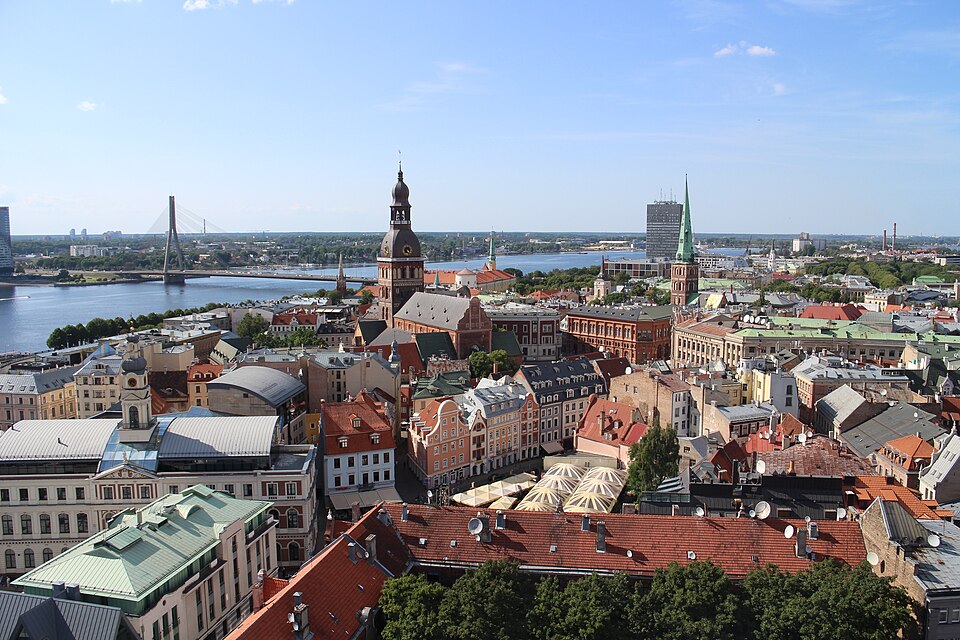
Riga is the capital of Latvia and the largest city in the Baltics, sitting on the Daugava River a few kilometers from where it flows into the Gulf of Riga. It was founded by German merchants and knights in 1201 and grew rich as a Hanseatic city trading between Russia and the West — visible today in the Gothic churches, merchant houses and the House of the Blackheads on Town Hall Square in the UNESCO-listed Old Town. But it would be a mistake to stay only there. Riga has more Art Nouveau buildings than any other European city, over seven hundred of them, and Alberta and Elizabetes streets in the quiet part of downtown form a gallery of fantastical facades with masks, peacocks and women's faces. The Central Market, housed in giant former Zeppelin hangars, is one of the largest in Europe. Riga is cheaper than Tallinn, bigger, more varied and a bit grittier, with excellent cafés, a strong concert scene and nightlife. Twenty minutes away by train lies Jūrmala, with its thirty-kilometer beach and wooden villas.

What to see

The places worth your time in Riga, and what to expect at each

Old Town

Old Town

Vecrīga

Old Town

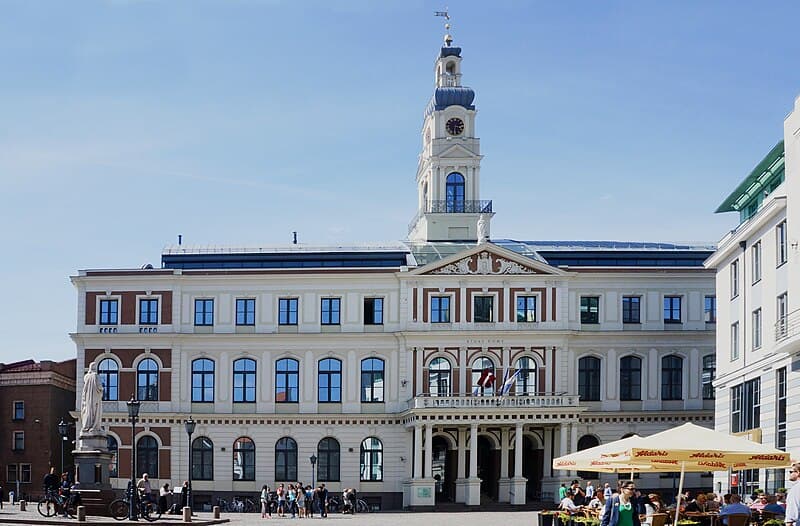
Riga's medieval core between the Daugava River and the city canal, with Hanseatic houses, warehouses, churches, guild buildings and lanes, listed by UNESCO. Unlike Tallinn's, Riga's Old Town is livelier, with cafés, bars and restaurants filling the ground floors of the Gothic houses.

Tip: Look for the Three Brothers — three houses from the fifteenth to seventeenth centuries on Mazā Pils street, showing the evolution of merchant houses. The Cat House, with cats perched on its turrets, dates from 1909 and comes with a legend about a merchant excluded from his guild. It's best in the morning or evening. The Swedish Gate is the only surviving gate in the city walls.

Admission:
free
Time needed:
2–3 h
House of the Blackheads

House of the Blackheads

Melngalvju nams

Old Town

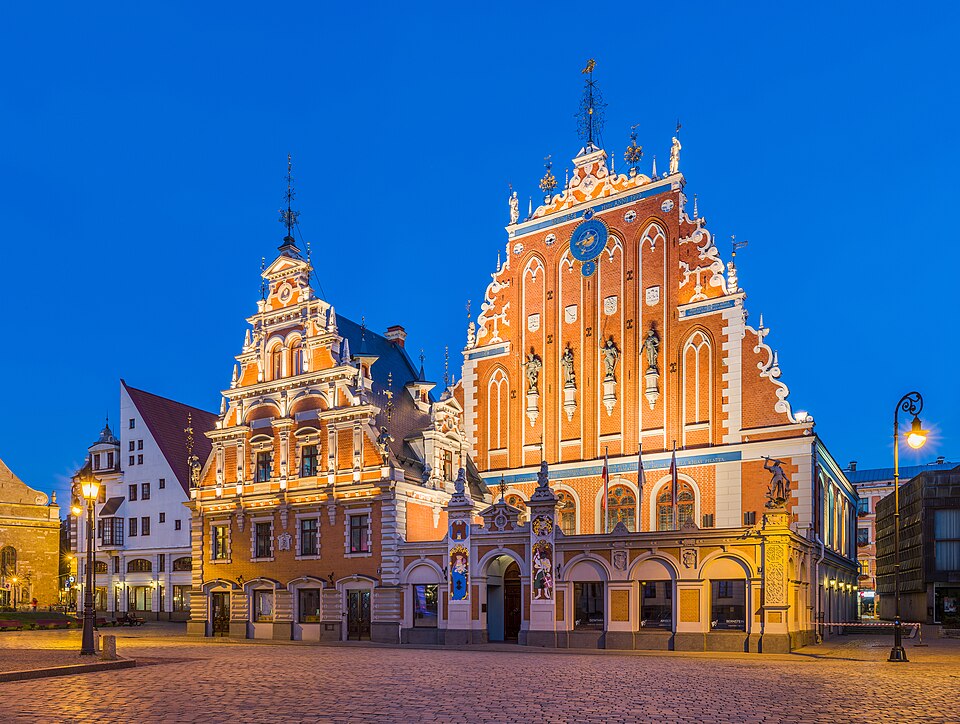
A Gothic house from 1334 on Town Hall Square with a richly decorated Renaissance gable, once the seat of the Brotherhood of Blackheads, a guild of unmarried merchants. Destroyed in World War II, it was rebuilt in 1999 according to the original plans. It's a symbol of Riga.

Tip: The building has been restored and is open to the public, with interiors and an exhibition on the brotherhood. According to legend, the Blackheads erected the first decorated Christmas tree here in 1510, commemorated by a plaque on the square. The best photo of the house is from the opposite side of the square, near the town hall. It's lit up at night.

Admission:
around 8 €
Time needed:
45 min
St. Peter's Church

St. Peter's Church

Svētā Pētera baznīca

Old Town

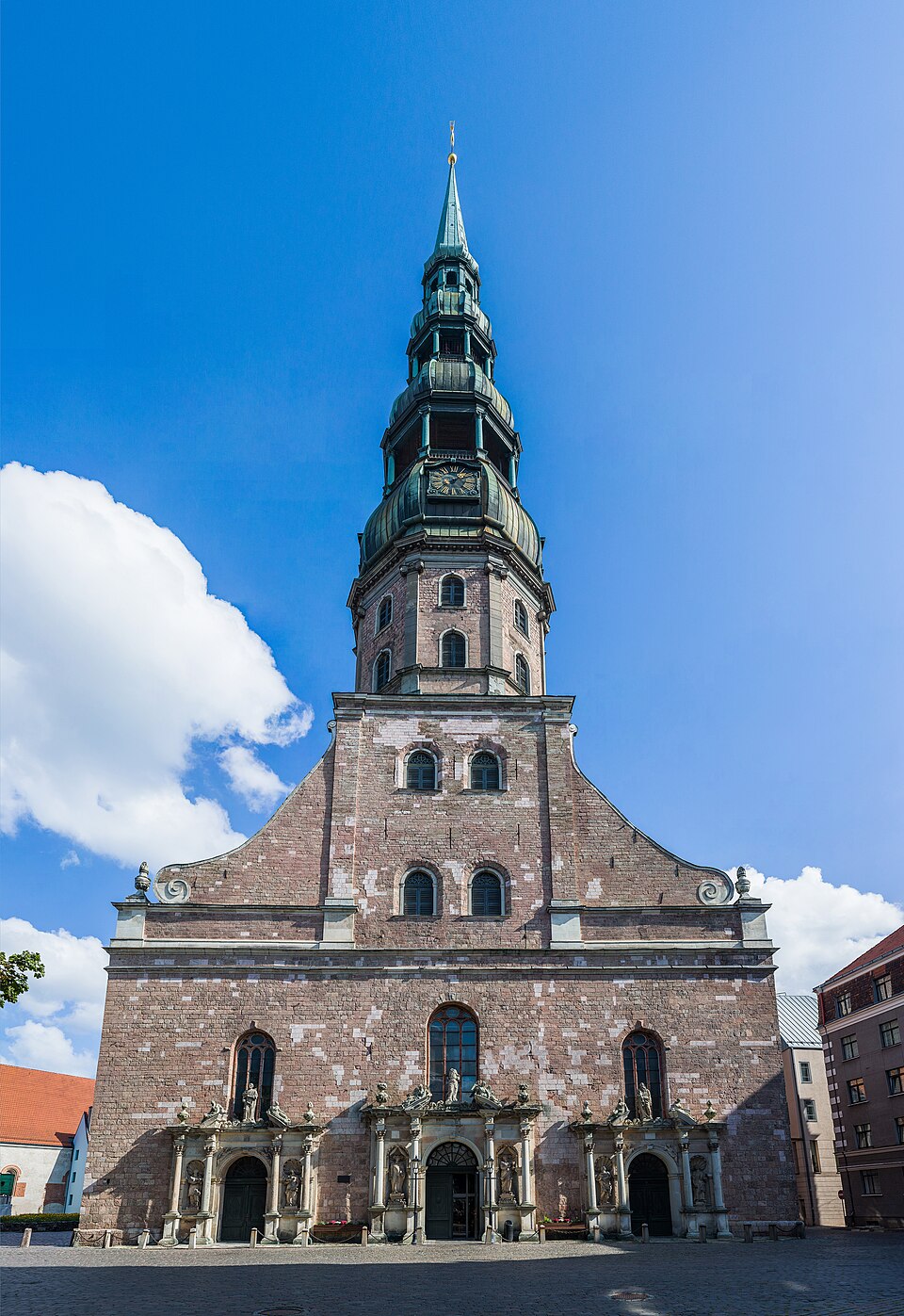
A Gothic church with a 123-meter wooden spire, a defining feature of Riga's skyline. The spire has burned down several times, most recently in 1941, and has been rebuilt each time. An elevator takes you up to a viewing platform at seventy-two meters.

Tip: The viewing platform offers the best view of the Old Town, the river and the Art Nouveau district. On a clear day you can see all the way to the sea. The elevator runs all day, but expect a queue in summer. The church today functions more as an exhibition space than a place of worship. Tradition holds that after finishing the tower, builders threw a wine glass from the top — the more shards, the longer the tower was expected to stand.

Admission:
around 10 €
Time needed:
45 min
Art Nouveau district

Art Nouveau district

Jūgendstils

City center

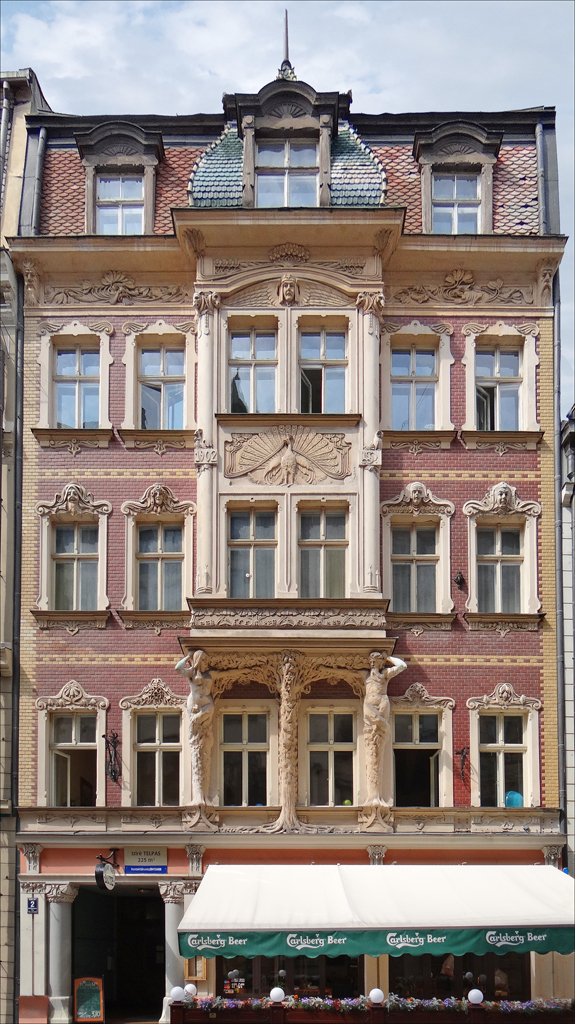
The highest concentration of Art Nouveau architecture in the world, with over seven hundred buildings from 1896–1914. The most famous are by architect Mikhail Eisenstein, father of the film director, on Alberta street — with masks, sphinxes, peacocks and women's faces on the facades.

Tip: Start on Alberta street and continue to Elizabetes and Strēlnieku. The Art Nouveau Museum at Alberta 12 shows a furnished 1903 apartment and a gorgeous spiral staircase, well worth the visit. The light is best in the morning. It's a fifteen-minute walk from the Old Town through the parks along the canal.

Admission:
free, museum around 9 €
Time needed:
1.5–2 h
Central Market

Central Market

Rīgas Centrāltirgus

City center

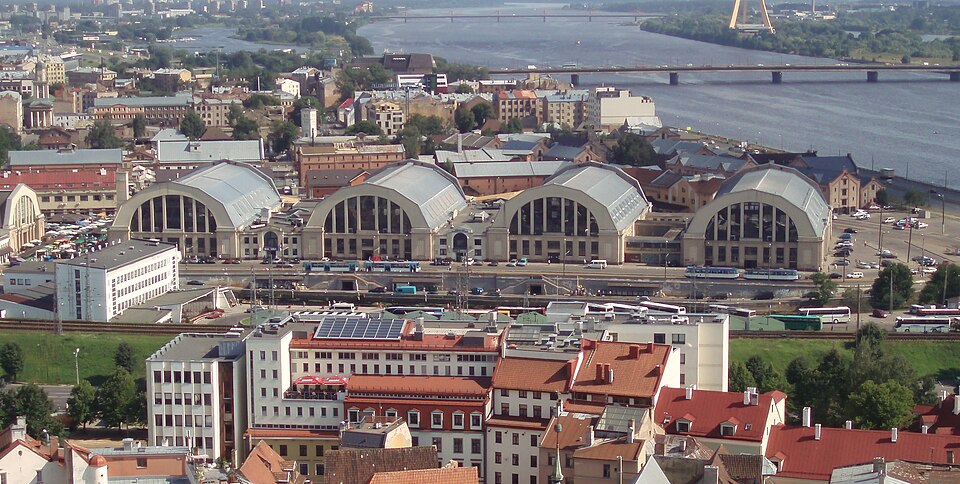
One of the largest markets in Europe, housed in five giant hangars originally built for German Zeppelin airships and relocated to Riga in the 1920s. Each hangar specializes in something different — fish, meat, dairy, vegetables and baked goods. It's UNESCO-listed.

Tip: The fish hangar, with smoked sprats, salmon and eel, is the most interesting — try something right at the stall. In the dairy hangar, pick up curd cheese and kefir. Mornings are liveliest. Outside the hangars are stalls selling fruit and forest berries, with cheap blueberries and chanterelles in summer. Watch your wallet, as the market attracts pickpockets.

Admission:
free
Time needed:
1–1.5 h
Freedom Monument

Freedom Monument

Brīvības piemineklis

City center

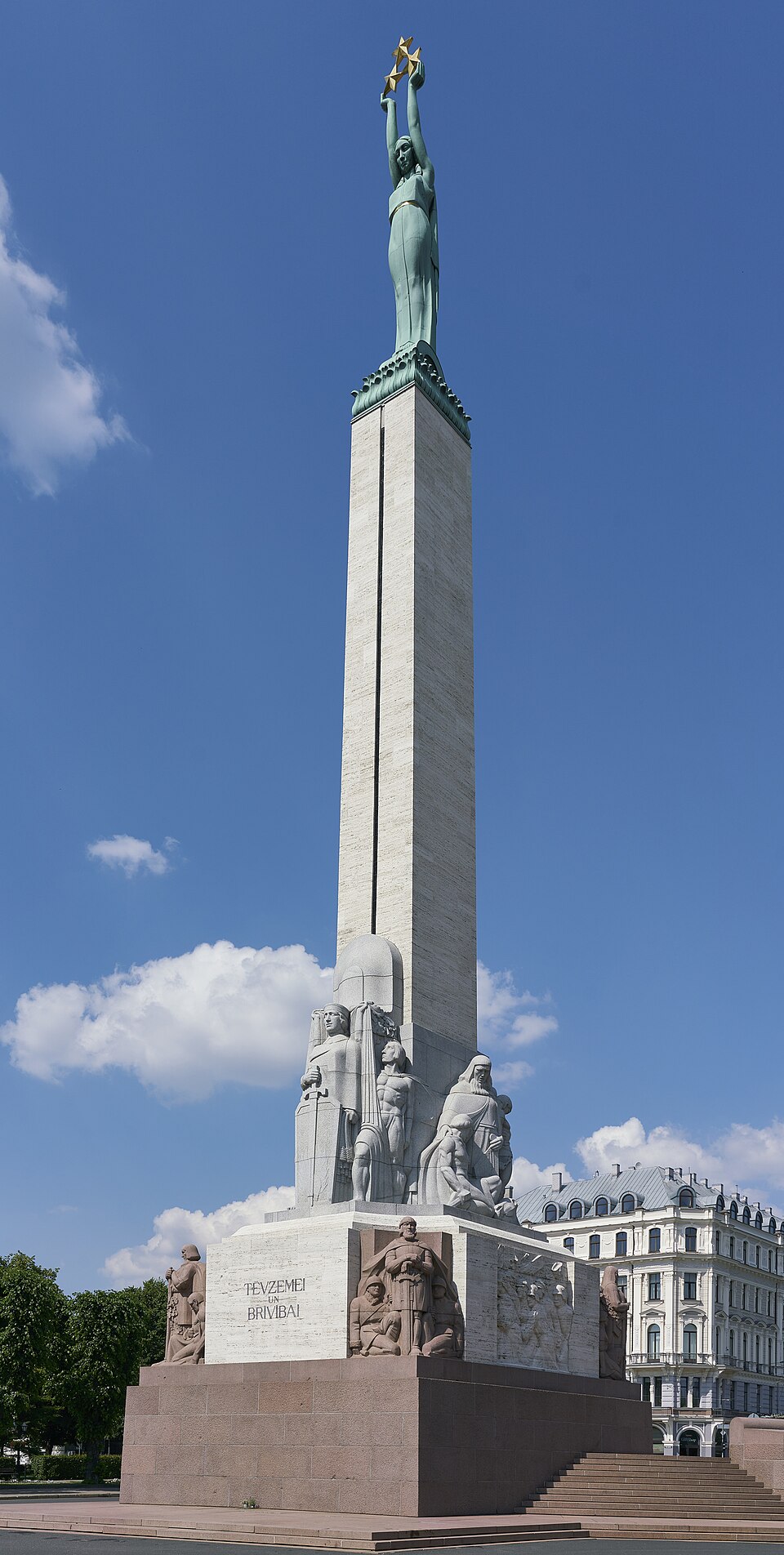
A forty-two-meter monument from 1935 topped by the female figure Milda, holding three golden stars symbolizing the regions of Latvia. It survived Soviet rule and became a rallying point for independence protests. An honor guard stands at its base.

Tip: The changing of the guard happens every hour on the hour from nine to six, a brief and striking ceremony. A park with a canal and small boats surrounds the monument. Canal and river boat tours depart right nearby and last about an hour. The monument marks the boundary between the Old Town and the Art Nouveau district.

Admission:
free
Time needed:
20 min
Riga Cathedral

Riga Cathedral

Rīgas Doms

Old Town

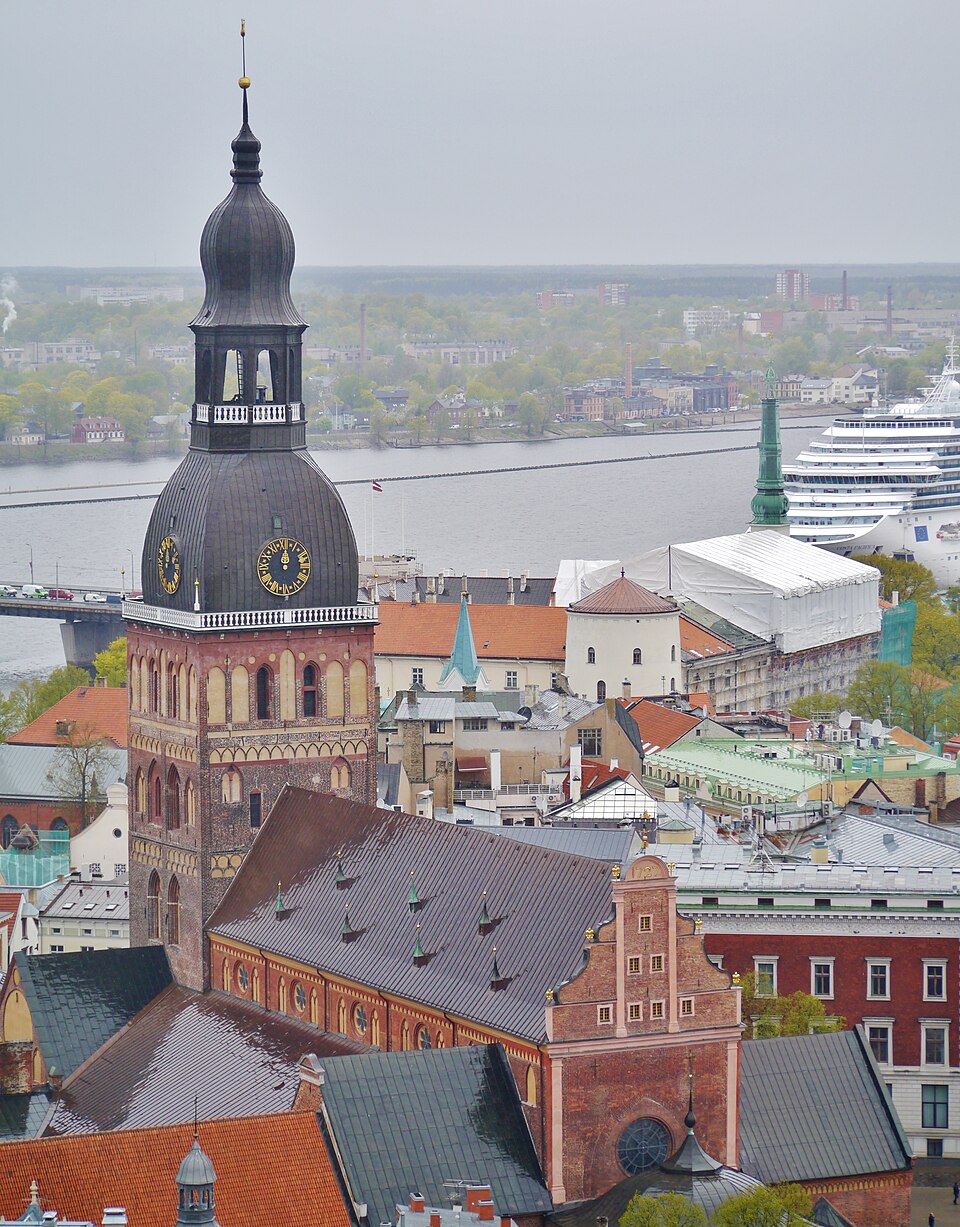
The largest medieval church in the Baltics, founded in 1211, combining Romanesque, Gothic and Baroque styles. Inside is an organ from 1884 which, at the time it was completed, was the largest in the world, with seven thousand pipes.

Tip: Organ concerts are held several times a week at midday and in the evening and are the best way to experience the cathedral. The cloister, with its stone tombstones and small museum, is often overlooked. In front of the cathedral is Dome Square, home to the Christmas market in December.

Admission:
around 5 €
Time needed:
45 min
Latvian National Museum of Art

Latvian National Museum of Art

Latvijas Nacionālais mākslas muzejs

City center

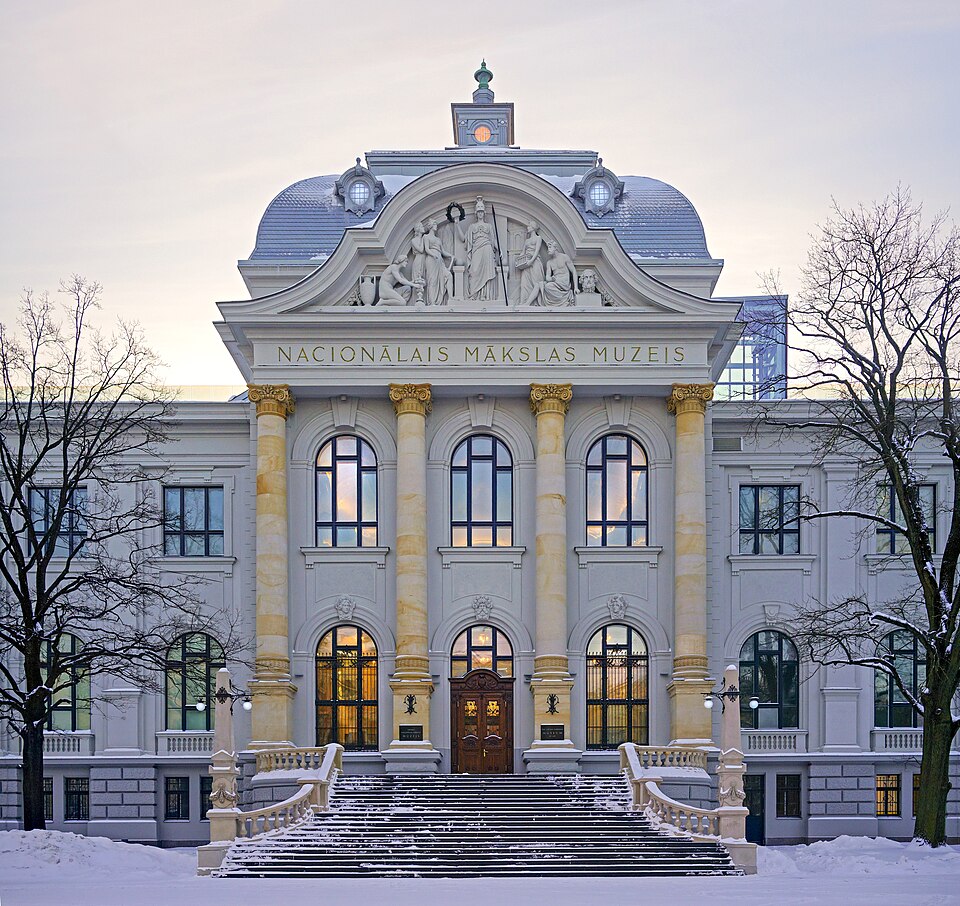
A museum housed in a 1905 palace, showcasing Latvian and Baltic art from the eighteenth century onward. After a 2016 renovation it gained an underground extension and a rooftop terrace with views. It stands in a park by the canal on the edge of the Art Nouveau district.

Tip: The best part is the Latvian Symbolist painting from the early twentieth century. The rooftop terrace is free and open during opening hours. The building itself is architecturally notable — a Neo-Baroque palace with a modern underground extension. Closed on Mondays.

Admission:
around 10 €
Time needed:
1.5 h
National Library

National Library

Latvijas Nacionālā bibliotēka

Pārdaugava

A 2014 building by architect Gunnar Birkerts on the left bank of the Daugava, shaped like a glass mountain and known locally as the 'Castle of Light' after a Latvian legend. Inside, a library shelf spans more than five floors, filled with books donated by the public.

Tip: Entry is free — take the elevator to the top floor for a view across the river to the Old Town, the best view of Riga's skyline. The 'People's Bookshelf' wall holds books donated by residents with personal dedications. It's a ten-minute walk from the Old Town across the Stone Bridge.

Admission:
free
Time needed:
45 min

Photos: Old Town — Suicasmo (CC BY-SA 4.0) · House of the Blackheads — Diliff (CC BY-SA 3.0) · St. Peter's Church — Diliff (CC BY-SA 3.0) · Art Nouveau district — Jean-Pierre Dalbéra from Paris, France (CC BY 2.0) · Central Market — David Holt uploaded and derivative work: MrPanyGoff (CC BY-SA 2.0) · Freedom Monument — Virtual-Pano (CC BY-SA 4.0) · Riga Cathedral — Zairon (CC BY-SA 4.0) · Latvian National Museum of Art — AS LNMM (CC BY 4.0) · National Library — National Library of Latvia (Public domain)

Where to stay

Areas and districts, matched to the kind of trip you are taking

Old Town

Best for: atmosphere, first-time visitors

Hotels in historic buildings, within walking distance of all the sights. It's lively in the evenings, with bars open until morning, and can get rowdy with weekend groups. For a quieter night's sleep, look for a hotel in a calmer corner of it.

Art Nouveau district and city center

Best for: elegance, cafés

Hotels and apartments in Art Nouveau buildings, fifteen minutes on foot from the Old Town. Quieter, with the city's best cafés and restaurants. Ideal for a longer stay.

Around the Central Market and train station

Best for: transport links, budget

Hotels near the main train and bus stations, practical for trains to Jūrmala and coaches to Tallinn and Vilnius. Cheaper, but a less pleasant area after dark.

Ķīpsala and Pārdaugava

Best for: peace and quiet, views

The left bank of the Daugava, with wooden houses on Ķīpsala island, the National Library, and views of the Old Town skyline. Quiet, green, and ten minutes from the center.

Getting around

From the airport

airBaltic flies directly from Prague to Riga, with the flight taking just under two hours. Riga is airBaltic's main hub, with onward connections across Scandinavia and the Baltics. Latvia is part of the Schengen Area, so EU travelers can enter with a passport or ID card. The airport is ten kilometers from the center. Lux Express coaches connect Riga to Tallinn and Vilnius in about four hours.

Riga International (RIX) · 10 km

  • Bus 22 to the center· 30 min· 1.50 €
  • Bolt· 20 min· 12 €
  • Taxi· 20 min· 15 €

Around town

The Old Town is walkable, and the Art Nouveau district and Central Market are fifteen minutes on foot from it. For longer distances, Rīgas Satiksme trams, trolleybuses and buses cover the city; buy tickets through the app or load them onto an e-talons card at machines. Tickets bought from the driver cost more. Bolt is cheap and the most convenient option. Trains to Jūrmala leave from the main station every half hour. Bikes can be rented via apps, with cycling paths running along the river.

Tram and busUse an e-talons card or app; tickets valid up to 90 minutes. · 1.50 €
BoltCheap taxi service. · 3 €
Train to JūrmalaFrom the main station every thirty minutes. · 1.50 €
Canal boatAn hour-long cruise along the canal and the Daugava. · 18 €

Useful apps: Bolt, Rīgas Satiksme, Mobilly, Google Maps, Wolt

When to go

The best time is from June to August, with temperatures around 20°C, long days, and Jūrmala filling up with visitors. The Jāņi festival on June 23–24 is the biggest celebration of the year. May and September are quieter and still pleasant. Winter is cold and dark, with frost and snow, though the Christmas market on Dome Square in December is charming. The sea at Jūrmala is warm only in July and August, around 18–20°C.

Best time

June–August

What to avoid

November and January–February, for the darkness and cold

MonthJanFebMarAprMayJunJulAugSepOctNovDec
Day-1°0°5°12°18°21°23°22°17°11°4°0°
Night-6°-7°-4°2°7°11°14°13°9°5°0°-4°
Rainy days108877891010111111
Sea2°1°2°5°10°16°19°19°15°10°6°3°

Food & drink

Latvian cuisine is hearty and rustic — dark rye bread, potatoes, pork, grey peas, sauerkraut, fish and plenty of dairy. The cheapest and most authentic way to eat is at a Lido cafeteria, where you load your own tray. But Riga also has a lively new-restaurant scene working with local ingredients like forest berries, mushrooms and Baltic fish. Black Balsam is the national liqueur. Beer from Latvian breweries is good and cheap, as is kvass. In summer, outdoor terraces are everywhere; in winter, cozy cellar restaurants take over.

What to try

Grey peas with bacon

Pelēkie zirņi — large grey peas boiled and fried with bacon and onion, served with kefir. The national dish and a Christmas tradition.

Rye bread and bread dessert

The dark sourdough rupjmaize is the foundation of everything; the crumbs go into the dessert maizes zupa, a layered cream with whipped cream and lingonberries.

Riga sprats

Smoked sprats in oil from a tin, famous across the former Soviet Union. Freshly smoked fish are sold at the Central Market.

Pīrāgi

Small yeasted pastries filled with bacon and onion, baked golden. Bought as a snack for the road at bakeries for sixty cents to a euro.

Riga Black Balsam

A bitter herbal liqueur with twenty-four ingredients, sold in a ceramic bottle. Drunk in coffee, with blackcurrant juice, or in a cocktail.

Kefir and curd cheese

Dairy products are excellent and cheap in Latvia. Biezpiens is a curd cheese used to make a sweet chocolate-coated bar called kārums.

Latvian beer

Latvia has a long brewing tradition and dozens of small breweries. Both dark and pale beer are drunk with everything, and homemade rye-bread kvass is sold at markets.

What it costs

Coffee

2.50–4 €

Pīrāgi at a bakery

0.60–1.20 €

Lunch at Lido

8–12 €

Dinner at a restaurant

25–40 €

Beer at a bar

4–6 €

Public transport ticket

1.50 €

St. Peter's Church viewing platform

around 10 €

Night in a 3-star hotel, double

70–120 €

Indicative prices that change over time — treat them as a guide, not a price list.

Practical information

SocketsCEuroplug, two round pinsFSchuko
Voltage230V / 50Hz
Tap waterTap water is drinkable — Tap water in Riga is safe, but because of old pipes it often tastes of iron, so locals drink bottled or filtered water. A bottle costs around fifty cents in a shop. Restaurants don't typically serve tap water.
TippingTipping isn't expected, but around ten percent is left at restaurants for good service; at bars people round up. Card payment is accepted everywhere, and the currency is the euro.
Driving on theright
SafetyLatvia is safe. In Riga, watch your pockets at the Central Market and the train station, and avoid bars in the Old Town where attractive women or touts invite you in off the street — the resulting drink bills run into the hundreds of euros and are enforced by bouncers. Take taxis via Bolt; unlicensed cars waiting outside the airport and station charge inflated prices. The emergency number is 112.
Opening hoursShops are open from ten to seven, supermarkets from eight to ten in the evening, including Sundays. Museums are closed on Mondays. Alcohol is sold in shops from eight in the morning to ten at night. Jāņi, St. John's Eve on June 23–24, is the biggest holiday of the year — cities empty out as everyone celebrates in the countryside.
Customs & etiquetteLatvians are reserved and can seem cool at first, but are very helpful once asked. When visiting someone's home, take off your shoes and bring an odd number of flowers — an even number is reserved for funerals. Riga has a large Russian-speaking population, but don't tell Latvian speakers they should switch to Russian; language is a sensitive topic. A 'labdien' greeting on entering a shop is appreciated.
A few local wordsGood day — LabdienThank you — PaldiesPlease — LūdzuHow much does this cost? — Cik tas maksā?Cheers — PriekāGoodbye — Uz redzēšanos

How to plan your days

1 day

Riga in one day

  1. 1Morning in the Old Town, the House of the Blackheads and Riga Cathedral.
  2. 2St. Peter's Church and its viewing platform.
  3. 3Lunch at the Central Market.
  4. 4Afternoon at the Freedom Monument and the Art Nouveau district.
  5. 5Evening at a bar in the Old Town.

2 days

Riga in two days

  1. 1Day 1: the Old Town, St. Peter's, the House of the Blackheads.
  2. 2Day 1 afternoon: the Central Market.
  3. 3Day 2: the Art Nouveau district and Art Nouveau Museum.
  4. 4Day 2 afternoon: the National Museum of Art.
  5. 5Day 2 evening: the National Library and the view across the river.

3 days

Three days including Jūrmala

  1. 1Day 1: the Old Town and the Central Market.
  2. 2Day 2: the Art Nouveau district and the National Library.
  3. 3Day 3: take the train to the beach at Jūrmala.
  4. 4Day 3 evening: an organ concert at Riga Cathedral.

Day trips

Jūrmala

25 km · 30 min by train

A seaside resort town with a thirty-kilometer sandy beach, a pine forest and wooden villas from the turn of the twentieth century. The main pedestrian street, Jomas iela, runs through Majori. In summer people swim in the shallow sea; in winter they come for the spa. Trains leave from the main station every thirty minutes.

Rundāle Palace

80 km · 1.5 h by car

A Baroque palace by architect Bartolomeo Rastrelli, who also designed the Winter Palace in St. Petersburg, with lavishly decorated interiors and a French rose garden. It's best in June, when the roses bloom. Public transport is impractical; a car or organized tour works best.

Sigulda

55 km · 1 h by train

The Gauja River valley within a national park, nicknamed 'Latvian Switzerland', with the red-brick Turaida Castle, the Gutmanis Cave, and a cable car crossing the valley. It's at its most beautiful in autumn colors. Trains from the main station take an hour.

Frequently asked questions

How many days should I plan for Riga?+

Two days for the Old Town, the Art Nouveau district and the Central Market. A third day for Jūrmala, Sigulda or Rundāle. Riga combines well with Tallinn and Vilnius for a week-long Baltic trip, with Lux Express coaches connecting the cities.

Is Riga safe?+

Yes, it's safe for tourists. Watch for pickpockets at the Central Market and the train station, and above all avoid bars in the Old Town where touts or women on the street lure you in — the bills that follow run into hundreds of euros. Take taxis via Bolt.

How do I get from the airport to the center?+

By bus 22, in thirty minutes; a ticket costs around 1.50 euros from a machine or app, more if bought from the driver. A Bolt ride costs around twelve euros. The airport is ten kilometers from the center.

Is Riga cheap?+

Cheaper than Tallinn and comparable to Prague. Lunch at a Lido cafeteria costs around ten euros, a beer four to six euros, and hotels are reasonably priced. The priciest restaurants are around Town Hall Square.

Can you swim in the sea near Riga?+

Not directly in Riga, but in Jūrmala, thirty minutes away by train. The beach is long, sandy and shallow, with the sea reaching 18–20°C in summer. Outside summer, people still come for beach walks and the spa.

When is the best weather in Riga?+

From June to August, with temperatures around 20°C and long days. Jāņi on June 23 is the biggest holiday of the year. Winter is cold and dark, with frost and snow, but the Christmas market on Dome Square is lovely.

What language is spoken in Riga?+

Officially Latvian, but a large share of residents also speak Russian. Young people speak good English. Latvian speakers don't appreciate being addressed straight away in Russian; start in English instead.

Where can I find the best Art Nouveau architecture in Riga?+

On Alberta, Elizabetes and Strēlnieku streets in the quiet part of downtown, fifteen minutes on foot from the Old Town. The buildings by architect Mikhail Eisenstein are the most ornate. The Art Nouveau Museum at Alberta 12 shows a furnished period apartment.

Visa Requirements

Check the latest visa requirements for entering this country. Some nationalities may need to apply for a visa or e-visa before travel.

Check visa requirements

Language

Latvian

Currency

EUR

Timezone

GMT+2

Dial Code

+371

Population

1.8M

Area

64,589 km²

Voltage

230V / 50Hz

Driving Side

Right

Top Hotels in Riga

Live prices from 500+ properties

Loading hotels...

Planning a trip to Riga?

Compare hundreds of hotels, find the best price, and book with free cancellation on TravelManiac.