Hotels in Santiago

A metropolis beneath the snow-capped Andes, an hour from vineyards and the ocean

Santiago

LanguageEnglish
CurrencyCLP
TimezoneGMT-4
Temperature10-28 °C
Dial Code+56
Population19.5M
Area756,102 km²
SocketsType C / Type L
Tap waterDrinkable

Discover Santiago

Santiago de Chile sits in a basin between the Andes and the coastal mountain range, and on a clear day snow-capped six-thousand-metre peaks rise above its skyscrapers. It's the capital of Chile, one of Latin America's most stable and wealthy countries, modern, clean and organised, home to South America's tallest building and a reliable metro system. Beneath the surface, though, lies a dramatic history: President Allende died in the La Moneda palace during the 1973 military coup, and the Museum of Memory recalls the seventeen years of the Pinochet dictatorship. Santiago is best understood from its hills — Cerro San Cristóbal and Santa Lucía — and from its markets, selling seafood from a coastline over a thousand kilometres long. The bohemian neighbourhoods of Bellavista and Lastarria have bars, galleries and the house of poet Pablo Neruda. Santiago is an ideal base: an hour away are the wineries of the Maipo and Casablanca valleys, an hour and a half the colourful port of Valparaíso, and in winter you can ski in the Andes just twenty-five kilometres from the city.

What to see

The places worth your time in Santiago, and what to expect at each

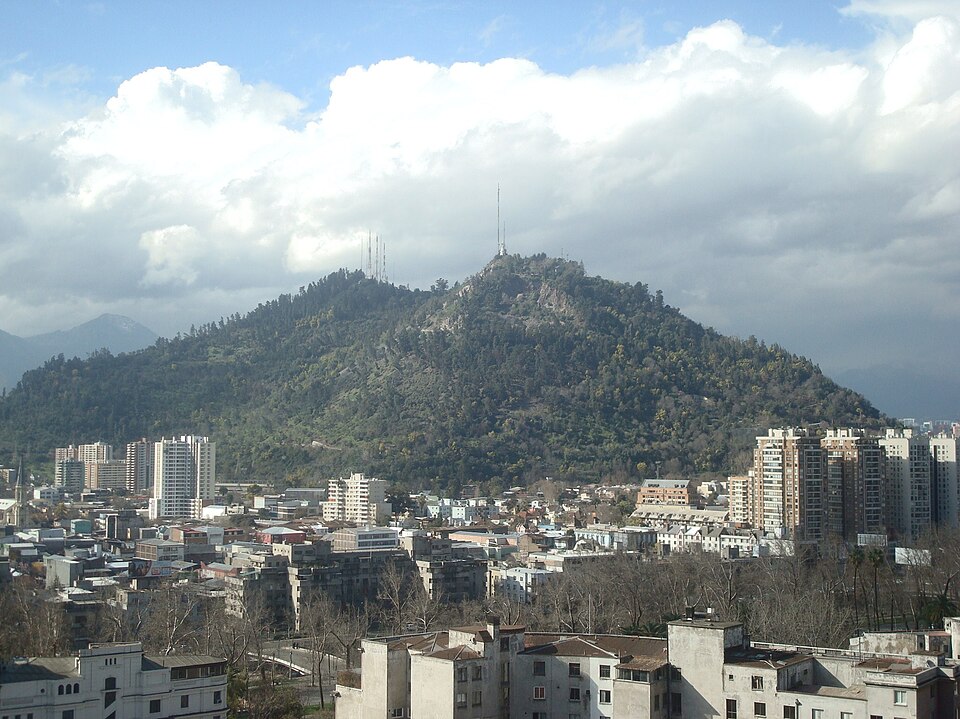
Cerro San Cristóbal

Cerro San Cristóbal

Bellavista

A hill above the Bellavista district, 880 metres high, topped with a fourteen-metre statue of the Virgin Mary and a view over the whole city and the Andes. Reached by a funicular from 1925 and a cable car.

Tip: Go up in the morning after rain, or in winter, when the air is clear and the Andes are visible — in summer, smog often blankets the city. At the top, try mote con huesillo from a stall. You can walk back down the road in an hour, or cycle down.

Admission:
cable car admission
Time needed:
2–3 h
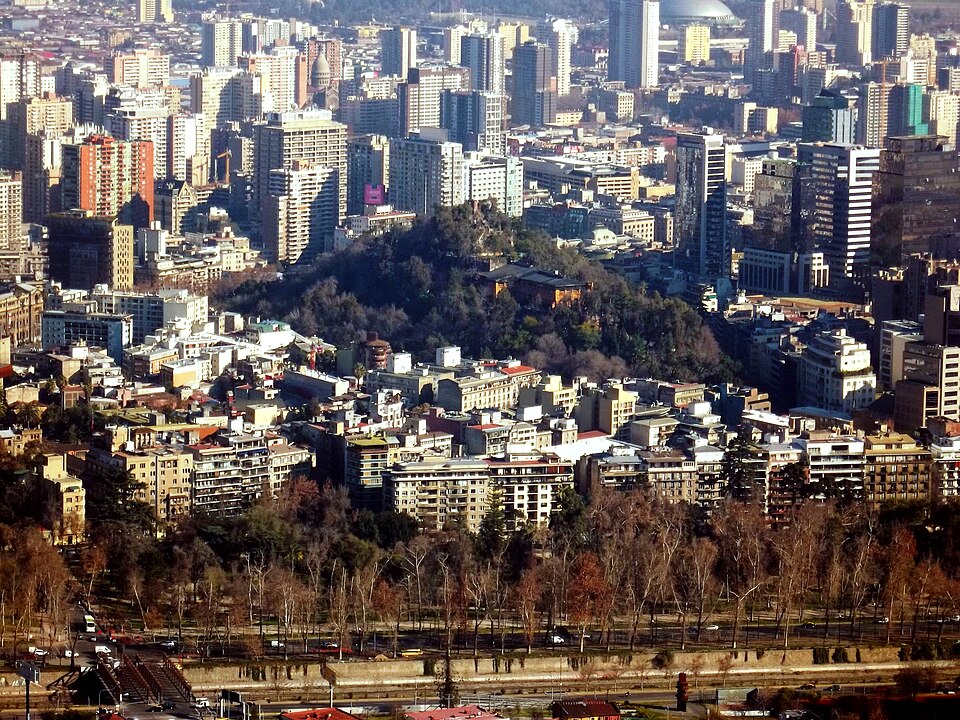
Cerro Santa Lucía

Cerro Santa Lucía

Centro

A small hill downtown, the remnant of an extinct volcano, where Pedro de Valdivia founded the city in 1541. Today it's a garden with terraces, fountains, staircases and a small fortress with a view.

Tip: Entry is free; you sign your name at the gate. The climb up takes ten minutes of stairs. At noon, a cannon is fired from the fortress. Below the hill lies the Lastarria neighbourhood with its cafés.

Admission:
free
Time needed:
1 h
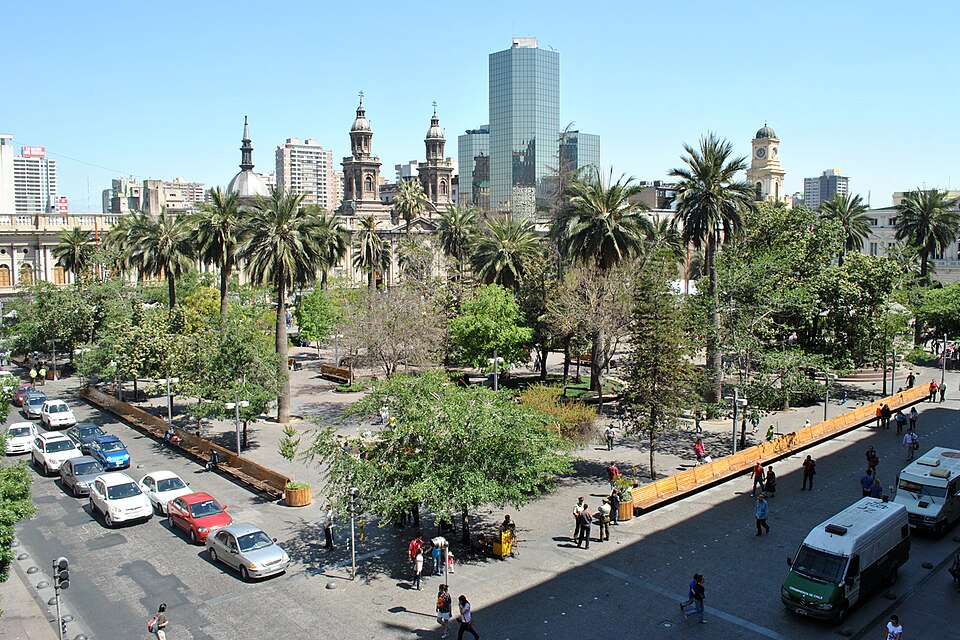
Plaza de Armas

Plaza de Armas

Centro

The main square where the city was founded, with the Metropolitan Cathedral, the National History Museum, the post office and palm trees. Chess players sit under the trees, alongside street performers.

Tip: The National History Museum on the square is free and has a tower with a view. The surrounding area is busy, so watch for pickpockets. The pedestrian avenue Paseo Ahumada runs from the square to La Moneda.

Admission:
free
Time needed:
1 h
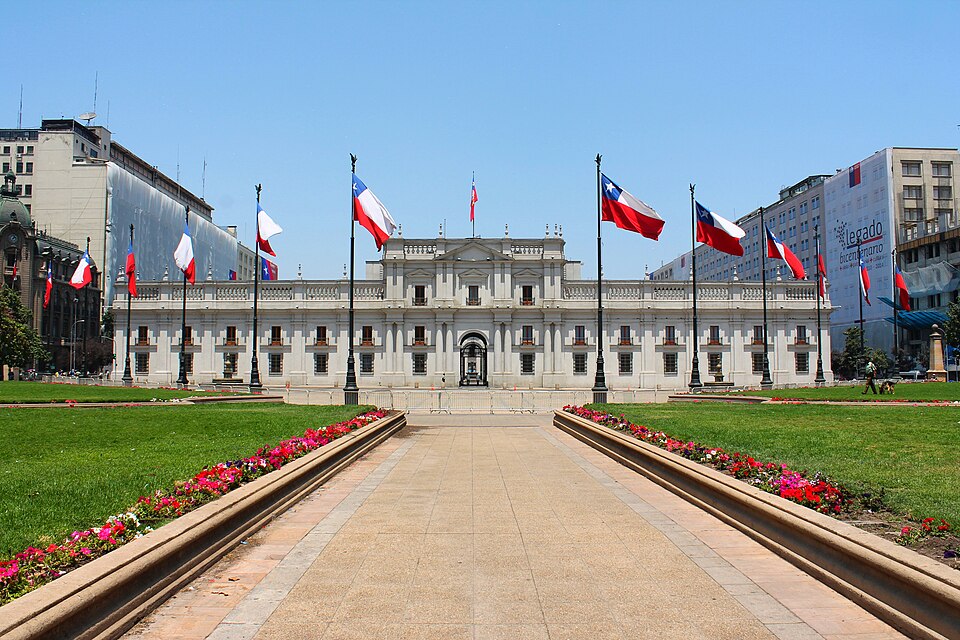
La Moneda Palace

La Moneda Palace

Centro

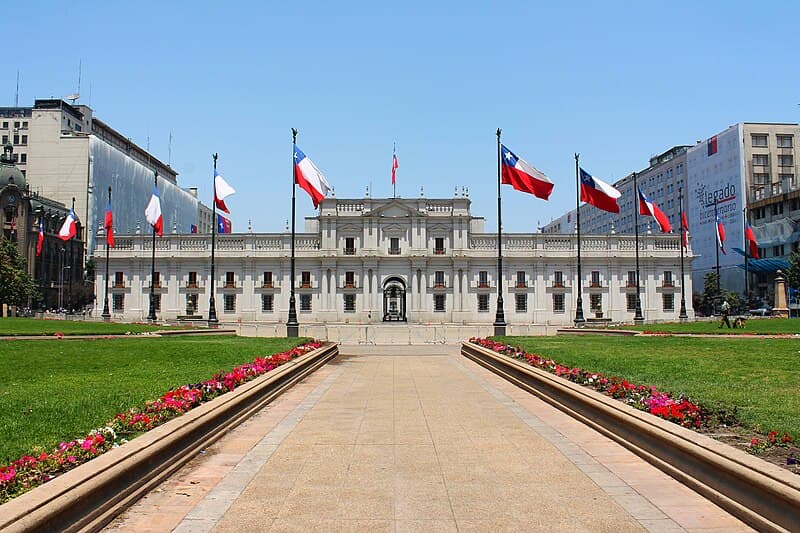
A former colonial mint, now the presidential palace. The air force bombed it during the 1973 coup, and President Salvador Allende died inside. Beneath the square is a cultural centre with exhibitions.

Tip: The changing of the guard happens every other day at 10am — the schedule shifts, so check ahead. Interior tours are free but need booking weeks in advance. The Centro Cultural La Moneda beneath the square is open without a reservation.

Admission:
free
Time needed:
1 h
Museo Chileno de Arte Precolombino

Museo Chileno de Arte Precolombino

Centro

A museum of pre-Columbian art from across Latin America, from Mexico to Chile: textiles, ceramics, gold and moai statues from Easter Island. One of the finest museums of its kind on the continent.

Tip: The museum is small and well laid out; two hours is enough. Admission is free on the first Sunday of the month. The basement gallery on Chile's own cultures is the most interesting section.

Admission:
admission fee
Time needed:
1.5–2 h
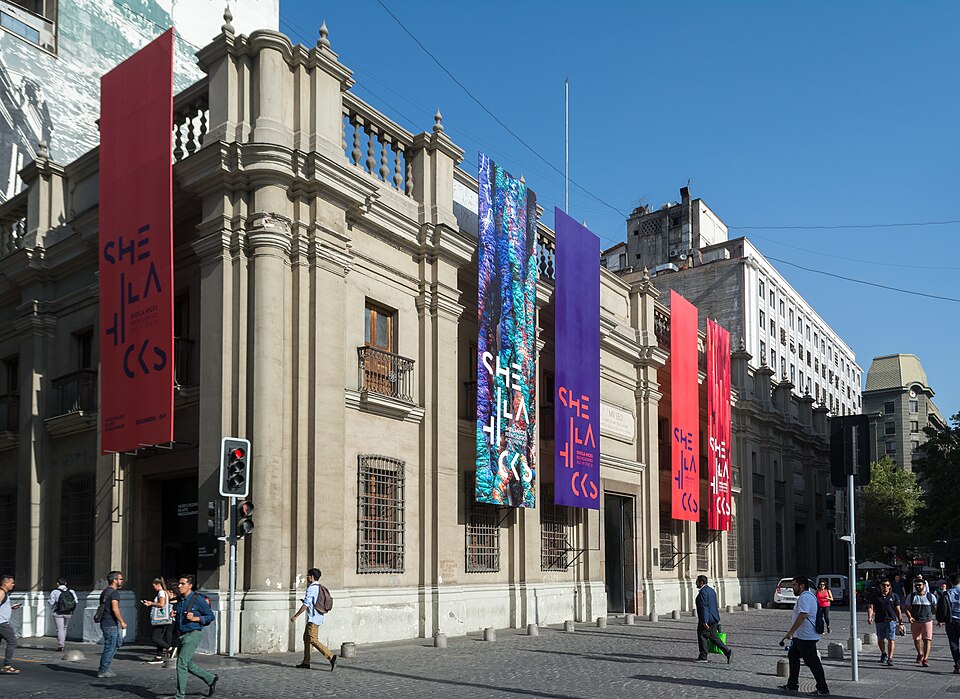
Museum of Memory and Human Rights

Museum of Memory and Human Rights

Quinta Normal

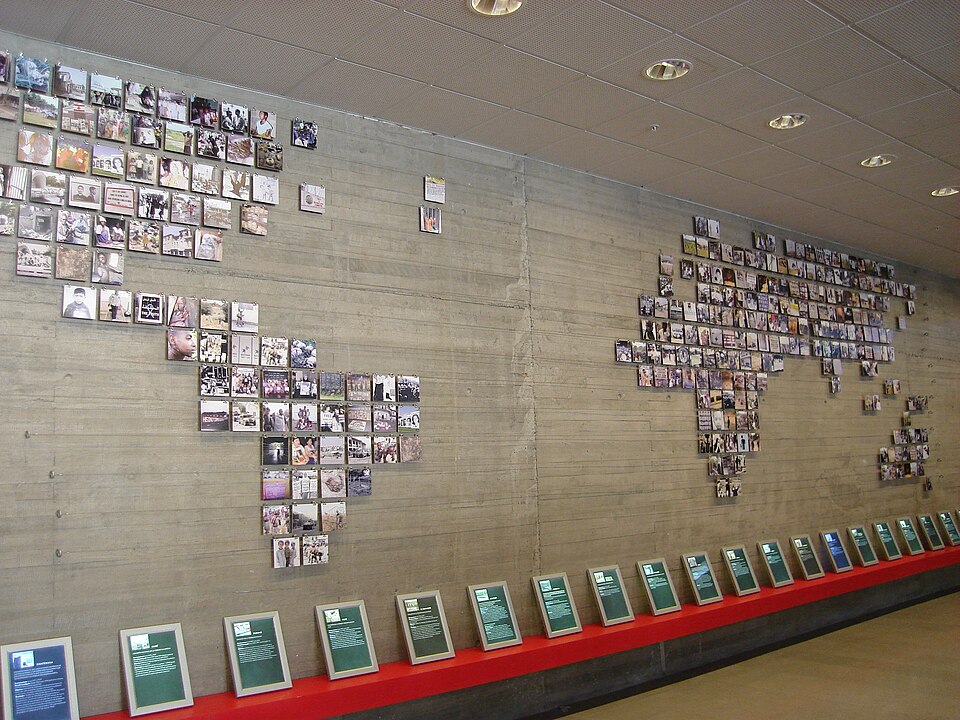
A museum on the victims of the Pinochet dictatorship of 1973–1990: imprisonment, torture and the disappeared. A wall bearing thousands of photographs of the disappeared is one of the most powerful sites in Latin America.

Tip: Admission is free, and the English audio guide is worth it. The museum sits by the Quinta Normal metro station. Be prepared for an emotionally heavy visit.

Admission:
free
Time needed:
2 h
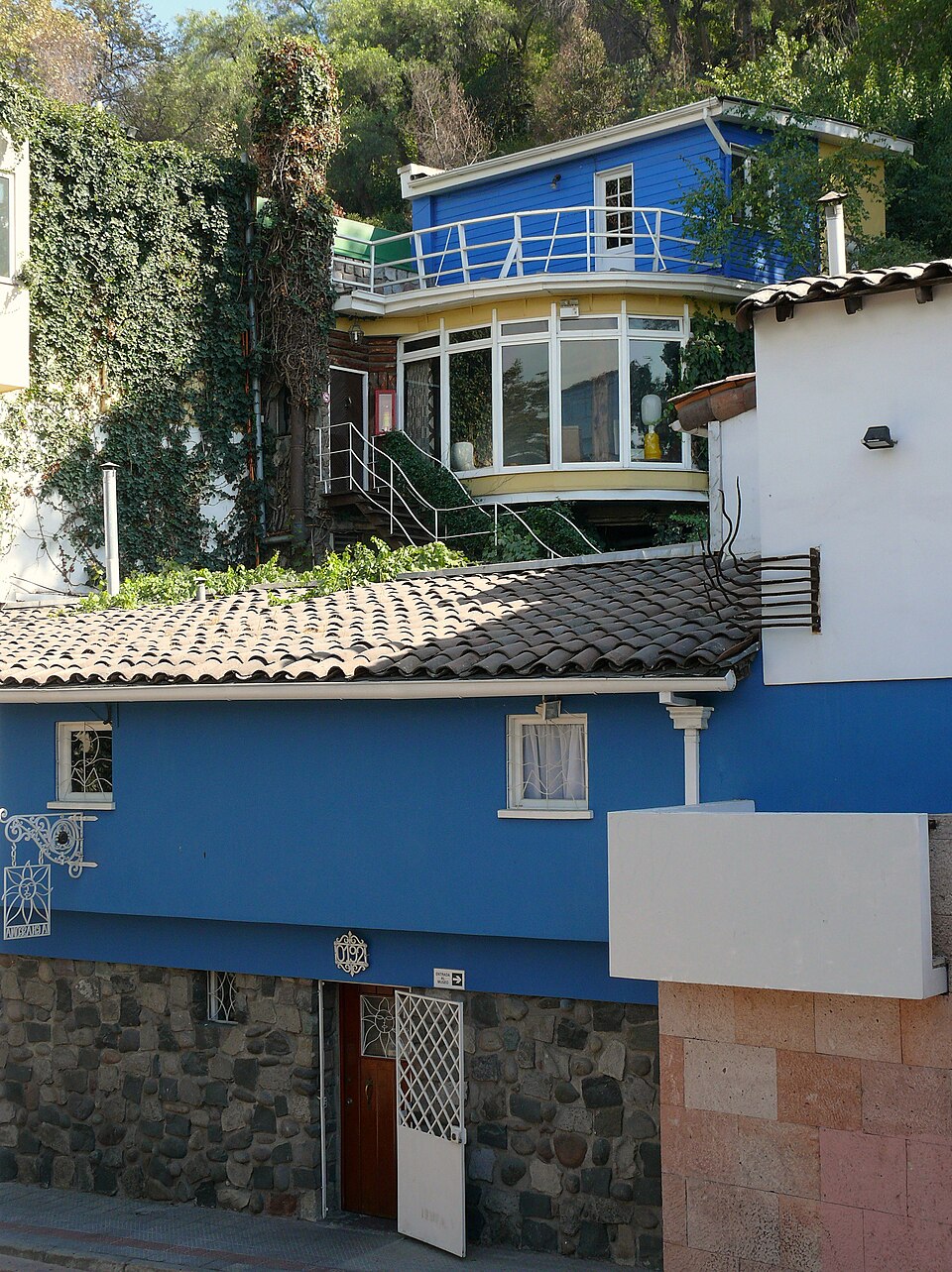
La Chascona

La Chascona

Bellavista

Pablo Neruda's house in the Bellavista district, built for his lover Matilde Urrutia. Rooms styled like ship cabins, a bar, his collections, and stairs climbing the hillside. Soldiers ransacked it after the coup.

Tip: Visits are with an audio guide, Tuesday to Sunday. Tickets sell out on weekends. Neruda had two more houses, in Valparaíso and Isla Negra — fans combine all three.

Admission:
admission fee
Time needed:
1 h
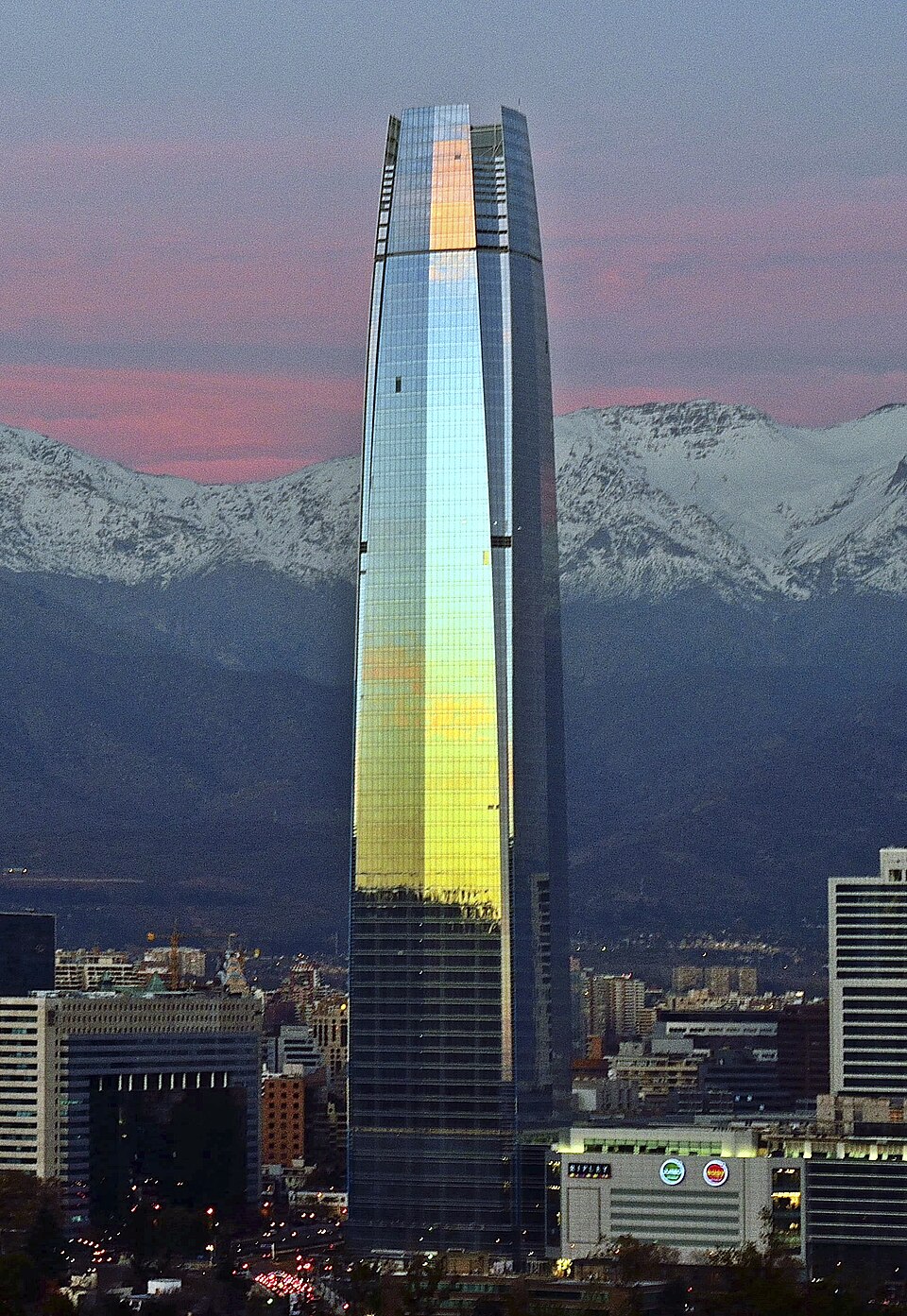
Sky Costanera

Sky Costanera

Providencia

An observation deck on the 61st and 62nd floors of the Gran Torre Costanera, the tallest building in Latin America, three hundred metres above the city. Views in every direction over the Andes and the whole basin.

Tip: Best an hour before sunset, when the Andes turn pink — a phenomenon called 'arrebol' here. On smoggy days the view suffers, so pick a day after rain. Below the tower is the largest shopping mall in South America.

Admission:
admission fee
Time needed:
1 h
Mercado Central and La Vega

Mercado Central and La Vega

Centro

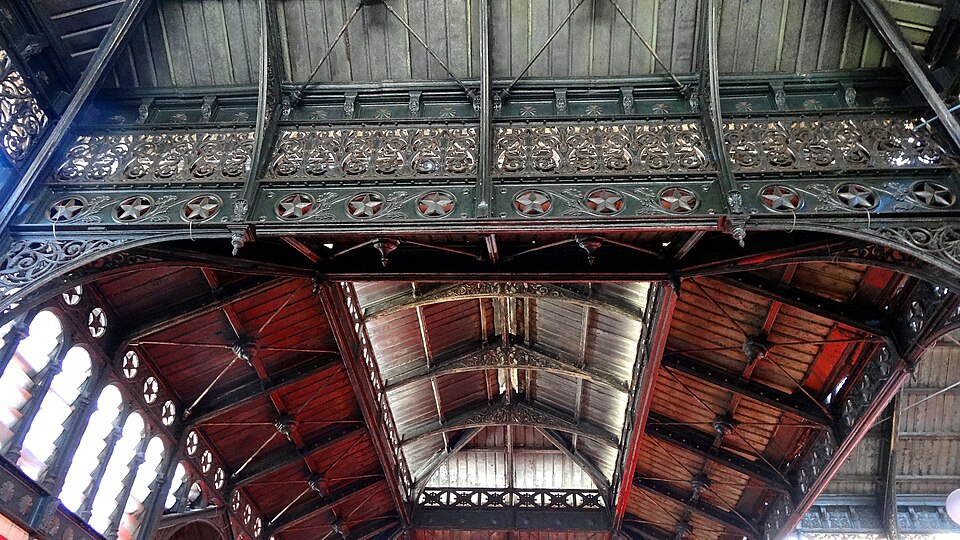
Mercado Central is a cast-iron market hall from 1872 with fishmongers and seafood restaurants. Across the river lies La Vega Central, a huge market of fruit, vegetables and cheap eateries where the whole city shops.

Tip: Restaurants inside Mercado Central catering to tourists are pricier — smaller eateries at the edge of the hall serve cheaper seafood. At La Vega, try the fruit and eat at the eateries in the back. Watch your belongings.

Admission:
free
Time needed:
1.5 h

Photos: Cerro San Cristóbal — Carlos yo (CC BY-SA 4.0) · Cerro Santa Lucía — Dario Alpern (CC BY-SA 3.0) · Plaza de Armas — Apincheira (CC BY-SA 3.0) · La Moneda Palace — Miguel hernandez (CC BY-SA 2.0) · Museo Chileno de Arte Precolombino — Carlos Figueroa (CC BY-SA 4.0) · Museum of Memory and Human Rights — Warko (CC BY-SA 3.0) · La Chascona — Marcelo Ois Lagarde (CC BY-SA 3.0) · Sky Costanera — javier (CC BY 2.0) · Mercado Central and La Vega — User:W.Pfahler (CC BY 3.0)

Where to stay

Areas and districts, matched to the kind of trip you are taking

Lastarria

Best for: a first visit and culture

A small district below Cerro Santa Lucía with cafés, galleries, boutique hotels and restaurants. Walking distance to downtown.

Bellavista

Best for: nightlife

A colourful district below San Cristóbal with bars, clubs, Neruda's house and street art. Noisy in the evening. San Cristóbal is walkable from here.

Providencia

Best for: accommodation and restaurants

A modern, safe district with hotels, restaurants and metro access. A good balance of calm and convenience. Metro Line 1 runs straight downtown.

Las Condes and Vitacura

Best for: business and luxury

The financial district, nicknamed Sanhattan, with skyscrapers, luxury hotels and restaurants. The safest area, but far from the sights.

Getting around

From the airport

Arturo Merino Benítez International Airport lies fifteen kilometres northwest of the centre. From Prague, flights connect via Madrid, Paris, Amsterdam, Frankfurt or São Paulo, with total travel time of seventeen to twenty-two hours. Czech citizens don't need a visa for stays up to ninety days. Buenos Aires is a two-hour flight away, and the crossing over the Andes is one of the most beautiful routes in the world.

Arturo Merino Benítez International (SCL) · 17 km

  • Centropuerto bus to Los Héroes metro station· 30 min· 2,500 CLP
  • Shared shuttle to your hotel· 40 min· 12,000 CLP
  • Official taxi· 30–45 min· 25,000 CLP
  • Uber· 30–45 min· 18,000 CLP

Around town

Santiago has a modern, clean and fast metro with seven lines covering most places visitors go. Pay with a bip! card or contactless. It gets crowded at rush hour. Red buses run everywhere. Uber, Cabify and DiDi are cheap. Day trips are done by bus or organised tour.

MetroSeven lines; fares vary by time of day, pricier at rush hour. · from 800 CLP
Red busesSame card, dense network. · 800 CLP
Uber / Cabify / DiDiCheap and safe. · 5,000 CLP around downtown
BicyclesBike-share and cycle paths along the Mapocho river. · from 1,000 CLP
Buses to ValparaísoFrom the Pajaritos terminal every fifteen minutes. · 5,000 CLP

Useful apps: Uber, Cabify, DiDi, Red Movilidad, Google Maps

When to go

Santiago has a Mediterranean climate with reversed seasons. The best times are spring, September to November, and autumn, March to May, when it's warm around 25°C and the wine harvest is underway. Summer, December to February, is hot and dry, over 30°C, and the city empties out in January and February as Chileans head off on their own holidays. Winter, June to August, is cold and smoggy, but this is when you can ski in the Andes.

Best time

September to November and March to May

What to avoid

June and July, for smog and cold

MonthJanFebMarAprMayJunJulAugSepOctNovDec
Day30°30°28°23°19°15°15°17°19°23°26°29°
Night13°12°10°7°5°3°3°4°6°8°10°12°
Rainy days001256653310

Food & drink

Santiago has excellent seafood from its long coastline, wine from the neighbouring valleys, and a modern restaurant scene in Lastarria, Bellavista and Vitacura. Chileans eat late, and lunch is the main meal. Cheap food is found at markets and at eateries with a set lunch menu (menú). Wine is cheap and good.

What to try

Empanada de pino

A baked pastry filled with minced beef, onion, an olive and a piece of egg. Bought at bakeries for lunch, eaten most on national holidays, and one large one makes a light meal.

Pastel de choclo

A baked dish of minced meat and chicken under a thick layer of slightly sweet corn purée, sprinkled with sugar and baked in a clay bowl. A summer dish, when fresh corn is in season.

Completo

A Chilean hot dog piled with tomato, avocado and a huge dollop of mayonnaise. The 'italiano' version has the colours of the Italian flag. Cheap fast food, eaten with a fork or at your own risk.

Seafood

Chile's coastline runs over four thousand kilometres, and its seafood is exceptional: machas clams, centolla crab, congrio fish. Caldillo de congrio is a soup that Pablo Neruda wrote an ode to.

Cazuela

A broth with a large piece of beef or chicken, potato, pumpkin and a corn cob, all in one bowl. A simple homestyle dish, cooked in winter at every neighbourhood eatery as the daily set lunch.

Chilean wine and Carménère

Chile is one of the world's largest wine exporters, and it's here that the Carménère grape, wiped out by phylloxera in Europe, was rediscovered and saved. A decent bottle costs five to eight thousand pesos at a supermarket.

Pisco sour and piscola

Chilean pisco sour is made without egg white and is sweeter than the Peruvian version; piscola, pisco with cola, is the most-drunk party mixer. Chile and Peru still argue over who invented pisco.

Mote con huesillo

A cold, sweet drink with dried peaches and cooked wheat, sold in cups from stalls in parks. It's drunk and eaten with a spoon at the same time, and in summer heat it's the best refreshment around.

What it costs

Empanada

2,500–4,000 CLP

Set lunch menu

7,000–12,000 CLP

Dinner at a restaurant

25,000–45,000 CLP per person

Pisco sour

5,000–8,000 CLP

Cable car up San Cristóbal

from 3,000 CLP

Sky Costanera

from 18,000 CLP

Metro ride

from 800 CLP

Night in a 3-star hotel in Providencia

60,000–110,000 CLP

Indicative prices that change over time — treat them as a guide, not a price list.

Practical information

SocketsCEuroplug, two round pinsLItalian
Voltage220V / 50Hz
Tap waterTap water is drinkable — Tap water in Chile's major cities is treated and safe, and locals drink it routinely. It carries high mineral content from the Andes, though, and more sensitive stomachs can react to it in the first few days, so most visitors drink bottled. A 1.5-litre bottle costs around eight hundred pesos at a Lider or Jumbo supermarket. In restaurants, tap water is called 'agua de la llave' and is served without any fuss.
TippingThe waiter will ask at the end, '¿Le incluyo la propina?' — whether to add ten percent to the bill. It's customary, and only declined for genuinely bad service. Taxi drivers get nothing, but attendants at full-service petrol stations and the baggers who pack your groceries at the supermarket get a few hundred pesos — they often have no other income. Cards are accepted almost everywhere; peso prices use a period as the thousands separator and a $ sign that's easily mistaken for dollars.
Driving on theright
SafetyChile is among the safest countries in Latin America, though petty crime has risen in the big cities. Don't carry your phone in a back pocket, and keep it out of sight on the metro and at markets; wear your backpack in front. A particular scam is the 'lanzas' trick — someone spills ketchup or mustard on you, and a helpful stranger offers to clean it up while picking your pockets. Protests happen often here — keep your distance from them. Chile is one of the most seismically active countries in the world: buildings are built to withstand earthquakes, and during a tremor you stay inside near a load-bearing wall. The Carabineros police emergency line is 133, ambulance 131.
Opening hoursShops are open from ten to eight, malls until ten including Sundays. Chileans eat late: lunch between one and three, dinner after nine. In between comes 'once', an afternoon snack of bread, avocado and tea that often replaces dinner. Museums are usually closed on Mondays, and many are free. On the national holiday of September 18th, almost everything closes for several days and the whole country celebrates at barbecues and fondas stalls.
Customs & etiquetteChileans are polite, more reserved than other Latin Americans, and speak very fast Spanish full of local slang — 'cachai' means 'you know', and 'po' tacked onto the end of a sentence is just for emphasis. Women greet with a single kiss on the cheek. Being a little late is normal; for dinner at someone's home, about half an hour late is expected. Politics and the 1973–1990 military dictatorship are sensitive topics. Comparing Chile to Argentina or Peru, especially over pisco or wine, is a guaranteed way to start an argument.
A few local wordsGood day — Buenos días / Buenas tardesThank you — GraciasHow much does it cost? — ¿Cuánto vale?The bill, please — La cuenta, por favorYou know? (local slang) — ¿Cachai?Do you speak English? — ¿Habla inglés?

How to plan your days

1 day

One day in Santiago

  1. 1Morning at Cerro Santa Lucía.
  2. 2Plaza de Armas and the Museo Precolombino.
  3. 3Lunch at Mercado Central.
  4. 4Afternoon at La Moneda.
  5. 5Sunset from Cerro San Cristóbal and an evening in Bellavista.

2 days

Two days in Santiago

  1. 1Day one as above.
  2. 2Day two, the Museum of Memory.
  3. 3Lunch at La Vega.
  4. 4Afternoon at La Chascona.
  5. 5Arrebol sunset from Sky Costanera and dinner in Lastarria.

3 days

Three days in Santiago

  1. 1Two days as above.
  2. 2Day three, bus to Valparaíso.
  3. 3The funicular ascensores and the colourful hills.
  4. 4Lunch in Viña del Mar.
  5. 5Return in the evening.

Day trips

Valparaíso and Viña del Mar

120 km · 1.5 h by bus

A UNESCO-listed port city spread across forty-two hills, with colourful houses, old funiculars (ascensores), street art and Neruda's house La Sebastiana. Neighbouring Viña del Mar is a modern beach resort.

Wineries of the Maipo and Casablanca valleys

50 km · 1 h by car

Wineries around Santiago, from the large Concha y Toro estate with its legend of the devil's cellar to small family vineyards. The Casablanca valley on the way to Valparaíso is known for its white wines. Concha y Toro can be reached by metro plus taxi.

Cajón del Maipo

70 km · 1.5–2 h by car

A mountain valley of the Maipo river in the Andes, with hot springs, rafting, and the turquoise El Yeso reservoir at 2,500 metres, surrounded by glaciers. The road to the reservoir closes in winter, and it's best visited with a guide.

Frequently asked questions

How many days are enough for Santiago?+

Two days for the city and one for Valparaíso. Wine lovers should add a day at a vineyard.

Is Santiago safe?+

Relatively, yes, with ordinary city caution. Watch for pickpockets downtown, at markets and on the metro, and for phone theft.

Do I need a visa for Chile?+

No, a passport is enough for tourist stays up to ninety days. Only an electronic form needs filling in at the border.

How do I get from the airport?+

By Centropuerto bus to the metro, a shared shuttle, or Uber. The trip takes thirty to forty minutes.

Where should I stay in Santiago?+

In Lastarria, Providencia or Bellavista — all have metro access. Lastarria is closest to the downtown sights.

Can you ski from Santiago?+

Yes, from June to September the resorts of Valle Nevado and La Parva are an hour and a half from the city.

Why is there smog in Santiago?+

The city sits in a basin between mountain ranges, where a winter temperature inversion traps the air. The cleanest air comes after rain and in spring.

Is Chile expensive?+

The most expensive country in South America, but still cheaper than Europe. Wine and markets are affordable; hotels and restaurants in Las Condes are the priciest.

Visa Requirements

Check the latest visa requirements for entering this country. Some nationalities may need to apply for a visa or e-visa before travel.

Check visa requirements

Language

Spanish

Currency

CLP

Timezone

GMT-4

Dial Code

+56

Population

19.5M

Area

756,102 km²

Voltage

220V / 50Hz

Driving Side

Right

Top Hotels in Santiago

Live prices from 500+ properties

Loading hotels...

Planning a trip to Santiago?

Compare hundreds of hotels, find the best price, and book with free cancellation on TravelManiac.