Hotels in Taipei

Night markets, incense-scented temples, and a skyscraper among green hills

Taipei

LanguageEnglish
CurrencyTWD
TimezoneGMT+8
Temperature18-30 °C
Dial Code+886
Population23.6M
Area36,193 km²
SocketsType A / Type B
Tap waterBottled advised

Discover Taipei

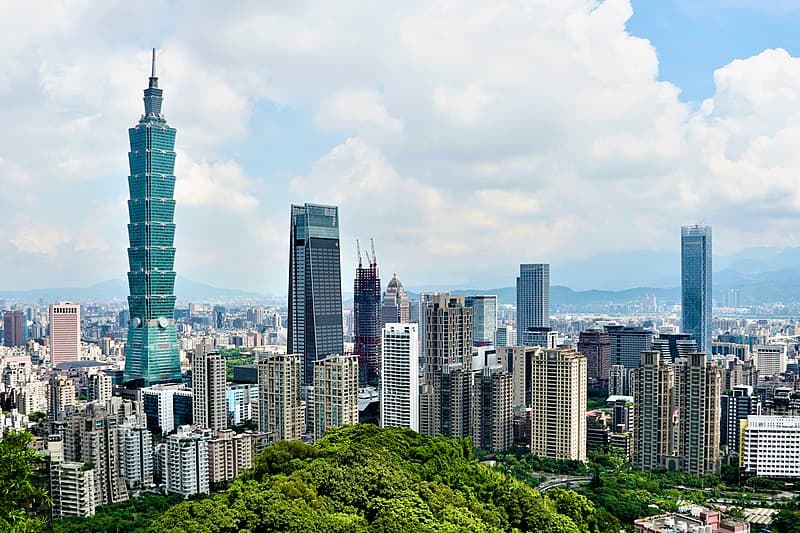
Taipei is Taiwan's capital and one of Asia's most pleasant big cities — safe, clean, courteous, and equipped with an excellent metro, yet far less crowded with tourists than Tokyo or Seoul. It sits in a basin ringed by green hills and volcanoes, so from downtown the metro gets you to the hot springs of Beitou or the tea plantations of Maokong in half an hour. Its symbol is Taipei 101, a 508-meter skyscraper shaped like a stalk of bamboo, but the city's soul lies in its old temples, where incense burns from early morning, and its night markets, where hundreds of dishes are sold after dark for just a dollar or two. The National Palace Museum holds the world's largest collection of Chinese imperial art, brought here by Chiang Kai-shek in 1949. For Westerners, Taipei is the easiest introduction to Chinese culture: signage uses traditional characters and is often in English too, people are welcoming, and the food alone is worth the trip. Travelers who've already seen the rest of Asia keep coming back for the food.

What to see

The places worth your time in Taipei, and what to expect at each

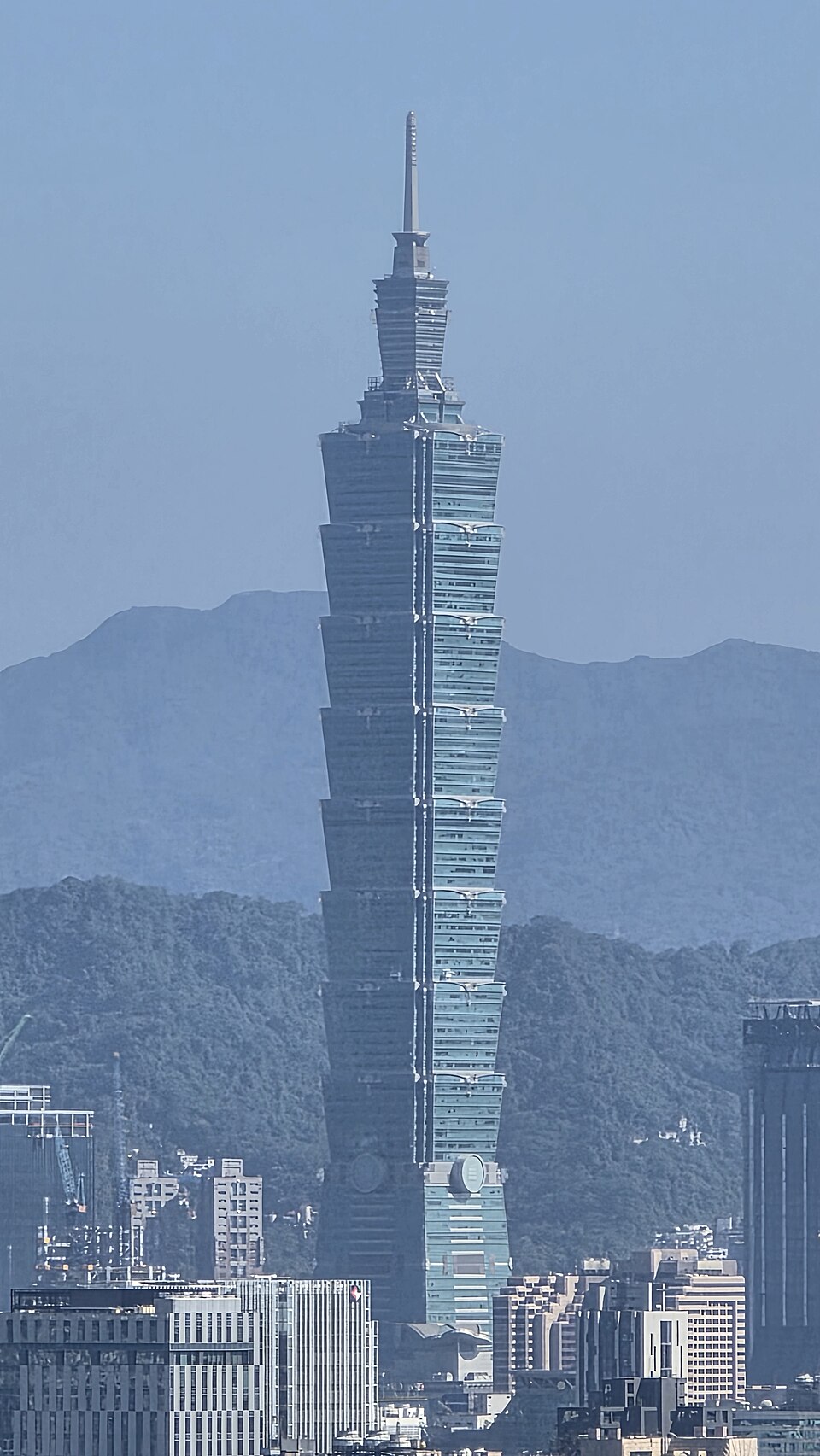
Taipei 101

Taipei 101

Xinyi

At 508 meters, this skyscraper was the world's tallest building from 2004 to 2010. Its shape echoes a stalk of bamboo made of eight segments, and inside hangs a giant 660-tonne steel ball that dampens sway during typhoons and earthquakes. The observation deck is on the 89th floor, with an outdoor terrace on the 91st.

Tip: Book a timed ticket online — sunset slots sell out. A cheaper view many consider even better — since it includes Taipei 101 itself — is from Elephant Mountain, reached by a steep twenty-minute trail from Xiangshan metro station. On New Year's Eve fireworks launch from the tower and draw hundreds of thousands of spectators. In the basement is a Din Tai Fung outlet serving xiaolongbao, with an hour-long wait; take a number as soon as you arrive.

Admission:
around NT$600
Time needed:
1–1.5 h
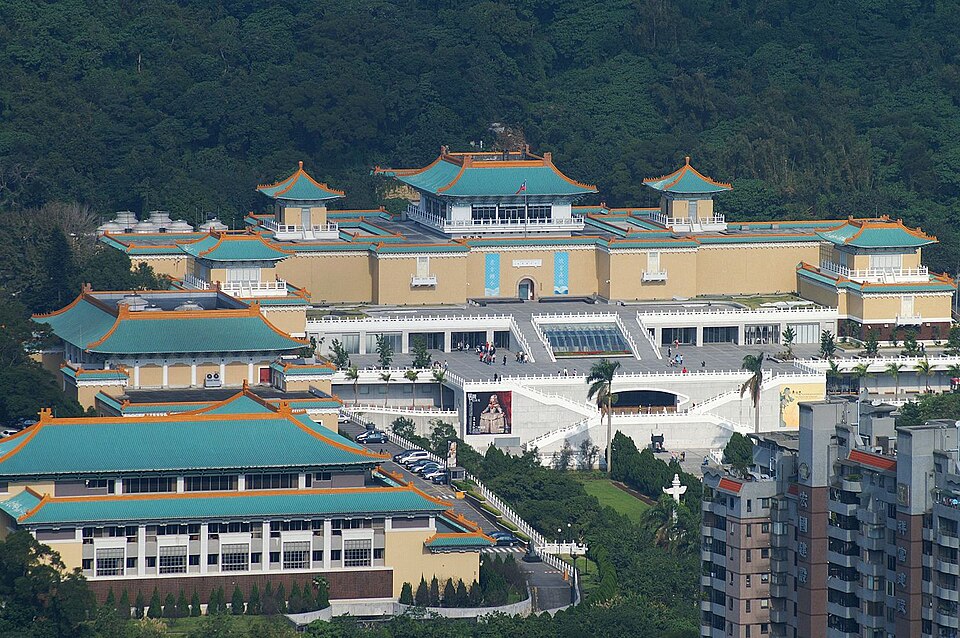
National Palace Museum

National Palace Museum

Shilin

The world's largest collection of Chinese art, with over 700,000 pieces from the imperial collections of Beijing's Forbidden City, brought to Taiwan by the Nationalists during the civil war. Only a fraction is on display at a time: bronzes, porcelain, jade, calligraphy, and paintings spanning eight millennia.

Tip: The most famous pieces are the Jadeite Cabbage with insects and the Meat-shaped Stone — expect queues at both, so head there right at opening or after four p.m., when tour groups have left. The museum is vast; budget three hours with an audio guide. It stays open until nine on Fridays and Saturdays. From Shilin metro station take bus R30 or a ten-minute taxi ride.

Admission:
around NT$350
Time needed:
2.5–3 h
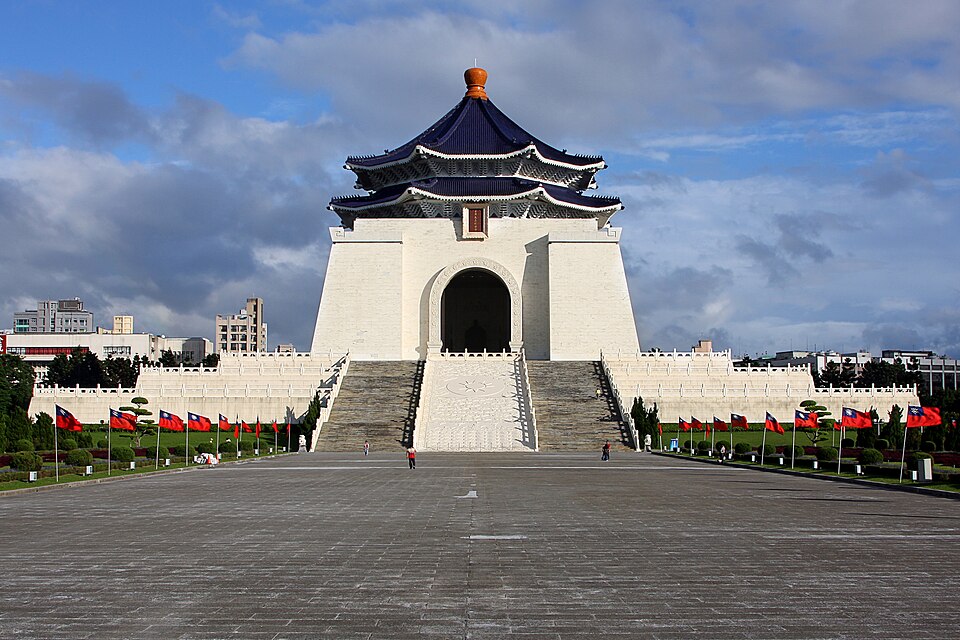
Chiang Kai-shek Memorial Hall

Chiang Kai-shek Memorial Hall

Zhongzheng

A monumental memorial to the Republic of China's first president, a white structure topped with a blue octagonal roof at the end of a vast plaza called Liberty Square. Flanking the square are the National Theater and Concert Hall, built in traditional palace style. Inside sits a huge bronze statue of the seated Chiang Kai-shek and a museum on his life.

Tip: Every hour from nine to five a changing-of-the-guard ceremony takes place at the statue with perfectly synchronized movements — the best viewing spot is at the front railing, so arrive ten minutes early. The memorial is politically contentious today, and debate continues over its future. In the evening the plaza is lit up and fills with dancers and skateboarders.

Admission:
free
Time needed:
1 h
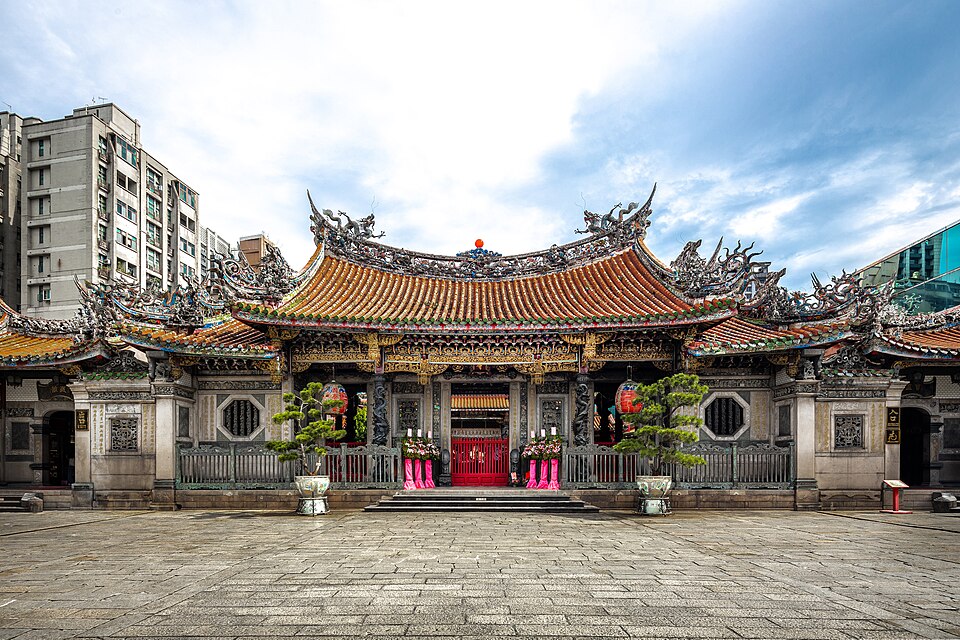
Longshan Temple

Longshan Temple

Wanhua

Taipei's most famous temple, built in 1738 and dedicated to Guanyin, the goddess of mercy, alongside other Buddhist, Taoist, and folk deities. The roofs are adorned with colorful ceramic dragons, and inside hundreds of people pray, burn incense, and toss wooden divination blocks to ask the gods for guidance throughout the day.

Tip: Visit around six in the morning or half past five in the evening, when chanted prayers fill the temple. Try the fortune-telling ritual yourself: pose a question, then toss two red crescent-shaped blocks — if one lands flat and the other curved-side up, the gods have said yes. The temple stands in the old Wanhua district, home to the bustling Huaxi night market.

Admission:
free
Time needed:
45 min
Shilin Night Market

Shilin Night Market

Shilin

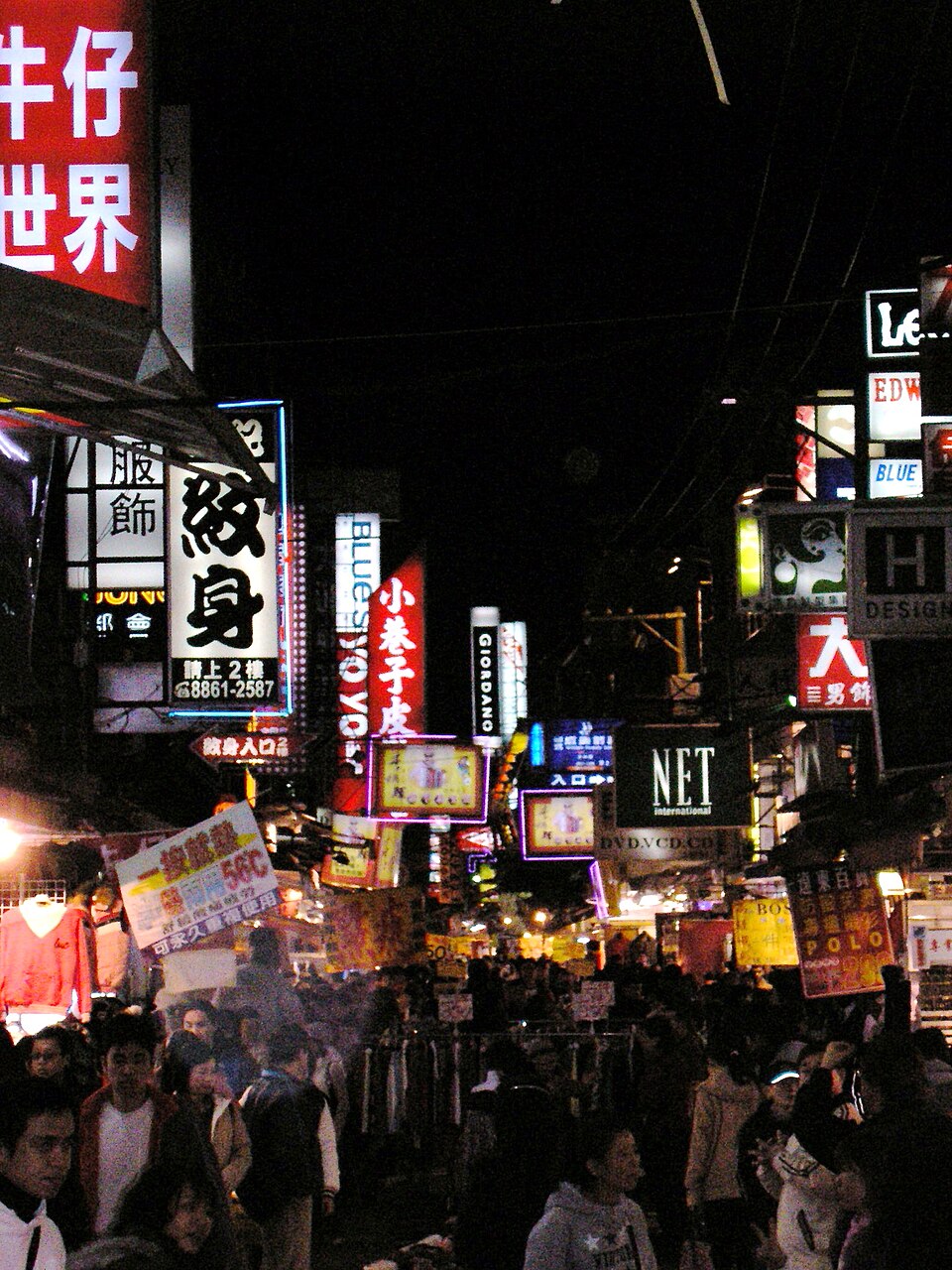
Taipei's largest and most famous night market, with over five hundred stalls selling food, clothing, and games. At its center is an underground food court in a former market hall, ringed by a dozen alleys. It's the best single place to sample the classics of Taiwanese street food.

Tip: The market starts around five p.m. but is liveliest from seven to eleven. Get off at Jiantan station, not Shilin — it's closer. Try the giant Hot-Star fried chicken cutlet, the oyster omelette, stinky tofu, and oven-baked pepper buns. Locals, however, consider Shilin touristy and prefer smaller markets like Raohe or Ningxia, where the food is better and cheaper.

Admission:
free, food NT$50–150 per item
Time needed:
2 h
Beitou Hot Springs

Beitou Hot Springs

Beitou

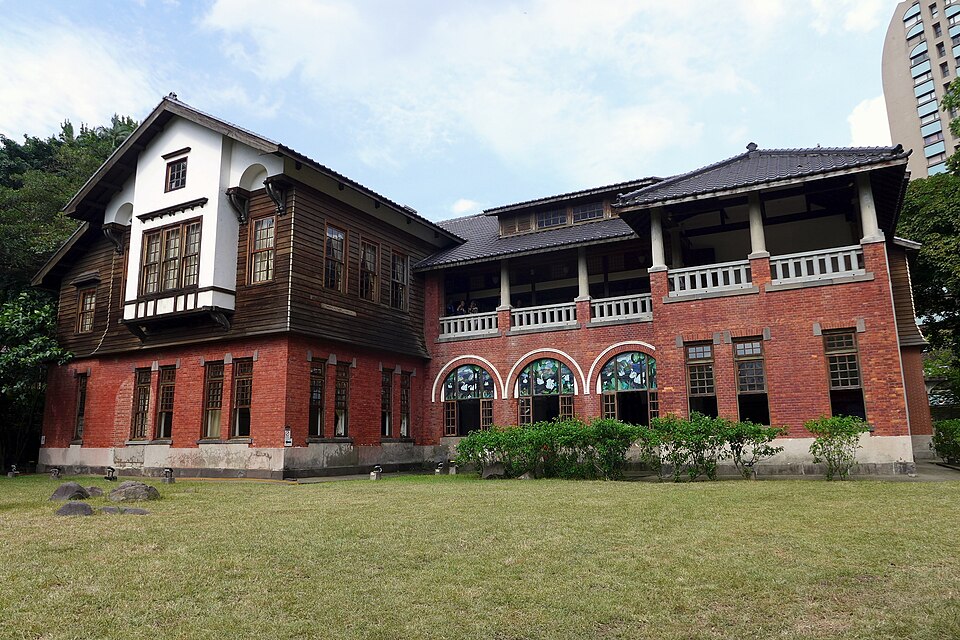
A district at the foot of a volcanic range with hot sulfur springs, turned into a spa town by the Japanese at the turn of the twentieth century. The Hot Spring Museum occupies a 1913 bathhouse building, and just uphill lies Thermal Valley, where steam at ninety degrees rises off a green pool.

Tip: There are three ways to bathe: the public outdoor Millennium hot spring for about NT$40 (swimsuit required), private hotel rooms with tubs by the hour, or Japanese-style onsen, where bathing is nude and sex-segregated. The museum and public bath are closed on Mondays. Next to the museum stands a wooden public library, one of Taiwan's finest examples of eco-friendly architecture.

Admission:
museum free, springs from NT$40
Time needed:
2–3 h
Elephant Mountain

Elephant Mountain

Xinyi

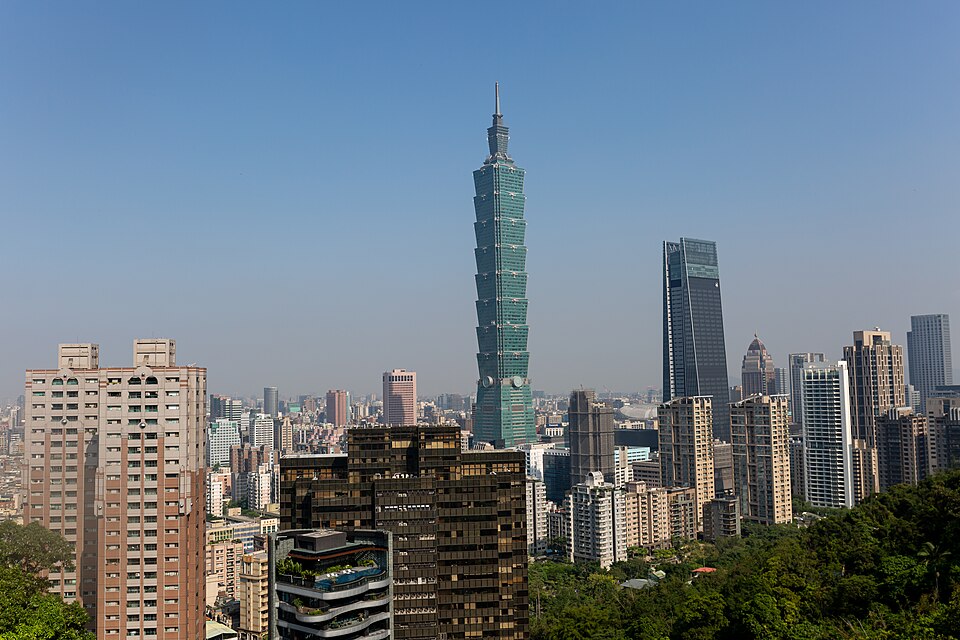
A 180-meter hill on the edge of the Xinyi district, reached by a steep staircase of natural stone and timber. From the viewing rocks you get the best angle on Taipei 101 and the skyline of the business district with mountains behind it. It's part of the Four Beasts trail network.

Tip: The climb takes twenty to thirty minutes up steps and will leave you drenched in summer — bring water. Best about an hour before sunset, when photographers stake out spots on the rocks, and worth staying until the city lights come on. The trail starts near Xiangshan metro station, at the end of the red line. It's lit and safe after dark.

Admission:
free
Time needed:
1–1.5 h
Maokong Gondola

Maokong Gondola

Wenshan

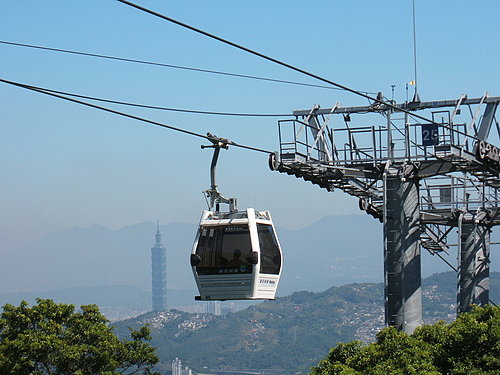
A four-kilometer cable car climbing from the valley near the zoo into the hills of Maokong, where tea is grown on the slopes. At the top are teahouses with terraces overlooking the whole city and trails winding through tea bushes. Maokong is famous for its tieguanyin tea.

Tip: Choose a glass-bottomed Eyes of Maokong cabin — it draws its own separate queue. The gondola is closed on Mondays and stops in high wind or thunderstorms. Once up top, sit down at a teahouse for a proper ceremonial tea service; you pay for the tea and hot water. It's loveliest at sunset, followed by the ride back down over the lit-up city.

Admission:
around NT$70–120 per ride
Time needed:
half a day
Dihua Street

Dihua Street

Dadaocheng

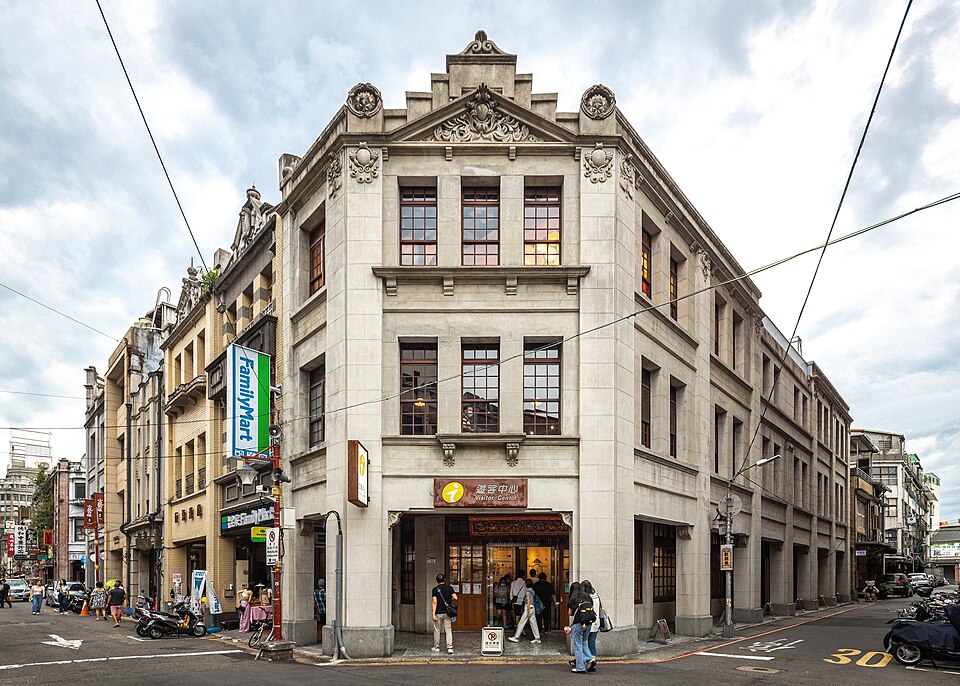
Taipei's oldest commercial street, dating to the mid-nineteenth century, lined with buildings in Baroque and Japanese colonial styles. Dried mushrooms, fish, traditional Chinese medicine herbs, tea, and fabric are sold here. Restored townhouses now house cafés, galleries, and design shops.

Tip: The street is liveliest just before Chinese New Year, when a big market sells sweets and dried goods. The nicest spot to take it in is a café on the upper floor of a restored townhouse overlooking the street. At the end of the street stands Xiahai City God Temple, where young Taiwanese pray to the matchmaker god for a partner. The Tamsui River and its bike path are nearby.

Admission:
free
Time needed:
1.5 h

Photos: Taipei 101 — Sinsyuan (CC BY-SA 4.0) · National Palace Museum — Peellden (CC BY 3.0) · Chiang Kai-shek Memorial Hall — AngMoKio (CC BY-SA 3.0) · Longshan Temple — This Photo was taken by Supanut Arunoprayote. Feel free to use any of my images, but please mention me as the author an (CC BY 4.0) · Shilin Night Market — Wikimedia Commons (Public domain) · Beitou Hot Springs — Wing1990hk (CC BY 3.0) · Elephant Mountain — Balon Greyjoy (CC0) · Maokong Gondola — User: (WT-shared) Trcheng at wts wikivoyage (CC BY-SA 1.0) · Dihua Street — This Photo was taken by Supanut Arunoprayote. Feel free to use any of my images, but please mention me as the author an (CC BY 4.0)

Where to stay

Areas and districts, matched to the kind of trip you are taking

Xinyi

Best for: modern Taipei, shopping, bars

The business district around Taipei 101, with department stores, luxury hotels, rooftop bars, and restaurants. It's clean, modern, and well connected by metro. The downside is that it's the most expensive area and a bit lacking in character; the old districts are twenty minutes away by metro.

Zhongshan and Main Station

Best for: first-time visitors, transport links

The area around Taipei Main Station, with the airport MRT, high-speed rail, and long-distance buses, plus hotels in every price range and shopping malls. Zhongshan itself has cafés and boutiques tucked into side streets. The most practical base for day trips and a first visit.

Ximending

Best for: younger crowds, budget hotels, nightlife

A pedestrian zone of fashion shops, cinemas, street performers, and restaurants — Taipei's answer to Tokyo's Shibuya. Hotels and hostels here are cheaper, and the area stays lively late into the night. Longshan Temple and the old Wanhua district are within walking distance.

Da'an and Dongqu

Best for: cafés, food, a quieter stay

Residential districts around Da'an Park and the university, full of bookshops and cafés and restaurants tucked into side streets. Yongkang Street here is known for tea shops and famous eateries. Calm and pleasant for a longer stay.

Getting around

From the airport

From Europe, China Airlines and EVA Air fly direct to Taipei from cities including Vienna, Frankfurt, Amsterdam, Paris, and London; the flight takes around thirteen hours, and from Prague the most convenient connection is via Vienna. Connecting flights also run via Dubai, Istanbul, or Hong Kong. Most Western passport holders don't need a visa for stays up to 90 days. The main international airport, Taoyuan, lies forty kilometers west of the city, with an express airport MRT reaching Taipei Main Station in about thirty-five minutes. The smaller Songshan Airport, right in the city, serves flights to Tokyo, Seoul, and Shanghai.

Taipei Taoyuan (TPE) · 40 km

  • Airport MRT (express) to Main Station· 35–40 min· NT$160
  • Kuo-Kuang bus to downtown· 50–70 min· NT$140
  • Taxi to downtown· 45–60 min· NT$1,200

Taipei Songshan (TSA) · 5 km

  • Metro (brown line)· 15 min· NT$20

Around town

The Taipei MRT is one of the best metro systems in the world — clean, punctual, cheap, and signed in English. It covers all the key districts and runs from six a.m. to midnight. Pay with an EasyCard, bought at the airport or any station and topped up at convenience stores; it also works on buses and YouBike shared bikes. Buses fill in where the metro doesn't reach, and are essential for markets and the hills. Taxis are yellow, cheap, reliable, and metered. Remember that eating or drinking — even water — is banned on metro trains.

MRTSix lines, distance-based fares, pay with EasyCard. · NT$20
BusCheap city routes, pay with EasyCard. · NT$15
YouBikeShared bikes at hundreds of docking stations, pay with EasyCard. · NT$10 / 30 min
TaxiYellow metered cabs, book via the 55688 app or Uber. · NT$85

Useful apps: Google Maps, Uber, 55688 (Taiwan Taxi), Taipei Metro Go, LINE

When to go

The best months are October to December and March to May, with temperatures of 20–28°C and lower humidity. From June to September it's hot, over 30°C with high humidity, afternoon thunderstorms, and typhoons that can shut down shops and even the metro. Winter, January and February, is cooler at around 15°C, with drizzle and gray skies, and many apartments and even some hotels lack heating. Chinese New Year, at the turn of January and February, closes small businesses for a few days. The Lantern Festival at the end of the New Year period and the Pingxi Sky Lantern Festival are the year's most beautiful events.

Best time

October–December, March–May

What to avoid

July–September (typhoons and heat)

MonthJanFebMarAprMayJunJulAugSepOctNovDec
Day19°20°22°26°29°32°34°34°32°28°25°21°
Night13°14°15°19°22°24°26°26°25°21°18°15°
Rainy days131314131314111312111112

Food & drink

Food is the main reason people visit Taipei — and the reason they come back. Taiwanese cuisine blends recipes brought by mainland Chinese refugees in 1949, Japanese influences from the colonial era, and the island's own culinary traditions. The best food is found at night markets and small eateries, where a meal costs NT$100–200, and breakfast stalls serving warm soy milk open as early as six a.m. Taipei also has a clutch of Michelin-starred restaurants and world-famous chains like Din Tai Fung. Convenience stores sell decent food even late at night. Many dishes feature pork, but thanks to the island's Buddhist tradition vegetarians are well served — Buddhist restaurants can be found all over the city.

What to try

Beef noodle soup

Taiwan's national dish: a rich beef broth simmered with spices and sometimes chili bean paste, served with tender meat, tendon, and wide noodles. A bowl at a modest eatery costs NT$200–300, double that at well-known spots.

Xiaolongbao

Thin-skinned dumplings filled with pork and hot broth. Set them on a spoon, pierce the skin, and sip the broth first or you'll burn your mouth. Din Tai Fung made them famous, but small eateries make versions just as good for less.

Lu rou fan

A bowl of rice topped with diced pork belly braised in soy sauce and five-spice. The cheapest meal on the island, around NT$50, and still the dish expat Taiwanese miss most.

Bubble tea

Milk tea with chewy tapioca pearls was invented in Taiwan in the 1980s. At the counter you choose your sweetness level (0–100%) and amount of ice; locals usually go for half sweetness.

Stinky tofu

Fermented tofu deep-fried until golden and served with pickled cabbage and chili. You'll smell it from a hundred meters away at any night market, but the flavor is milder than the smell suggests. Start with the fried version — the version stewed in spicy broth is for the more adventurous.

Taiwanese breakfast

Warm soy milk, sweet or savory, sometimes with curdled soy, a fried dough stick (youtiao), and an egg-filled flatbread (danbing). Breakfast stalls open at six and close by noon; a full breakfast costs under NT$100.

Oyster omelette

An omelette with small oysters, cabbage, and starch that gives it a chewy texture, topped with a sweet red sauce. A night-market classic for NT$70–100.

Mango shaved ice

A mountain of finely shaved ice topped with fresh mango and condensed milk is the go-to summer dessert, best from May to September when mangoes peak. In winter, a warm sweet soup with beans and tapioca pearls takes its place.

What it costs

Taiwanese breakfast

NT$60–120

Bubble tea

NT$50–90

Beef noodle soup

NT$180–350

Night market snack (1 item)

NT$50–150

Restaurant dinner

NT$500–1,200

Metro ride

NT$20–65

Beer at a bar

NT$150–250

Night in a 3-star hotel, double

NT$3,000–5,500

Indicative prices that change over time — treat them as a guide, not a price list.

Practical information

SocketsAtwo flat pins (US/JP)Btwo flat pins plus ground (US)
Voltage110V / 60Hz
Tap waterTap water is treated, bottled is common — Tap water is treated to strict standards, but locals always boil it before drinking since older building plumbing can't be fully trusted. Instead use the free hot-and-cold water dispensers found in hotels, metro stations, museums, and the airport — it's worth carrying your own bottle. A bottle at 7-Eleven or FamilyMart costs NT$20–30.
TippingTipping isn't customary in Taiwan. Upscale restaurants and hotels add a 10% service charge automatically; at night markets and small eateries the listed price is final. Cards are accepted at hotels and department stores, but stalls, small restaurants, and night markets want cash. The most practical option is an EasyCard, which covers the metro, buses, YouBike shared bikes, and convenience stores; 7-Eleven ATMs accept foreign cards.
Driving on theright
SafetyTaiwan is one of the safest countries in Asia — walking at night is unremarkable and lost items are commonly returned. The real risks are natural: earthquakes are frequent and buildings are built for them, and typhoons arrive between July and September, during which the government declares days off and closes shops and attractions. Scooters are everywhere, so at crossings check both directions and watch for turning traffic. Landslides can occur in the mountains after heavy rain. Emergency numbers are 110 (police) and 119 (ambulance).
Opening hoursShops open late, around eleven, and close around ten p.m.; convenience stores are on nearly every corner. Night markets run from about five p.m. to midnight, while breakfast stalls open as early as six a.m. and usually close by noon. Museums are mostly closed on Mondays. During Chinese New Year, at the turn of January and February, most small businesses close for four to six days and trains sell out. The metro runs from six a.m. to midnight.
Customs & etiquetteEating or drinking on metro trains or platforms — even water or gum — is banned, with fines up to NT$7,500, and it's enforced. Stand on the right on escalators; the left is for people in a hurry. The dark blue priority seats are for elderly and pregnant passengers and are left empty even on a packed train. Trash is sorted and public bins are rare. In temples, don't touch statues or offerings, and avoid the central door of the entrance, which is reserved for the gods. Taiwanese people are very polite, and loud behavior stands out.
A few local wordsHello — Ni haoThank you — Xie xieHow much is it? — Duo shao qian?I'll have this (pointing at food) — Wo yao zhe geNo cilantro — Bu yao xiang caiDelicious — Hen hao chi

How to plan your days

1 day

Taipei in one day

  1. 1Morning: Taiwanese breakfast and the Chiang Kai-shek Memorial Hall's changing of the guard.
  2. 2Longshan Temple and the old Wanhua district.
  3. 3Lunch: beef noodle soup.
  4. 4Afternoon: Taipei 101, then a sunset climb up Elephant Mountain.
  5. 5Evening: Raohe or Shilin night market.

2 days

Two days: museums and hot springs

  1. 1Day 1: Chiang Kai-shek Memorial Hall, Longshan Temple, Ximending.
  2. 2Day 1 evening: Taipei 101 and Elephant Mountain.
  3. 3Day 2: National Palace Museum right at opening.
  4. 4Day 2 afternoon: Beitou hot springs.
  5. 5Day 2 evening: Shilin night market.

3 days

Three days with the mountains

  1. 1Day 1: downtown, Longshan Temple, and Dihua Street.
  2. 2Day 2: the Palace Museum and Beitou.
  3. 3Day 3: train to Shifen for sky lanterns and the waterfall.
  4. 4Day 3 afternoon: the mountain town of Jiufen.
  5. 5Day 3 evening: a teahouse with a view in Jiufen, then bus back.

Day trips

Jiufen

40 km · 1–1.5 h by bus

A former gold-mining town on a hillside above the sea, with narrow stepped alleys, red lanterns, and teahouses. It's said to have inspired the setting of Miyazaki's animated film Spirited Away. It's packed with tour groups by day, and prettiest in the evening once the lanterns light up. Bus 1062 runs from Zhongxiao Fuxing metro station, and it pairs well with Shifen in a single day.

Shifen and the Pingxi Line

35 km · 1–1.5 h by train

A village on the narrow-gauge Pingxi rail line, where the train runs right between homes and shops. Visitors release paper sky lanterns from the tracks with wishes brushed on in ink, which the wind carries skyward. A twenty-minute walk away is Shifen Waterfall, nicknamed Taiwan's Niagara. The Pingxi Line Pass lets you hop off at every station.

Yehliu Geopark

35 km · 1 h by bus

A headland on the north coast where wind and sea have carved rock formations into mushroom and candle shapes over thousands of years, most famously the Queen's Head. A viewing trail runs along the cliffs down to the water. The trip pairs well with the port city of Keelung and its night market. Buses leave from Taipei Main Station.

Frequently asked questions

Do I need a visa for Taiwan?+

Most Western passport holders (including the EU, UK, US, Canada, and Australia) can visit Taiwan visa-free for up to 90 days. Your passport must remain valid for the whole stay. On arrival you fill out an entry card online or at the airport.

How many days should I spend in Taipei?+

Three to four days covers the city, its museums, night markets, and a day trip to Jiufen. Taiwan is small, and the high-speed rail gets you south to Taichung or Kaohsiung in about ninety minutes, so it's easy to combine Taipei with Sun Moon Lake or Taroko Gorge.

Is Taipei expensive?+

It's cheaper than Tokyo or Singapore. Food from night markets and small eateries is inexpensive, and a metro ride costs only a dollar or two. Hotels are pricier — a decent double room runs NT$3,000–5,000 a night.

Will English get me by?+

Yes in hotels, the metro, and tourist sites, less so in small eateries and markets. Metro signage is bilingual. Google Translate's camera feature and simply pointing at dishes will get you through most situations.

Is Taipei safe?+

Very. It's one of the safest cities in the world — walking at night is unremarkable and crime against tourists is minimal. Just watch for scooters at crossings, and for typhoons between July and September.

How does the EasyCard work?+

It's a rechargeable transit card that covers the metro, buses, shared bikes, regional trains, and purchases at convenience stores. Buy one at the airport or any metro station for NT$100 and top it up with cash; any unused balance is refundable.

Can I drink water on the metro?+

No. Eating or drinking — including water and gum — is banned beyond the ticket gates, with fines up to NT$7,500. The rule is strictly enforced, which is part of why the system stays so clean.

Which night market is the best?+

Shilin is the largest and most famous, but locals favor smaller, more authentic markets: Raohe near Songshan station with its ornate gate, Ningxia for traditional dishes, and Linjiang in the Da'an district. Go hungry and try small portions from several stalls.

Visa Requirements

Check the latest visa requirements for entering this country. Some nationalities may need to apply for a visa or e-visa before travel.

Check visa requirements

Language

Mandarin

Currency

TWD

Timezone

GMT+8

Dial Code

+886

Population

23.6M

Area

36,193 km²

Voltage

110V / 60Hz

Driving Side

Right

Top Hotels in Taipei

Live prices from 500+ properties

Loading hotels...

Planning a trip to Taipei?

Compare hundreds of hotels, find the best price, and book with free cancellation on TravelManiac.