Hotels in Tromso

An Arctic city among the fjords, where the northern lights and whales are chased all winter

Tromso

LanguageEnglish
CurrencyNOK
TimezoneGMT+1
Temperature-5-20 °C
Dial Code+47
Population5.5M
Area385,207 km²
SocketsType C / Type F
Tap waterDrinkable

Discover Tromso

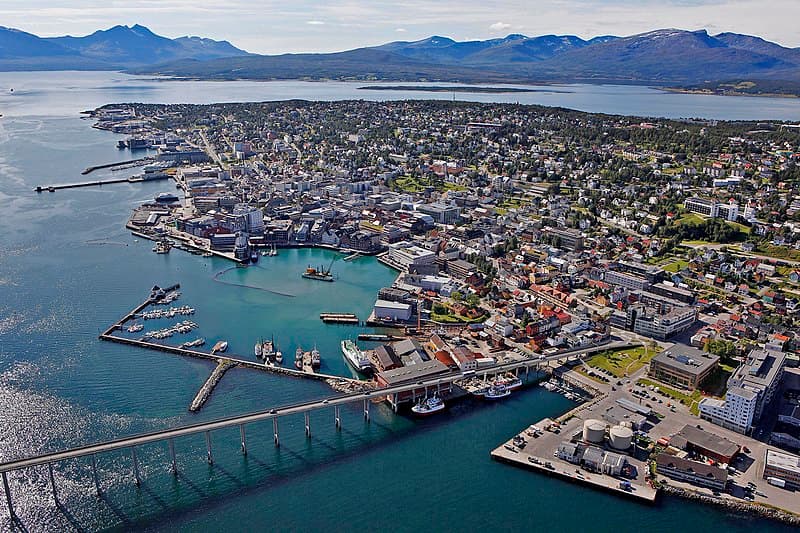
Tromsø is the largest city in northern Norway and one of the northernmost cities in the world, 350 kilometres above the Arctic Circle. It sits on an island among fjords and snow-capped mountains, with wooden houses, a university, a brewery and a nightlife you wouldn't expect in the Arctic. Thanks to the Gulf Stream, winters are milder than the latitude would suggest, with temperatures around freezing but snow from November to April. Tromsø lies directly under the aurora oval, and from September to April it's one of the best places in the world to see the northern lights — dozens of minibuses head out from the city every night, chasing clear skies according to the cloud forecast, sometimes as far as Finland. From November to January, humpback and orca whales come into the fjords to feed on herring. From late November to mid-January the sun doesn't rise at all, and from late May to July it doesn't set. Tromsø suits both a long winter weekend and a full week with excursions to the islands of Senja and Sommarøy.

What to see

The places worth your time in Tromso, and what to expect at each

Arctic Cathedral

Arctic Cathedral

Tromsdalen

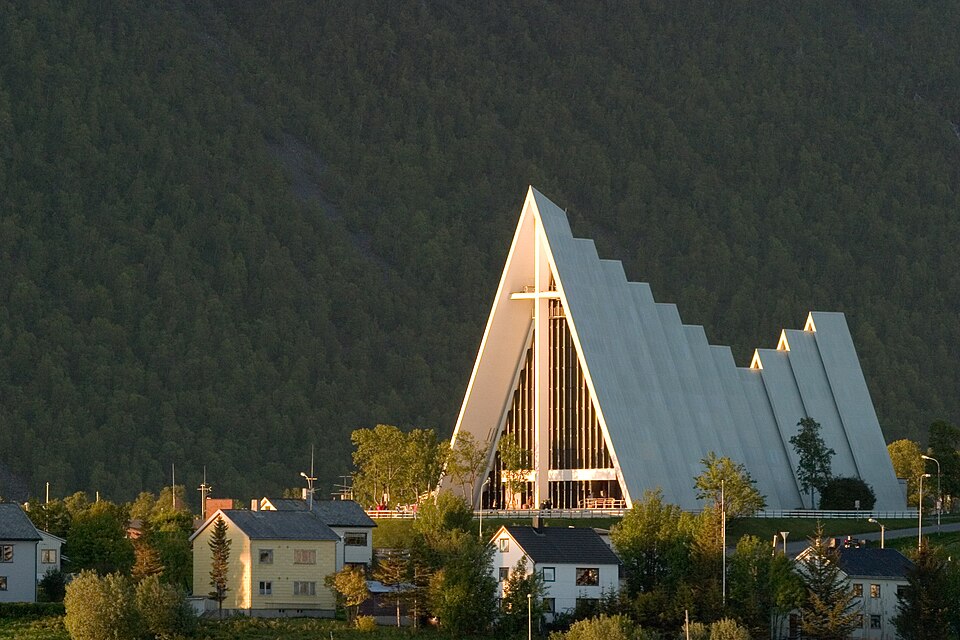
A white church from 1965, shaped like an ice triangle, on the far side of the bridge from the centre — Tromsø's most famous building. The east wall is filled with one of Europe's largest glass mosaics, depicting the return of Christ. In summer it hosts midnight-sun concerts, and in winter, concerts under the northern lights.

Tip: The best view of the cathedral is from the city centre across the water in the evening, when it's lit up. On foot across the Tromsøbrua bridge it's twenty minutes, with harbour views — icy and windy in winter, so bring a hat. Combine with the Fjellheisen cable car a kilometre further on. Concerts last an hour and tickets are bought online.

Admission:
around 100 NOK
Time needed:
45 min
Fjellheisen cable car

Fjellheisen cable car

Tromsdalen

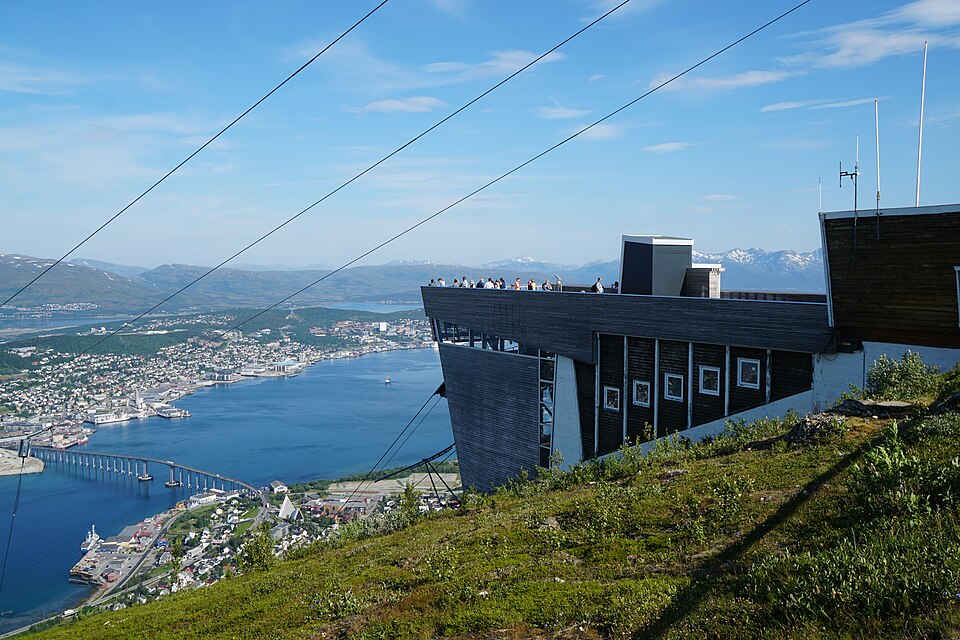
A cable car that climbs in four minutes to the Storsteinen viewpoint, 421 metres above Tromsdalen. From the top there are views over the whole island city, the bridge, the airport, the fjords and the mountains of Kvaløya. There's a restaurant at the top with large windows, and on clear nights the aurora can be watched from here above the city.

Tip: It's best to go up an hour before sunset and stay until dark, when the city lights come on. On a clear winter night the aurora can be seen from here too, though city lights dim it. Fit visitors can climb the Sherpa steps, over 1,200 stone steps built by Nepalese Sherpas — closed and under snow in winter.

Admission:
around 500 NOK return
Time needed:
1–2 h
Polaria

Polaria

South of the centre

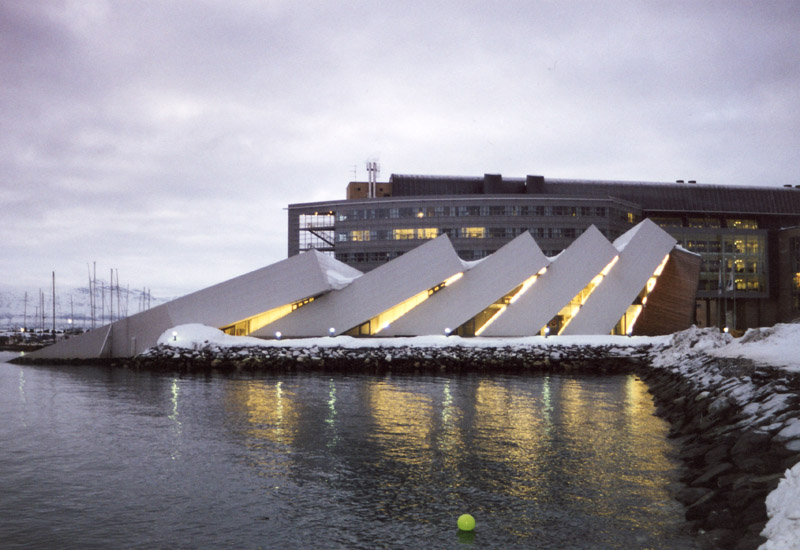
An Arctic aquarium and exhibition centre in a building shaped like tilting ice floes, on the waterfront south of the centre. The main attraction is bearded seals and harbour seals, fed by keepers in daily shows. A panoramic film shows Svalbard and the northern lights.

Tip: Seal feeding happens at set times, two or three times a day — arrive a bit early and get to the front. Polaria is small and takes about an hour and a half to see, making it a good option for families or bad weather. Underwater viewing lets you watch bearded seals hunting.

Admission:
around 250 NOK
Time needed:
1.5 h
Polar Museum

Polar Museum

Centre, waterfront

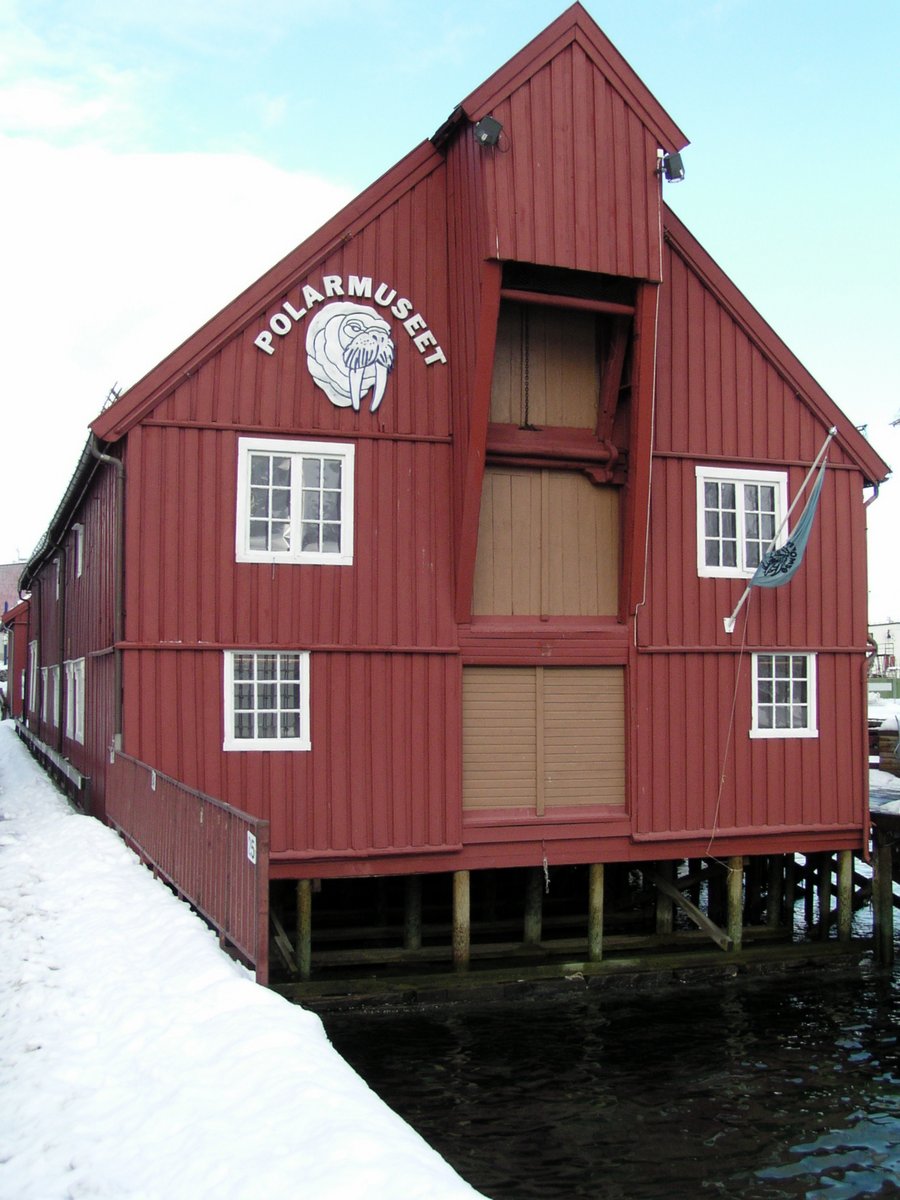
A museum in a wooden warehouse from 1830 on the waterfront, dedicated to the polar expeditions that set out from Tromsø for Svalbard and the Arctic. It displays expedition gear used by Roald Amundsen and Fridtjof Nansen, hunting boats, and the life of the seal and polar-bear hunters who overwintered on Svalbard.

Tip: Tromsø was once called the Gateway to the Arctic, and this museum explains why. Because of its focus on seal and bear hunting it's not for everyone, but it is authentic. An hour is enough. From the museum it's a few minutes along the waterfront to the Hurtigruten ferry dock, where the coastal ship calls in every day.

Admission:
around 100 NOK
Time needed:
1 h
Tromsø Museum

Tromsø Museum

Southern part of the island

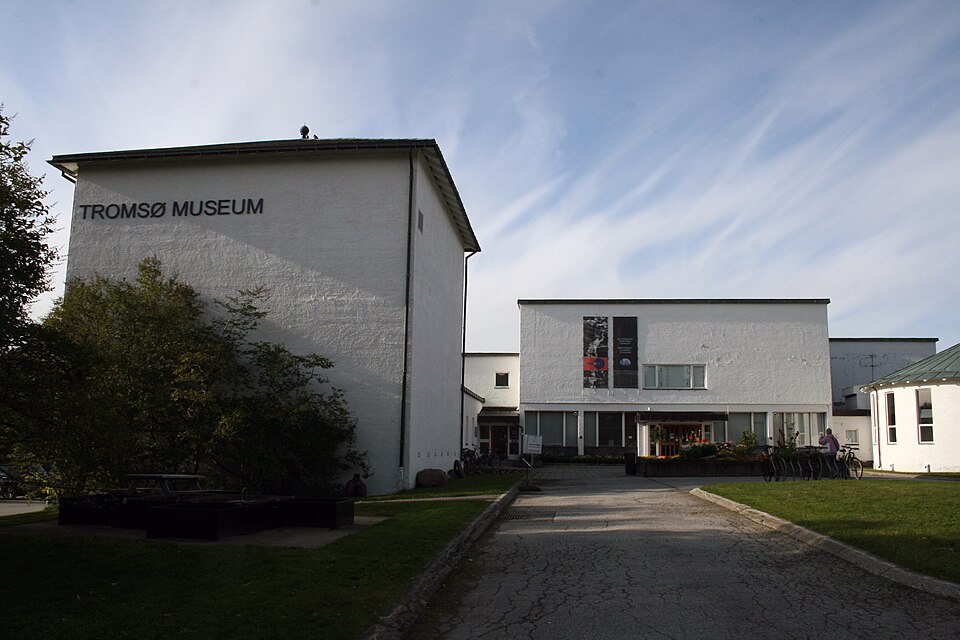
The university museum has Norway's best permanent exhibition on the Sámi people, along with a display on the northern lights that explains both the science and the myths. There's also a hall on Arctic nature and Viking finds. The museum sits at the south end of the island, in a park by the sea.

Tip: The northern lights exhibition is excellent preparation for a night hunt — you'll learn why the aurora shows different colours and when it's strongest. The bus from the centre takes ten minutes. A coastal path runs from the museum to Telegrafbukta bay, with a sandy beach where locals swim in summer and take icy dips in winter.

Admission:
around 100 NOK
Time needed:
1.5 h
Mack Brewery and Ølhallen

Mack Brewery and Ølhallen

Centre

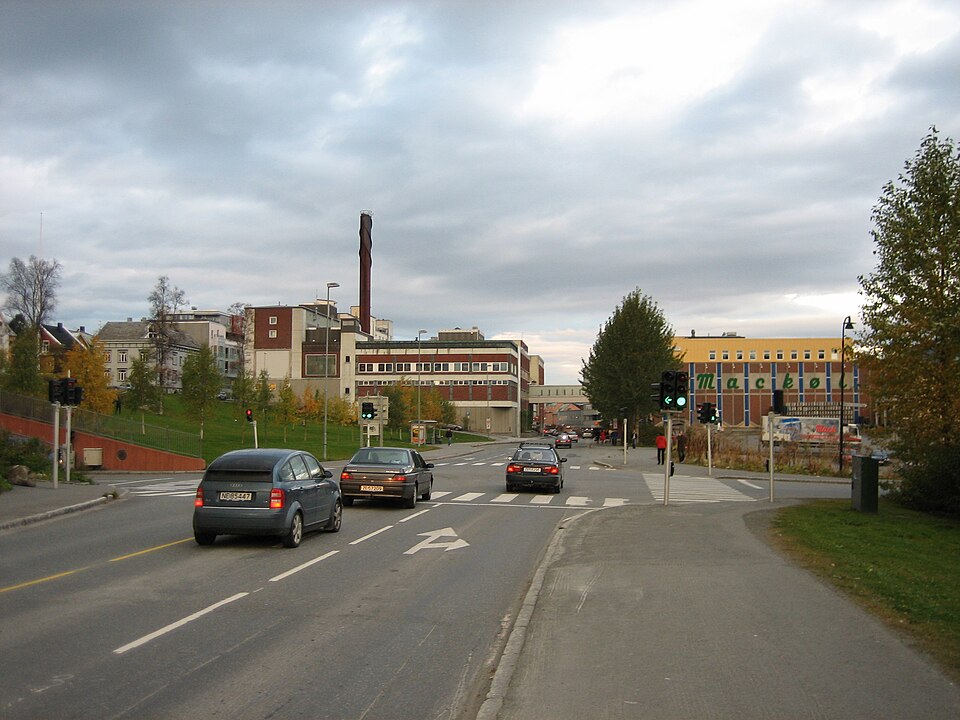
Norway's northernmost brewery, founded in 1877, still home to Ølhallen, Tromsø's oldest pub, with wood panelling, a stuffed polar bear and sixty beers on tap. Main production has moved out of town, but there's a microbrewery in the centre offering tours.

Tip: The guided tour with tasting runs in the afternoon and is worth booking ahead. Ølhallen is the only place where you can drink at the bar alongside fishermen and students — but it closes early, at eight in the evening. Shops stop selling alcohol at eight, six on Saturdays, and not at all on Sundays.

Admission:
tour around 300 NOK
Time needed:
1 h
Tromsø Cathedral

Tromsø Cathedral

Centre

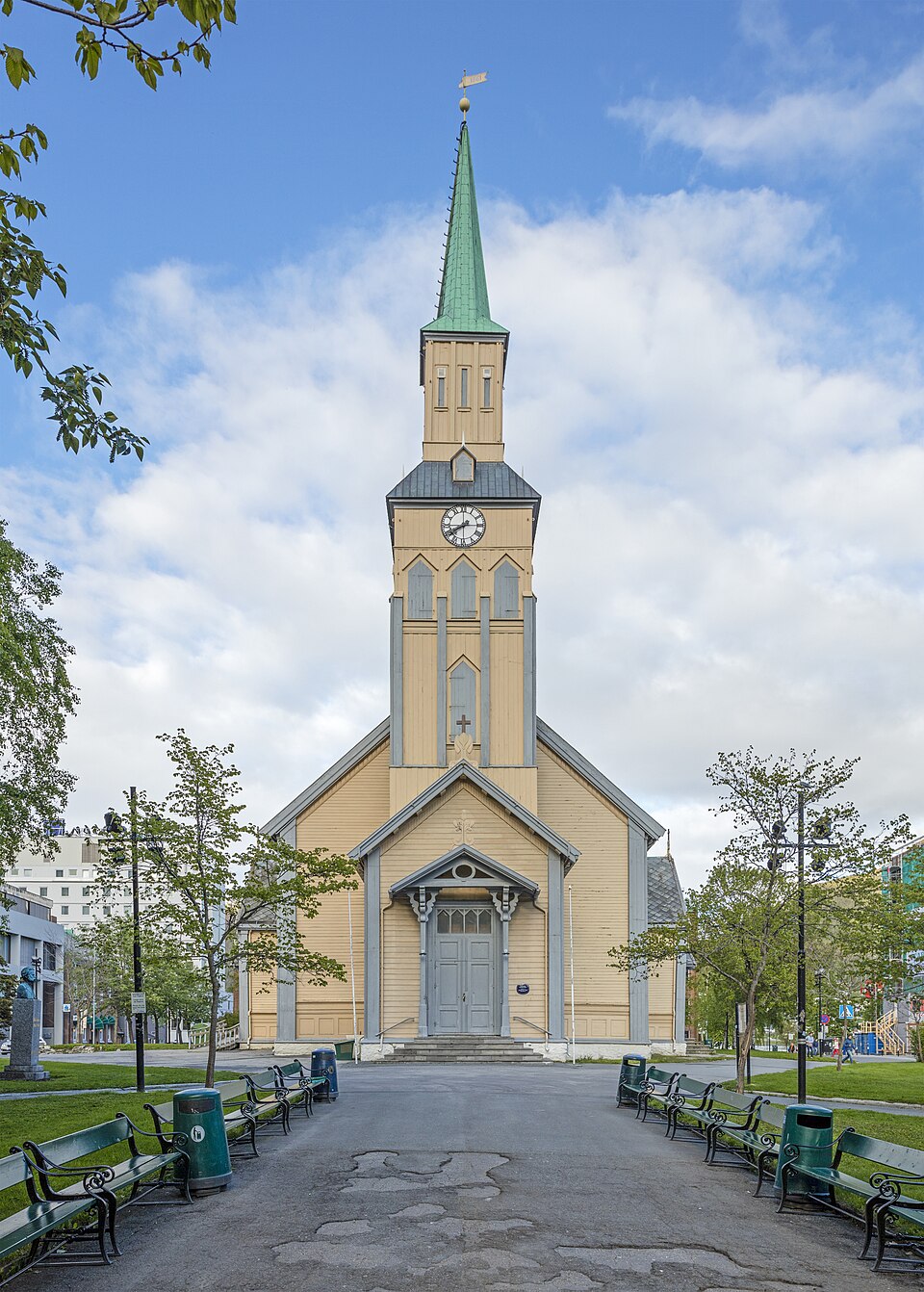
A wooden neo-Gothic cathedral from 1861 in the centre, one of Norway's largest wooden churches and the world's northernmost Protestant cathedral. Painted yellow and surrounded by the wooden houses of the old quarter. Inside is a simple interior with an altarpiece.

Tip: The cathedral is only open limited hours, so check the notice board. It's loveliest in winter, lit up in the evening under snow. Around it, the streets of Storgata and Skippergata hold Tromsø's oldest wooden houses, cafés and wool shops.

Admission:
free
Time needed:
20 min
Northern lights hunt

Northern lights hunt

Around Tromsø

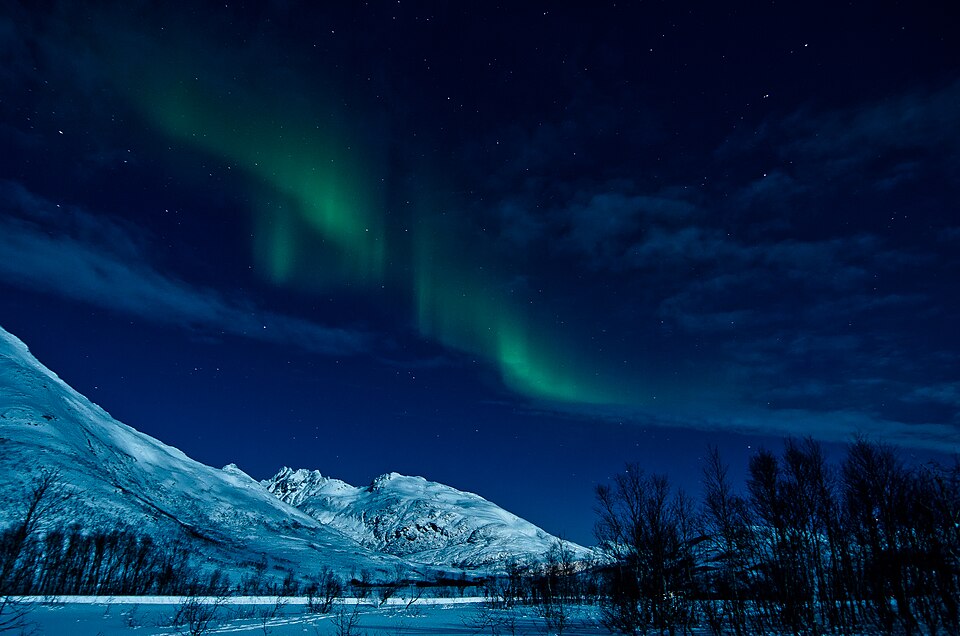
Every clear night from September to April, minibuses and small guided groups leave Tromsø, following the cloud forecast to wherever the sky is clear — Kvaløya, Lyngen, or as far as Finland. Warm food is served around a campfire, and a photographer takes aurora portraits.

Tip: Cloud cover, not activity level, is what matters — coastal weather changes fast, and good guides will drive up to 300 kilometres chasing clear sky. Small groups of up to eight are pricier but more flexible. The best odds are September–October and February–March. Book a hunt for your first night, and if it doesn't pan out, try again.

Admission:
1,500–2,500 NOK
Time needed:
6–8 h
Whales in the fjords

Whales in the fjords

Fjords around Skjervøy

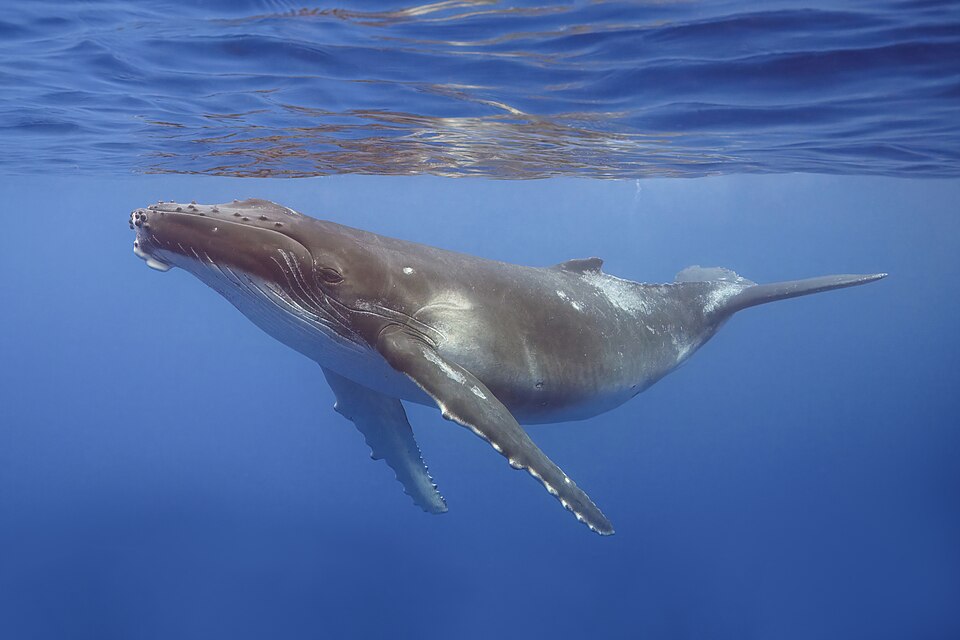
From late October to January, hundreds of humpback and orca whales arrive in the fjords north of Tromsø to feed on herring shoals. Boats depart at dawn for the area around Skjervøy, a two- to three-hour crossing, and during the midday daylight you can watch the whales hunting and breaching.

Tip: This is a full-day trip in the cold and dark; boats provide insulated suits. Fast RIB boats get closer but are colder. Herring shoals have shifted in recent years, and in some winters whales are further from Tromsø — ask where they're currently being spotted. Seasickness is common, so bring medication.

Admission:
1,800–2,800 NOK
Time needed:
7–9 h

Photos: Arctic Cathedral — Henrik at English Wikipedia (CC BY 2.5) · Fjellheisen cable car — Olivier Bruchez (CC BY-SA 2.0) · Polaria — No machine-readable author provided. Kjetil r assumed (based on copyright claims). (CC BY-SA 2.5) · Polar Museum — Lars Tiede (CC BY-SA 2.0) · Tromsø Museum — GAD (CC BY-SA 4.0) · Mack Brewery and Ølhallen — Manxruler (CC BY-SA 3.0) · Tromsø Cathedral — Godot13 (CC BY-SA 4.0) · Northern lights hunt — Andi Gentsch (CC BY-SA 2.0) · Whales in the fjords — Charles J. Sharp (CC BY-SA 4.0)

Where to stay

Areas and districts, matched to the kind of trip you are taking

Centre

Best for: first-time visitors, everything on foot

Old wooden houses, hotels, restaurants and bars around Storgata street and the harbour, where safaris and aurora hunts pick you up. Everything is walkable, and evenings are lively. Accommodation is expensive and books up months in advance in winter.

Tromsdalen

Best for: views, quiet

A district on the mainland across the bridge, home to the Arctic Cathedral and the Fjellheisen cable car, with views of the city across the water. Quieter and cheaper, twenty minutes on foot across the bridge or by bus to the centre.

South of the island

Best for: nature, university life

A residential part of the island with the Tromsø Museum, the university, Lake Prestvannet and the coastal path to Telegrafbukta. Apartments are cheaper and there's less light pollution, so the aurora is sometimes visible right from the window.

Kvaløya and cabins outside town

Best for: northern lights, privacy

Cabins and lodges on Kvaløya island and by the fjords, half an hour to an hour by car from the city, free of light pollution. The northern lights right from the terrace or the hot tub, but without a car or transfer you can't get anywhere.

Getting around

From the airport

From Prague, flights to Tromsø connect in Oslo with Norwegian or SAS, taking five to seven hours; during the winter season some European cities also have direct flights. Tromsø Airport (TOS) is on the island, five kilometres from the centre. From Oslo the flight takes an hour and three quarters. The Hurtigruten coastal ferry calls at Tromsø every day on its route between Bergen and Kirkenes, and a night on board from Tromsø to the Lofoten Islands or to Honningsvåg near the North Cape is an experience in itself. By car from southern Norway it's over twenty hours.

Tromsø Langnes (TOS) · 5 km

  • Flybussen to the centre· 15 min· 130 NOK
  • City bus 42· 20 min· 50 NOK
  • Taxi· 10 min· 300 NOK

Around town

Central Tromsø can be walked in half an hour; for longer distances, city buses run by Svipper take a ticket bought in the app. The Arctic Cathedral and the cable car are across the bridge, twenty minutes by bus or on foot. For trips outside the city, tour operators pick you up in the centre; driving yourself is possible, but in winter only for experienced drivers — coastal roads ice over and wind closes passes. Buses also run to Sommarøy and Kvaløya, though only a few times a day.

Svipper busAround town, ticket in the Svipper app. · 50 NOK
Organized tourAurora, whales, dogs and fjords, with pickup in the centre. · 1,200 NOK
Rental carFor Senja and Sommarøy; in winter, experienced drivers only. · 900 NOK/day
TaxiExpensive, but the only option at night. · 150 NOK

Useful apps: Svipper (buses), Yr (weather), Norway Lights (aurora), Ruter / Entur

When to go

The winter season from November to March is about the northern lights, snow, dog sledding and whales, which are in the fjords from late October to January. The polar night from late November to mid-January brings blue midday twilight and a candlelit atmosphere, but little daylight for excursions. January to March brings more light, snow and clear nights; March is the ideal compromise. September and October bring the northern lights over autumn colours without snow. Summer, from late May to July, is about the midnight sun, mountain hiking and time by the fjords, with temperatures around fifteen degrees.

Best time

February–March, September–October, November–January for whales

What to avoid

April–May (thaw, no aurora and no snow)

MonthJanFebMarAprMayJunJulAugSepOctNovDec
Day-2°-2°0°3°7°12°15°14°10°5°1°-1°
Night-6°-6°-5°-2°2°6°9°8°5°1°-3°-5°
Rainy days201719151213141417181819

Food & drink

Tromsø eats from the sea: cod, salmon, halibut, king crab, and in winter skrei, migratory cod that is at its best during this season. Traditional northern Norwegian cuisine adds reindeer meat, berries and dried cod. Restaurants are good but pricey — a main course costs 350–500 NOK, a burger around 250. Cheaper eating is found in bakeries with fish cakes and skolebrød, in Rema 1000 and Kiwi supermarkets, and at lunchtime cafés serving soup. Alcohol is very expensive, and anything stronger than beer is sold only in state-run Vinmonopolet shops.

What to try

Skrei

Atlantic cod that migrates to the Lofoten Islands and the northern coast to spawn from January to April. The meat is at its best then, served boiled with liver and roe (mølje) or roasted. A seasonal dish locals look forward to all winter.

King crab

A giant crab from the Barents Sea with legs over a metre long, whose sweet meat is served boiled with butter and bread. On boat trips you can catch one and have it cooked on the spot; in restaurants a portion costs over 500 NOK.

Finnbiff

Thin slices of reindeer meat braised with cream, mushrooms and lingonberries, served with mashed potatoes. A traditional dish of northern Norway and the Sámi, now on the menu of every traditional restaurant.

Fiskesuppe

A creamy fish soup with cod, salmon, carrots and dill, thick enough to serve as a main course. In harbourside restaurants it comes with unlimited bread and is the best value-for-fullness meal in the country — around 200 NOK.

Brunost

A brown caramelized whey cheese, sweet with a flavour nobody expects. It's sliced thin with a special cheese slicer onto bread or waffles. The best-known brand is Gudbrandsdalsost, and it's the most typical souvenir from the country.

Vafler

Norwegian waffles are soft, heart-shaped, and served with brunost or sour cream and strawberry jam, never with sugar and whipped cream. Sold on ferries, in museums and at mountain lodges.

Mack beer

The Mack brewery in central Tromsø has been brewing since 1877, and its Ølhallen pub, dating from 1928, has more than sixty beers on tap. Beer in Norway costs 120–160 NOK, and shops only sell it until 8pm, and until 6pm on Saturdays.

Akevitt and Mack

A caraway-flavoured potato spirit aged in oak barrels; the best brands are traditionally shipped by sea across the equator and back. It's drunk with rich food and at Christmas. Beer is expensive — a half-litre in a pub costs around 110 NOK, roughly 250 CZK.

What it costs

Fjellheisen cable car

around 500 NOK

Organized northern lights hunt

1,500–2,500 NOK

Whale-watching trip

1,800–2,800 NOK

Half-day dog sledding

2,000–2,800 NOK

Coffee and skolebrød at a café

90–120 NOK

Restaurant main course

350–500 NOK

Beer at a bar

120–160 NOK

Night in a 3-star hotel, double room

1,800–3,000 NOK

Indicative prices that change over time — treat them as a guide, not a price list.

Practical information

SocketsCEuroplug, two round pinsFSchuko
Voltage230V / 50Hz
Tap waterTap water is drinkable — Norwegian tap water is among the best in the world, drawn from melted mountain snow with minimal treatment. It's safe everywhere, including drinking fountains in parks and stations. Buying bottled water in Europe's most expensive country makes especially little sense — a half-litre costs around 30 NOK. Bring your own bottle and refill it; restaurants will top it up for free without being asked.
TippingTipping is not customary in Norway and nobody expects it: staff are paid decently and service and tax are included in the price. In restaurants it's common to round up or add five to ten percent if you were genuinely happy with the service; the card terminal offers the option, and it's fine to decline without embarrassment. Norway is almost cashless — cards work on buses, ferries and market stalls, and many places don't accept cash at all. It's not worth exchanging Norwegian kroner at home; the card rate on the spot is better.
Driving on theright
SafetyTromsø is a very safe city, and it's fine to walk around at night. The real hazards are weather and ice: from November to April pavements and roads turn icy, and locals wear ice grips on their shoes, sold in every shop for about 200 NOK. Don't drive outside town without proper winter equipment — the roads on Kvaløya and Senja run along the sea, where wind closes passes and avalanches are a risk. Don't drive alone at night on unfamiliar roads to chase the aurora; roadside parking is dangerous and ticketed. The emergency number is 112.
Opening hoursShops open at ten and close between six and eight in the evening, usually six on Saturdays. On Sundays almost everything is closed — only small convenience stores under 100 square metres, petrol stations and bakeries stay open, which matters if you arrive on a Sunday. Alcohol above 4.7 percent is sold only at state-run Vinmonopolet shops, which close at three on Saturdays and don't open at all on Sundays; supermarkets stop selling beer at eight in the evening on weekdays and six on Saturdays. Museums open at ten, and some close on Mondays.
Customs & etiquetteNorwegians are reserved and don't strike up conversation with strangers, but they'll answer a direct question in fluent English. People queue properly, and personal space is larger than many visitors are used to. Shoes always come off when entering someone's home. Nature is open to everyone thanks to the right of allemannsretten — you may walk across and camp on undeveloped private land, as long as you stay 150 metres from any house and leave no trace. Littering is taken very seriously. Flaunting wealth is considered bad taste, even though this is one of the richest countries in the world.
A few local wordsHello — God dagThank you — TakkPlease / you're welcome — Vær så godThe bill, please — Kan jeg få regningenCheers — Skål

How to plan your days

1 day

Tromsø in one day

  1. 1Morning walk through the centre, the cathedral and the Polar Museum.
  2. 2Lunch at a seafood restaurant on the waterfront.
  3. 3Afternoon walk across the bridge to the Arctic Cathedral.
  4. 4Fjellheisen cable car at sunset.
  5. 5Northern lights hunt at night.

2 days

Tromsø in two days

  1. 1Day 1: the centre, Polaria, the Polar Museum and a beer at Ølhallen.
  2. 2Evening at the Arctic Cathedral and the cable car.
  3. 3Day 2: morning dog sledding or a reindeer farm with Sámi food.
  4. 4Afternoon at Tromsø Museum and the northern lights exhibition.
  5. 5A second attempt at the aurora that night.

3 days

Tromsø and the fjords in three days

  1. 1Day 1: the city, the cathedral and the cable car.
  2. 2Day 2: a full-day whale-watching trip (November–January) or a trip to Sommarøy.
  3. 3Evening aurora hunt.
  4. 4Day 3: dog sledding in the Tamok valley or a trip to Senja island.
  5. 5Final evening at Ølhallen.

Day trips

Sommarøy and Kvaløya

60 km · 1 h by car

Small islands on the western coast of Kvaløya with white sandy beaches and turquoise water that looks Caribbean in summer. The drive passes through mountain passes and along fjords with views of Kvaløya's peaks. In winter it's a favourite spot for aurora viewing over the sea and for watching sea eagles.

Senja

150 km · 3 h by car

Norway's second-largest island, with a dramatic outer coastline where mountains rise straight out of the sea. The coastal road passes the Bergsbotn viewpoint, the fishing villages of Mefjordvær and Husøy, and Mount Segla, where a hike leads to northern Norway's most famous view. It's the Lofoten Islands without the crowds, though a long trip for a single day from Tromsø.

Lyngen Alps

75 km · 1 h 30 min by car and ferry

A mountain range with jagged peaks and glaciers over 1,800 metres that rise straight from the Lyngen fjord. In winter it's one of the best places in the world for ski touring down to the sea, and in summer for hikes to the glacial lake Blåisvatnet. The route crosses the Ullsfjord by ferry. Lyngen is also a frequent destination for aurora hunts.

Frequently asked questions

When is the best time for the northern lights in Tromsø?+

From September to April, on clear nights. The clearest nights tend to fall in September, October, February and March. December and January have the most darkness, but coastal weather is more often overcast then. Over three or four nights the odds of seeing the lights are very high, especially with an organized hunt that chases clear skies.

When can you see whales?+

Humpback and orca whales arrive to feed on herring in the fjords north of Tromsø from late October to January, peaking in November and December. Tours run mainly around Skjervøy. In summer, whales can only be seen on trips from Andenes in the Vesterålen islands. The herring's location shifts from year to year, so ask about the current situation.

What is the polar night, and is it depressing?+

From 27 November to 15 January the sun never rises above the horizon. It isn't total darkness, though — around midday there are two to three hours of blue twilight, snow reflects the light, and the town is full of lights and candles. For visitors it feels more atmospheric than depressing. For photos and excursions, February and March are better.

How much does Tromsø cost?+

Norway is one of the most expensive countries in Europe. A hotel in the centre starts at around 1,800 NOK a night, a main course in a restaurant costs 350–500 NOK, and a beer 120–160 NOK. Trips to see the lights, whales and huskies each cost 1,500–3,000 NOK. You'll save by booking accommodation with a kitchenette and shopping at supermarkets.

How to dress for winter in Tromsø?+

Temperatures hover around freezing, but wind and humidity make it feel colder. Wear wool thermal layers, fleece or a down jacket, and a waterproof, windproof outer shell, plus a hat and gloves. For walking on icy pavements, use ice grippers on your shoes. Insulated suits are provided on lights- and whale-watching trips.

Can you see the northern lights right from the city?+

During strong activity, yes, even above the city centre. But city lights dim the aurora, so it's better to head up to the Storsteinen viewpoint by cable car, to Lake Prestvannet, or to Telegrafbukta beach in the south of the island. For the best experience you need to get out of town.

Is dog sledding in Tromsø worth it?+

Yes, it's one of the highlights of winter. The farms are on Kvaløya and in the Tamok valley, an hour to an hour and a half from town, where there's more snow. You can go during the day for mountain views or at night with a chance of the aurora. Prices are higher than in Finnish Lapland.

How many days in Tromsø?+

At least three to four nights, to give yourself more chances at clear-sky aurora viewing. One day is enough for the city itself; the rest is for excursions — whales, dogs, fjords. A week lets you add Senja or continue by the Hurtigruten coastal ferry to the Lofoten Islands.

Visa Requirements

Check the latest visa requirements for entering this country. Some nationalities may need to apply for a visa or e-visa before travel.

Check visa requirements

Language

Norwegian

Currency

NOK

Timezone

GMT+1

Dial Code

+47

Population

5.5M

Area

385,207 km²

Voltage

230V / 50Hz

Driving Side

Right

Top Hotels in Tromso

Live prices from 500+ properties

Loading hotels...

More destinations in Norway

Planning a trip to Tromso?

Compare hundreds of hotels, find the best price, and book with free cancellation on TravelManiac.