Hotels in Vysoké Tatry

The world's smallest high mountains, one overnight train away

Vysoké Tatry

LanguageSlovak
CurrencyEUR
TimezoneEurope/Bratislava
Temperature-3-26 °C
Dial Code+421
Population5.4M
Area49,035 km²
SocketsType C / Type E
Tap waterDrinkable

Discover Vysoké Tatry

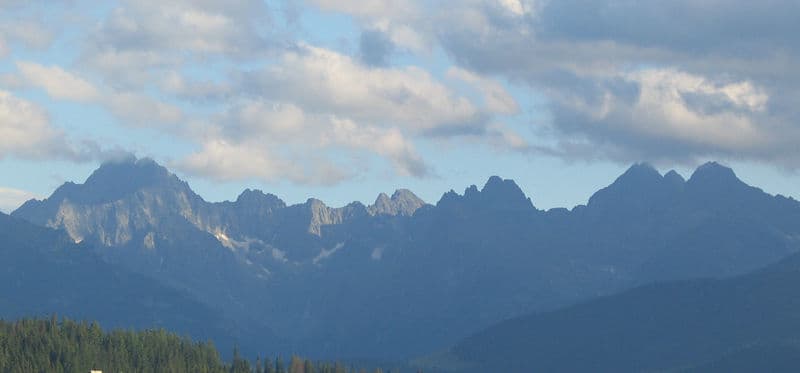
The High Tatras are the highest range of the Carpathians, packing more than twenty peaks over two and a half thousand metres into a ridge just seventeen kilometres long, topped by Gerlachovský štít at two thousand six hundred fifty-four metres. Along the southern slopes stretches a chain of mountain settlements that since 1999 have formed a single town called Vysoké Tatry — Štrbské Pleso, Starý Smokovec, Tatranská Lomnica and fifteen other parts, linked by a narrow-gauge electric railway. For Czechs, the Tatras are the nearest high mountains: an overnight train from Prague arrives in Poprad by morning, the local language is one every Czech understands without translation, and prices run about half those in the Alps. The mountains are protected as TANAP, Slovakia's oldest national park, and have strict rules: hiking is allowed only on marked trails, and high-mountain routes are closed from November to mid-June. In summer, visitors head to the tarns, glacial lakes, mountain huts and peaks like Rysy; in winter, skiing centres on Tatranská Lomnica and Štrbské Pleso.

What to see

The places worth your time in Vysoké Tatry, and what to expect at each

Štrbské Pleso

Štrbské Pleso

Štrbské Pleso

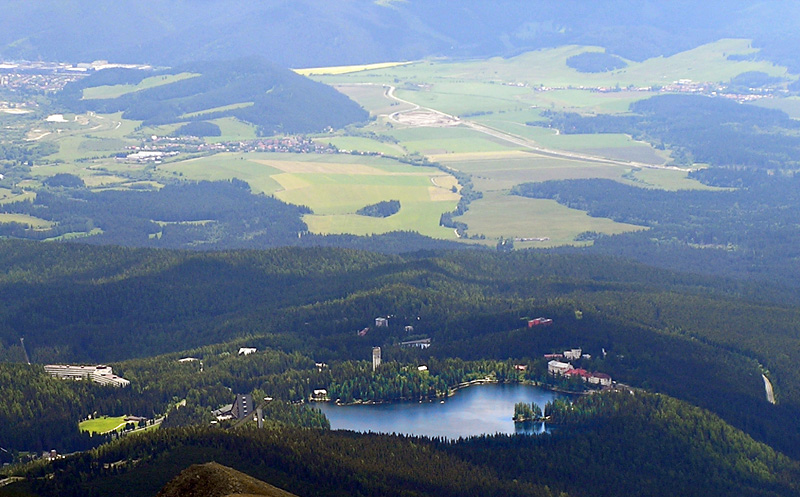
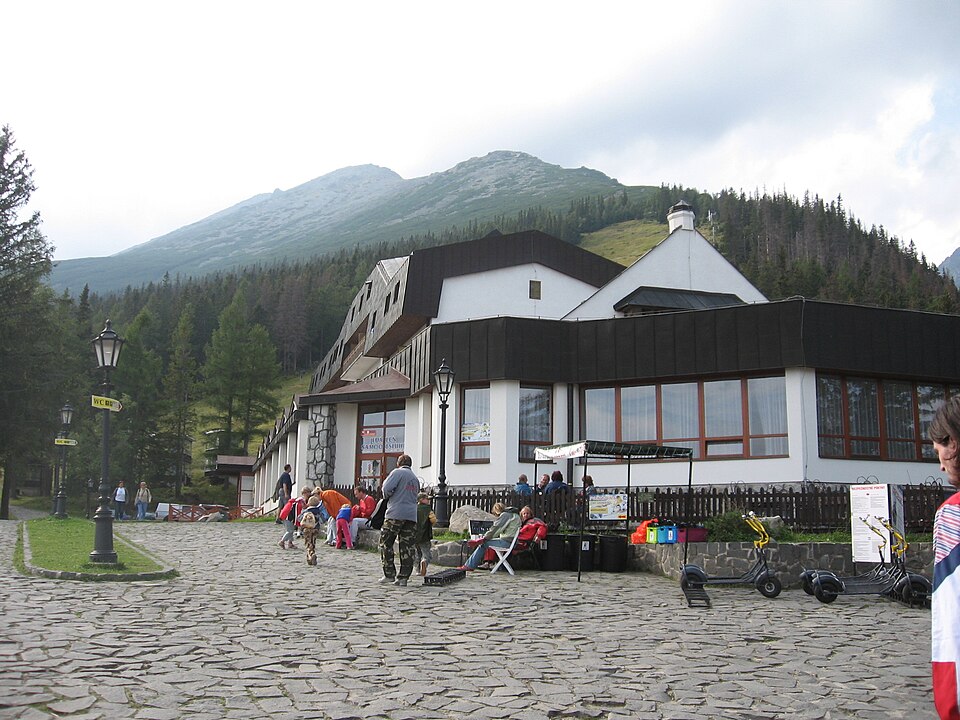
A glacial lake at an altitude of one thousand three hundred forty-six metres, and also the highest-situated settlement in the High Tatras, with grand hotels dating from the early twentieth century, ski jumps built for the 1970 World Championships, and a ski resort. The loop around the lake is two kilometres long and suitable even for strollers.

Tip: The electric railway runs here from Poprad, and a rack railway runs up from Štrba — the rack railway is faster if you're arriving by train from the west. Walk the lakeside path in the morning; by afternoon it fills with bus-tour crowds. A short way past the lake, the blue trail to Popradské pleso begins, flat and about ninety minutes long.

Admission:
free
Time needed:
1–2 h
Lomnický štít

Lomnický štít

Tatranská Lomnica

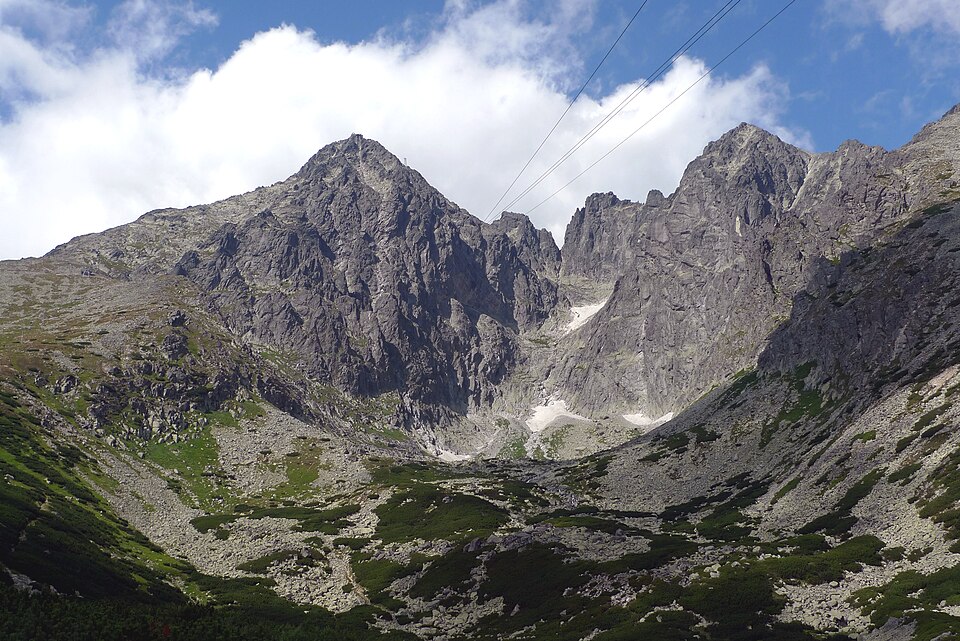
The second-highest peak of the Tatras at two thousand six hundred thirty-four metres, the only one served by a cable car — a fifteen-person cabin running up from Skalnaté pleso. At the top is a meteorological observatory, a café, and a viewing terrace looking out across the whole ridge into Poland and the Spiš region.

Tip: Tickets for the upper section are sold for a specific time slot, and the time allowed at the top is limited to fifty minutes — buy them online several days ahead, as they sell out in summer. If the forecast calls for cloud, skip the trip up, since the view is often just fog. The café at the top is the highest in Slovakia, and coffee with a view is unique, if pricey.

Admission:
full round trip from €70
Time needed:
half a day
Skalnaté pleso

Skalnaté pleso

Tatranská Lomnica

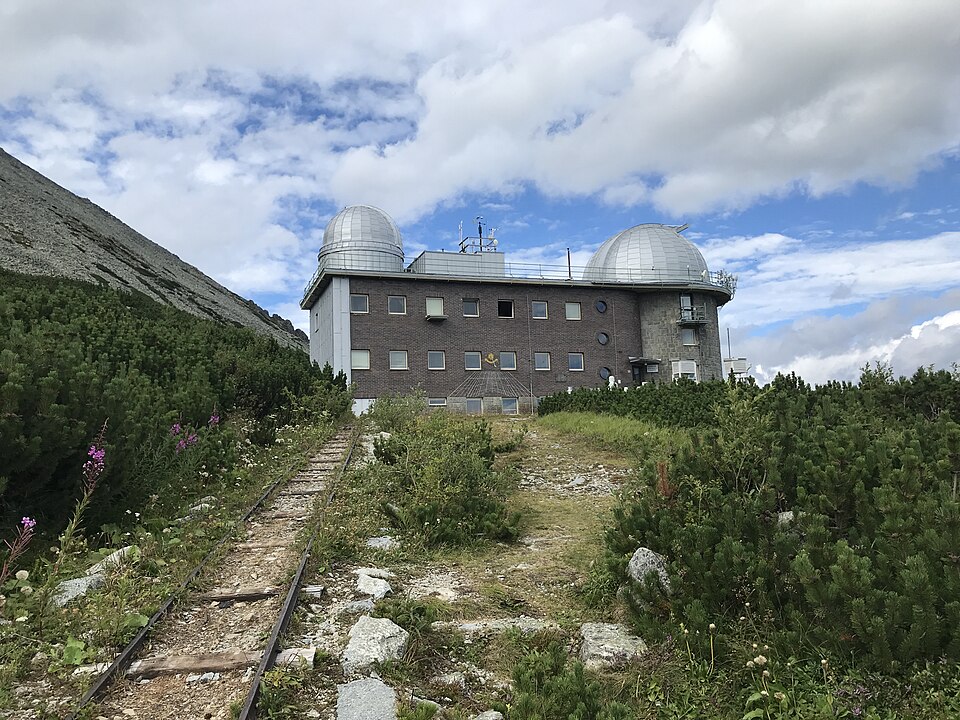
A lake at one thousand seven hundred fifty-one metres beneath Lomnický štít, reached by a cable car from Tatranská Lomnica. It has an astronomical observatory, a mountain hut, a trailhead for hikes, and a transfer station for the cable car up to Lomnický štít. In winter, the longest ski run in Slovakia starts from here.

Tip: Anyone who doesn't want to pay for Lomnický štít gets an almost equally good view of the ridge from Skalnaté pleso — for half the price. From here, the Tatranská magistrála trail runs to Hrebienok in two hours, overlooking the Studená dolina valley; from there, a funicular runs down into Smokovec. Hike this route downhill for the easier direction.

Admission:
cable car round trip from €32
Time needed:
half a day
Popradské pleso and the Symbolic Cemetery

Popradské pleso and the Symbolic Cemetery

Mengusovská dolina

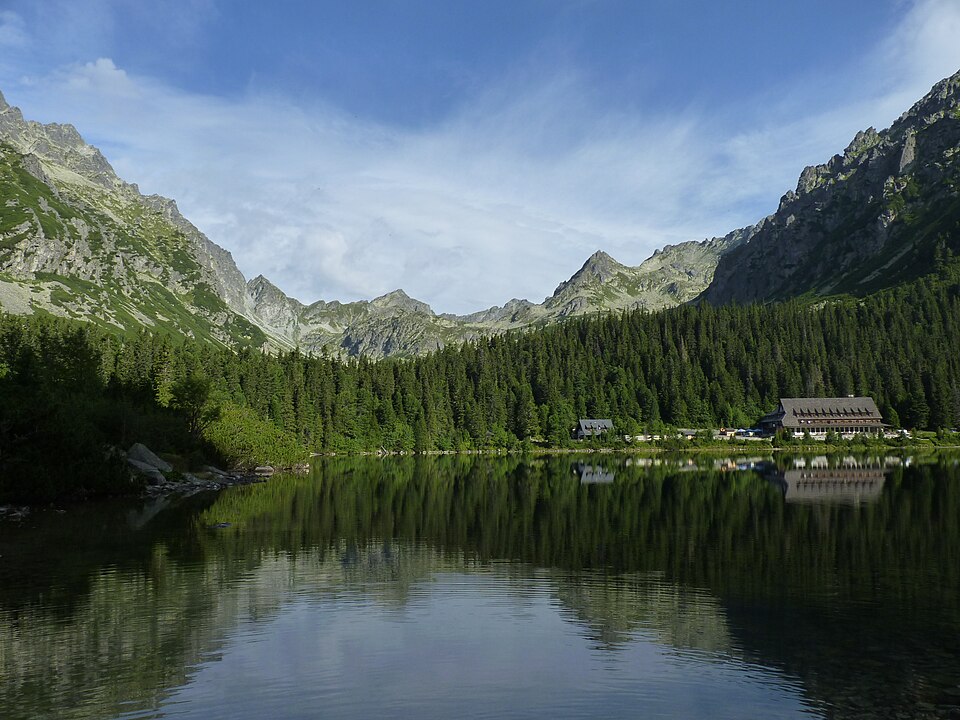
A lake at one thousand four hundred ninety-four metres beneath Ostrva, with a mountain hut and hotel on its shore, reached on foot from Štrbské Pleso in about ninety minutes. Above the lake, in the forest, stands the Symbolic Cemetery, with wooden crosses and memorial plaques for mountain victims, founded in 1936 by the painter Otakar Štáfl.

Tip: At the tarn, order soup at the hut and continue on up to the Symbolic Cemetery — twenty minutes up a switchback path — where crosses bearing climbers' personal stories are the most moving sight in the whole range. You can stay overnight at the tarn and continue the next morning up to Rysy or into the Mengusovská dolina valley.

Admission:
free
Time needed:
4 h
Hrebienok and the Studený potok waterfalls

Hrebienok and the Studený potok waterfalls

Starý Smokovec

A mountain settlement at one thousand two hundred eighty-five metres above Starý Smokovec, served since 1908 by a funicular railway. From here, an easy path leads to the Studený potok waterfalls, Rainerova chata — the oldest hut in the Tatras — and onward into the Malá and Veľká Studená valleys. In winter there's an ice dome, Tatranský ľadový dóm, with ice sculptures.

Tip: From Hrebienok to the Great Waterfall it's a forty-minute walk, suitable for families with children — but skip the stroller, as there are roots and rocks on the path. Near Rainerova chata, porters carry supplies on their backs — you can help by carrying a small parcel up to Zbojnícka chata. The funicular runs every fifteen minutes.

Admission:
funicular round trip from €14
Time needed:
2–4 h
Rysy

Rysy

Mengusovská dolina

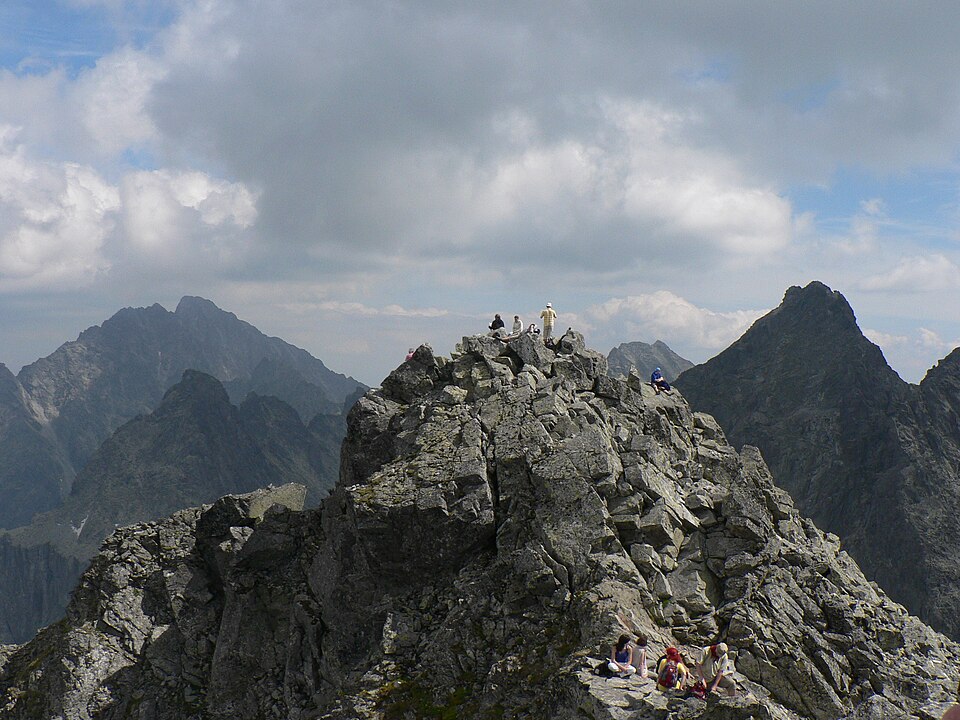
A peak at two thousand five hundred three metres on the border with Poland, the highest summit of the Tatras, reached by a marked trail. Just below the top stands Chata pod Rysmi, the highest-situated hut in the Tatras, known for having its supplies carried up by porters. From the summit, both Morskie Oko lake and the Polish Tatras come into view.

Tip: The climb from Štrbské Pleso via Popradské pleso takes five hours, and the last two hundred metres are secured by chains — unpleasant when wet, dangerous in fog. Set out by seven in the morning, since summer afternoons bring storms. The trail is only open from 15 June to 31 October; outside that window it's closed and entering it is fined.

Admission:
free
Time needed:
full day
Zelené pleso

Zelené pleso

Kežmarské Tatry

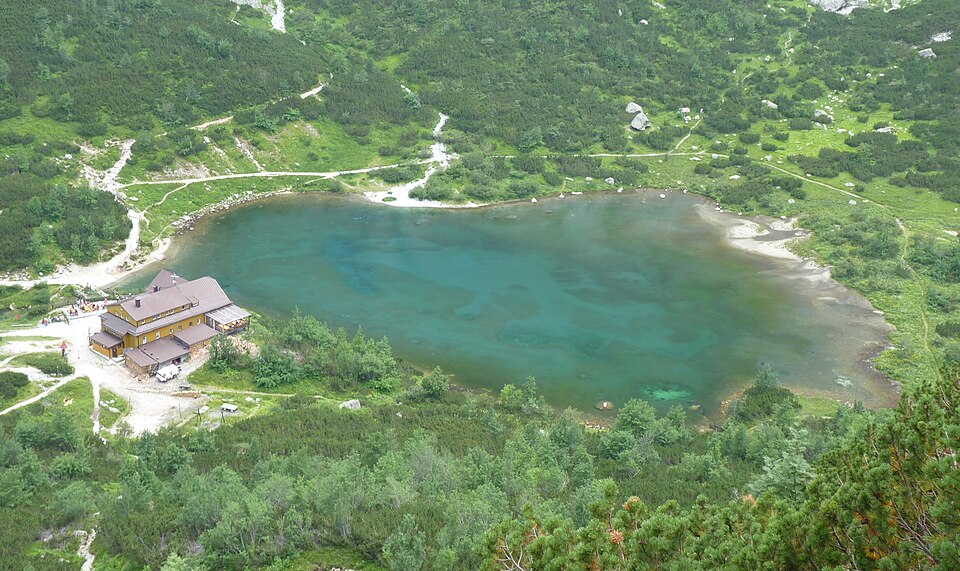
A lake at one thousand five hundred forty-five metres beneath the north face of Lomnický štít and the Jastrabia tower, with a hut on its shore. The water takes on a green colour from the reflections of the surrounding slopes. It's one of the most beautiful spots in the Tatras, and reachable without climbing gear.

Tip: The shortest approach starts from Tatranská Lomnica at the Biela voda bus stop, two and a half hours along a forest path. It's worth staying overnight at the Zelené pleso hut — in the evening and morning, chamois graze by the lake, and the light on the surrounding walls is spectacular. The hike can be extended over Veľká Svišťovka to Skalnaté pleso.

Admission:
free
Time needed:
5 h
Belianska Cave

Belianska Cave

Tatranská Kotlina

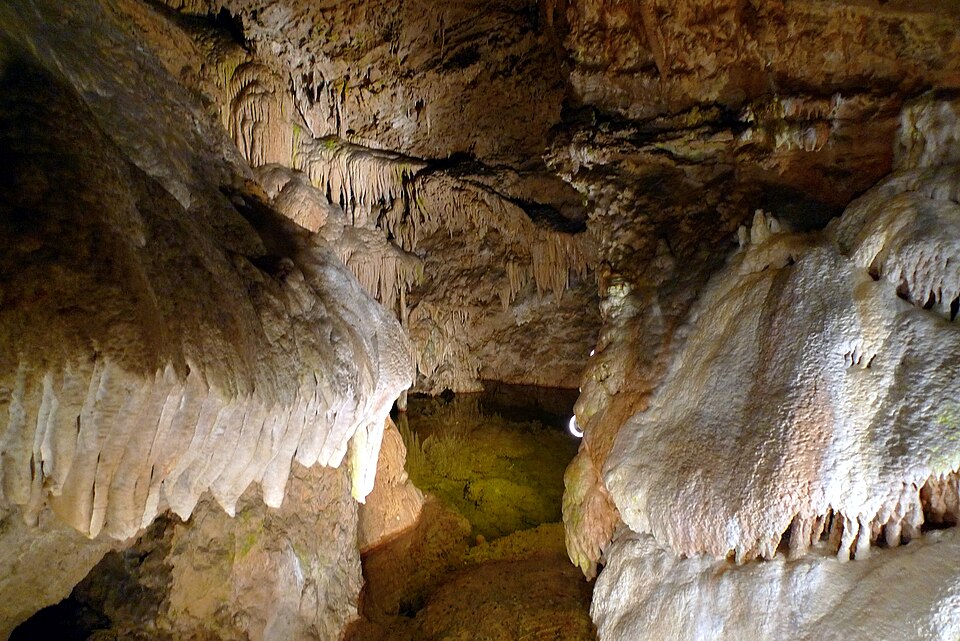
A dripstone cave in the Belianske Tatry above Tatranská Kotlina, the only cave in the Tatras open to visitors. The kilometre-long tour route passes small pools, stalactites, and the Music Hall, where concerts are held. The interior stays around five degrees year-round.

Tip: It's a twenty-minute uphill walk to the entrance from the car park in Tatranská Kotlina, and visits are at fixed times, generally every hour. Closed on Mondays. It's the best plan for a rainy day; a warm jacket is needed even in August.

Admission:
€12
Time needed:
1 h
Tatra Electric Railway

Tatra Electric Railway

across the High Tatras

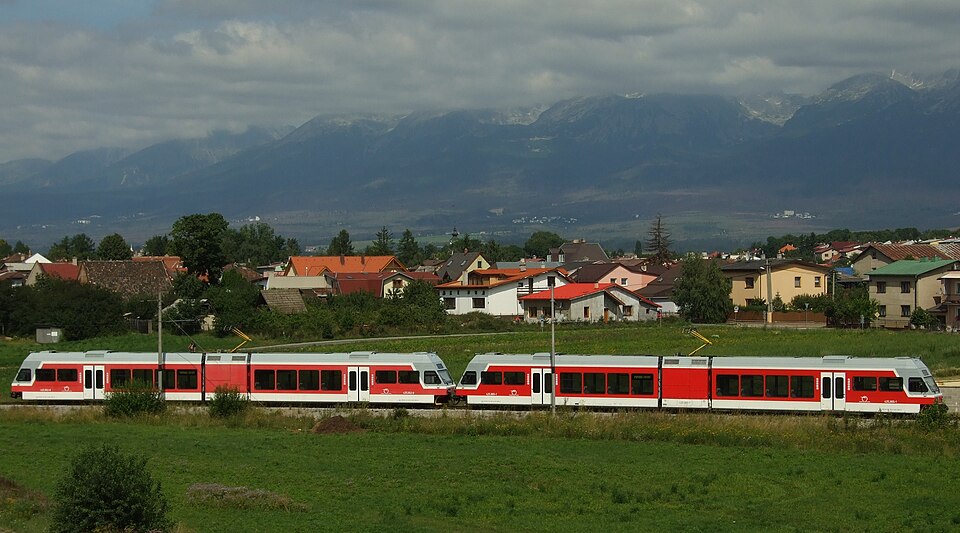
A narrow-gauge electric railway dating from 1908, linking Poprad with Starý Smokovec, Štrbské Pleso and Tatranská Lomnica. It runs through forest below the peaks, stopping in every settlement, and forms the backbone of public transport in the Tatras. A separate rack railway runs from Štrba up to Štrbské Pleso.

Tip: Buy a one-day or three-day travel pass — it pays off from the second ride; tickets are bought from a machine or the ZSSK app, with a surcharge if bought on board. In summer it runs every hour, and more often between Starý Smokovec and Štrbské Pleso in peak season. Sit on the right-hand side heading toward Štrbské Pleso — that's where the mountains are.

Admission:
day pass €4
Time needed:
1 h

Photos: Štrbské Pleso — Krivan (Public domain) · Lomnický štít — Petr Vilgus (CC BY 3.0) · Skalnaté pleso — Antimuonium (CC BY-SA 4.0) · Popradské pleso and the Symbolic Cemetery — Michal Klajban (CC BY-SA 3.0) · Hrebienok and the Studený potok waterfalls — Bubamara (CC BY-SA 3.0) · Rysy — Krzysztof Dudzik-Górnicki (User:ToSter) (CC BY-SA 3.0) · Zelené pleso — Michal Klajban (CC BY-SA 3.0) · Belianska Cave — Petr Vilgus (CC BY-SA 3.0) · Tatra Electric Railway — I would appreciate being notified if you use my work outside Wikimedia. More of my work can be found in my personal gall (CC BY-SA 3.0)

Where to stay

Areas and districts, matched to the kind of trip you are taking

Štrbské Pleso

Best for: views, skiing, hikes to Rysy

The highest-situated settlement, by the lake, with grand hotels and a ski resort. It has the best access to Popradské pleso and Rysy, but there's nothing going on in the evenings and prices are the highest. Good for a quiet stay and skiing with children.

Starý and Nový Smokovec

Best for: hiking, transport links

The centre of the Tatras, with the electric railway station and the funicular up to Hrebienok. The most restaurants, shops and accommodation across every price range; you can reach anywhere from here without a car.

Tatranská Lomnica

Best for: skiing, Lomnický štít

The eastern settlement, with cable cars to Skalnaté pleso and Lomnický štít and the largest ski area in the Tatras. Home to the Grandhotel Praha and a number of new apartment buildings, with more evening life than Štrbské Pleso.

Ždiar and Tatranská Kotlina

Best for: budget, folk architecture

Goral villages in the Belianske Tatry, with painted wooden houses, guesthouses and sheep farms. Accommodation here is the cheapest, plus Belianska Cave and small ski areas. Fifteen minutes by car to Lomnica.

Getting around

From the airport

From Prague, the best way to reach the Tatras is by train: direct services from ČD, RegioJet and Leo Express take seven to eight hours to Poprad, with the overnight train arriving in the morning, and the electric railway connecting onward to every settlement from Poprad. By car it's six hundred kilometres and six hours via Olomouc and Žilina, and the Slovak motorway requires an electronic vignette. Poprad-Tatry Airport only has seasonal flights, so the regular air gateway is Krakow or Košice.

Poprad-Tatry (TAT) · 10 km

  • Taxi to Starý Smokovec· 20 min· €20
  • Bus and electric railway· 45 min· €2

Krakow (KRK) · 150 km

  • Shared shuttle transfer· 2 h 45 min· €35
  • Bus via Zakopane· 4 h· €20

Košice (KSC) · 120 km

  • Train to Poprad· 1 h 15 min· €6
  • Rental car· 1 h 20 min

Around town

The settlements are linked by the Tatra Electric Railway from Poprad via Starý Smokovec to Štrbské Pleso and Tatranská Lomnica, plus a rack railway from Štrba up to Štrbské Pleso. Buses run to Ždiar, Tatranská Kotlina and Podbanské. A car is useful for trips to the Spiš region, but parking at trailheads is paid and fills up by eight in summer. The cable cars are privately run and pricier than other transport.

Tatra Electric RailwayPoprad – Starý Smokovec – Štrbské Pleso, plus a branch to Tatranská Lomnica. Hourly, more frequent in season. · day pass €4
Štrba–Štrbské Pleso rack railwayConnects with express trains from Prague and Bratislava at Štrba, a fifteen-minute ride. · €2
BusTo Ždiar, Tatranská Kotlina, Javorina and the Polish border. Tickets from the driver. · from €1.50
Cable carsHrebienok, Skalnaté pleso, Lomnický štít, Solisko. Online tickets are usually cheaper. · from €14
CarFor trips to Spiš and the Pieniny. Parking at Štrbské Pleso and Tatranská Lomnica is paid. · parking €10 per day

Useful apps: ZSSK, Vlak Bus, TANAP, Mountain Rescue Service

When to go

The best time for hiking is from 15 June to the end of October, when the high-mountain trails are open; the most stable weather tends to be in September. In July and August the Tatras get crowded, and afternoon thunderstorms are frequent. The ski season runs from December to early April, with the most reliable snow in Tatranská Lomnica. Between 1 November and 14 June, the trails above the huts are closed, and only routes to the tarns and lower huts remain open. April, May and November are the off-season, and some hotels and cable cars close.

Best time

mid-June to September for hiking, January to March for skiing

What to avoid

November and April, when the cable cars don't run and the high mountains are closed

MonthJanFebMarAprMayJunJulAugSepOctNovDec
Day-1°0°4°9°14°17°19°19°15°10°4°0°
Night-9°-9°-5°0°4°8°10°9°6°2°-3°-7°
Rainy days10101112141616131091010

Food & drink

Food in the Tatras is Slovak and pastoral: bryndza-cheese dumplings, cabbage soup, dumplings filled with sheep's cheese, and sheep's-milk cheeses. The best meals are found at mountain sheep farms and 'koliba' huts below the peaks — a koliba is a wooden tavern with a hearth in the middle where food is grilled. Mountain huts cook simple, cheap food, typically soup, tea with rum, and cake. In the villages there are hotel restaurants, pizzerias and bakeries; Poprad has supermarkets stocked with everything for a hike. At the huts, payment is usually in cash — cards aren't accepted everywhere.

What to try

Bryndzové halušky

The national dish: potato dumplings with sheep's-milk bryndza cheese and fried bacon. You can tell a good place by the bryndza being salty and tangy, not sweet — the sweet kind is what supermarkets sell. A portion is hearty and costs around eight to twelve euros.

Kapustnica

A cabbage soup with smoked meat, sausage, dried mushrooms and plums, mellowed with cream. It's traditionally made at Christmas, but pubs serve it year-round, and it doesn't need to be ordered as a starter before halušky — it's a meal in itself.

Bryndzové pirohy

Dumplings filled with bryndza cheese and potato, topped with bacon and sour cream. A heartier, less salty alternative to halušky, a good choice for anyone who finds plain bryndza too sharp.

Sheep's-milk cheeses and žinčica

Bryndza, oštiepok, korbáčiky and parenica are various forms of sheep's-milk cheese, with oštiepok often smoked. Žinčica is the tangy whey left over from making bryndza, drunk cold — the most typical drink of Slovak mountain sheep farms.

Garlic soup in bread

A garlic soup with cheese served in a hollowed-out loaf of bread, which is eaten along with the soup at the end. It's the classic mountain-hut lunch and costs around six euros.

Tea with rum

Every mountain hut sells tea with Czech-style rum, and guests choose their own ratio. It warms you up, but on the way back down it's better to stick to plain tea.

Lokše

Thin flatbreads made from boiled potatoes, dry-fried and filled with goose pâté, poppy seed or plum jam. They accompany goose feasts in autumn; in Bratislava they're also sold as street food at markets.

Malokarpatské wine and Kofola

Slovakia makes white wines from the Malé Karpaty hills just outside Bratislava — Grüner Veltliner, Welschriesling, Devín. Kofola is the national cola made from herbal syrup; on tap from a barrel it tastes different from the bottled version and costs around a euro and a half.

What it costs

Coffee

€2.50

Bryndza dumplings at a mountain hut

€9–12

Dinner at a restaurant

€18–30 per person

Half-litre of beer

€2.80–4

Full round-trip cable car to Lomnický štít

from €70

Day ski pass, Tatranská Lomnica

from €45

Day travel pass on the railway

€4

Night in a 3-star hotel for two

€80–150

Indicative prices that change over time — treat them as a guide, not a price list.

Practical information

SocketsCEuroplug, two round pinsEFrench, with earth pin
Voltage230V / 50Hz
Tap waterTap water is drinkable — Tap water in the High Tatras is drinkable and comes from mountain springs. At mountain huts, tap water isn't recommended, since it's often drawn from surface sources — huts sell bottled water or tea instead. Water from streams and tarns shouldn't be drunk, as it isn't treated. On a hike, carry at least a litre and a half of water per person.
TippingA ten-percent tip is customary, expected rather than a bonus. It isn't left on the table — you state the total including the tip when paying ('twenty, please'), and the server hands back the change. Card terminals often have a tip option, but cash is still frequently used. In Bratislava, venues around Hlavné námestie sometimes add a service charge to the bill, so it's worth checking the receipt before adding another ten percent.
Driving on theright
SafetyCrime in the Tatras is low, with theft mainly targeting cars parked at trailheads. The mountains themselves, though, are dangerous: dozens of people die here every year, most often from falls on exposed sections or during storms. Stick to marked trails; high-mountain routes are closed from 1 November to 14 June, with steep fines for entering. Mountain Rescue Service call-outs are charged to foreign visitors, so insurance with mountain rescue cover is essential. The emergency number is 112, mountain rescue 18 300.
Opening hoursShops in the villages are open from eight to six, shorter hours on Sundays. Mountain huts are open all day, but accommodation should be booked ahead. Cable cars run roughly from half past eight to half past four, later in summer. Restaurants serve until ten; in the off-season months of April, May and November, many are closed. The cave is closed on Mondays.
Customs & etiquetteCzechs have an advantage in Slovakia that they don't have elsewhere: Czech is spoken and understood without translation, and it doesn't offend anyone — though younger generations grasp Czech less well than their parents did, so speak a bit more slowly. Shoes are removed when entering a home. When toasting, Slovaks say 'na zdravie' and maintain eye contact while clinking glasses. People greet on entering a shop or even a small restaurant. Slovaks appreciate visitors who distinguish Slovak from Czech and Bratislava from Budapest; a few words of Slovak, even mispronounced, open doors.
A few local wordsHello — Dobrý deňThank you — ĎakujemPlease — Prosím / Nech sa páčiThe bill, please — Zaplatím, prosímCheers — Na zdravieWhere is…? — Kde je…?

How to plan your days

1 day

A day in the High Tatras without hiking

  1. 1Morning at Štrbské Pleso and a loop around the lake.
  2. 2Electric railway to Tatranská Lomnica.
  3. 3Cable car to Skalnaté pleso and on to Lomnický štít.
  4. 4Lunch at Skalnaté pleso.
  5. 5Evening bryndza dumplings at a koliba.

2 days

A weekend with a hike

  1. 1Day one as the single-day plan above.
  2. 2Day two: cable car from Starý Smokovec up to Hrebienok.
  3. 3Walk on foot to the Studený potok waterfalls and Rainerova chata.
  4. 4Continue to Téryho chata or back to Hrebienok, depending on fitness.

3 days

Three days including a summit

  1. 1The first two days as above.
  2. 2Day three morning: from Štrbské Pleso to Popradské pleso and the Symbolic Cemetery.
  3. 3For the fit, continue on to Rysy with an overnight at Chata pod Rysmi.
  4. 4Or, in the afternoon, Belianska Cave and an evening in Ždiar.

Day trips

Kežmarok

20 km · 30 min by train or car

A Spiš town with a wooden 'articular' church on the UNESCO list, built without a single nail, and the Thököly castle on the edge of the old town. The square has cafés and weekend markets. The trip can be combined with a walk along the town walls and lunch in the centre.

Levoča and Spiš Castle

60 km · 1 h by car

Levoča's Church of St. James holds the world's tallest Gothic wooden altar, by Master Paul, standing eighteen metres high. Spiš Castle, twenty kilometres further, is one of the largest castle ruins in central Europe, and both are UNESCO sites. An ideal plan for a rainy day in the mountains.

Pieniny and the Dunajec River

50 km · 1 h by car

A national park on the border with Poland, where you can raft down the Dunajec on traditional wooden rafts poled by boatmen in folk costume. The trip from Červený Kláštor takes an hour and a half; the return leg is on foot or by bike along the Pieniny trail. Červený Kláštor has a Carthusian monastery with a museum.

Frequently asked questions

When are the High Tatras trails open?+

High-mountain trails above the mountain huts are open from 15 June to 31 October. Outside this period they're closed, and the fine for entering is steep. Trails to the tarns and lower huts can be walked year-round.

How do I get to the High Tatras from Prague?+

By direct train to Poprad in seven to eight hours, most comfortably overnight. By car via Olomouc and Žilina it's six hundred kilometres and six hours, and you'll need an electronic Slovak motorway vignette.

Do I need mountain rescue insurance in Slovakia?+

Yes — Mountain Rescue Service call-outs aren't covered by public health insurance for foreigners, and a helicopter costs thousands of euros. Standard travel insurance only covers mountain rescue with an added sports-activity option.

Is Lomnický štít accessible to everyone?+

Yes, a cable car goes all the way to the summit, and there's a café at the top. Tickets are sold for a specific time slot, and the time you can spend up there is limited. The altitude, over two and a half thousand metres, can cause headaches in sensitive people.

How demanding is the climb up Rysy?+

Five hours up from Štrbské Pleso, with an elevation gain of over eleven hundred metres, and the last two hundred metres secured by chains. Good fitness and proper footwear are essential, and it's too much for children under ten. In wet weather or fog, it's better to postpone the climb.

Where should I stay in the High Tatras?+

Without a car, stay in Starý Smokovec, which has the railway station and the cable car up to Hrebienok. For skiing, choose Tatranská Lomnica; for quiet and views, Štrbské Pleso; for low prices, Ždiar or Tatranská Kotlina.

How much does a holiday in the High Tatras cost?+

A night at a three-star hotel costs eighty to a hundred fifty euros for two, lunch at a mountain hut around ten euros. The priciest item is the cable cars — the full round trip to Lomnický štít costs over seventy euros.

Can you ski in the High Tatras?+

Yes, the largest ski area is in Tatranská Lomnica, home to the longest slope in Slovakia, followed by Štrbské Pleso and Starý Smokovec. The season runs from December to early April, and a ski pass costs roughly half the price of an Alpine one.

Visa Requirements

Check the latest visa requirements for entering this country. Some nationalities may need to apply for a visa or e-visa before travel.

Check visa requirements

Language

Slovak

Currency

EUR

Timezone

Europe/Bratislava

Dial Code

+421

Population

5.4M

Area

49,035 km²

Voltage

230V / 50Hz

Driving Side

Right

Top Hotels in Vysoké Tatry

Live prices from 500+ properties

Loading hotels...

More destinations in Slovakia

Planning a trip to Vysoké Tatry?

Compare hundreds of hotels, find the best price, and book with free cancellation on TravelManiac.