The capital in the clouds, 2,600 metres above sea level
Bogota
LanguageEnglish
CurrencyCOP
TimezoneGMT-5
Temperature20-30 °C
Dial Code+57
Population52M
Area1,141,748 km²
SocketsType A / Type B
Tap waterBottled advised
Discover Bogota
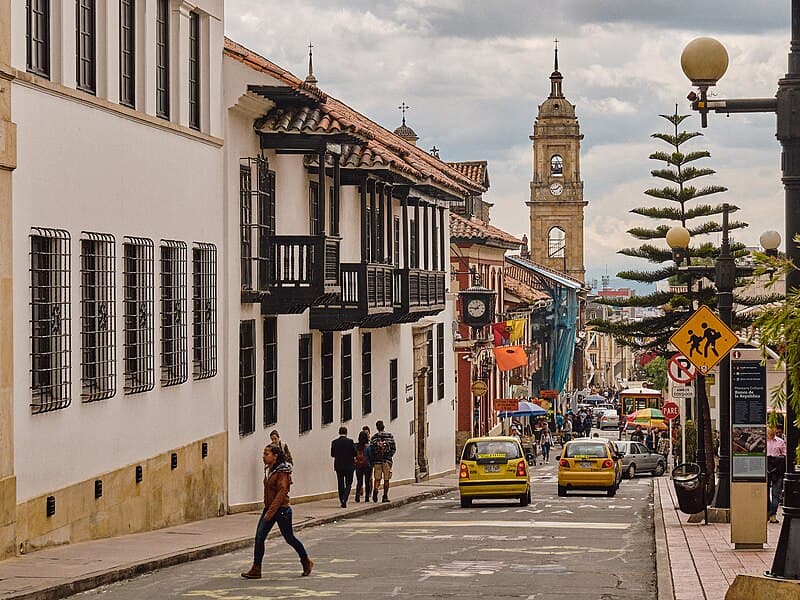
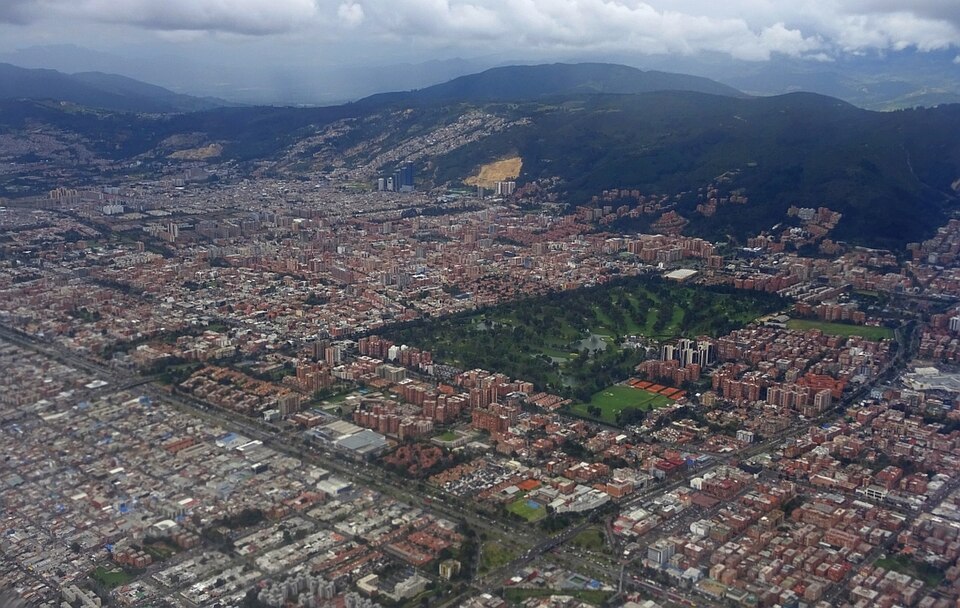
Bogotá is the capital of Colombia and one of the highest-altitude major cities on earth — it sits on a plateau in the Andes at 2,640 metres, where it feels like spring all year round, with daytime temperatures around 18 degrees and cool nights. Above the city rises Monserrate hill with its church, reached by cable car, and beyond it the green ridges of the Andes. The historic centre, La Candelaria, with its pastel-coloured colonial houses, churches and universities, doubles as an open-air gallery of street art unlike anywhere else in Latin America — graffiti is legal here and has covered entire streets. The Gold Museum, with 34,000 pieces from pre-Columbian cultures, is one of the best museums on the continent and explains the legend of El Dorado. Today Bogotá is a modern metropolis of 8 million people, with an excellent restaurant scene, Sunday ciclovía cycling routes and cafés serving Colombian coffee. After decades of conflict, it's safer than people expect, though caution is still needed. An hour away is the Salt Cathedral of Zipaquirá, carved into a mine.
What to see
The places worth your time in Bogota, and what to expect at each
Gold Museum
La Candelaria
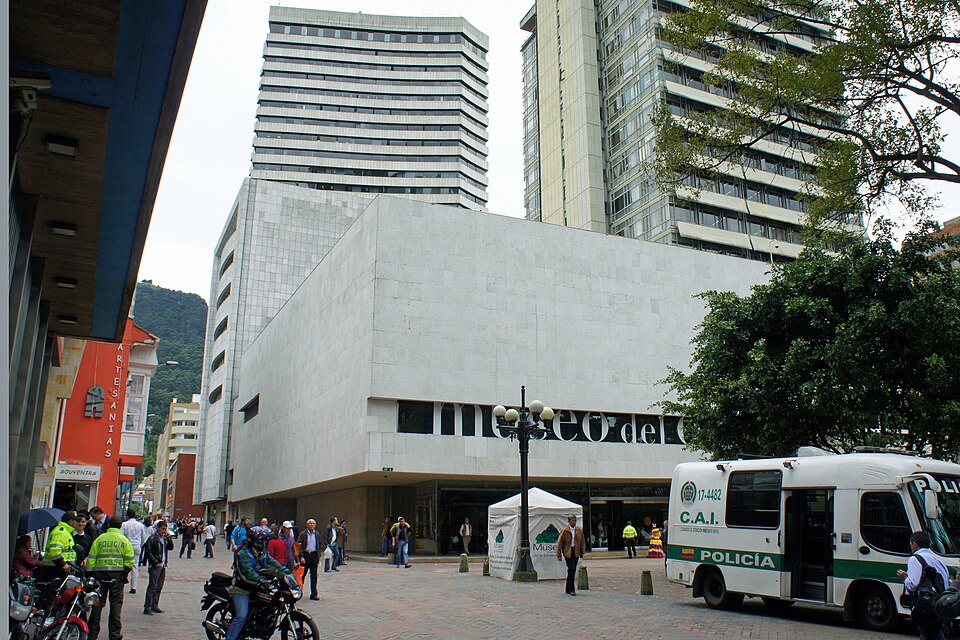
The central bank's museum, with 34,000 gold objects from Colombia's pre-Columbian cultures. The highlight is the Muisca gold raft, depicting the ceremony on Lake Guatavita that gave rise to the legend of El Dorado, plus a room where hundreds of gold pieces light up in the dark.
Tip: Entry is free on Sundays, but it's packed — a weekday morning for a few thousand pesos is better. The English audio guide is worth it. Closed on Mondays. The museum is by Parque Santander at the edge of La Candelaria.
Admission:
admission fee
Time needed:
2 h
Monserrate
Monserrate
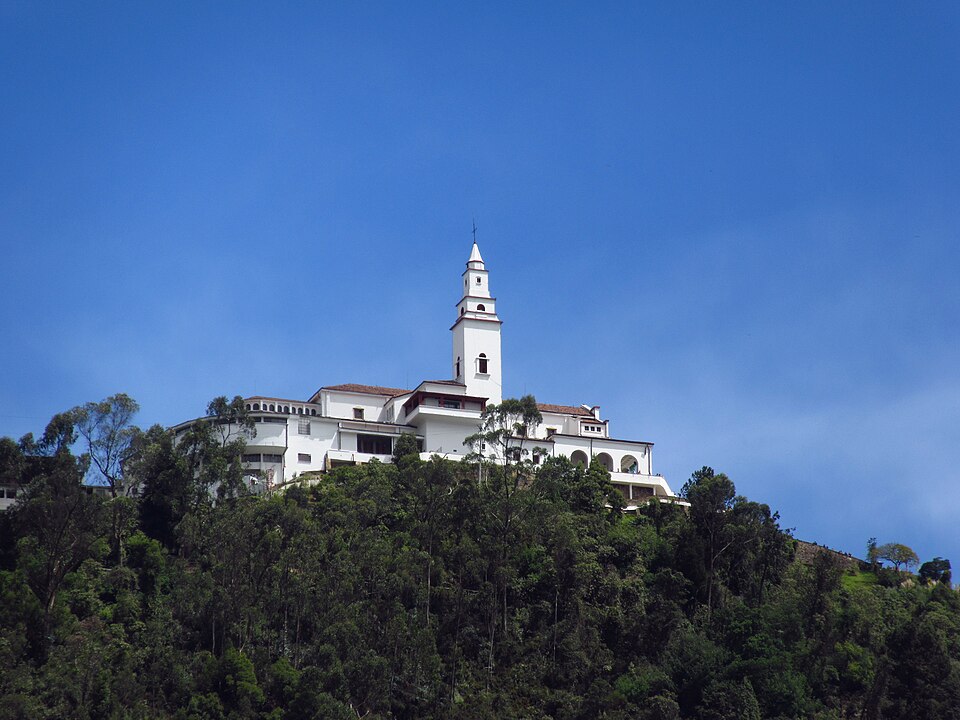
A hill 3,152 metres high above the centre, topped by a white church, reached by cable car or funicular. Views stretch across all of Bogotá, which spreads 40 kilometres into the distance.
Tip: Go up in the morning, when it's clearest — clouds and rain roll in during the afternoon. Walking up the trail takes an hour and a half and is tough going because of the altitude, so definitely not on day one. There are food stalls and two restaurants at the top. Expect a queue for the cable car on Sundays.
Admission:
cable car fare
Time needed:
2–3 h
Museo Botero
La Candelaria
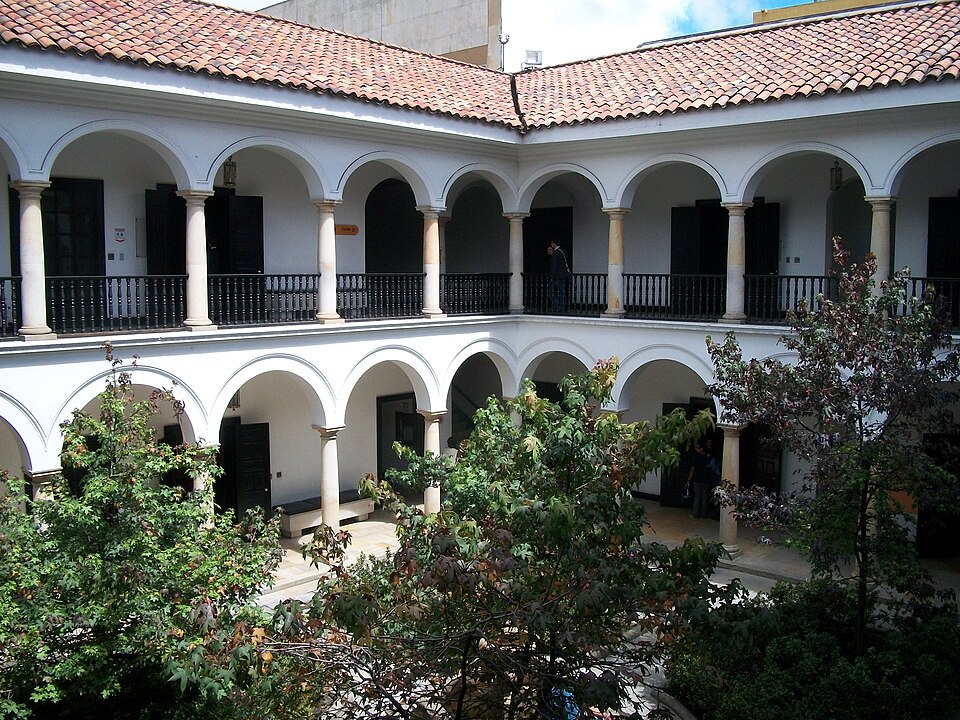
A museum in a colonial house holding the collection Fernando Botero donated to the city: over 100 of his paintings and sculptures with their trademark rounded figures, plus works by Picasso, Monet, Renoir and Dalí from his private collection.
Tip: Admission is free. The museum is part of a complex that also includes the central bank's art museum and the mint — all free and connected. Busiest at weekends.
Admission:
free
Time needed:
1.5–2 h
Plaza de Bolívar
La Candelaria
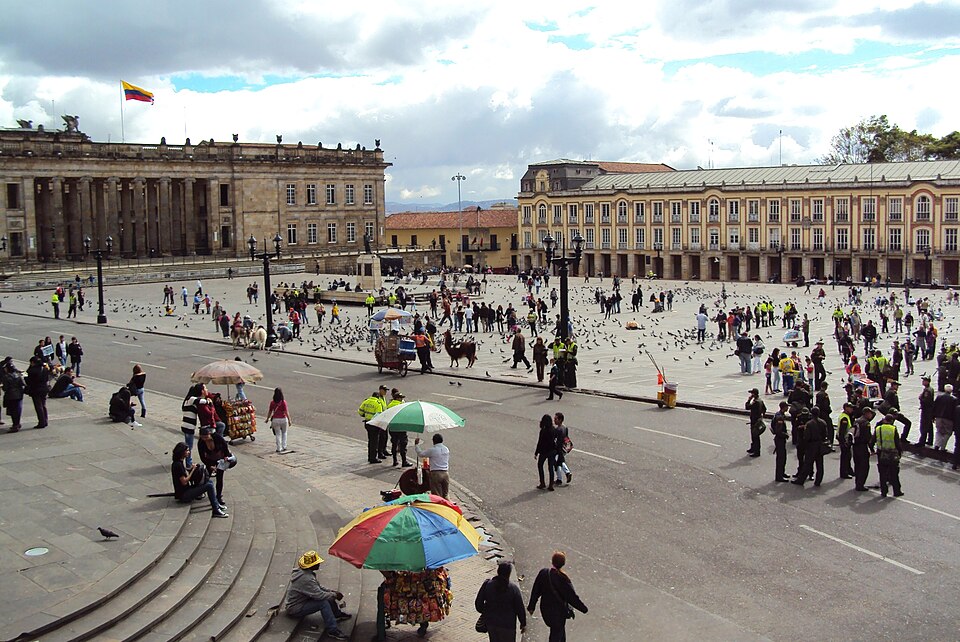
Bogotá's main square, flanked by the cathedral, the Capitol, the Palace of Justice and the town hall, with a statue of Simón Bolívar. A place for protests, celebrations and pigeons — the country's most important buildings surround it, and it remains the site of most demonstrations and public events.
Tip: The cathedral is open to visit and free. Vendors sell pigeon feed in the square, and llama photo ops are offered too — agree the price beforehand. The Palace of Justice was the scene of a tragic guerrilla siege in 1985.
Admission:
free
Time needed:
45 min
La Candelaria and Chorro de Quevedo
La Candelaria
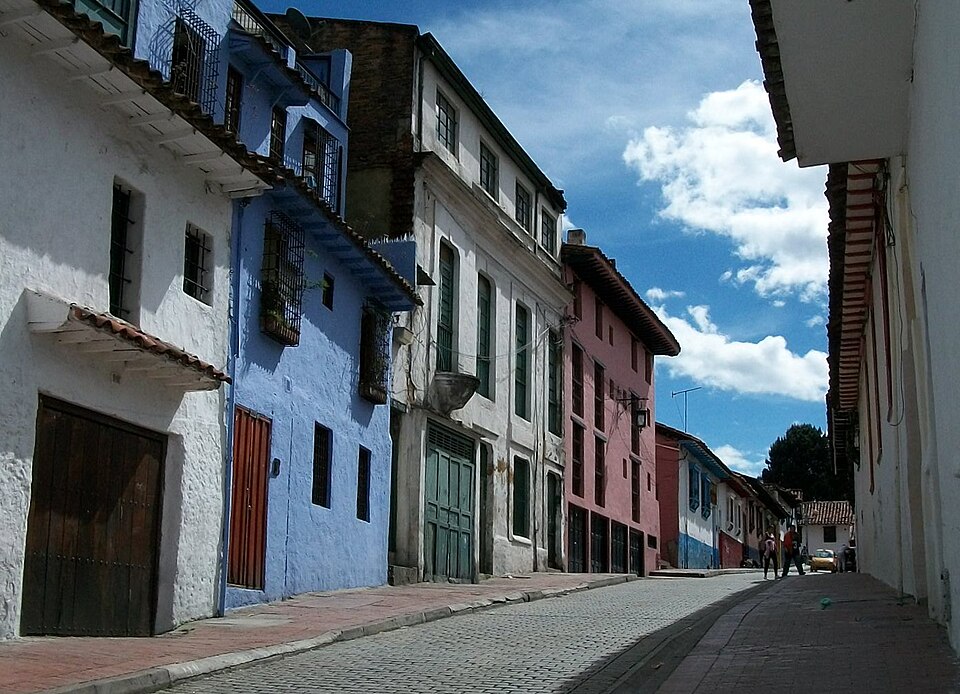
Bogotá's oldest neighbourhood, with colourful colonial houses, steep cobbled alleys and the small square of Chorro de Quevedo, traditionally said to be where the city was founded. Home to universities, cafés and hostels.
Tip: In the Callejón del Embudo alley by Chorro de Quevedo, you can try chicha, the Muisca people's fermented corn drink. The neighbourhood is lively by day, but unsafe off the main streets at night. It's at its nicest in the morning.
Admission:
free
Time needed:
2 h
Graffiti tour
La Candelaria
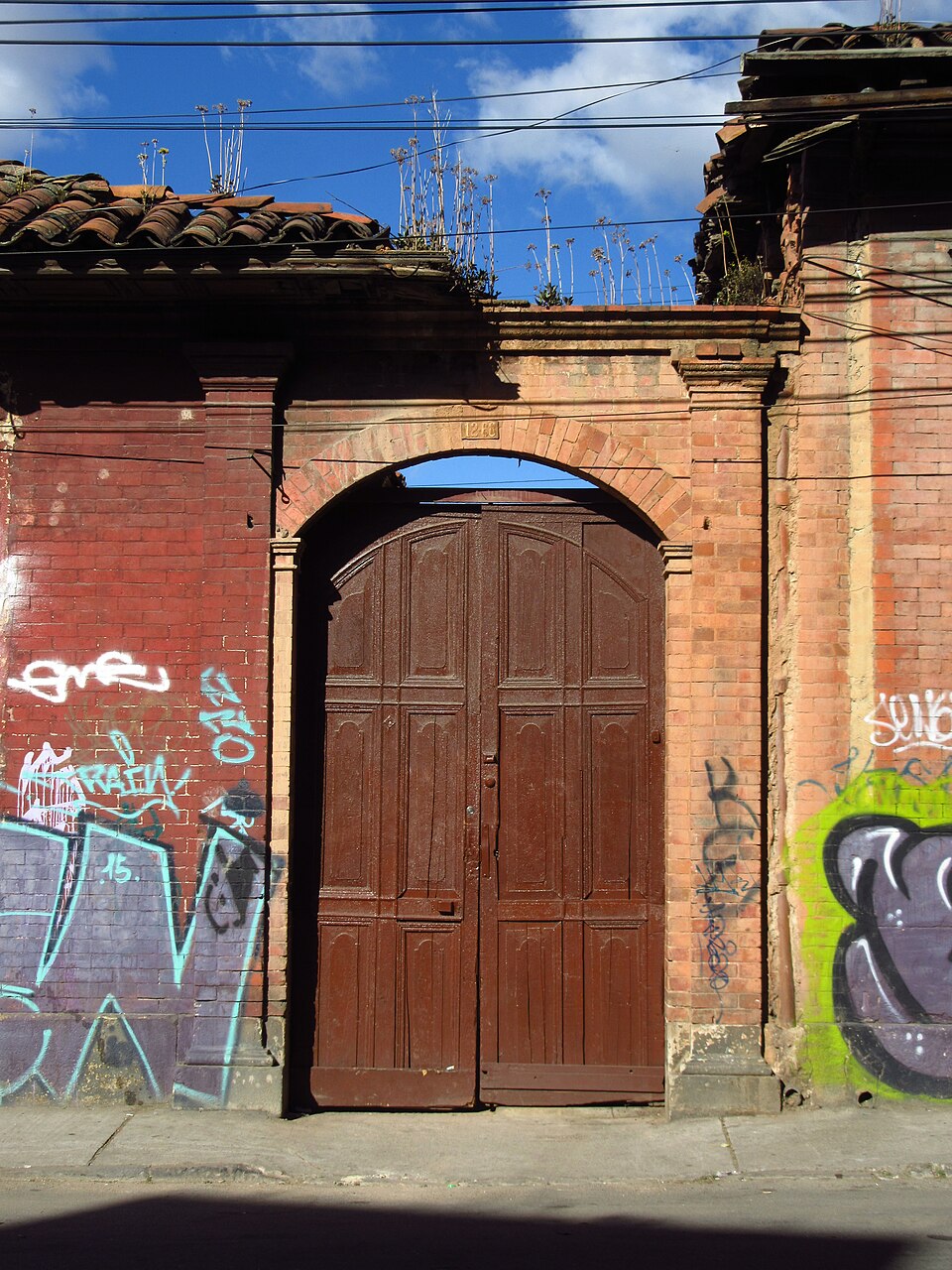
Street art in La Candelaria and along the main avenues ranks among the best in the world. After a young graffiti artist was killed in 2011, the city legalised graffiti, and today entire building façades are covered in it.
Tip: The free Bogotá Graffiti Tour sets off daily from Parque de los Periodistas and lasts two and a half hours — the guides are working artists, and a tip at the end is expected. The best pieces are on Calle 26 and around Avenida Jiménez.
Admission:
free, tips expected
Time needed:
2.5 h
Paloquemao Market
Paloquemao
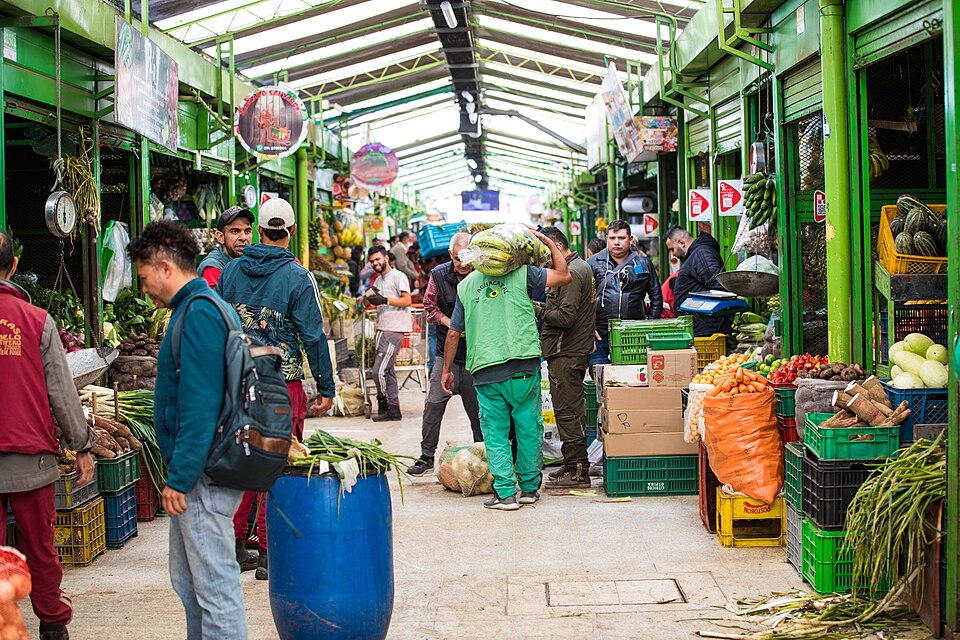
Bogotá's largest market, with fruit you've never heard of, flowers, meat, fish and food stalls. Mountains of flowers destined for export around the world are sold here every morning.
Tip: Arrive between 6 and 8am, when the flower section is at its most beautiful. Try lulo, guanábana, pitahaya and gooseberry-like uchuva — vendors are happy to give you a taste. Bring only cash and few valuables. It's a 10-minute taxi ride from the centre.
Admission:
free
Time needed:
1.5 h
Usaquén
Usaquén
A former colonial village on the north side of the city, now absorbed by Bogotá, with a square, a church and restaurants. On Sundays it hosts a large flea market of crafts and food.
Tip: The Sunday flea market, Mercado de las Pulgas, is best around midday. The neighbourhood is safer than the centre and a good place for dinner. It's a 40-minute taxi ride from La Candelaria.
Admission:
free
Time needed:
2 h
José Celestino Mutis Botanical Garden
Engativá
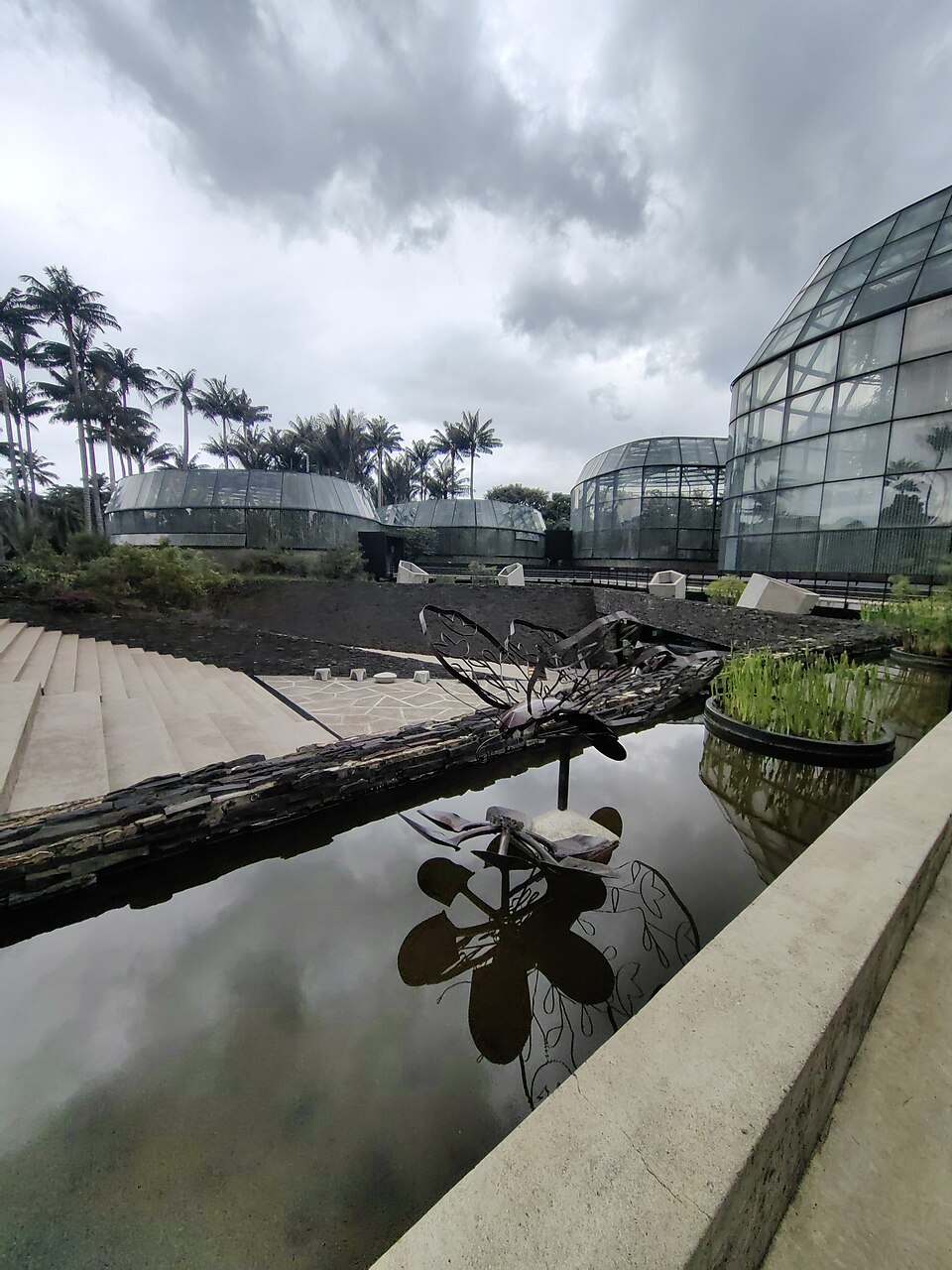
A botanical garden with plants from the Colombian Andes and high-altitude páramos, plus a greenhouse of tropical orchids and cacti. A calm escape from the city's bustle. It's named after the botanist who led the first scientific expedition across New Granada in the eighteenth century.
Tip: The tropical greenhouses and the páramo section, with its strange frailejón plants, are the highlights. The garden sits by Parque Simón Bolívar, Bogotá's largest park. Fewest crowds on weekdays.
Areas and districts, matched to the kind of trip you are taking
La Candelaria
Best for: history and budget
The colonial centre, with museums, hostels and cafés. Most interesting by day, quiet and less safe after dark.
Chapinero and Zona G
Best for: food
A neighbourhood of restaurants, cafés and bars — Zona G is Bogotá's gourmet heart. Quiet and safe, and close to both the TransMilenio and the centre.
Zona Rosa and Parque 93
Best for: nightlife and hotels
Northern districts with modern hotels, bars, clubs and shopping centres. The safest base in the city. Parque 93 is ringed with restaurants and outdoor terraces.
Usaquén
Best for: peace and quiet
A former village in the north with a colonial square and a Sunday market. About a 40-minute taxi ride from the centre, depending on traffic.
El Dorado International Airport lies 15 kilometres west of the centre and is one of the largest in Latin America. Flights from Europe typically connect through hubs such as Madrid, Amsterdam, Paris or Frankfurt, with a total journey time of 14–17 hours. Most nationalities don't need a visa for stays of up to 90 days, but must complete the online Check-MIG form before travelling. Because of the altitude, expect tiredness and headaches on your first day.
El Dorado International (BOG) · 15 km
Official fixed-fare taxi· 30–60 min· COP 45,000
Uber / DiDi· 30–60 min· COP 35,000
TransMilenio from the airport· 60–90 min· COP 3,200
Around town
Bogotá has no metro — the first line is under construction — so the main public transport is the TransMilenio rapid bus running in dedicated lanes: cheap, but crowded and prone to pickpockets. Visitors mostly get around by Uber, DiDi or Cabify. Taxis shouldn't be hailed on the street. On Sunday mornings the main avenues close to cars for the ciclovía cycling route.
Uber / DiDi / CabifyThe safest and most comfortable way to get around. · COP 15,000 within a neighbourhood
TransMilenioRapid bus with the Tu Llave card — cheap, but crowded at rush hour. · COP 3,200
Bicycles100 kilometres of cycle paths and the Sunday ciclovía. Rental shops in La Candelaria. · from COP 30,000/day
TransMiCable cable carA cable car above the Ciudad Bolívar district, part of the city's public transport network. · COP 3,200
On footLa Candelaria and the northern neighbourhoods by day. · free
Because of its altitude and equatorial location, Bogotá has an eternal spring: 18–20 degrees by day and around 8 at night, all year round. Seasons only really differ in rainfall. December to March and June to August are drier, while April, May, October and November are wetter, with afternoon showers. Dress in layers and always keep an umbrella in your bag.
Best time
December to March and July to August
What to avoid
April, May, October and November, because of the rain
Month
Jan
Feb
Mar
Apr
May
Jun
Jul
Aug
Sep
Oct
Nov
Dec
Day
20°
20°
20°
19°
19°
18°
18°
18°
19°
19°
19°
19°
Night
7°
8°
8°
9°
9°
9°
8°
8°
8°
8°
8°
8°
Rainy days
7
9
13
17
17
13
12
11
12
17
16
10
Food & drink
Bogotá has its own hearty mountain cuisine, well suited to cool evenings: soups, tamales and hot chocolate served with cheese. It's also a city of modern restaurants, where young chefs work with fruit and produce from across Colombia. Zona G and Chapinero have the best places, while a set lunch menú corrientazo in a canteen costs just a couple of dollars.
What to try
Ajiaco santafereño
A thick chicken soup with 3 kinds of potato, corn and the herb guasca, served with cream, capers and avocado. Bogotá's most iconic dish.
Chocolate santafereño
Hot chocolate with cheese dunked into it to melt, alongside almojábana bread. A classic afternoon snack in La Candelaria's old cafés.
Tamal tolimense
Corn dough with chicken, pork, egg and vegetables wrapped in a banana leaf — a Sunday breakfast eaten with hot chocolate.
Changua
A milky soup with egg, spring onion and toasted bread, a traditional Bogotá breakfast.
Bandeja paisa
A giant platter from Antioquia: beans, rice, minced meat, chicharrón, sausage, fried egg, plantain, avocado and arepa. One plate feeds 2, and it turns up as a tourist staple on the coast too.
Tinto and café
"Tinto" is a small, weak black coffee sold from a street vendor's flask for 1,000 pesos, sipped throughout the day. Confusingly, good Colombian bean coffee is only found in specialist cafés — the best of it used to be exported wholesale.
Fresh fruit juices
Lulo, guanábana, passion fruit and tamarillo are blended with water or milk. Colombia has dozens of fruits you'll never have heard of.
What it costs
Street tinto coffee
COP 1,500
Set lunch menu
COP 18,000–25,000
Ajiaco at a restaurant
COP 30,000–45,000
Dinner in Zona G
COP 90,000–180,000 per person
Club Colombia beer
COP 7,000–12,000
Monserrate cable car
from COP 26,000
TransMilenio ride
COP 3,200
Night in a 3-star hotel in Chapinero
COP 250,000–450,000
Indicative prices that change over time — treat them as a guide, not a price list.
Practical information
SocketsAtwo flat pins (US/JP)Btwo flat pins plus ground (US)
Voltage110V / 60Hz
Tap waterTap water is treated, bottled is common — Tap water is drinkable and tastes fine in Bogotá and Medellín, but not on the Caribbean coast — in Cartagena it's treated and locals drink it, but foreigners usually react to it. Bottled water costs around 2,000 pesos for a litre and a half in a shop, 3-times that on the street in the tourist centre. Ice in restaurants is made from treated water and is safe. In the coastal heat, budget for three litres a day; the cheapest option is a six-pack from an Éxito or Olímpica supermarket.
TippingA "propina voluntaria" of 10 percent is usually printed on the bill, and the waiter will ask whether to include it — it's optional and can be declined without awkwardness, but it's customary to leave it for good service. Bellhops get 2,000–3,000 pesos, tour guides ten thousand per person. Restaurants and hotels take cards; street vendors and markets want cash. ATMs charge a fee of around 20,000 pesos, so withdraw larger amounts at once — Davivienda and Bancolombia ATMs inside branches are the best value.
Driving on theright
SafetyColombia has changed over the past 20-years and tourist areas are now generally safe, though petty crime persists. The local rule is "no dar papaya" — don't give anyone the opportunity: don't get your phone out on the street, leave watches and jewellery at the hotel, and don't hang your bag on the back of a café chair. At night, move around by app-booked taxi, never one hailed on the street. Never leave your drink unattended — scopolamine spiking is a real risk in bars. The emergency number is 123, and tourist police patrol popular districts. In Bogotá, avoid La Candelaria after dark and steer clear of the southern neighbourhoods. In your first few days at 2,640 metres, drink plenty of water and go easy on alcohol.
Opening hoursShops open from 9am to 7pm, and shopping centres until 9pm, including Sundays. Restaurants serve lunch, the main meal of the day, from noon to 2pm, with a "menú del día" at a fraction of the evening price. Dinner is eaten from 7pm. Museums close on Mondays. On Sunday mornings, major cities close their main avenues to cars for cyclists, known as ciclovía.
Customs & etiquetteColombians are formally polite: greetings, "por favor" and "gracias" are used far more than in Spain, and people are addressed as "señor" and "señora". Jokes about drugs, Escobar or cocaine are genuinely offensive here, even when a Colombian makes them. Haggling in markets is mild — aggressive bargaining isn't the done thing. Shoulders should be covered in churches. The phrase "¿Me regalas...?" simply means "could I have...?" and isn't a request for a gift.
A few local wordsHello — Buenos díasThank you — GraciasHow much is it? — ¿Cuánto vale?The bill, please — La cuenta, por favorNo, thank you — No, graciasI don't speak Spanish — No hablo español
How to plan your days
1 day
A day in Bogotá
1Morning cable car up to Monserrate.
2Gold Museum.
3Lunch: ajiaco in La Candelaria.
4Afternoon at Museo Botero and Plaza de Bolívar.
5Hot chocolate with cheese, then dinner in Zona G.
2 days
2-days in Bogotá
1Day one as in the 1-day itinerary.
2Day two morning at Paloquemao Market.
3Graffiti tour in La Candelaria.
4Afternoon at the Botanical Garden.
5Evening in the bars of Zona Rosa.
3 days
3-days in Bogotá
12-days as above.
2Day three, trip to Zipaquirá.
3Salt Cathedral.
4Lunch in the town.
5Evening in Usaquén.
Day trips
Zipaquirá Salt Cathedral
50 km · 1.5 h by car or train
A cathedral carved into a salt mine 200 metres underground, with a Stations of the Cross and a main nave with a giant cross. On Saturdays and Sundays the historic Tren de la Sabana train runs here from Bogotá.
Lake Guatavita
75 km · 2 h by car
A circular crater lake where the Muisca chief, once covered in gold dust, used to throw offerings to the gods — the origin of the El Dorado legend. A guided trail runs around the lake; swimming and approaching the water are forbidden.
Villa de Leyva
165 km · 3.5 h by car
A colonial town with one of the largest squares in the Americas, whitewashed houses and cobbled streets. The surrounding area has fossils, vineyards and a desert. It's too far for a single day — better to stay overnight.
Frequently asked questions
Is Bogotá safe?+
Much more than it was 20 years ago, but it still calls for caution. Stay in the north, in Chapinero or Zona Rosa, get around using ride-hailing apps, and don't pull your phone out on the street.
How do I cope with the altitude?+
Rest on your first day, drink plenty of water and coca-leaf tea (mate de coca), and go easy on alcohol. Save the walk up to Monserrate for day three.
Do I need a visa for Colombia?+
Not for stays of up to 90 days. You do need to fill in the Check-MIG form on the migration authority's website before you travel, though.
How many days are enough for Bogotá?+
2–3 days, plus a day for Zipaquirá. From there most people continue to Medellín, the coffee region or Cartagena.
How do I get from the airport?+
Take an official fixed-fare taxi from the rank outside the arrivals hall, or an Uber. The journey takes 30 minutes to an hour depending on traffic.
Where should I stay in Bogotá?+
In Chapinero, Zona G or Zona Rosa. La Candelaria is interesting, but less safe at night.
Is Bogotá cold?+
It's around 18 degrees by day and 8 at night. Hotels often have no heating, so pack a jumper and a jacket.
When is Bogotá's ciclovía?+
Every Sunday and on public holidays from 7am to 2pm, across more than 100 kilometres of closed streets.
Visa Requirements
Check the latest visa requirements for entering this country. Some nationalities may need to apply for a visa or e-visa before travel.