Hotels in Busan

Korea's port city, with beaches, cliffside temples and the country's biggest fish market

Busan

LanguageEnglish
CurrencyKRW
TimezoneGMT+9
Temperature2-30 °C
Dial Code+82
Population51.7M
Area100,210 km²
SocketsType C / Type F
Tap waterBottled advised

Discover Busan

Busan is South Korea's second-largest city and its main port, wedged between mountains and sea at the south-eastern tip of the peninsula. Compared with fast-paced Seoul it feels more relaxed and direct, with its own dialect that other Koreans consider rough but warm. The city stretches along a coastline of beaches — Haeundae is Korea's most famous beach, and Gwangalli sits beneath an illuminated bridge — while the colourful houses of Gamcheon village stack up the hills above the harbour. The Buddhist temple Haedong Yonggungsa stands directly on the rocks above the sea, a rarity in Korea, and the old Beomeosa temple in the mountains ranks among the country's most important. During the Korean War, Busan was one of the few cities that never fell, and hundreds of thousands of refugees built homes on its hillsides, which now draw photographers. Food lovers will find seafood at Jagalchi Market, chosen live and prepared a floor above. The KTX high-speed train from Seoul takes two and a half hours, so Busan combines well with a wider trip around Korea.

What to see

The places worth your time in Busan, and what to expect at each

Haedong Yonggungsa Temple

Haedong Yonggungsa Temple

해동용궁사

Gijang

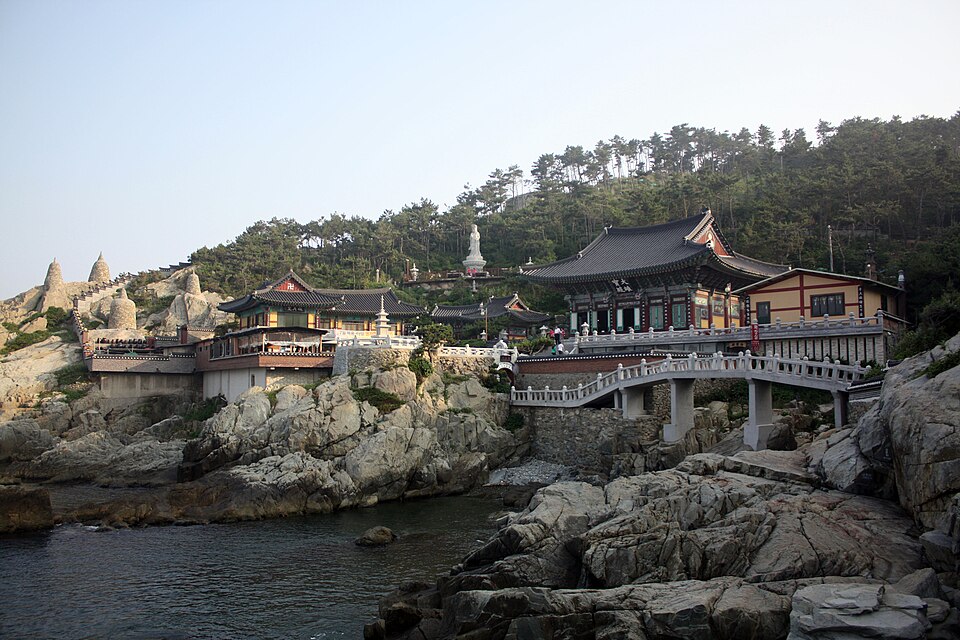
A Buddhist temple, said by tradition to have been founded in 1376, built directly on the rocks above the East Sea. Unlike most Korean temples, which stand in the mountains, here waves crash against the cliffs beneath the pavilions. A staircase of 108 steps, lined with statues of the twelve animals of the Chinese zodiac, leads up to it.

Tip: Go for sunrise — the temple opens at 4am and the sun rises right over the sea behind the pagoda; thousands come at New Year. By day, from ten onwards, it fills with tour groups. During Buddha's Birthday in May it's decorated with thousands of lanterns. Bus 181 from central Haeundae takes half an hour.

Admission:
free
Time needed:
1 h
Gamcheon Culture Village

Gamcheon Culture Village

감천문화마을

Saha-gu

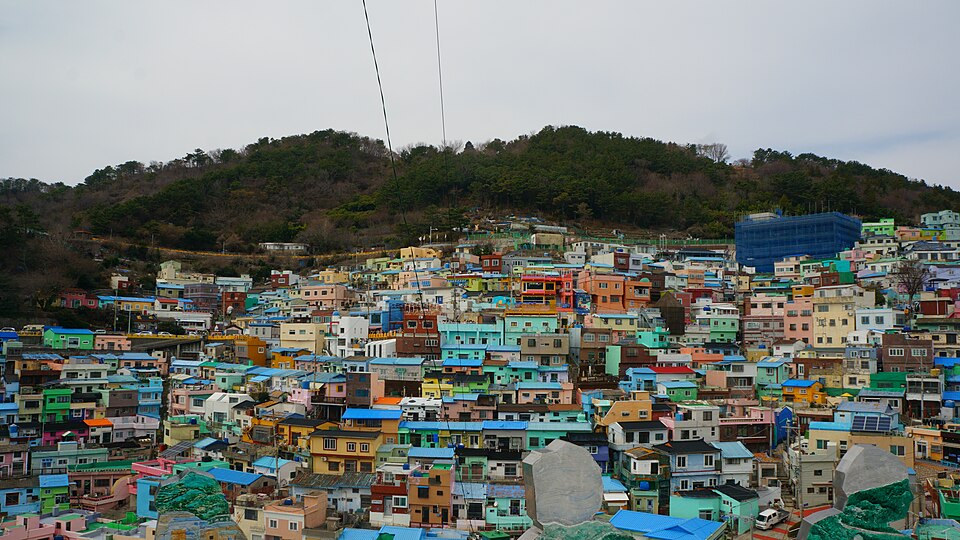
A neighbourhood on a steep hillside above the harbour, built by refugees and followers of a religious sect after the Korean War. Thousands of small pastel-painted houses stack up in terraces like an amphitheatre. In 2009, artists brought in sculptures and murals, turning a poor district into one of the most photographed spots in Korea.

Tip: Pick up a stamp map at the information centre and follow the route past all the artworks — you'll get a postcard for it. The most famous piece is the statue of the Little Prince with a fox, where people queue for photos. Remember that people actually live here: keep your voice down and don't photograph into windows. Minibus 1-1 or 2 climbs the hill from Toseong metro station, or it's a steep 20-minute walk.

Admission:
free, map KRW 2,000
Time needed:
1.5–2 h
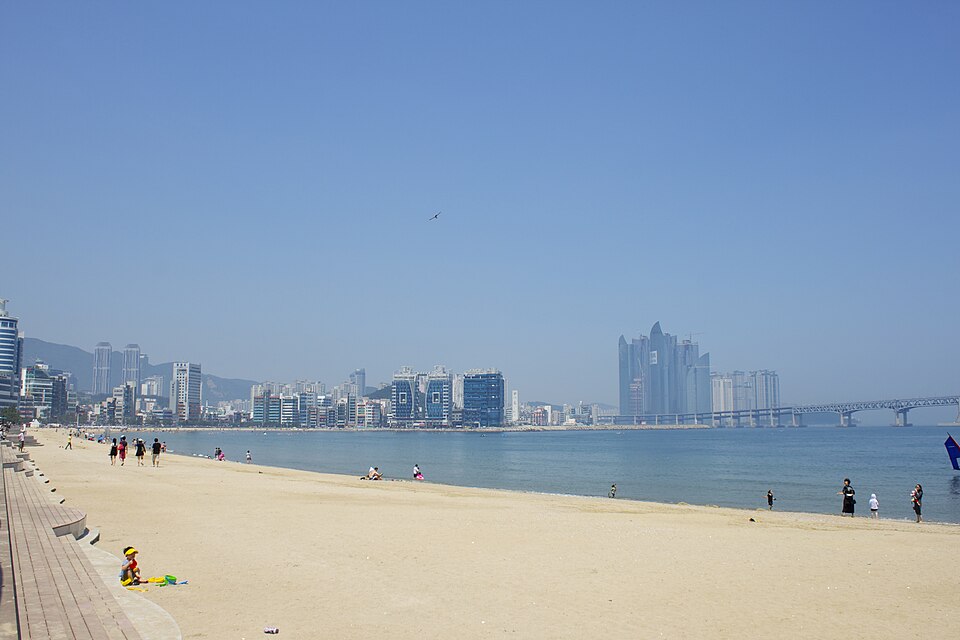
Haeundae Beach

Haeundae Beach

해운대 해수욕장

Haeundae

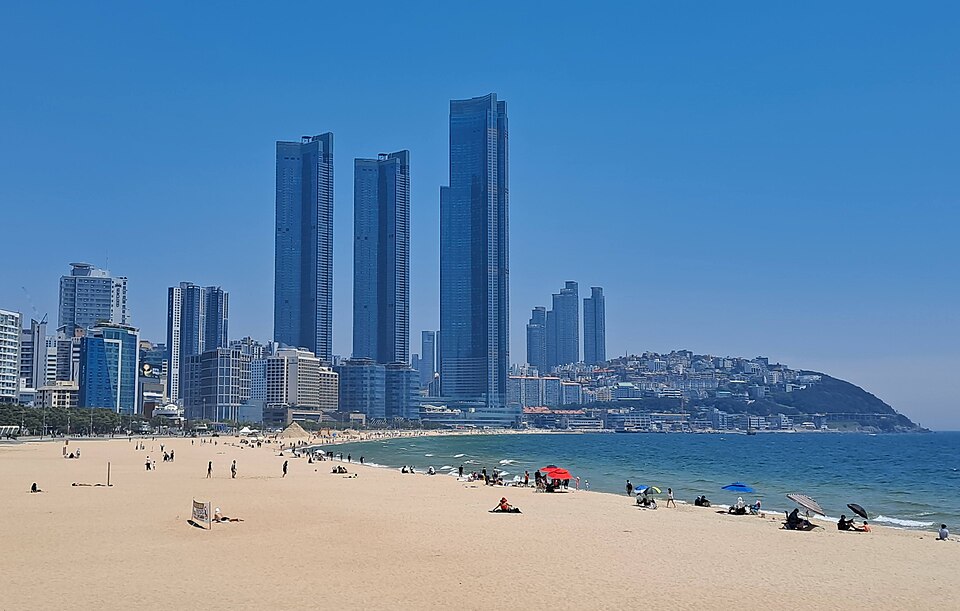
Korea's most famous beach, a 1.5-kilometre sandy arc lined with skyscrapers and luxury hotels. In summer it can draw up to a million visitors a day, with beach umbrellas packed in tight rows. At the far end lies Dongbaek Park, with a coastal path and the APEC pavilion.

Tip: Lifeguarded swimming runs from June to August; swimming is banned outside that period. The beach is packed in August and at its best in autumn and for a winter walk. From the beach, an old railway converted into the Blue Line Park promenade runs to Cheongsapo harbour, with a scenic sky-train above the sea and capsule-shaped cable cars — book online ahead of time.

Admission:
free
Time needed:
2 h
Jagalchi Fish Market

Jagalchi Fish Market

자갈치시장

Nampo

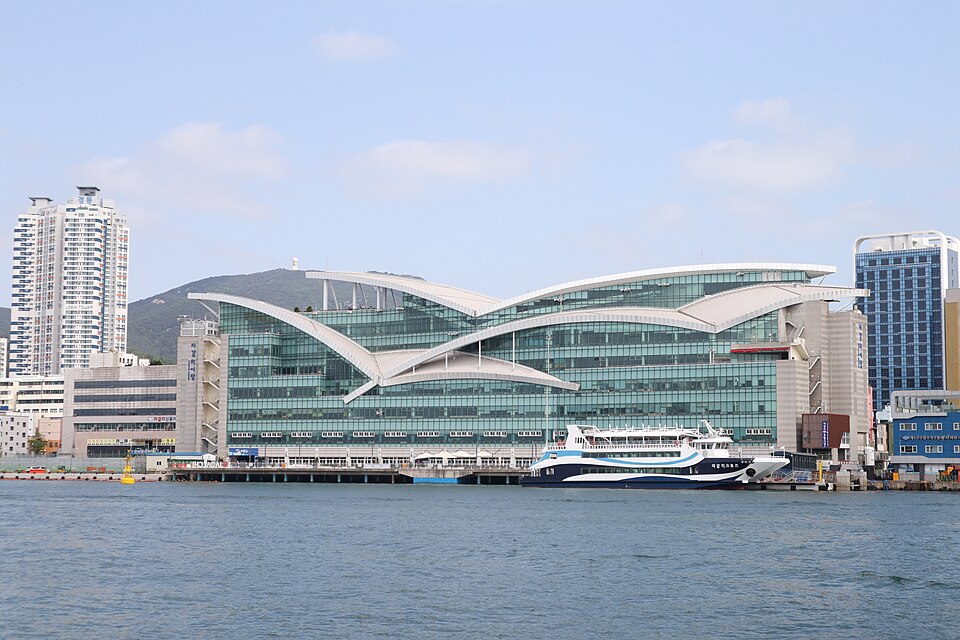
Korea's largest fish market, on the harbourfront, selling hundreds of species of fish, octopus, crab, shellfish, sea squirts and sea urchins, many still alive in tanks. The market's tradition is kept alive by women known as "ajumma", who took over the trade during wartime. The new building has a market on the ground floor and restaurants above.

Tip: Downstairs, choose your seafood, pay by weight, and the vendor sends it up to a restaurant on the floor above, where it's prepared as raw slices (hoe), grilled, or in a soup — preparation and side dishes are charged separately per person. Agree the price beforehand, as it can be haggled. It's liveliest around six in the morning, when the boats unload. Combine it with BIFF Square, famous for its sweet ssiat hotteok pancakes.

Admission:
free
Time needed:
1.5 h
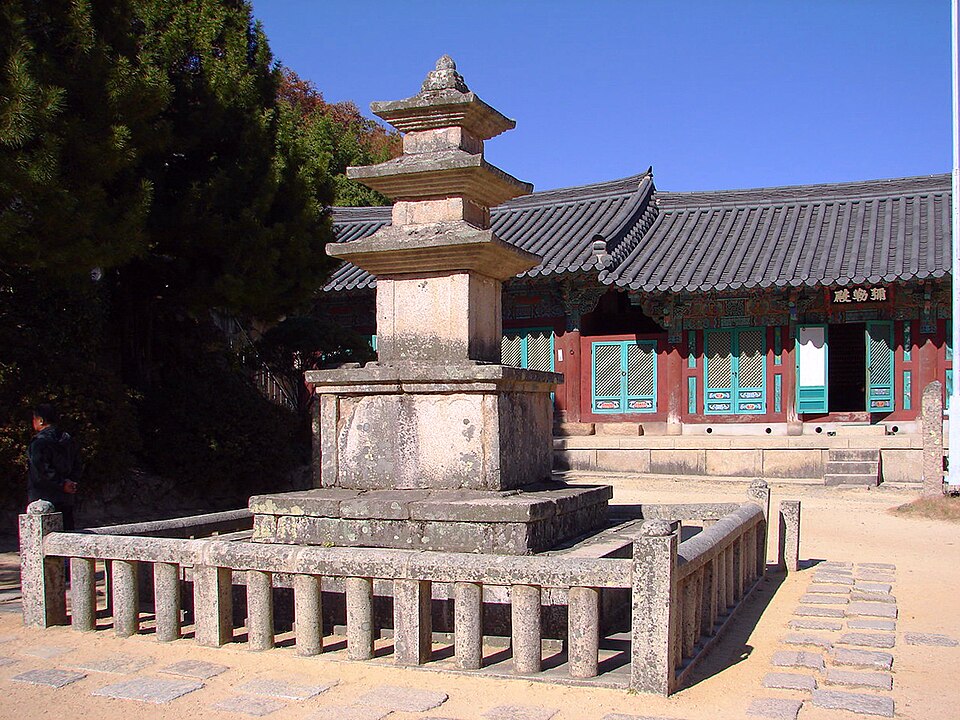
Beomeosa Temple

Beomeosa Temple

범어사

Geumjeong-gu

One of Korea's most important Buddhist temples, founded in 678 on the slopes of Mount Geumjeong. Its main halls date from the seventeenth century, when the temple was rebuilt after the Japanese invasion. It serves as the seat of one of the major orders of Korean Zen Buddhism, and monks still live here.

Tip: The temple runs a templestay programme, where you spend a night with the monks, meditate, eat vegetarian food and rise at three in the morning for prayers — book at templestay.com. A trail from the temple leads to the walls of Geumjeongsanseong Fortress, the longest mountain fortress in Korea. Wisteria blooms here in spring, and maples turn colour in autumn.

Admission:
free
Time needed:
1.5–2 h
Gwangalli Beach and Gwangan Bridge

Gwangalli Beach and Gwangan Bridge

광안리 해수욕장

Suyeong-gu

A bay beach with views of the 7.5-kilometre suspension bridge Gwangan, which lights up in changing colours at night. A waterfront promenade lined with cafés, bars and raw-fish restaurants runs along the beach. Livelier and younger in feel than Haeundae.

Tip: Come after dark, when the bridge lights up and street musicians perform on the beach. On Saturday evenings a drone show with thousands of drones lights up the bay, and in November the Busan Fireworks Festival draws hundreds of thousands of people — book a table at a café with a view well in advance. The best view of the bridge is from the rooftop bars in the buildings along the beach.

Admission:
free
Time needed:
2 h
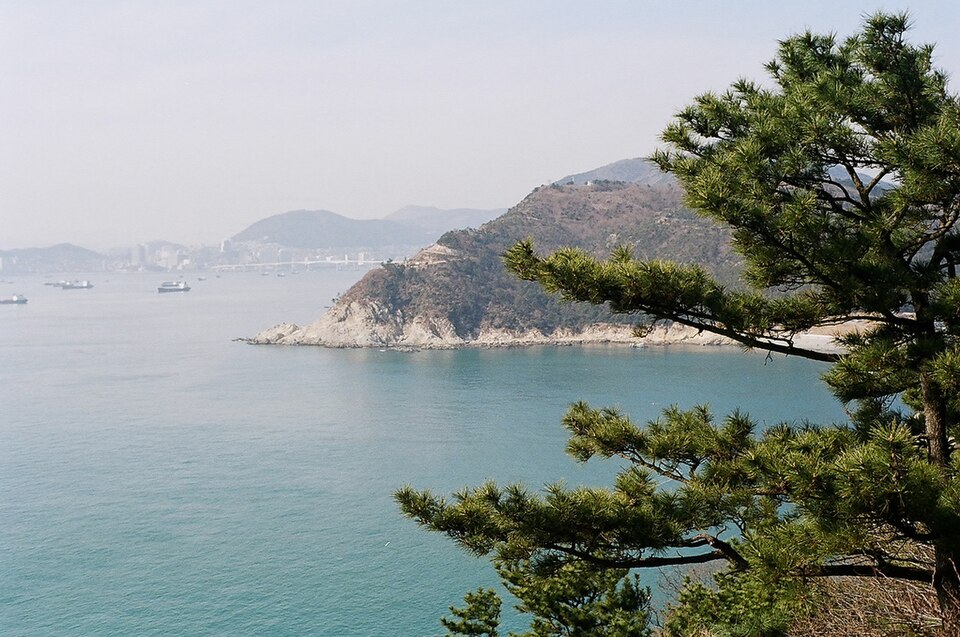
Taejongdae Cliffs

Taejongdae Cliffs

태종대

Yeongdo

A park at the southern tip of Yeongdo Island, with cliffs up to two 100-metres high, pine trees, a lighthouse and sea views. On a clear day, you can even see Japan's Tsushima Island. The site is named after King Taejong, said to have come here to practise archery.

Tip: The park loop measures 4-kilometres and can be walked or covered by the Danubi tourist train, which stops at the viewpoints. By the lighthouse, steps lead down to the rocks, where women divers (haenyeo) sell fresh shellfish and sea urchins straight from the sea. The train doesn't run on Mondays. Bus 8 or 30 from Nampo takes half an hour.

Admission:
free, train KRW 4,000
Time needed:
2 h
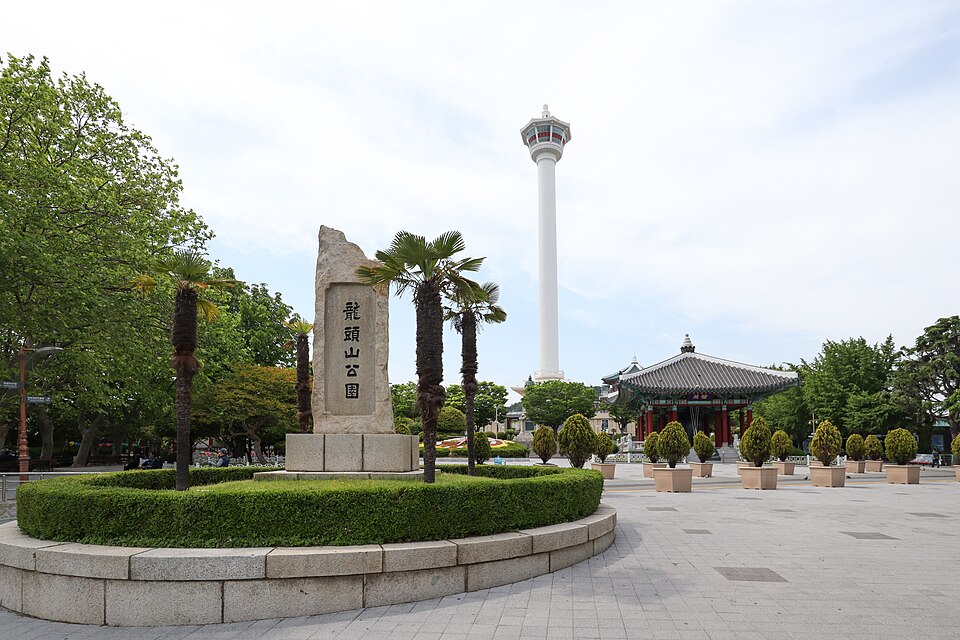
Yongdusan Park and Busan Tower

Yongdusan Park and Busan Tower

용두산공원 부산타워

Nampo

A hilltop park above the Nampo district, with a pavilion, a large bell and a statue of Admiral Yi Sun-sin, who defeated a Japanese fleet in the sixteenth century. At its centre stands the 120-metre Busan Tower, with views over the harbour, Yeongdo Island and the mountains.

Tip: Outdoor escalators climb the hill from the Gwangbok-ro shopping street, so there's no need to trek up. The viewpoint is loveliest at dusk. Afterwards, head back down to Nampo for the Gukje and BIFF Square markets, where street food is served at night. Around Christmas, Gwangbok-ro is lit up with a festival of lights.

Admission:
park free, tower around KRW 12,000
Time needed:
1 h
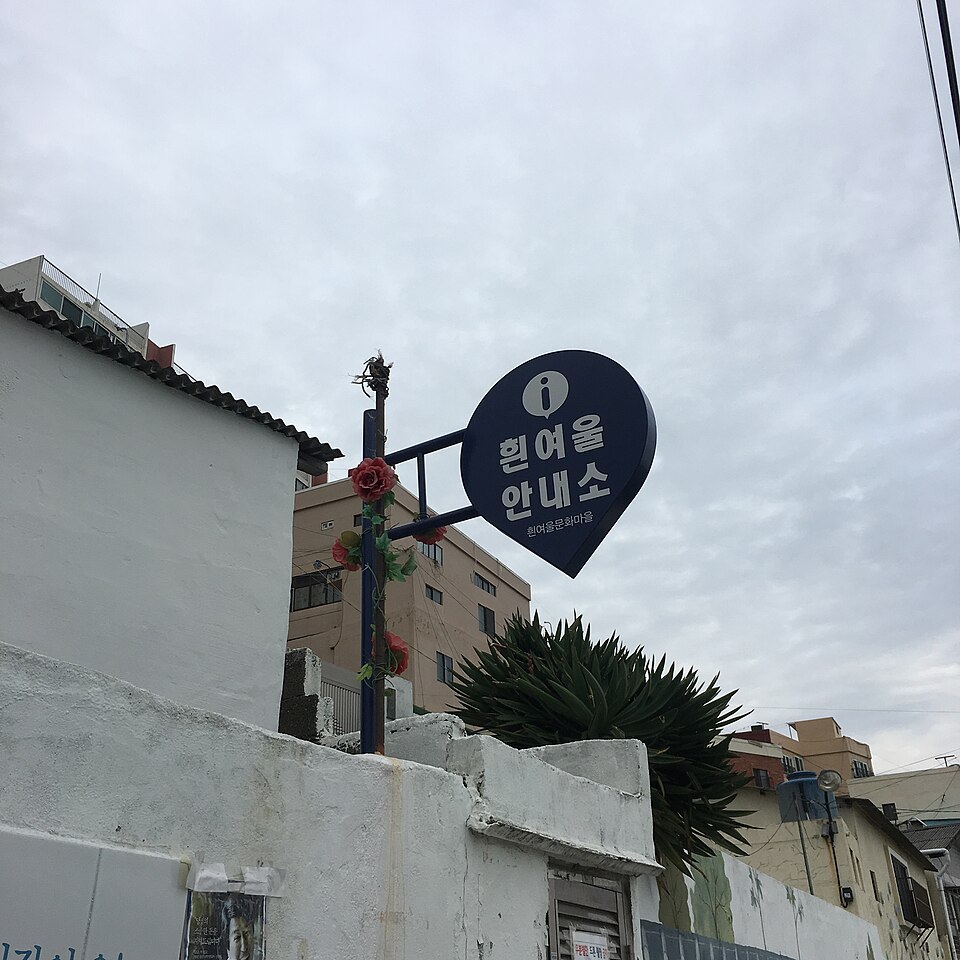
Huinnyeoul Culture Village

Huinnyeoul Culture Village

흰여울문화마을

Yeongdo

A narrow village on the cliffs above the sea on Yeongdo Island, with white houses, alleys and stairways running along the coast. Once home to postwar refugees, it's now full of cafés with views over boats anchored in the harbour. Korean films and TV series have been shot here.

Tip: A quieter, less touristy alternative to Gamcheon. Below the village runs a coastal path with a tunnel cut into the rock, popular for silhouette photos against the sea. The sunset over the anchored boats is the finest in the city here. Cafés fill up at weekends, and it's quiet on weekdays. A bus from Nampo crosses the bridge in 15-minutes.

Admission:
free
Time needed:
1 h

Photos: Haedong Yonggungsa Temple — 박혜민 (CC BY-SA 3.0) · Gamcheon Culture Village — Bl00dnFl4mes (CC BY-SA 4.0) · Haeundae Beach — Brit in Seoul (CC BY-SA 4.0) · Jagalchi Fish Market — Mobius6 (CC BY-SA 4.0) · Beomeosa Temple — Steve46814 (CC BY-SA 3.0) · Gwangalli Beach and Gwangan Bridge — Chelsea Hicks (CC BY 2.0) · Taejongdae Cliffs — *intacto (CC BY 2.0) · Yongdusan Park and Busan Tower — Mobius6 (CC BY-SA 4.0) · Huinnyeoul Culture Village — Yeoncong323 (CC BY-SA 4.0)

Where to stay

Areas and districts, matched to the kind of trip you are taking

Haeundae

Best for: beach, hotels, families

A modern district by Korea's most famous beach, with skyscrapers, luxury hotels, spas, restaurants and casinos. It has its own metro station and the Shinsegae Centum City mall, listed by Guinness World Records as the largest department store on earth. It's 40-minutes by metro to the old centre and the harbour.

Nampo and Jagalchi

Best for: old town, markets, food

The historic harbourside centre, with the Jagalchi and Gukje markets, the Gwangbok-ro shopping street, Yongdusan Park and street food. Hotels are cheaper, and it's close to Gamcheon and Yeongdo Island. Lively in the evenings.

Seomyeon

Best for: transport, nightlife, cheap hotels

A transport hub where two metro lines cross, with shops, underground shopping arcades, bars and restaurants open until dawn. Hotels here are cheaper than by the beaches, and everything is close by. No views and no sea.

Gwangalli

Best for: bridge views, bars, cafés

A smaller, younger beach district overlooking the illuminated bridge, with cafés, bars and seafood restaurants. Fewer large hotels, more guesthouses and apartments. The best place to enjoy the seaside in the evening.

Getting around

From the airport

There are no direct flights to Busan from Europe. The simplest route is to fly into Seoul, direct or via a connection, and then take the KTX high-speed train from Seoul Station, a journey of two and a half hours, or connect onto a domestic flight at Incheon. Gimhae International Airport has flights to Tokyo, Osaka, Fukuoka, Taipei, Hong Kong and Southeast Asia. Most Western passport holders don't need a visa for stays of up to 90 days; check whether the K-ETA electronic travel authorisation applies to your nationality before you travel. A ferry runs from Busan to Fukuoka in Japan, with a fast boat taking three and a half hours.

Busan Gimhae (PUS) · 17 km

  • Light rail and metro to Seomyeon· 35–45 min· KRW 1,800
  • Airport limousine bus to Haeundae· 60–70 min· KRW 8,000
  • Taxi to Haeundae· 40–60 min· KRW 35,000

Around town

Busan has four metro lines covering the main districts: the orange line runs from Nampo through Seomyeon, and the green line reaches the beaches of Gwangalli and Haeundae. Pay with a T-money or Cashbee card, which also work on buses and in taxis. Buses fill in the gaps, reaching places like Gamcheon, Taejongdae or Haedong Yonggungsa. Taxis are cheap and reliable, though drivers speak little English, so show your address written in Korean. Google Maps doesn't work well here — use Naver Map or KakaoMap instead.

MetroFour lines, fare by zone, pay with a T-money card. · KRW 1,600
BusCity routes reach temples and villages, free transfers within 30 minutes. · KRW 1,550
TaxiCheap, via the Kakao T app or hailed on the street. · KRW 4,800
Blue Line ParkScenic train and cable cars along the Haeundae coastline. · KRW 7,000

Useful apps: Naver Map, KakaoMap, Kakao T (taxi), Papago (translator), T-money / WOWPASS

When to go

The best period runs from September to November, with sunny skies, around 20°C, and October brings the Busan International Film Festival, Asia's largest. Spring, from April to May, brings cherry blossom and pleasant temperatures. Summer is hot and humid, around 30°C, with the monsoon (jangma) arriving in July and typhoons from August to September; on the plus side, swimming is possible and the beaches are lively. Winter is milder than in Seoul and rarely freezes, though a cold wind blows in off the sea. In November, a fireworks festival lights up Gwangalli Bay.

Best time

September–November, April–May

What to avoid

the monsoon in July, typhoons in August and September

MonthJanFebMarAprMayJunJulAugSepOctNovDec
Day8°10°14°19°23°25°28°30°27°23°17°11°
Night-1°1°5°10°14°18°22°24°20°15°9°2°
Rainy days458991013119553

Food & drink

Busan is South Korea's seafood capital. At Jagalchi Market and the restaurants along Gwangalli Beach, you'll find raw sliced fish (hoe), live baby octopus (sannakji), grilled shellfish and eel soups. The city also has its own specialities you won't find in Seoul: pork bone soup (dwaeji gukbap), cold noodles (milmyeon) and sweet stuffed pancakes (ssiat hotteok). Food is cheap and portions generous, and everything comes with free bowls of kimchi and banchan side dishes, topped up on request. Markets and street stalls fill up in the evening, and it's common to sit on the floor in restaurants. Soju and beer accompany everything.

What to try

Dwaeji gukbap

Busan's pork and rice soup, with pieces of meat in a milky broth simmered overnight from the bones. Seasoned at the table with shrimp paste, spring onion and chilli. It dates from the Korean War, when refugees cooked with whatever they had; a bowl costs around KRW 10,000.

Milmyeon

Cold wheat noodles in an icy beef broth or a spicy sauce, Busan's version of North Korean naengmyeon, invented by refugees who had no buckwheat. An ideal summer lunch.

Hoe

Thin slices of raw fish, dipped in a spicy sauce or soy with wasabi and wrapped in a lettuce leaf with garlic. At Jagalchi Market and in Gwangalli you choose your fish live and pay by weight.

Ssiat hotteok

A fried pancake filled with brown sugar and cinnamon, sliced open after cooking and stuffed with sunflower and pumpkin seeds. Busan's most famous street sweet, sold around BIFF Square.

Eomuk

Busan's fish cakes and skewers, simmered in broth at street stalls. The broth is served free in a paper cup and warms you up in winter. Busan is Korea's centre of eomuk production.

Dongnae pajeon

A thick pancake with spring onion and seafood, once eaten by kings in the Dongnae district. Served with makgeolli rice wine, and a classic dish for a rainy day.

Korean barbecue

Pork belly (samgyeopsal) or marinated beef (bulgogi and galbi) are grilled at the table, cut with scissors and wrapped in lettuce with garlic and ssamjang paste. Usually ordered for at least 2 people, alongside a green bottle of soju.

Soju and makgeolli

Soju is a clear spirit at around 16% in a green bottle, sipped from small glasses and the cheapest alcohol in the country. Makgeolli is a milky rice wine, sweet and low in alcohol, traditionally paired with savoury pajeon pancakes on rainy days.

What it costs

Dwaeji gukbap

KRW 9,000–12,000

Ssiat hotteok

KRW 2,000–3,000

Hoe at Jagalchi Market for two

KRW 40,000–80,000

Korean barbecue for two

KRW 40,000–60,000

Metro ride

KRW 1,600–1,800

Bottle of soju at a restaurant

KRW 5,000–6,000

Coffee at a café

KRW 4,500–6,500

Night in a 3-star hotel for two

KRW 90,000–160,000

Indicative prices that change over time — treat them as a guide, not a price list.

Practical information

SocketsCEuroplug, two round pinsFSchuko
Voltage220V / 60Hz
Tap waterTap water is treated, bottled is common — Tap water in Korea meets drinking-water standards, but Koreans don't drink it directly, and filters are common in both homes and restaurants. Every restaurant has a free jug of water or barley tea on the table, topped up by staff. Self-service water dispensers are also found in cafés and public offices. A bottle in a shop costs around KRW 1,000.
TippingTipping isn't customary in Korea and no one expects it — the price on the bill is final. Pay at the till on your way out. Cards are accepted almost everywhere, including taxis and markets; cash is only really needed for street stalls. The most useful item is a T-money transport card, which works on the metro, buses, taxis and in shops, and can be topped up with cash at convenience stores. Some Korean apps and online shops don't accept foreign cards, so it's worth having an app that can pay with one instead (WOWPASS).
Driving on theright
SafetySouth Korea is very safe, street crime is minimal, and lost items get returned. The real risks lie elsewhere: traffic, where delivery scooters ride on pavements too, summer monsoon downpours, and icy pavements in winter. Tourists won't notice the military tension with North Korea in everyday life; the exception is the Demilitarized Zone, which can only be visited on an organised tour with a passport. In spring, dust blows in from northern deserts, and Koreans wear masks when air quality is poor — check an air-quality index app. Emergency numbers are 112 (police) and 119 (ambulance), and the tourist information line 1330 speaks English.
Opening hoursKorea stays up late: shops open at ten and close at ten in the evening, shopping districts and barbecue restaurants run until midnight, and convenience stores and some eateries never close. Palaces and museums close on Mondays (Gyeongbok Palace on Tuesdays), with last admission an hour before closing. The metro runs roughly from half past five until midnight. During the Seollal (Lunar New Year) and Chuseok (autumn harvest festival) holidays, the whole country heads home to family, traditional markets and smaller restaurants close for 3-days, and trains sell out, while palaces stay open and are often free.
Customs & etiquetteRespect is shown to elders: things are given and received with both hands, drinks are sipped with the head slightly turned away, and you don't pour your own drink when with someone older — they pour for you, and you pour for them. In restaurants, staff are called over with a bell on the table or by calling out "jeogiyo". Chopsticks are never stuck upright in rice, and rice bowls aren't lifted to the mouth — a spoon is used instead. Shoes come off before stepping onto a heated ondol floor. Pink-marked metro seats are for pregnant women, and end-of-carriage seats for the elderly — sitting there is rude even in an empty carriage.
A few local wordsHello — AnnjonghaseijoThank you — KamsahamnidaExcuse me — ČchveseŋhamnidaHow much does this cost? — Olmajejo?This one, please (when ordering) — Igo čuseijoCheers — Gonbe

How to plan your days

1 day

Busan in 1-day

  1. 1Morning at Jagalchi Market for a seafood breakfast.
  2. 2Gamcheon Culture Village.
  3. 3Lunch of dwaeji gukbap, then Yongdusan Park.
  4. 4Afternoon at Haeundae Beach and Blue Line Park.
  5. 5Evening at Gwangalli, with its illuminated bridge.

2 days

2-days: sea and temples

  1. 1Day 1: Jagalchi, Gamcheon, Nampo and BIFF Square.
  2. 2Day 1 evening: Gwangalli.
  3. 3Day 2 morning: sunrise at Haedong Yonggungsa.
  4. 4Day 2 late morning: Blue Line Park and Haeundae.
  5. 5Day 2 afternoon: Beomeosa Temple.

3 days

3-days with Yeongdo Island

  1. 1Day 1: Nampo, Jagalchi and Gamcheon.
  2. 2Day 2: Taejongdae and Huinnyeoul Culture Village.
  3. 3Day 2 evening: Gwangalli and the drone show (Saturday).
  4. 4Day 3: Haedong Yonggungsa and Haeundae.
  5. 5Day 3 afternoon: Beomeosa or a spa in Haeundae.

Day trips

Gyeongju

90 km · 30 min by KTX, 1 h by bus

Capital of the Silla kingdom for 1,000 years, nicknamed the museum without walls, with grassy hill-shaped royal tombs right in the middle of the city, the Bulguksa temple and the eighth-century Seokguram grotto shrine, both UNESCO-listed. It's loveliest in spring during cherry blossom and in autumn. The whole centre can be covered by bike.

Tongyeong

110 km · 2 h by bus

A port city on the south coast nicknamed Korea's Naples, with bays, islands and a cable car up Mount Mireuksan for views over the archipelago. In Dongpirang village, murals cover the hillside above the harbour, and the market sells the oysters Tongyeong is famous for. Buses run from the Seobu terminal.

Tongdosa Temple

45 km · 1 h by bus

One of Korea's three jewel temples, founded in 646 and UNESCO-listed. It holds relics of the Buddha, so the main hall has no statue — a window behind the altar looks out onto a stupa containing the relics. The temple complex, with dozens of halls and hermitages, spreads across a forested valley. Buses run from the Nopo terminal at the end of metro line 1.

Frequently asked questions

How do you get from Seoul to Busan?+

The best option is the KTX high-speed train from Seoul Station, which takes 2.5 hours and departs several times an hour. Book online via the Korail Talk app, as weekend trains sell out. A cheaper option is the express bus, at 4 hours, or a domestic flight, at 1 hour.

How many days are enough for Busan?+

2–3 days. Busan makes a good stop on a wider trip around Korea, between Seoul, Gyeongju and a ferry to Japan. Anyone wanting the beaches will stay longer.

Can you swim in Busan?+

Yes, in summer from June to August, at the lifeguarded beaches of Haeundae, Gwangalli, Songjeong and Dadaepo. Swimming is banned outside the season. The water is clean, but the beaches get crowded in August.

Do I need a visa for Korea?+

Most Western passport holders can stay without a visa for up to 90 days. Korea has temporarily waived the K-ETA electronic travel authorisation for some nationalities — check the current requirements for your own passport before you travel. The arrival card can be filled in online.

How do you get to Japan by boat?+

From Busan's international ferry terminal, a fast boat reaches Fukuoka in 3.5 hours, and an overnight ferry takes 12; a shorter crossing runs to Tsushima Island. It's a good way to combine Korea and Japan without flying.

What is the Busan International Film Festival?+

Asia's biggest film festival, held in early October in the Centum City and Haeundae districts. Hundreds of films are screened and stars attend. Hotels in Haeundae sell out at that time.

Does Google Maps work here?+

For public transport, yes, but for walking and driving directions it doesn't give accurate routes because of Korean restrictions. Download Naver Map or KakaoMap instead, which have English versions and work very well.

Is Busan expensive?+

Cheaper than Seoul, especially hotels and food. A bowl of soup costs around KRW 10,000, and transport is inexpensive. The priciest items are the seafood at the market, sold by weight, where it's worth haggling.

Arrival Card

Fill in the required arrival card before your trip to avoid delays at immigration.

Complete Arrival Card

Visa Requirements

Check the latest visa requirements for entering this country. Some nationalities may need to apply for a visa or e-visa before travel.

Check visa requirements

Language

Korean

Currency

KRW

Timezone

GMT+9

Dial Code

+82

Population

51.7M

Area

100,210 km²

Voltage

220V / 60Hz

Driving Side

Right

Top Hotels in Busan

Live prices from 500+ properties

Loading hotels...

Planning a trip to Busan?

Compare hundreds of hotels, find the best price, and book with free cancellation on TravelManiac.