Is Cape Town safe?+
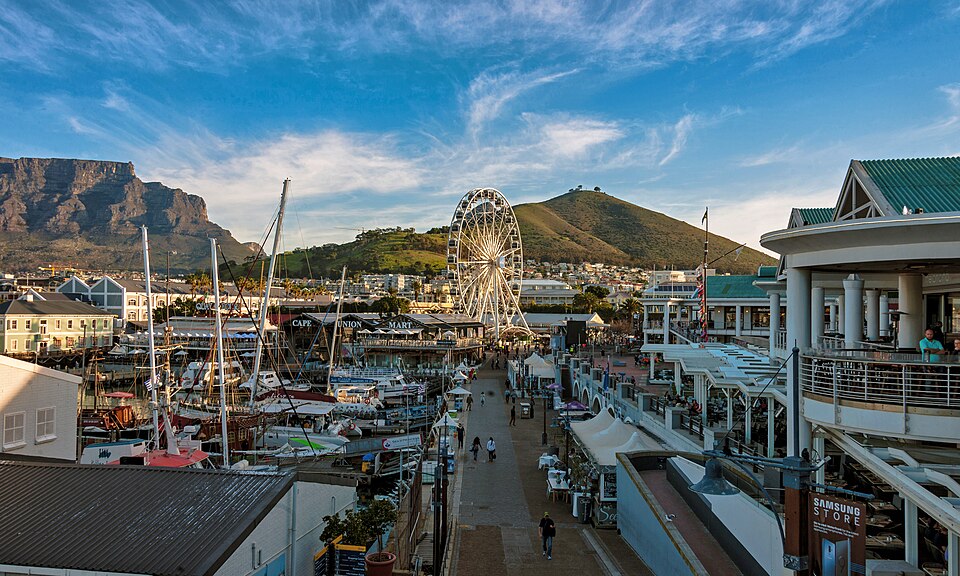
Crime is high and the rules need to be followed: don't walk on foot after dark, take an Uber even for short distances, don't carry your phone or jewellery visibly, don't leave anything in the car, and avoid remote areas. Tourist areas like the Waterfront, Sea Point and Camps Bay are safe during the day. Do hikes up the mountain in a group.
Do I need a visa for South Africa?+
Visa requirements depend on nationality, but many passport holders don't need a visa for stays of up to 90 days. Your passport must be valid for at least 30 days after departure and have 2 blank pages for stamps — without them you can be turned away at the airport. Travelling with children may require parental consent documents.
How many days for Cape Town?+
4–5 days for the city, Table Mountain, Robben Island and a loop around the peninsula. With wineries and Hermanus, a week. Cape Town is often combined with the Garden Route heading east along the coast, and with a safari in Kruger National Park for 2–3 weeks.
How do you get to Table Mountain?+
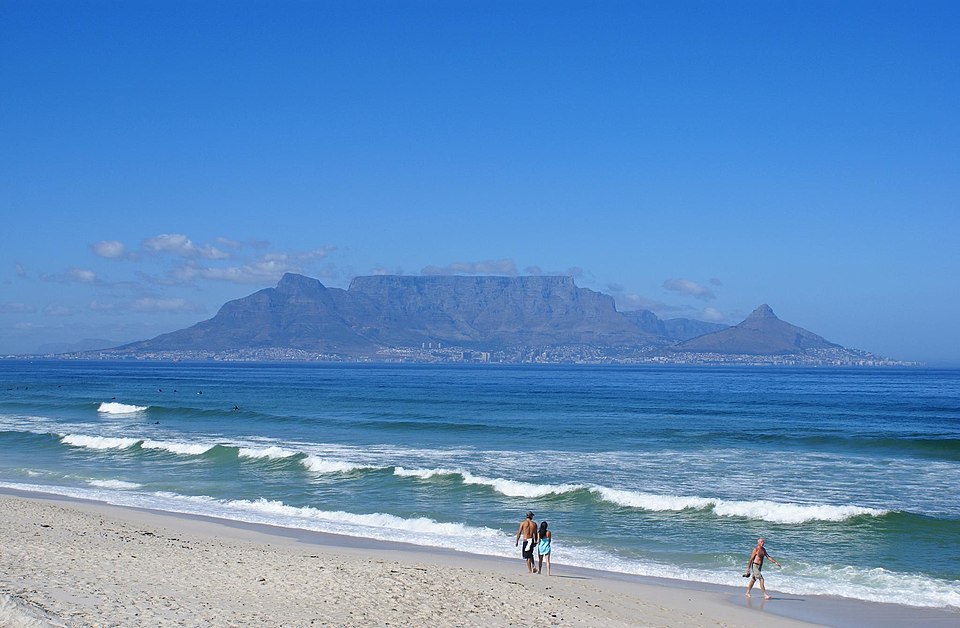
By cable car with a rotating cabin in 5 minutes, or on foot up the Platteklip Gorge trail in 2–3 hours. The cable car runs in good weather and closes in strong wind or cloud — check the website in the morning. Buying tickets online is cheaper. Best to go in the morning, as cloud often rolls in during the afternoon.
Can you swim in Cape Town?+
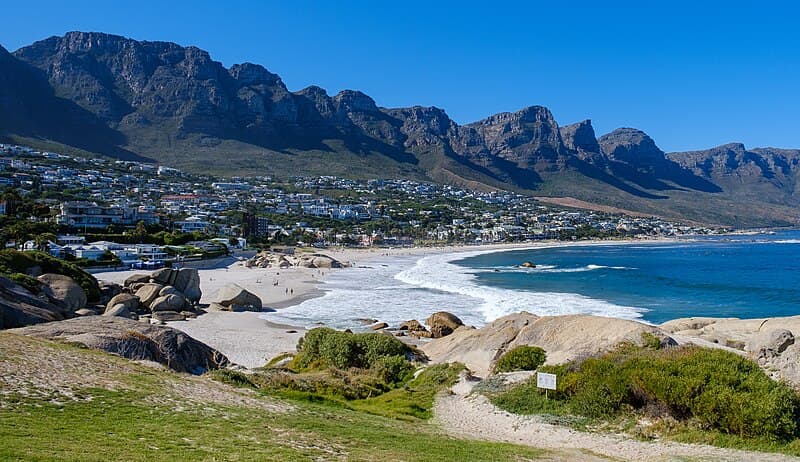
On the Atlantic side (Camps Bay, Clifton) the water is cold, around 15°C even in summer. False Bay to the east — Muizenberg, Fish Hoek, Boulders — is warmer, around 20°C. Muizenberg is ideal for beginner surfers. Only swim at lifeguarded beaches; in False Bay, shark spotters sometimes raise warning flags.
When's the best time for Cape Town?+
February to April and September to November — warm, less wind and fewer crowds. Summer, December to January, is the warmest but windiest and most expensive. Winter, June to August, is rainy and cold, but cheap and good for whale watching. For wildflowers on the West Coast, go in August and September.
How do you pay in South Africa?+
Card almost everywhere, and it's safer than cash. Cash is useful for tips — car guards, petrol station attendants, waiters. Only use ATMs inside shopping centres, and don't accept help from strangers. The rand is favourable for travellers from Europe, and prices are noticeably lower than in Europe.
Is Robben Island worth the trip?+
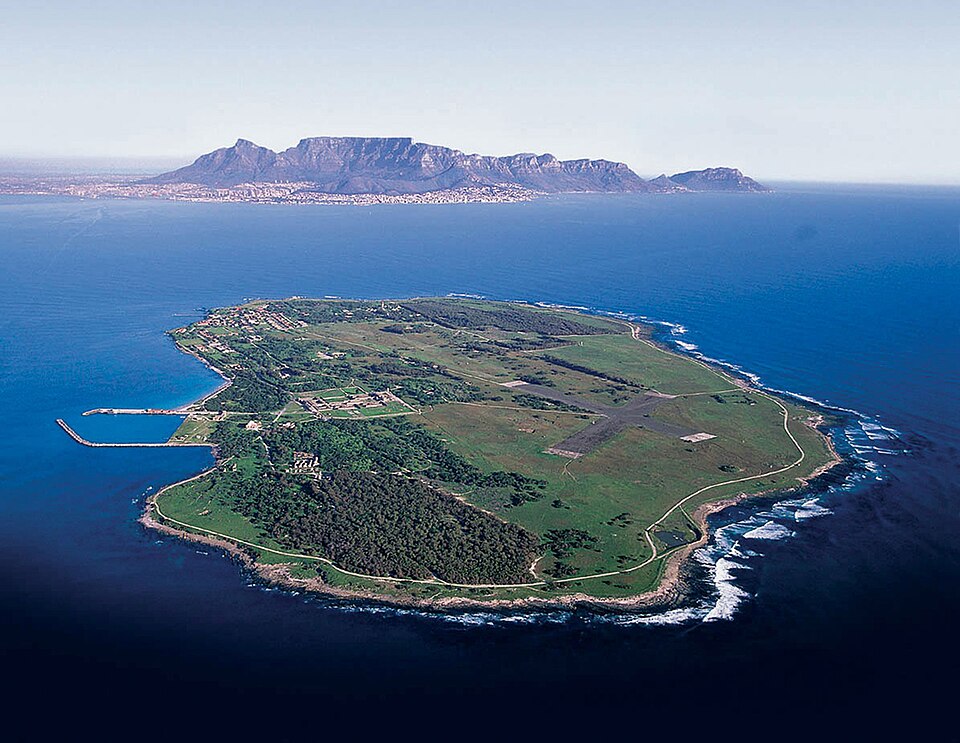
Yes, it's essential for understanding South African history. Tours are led by former political prisoners, and you'll see Mandela's cell. Tickets sell out, though, so book online in advance, and crossings are cancelled in windy weather — plan it for the start of your stay so you have a backup day.