The City of Gold, where the fight against apartheid was written into history
Johannesburg
LanguageEnglish
CurrencyZAR
TimezoneGMT+2
Temperature15-28 °C
Dial Code+27
Population60.6M
Area1,221,037 km²
SocketsType C / Type D / Type M / Type N
Tap waterDrinkable
Discover Johannesburg
Johannesburg was founded in 1886, after the discovery of the world's largest gold deposit, and within 10 years a mining camp had grown into a city. Locals call it Jozi or Egoli, the City of Gold. It's Africa's economic heart, the continent's richest and most dynamic metropolis, and also the place where the end of apartheid was decided. In Soweto, the vast township built for Black residents, both Nelson Mandela and Archbishop Desmond Tutu once lived — Vilakazi Street is the only street in the world where 2 Nobel Peace Prize winners have lived. The Apartheid Museum and Constitution Hill, a former prison that now houses the Constitutional Court, rank among Africa's most powerful museums. Johannesburg has a reputation as a dangerous city, and caution really is warranted, but those who follow the rules and travel by car or with a guide will find a city full of energy, art, markets and restaurants. It's also a gateway to safari — Pilanesberg is 2.5 hours away, Kruger National Park 5.
What to see
The places worth your time in Johannesburg, and what to expect at each
Apartheid Museum
Ormonde
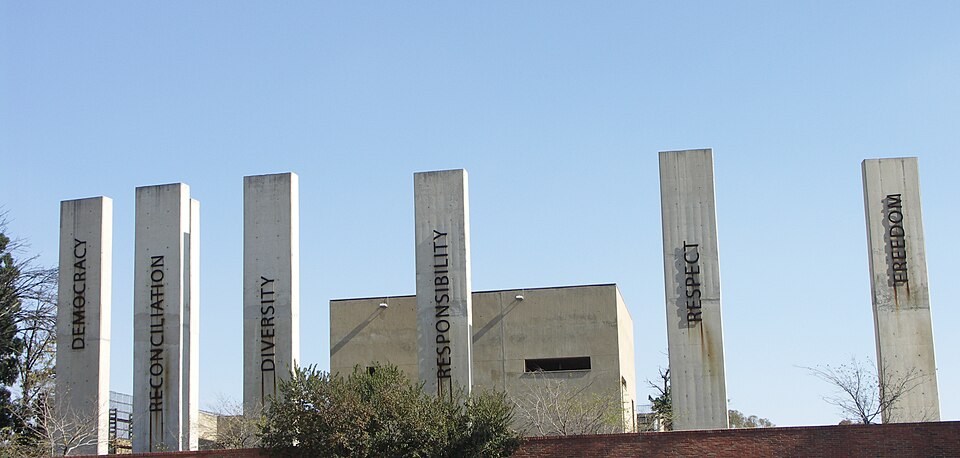
A museum on the history of apartheid, the system of racial segregation in force in South Africa from 1948 to 1994. At the entrance, you're randomly given a ticket marked 'white' or 'non-white' and pass through separate entrances. Beyond that, exhibits cover Mandela, the Soweto uprising and the transition to democracy.
Tip: Allow at least 3 hours; the museum is large and emotionally demanding. It's closed on Mondays. It's next to Gold Reef City amusement park, so the 2 can be combined. Not recommended for children under 12.
Admission:
admission fee
Time needed:
3 h
Constitution Hill
Braamfontein
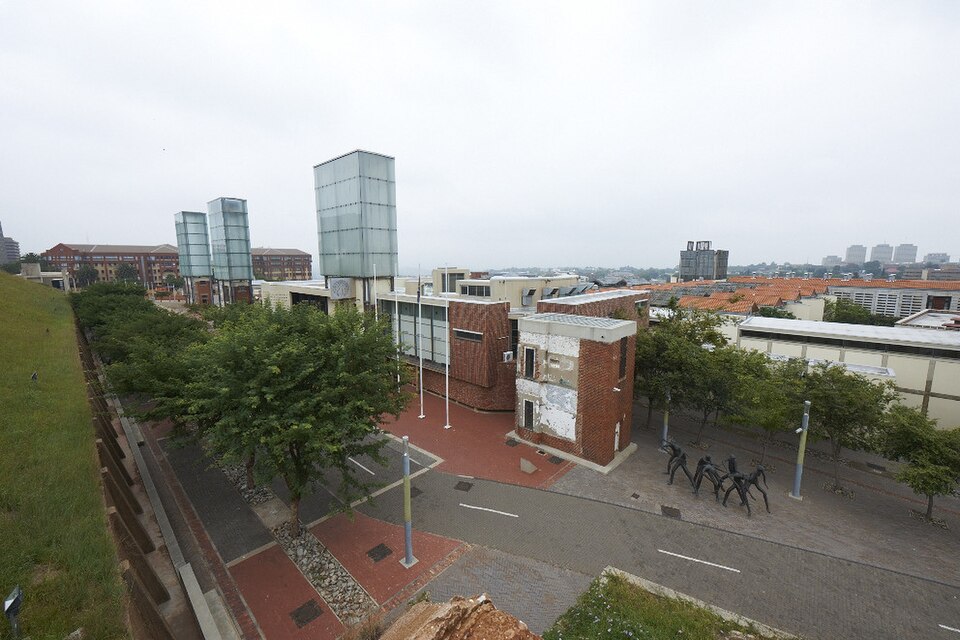
A former fort and prison that held Mandela, Gandhi and thousands of ordinary people who broke racial laws. The site today houses the Constitutional Court, built from bricks of the demolished prison and filled with art as a symbol of the new South Africa.
Tip: A guided tour is best — guides often share their own families' stories. The Constitutional Court building is free to enter, and human rights are carved into its doors in 11 languages. Braamfontein is a few minutes away.
Admission:
admission fee
Time needed:
2 h
Mandela House on Vilakazi Street
Soweto
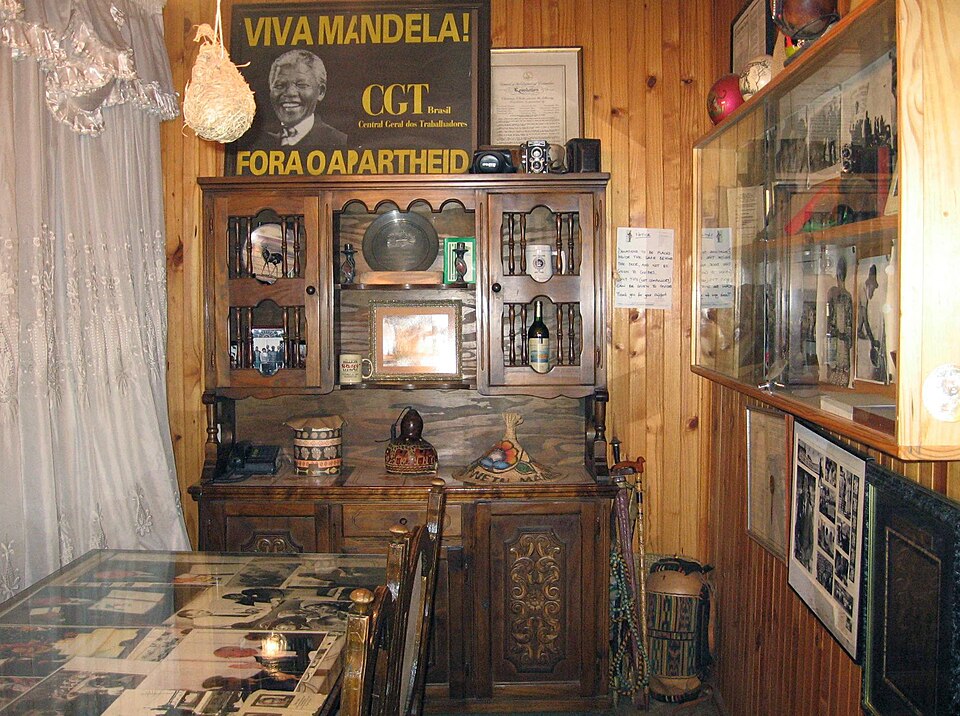
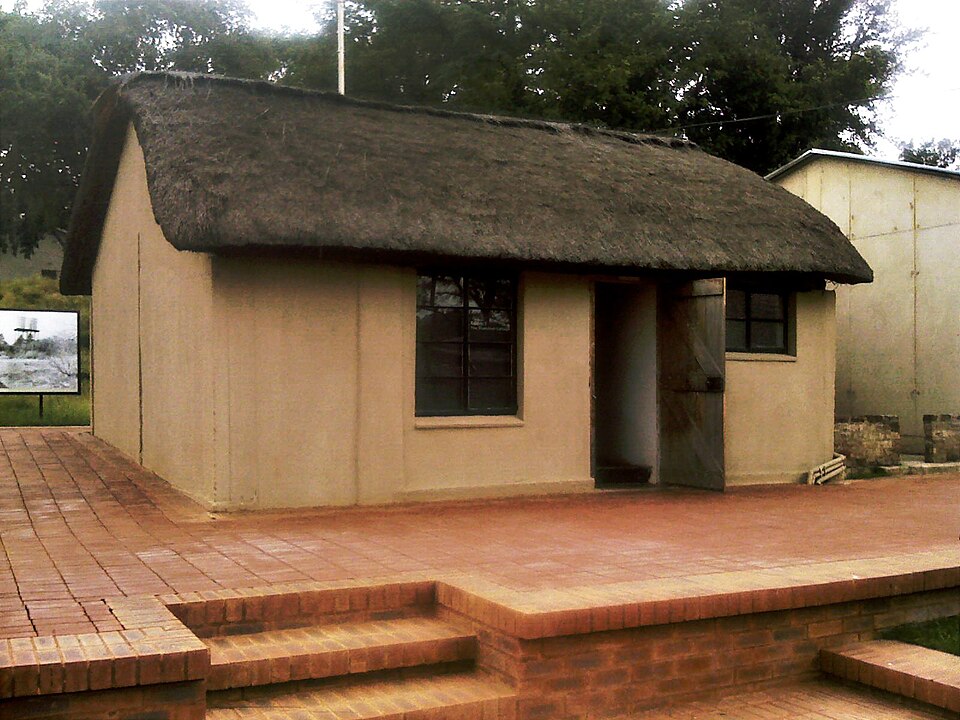
A small brick house in Soweto where Nelson Mandela lived from 1946 to 1962 and returned to after his release from prison. It's now a museum with personal belongings and bullet marks still visible on the walls.
Tip: Visit Soweto with a local guide or on an organised cycling tour — it's safer and more interesting. Vilakazi Street has restaurants serving South African cuisine. Desmond Tutu's house is on the same street but isn't open to visitors.
Admission:
admission fee
Time needed:
1 h
Hector Pieterson Museum
Soweto
A museum on the Soweto student uprising of 16 June 1976, when police fired on demonstrators protesting Afrikaans-language instruction. The photograph of the dying 12-year-old Hector Pieterson went around the world and turned public opinion against apartheid.
Tip: The museum is a few hundred metres from Mandela House. Sam Nzima's famous photograph hangs at the entrance. 16 June is a national holiday, Youth Day, and memorial events are held in Soweto.
Admission:
admission fee
Time needed:
1 h
Maboneng
Jeppestown
A former warehouse district on the eastern edge of downtown, transformed into an arts precinct with galleries, cafes, street art and the Sunday Market on Main. A symbol of inner-city renewal.
Tip: Best on a Sunday morning, when the market is on and it's busiest. Park in a guarded lot and stick to the main streets. It's quieter, and less safe, on weekdays.
Admission:
free
Time needed:
2 h
Liliesleaf Farm
Rivonia
A farm in Rivonia where the leadership of the African National Congress met in secret. A 1963 police raid led to the trial that saw Mandela sentenced to life imprisonment. It's now a museum with an interactive exhibition.
Tip: This museum gets fewer visitors than the Apartheid Museum and complements it well. It's in the northern suburbs near Sandton, convenient for those staying there. A guided tour is included in the ticket.
Admission:
admission fee
Time needed:
1.5 h
Gold Reef City
Ormonde
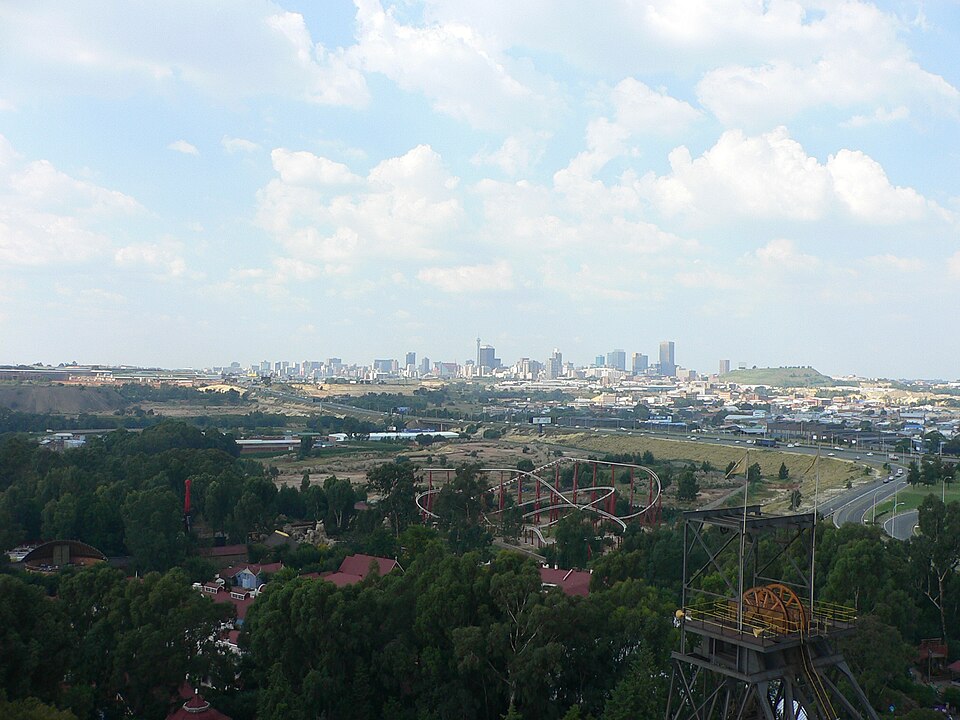
An amusement park built on the site of an old gold mine, with roller coasters and a reconstructed gold-rush-era town. The mine tour goes 200 metres underground, with a gold-pouring demonstration.
Tip: The mine tour is the only way to go underground in a gold mine and is best on a weekday. The park is next to the Apartheid Museum. There's a casino next door for dinner.
Admission:
admission fee
Time needed:
3 h
Nelson Mandela Square
Sandton
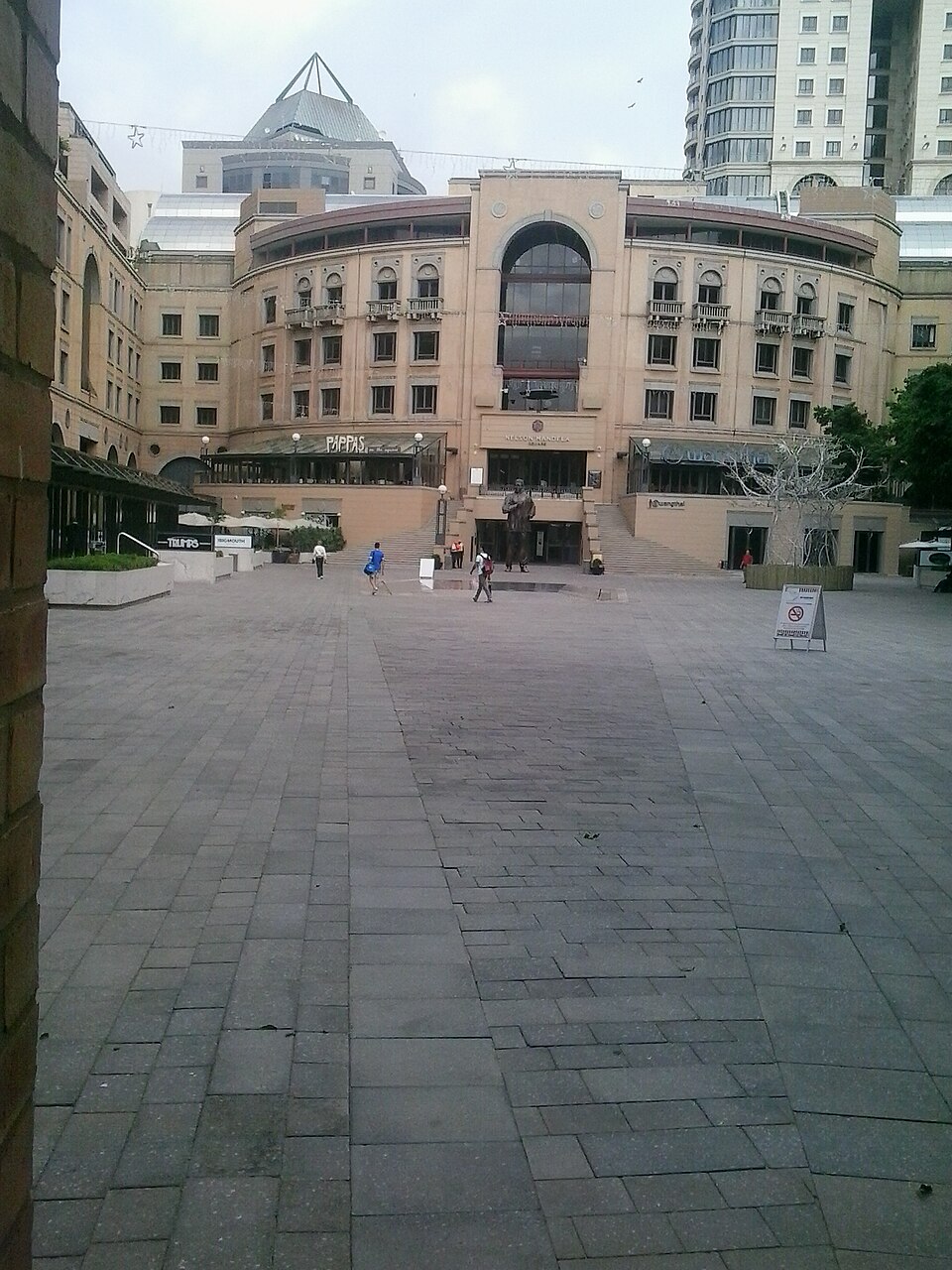
A square inside Sandton City mall with a 6-metre bronze statue of a dancing Mandela. Restaurants and shops in Africa's wealthiest district. The square is ringed with cafes and terraces and is one of the busiest spots in the northern suburbs.
Tip: Sandton is the city's safest neighbourhood and a good place to stay. The restaurants on the square are pricier but reliable. The Gautrain from the airport stops 5 minutes away.
Admission:
free
Time needed:
1 h
Walter Sisulu Botanical Garden
Roodepoort
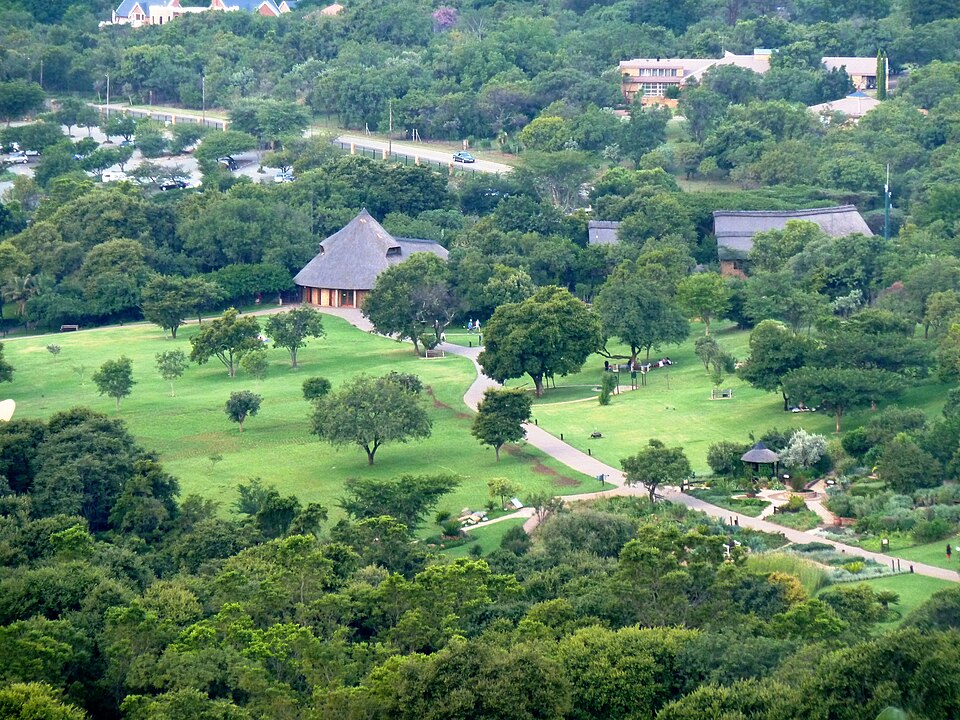
A botanical garden on the city's western edge with the Witpoortjie waterfall and a pair of black eagles nesting on the cliff above it. Trails wind through indigenous vegetation.
Tip: Best on a Sunday morning, when families come for picnics. The eagles are best spotted with binoculars from the waterfall. In summer, concerts are held on the lawn.
O.R. Tambo International Airport is the largest in Africa and lies 20 kilometres east of the centre. Flights from Europe connect with a stopover, commonly via Frankfurt, Amsterdam, Paris, Dubai, Doha or Istanbul, with a total journey of 14–18 hours. Most nationalities don't need a visa for stays of up to 90 days. The Gautrain high-speed train runs from the airport to Sandton and Rosebank.
O.R. Tambo International (JNB) · 20 km
Gautrain high-speed train to Sandton· 15 min· ZAR 220
Uber/Bolt to Sandton· 30–50 min· ZAR 300
Hotel transfer· 30–50 min· ZAR 500
Around town
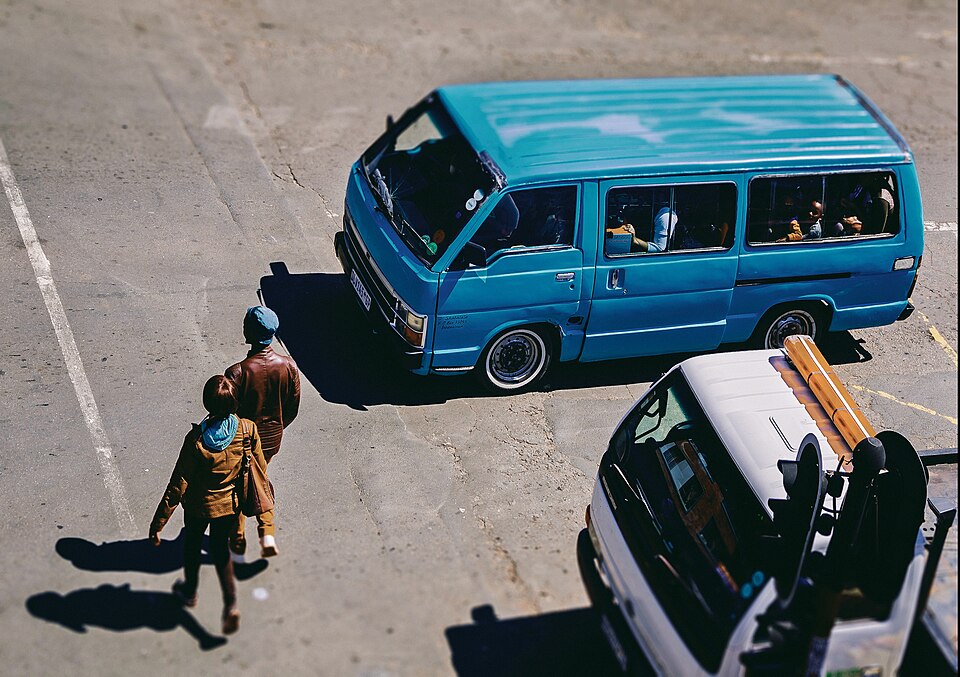
Johannesburg is a sprawling, car-dependent city. The Gautrain high-speed train links the airport, Sandton, Rosebank, Park Station and Pretoria, and is safe and clean. For everything else, use Uber or Bolt. Minibus taxis, used by locals, aren't suitable for tourists. Walking works only in safe neighbourhoods and during the day.
GautrainHigh-speed train between the airport, Sandton, Rosebank and Pretoria. Pay with a Gautrain card or contactless. · from ZAR 30
Uber/BoltThe main way to get around — cheap and safe. · ZAR 80 within a neighbourhood
Red City BusA hop-on hop-off sightseeing bus around downtown and to Soweto, a safe way to see the city. · from ZAR 300
Rental carFor trips to Pilanesberg and on safari. Drive on the left, and keep doors locked. · ZAR 500/day
Organised toursSoweto and downtown with a local guide. · from ZAR 600
Useful apps: Uber, Bolt, Google Maps, Namola (safety), SnapScan (payments)
When to go
Johannesburg sits at an elevation of 1,750 metres and has a pleasant climate. Summer, from November to March, is warm at around 25°C, with afternoon thunderstorms. Winter, from June to August, is dry and sunny during the day, but nights are cold, close to freezing. Winter is the best time for safari, when the grass is low and animals gather near water. In September and October, the city turns purple with blooming jacarandas.
Best time
April–May and September–October
What to avoid
nothing major, though expect afternoon thunderstorms in summer
Month
Jan
Feb
Mar
Apr
May
Jun
Jul
Aug
Sep
Oct
Nov
Dec
Day
26°
25°
24°
21°
19°
16°
17°
20°
23°
25°
25°
26°
Night
15°
15°
13°
10°
6°
3°
4°
6°
9°
12°
13°
14°
Rainy days
15
11
11
8
3
1
1
1
3
9
13
14
Food & drink
After Cape Town, Johannesburg is South Africa's best food city. Braai, grilled meat, is eaten in Soweto and in upscale Sandton restaurants alike. Prices are very affordable for European visitors — dinner at a good restaurant costs roughly half what it would cost in many Western European cities. Weekend markets are the best place to sample it all.
What to try
Braai
Charcoal grilling is more than a meal: steaks, lamb chops, coiled boerewors sausage and pap maize porridge with tomato sauce. In restaurants, braai runs all evening; at home, it's a social occasion.
Biltong
Dried, spiced meat made from beef or kudu antelope, sold by weight at butchers and petrol stations. South Africans chew it at sports events, in the car and on picnics, and it's the most practical souvenir.
Bobotie
Minced meat spiced with curry, dried fruit and almonds, baked under an egg custard crust and served with yellow rice and chutney. A dish of the Cape Malay community and a national recipe not cooked anywhere else in the world.
Bunny chow
A hollowed-out loaf of white bread filled with curry, a dish created by Indian labourers in Durban. It's eaten by hand, using the scooped-out bread to mop up the sauce.
Kota
Soweto's take on bunny chow: a quarter loaf packed with chips, sausage, cheese, egg and sauce. Cheap street food, eaten by hand.
Pap and chakalaka
Thick maize porridge with a spicy vegetable relish, a staple in the townships and the most common side dish with braai.
Malva pudding
A spongy pudding with apricot jam, doused in a hot cream sauce — the country's favourite dessert. Served with custard or ice cream.
South African wine
A winemaking tradition dating back to 1659, today a world leader in chenin blanc and the local pinotage grape. A tasting at a winery costs around ZAR 100–300, and a good bottle in a shop is cheaper than back home.
What it costs
Coffee
ZAR 30–40
Lunch at a restaurant
ZAR 120–200
Dinner at a steakhouse
ZAR 250–450 per person
Beer
ZAR 35–50
Entry to the Apartheid Museum
from ZAR 150
Guided tour of Soweto
from ZAR 600
Gautrain from the airport
ZAR 220
Night in a 3-star hotel in Sandton
ZAR 1,200–2,200
Indicative prices that change over time — treat them as a guide, not a price list.
Practical information
SocketsCEuroplug, two round pinsDthree round pins (India)MSouth African, large pinsNBrazilian
Voltage230V / 50Hz
Tap waterTap water is drinkable — Tap water in major South African cities is safe and good quality. Cape Town went through a crisis in 2018 when it nearly ran out of water, and conserving water is still considered good manners there today: short showers and reminder signs in hotels reflect this. In rural areas and campsites, check signage to see whether water is safe to drink.
TippingTipping in South Africa is treated as part of pay and is expected: 10–15% in restaurants, if service isn't already added to the bill. Petrol station attendants (fuel is pumped for you) get a few rand, as do car guards in reflective vests who 'watch' your parked car — 2–5 rand is normal. Cards are accepted almost everywhere and are safer than cash; only use ATMs inside shopping centres, and don't accept help from strangers at the machine.
Driving on theleft
SafetySouth Africa has a high crime rate, and the precautions here aren't excessive caution but a necessity. Don't walk anywhere after dark, even short distances — use Uber or Bolt instead. Don't keep your phone or camera visible on the street, don't leave anything on the car seat, and keep doors locked and windows up at intersections while driving. Avoid deserted areas and tourist routes with no other people around. Sensible behaviour is usually enough: tourist neighbourhoods, wineries and nature reserves are generally safe by day. Emergency numbers are 10111 (police), 10177 (ambulance), or 112 from a mobile. In Johannesburg, the rules apply even more strictly: don't visit the CBD or Hillbrow without a guide, don't walk anywhere after dark, and take the Gautrain or a pre-booked transfer from the airport.
Opening hoursShops are open from 9am to 5pm, and shopping malls from 9am to 7 or 9pm, including weekends. On Sundays, most smaller shops are closed or open mornings only. Restaurants start serving dinner from 6pm, with kitchens closing around 10pm. Watch for power cuts (load shedding) — these have eased in recent years but could return; hotels and restaurants have generators, and traffic lights go dark during outages.
Customs & etiquetteSouth Africans are friendly and informal, happy to strike up conversation and use first names. The country has 11 official languages and a history of apartheid that people discuss openly — but raise racial and political topics carefully, and lean toward listening. Braai, charcoal grilling, is a national social ritual, and an invitation to one shouldn't be turned down. 'Now now' means soon; 'just now' means sometime later. Traffic keeps to the left, on foot and in cars.
A few local wordsHello / good day (Afrikaans) — Goeie dag / Howzit (slang)Thank you (Afrikaans / Xhosa) — Dankie / EnkosiHello (Xhosa) — MoloNow (meaning 'sometime') — Just nowBarbecue — BraaiGreat — Lekker
How to plan your days
1 day
A day in Johannesburg
1Morning at the Apartheid Museum.
2Lunch at Gold Reef City.
3Afternoon at Constitution Hill.
4Braamfontein and a cafe.
5Evening braai in Sandton.
2 days
2 days in Johannesburg
1Day 1 following the one-day itinerary.
2Day 2: a guided tour of Soweto.
3Mandela House and Vilakazi Street.
4The Hector Pieterson Museum.
5Evening in Melville.
3 days
3 days in Johannesburg
1The first 2 days following the previous itinerary.
2Day 3: a trip to the Cradle of Humankind.
3The Sterkfontein Caves.
4Afternoon at Liliesleaf Farm.
5Evening at Nelson Mandela Square.
Day trips
Cradle of Humankind
50 km · 1 h by car
A UNESCO-listed area of limestone caves where a large share of the world's hominid fossil finds have been made. The Sterkfontein Caves offer underground tours, and the Maropeng visitor centre covers human evolution.
Pilanesberg
170 km · 2.5 h by car
A national park set in the crater of an extinct volcano, home to the Big Five — lion, leopard, elephant, buffalo and rhino. It's malaria-free and works well as a day safari. Best visited in the morning at gate opening.
Pretoria
55 km · 40 min by Gautrain
The main administrative capital, with the Union Buildings, the seat of government topped by a 9-metre statue of Mandela, and the Voortrekker Monument. In October the jacaranda trees bloom and the whole city turns purple.
Frequently asked questions
Is Johannesburg safe?+
It takes some care. Stay in Sandton or Rosebank, use Uber, avoid walking after dark, and visit Soweto and the city centre with a guide. Those who follow the rules usually have no problems.
How many days are enough for Johannesburg?+
2–3 days: museums, Soweto and the Cradle of Humankind. Then continue on to a safari or to Cape Town.
Do I need a visa for South Africa?+
Most Western passport holders don't need a visa for stays of up to 90 days. Your passport must have 2 blank pages and be valid for at least 30 days after departure.
How do I get from the airport?+
By Gautrain to Sandton in 15 minutes. It's the safest and fastest way.
Where should I stay in Johannesburg?+
In Sandton or Rosebank, near the Gautrain stations. Both neighbourhoods have hotels in every category and restaurants within walking distance.
Is there malaria in Johannesburg?+
No, neither Johannesburg nor Pilanesberg are malaria areas. Kruger National Park and the north of the country are, so prevention is recommended there.
Is Soweto worth visiting?+
Yes, it's the most important place for understanding South Africa's history. Go with a local guide, who can take you to places you wouldn't reach on your own.
How far is Kruger National Park?+
5 hours by car or 1 hour by plane to Nelspruit or Skukuza. It's too far for a day trip.
Visa Requirements
Check the latest visa requirements for entering this country. Some nationalities may need to apply for a visa or e-visa before travel.