Hotels in Jerusalem

A single square kilometre of Old City, 3 religions, and 3,000 years of history

Jerusalem

LanguageEnglish
CurrencyILS
TimezoneGMT+2
Temperature14-32 °C
Dial Code+972
Population9.8M
Area22,145 km²
SocketsType C / Type H / Type M
Tap waterDrinkable

Discover Jerusalem

Jerusalem is the holy city of 3 religions, set on the hills of Judea at an elevation of 800 metres. Inside the Ottoman walls of the Old City, divided into Jewish, Christian, Muslim and Armenian quarters, more holy sites are packed into under 1 square kilometre than anywhere else on Earth: the Western Wall, a remnant of King Herod's Temple; the Church of the Holy Sepulchre, above the site of Jesus's crucifixion and burial; and the Temple Mount, with the Dome of the Rock and Al-Aqsa Mosque. Pilgrims from every continent walk the Via Dolorosa, and in the narrow lanes of the bazaar, ultra-Orthodox Jews in black pass Franciscan friars in brown, Arab traders and soldiers. The New City to the west offers the Israel Museum with the Dead Sea Scrolls, the Yad Vashem Holocaust memorial, and Machane Yehuda Market, which comes alive as a bar scene by night. Jerusalem is intense, conservative and demanding of your time — and Shabbat silences it for a day every week. Check current safety advisories before you travel.

What to see

The places worth your time in Jerusalem, and what to expect at each

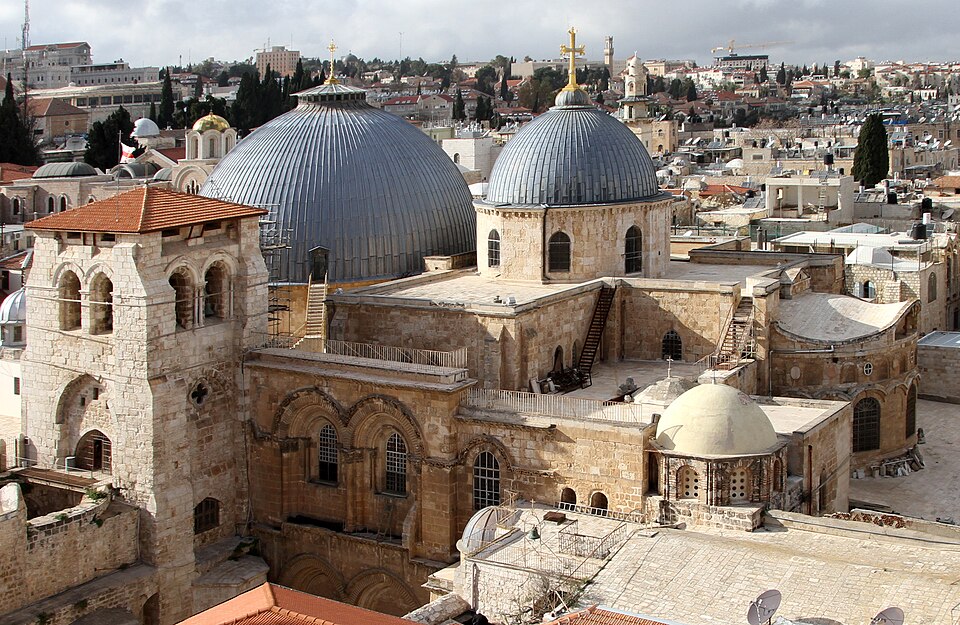
Church of the Holy Sepulchre

Church of the Holy Sepulchre

כנסיית הקבר

Christian Quarter

A Crusader-era church built above the site where, by tradition, Jesus was crucified, buried and rose from the dead. 6 Christian churches share the space under one roof, and have disputed every stone for centuries. Inside are the Rock of Golgotha, the Stone of Anointing and the Edicule containing the tomb.

Tip: The queue for the tomb can run 1–2 hours around midday, so come at 5 or 6am when the church opens and morning services are held. A Muslim family has held the church's key for centuries and unlocks the doors each morning — you can watch this around 4am. The ladder above the entrance has stood in the same spot since the 18th century, because the churches can't agree on who would be allowed to remove it. Shoulders and knees should be covered.

Admission:
free
Time needed:
1–1.5 h
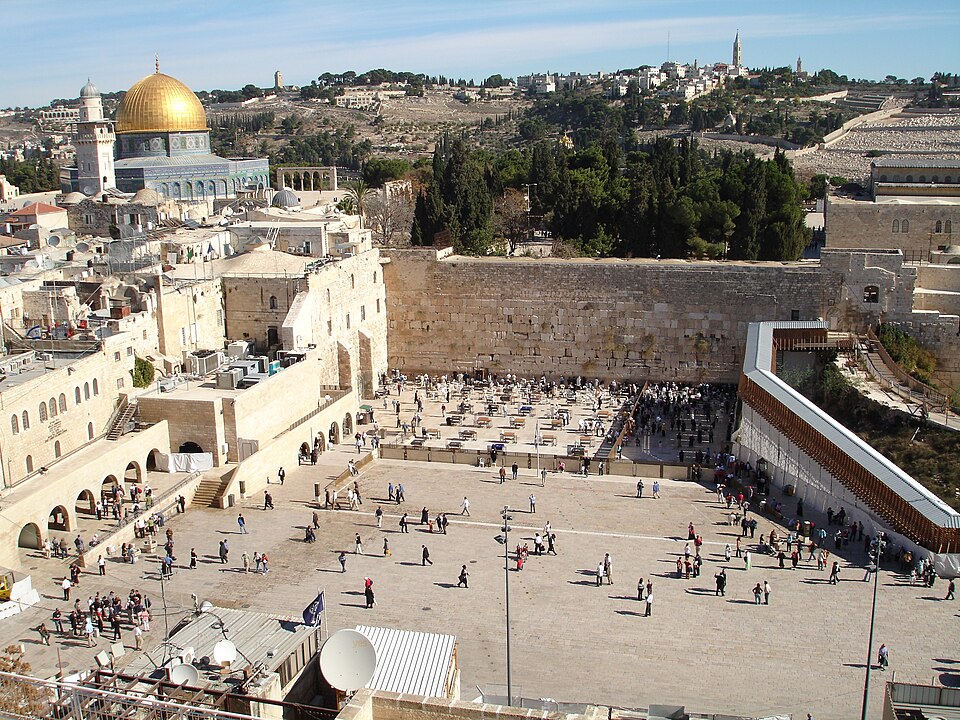
Western Wall

Western Wall

הכותל המערבי

Jewish Quarter

The western retaining wall of Herod's 1st-century BCE Temple compound, Judaism's holiest site, where people come to pray and tuck written prayers into the cracks. The plaza is divided into men's and women's sections.

Tip: It's accessible around the clock and free, with only a security check. The atmosphere is strongest at dusk on Friday as Shabbat begins, with singing and dancing — but don't take photos, as it's forbidden during Shabbat. Men must cover their heads; paper kippot are available at the entrance. A tour of the Western Wall Tunnels, along the base of the wall beneath the houses of the Muslim Quarter, should be booked online weeks in advance.

Admission:
free, tunnels around ILS 40
Time needed:
30 min – 1.5 h
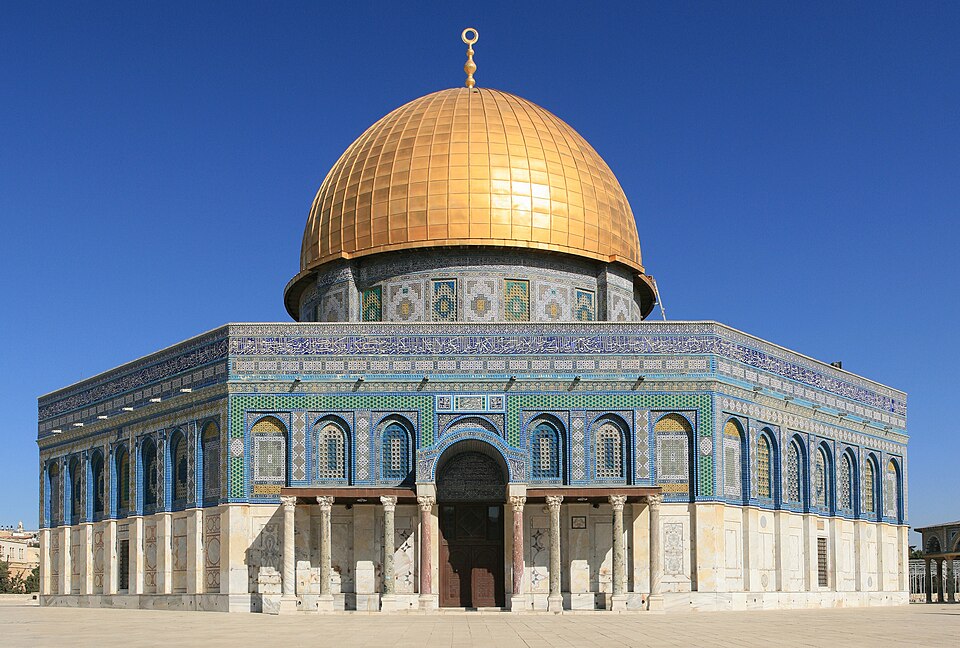
Temple Mount and Dome of the Rock

Temple Mount and Dome of the Rock

הר הבית / الحرم الشريف

Old City

The platform where the Jewish Temple once stood, now home to Al-Aqsa Mosque, Islam's 3rd-holiest site, and the 7th-century Dome of the Rock with its golden dome, which shelters the rock from which, according to Islam, Muhammad ascended to heaven. Its mosaics and facade tiles are among the finest in Jerusalem.

Tip: Non-Muslims may only enter via the wooden Mughrabi walkway by the Western Wall, during limited hours in the morning and briefly after midday, not on Fridays or Saturdays; times change often, and entry can close entirely during periods of tension. Non-Muslims cannot go inside the Dome of the Rock or the mosque. The queue starts forming an hour before opening. Don't bring religious objects or prayer books — security will confiscate them.

Admission:
free
Time needed:
1 h
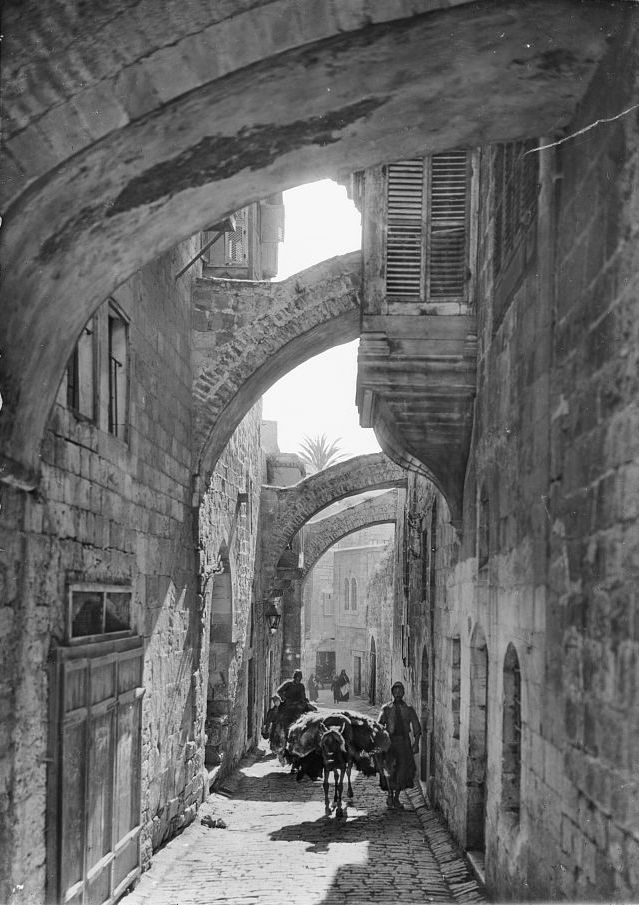
Via Dolorosa

Via Dolorosa

ויה דולורוזה

Muslim Quarter

The route through the Old City that, by tradition, Jesus walked carrying the cross from his trial to Golgotha. Its 14 stations are marked on the walls; the first 9 lie in the lanes of the Muslim Quarter, and the last 5 inside the Church of the Holy Sepulchre.

Tip: Every Friday at 3pm, Franciscan friars lead a procession from the 1st station at the Monastery of the Flagellation; anyone can join. If you go on your own, start at the Lions' Gate and the Church of St Anne, which has the best acoustics — try singing there. The lanes are narrow and full of shops, and the walk takes about an hour. Beneath the Ecce Homo convent lies Roman paving where, by tradition, soldiers threw dice.

Admission:
free
Time needed:
1–1.5 h
Tower of David

Tower of David

מגדל דוד

Jaffa Gate

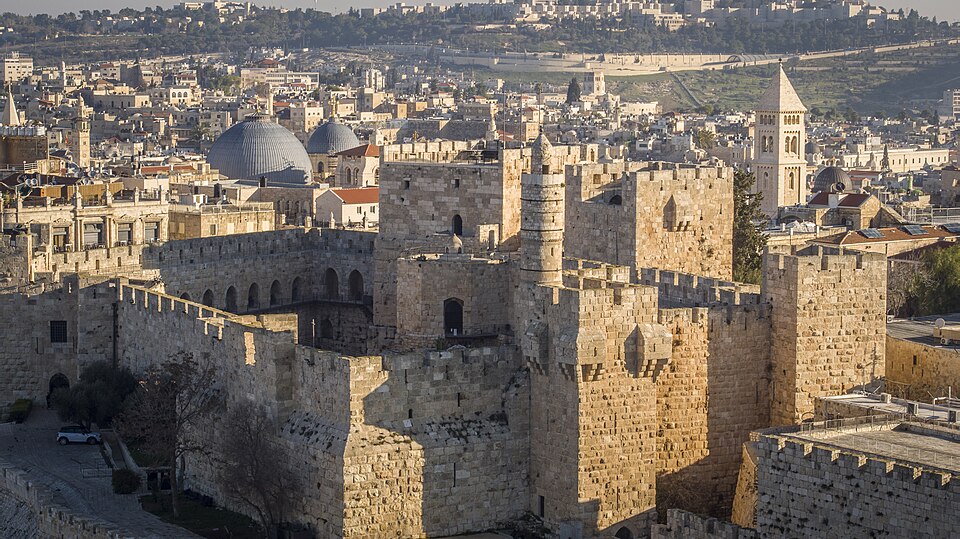
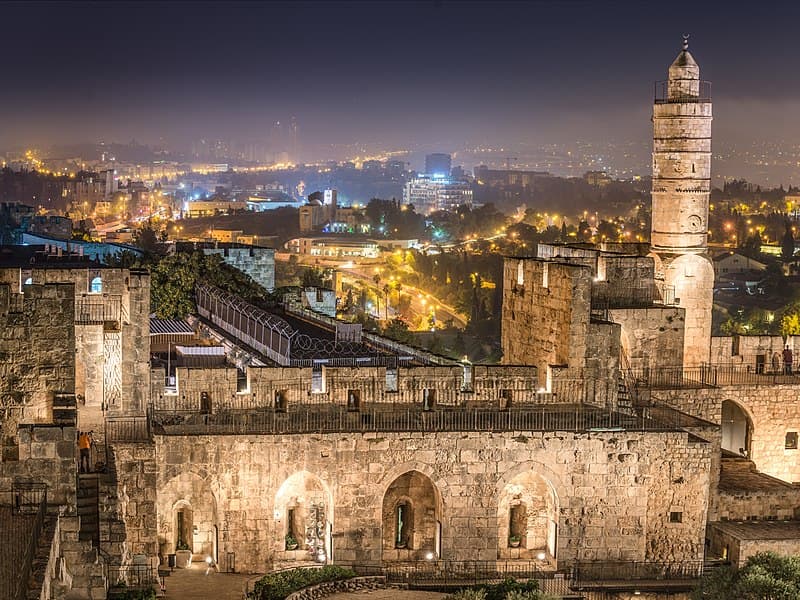
A citadel by Jaffa Gate with layers of fortification from Herod's time through the Ottomans. Inside is a museum of Jerusalem's history, renovated in 2023, and the ramparts offer the best view over the Old City. In the evening, a night show is projected onto the citadel walls.

Tip: From the top of the tower you can see all the Old City's quarters at once — a good way to get your bearings early on. The night light show should be booked online and is performed in English. Right next to it starts the Ramparts Walk, which covers roughly half of the Old City from above; the ticket is separate.

Admission:
around ILS 40
Time needed:
1.5 h
Mount of Olives

Mount of Olives

הר הזיתים

Mount of Olives

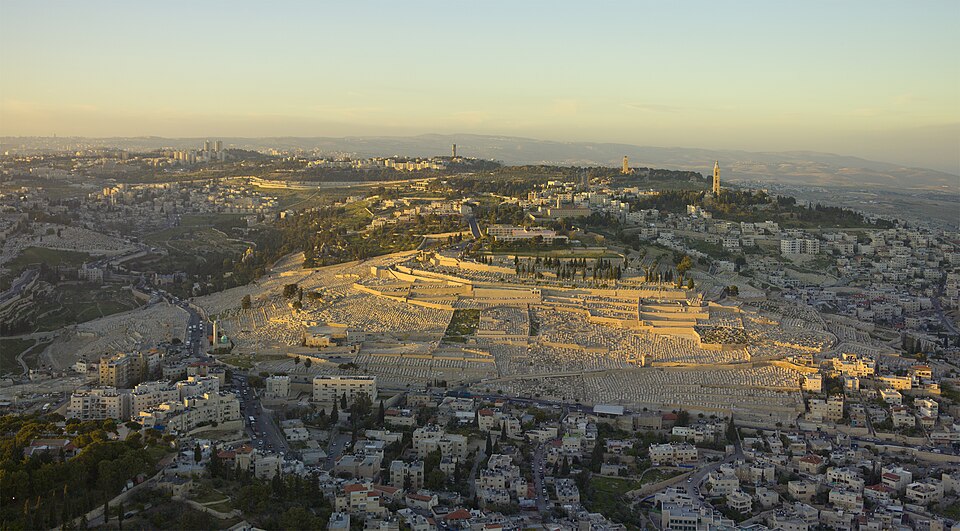
A hill east of the Old City across the Kidron Valley, covered by the largest Jewish cemetery in the world, with churches commemorating Jesus's prayer, arrest and ascension. At its foot is the Garden of Gethsemane, with olive trees said to be 800 years old, and the Church of All Nations.

Tip: Best done by taking a taxi to the viewpoint at the top near the Seven Arches Hotel and walking down — the Old City looks its best in the morning light. On the way down are the Church of the Pater Noster, with the Lord's Prayer in dozens of languages, the teardrop-shaped Dominus Flevit church, and the Garden of Gethsemane. Don't walk here at night, as the area is deserted.

Admission:
free
Time needed:
2 h
Yad Vashem

Yad Vashem

יד ושם

Har Hazikaron

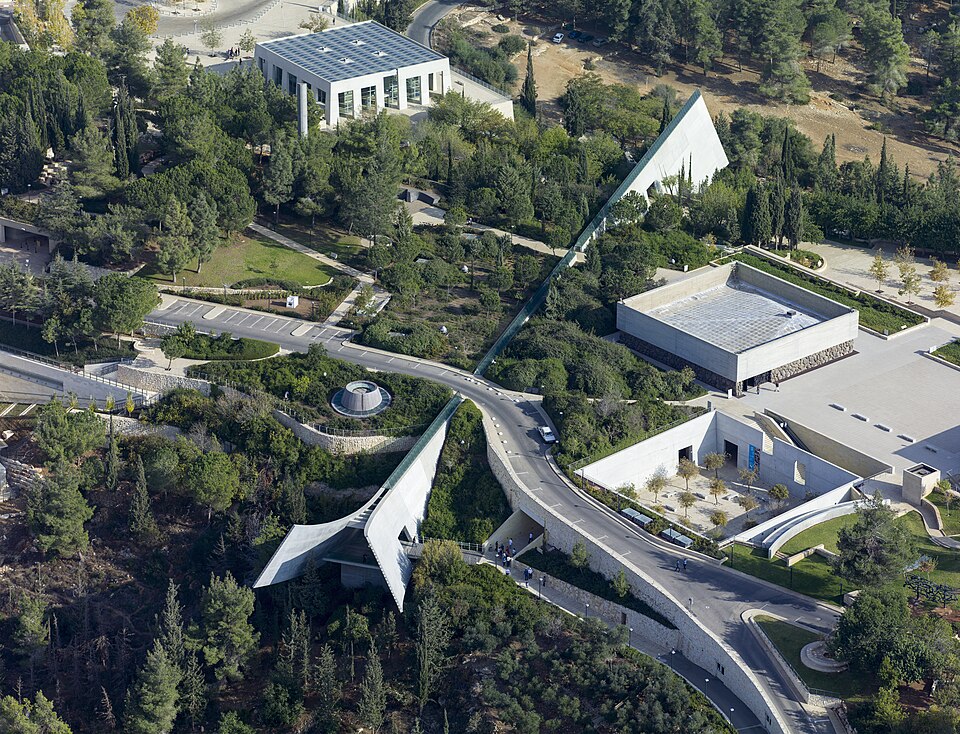
The world memorial to the victims of the Holocaust, on the Mount of Remembrance. Moshe Safdie's History Museum is a long triangular tunnel cutting through the hill, leading through 10 halls from the rise of Nazism to liberation. The Hall of Names, the Children's Memorial and the Avenue of the Righteous Among the Nations complete the site.

Tip: Entry is free, but a visit isn't recommended for children under 10. Allow 3 hours and plan a quiet afternoon afterwards, as the experience is intense. The Avenue of the Righteous includes trees planted for rescuers from many countries who saved Jews. It closes in the afternoon on Fridays and is closed on Saturdays. Take the tram to the Mount Herzl stop, then a shuttle bus.

Admission:
free
Time needed:
3 h
Israel Museum

Israel Museum

מוזיאון ישראל

Givat Ram

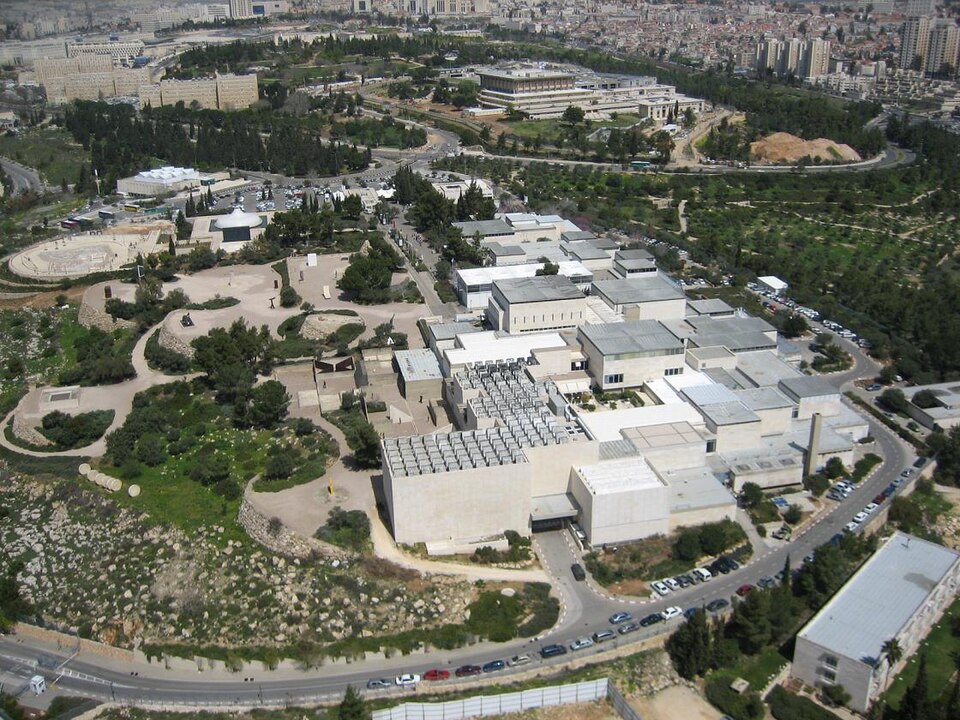
Israel's largest museum, covering archaeology, Judaica and world art. The Shrine of the Book, a pavilion with a white dome shaped like a jar lid, displays the Dead Sea Scrolls, the oldest known biblical manuscripts. Outside stands a 1:50-scale model of Jerusalem as it was in the Second Temple period.

Tip: Start with the model of Jerusalem outside, which shows what the city looked like in Jesus's time — it makes the Old City much easier to navigate afterwards. The Shrine of the Book is right next door. The archaeology wing is vast, and even a full day isn't enough for the whole museum. It stays open into the evening on Tuesdays, and only in the morning on Fridays.

Admission:
around ILS 62
Time needed:
2–3 h
Machane Yehuda Market

Machane Yehuda Market

שוק מחנה יהודה

Nachlaot

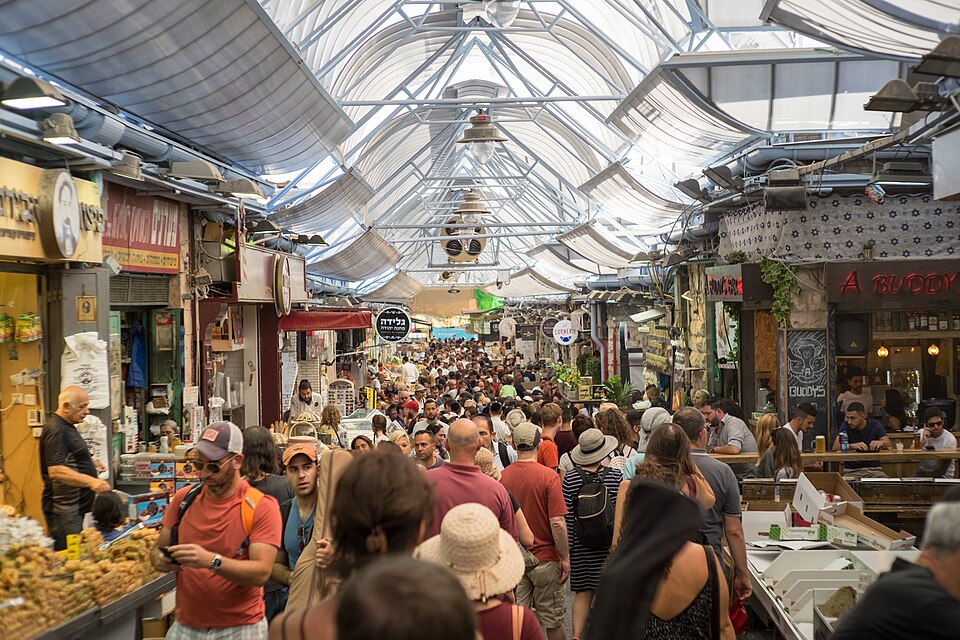
Jerusalem's main market, with more than 250 stalls selling fruit, spices, halva, bread, cheese and olives. In the evening, once traders pull down their shutters, the market turns into a strip of bars and restaurants, with the shutters serving as canvases for graffiti portraits.

Tip: It's liveliest on Thursday and Friday mornings, when the whole city shops for Shabbat — it closes on Friday afternoons. Try the rugelach at the Marzipan bakery and halva at the stall selling dozens of varieties. In the evening, it's worth booking dinner at Machneyuda, reserved a week ahead. The tram stops right by the market.

Admission:
free
Time needed:
1–2 h

Photos: Church of the Holy Sepulchre — Gerd Eichmann (CC BY-SA 4.0) · Western Wall — Golasso (CC BY-SA 4.0) · Temple Mount and Dome of the Rock — Ludvig14 (CC BY-SA 4.0) · Via Dolorosa — Wikimedia Commons (Public domain) · Tower of David — אורי אלוני (CC BY-SA 4.0) · Mount of Olives — Godot13 (CC BY-SA 4.0) · Yad Vashem — Godot13 (CC BY-SA 4.0) · Israel Museum — Original uploader was אסף.צ at he.wikipedia (CC BY-SA 3.0) · Machane Yehuda Market — Emilio García from Parla, Spain (CC BY-SA 2.0)

Where to stay

Areas and districts, matched to the kind of trip you are taking

Old City

Best for: atmosphere, holy sites

Guesthouses, pilgrim hostels and a handful of boutique hotels within the walls, within walking distance of every holy site. The Old City is at its most beautiful in the morning and evening, once the day-trippers leave. The lanes are steep and cobbled, so you'll carry your luggage; it's very quiet on Shabbat and at night.

Mamila and the centre

Best for: comfort, walkable location

Modern hotels by Jaffa Gate and in the centre of West Jerusalem around Jaffa Street and Ben Yehuda, with shops, cafes and the tram. It's a 5–15 minute walk to the Old City. The best combination for a first visit.

German Colony

Best for: quiet, restaurants

A neighbourhood of 19th-century Templer settlers, with stone houses, boutique hotels and restaurants on Emek Refaim Street, many of which stay open on Shabbat. It's a 20-minute walk to the Old City through a park along the old railway line.

East Jerusalem

Best for: budget, Arab atmosphere

The Arab part of the city north of Damascus Gate, with cheaper hotels and the historic American Colony Hotel. Life here doesn't follow Shabbat, so it stays open on Saturdays. It's a 5-minute walk to the Old City.

Getting around

From the airport

Jerusalem is reached via Ben Gurion Airport near Tel Aviv, about 50 kilometres away. Direct flights connect from many major European hubs, though routes can be cancelled quickly if security worsens, so buy tickets with free change options. Most nationalities need the ETA-IL electronic authorisation. Expect a security interview at the airport, and arrive 3 hours before departure. The high-speed train runs from Ben Gurion to Jerusalem in 25 minutes, but doesn't run on Shabbat.

Tel Aviv Ben Gurion (TLV) · 50 km

  • Train to Yitzhak Navon Station· 25 min· from ILS 18
  • Shared minibus (sherut)· 1 h· ILS 70
  • Taxi· 45–60 min· ILS 300

Around town

The Old City is pedestrian-only, with steep, cobbled lanes. A tram connects the Old City, the centre, the market and Mount Herzl with Yad Vashem; pay with a Rav-Kav card or the app. Buses cover the whole city but don't run on Shabbat, from Friday afternoon to Saturday evening — leaving only taxis and Arab buses in East Jerusalem. Taxis booked via the Gett app are more reliable than hailing one on the street. For a trip to Bethlehem, take Arab bus 231 from Damascus Gate; for Masada and the Dead Sea, take a bus or join a tour.

Tram and busesRav-Kav card or app; a ticket is valid for 90 minutes. · ILS 6
Gett taxiReliable, metered. · ILS 20
Arab bus 231 to BethlehemFrom Damascus Gate. · ILS 8
On footThe Old City is walking-only. · free

Useful apps: Moovit, Gett, Rav-Kav Online, Home Front Command, Google Maps

When to go

The best times are spring, from March to May, and autumn, from September to November, with daytime temperatures of 20–27°C and dry weather. Summer is hot and dry, though evenings are cooler than on the coast thanks to the 800-metre elevation. Winter, from December to February, is cold and rainy, with nights around 5°C, and once every few years snow falls and brings the city to a standstill. Jewish holidays — Passover in spring, and Sukkot and Yom Kippur in autumn — draw crowds and push up prices; Yom Kippur brings the whole of Israel to a halt for a day. Easter and Christmas mark the peak of the pilgrimage season.

Best time

March–May, September–November

What to avoid

Yom Kippur, rainy January

MonthJanFebMarAprMayJunJulAugSepOctNovDec
Day12°13°16°21°25°27°29°29°28°24°18°14°
Night6°6°8°12°15°17°19°19°18°16°11°8°
Rainy days996310000258

Food & drink

Jerusalem's cuisine blends Arab, Sephardic and Ashkenazi traditions. In the Old City, hummus and falafel are served at Arab eateries; in West Jerusalem, modern Israeli cooking is found in and around Machane Yehuda Market. Most restaurants in the Jewish part are kosher: dairy and meat dishes aren't combined, so a meat restaurant won't serve cheese or coffee with milk, and they close on Shabbat. Arab neighbourhoods stay open on Saturdays. Alcohol is sold, but Jerusalem is more restrained than Tel Aviv; bars cluster mainly around the market and Jaffa Street. Prices are high, similar to Western Europe.

What to try

Hummus

Chickpea paste with tahini, olive oil and whole chickpeas on top, eaten with warm pita bread as a meal in its own right, not a starter. The best hummus spots sell out and close in the afternoon.

Falafel and sabich

Falafel are fried chickpea-and-herb balls served in pita with salad and tahini. Sabich is pita with fried aubergine, hard-boiled egg and amba mango sauce, brought by Iraqi Jews.

Shakshuka

Eggs poached in a tomato-and-pepper sauce with cumin, served in the pan with bread. A classic Israeli breakfast.

Knafeh

A warm dessert of shredded pastry with melted white cheese soaked in syrup and topped with pistachios. Best at Arab pastry shops, eaten straight from the tray.

Israeli breakfast

A hotel or cafe breakfast is an institution in itself: eggs, cheeses, salads, spreads, olives, bread and juice. It costs around 70 shekels in cafes but keeps you full until the afternoon.

Jerusalem mixed grill

Me'orav Yerushalmi — chicken hearts, liver and meat fried with onion and spices on a griddle, served in pita. Invented at Machane Yehuda Market, and still best bought near there.

Ka'ak

An oblong ring-shaped bread topped with sesame seeds, sold from carts by Damascus Gate, served with za'atar and a hard-boiled egg. Jerusalem's breakfast on the go.

Rugelach and babka

Ashkenazi pastries: rugelach are small rolls filled with chocolate or cinnamon; babka is a yeasted cake with a chocolate filling. Best at the market on Thursdays, fresh for Shabbat.

What it costs

Falafel in pita

ILS 20–30

Plate of hummus

ILS 35–50

Coffee at a cafe

ILS 14–20

Dinner at a restaurant

ILS 120–250

Beer at a bar

ILS 30–38

Tram ticket

ILS 6

Entry to the Israel Museum

around ILS 62

Night in a 3-star hotel for 2

€150–250

Indicative prices that change over time — treat them as a guide, not a price list.

Practical information

SocketsCEuroplug, two round pinsHIsraeliMSouth African, large pins
Voltage230V / 50Hz
Tap waterTap water is drinkable — Tap water in Israel is safe to drink and monitored, with some of it coming from desalination plants by the sea. In Jerusalem it's harder and has a mineral taste, so locals often use a filter, though it isn't necessary. Drink plenty in summer — 3–4 litres a day is recommended at the Dead Sea and in the desert. Bottled water costs 5–8 shekels in a shop, double that at a kiosk near a sight.
TippingRestaurant service expects 12–15%, which usually isn't added to the bill and is left in cash or added to the card payment. Round up at cafes; taxi drivers aren't tipped unless they carry luggage. Guides and drivers on tours are given roughly 20–30 shekels per person per day. Cards are accepted almost everywhere, including contactless on buses via an app.
Driving on theright
SafetyIsrael's security situation can change quickly — check your government's travel advisories before and during your trip, and register with any available traveller-notification service. Find out where the nearest shelter is at your hotel, and consider installing the Home Front Command app, which sends alerts. Everyday crime is low; pickpockets are the main risk at beaches and markets. Bag checks at the entrance to malls and stations are routine. Expect a detailed security interview at the airport. The emergency numbers are 100 for police and 101 for ambulance.
Opening hoursThe week starts on Sunday. Shabbat runs from sunset on Friday to Saturday evening: in Jerusalem, almost everything closes, including public transport; in Tel Aviv, most bars and restaurants stay open, but trains and city buses don't run. Shops and markets close around 2pm on Fridays. Arab neighbourhoods and Christian sites follow their own rhythm — Muslim shops close for Friday midday prayers, and some churches close on Sunday mornings. The whole country shuts down for major Jewish holidays, Yom Kippur and Passover.
Customs & etiquetteIsraelis are direct, interrupt each other and use first names — don't take it as rudeness. At holy sites — the Western Wall, churches and mosques — shoulders and knees should be covered; men wear a head covering at the Western Wall, and paper kippot are available at the entrance. In ultra-Orthodox neighbourhoods, don't photograph people up close, and avoid smoking or using your phone in the street on Shabbat. It's best to avoid bringing up politics or the conflict with locals, as opinions run strong on all sides.
A few local wordsHello / Hi — ŠalomThank you — Toda (raba)Please — BevakašaHow much does this cost? — Kama ze ole?The bill, please — Chešbon, bevakašaCheers — LechajimHello (in Arabic) — Marhaba

How to plan your days

1 day

Jerusalem in 1 day

  1. 1Morning at the Church of the Holy Sepulchre when it opens.
  2. 2Via Dolorosa and the Muslim Quarter.
  3. 3The Western Wall and Temple Mount during opening hours.
  4. 4Afternoon at the Tower of David and the ramparts.
  5. 5Evening at Machane Yehuda Market.

2 days

2 days in Jerusalem

  1. 1Day 1: the Temple Mount in the morning, then the Western Wall and the Church of the Holy Sepulchre.
  2. 2Day 1 afternoon: the Mount of Olives, top to bottom.
  3. 3Day 2: Yad Vashem.
  4. 4Day 2 afternoon: the Israel Museum and the Shrine of the Book.
  5. 5Day 2 evening: Machane Yehuda.

3 days

3 days with the Dead Sea

  1. 1Day 1: the Old City — its quarters, holy sites and the Via Dolorosa.
  2. 2Day 2: Masada at sunrise and a swim in the Dead Sea.
  3. 3Day 3: Yad Vashem and the Israel Museum.
  4. 4Day 3 evening: the Mount of Olives and the Garden of Gethsemane.

Day trips

Masada and the Dead Sea

100 km · 1.5 h by car

Herod's fortress on an isolated rock above the Dead Sea, where, according to Josephus, Jewish rebels killed themselves in 73 CE rather than fall into Roman hands. A cable car or the Snake Path leads to the top — it's best to hike up in the dark and wait for sunrise over Jordan. Follow it with a swim in the Dead Sea at Ein Bokek or Ein Gedi, where the water is so buoyant you can't sink. Summer temperatures top 40°C.

Bethlehem

10 km · 30 min by bus

The birthplace of Jesus, in Palestinian territory beyond the separation wall, with the Basilica of the Nativity dating from Justinian's era and the cave where, by tradition, Jesus was born. The separation wall carries Banksy graffiti, and his Walled Off Hotel stands opposite. Arab bus 231 runs from Damascus Gate in Jerusalem. Israeli cars and Israeli guides aren't permitted into Bethlehem, so go with a Palestinian taxi or guide.

Jaffa and Tel Aviv

65 km · 45 min by train

The old port of Jaffa, with its stone lanes and views over Tel Aviv's beaches, and modern Tel Aviv with its Bauhaus White City and beaches. The high-speed train from Jerusalem takes under an hour, though it doesn't run on Shabbat. A day is enough for the contrast with Jerusalem, but most people stay overnight.

Frequently asked questions

Do I need a visa for Israel?+

No visa is required, but since 2025 the ETA-IL electronic travel authorisation is mandatory and must be arranged online at least 3 days before departure. It costs 25 shekels and is valid for 2 years for tourist stays of up to 90 days. Your passport must be valid for at least a further 6 months. No stamp goes in your passport — you'll receive a paper slip, which you should keep until you leave.

Is it safe to visit Jerusalem?+

The security situation can change from day to day. Before travelling, check your government's official travel advisories and register with any available traveller-notification service. Everyday crime is low, but tension around the Temple Mount or in East Jerusalem can lead to sites being closed. If there's a warning, stay calm and follow police instructions.

What is Shabbat and how does it affect a visit?+

Shabbat begins at sundown on Friday and ends after nightfall on Saturday. In the Jewish part of Jerusalem, shops, restaurants and public transport close down. Arab neighbourhoods, hotels and some restaurants remain open. Plan the Old City and East Jerusalem for Saturday.

How many days do you need for Jerusalem?+

2 days for the Old City, the Mount of Olives, Yad Vashem and the Israel Museum. A 3rd day for Masada and the Dead Sea, and a 4th for Bethlehem. Jerusalem is usually combined with Tel Aviv, in which case a week is ideal.

Can I visit the Temple Mount?+

Yes, but only during limited hours for non-Muslims, usually in the morning and briefly after midday, not on Fridays or Saturdays. Entry is via the walkway by the Western Wall. Non-Muslims cannot go inside the Dome of the Rock or Al-Aqsa Mosque. During periods of tension, the site can close without warning.

How should I dress for holy sites?+

Shoulders and knees covered for churches, the Western Wall and the Temple Mount. Men cover their heads at the Western Wall. On the Temple Mount, women should also cover their hair and wear loose clothing. In ultra-Orthodox neighbourhoods such as Mea Shearim, strict dress rules apply for women.

Is Jerusalem expensive?+

Yes, prices are similar to Western Europe. Hotels are pricier than in many other capitals, and restaurant dinners run around 100–250 shekels. Eating is cheap in Arab neighbourhoods, where hummus and falafel cost a fraction of the price. Entry to churches and the Western Wall is free.

How do I get to Bethlehem?+

By Arab bus 231 from Damascus Gate or 234 via the checkpoint, a journey of about 30 minutes. Get off at the checkpoint or in central Bethlehem — it's a 10-minute walk to the basilica from there. Bring your passport, as Israeli soldiers check it on the way back.

Visa Requirements

Check the latest visa requirements for entering this country. Some nationalities may need to apply for a visa or e-visa before travel.

Check visa requirements

Language

Hebrew / Arabic

Currency

ILS

Timezone

GMT+2

Dial Code

+972

Population

9.8M

Area

22,145 km²

Voltage

230V / 50Hz

Driving Side

Right

Top Hotels in Jerusalem

Live prices from 500+ properties

Loading hotels...

More destinations in Israel

Planning a trip to Jerusalem?

Compare hundreds of hotels, find the best price, and book with free cancellation on TravelManiac.