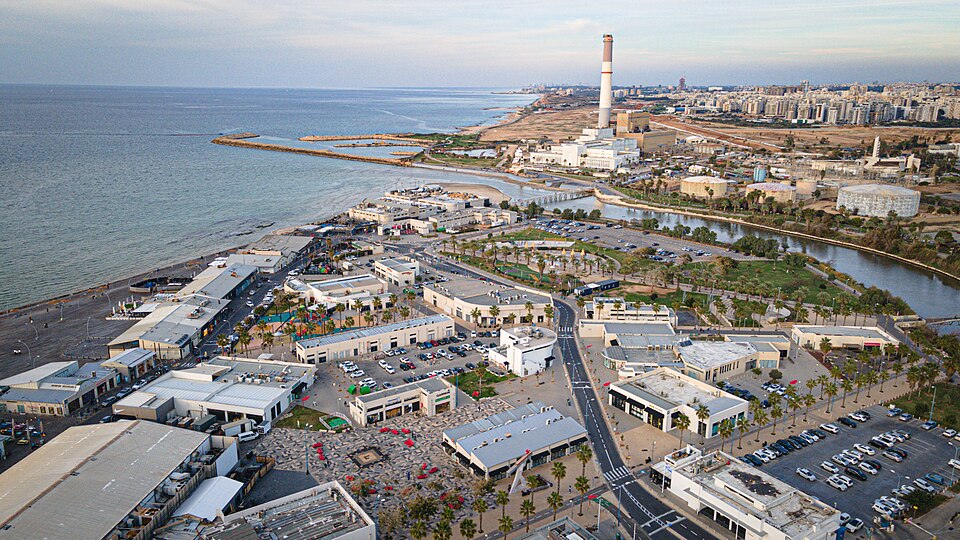
Hotels in Tel Aviv

Mediterranean beaches, white Bauhaus houses, and a city that never sleeps, even on Shabbat

Tel Aviv

LanguageEnglish
CurrencyILS
TimezoneGMT+2
Temperature14-32 °C
Dial Code+972
Population9.8M
Area22,145 km²
SocketsType C / Type H / Type M
Tap waterDrinkable

Discover Tel Aviv

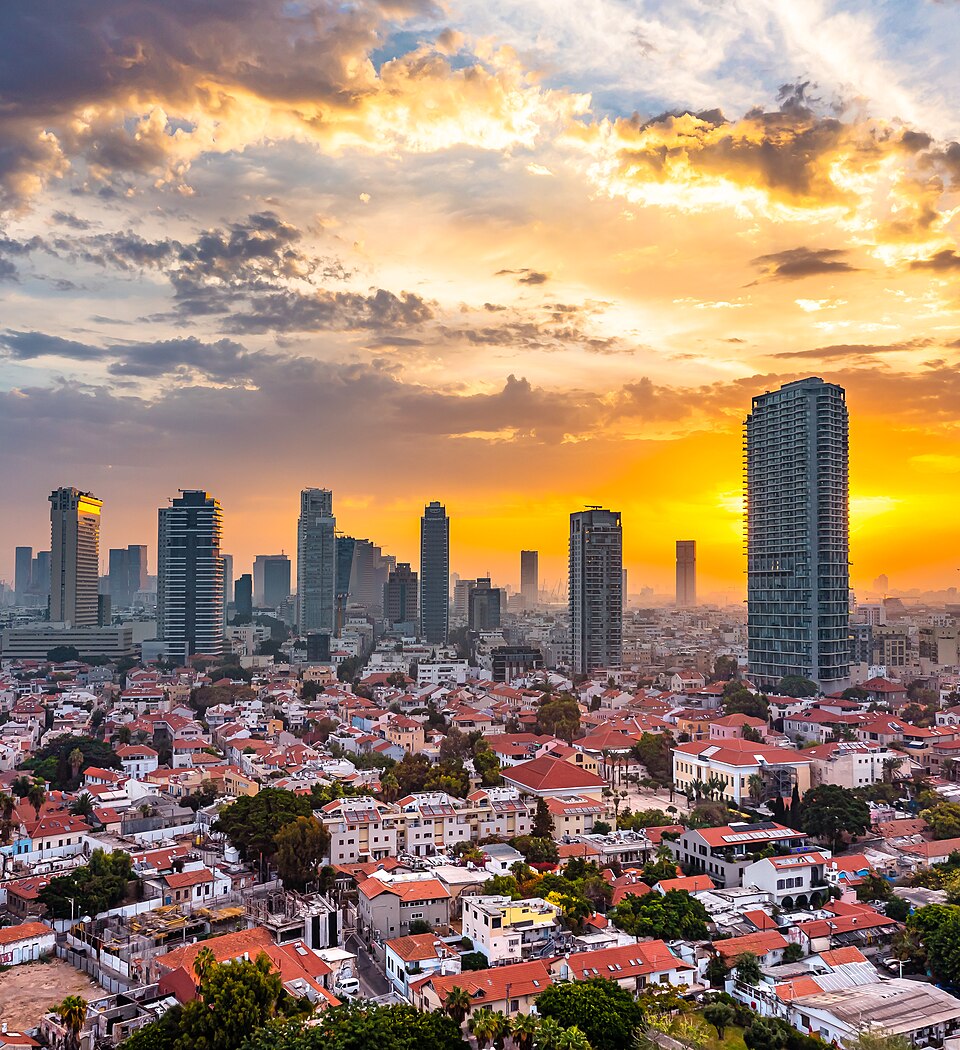
Tel Aviv is Israel's youngest major city and the opposite of Jerusalem. Jewish immigrants founded it in 1909 on sand dunes north of the ancient port of Jaffa, and today it's the country's economic and cultural hub, with skyscrapers, tech companies, and the liveliest nightlife in the Middle East. Fourteen kilometers of city beaches fill with joggers and matkot players in the morning and sunset crowds in the evening. Its center is the White City — over four thousand Bauhaus and International Style buildings from the 1930s, UNESCO-listed. To the south lies ancient Jaffa and its harbor, where, according to the Bible, Jonah boarded his ship, with lanes of galleries and a flea market. Tel Aviv is liberal, relaxed, and expensive, with excellent restaurants and cafés on every corner. Unlike Jerusalem, its bars and restaurants keep running through Shabbat. Jerusalem is under an hour away by train. Check current safety advisories before you travel.

What to see

The places worth your time in Tel Aviv, and what to expect at each

Old Jaffa

Old Jaffa

Jaffa

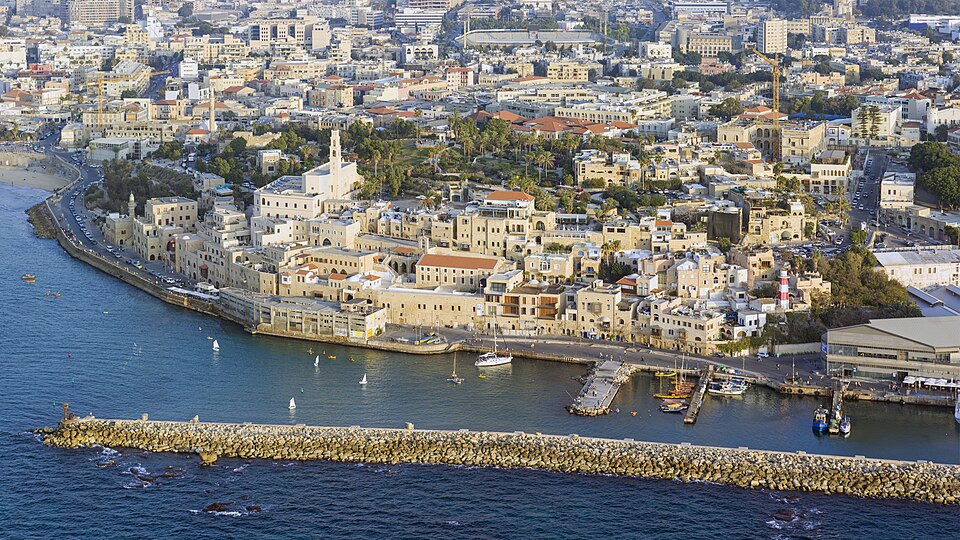
One of the world's oldest ports, on a hill south of Tel Aviv, with stone lanes, galleries, St. Peter's Church, and views over the whole Tel Aviv beachfront. Below the hill lies the fishing harbor, and nearby stands an Ottoman-era clock tower, around which mixed Arab-Jewish Jaffa still lives.

Tip: Come in the late afternoon and stay for sunset at St. Peter's Church or the viewpoint in Abrasha Park, which looks across the bay to Tel Aviv's skyline. The lanes marked with zodiac signs are lovely for an unplanned wander. Walking from downtown Tel Aviv along the promenade takes forty minutes and is the best way to arrive. The Abulafia bakery sells Arab pastries around the clock, even on Shabbat.

Admission:
free
Time needed:
2 h
Jaffa Flea Market

Jaffa Flea Market

Jaffa

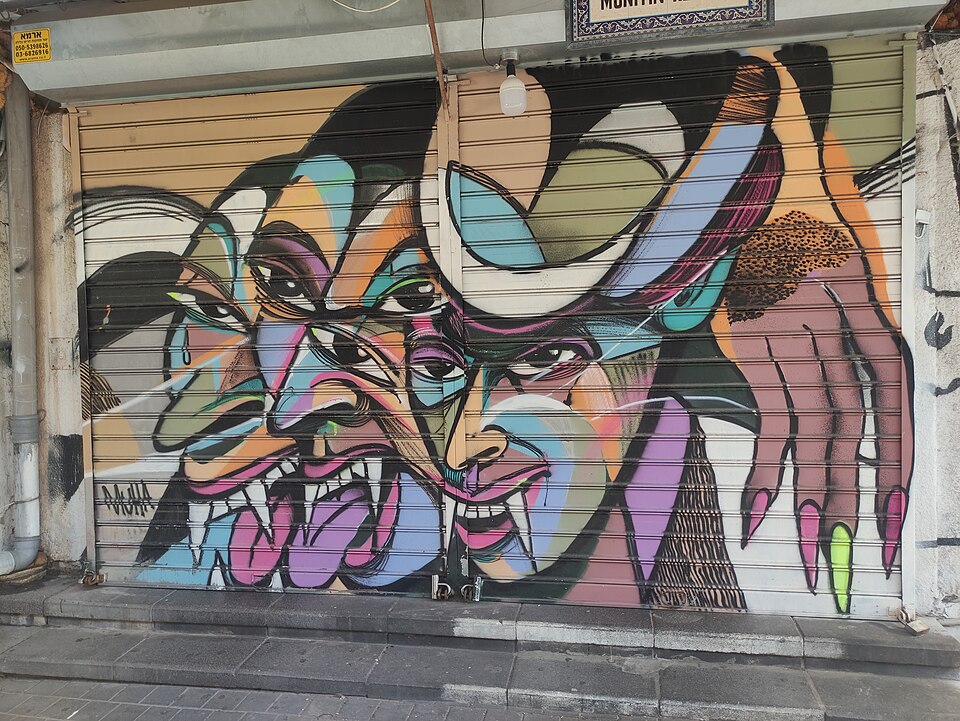
A web of lanes around Jaffa's clock tower, selling antiques, furniture, lamps, vinyl records, and clothing. In the evening the shops close and restaurants and bars with outdoor tables take over, turning the district into one of the best places in the city for dinner.

Tip: Mornings are best for shopping and bargaining; Friday is the busiest day, and it's closed on Saturday. In the evening, the best seats are at restaurants along Oleh Zion Street. Look in the side lanes for vinyl and old posters — the main street charges more.

Admission:
free
Time needed:
1.5 h
Beaches and the promenade

Beaches and the promenade

Coastline

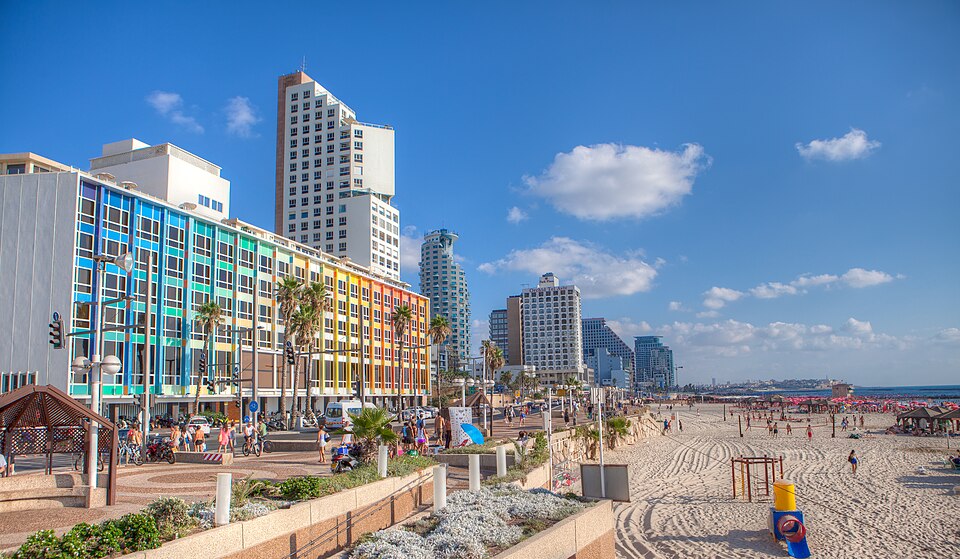
Fourteen kilometers of city beaches from Jaffa to the port in the north, with a promenade, a bike path, and beach bars. Each beach has its own crowd — Gordon and Frishman are the main tourist beaches, Hilton is the gay and surfer beach, and Nordau is gender-separated by day for Orthodox visitors.

Tip: Loungers cost extra, but sitting on the sand is free, and you should swim only where a lifeguard is on duty — the currents are strong. Matkot, a game played with wooden paddles and a ball, runs the length of the beach and its rhythmic thwack is part of the city's soundtrack. On Friday evenings there's a sunset drum circle at Hilton Beach. Showers and toilets are free at every beach.

Admission:
free, lounger around ILS 25
Time needed:
half a day
The White City and Rothschild Boulevard

The White City and Rothschild Boulevard

Downtown

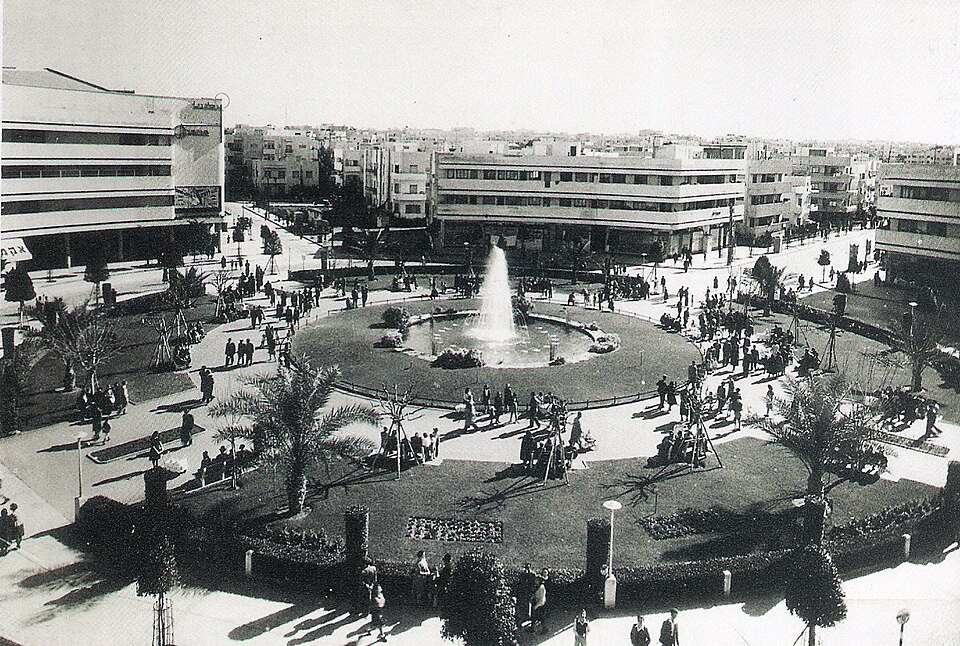
Over four thousand buildings in the Bauhaus and International Style, built in the 1930s as architects fled Germany for Tel Aviv. The style is best seen along Rothschild Boulevard, a wide, tree-lined avenue with cafés and a bike path down the middle, and around Dizengoff Square.

Tip: The Bauhaus Center on Dizengoff Street runs daily walking tours in English and sells maps. Look for rounded balconies, ribbon windows, and flat roofs. On Rothschild Boulevard stands Independence Hall, where the State of Israel was declared in 1948. The Bauhaus Foundation building, with a small museum, opens only a few days a week.

Admission:
free, tours around ILS 100
Time needed:
2 h
Carmel Market

Carmel Market

Kerem HaTeimanim

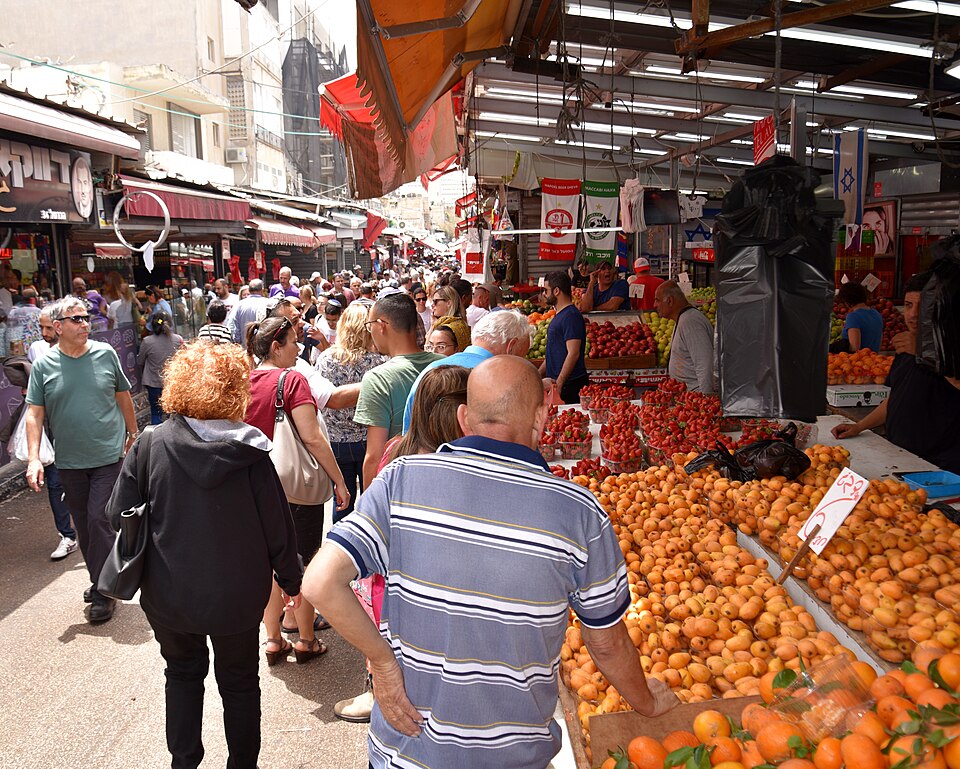
Tel Aviv's largest market, running from Magen David Square toward the sea, with fruit, spices, cheese, clothing, and food stalls. Next door, on Tuesdays and Fridays, the Nachalat Binyamin crafts market sells ceramics and jewelry, with street musicians performing.

Tip: Come Friday morning, when everyone is shopping for Shabbat and the market is at its busiest, but it closes by two. The best food is in the side lanes of Kerem HaTeimanim, the Yemenite Quarter, home to small Yemeni restaurants with soups and pastries. Freshly squeezed pomegranate juice here is cheap and excellent.

Admission:
free
Time needed:
1–1.5 h
Neve Tzedek

Neve Tzedek

Neve Tzedek

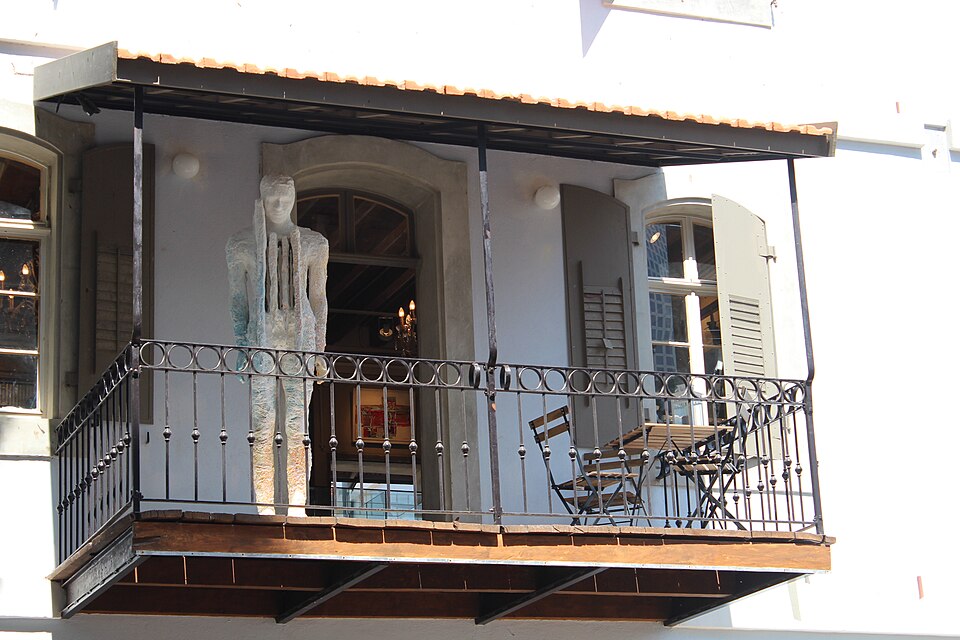
The first Jewish neighborhood built outside Jaffa's walls, in 1887, with low houses, narrow lanes, and boutiques. Today it's Tel Aviv's prettiest and priciest district, filled with cafés, galleries, the Suzanne Dellal dance theater, and ice cream shops.

Tip: Best for an afternoon stroll and coffee. The main street, Shabazi, has boutiques and bakeries. The square in front of the Suzanne Dellal theater hosts free evening concerts and performances. The neighborhood is walkable to both the beach and Jaffa. Right next door is the old HaTachana train station, converted into a shopping and dining complex.

Admission:
free
Time needed:
1.5 h
Sarona

Sarona

Sarona

A former nineteenth-century German Templer colony now surrounded by skyscrapers, restored as a park with cafés and shops. Its covered food hall, Sarona Market, holds dozens of stalls and restaurants.

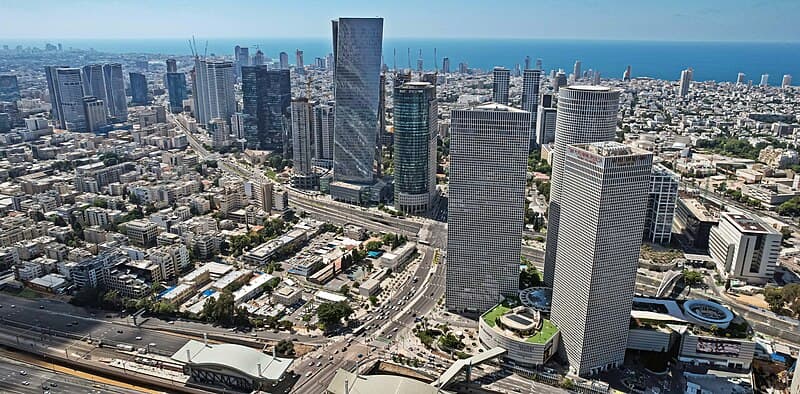
Tip: Sarona Market is the best place for lunch when you can't decide — everything from sushi to Israeli street food. The former Templer buildings have small information plaques on their history. In the evening the atmosphere is pleasant, the park green and quiet. The Azrieli towers with their observation deck are right next door.

Admission:
free
Time needed:
1 h
Tel Aviv Museum of Art

Tel Aviv Museum of Art

Downtown

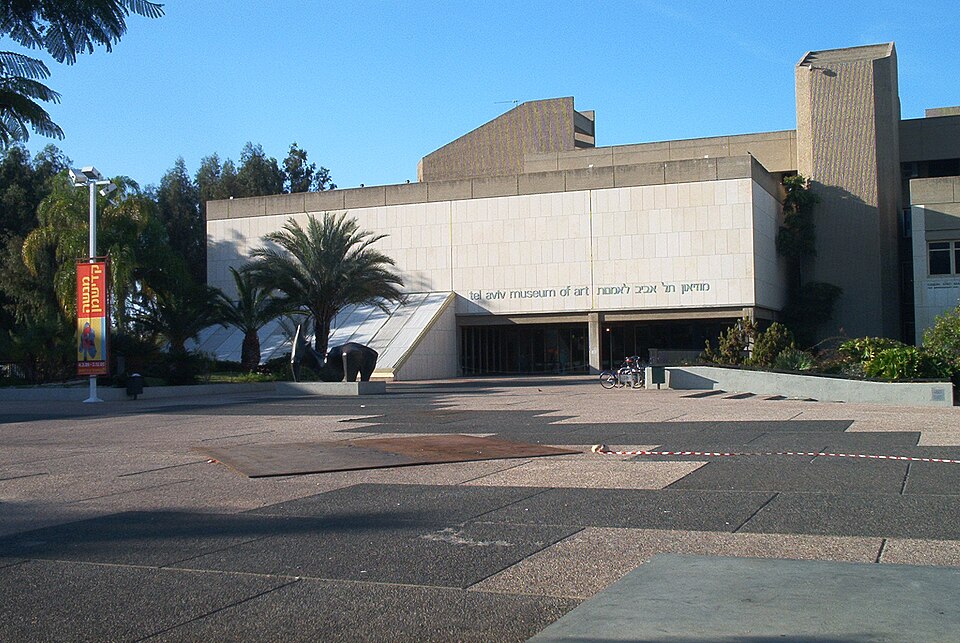
Israel's leading art museum, with European Impressionists, modern art, and Israeli painters. The 2011 Herta and Paul Amir wing, with its triangular geometry and light shaft, is an architectural attraction in its own right.

Tip: The museum has an excellent modernist collection including Picasso, Chagall, and Kandinsky, but the temporary exhibitions are often the highlight. Admission covers the whole day. It's open until nine on Thursdays. The terrace café is good for lunch. Habima Square, with its theater and garden, is right next door.

Admission:
around ILS 58
Time needed:
2 h
The Port and Yarkon Park

The Port and Yarkon Park

North

The old northern harbor, converted into a wooden boardwalk with restaurants, shops, and a market, leading into Yarkon Park along the river, the city's largest green space. The park is popular for cycling, boating, and Sunday-morning exercise groups.

Tip: The port area is best for a Friday breakfast and for sunset; the covered Shuk HaNamal market is good for eating and shopping. Rent a bike through Tel-O-Fun and ride along the river into the park. The park also has a botanical garden with a tropical greenhouse. It's twenty minutes from downtown by bus or bike.

Admission:
free
Time needed:
2 h

Photos: Old Jaffa — Godot13 (CC BY-SA 4.0) · Jaffa Flea Market — Nizzan Cohen (CC BY 4.0) · Beaches and the promenade — israeltourism from Israel (CC BY-SA 2.0) · The White City and Rothschild Boulevard — Unknown author (Public domain) · Carmel Market — Bahnfrend (CC BY-SA 4.0) · Neve Tzedek — Giladtop (CC BY-SA 4.0) · Sarona — Deror_avi (CC BY-SA 3.0) · Tel Aviv Museum of Art — Itayba at Hebrew Wikipedia (Public domain) · The Port and Yarkon Park — דוידי ורדי (CC BY 2.5)

Where to stay

Areas and districts, matched to the kind of trip you are taking

The beach and downtown

Best for: the beach, nightlife, first-time visitors

Hotels along the coast between Gordon and Frishman beaches, with sea views, steps from the sand and ten minutes from Rothschild Boulevard. The best base for a first visit. Lively at night, with bars and restaurants open until morning.

Neve Tzedek and Rothschild

Best for: boutique hotels, cafés

Tel Aviv's prettiest districts, with boutique hotels in Bauhaus buildings, cafés, and restaurants. Close to both Jaffa and the beach. Quieter than the coast, and pricier. Ideal for couples.

Jaffa

Best for: atmosphere, restaurants

Boutique hotels in old stone buildings alongside modern ones like The Jaffa. The old harbor, the flea market, and Arab bakeries right at your doorstep. It's a twenty-minute walk along the promenade to downtown Tel Aviv, or a short taxi ride.

North Tel Aviv and the port

Best for: families, a quieter stay

A quieter district around the port and Yarkon Park, with beachfront hotels and fewer crowds. Good for families with children and anyone wanting some peace. Twenty minutes from downtown.

Getting around

From the airport

From Prague, Israeli and Czech carriers fly direct to Tel Aviv, with a flight time of just under four hours. Flights can be canceled quickly if the security situation worsens, so book tickets with free change options and follow the news. Most Western passport holders need the electronic ETA-IL authorization, arranged online in advance. Ben Gurion Airport is twenty kilometers from downtown; arrive three hours before departure for the security interview and baggage checks.

Tel Aviv Ben Gurion (TLV) · 20 km

  • Train to HaHagana, Savidor, or HaShalom· 15–20 min· from ILS 13.50
  • Taxi· 25–40 min· from ILS 150
  • Shared sherut minibus· 30 min· from ILS 60

Around town

Tel Aviv is flat and compact, and most places along the coast and downtown are reachable on foot or by bike. The bike-path network is excellent, and Tel-O-Fun shared bikes and e-scooters are everywhere. Buses cover the whole city with a Rav-Kav card, and in 2023 the first light-rail line, the Red Line, opened between Petah Tikva and Bat Yam through downtown. On Shabbat, city buses and trains don't run, but shared sherut minibuses continue on the main routes, along with taxis, which get pricier over the weekend. Book taxis through the Gett or Yango app.

Bus and light railPay with a Rav-Kav card or an app. · ILS 6
Tel-O-Fun shared bikeDocking stations across the city. · ILS 17 per day
Gett taxiMetered fares, pricier on Shabbat. · ILS 20
SherutShared minibus on main routes, running even on Shabbat. · ILS 8

Useful apps: Moovit, Gett, Rav-Kav Online, Home Front Command, Google Maps

When to go

The best time is April to June and September to November, with temperatures of 25–30°C and a warm sea. Summer is hot and very humid, above 30°C, with packed beaches and muggy evenings. Winter, December to February, is mild at around 18°C but rainy with storms, and swimming is only occasionally possible. Pride in June is the year's biggest event, drawing tens of thousands. Jewish holidays bring higher prices, and Yom Kippur brings the whole city to a halt — even cars stop, and children ride bicycles on the highways.

Best time

April–June, September–November

What to avoid

August for the humidity, and Yom Kippur

MonthJanFebMarAprMayJunJulAugSepOctNovDec
Day18°18°20°23°26°29°31°31°30°28°24°20°
Night10°10°12°15°18°22°24°25°23°19°15°12°
Rainy days1096310000369
Sea18°17°18°20°23°26°28°29°28°26°23°20°

Food & drink

Tel Aviv is one of the Mediterranean's best food cities and the home of modern Israeli cuisine: whole vegetables roasted in the oven, tahini on everything, fresh herbs, olive oil, and influences from Morocco, Iraq, Yemen, Poland, and Libya. You'll find it at cafés, markets, pita stalls, and celebrated chef-driven restaurants like Eyal Shani's, where reservations book out weeks ahead. Unlike Jerusalem, most restaurants aren't kosher and stay open on Shabbat. Café culture runs deep — morning coffee is drunk standing at the counter, and breakfast service continues until noon. Prices are steep, since Tel Aviv is one of the most expensive cities in the world, but street food remains cheap and excellent.

What to try

Hummus

Chickpea paste with tahini, olive oil, and whole chickpeas on top, eaten with warm pita as a meal in its own right, not a starter. The best hummus spots sell out by the day and close in the early afternoon.

Falafel and sabich

Falafel are fried chickpea-and-herb balls stuffed into pita with salad and tahini. Sabich is pita filled with fried eggplant, hard-boiled egg, and amba mango sauce, a dish brought by Iraqi Jews.

Shakshuka

Eggs poached in a sauce of tomatoes and peppers with cumin, served in the pan with bread. A classic Israeli breakfast.

Shawarma

Turkey or lamb sliced from a spit and stuffed into pita or laffa bread with tahini, pickled vegetables, and fries tucked right inside. A portion costs 40–60 shekels.

Israeli breakfast

A hotel or café breakfast is an institution of its own: eggs, cheeses, salads, spreads, olives, bread, and juice. At a café it runs around 70 shekels but keeps you full until afternoon.

Israeli wine

Wines from the Golan Heights, Galilee, and the Judean Hills have improved dramatically and are commonly offered by the glass. A bottle from a wine shop costs 80–150 shekels.

Roasted whole cauliflower

A whole cauliflower roasted in the oven and doused in olive oil and salt, popularized by chef Eyal Shani. A symbol of modern Israeli cooking, found on menus everywhere.

Malawach and jachnun

Yemeni layered pastries — malawach fried flat like a flatbread, jachnun baked overnight in a pot — served with tomato sauce, egg, and spicy schug. A traditional Saturday breakfast, best in the Yemenite Quarter.

What it costs

Falafel or sabich

ILS 20–35

Coffee

ILS 14–20

Israeli breakfast at a café

ILS 60–85

Restaurant dinner

ILS 150–300

Beer at a bar

ILS 32–40

Bus ticket

ILS 6

Beach lounger

ILS 25

Night in a 3-star hotel, double

€180–300

Indicative prices that change over time — treat them as a guide, not a price list.

Practical information

SocketsCEuroplug, two round pinsHIsraeliMSouth African, large pins
Voltage230V / 50Hz
Tap waterTap water is drinkable — Tap water in Israel is safe to drink and closely monitored; some of it comes from coastal desalination plants. In Jerusalem it's harder and tastes of calcium, so locals often filter it, though you don't need to. In summer, drink plenty — three to four liters a day is recommended at the Dead Sea and in the desert. Bottled water costs 5–8 shekels in a shop, double that at a kiosk near a sight.
TippingRestaurant service assumes 12–15%, which usually isn't included, added in cash or on the card slip. At a café, round up; taxi drivers aren't tipped unless they handle luggage. Guides and drivers on a day trip get around 20–30 shekels per person per day. Cards are accepted almost everywhere, including contactless on buses via an app.
Driving on theright
SafetyThe security situation in Israel can change quickly — before and during your trip, check your government's travel advisories and register with your embassy if that option exists. At your hotel, find out where the nearest shelter is and install the Home Front Command app, which sends alerts. Everyday crime is low; pickpockets are the main risk at beaches and markets. Bag checks at the entrance to malls and stations are routine. At the airport, expect a thorough security interview. The police emergency number is 100, ambulance 101.
Opening hoursThe week starts on Sunday. Shabbat runs from Friday sunset to Saturday evening: in Jerusalem almost everything closes, including public transport; in Tel Aviv most bars and restaurants stay open, but trains and city buses stop running. On Fridays, shops and markets close around two in the afternoon. Arab neighborhoods and Christian sites keep their own rhythm — Muslim shops close for Friday midday prayers, and some churches close Sunday mornings. On the major Jewish holidays, Yom Kippur and Passover, the whole country comes to a stop.
Customs & etiquetteIsraelis are direct, interrupt freely, and use informal address — don't take it as rudeness. At sacred sites, the Western Wall, churches, and mosques, shoulders and knees should be covered; men need head covering at the Wall, where paper kippot are handed out at the entrance. In ultra-Orthodox neighborhoods, don't photograph people up close, and avoid smoking or using your phone on the street during Shabbat there. It's best to steer clear of politics and the conflict with people you've just met — opinions run strong on all sides.
A few local wordsHello / goodbye — ShalomThank you (very much) — Toda (raba)Please — BevakashaHow much does it cost? — Kama ze ole?The check, please — Cheshbon, bevakashaCheers — L'chaimHello (Arabic) — Marhaba

How to plan your days

1 day

Tel Aviv in one day

  1. 1Morning: the beach and the southern promenade.
  2. 2Old Jaffa and its flea market.
  3. 3Lunch in Neve Tzedek.
  4. 4Afternoon: Rothschild Boulevard and Carmel Market.
  5. 5Evening: sunset on the beach, then a bar downtown.

2 days

Two days in Tel Aviv

  1. 1Day 1: the beach, Neve Tzedek, Jaffa, and sunset.
  2. 2Day 1 evening: dinner in Jaffa.
  3. 3Day 2: the White City with a Bauhaus tour.
  4. 4Day 2 afternoon: Carmel Market and the Museum of Art.
  5. 5Day 2 evening: the port and Sarona.

3 days

Three days with Jerusalem

  1. 1Day 1: the beach, Jaffa, Neve Tzedek.
  2. 2Day 2: a day trip by train to Jerusalem's Old City.
  3. 3Day 3: the White City and Carmel Market.
  4. 4Day 3 afternoon: Yarkon Park and the port.

Day trips

Jerusalem

65 km · 45 min by train

The sacred city of three faiths, with the Old City, the Western Wall, the Church of the Holy Sepulchre, and the Temple Mount. The train runs from HaHagana or Savidor station to Yitzhak Navon station in under an hour. It doesn't run on Shabbat, so a Friday-Saturday day trip to Jerusalem is a bad idea.

Caesarea

55 km · 50 min by car

Herod's ancient port city, with a Roman theater, a hippodrome, an aqueduct right on the beach, and a harbor where people now swim and dine. The archaeological park is large and well presented, with multimedia displays. The beachside aqueduct is best at dusk.

Akko (Acre)

120 km · 1.5 h by train

A UNESCO-listed Crusader city in the north, with underground Templar knights' halls, an Ottoman mosque, a bazaar, and a harbor lined with fish restaurants. The train runs direct from Tel Aviv. It pairs well with Haifa and the Bahá'í Gardens.

Frequently asked questions

Do I need a visa for Israel?+

No visa, but since 2025 an electronic travel authorization, ETA-IL, is mandatory and must be arranged online at least three days before departure. It costs 25 shekels and is valid for two years for tourist stays up to ninety days. Your passport must be valid for six more months. No stamp goes in your passport — you'll get a paper slip, so keep it until you leave.

Is it safe to visit Tel Aviv?+

The security situation in Israel can change quickly. Before traveling, check your government's travel advisories and register with your embassy if one is offered. At your hotel, ask where the nearest shelter is and install the Home Front Command app. Everyday crime is low; on the beaches, just watch your belongings.

Does Tel Aviv function on Shabbat?+

Yes, unlike Jerusalem. Most restaurants, bars, and cafés stay open, and the beaches are full. Trains and city buses don't run, though — only shared sherut minibuses and taxis. Shops and supermarkets close, apart from small convenience stores.

How many days for Tel Aviv?+

Two to three days for Jaffa, the beaches, the White City, and the markets. Add a day trip to Jerusalem and it's four to five. Tel Aviv also works well for a longer beach stay from spring through autumn. A week is enough for Tel Aviv, Jerusalem, the Dead Sea, and the north.

Is Tel Aviv expensive?+

Very — it's among the most expensive cities in the world. Hotels cost more than in Paris, a restaurant dinner runs 150–300 shekels, and a beer around 35. Street food is the cheap option — falafel, sabich, and shawarma. The beaches themselves are free.

When is swimming best in Tel Aviv?+

From June to October, when the sea is above 25°C. In May and November the water is around 23°C and still swimmable. Swim only at guarded beaches with a lifeguard — Mediterranean currents are strong, and drownings happen here every year.

How do I get from the airport to downtown?+

By train in fifteen to twenty minutes to HaHagana, HaShalom, or Savidor station, with a ticket costing around 14 shekels. On Shabbat the train doesn't run, so your options are a taxi for 150–200 shekels or a shared sherut. Taxis from the official rank use a meter.

Is Tel Aviv LGBT-friendly?+

Very much so — it's one of the most gay-friendly cities in the world. Pride in June draws over two hundred thousand people, Hilton Beach is a well-known gay beach, and nightlife is open. The rest of Israel remains more conservative, and the atmosphere outside Tel Aviv is more reserved.

Visa Requirements

Check the latest visa requirements for entering this country. Some nationalities may need to apply for a visa or e-visa before travel.

Check visa requirements

Language

Hebrew / Arabic

Currency

ILS

Timezone

GMT+2

Dial Code

+972

Population

9.8M

Area

22,145 km²

Voltage

230V / 50Hz

Driving Side

Right

Top Hotels in Tel Aviv

Live prices from 500+ properties

Loading hotels...

More destinations in Israel

Planning a trip to Tel Aviv?

Compare hundreds of hotels, find the best price, and book with free cancellation on TravelManiac.