Hotels in Kathmandu

A valley of 3 royal cities, stupas with the Buddha's eyes, and the Himalayas on the horizon

Kathmandu

LanguageNepali
CurrencyNPR
TimezoneAsia/Kathmandu
Temperature10-30 °C
Dial Code+977
Population30.9M
Area147,181 km²
SocketsType C / Type D / Type M
Tap waterNot drinkable

Discover Kathmandu

Kathmandu is the gateway to Nepal and the Himalayas, but it's far more than a stopover before a trek. The valley, at an altitude of 1,400 m, was divided for centuries between 3 Newar kingdoms — Kathmandu, Patan and Bhaktapur — and each one built a royal square with palaces and pagoda temples. 7 sites in the valley are UNESCO World Heritage listed, the highest concentration anywhere in the world. Hinduism and Buddhism intertwine here to the point that followers of both faiths worship at the same shrine. The Boudhanath stupa is the centre of Tibetan Buddhism outside Tibet, the dead are cremated on the riverbank at Pashupatinath, and shrines stand on every corner in the lanes of the Old Town. The city is noisy, dusty and crowded, with traffic chaos and power cuts, but also friendly, cheap and full of life. The 2015 earthquake damaged many monuments, most of which have now been restored. On a clear morning from October to November, the snow-capped Himalayas are visible from the hills.

What to see

The places worth your time in Kathmandu, and what to expect at each

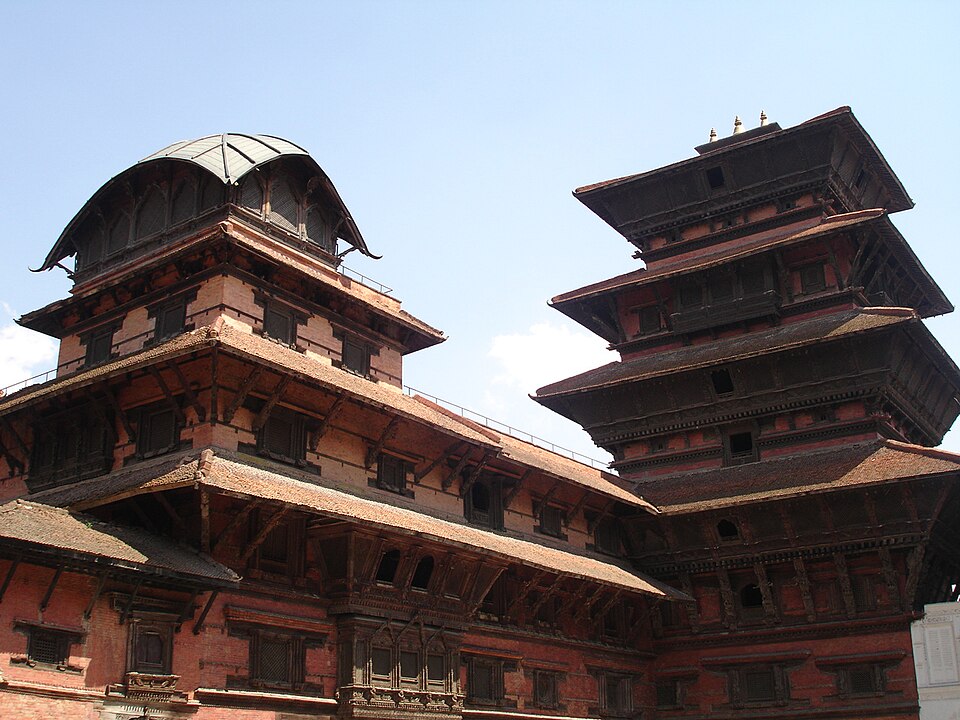
Kathmandu Durbar Square

Kathmandu Durbar Square

Basantapur Durbar

Old Town

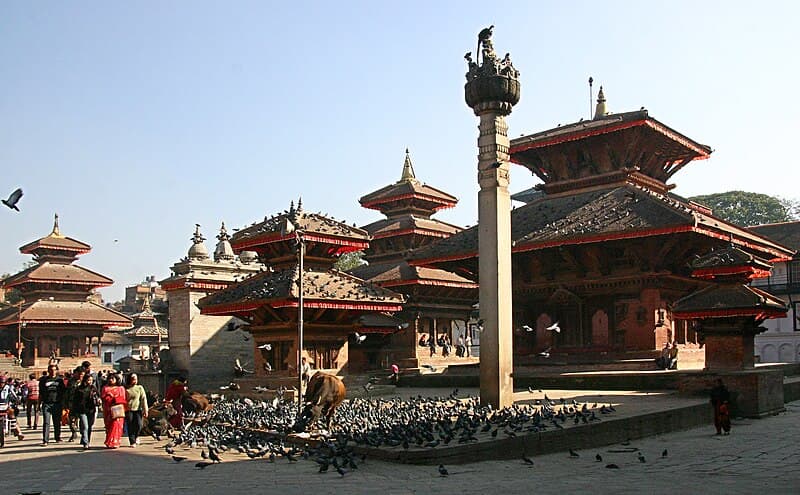
The royal square of old Kathmandu, with the Hanuman Dhoka palace where Nepal's kings were crowned, and dozens of pagoda temples and shrines. Here stands the house of the Kumari, the living goddess — a girl chosen as the incarnation of the goddess Taleju. The 2015 earthquake damaged many buildings, and restoration continues.

Tip: Foreigners pay admission and the ticket is valid for 1 day only — get it stamped with your passport at the reception desk and it becomes valid for your whole stay. The Kumari appears at a window of her house on the courtyard several times a day and must not be photographed. The square is best in the morning, when flowers are sold for rituals, and in the early evening from the steps of the Maju Deval temple.

Admission:
1,000 NPR
Time needed:
2 h
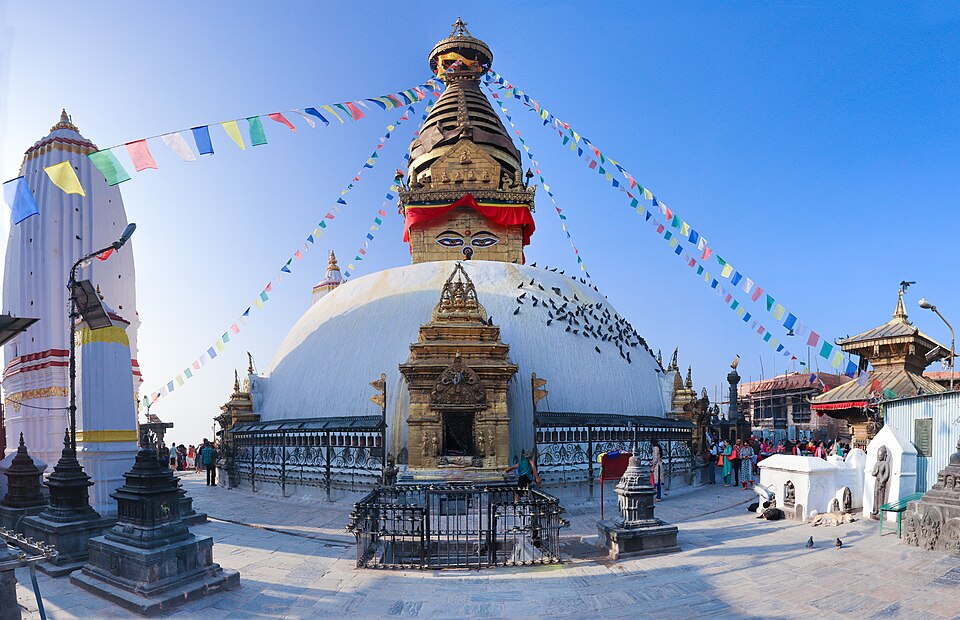
Swayambhunath

Swayambhunath

स्वयम्भू

western edge

A Buddhist stupa on a hill west of the city, over 2,000 years old, with a gilded spire and the Buddha's eyes painted on all 4 sides. Prayer wheels spin around it, flags flutter, and hundreds of monkeys scamper about, giving it the name Monkey Temple. The summit offers the best view over the whole valley.

Tip: The eastern staircase of 365 steep steps is the authentic approach, but a troop of monkeys waits at the top that will snatch food and even glasses — don't carry anything loose in your hands. There's a car park and easier access from the southwest. It's loveliest around 7am, when worshippers do their rounds and mantras fill the temple. Walk clockwise around the stupa.

Admission:
200 NPR
Time needed:
1.5 h
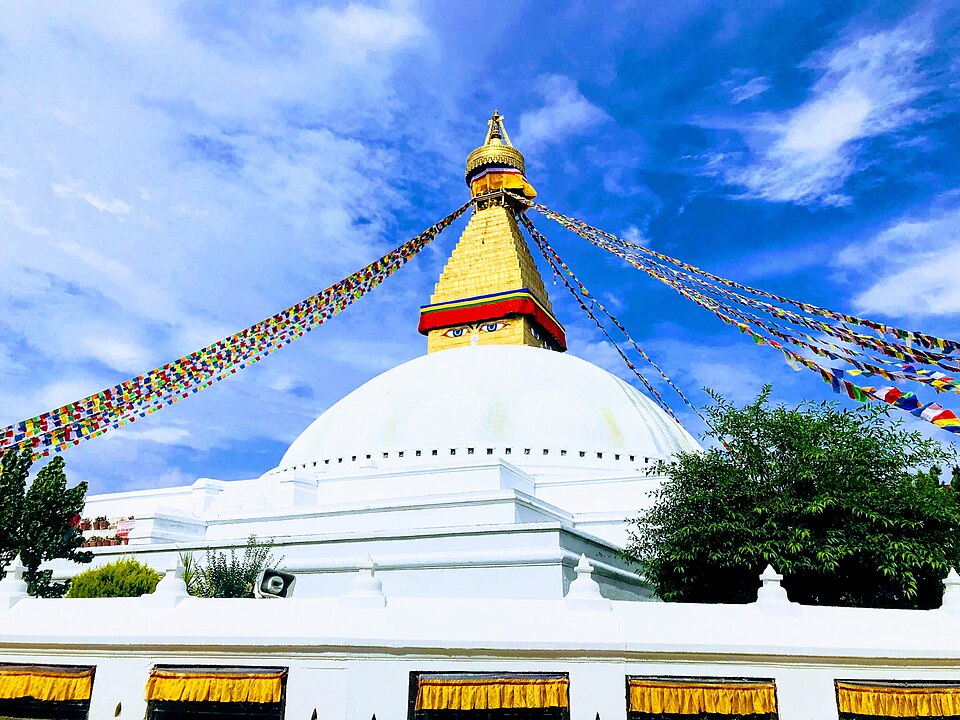
Boudhanath

Boudhanath

बौद्धनाथ

Boudha / east

One of the largest stupas in the world and the centre of Tibetan Buddhism in Nepal. A huge white dome with the Buddha's eyes and tens of thousands of prayer flags is ringed by monasteries, shops selling Tibetan goods, and cafés. After 1959, Tibetan refugees settled here and built dozens of monasteries around it.

Tip: Come in the early evening around 5pm, when hundreds of pilgrims circle the stupa to the sound of chanting, spinning prayer wheels — join in clockwise. The best view is from the rooftop cafés in the surrounding houses, where coffee is cheap. You can also climb up to the first level of the stupa. The surrounding monasteries welcome visitors, and chanting can be heard there in the morning.

Admission:
400 NPR
Time needed:
1.5–2 h
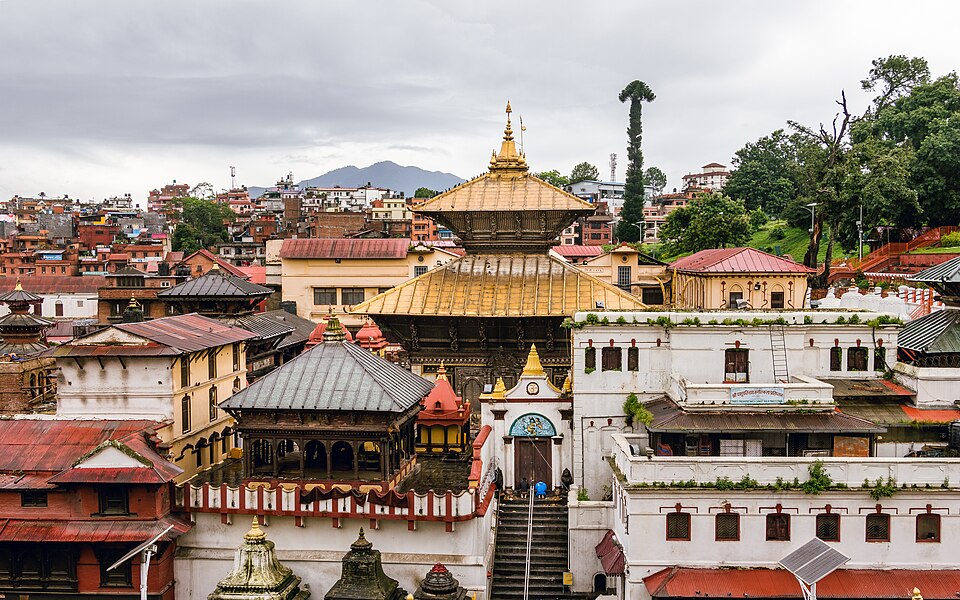
Pashupatinath

Pashupatinath

पशुपतिनाथ

east, near the airport

Nepal's holiest Hindu temple, dedicated to Shiva, with a gilded pagoda roof on the bank of the sacred Bagmati River. On stone ghats by the river the dead are cremated and the ashes scattered into the water. The complex is full of shrines, ashrams and sadhus — ascetics with painted faces.

Tip: Only Hindus may enter the main temple, but the whole complex and the cremations are visible from the opposite riverbank. Photograph with restraint — cremations are a family's funeral rite. Sadhus with painted faces will ask for money for a photo. The evening arati ceremony with lamps and chanting takes place daily around 6pm and is the most powerful experience here.

Admission:
1,000 NPR
Time needed:
1.5–2 h
Thamel

Thamel

ठमेल

Thamel

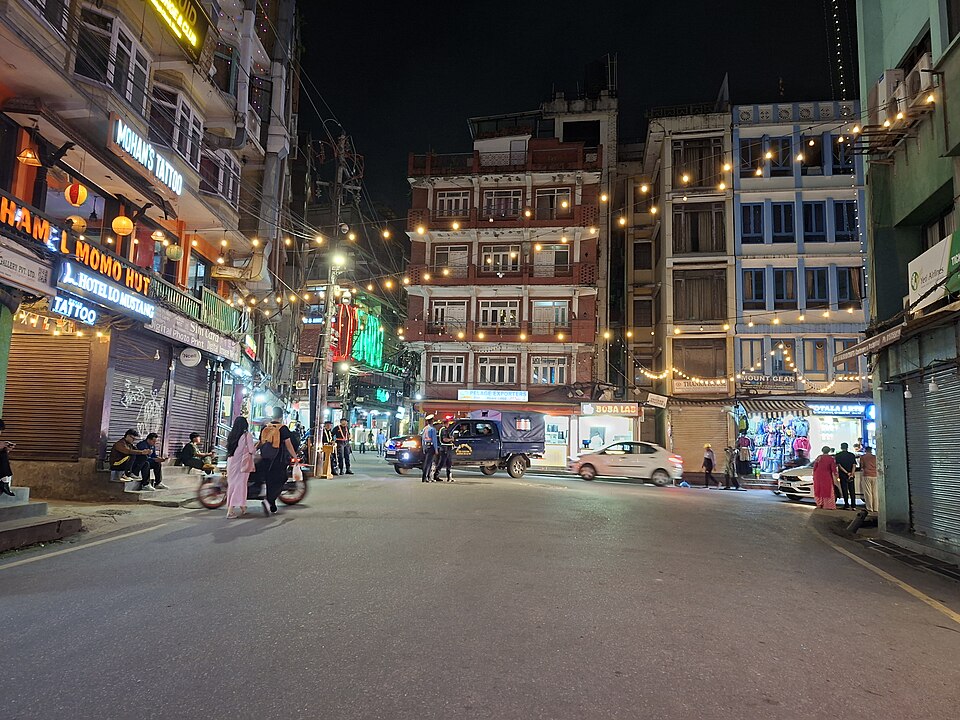
The tourist quarter, a dense web of narrow streets packed with hostels, hotels, restaurants, bars and shops selling trekking gear, books and souvenirs. This is where mountain expeditions are put together, permits and guides arranged, and backpackers from around the world cross paths. It's the most practical base in Kathmandu.

Tip: Most trekking gear in Thamel is counterfeit — fine for a short trek, but buy from branded stores for serious mountains. The best prices are in the side streets. Live music plays in the bars at night. From Thamel it's a 20-minute walk to Durbar Square through the Asan market, and you'll see the real Kathmandu along the way.

Admission:
free
Time needed:
1–2 h
Garden of Dreams

Garden of Dreams

स्वप्न बगैंचा

Thamel / Kaiser Mahal

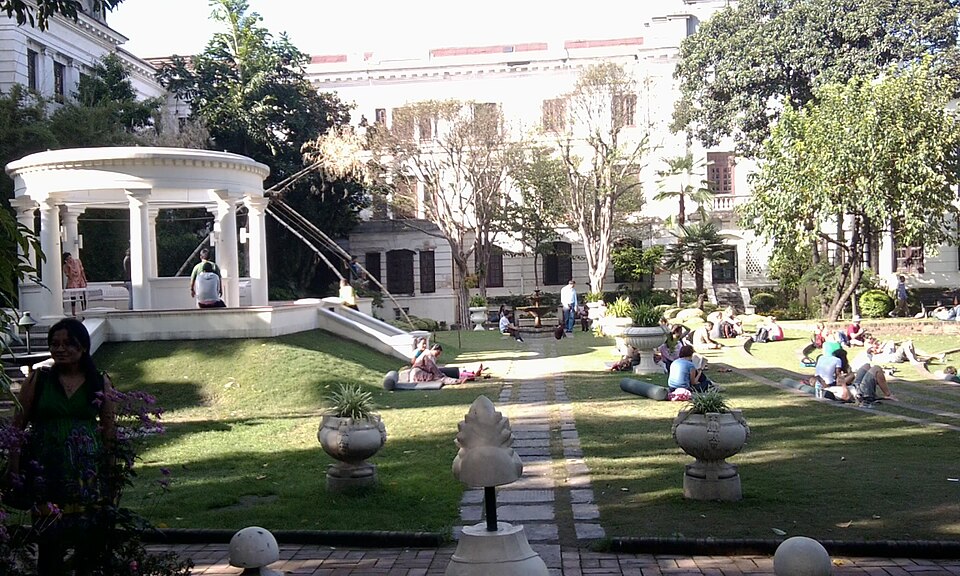
A neoclassical garden from 1920 with pavilions, fountains, gazebos and lawns, built by Field Marshal Kaiser Shamsher. It fell into decay for a long time before being restored with Austrian help. It's an oasis of calm just metres from chaotic Thamel.

Tip: Admission is small and the garden is ideal for an afternoon of reading on the lawn. Kaiser Café inside is good for a meal. The garden closes at 10pm, but the restaurant draws people back for a romantic dinner in the evening. A great break between Thamel and the Narayanhiti Palace opposite.

Admission:
400 NPR
Time needed:
1 h
Patan Durbar Square

Patan Durbar Square

पाटन दरबार

Patan (Lalitpur)

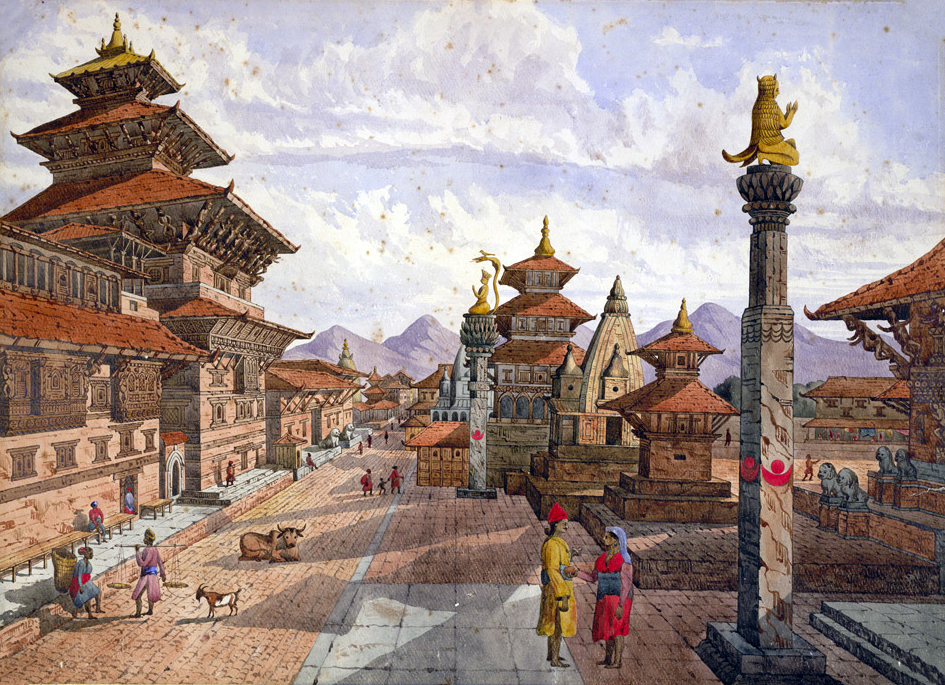
The royal square of the neighbouring city of Patan, known as Lalitpur — City of Beauty — is the most harmonious and best-preserved square in the valley. A palace with courtyards, a stone Krishna temple with an octagonal spire, and pagodas with carved beams. The palace houses the Patan Museum, the finest museum of Nepali art.

Tip: Patan is just 5 km from Thamel and is quieter and prettier than Kathmandu Durbar Square. The Patan Museum is worth the entry fee for its bronze statues and explanations of their symbolism. Behind the square are workshops where bronze statues are cast and wood carved, plus the Golden Temple, Hiranya Varna Mahavihar. For lunch, head to a rooftop café overlooking the square.

Admission:
1,000 NPR
Time needed:
2–3 h
Narayanhiti Palace Museum

Narayanhiti Palace Museum

नारायणहिटी

Durbar Marg

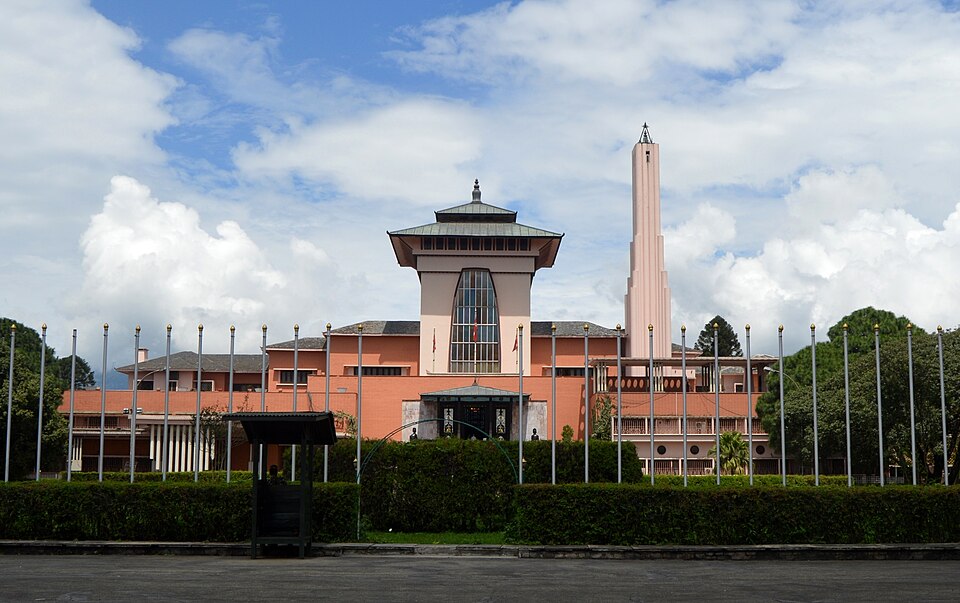
The former royal palace, built in 1970, home to Nepal's kings until the monarchy was abolished in 2008. Inside are state rooms, a throne room and gifts from foreign dignitaries. In 2001 the crown prince shot dead 9 members of the royal family, including the king, here — the site of the massacre is marked in the grounds.

Tip: Photography is banned inside and phones are handed in at the entrance. It's closed on Tuesdays and Wednesdays. The interior shows how the monarchy lived in the 1970s, with a chandelier, hunting trophies and furniture. The palace sits opposite the Garden of Dreams at the end of Thamel, so the two combine easily.

Admission:
500 NPR
Time needed:
1 h
Kopan Monastery

Kopan Monastery

कोपन गुम्बा

Kopan / north

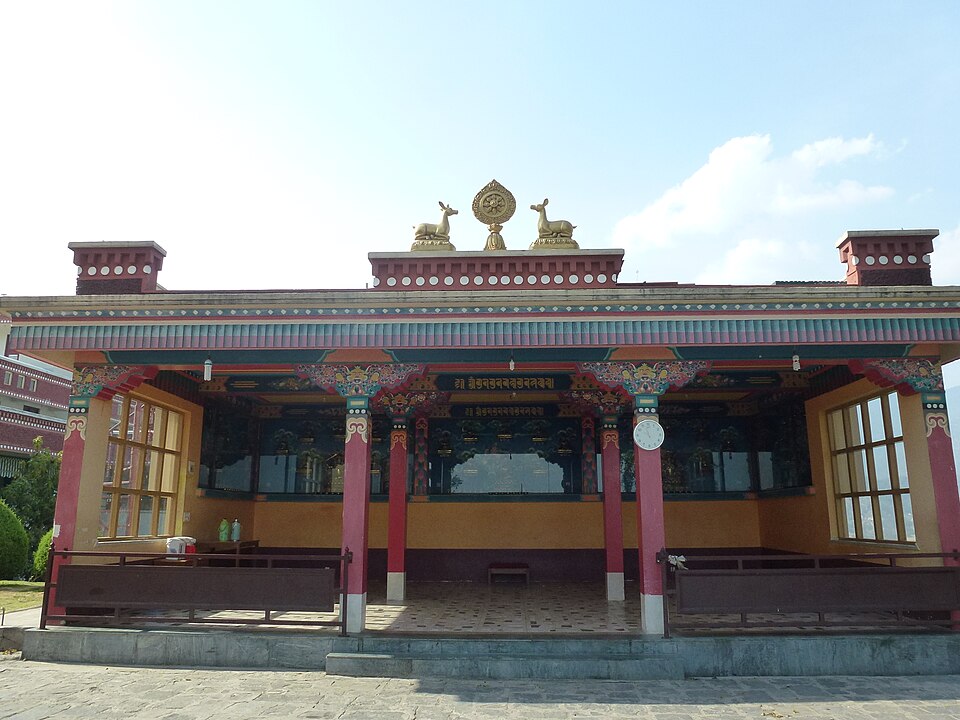
A Tibetan Buddhist monastery on a hill north of Boudhanath with views over the valley, drawing people from around the world for courses in meditation and Buddhism. Around 360 monks and nuns live here. The grounds, with temples, gardens and stupas, are peaceful and welcoming to visitors.

Tip: The monastery is open to visitors most days, though access may be limited during courses. It's best to come for the morning or afternoon puja, when the monks chant. Kopan runs both 10-day and shorter meditation courses, which need booking in advance. From Boudhanath it's a 40-minute uphill walk.

Admission:
free
Time needed:
1.5 h

Photos: Kathmandu Durbar Square — Artha at English Wikipedia (CC BY-SA 3.0) · Swayambhunath — Nabin K. Sapkota (CC BY-SA 4.0) · Boudhanath — Sumitbhatt222 (CC BY-SA 4.0) · Pashupatinath — Bijay Chaurasia (CC BY-SA 4.0) · Thamel — Saddam Hussain Ansari (CC BY 4.0) · Garden of Dreams — Krish Dulal (CC BY-SA 3.0) · Patan Durbar Square — Zulufive (CC0) · Narayanhiti Palace Museum — Suraj Belbase (CC BY-SA 4.0) · Kopan Monastery — Irina Gelbukh (CC BY-SA 3.0)

Where to stay

Areas and districts, matched to the kind of trip you are taking

Thamel

Best for: first visit, trekking, backpackers

The tourist hub with the widest choice of hotels and hostels, restaurants serving food from around the world, gear shops and trekking agencies. Everything is in one place, within walking distance of the Old Town. It is, however, noisy, crowded and commercial. The streets on the fringe towards Chhetrapati are quieter.

Boudhanath

Best for: calm, Tibetan culture, longer stays

The district around the great stupa, with monasteries, Tibetan restaurants and guesthouses overlooking the stupa. The mood is calm and spiritual, with mantras chanted in the evening. It's close to the airport, and 20 minutes by taxi to Thamel. Ideal for anyone who wants to experience Kathmandu more slowly.

Patan

Best for: heritage, calm, families

The neighbouring city with the prettiest Durbar Square, craft workshops and boutique hotels in restored Newar houses. Quieter and cleaner than Thamel, with good cafés and restaurants. It's 20 minutes by taxi to Thamel, and close to the airport. The best choice for culture without the chaos.

Lazimpat and Durbar Marg

Best for: comfort, better hotels

The embassy district and home to smarter hotels north of Thamel, with quieter streets and restaurants. Durbar Marg is the main avenue, with international hotels, banks and airline offices, opposite the former royal palace. Thamel is a 10-minute walk away.

Getting around

From the airport

Flights to Kathmandu from Europe usually involve 1 stopover, commonly via Istanbul with Turkish Airlines, via Doha with Qatar Airways, or via Dubai with flydubai; the journey takes 14–18 hours. The visa is issued on arrival at the airport: fill in an online form beforehand, then pay cash in dollars or euros at the airport — 15 days is $30, 30 days $50, 90 days $125. Tribhuvan Airport lies 6 km from Thamel and is the country's only international airport, small and often delayed by fog and congestion. From here there are flights to Pokhara and to Lukla, the starting point for the Everest trek. Buses to Pokhara take 7–9 hours along the mountain highway.

Kathmandu Tribhuvan (KTM) · 6 km

  • Taxi from the airport counter to Thamel· 20–40 min· 800 NPR
  • Pathao / inDrive· 20–40 min· 500 NPR
  • Hotel transfer· 30 min· 1,000 NPR

Around town

Kathmandu has no public transport in the sense most visitors are used to: minibuses and tempos run set routes with no timetables, and signage is only in Nepali. For a tourist, a taxi or the Pathao and inDrive apps, which show the price up front, work best. Street taxi drivers quote a price that needs bargaining down, and don't use a meter. The Old Town and Thamel are walkable, but pavements are practically nonexistent, traffic is heavy and dust is thick — a mask is useful. Taxis to Patan and Boudhanath cost NPR 400–600. For longer trips around the valley, it's worth hiring a car with a driver for the day.

TaxiNo meter, agree the price beforehand. · 300 NPR
Pathao / inDriveCar or motorbike, price set in the app beforehand. · 150 NPR
Car with driver, per dayFor trips around the valley, priced by distance. · 5,000 NPR
MinibusesCheap, but unsigned and crowded. · 25 NPR

Useful apps: Pathao, inDrive, Google Maps, maps.me (offline), Hamro Patro (holiday calendar)

When to go

The best time is autumn, from October to November: after the monsoon the air is clear, the sky is blue, the Himalayas are visible from the hills, and daytime temperatures hover around 25°C. It's the main trekking season and also the time of the biggest festivals, Dashain and Tihar. The second-best window is spring, from March to April, when rhododendrons bloom, though the air is dustier and views hazier. Winter, from December to February, is dry and sunny in the daytime at around 20°C, but it freezes at night and hotels often lack heating. The monsoon, from June to September, brings daily rain, landslides, cancelled flights to Lukla and hidden mountains — though the city is green and quiet.

Best time

October–November, March–April

What to avoid

the monsoon (June–September)

MonthJanFebMarAprMayJunJulAugSepOctNovDec
Day19°21°25°28°29°29°28°28°28°27°23°20°
Night2°4°8°11°16°19°20°20°18°13°7°3°
Rainy days13461219262517511

Food & drink

Nepali food is simple and filling — the staple is dal bhat, rice with lentil soup, which Nepalis eat twice a day and which comes with unlimited refills until you stop. But Kathmandu offers more: Newar cuisine from the valley's original inhabitants, with grilled buffalo, beaten rice and yoghurt; Tibetan food with momo and thukpa around Boudhanath; and Indian food everywhere. Thamel has restaurants serving food from around the world, from pizza to Korean, since it's been a meeting point for trekking groups for decades. Prices are very low: dal bhat at a local eatery costs NPR 200–400, momo NPR 150. Tourist restaurants add a 10% service charge and 13% tax to the bill. Eat vegetables and fruit cooked or peeled, and drink only bottled or filtered water.

What to try

Dal bhat

The national dish, eaten twice a day: rice, lentil soup (dal), vegetable curry, pickled vegetables (achar) and often meat. The portion is refilled for free until you stop, hence the saying "dal bhat power, 24 hour".

Momo

Tibetan dumplings filled with buffalo, chicken or vegetables, steamed or fried, served with a sesame-tomato sauce. A plate of 10 for NPR 150–250 is the country's most popular fast food.

Newar cuisine

The food of the valley's original inhabitants: beaten rice (chiura), grilled buffalo (choila), lentil-flour flatbread (bara) and sweet yoghurt. Served on a leaf plate, it's best at traditional eateries in the valley's old towns.

Thukpa

A thick noodle soup of Tibetan origin with vegetables and meat, the main meal in the mountains after a full day's walking. It's warming and heartier than it looks.

Juju dhau

The "king of yoghurts", made from buffalo milk, set in clay bowls, thick and sweet. It comes from Bhaktapur and is the valley's best dessert.

Sel roti

A sweet fried ring of rice-flour batter, similar to a doughnut. It's made in bulk for the Dashain and Tihar festivals and sold in the morning with tea.

Chiya and butter tea

Chiya is sweet tea brewed with milk and spices, drunk by the cupful for NPR 20 throughout the day. In the mountains, salty Tibetan tea with yak butter is drunk, which tastes more like soup.

What it costs

Chiya at a tea house

20–50 NPR

Plate of momo

150–300 NPR

Dal bhat at a local eatery

250–500 NPR

Dinner at a Thamel restaurant

800–1,500 NPR

Beer at a bar

400–700 NPR

Taxi Thamel–Boudhanath

500–700 NPR

Entry to Durbar Square

1,000 NPR

Night at a 3-star hotel for 2

3,000–7,000 NPR

Indicative prices that change over time — treat them as a guide, not a price list.

Practical information

SocketsCEuroplug, two round pinsDthree round pins (India)MSouth African, large pins
Voltage230V / 50Hz
Tap waterDo not drink tap water — Tap water in Nepal isn't drinkable, not even in hotels; brush your teeth with bottled or filtered water. A bottle costs NPR 25–40, more with every day of walking in the mountains. Greener, and standard in Kathmandu, is filtered water from large hotel and café dispensers, where you refill your own bottle for a few rupees. Ice and raw salad from street stalls are the most common cause of stomach trouble — avoid them in your first few days.
TippingTipping is expected in Nepal wherever there's tourist traffic: restaurants usually add a 10% service charge and 13% tax to the bill, so the final total runs a quarter above the menu price. Trek guides and porters get 10–15% of the trip price, drivers and hotel bellhops small change. Payment is mostly cash in rupees; ATMs in Thamel dispense only NPR 10,000–35,000 at a time and charge a fee, while cards are accepted at better hotels and restaurants with a 3–4% surcharge. Indian 500 and 2,000-rupee notes are banned in Nepal.
Driving on theleft
SafetyNepal is a calm, friendly country for tourists with low crime. The risks lie elsewhere: road travel on mountain routes is dangerous and buses do crash; Kathmandu's air in winter and spring is among the worst in Asia (a mask is worthwhile); slopes slide and roads collapse in the monsoon. Walking above 3,000 m brings a risk of altitude sickness, so ascend slowly. Bandh strikes can shut shops and transport for a day. The country lies in a seismically active zone — the 2015 earthquake killed over 8,000 people. Insurance must cover helicopter rescue, without which you won't be allowed on a trek. The police emergency line is 100, tourist police 1144.
Opening hoursShops open around 10am and close between 8 and 9pm, with tourist districts staying open later. After 10pm the city empties out quickly and restaurants close, with nightlife limited to bars in the tourist quarter. Temples open at dawn, when most worshippers visit. The official day off is Saturday, not Sunday — banks and offices close on Saturday, while Sunday is a normal working day. In autumn, during the Dashain and Tihar festivals, some shops close for weeks as the country travels home to family.
Customs & etiquetteNepal is Hindu and Buddhist and takes its customs seriously. Walk clockwise around stupas, prayer wheels and chortens. Shoes come off before entering temples, and nothing made of leather is brought into a Hindu shrine; non-Hindus are barred entirely from many of the most sacred Hindu temples. Food and money are handed over with the right hand, as the left is considered unclean. Don't touch anyone on the head, and don't point your feet at people or at an altar. Dishes or food that someone has touched with their mouth (jutho) aren't shared. Public displays of affection are unusual, as are shorts outside of trekking.
A few local wordsHello (with palms pressed together) — NamastéThank you — DhanjabádHow much is it? — Kati ho?Too expensive — Dheraj mahangóNot spicy — Piro nahálnusGoodbye — Pheri bhetaulá

How to plan your days

1 day

Kathmandu in 1 day

  1. 1Morning at Swayambhunath for sunrise.
  2. 2Walk through the Asan market to Durbar Square.
  3. 3Lunch on momo in the Old Town.
  4. 4Afternoon at Pashupatinath and the evening arati ceremony.
  5. 5Early evening at Boudhanath with pilgrims and dinner overlooking the stupa.

2 days

2 days in the valley

  1. 1Day 1: Swayambhunath, Durbar Square, Thamel.
  2. 2Day 1 evening: Garden of Dreams and dinner in Thamel.
  3. 3Day 2: Patan Durbar Square and its museum.
  4. 4Day 2 afternoon: Pashupatinath.
  5. 5Day 2 evening: Boudhanath at dusk.

3 days

3 days with Bhaktapur

  1. 1Day 1: Swayambhunath, Durbar Square, Thamel.
  2. 2Day 2: Pashupatinath, Boudhanath and Kopan Monastery.
  3. 3Day 3 morning: Bhaktapur and juju dhau.
  4. 4Day 3 afternoon: Patan and its museum.
  5. 5Day 3 evening: or stay overnight in Nagarkot for sunrise over the Himalayas.

Day trips

Bhaktapur

13 km · 40 min by taxi

The third of the valley's royal cities and the best preserved — car-free in the centre, with the 5-tiered Nyatapola pagoda, a royal palace with a Golden Gate, a square of potters and woodcarvers at work in their workshops. The town has its own entry fee (NPR 1,500 for foreigners) and is the strongest single experience in the valley. Try juju dhau, the local yoghurt served in a clay bowl. Staying overnight is best, as the town is magical after dark.

Nagarkot

32 km · 1 h 30 min by car

A ridge-top village at 2,100 m with the best Himalaya views from the valley — on a clear morning, from the Annapurnas to Everest. Most people arrive in the afternoon, stay overnight in a hotel with a view, and watch sunrise over the mountains at dawn. The views are best from October to December. A pleasant walking route leads down from Nagarkot to Changu Narayan and Bhaktapur.

Chandragiri

16 km · 45 min by car plus cable car

A hill on the valley's southwestern edge at 2,500 m, reached by a modern cable car. At the top is the Bhaleshwar Mahadev temple and a viewpoint from which, on a clear day, the Himalayas are visible from the Annapurnas to Everest, with the whole valley spread out below. It's the easiest mountain view from Kathmandu, but in the monsoon everything is lost in cloud.

Frequently asked questions

Do I need a visa for Nepal?+

Yes, but you get it on arrival at the airport. Fill in the online form on the Nepali immigration website in advance, then pay in cash at the airport: 15 days costs $30, 30 days $50, 90 days $125. Your passport must be valid for 6 months and have a free page. Bring cash in dollars or euros.

How many days for Kathmandu?+

3 days for the valley: Kathmandu, Patan, Bhaktapur and the great stupas. Most people come here for a trek, though, so Kathmandu is the start and end of the trip — 2 days before the trek for permits and gear, and 1–2 days afterwards. With Pokhara and Chitwan National Park, it's a trip of 2–3 weeks.

How do you cope with the polluted air?+

In winter and spring, Kathmandu has some of the worst air in Asia because of dust, traffic and a temperature inversion trapped in the valley. Wearing an FFP2 mask is sensible, especially in Thamel and on main roads. Air is cleanest in autumn after the monsoon. If you have breathing problems, spend more time in Bhaktapur and up in the hills.

Is Nepal safe?+

Nepal is safe for tourists and people are friendly. The main risks are on the roads — mountain routes are dangerous and buses do crash — and altitude sickness on treks. Crime against tourists is low. Bandh strikes can shut down transport for a day. Steer clear of political demonstrations.

Do I need a guide for trekking?+

Since 2023, a licensed guide has been compulsory for independent trekkers in national parks and protected areas, with the exception of the Everest region, where the local community has yet to enforce the rule. Guides and permits can be sorted in Thamel within a day. Insurance must cover helicopter rescue from altitude.

How do you pay in Nepal?+

In cash, in Nepali rupees. ATMs in Thamel dispense NPR 10,000–35,000 at a time and charge a fee. Cards are accepted at better hotels and restaurants, often with a 3–4% surcharge. Bring plenty of cash for a trek, since there are barely any ATMs in the mountains. Indian 500 and 2,000-rupee notes are banned in Nepal.

What's the difference between Kathmandu, Patan and Bhaktapur?+

All 3 are former Newar kingdoms in a single valley, each with its own royal square. Kathmandu is the biggest and most chaotic, Patan is the most harmonious and has the best museum, and Bhaktapur is the best preserved, car-free and home to traditional crafts. Ideally, visit all 3.

When can you see the Himalayas from Kathmandu?+

On clear mornings from October to February, best of all in November and December after rain. From the city centre the mountains are visible only occasionally because of haze; it's better to head up to Nagarkot, Chandragiri or Swayambhunath early in the morning. In spring and during the monsoon, the mountains are mostly hidden. A scenic flight around Everest from Tribhuvan Airport takes an hour.

Visa Requirements

Check the latest visa requirements for entering this country. Some nationalities may need to apply for a visa or e-visa before travel.

Check visa requirements

Language

Nepali

Currency

NPR

Timezone

Asia/Kathmandu

Dial Code

+977

Population

30.9M

Area

147,181 km²

Voltage

230V / 50Hz

Driving Side

Left

Top Hotels in Kathmandu

Live prices from 500+ properties

Loading hotels...

Planning a trip to Kathmandu?

Compare hundreds of hotels, find the best price, and book with free cancellation on TravelManiac.