Hotels in Krakow

Europe's largest medieval square, royal Wawel and Jewish Kazimierz

Krakow

LanguageEnglish
CurrencyPLN
TimezoneGMT+1
Temperature0-25 °C
Dial Code+48
Population37.7M
Area312,696 km²
SocketsType C / Type E
Tap waterDrinkable

Discover Krakow

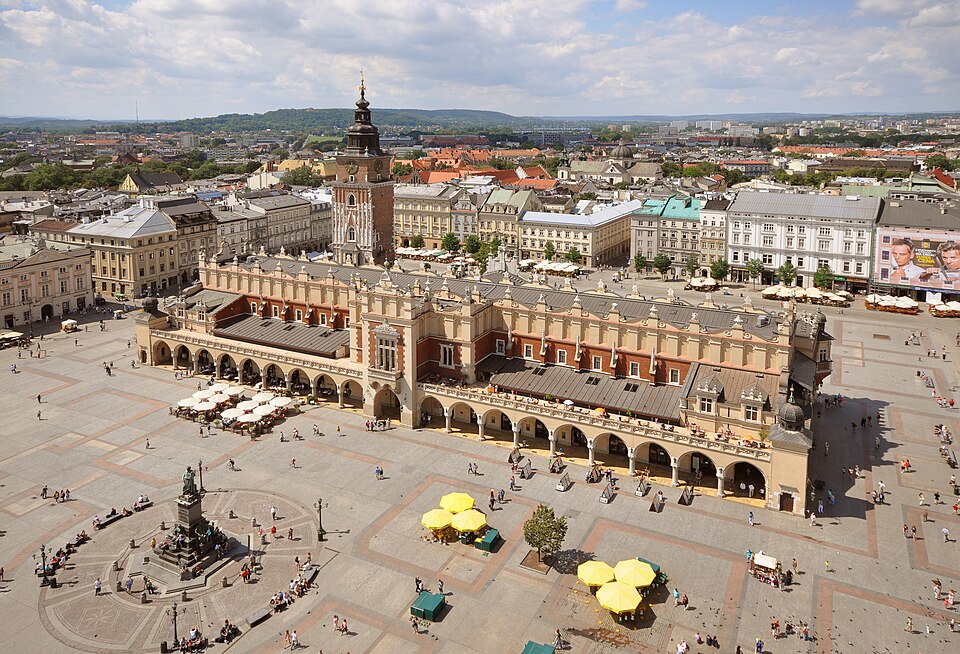
Kraków was Poland's capital for over 500 years and, unlike Warsaw, came through the war almost unscathed. Its historic centre was among the first 12 sites listed as UNESCO World Heritage in 1978. The Main Square, Rynek Główny, is the largest medieval square in Europe, with the Renaissance Cloth Hall standing at its centre and the 2 unequal towers of St Mary's Basilica rising above it, from which a bugler plays an unfinished melody every hour. On the limestone hill of Wawel above the Vistula stand the royal castle and cathedral, where Polish kings were crowned and buried. Kazimierz, the former Jewish quarter, is today the liveliest district, with cafés and bars in weathered buildings and synagogues scattered among them. Kraków is a student city with 100,000 students, cheap cellar pubs and a lively nightlife. It's also the starting point for trips to the Wieliczka Salt Mine, Auschwitz and the Tatra Mountains.

What to see

The places worth your time in Krakow, and what to expect at each

Main Square and Cloth Hall

Main Square and Cloth Hall

Rynek Główny i Sukiennice

Old Town

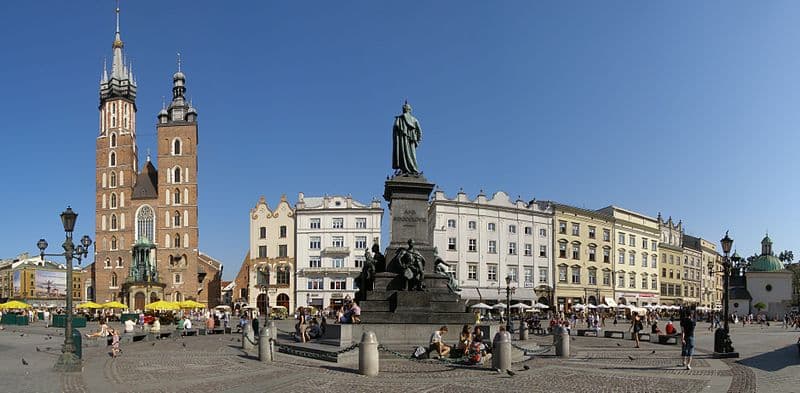
A medieval square measuring 200m by 200m, ringed by townhouses and palaces. At its centre stands the Cloth Hall, a Renaissance arcaded cloth market, now home to souvenir and amber shops, with the Gallery of 19th-Century Polish Art on the floor above.

Tip: Beneath the square is the Rynek Underground museum, with archaeological finds from medieval Kraków — timed tickets, and one of the best museums in the city. You can climb the town hall tower. Stalls in the Cloth Hall sell amber and lace, with prices varying from stall to stall. The square is at its best early in the morning and at night, when the cafés are lit up.

Admission:
free, underground museum around zł38
Time needed:
2h
St Mary's Basilica

St Mary's Basilica

Bazylika Mariacka

Old Town

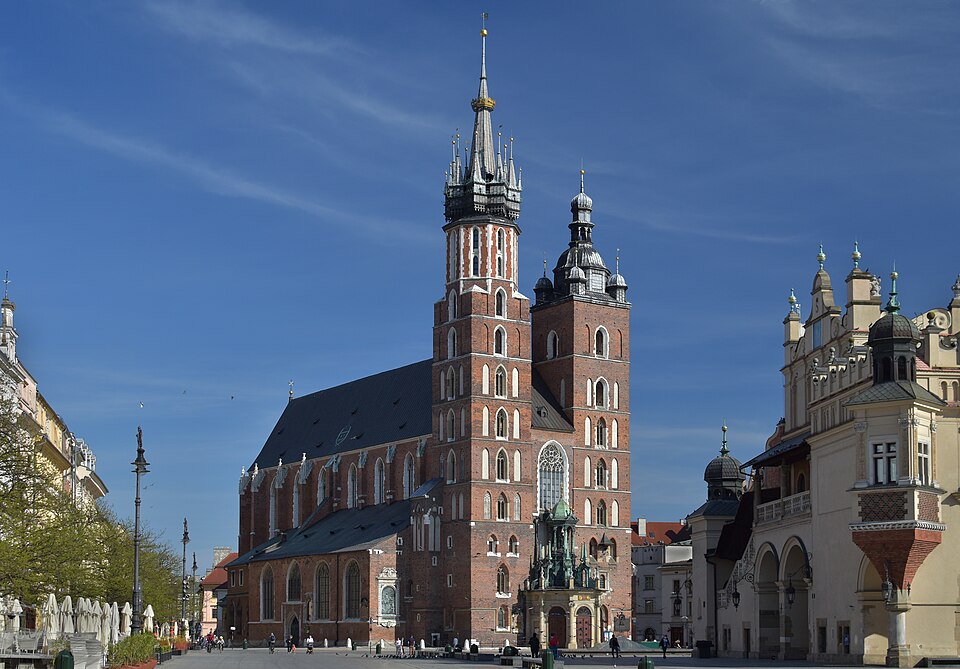
A Gothic basilica with 2 towers of unequal height, standing on the corner of the square. Inside is the wooden altarpiece by Veit Stoss, made 1477–1489, the largest Gothic altarpiece in Europe, with 200 figures up to 3m tall. The bugle call is played every hour from the taller tower.

Tip: The altar opens daily at 11:50am — arrive early and take a seat. Tourists enter through a side door, with tickets bought at a booth opposite. The bugle call is played toward all 4 directions and cuts off midway, in memory of a bugler said by legend to have been struck by a Tatar arrow. In summer you can climb the tower, with timed entry slots.

Admission:
around zł15, tower extra
Time needed:
45min
Wawel Royal Castle

Wawel Royal Castle

Zamek Królewski na Wawelu

Wawel

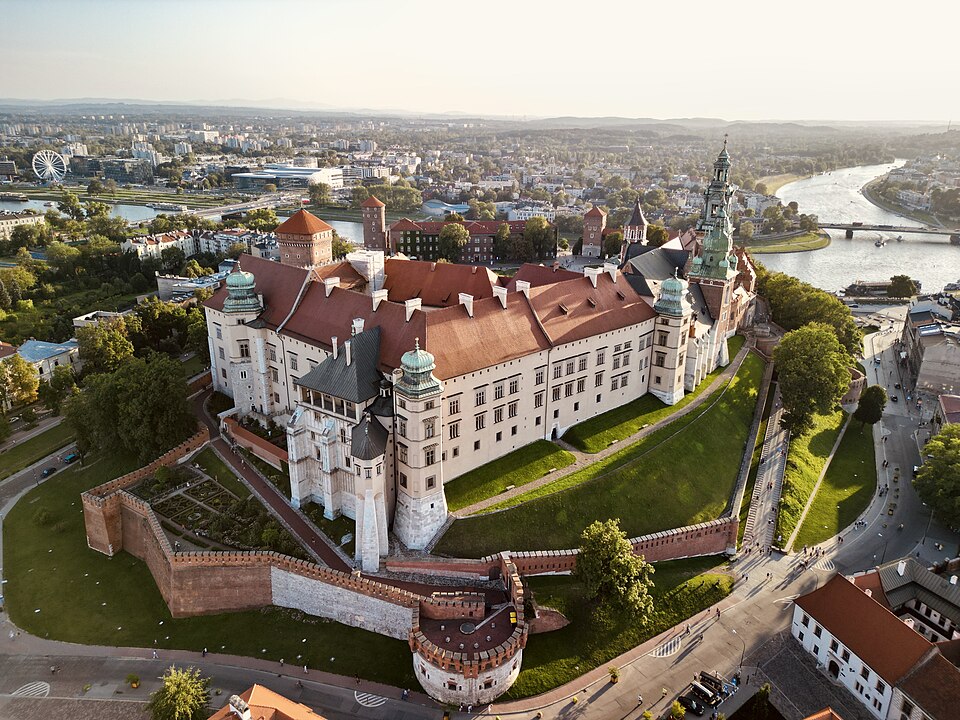
A Renaissance royal castle on a limestone hill above the Vistula, seat of the Polish kings until 1596. It has an arcaded courtyard, state rooms, a collection of 130 Flemish tapestries, and the crown treasury. Beneath the hill is the Dragon's Den, with its fire-breathing dragon.

Tip: Wawel has several separate exhibitions, each ticketed individually; numbers are limited and they sell out by midday in summer, so book online. The courtyard and the hill itself are free. The Dragon's Den is walked top to bottom down to the Vistula, where a dragon statue breathes fire every few minutes. Some exhibitions are free on Mondays.

Admission:
from zł35 per exhibition
Time needed:
2–3h
Wawel Cathedral

Wawel Cathedral

Katedra Wawelska

Wawel

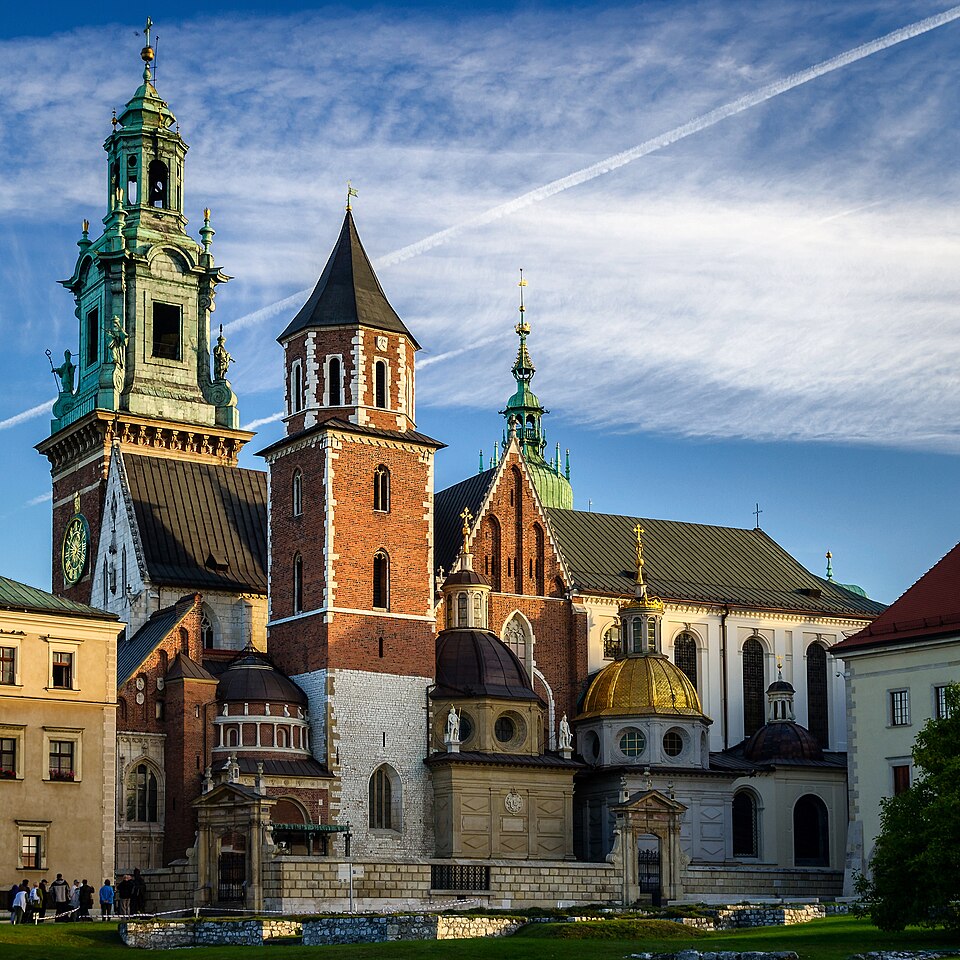
The Gothic cathedral where Polish kings were crowned, and where they lie buried alongside statesmen and poets. The Sigismund Chapel, with its gilded dome, is a high point of Renaissance architecture north of the Alps. The Sigismund Bell, Poland's largest bell, hangs in the tower.

Tip: A steep wooden staircase leads up to the Sigismund Bell — tradition holds that touching its clapper with your left hand grants a wish. The crypts hold the tombs of kings, Marshal Piłsudski, and the poets Mickiewicz and Słowacki. Photography isn't allowed inside. Tickets are sold at a booth opposite the cathedral, not inside it.

Admission:
around zł25
Time needed:
1h
Kazimierz

Kazimierz

Kazimierz

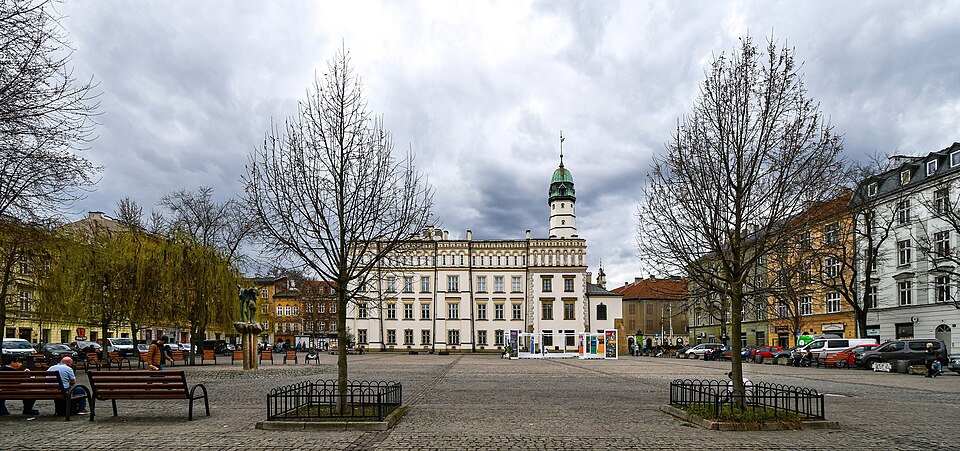
Originally an independent town founded in 1335, Kazimierz became a centre of Jewish life from the late 15th century. Before the war, 60,000 Jews lived here. Today it's Kraków's liveliest district, with cafés, galleries and bars in weathered buildings, alongside 7 synagogues.

Tip: The oldest synagogue is the Old Synagogue, now a museum; the Remuh Synagogue, with its 16th-century cemetery, is still active. On Plac Nowy, a round building sells the best zapiekanki in the city. Szeroka Street served as a filming location for Schindler's List. In the evening the bars on Plac Nowy fill up, and the Alchemia club is a local institution.

Admission:
free, synagogues around zł20
Time needed:
2–3h
Schindler's Factory

Schindler's Factory

Fabryka Emalia Oskara Schindlera

Zabłocie

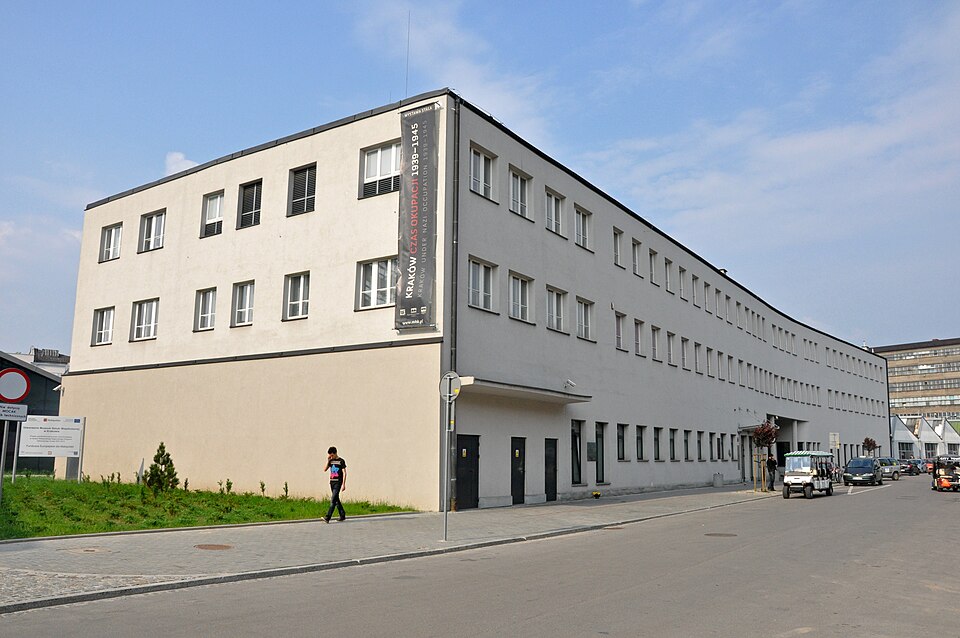
A museum in the former enamelware factory where Oskar Schindler saved over 1,000 Jews by employing them. The exhibition 'Kraków under Nazi Occupation 1939–1945' covers daily life in the city, the ghetto and the resistance; Schindler's office has been preserved.

Tip: The museum isn't just about Schindler — it tells the story of all of wartime Kraków, and does so very well. Tickets are timed and sell out, so book online. Entry is free on Mondays. Allow 2 hours. Right next door is MOCAK, the Museum of Contemporary Art, housed in the old factory halls.

Admission:
around zł40
Time needed:
2h
Planty and the Barbican

Planty and the Barbican

Planty i Barbakan

Old Town

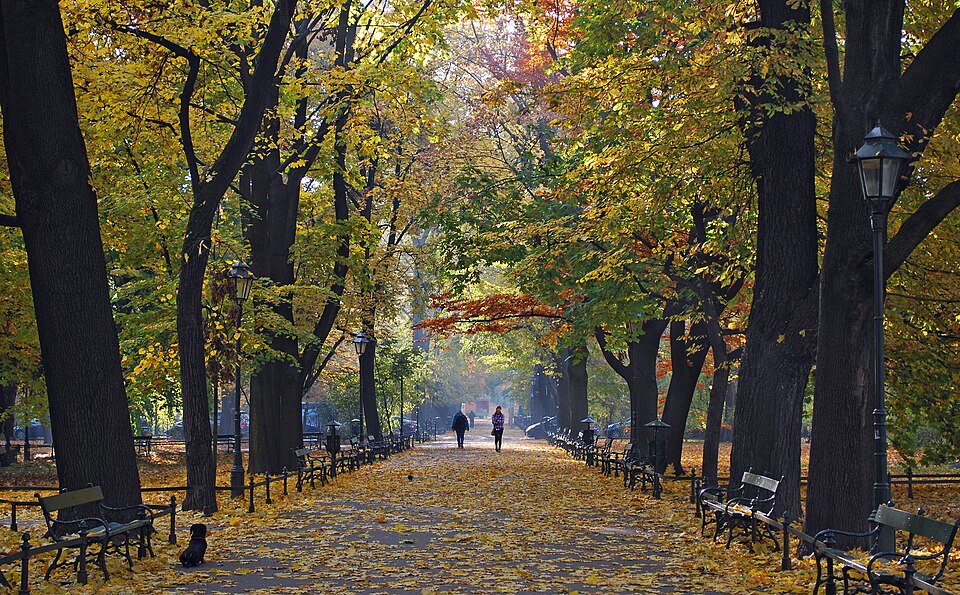
A 4km ring of parks that replaced the walls around the Old Town in the 19th century. What remains of them is St Florian's Gate and the Barbican, a round Gothic bastion from 1498, one of the few surviving in Europe.

Tip: Walking the Planty is the best way to circle the Old Town in an hour. The Barbican is open in summer, and its ticket also covers the walls by St Florian's Gate. Painters sell their work along the walls by the gate. In autumn, the Planty turns gold and looks its best.

Admission:
park free, Barbican around zł18
Time needed:
1h
Collegium Maius

Collegium Maius

Old Town

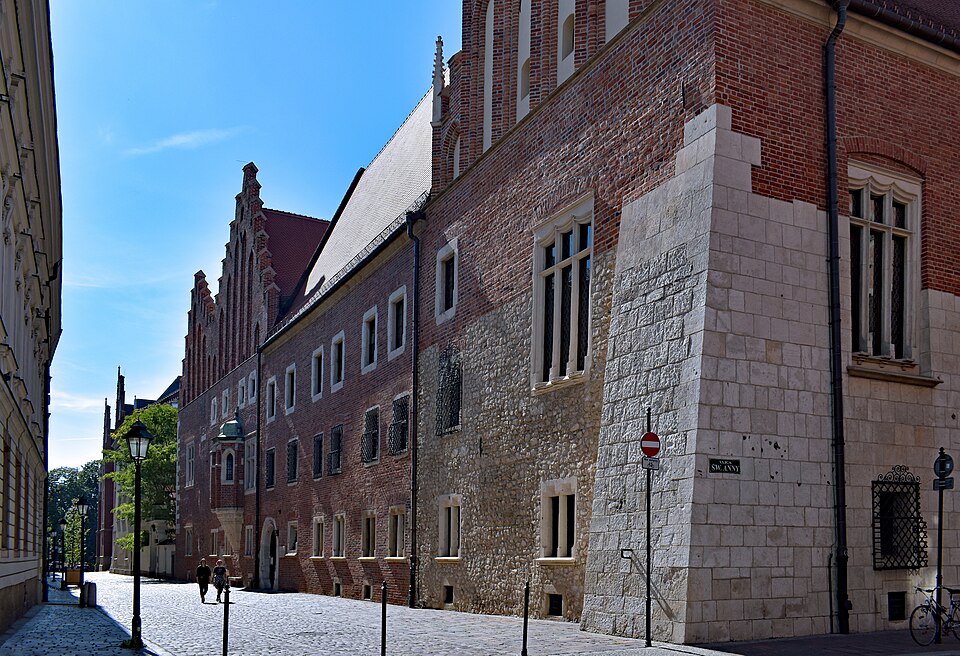
The oldest building of the Jagiellonian University, dating from the 15th century, with a Gothic arcaded courtyard where Nicolaus Copernicus once studied. The university museum displays astronomical instruments, the Jagiellonian Globe with one of the earliest depictions of America, and its library.

Tip: The courtyard is freely accessible, and every 2 hours a mechanical clock with figures performs. The museum can only be visited with a guide, in small groups. Around the university are cheap student cafés and bookshops. The courtyard is one of the quietest spots in the Old Town.

Admission:
around zł20
Time needed:
1h
Nowa Huta

Nowa Huta

Nowa Huta

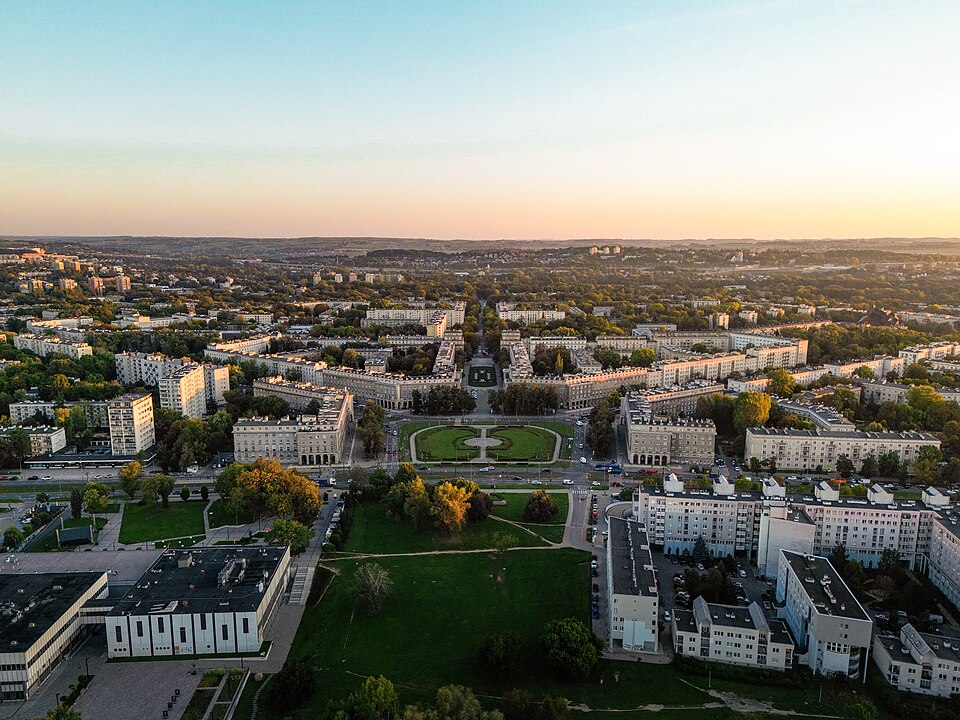
A socialist town built in the 1950s as a counterweight to Catholic, intellectual Kraków, for the workers of a giant steelworks. It's one of the most complete examples of socialist realist urban planning anywhere, with a monumental square, wide boulevards and residential blocks.

Tip: Take a tram from the centre, 20 minutes to Centralny Square. The Church of the Lord's Ark, from 1977, the first church in Nowa Huta, which workers fought the regime to build, is worth visiting. A café in a 1950s block and the Stylowa restaurant with its original fittings are worth the experience. 2 hours is enough to see it.

Admission:
free
Time needed:
2h

Photos: Main Square and Cloth Hall — Jorge Lascar (CC BY 2.0) · St Mary's Basilica — Zygmunt Put (CC BY-SA 4.0) · Wawel Royal Castle — Monika Towiańska (CC BY-SA 4.0) · Wawel Cathedral — Jar.ciurus (CC BY-SA 3.0 pl) · Kazimierz — Jeremiah Z. Cockroach (CC BY-SA 4.0) · Schindler's Factory — Jennifer Boyer (CC BY 2.0) · Planty and the Barbican — Zygmunt Put Zetpe0202 (CC BY-SA 4.0) · Collegium Maius — Zygmunt Put (CC BY-SA 4.0) · Nowa Huta — Ptaszek747 (CC BY-SA 4.0)

Where to stay

Areas and districts, matched to the kind of trip you are taking

Old Town

Best for: atmosphere, first visit

Hotels and apartments in historic buildings around the Main Square, with everything within walking distance. Evenings are lively, and weekends bring boisterous stag and hen parties. For a quiet night's sleep, choose a hotel further from the square.

Kazimierz

Best for: cafés, nightlife

Boutique hotels and apartments in the best district for food and bars. A 10-minute walk to Wawel, 15 to the Main Square. Lively in the evening, but with a better atmosphere than the Main Square.

Podgórze

Best for: quiet, modern

A district across the Vistula, home to the former ghetto, Schindler's Factory and newer hotels. Quieter and cheaper, with a footbridge to Kazimierz just 5 minutes away.

Around Główny Station

Best for: transport, budget

Hotels near the station and the Galeria Krakowska shopping centre, convenient for trains to Warsaw and the airport, and buses to Auschwitz and Zakopane. A 10-minute walk to the Main Square.

Getting around

From the airport

Kraków's own airport, John Paul II International in Balice, is 15km from the centre and served by many European low-cost and full-service airlines. Poland is in the Schengen area, so EU travellers need only an ID card. By rail, Kraków connects well to major Central European cities, and a fast train links it to Warsaw in about 2.5 hours.

Kraków Balice (KRK) · 15 km

  • Train to Główny (Main Station)· 18min· from zł12
  • Bus 208 or 209· 40min· zł6
  • Bolt / Uber· 25–35min· zł60

Around town

The Old Town, Kazimierz and Wawel sit close together and can all be covered on foot. Trams run across the city and out to Nowa Huta; tickets can be bought at a machine, in the Jakdojade app, or contactlessly on board, and are valid for a set time. Bolt and Uber are cheap. Trains to Wieliczka leave from Główny Station and take 20 minutes; Auschwitz is 1.5 hours by bus or train, and Zakopane 2 hours by bus. The touted electric golf carts around town are overpriced.

Tram and busTickets valid for 20, 60 or 90 minutes. · zł4.40
Bolt / UberCheap taxis. · zł10
Train to WieliczkaFrom Główny Station every 30 minutes. · zł5
Bus to AuschwitzFrom the bus station. · zł20

Useful apps: Bolt, Uber, Jakdojade, mobiLET, Google Maps

When to go

The best time is from May to September, when temperatures sit around 20–25°C and the square belongs to the cafés. In summer, Kraków gets crowded and hotels are pricey, especially on weekends. Autumn is beautiful, with the Planty gardens turning colour. Winter is cold, and smog can settle in the basin on inversion days, but in December the Main Square hosts a Christmas market and a nativity-scene competition. In early July, the Jewish Culture Festival takes place in Kazimierz.

Best time

May–June, September

What to avoid

January–February, because of smog

MonthJanFebMarAprMayJunJulAugSepOctNovDec
Day1°3°8°14°19°22°24°24°19°14°7°2°
Night-5°-4°-1°4°8°12°14°13°9°4°0°-4°
Rainy days878810101098788

Food & drink

Kraków is an excellent city for eating well on a budget. Pierogi, żurek and bigos are served in traditional restaurants in cellars around the Main Square; milk bars cook cheap home-style food, and zapiekanki from Plac Nowy have cult status. Obwarzanki sold from blue carts are a Kraków speciality with protected status. Kazimierz has the best cafés and restaurants, including Jewish cuisine. Kraków is a student city with cheap pubs and beer halls. Vodka is drunk ice-cold, and Polish craft beer is well worth trying too. Prices are affordable by Western European standards.

What to try

Obwarzanek

A braided ring-shaped pretzel topped with poppy seeds, sesame or salt, sold from blue street carts for a couple of złoty.

Pierogi

Unleavened dumplings, boiled or fried, filled with potato and curd cheese (ruskie), meat, sauerkraut and mushroom, or blueberries in summer. A portion is 8–12 pieces.

Żurek

A sour soup made from fermented rye flour, with white sausage and egg, often served in a hollowed-out loaf of bread. An Easter tradition, but available year-round in restaurants.

Zapiekanka

Half a baguette baked with mushrooms and cheese, drizzled with ketchup. A street food dating from the communist era, now a cult favourite with dozens of variations.

Bigos

A hunter's stew of sauerkraut and fresh cabbage with several kinds of meat, sausage, mushrooms and dried plums, simmered for days on end. The older it gets, the better it tastes.

Bar mleczny

A milk bar is a cheap, state-subsidised canteen dating from the communist era; soup and pierogi cost 20–30 zł. You order at a counter and return your own dishes.

Polish vodka

Vodka is drunk ice-cold, downed in one from small glasses, with pickled cucumber or herring on the side. Żubrówka, flavoured with bison grass, is mixed with apple juice as a szarlotka.

Oscypek

A smoked sheep's cheese from the Tatras, spindle-shaped with a decorative pattern, served grilled with cranberry sauce. In Kraków it's sold from stalls on the Main Square and at markets.

What it costs

Obwarzanek

zł3–4

Zapiekanka at Plac Nowy

zł15–25

Pierogi at a restaurant

zł35–50

Dinner at a restaurant

zł70–130

Beer at a pub

zł14–20

Public transport ticket

zł4.40

Wieliczka Salt Mine

around zł150

Night in a 3-star hotel for 2

€70–120

Indicative prices that change over time — treat them as a guide, not a price list.

Practical information

SocketsCEuroplug, two round pinsEFrench, with earth pin
Voltage230V / 50Hz
Tap waterTap water is drinkable — Tap water in Polish cities is safe to drink and regularly tested, but Poles tend to distrust old pipework and buy bottled water instead. If you're staying in a newer hotel, you can drink it. Restaurants only serve bottled water, and it's charged for.
TippingIn restaurants, leave a 10% tip; for large groups, a service charge is sometimes already added. Watch out for 1 Polish custom: if you say 'thank you' (dziękuję) while paying, the waiter will take it to mean they should keep the change. You pay in złoty, and cards and phones are accepted almost everywhere. Only some tourist-facing shops take euros, and usually at a poor exchange rate.
Driving on theright
SafetyPoland is a safe country. In big cities, watch for pickpockets on trams and in crowds, and for touts luring people into clubs with overpriced drinks at night. Hailing a taxi on the street is more expensive than booking one through an app. In winter, watch out for smog — on inversion days, Kraków and southern Poland can have some of the worst air quality in Europe. The emergency number is 112.
Opening hoursShops are open from 10am to 7pm, supermarkets until 10pm, but since 2018 a ban on Sunday trading has been in place — most shops and shopping centres are closed on Sundays, with only small convenience stores, petrol stations and station shops staying open. Museums close on Mondays, and many offer 1 free-entry day a week. Restaurants operate on Sundays as usual.
Customs & etiquettePoles are polite and rather formal — people address each other as 'pan' and 'pani' and only use the informal 'you' once invited to. The Catholic faith is very much alive: dress modestly for church, and avoid walking around during Mass. Poles are sensitive about the history of the Second World War; never say 'Polish concentration camps' — they were German Nazi camps on occupied Polish territory.
A few local wordsHello — Dzień dobryThank you — DziękujęPlease — ProszęHow much does this cost? — Ile to kosztuje?The bill, please — Poproszę rachunekCheers — Na zdrowie

How to plan your days

1 day

Kraków in a day

  1. 1Morning: the Main Square, Cloth Hall and St Mary's Basilica with its altarpiece.
  2. 2Collegium Maius and the Planty.
  3. 3Lunch at a milk bar.
  4. 4Afternoon: Wawel.
  5. 5Evening: Kazimierz and a zapiekanka at Plac Nowy.

2 days

2 days in Kraków

  1. 1Day 1: the Main Square, St Mary's Basilica, the underground museum beneath the square.
  2. 2Day 1 afternoon: Wawel and the Dragon's Den.
  3. 3Day 2: Kazimierz and the synagogues.
  4. 4Day 2 afternoon: Schindler's Factory.
  5. 5Day 2 evening: the bars of Kazimierz.

3 days

3 days with Wieliczka

  1. 1Day 1: the Main Square and Wawel.
  2. 2Day 2 morning: the Wieliczka Salt Mine.
  3. 3Day 2 afternoon: Kazimierz and Schindler's Factory.
  4. 4Day 3: Auschwitz-Birkenau.
  5. 5Day 3 evening: a quiet walk along the Planty.

Day trips

Wieliczka Salt Mine

15 km · 20min by train

A salt mine worked since the 13th century and UNESCO-listed, with chapels, statues and chandeliers carved from salt 100m underground. The Chapel of St Kinga is as large as a church. The tour takes 3 hours and involves hundreds of steps down, with a lift back up. Tickets are timed and bought online, with groups organised by language.

Auschwitz-Birkenau

70 km · 1.5h by bus

The largest Nazi concentration and extermination camp, where over 1 million people, mostly Jews, were murdered. The memorial and museum comprise Auschwitz I, with exhibitions in the barracks, and Auschwitz II-Birkenau, with the arrival ramp and the ruins of the crematoria. Entry is free, but booking online is required, and in season you must join a guided tour. Allow a full day for both sites.

Zakopane

110 km · 2h by bus

A mountain town below the Tatras, with wooden architecture, a market selling oscypek cheese, and a cable car up to Kasprowy Wierch at nearly 2,000m. A funicular runs up Gubałówka. Buses leave Kraków every 20 minutes. Skiing in winter, hiking in summer.

Frequently asked questions

How many days for Kraków?+

2 days for the Main Square, Wawel, Kazimierz and Schindler's Factory. A 3rd day for Wieliczka, a 4th for Auschwitz. With Zakopane, 5 days. Kraków is the best Polish city for a long weekend.

How do I get to Auschwitz?+

By bus or train from Kraków in 1.5 hours, or on an organised trip from your hotel. Entry to the memorial is free, but you must register online, and in season you must enter with a guide. A free shuttle bus runs between Auschwitz I and Birkenau.

Is Kraków expensive?+

No, it's an affordable city. Lunch costs 40–60 zł, a beer around 15 zł, and a public transport ticket under 5 zł. Hotels are reasonably priced, more expensive on summer weekends. The cheapest meals are found at milk bars.

How do I get to Kraków?+

Kraków has its own international airport (Balice), 15km from downtown, served by many European airlines. By train or bus, it connects well to nearby cities such as Warsaw, Vienna and Bratislava. Direct long-distance buses also link Kraków with several Central European capitals.

Is Kraków safe?+

Yes, very safe. Watch out for pickpockets on the Main Square and on trams, and for touts luring people into clubs with overpriced drinks. On weekends, the Main Square can get noisy with stag and hen parties.

Is the Wieliczka Salt Mine worth it?+

Yes, it's one of the most fascinating underground attractions in Europe. The Chapel of St Kinga, carved entirely from salt, is exceptional. The tour takes 3 hours and is physically demanding because of the stairs down; the temperature underground stays around 14°C, so bring a jumper.

When does the bugle call sound from St Mary's Basilica?+

Every hour on the hour, day and night, a bugler plays from the taller tower toward each of the 4 points of the compass. The melody cuts off abruptly midway, in memory of a bugler struck by an arrow. At noon, the call is broadcast on Polish radio.

What currency is used in Kraków?+

The Polish złoty. Cards are accepted almost everywhere; cash is handy at the Cloth Hall and at markets. Avoid exchange offices and Euronet cash machines on the Main Square, which offer poor rates.
Visa Requirements

Check the latest visa requirements for entering this country. Some nationalities may need to apply for a visa or e-visa before travel.

Check visa requirements

Language

Polish

Currency

PLN

Timezone

GMT+1

Dial Code

+48

Population

37.7M

Area

312,696 km²

Voltage

230V / 50Hz

Driving Side

Right

Top Hotels in Krakow

Live prices from 500+ properties

Loading hotels...

More destinations in Poland

Planning a trip to Krakow?

Compare hundreds of hotels, find the best price, and book with free cancellation on TravelManiac.