Hotels in Warsaw

A city rebuilt from ruins, Chopin's parks and skyscrapers above the Vistula

Warsaw

LanguageEnglish
CurrencyPLN
TimezoneGMT+1
Temperature0-25 °C
Dial Code+48
Population37.7M
Area312,696 km²
SocketsType C / Type E
Tap waterDrinkable

Discover Warsaw

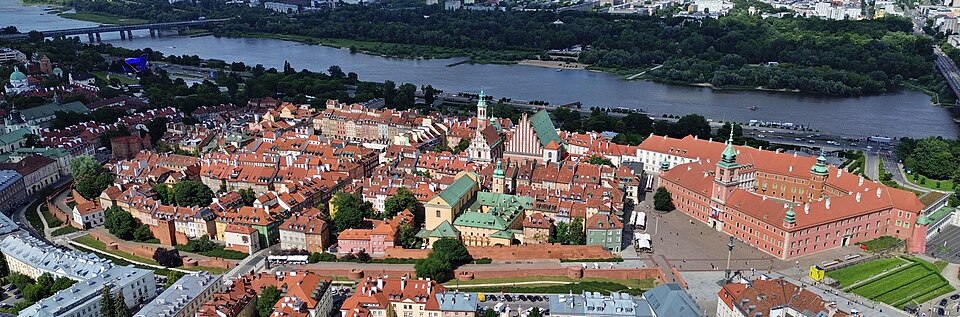
Warsaw is the capital of Poland on the Vistula River, and a city that, according to plans at the time, should not exist. After the Warsaw Uprising of 1944, the German army systematically dynamited and destroyed over eighty percent of its buildings. Poles rebuilt it after the war — the Old Town following Canaletto's paintings, old photographs and architecture students' surveys, so carefully that it earned UNESCO listing as an example of historic reconstruction. Warsaw is therefore a city of layers and contrasts: colorful burgher houses on the market square, the socialist-era Palace of Culture and Science, a gift from Stalin, and behind it the glass skyscrapers of central Europe's most dynamic city. Its museums are outstanding — the Warsaw Uprising Museum and POLIN, on a thousand years of Polish Jewish history, rank among the best on the continent. Add to that Łazienki Park with its summer Chopin concerts, the baroque Wilanów Palace, and bohemian Praga on the river's right bank. Warsaw is big, modern and comfortable, with cheap transport and excellent restaurants, and it's connected by direct international flights and trains.

What to see

The places worth your time in Warsaw, and what to expect at each

Old Town and Market Square

Old Town and Market Square

Old Town

Warsaw's historic center, with the Rynek market square, colorful houses, city walls and a barbican, completely destroyed in 1944 and rebuilt between 1945 and 1962. A statue of the Syrenka, a mermaid who is the city's symbol, stands on the square.

Tip: On the city walls and in some buildings you can see photographs of the destroyed city next to the reconstructed houses — the best way to grasp the scale of the rebuilding. The Museum of Warsaw on the market square screens a film about the destruction and reconstruction, with low admission. Restaurants right on the square are pricier and touristy; the side streets are better value. In the evening the square is lit up and quieter.

Admission:
free
Time needed:
1.5–2 h
Royal Castle

Royal Castle

Old Town

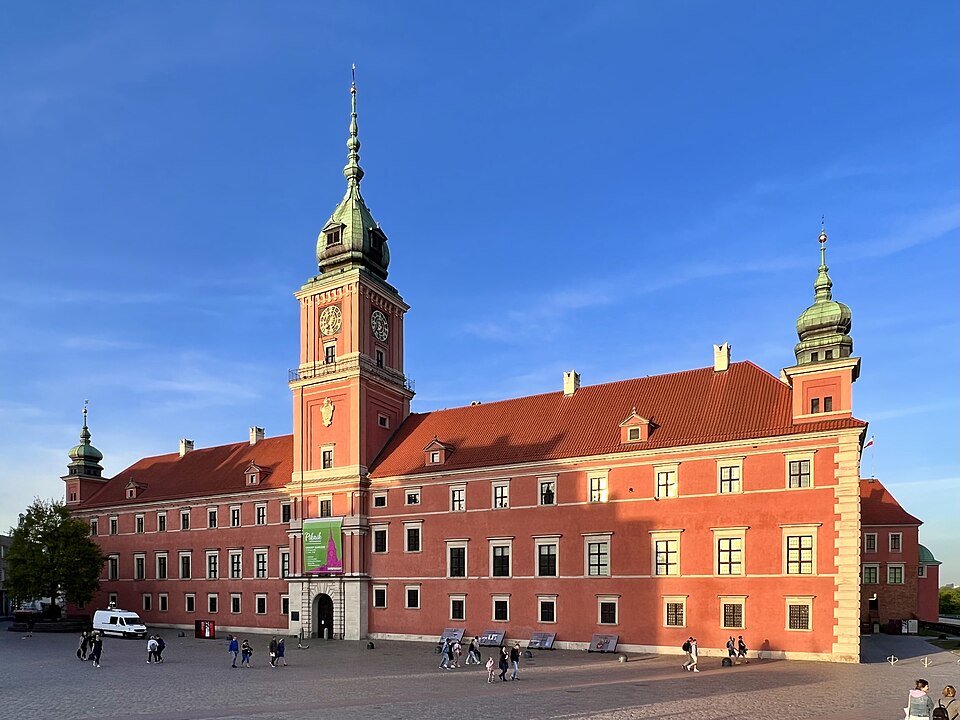
Seat of Polish kings since the sixteenth century, on Castle Square with the column of King Sigismund III. Completely destroyed and rebuilt in the 1970s using salvaged collections. Inside are the royal apartments and two Rembrandt paintings.

Tip: On Wednesdays admission to the permanent collection is free. The highlight is the Canaletto Room, with cityscapes of Warsaw that guided the Old Town's reconstruction. Rembrandt paintings from the Lanckoroński collection hang in a separate hall. The castle courtyard and gardens are free to enter. Castle Square marks the start of the Royal Route.

Admission:
around 50 zł
Time needed:
2 h
Palace of Culture and Science

Palace of Culture and Science

Śródmieście

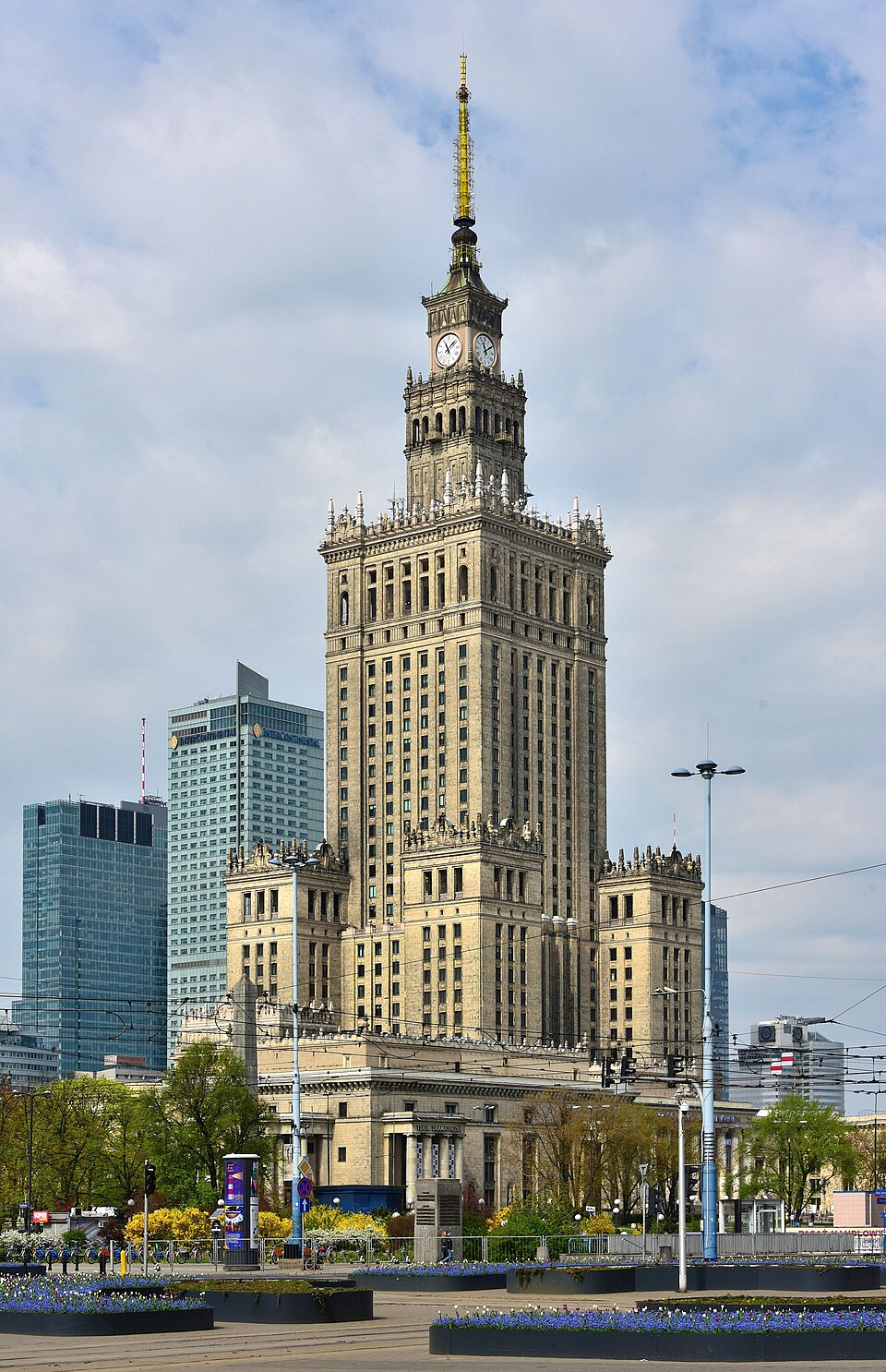
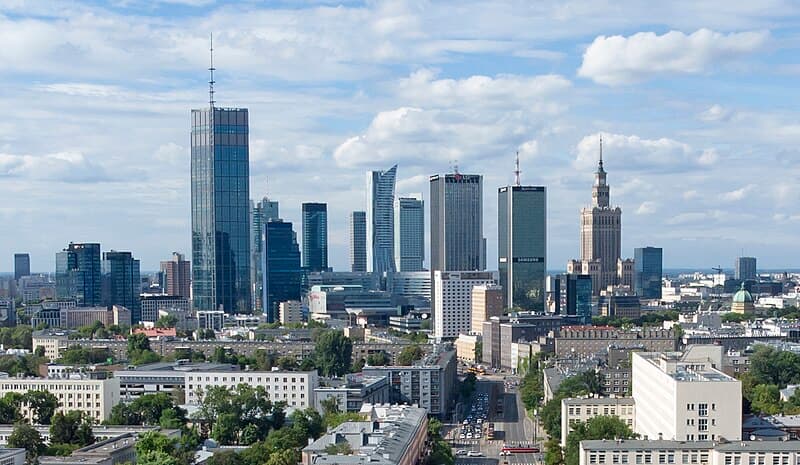
A 237-meter socialist-realist skyscraper from 1955, a gift from the Soviet Union. Long resented by Varsovians, it's now embraced as a city symbol. It houses cinemas, theaters, museums and an observation terrace on the thirtieth floor.

Tip: The observation terrace offers the best view of Warsaw — because it's the one place you can't see the Palace of Culture itself, as locals joke. Best at dusk. The palace has over three thousand rooms, and guided tours show the congress hall. The surrounding park is turning into a new city district, home to the Museum of Modern Art.

Admission:
terrace around 30 zł
Time needed:
1 h
Łazienki Park

Łazienki Park

Łazienki

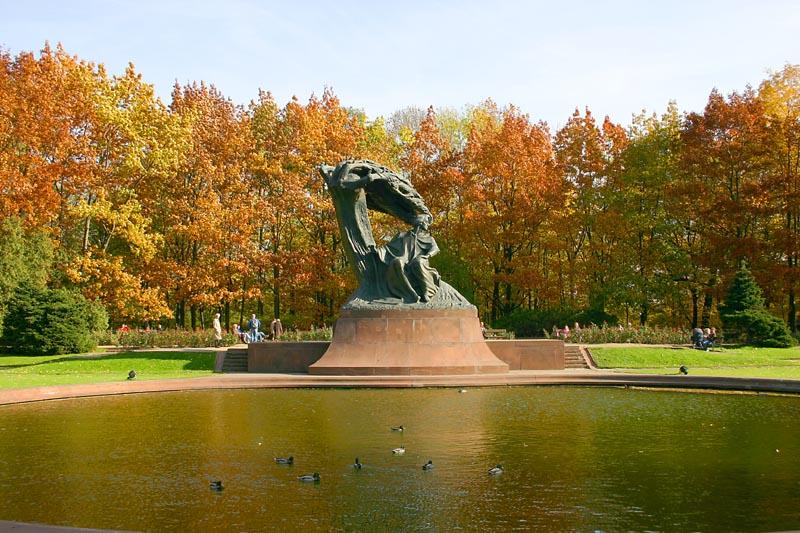
Warsaw's largest park, home to the neoclassical Palace on the Isle built for Poland's last king, Stanisław August, an orangery, an island amphitheater, and a monument to Frédéric Chopin beneath a willow tree. Peacocks and squirrels roam freely.

Tip: From May to September, free open-air Chopin concerts are held by his monument every Sunday at noon and 4pm — bring a blanket. The Palace on the Isle looks best from the bridge outside. The park is large; allow two hours for a walk. Squirrels will happily take nuts from your hand.

Admission:
park free, palace around 40 zł
Time needed:
2–3 h
Warsaw Uprising Museum

Warsaw Uprising Museum

Wola

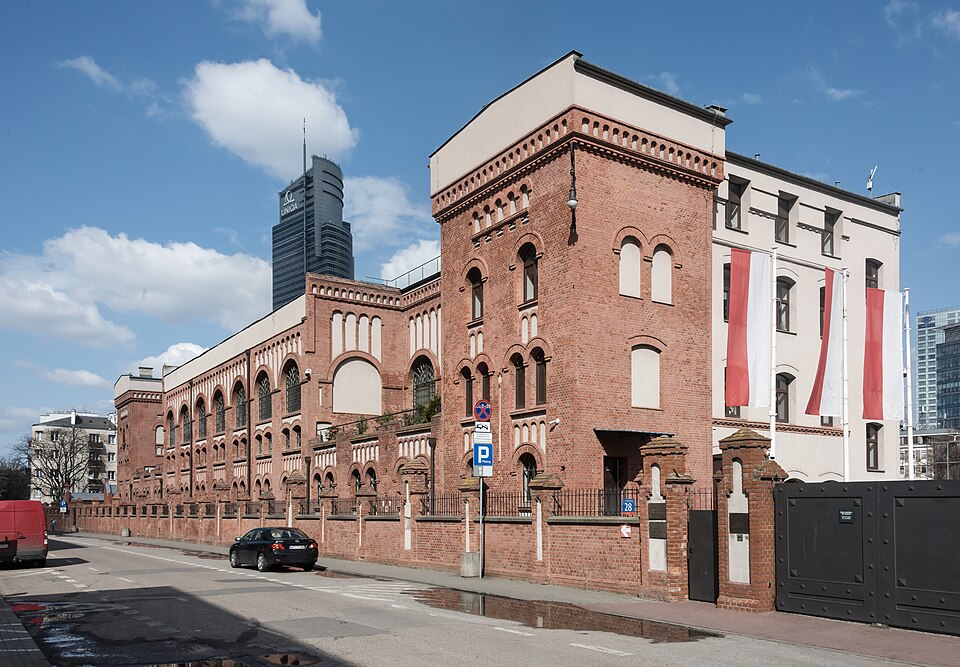
Housed in a former tram power station, this museum is devoted to the sixty-three days of the 1944 uprising, when the Home Army rose against the German occupiers. Interactive and emotional, with a replica of the sewer tunnels used by insurgents, film footage, survivor testimonies and a life-size Liberator bomber.

Tip: Allow three hours — the museum is large and dense. The film “City of Ruins,” a 3D flight over the destroyed Warsaw of 1945, screens in the first-floor cinema and is the most powerful part of the visit. Admission is free on Mondays, but queues are long. Closed on Tuesdays. The observation tower overlooks the city's skyscrapers.

Admission:
around 35 zł
Time needed:
3 h
POLIN Museum of the History of Polish Jews

POLIN Museum of the History of Polish Jews

Muranów

Housed in a striking modern building with a dramatic entrance hall, this museum tells a thousand years of Jewish history in Poland, once home to the largest Jewish community in Europe. It stands on the site of the Warsaw Ghetto, facing the Monument to the Ghetto Heroes.

Tip: The main exhibition isn't a Holocaust museum but a story of life — commerce, religion, culture. The reconstructed wooden synagogue from Gwoździec, with its painted ceiling, is the most beautiful section. Allow three hours. Admission is free on Thursdays. Ghetto memorials and the Umschlagplatz monument stand nearby.

Admission:
around 40 zł
Time needed:
3 h
Wilanów Palace

Wilanów Palace

Wilanów

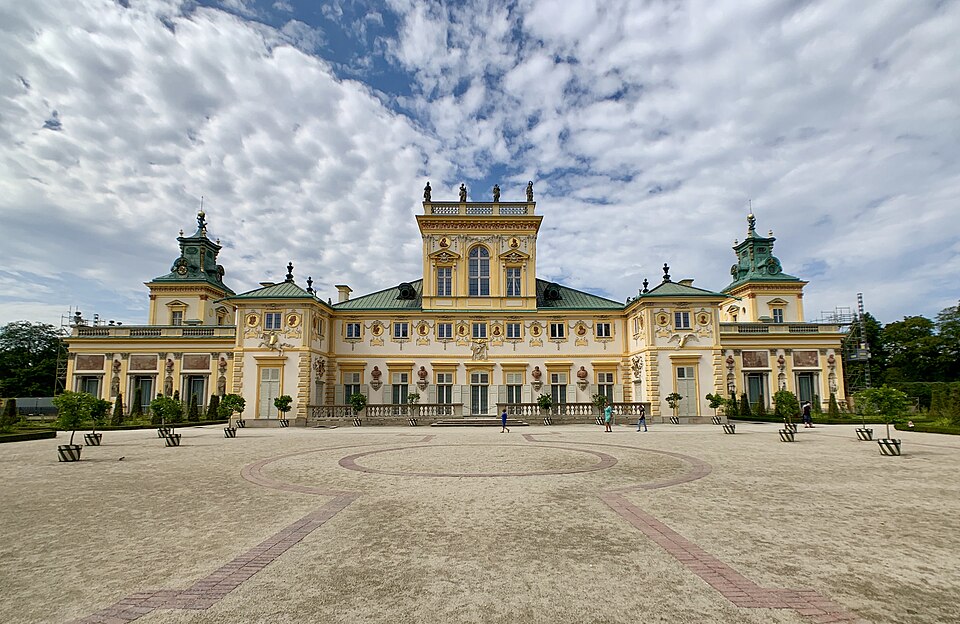
A baroque summer palace built in the late seventeenth century for King Jan III Sobieski, victor over the Ottomans at Vienna. One of the few palaces to survive the war largely intact, with original interiors, a portrait gallery and gardens in French and English styles.

Tip: Admission to the palace is free on Thursdays. The gardens are loveliest in spring with tulips and in winter during the Royal Garden of Light, when they're illuminated after dark. The palace is ten kilometers from the center; take bus 116 or 180 along the Royal Route. Allow two hours for the visit.

Admission:
around 40 zł
Time needed:
2 h
Copernicus Science Centre

Copernicus Science Centre

Powiśle

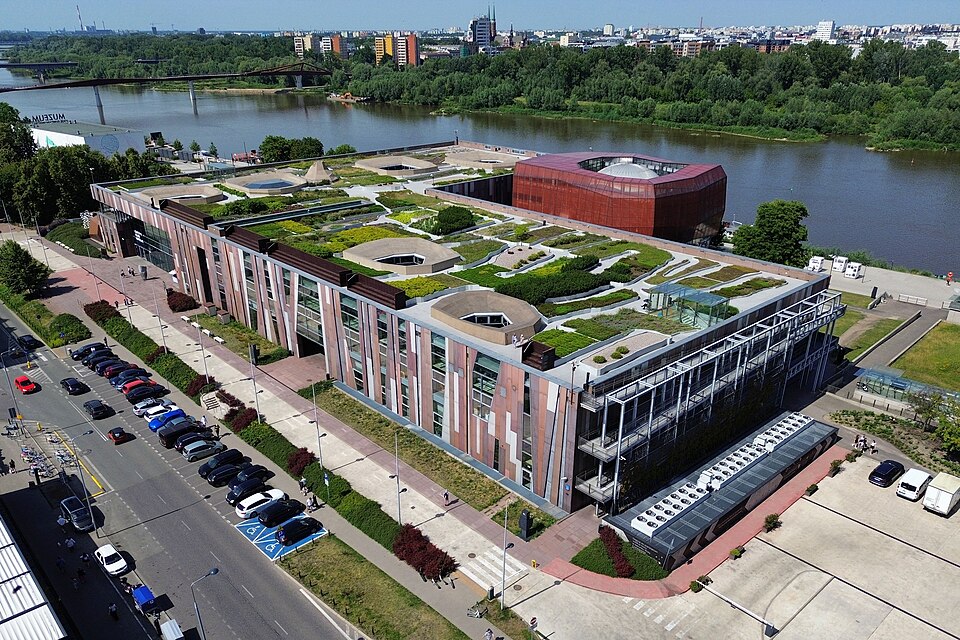
An interactive science center on the Vistula riverbank with over four hundred exhibits, a planetarium and laboratories. One of the largest in Europe and a top destination for families. The rooftop garden overlooking the river is open to all.

Tip: Buy timed tickets online — weekends and school holidays sell out. The planetarium is a separate ticket. The rooftop garden is free and offers river views. Right next door runs a Vistula riverside boulevard lined with bars and, in summer, floating boats.

Admission:
around 45 zł
Time needed:
3 h
Praga

Praga

Praga

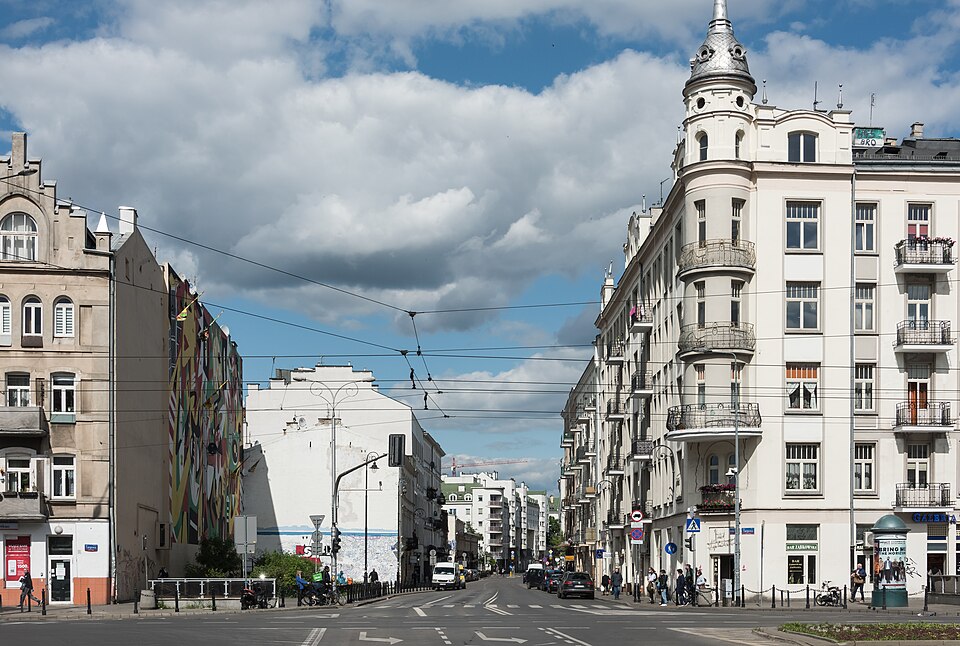
A district on the Vistula's right bank that suffered less wartime damage than the rest of the city, with original tenement buildings, courtyards with shrines, street art and bars in former factories. Once considered rough, it's now an arts and alternative hub.

Tip: The Polish Vodka Museum, in the former Koneser distillery complex, is the best-known stop; the complex also has restaurants and a hotel. The Neon Museum is small and entertaining. The courtyards with Virgin Mary shrines on Ząbkowska and Stalowa streets feel authentically local. Stick to main streets at night — some side streets are still less safe.

Admission:
free
Time needed:
2 h

Photos: Old Town and Market Square — Kapitel (CC BY-SA 4.0) · Royal Castle — Chris Olszewski (CC BY-SA 4.0) · Palace of Culture and Science — Adrian Grycuk (CC BY-SA 3.0 pl) · Łazienki Park — Marek and Ewa Wojciechowscy (CC BY-SA 3.0) · Warsaw Uprising Museum — Adrian Grycuk (CC BY 3.0 pl) · POLIN Museum of the History of Polish Jews — Muzeum Historii Żydów Polskich (Public domain) · Wilanów Palace — Chris Olszewski (CC BY-SA 4.0) · Copernicus Science Centre — Kapitel (CC BY-SA 4.0) · Praga — Adrian Grycuk (CC BY-SA 3.0 pl)

Where to stay

Areas and districts, matched to the kind of trip you are taking

Śródmieście

Best for: central location, transport

Modern hotels around the Palace of Culture and Central Station, with everything nearby — metro, trains, restaurants and shopping centers. Fifteen minutes to the Old Town. The most practical base for a first visit.

Old Town and Royal Route

Best for: atmosphere, history

Hotels and apartments in the Old Town and along Krakowskie Przedmieście, within walking distance of the castle and museums. Romantic in the evening, but restaurants here run pricier. Good for a short stay.

Powiśle

Best for: restaurants, nightlife

A district between the center and the Vistula, with bars, restaurants, the Copernicus Science Centre and the university library. Young, lively and well-connected. The riverside promenade fills with bars in summer.

Praga

Best for: alternative scene, budget

The right bank offers cheaper hotels and apartments in former factory buildings, street art and bars. Ten minutes to the center by metro. Good for travelers looking for something different.

Getting around

From the airport

LOT and other airlines fly directly from Prague to Warsaw, with a flight time of about an hour and a quarter. A direct train runs from Prague's main station via Ostrava in roughly eight hours, with an overnight service also available. Poland is in the Schengen area, so EU citizens can travel with a national ID card. The main Chopin Airport is ten kilometers from the center; low-cost flights land at Modlin Airport, forty kilometers to the north.

Warsaw Chopin Airport (WAW) · 10 km

  • SKM train (line S2 or S3) to the center· 20 min· 4.40 zł
  • Bolt / Uber· 20–30 min· 40 zł
  • Taxi· 25 min· 60 zł

Warsaw Modlin Airport (WMI) · 40 km

  • Modlin Bus to the center· 1 h· from 20 zł
  • Bus and train via Modlin· 1 h· from 20 zł

Around town

Warsaw is large, but public transport is excellent and cheap. Two metro lines, a dense network of trams and buses, and SKM commuter trains cover the city; tickets are bought from machines, the Jakdojade app, or tapped contactlessly on board, priced by duration. The Old Town, Royal Route and Łazienki Park are all walkable. Bolt and Uber are inexpensive. Veturilo shared bikes and e-scooters are everywhere, and the cycling paths along the Vistula are good.

Metro, tram, busTickets valid for 20 or 75 minutes cover all modes. · 4.40 zł
Day ticketUnlimited travel for 24 hours. · 15 zł
Bolt / UberCheap taxi rides. · 10 zł
VeturiloBike share, first twenty minutes free. · free

Useful apps: Bolt, Uber, Jakdojade, mobiLET, Google Maps

When to go

The best time to visit is May to September, with temperatures of 20–25°C, green parks and a lively riverside bar scene along the Vistula. In summer, free Sunday Chopin concerts take place in Łazienki Park. September and October are pleasant, with colorful autumn parks. Winter is cold and grey, with frost and snow, though December brings Christmas markets and festive lights along the Royal Route. At 5pm on August 1st, the whole city pauses for a minute in honor of the Warsaw Uprising.

Best time

May–September

What to avoid

November–February for grey skies and cold

MonthJanFebMarAprMayJunJulAugSepOctNovDec
Day1°2°7°14°20°22°25°24°19°13°6°2°
Night-4°-3°0°4°9°12°14°13°9°5°1°-3°
Rainy days877788877788

Food & drink

Polish cuisine is hearty and satisfying, built around pierogi, soups and meat, and Warsaw is one of the best places to try it. Milk bars — cheap cafeterias dating from the communist era — still serve home-style food for a few złoty. At the other end of the scale are restaurants serving modern Polish cuisine, some holding Michelin stars. Hala Koszyki, a restored 1909 market hall, is packed with restaurants and bars. Warsaw also has an excellent café scene, and vodka is served ice-cold. Prices are generally lower than in many other European capitals.

What to try

Pierogi

Dumplings of unleavened dough, boiled or fried, filled with potato and curd cheese (ruskie), meat, sauerkraut with mushrooms, or blueberries in summer. A portion is usually eight to twelve pieces.

Żurek

A sour soup made from fermented rye flour, served with white sausage and egg, often in a hollowed-out loaf of bread. Traditionally an Easter dish, but available in restaurants year-round.

Bigos

A hunter's stew of sauerkraut and fresh cabbage with several kinds of meat, sausage, mushrooms and dried plums, simmered for hours or even days. The older it gets, the better it tastes.

Zapiekanka

Half a baguette topped with mushrooms and cheese and drizzled with ketchup. A street-food staple from the communist era, now a cult snack with dozens of variations.

Pączki

Deep-fried, yeast-raised doughnuts filled with rose or plum jam and glazed on top. Poles eat over a hundred million of them on Fat Thursday before Lent.

Polish vodka

Vodka is served ice-cold in small shot glasses, drunk in one go, chased with a pickle or herring. Żubrówka, flavored with bison grass, is often mixed with apple juice as a szarlotka.

Bar mleczny

A milk bar is a cheap, state-subsidized cafeteria dating from the communist era; soup and pierogi cost 20–30 złoty. Order at the counter and return your own tray.

Zrazy and kotlet schabowy

Kotlet schabowy is the Polish take on a breaded pork cutlet, served with potatoes and sauerkraut. Zrazy are beef roulades filled with pickle and bacon.

What it costs

Pierogi at a milk bar

20–30 zł

Coffee

12–18 zł

Lunch at a restaurant

40–60 zł

Dinner at a restaurant

80–150 zł

Beer at a bar

15–22 zł

Public transport ticket

4.40 zł

Warsaw Uprising Museum

around 35 zł

Night in a 3-star hotel for two

70–120 €

Indicative prices that change over time — treat them as a guide, not a price list.

Practical information

SocketsCEuroplug, two round pinsEFrench, with earth pin
Voltage230V / 50Hz
Tap waterTap water is drinkable — Tap water in Polish cities is safe to drink and regularly monitored, but many Poles distrust old pipework and buy bottled water instead. If you're staying in a newer hotel, tap water is fine to drink. In restaurants, water is served bottled and charged for.
TippingA ten percent tip is customary in restaurants; for large groups, service may already be included in the bill. Note a local quirk: if you say “dziękuję” (thank you) while paying, the waiter will take it to mean you don't want change back. Payment is almost always possible by złoty, card or phone. Euros are accepted only in some tourist shops, usually at a poor rate.
Driving on theright
SafetyPoland is a safe country. In big cities, watch for pickpockets on trams and in crowds, and for touts luring tourists into clubs with overpriced drinks. Street taxis cost more than booking through an app. In winter, watch out for smog — Kraków and southern Poland can see some of the worst air quality in Europe during temperature inversions. The emergency number is 112.
Opening hoursShops typically open from 10am to 7pm, supermarkets until 10pm, but since 2018 Sunday trading has been banned — most shops and shopping centers are closed on Sundays, with only small convenience stores, petrol stations and station shops open. Museums are usually closed on Mondays, and many offer one free admission day a week. Restaurants operate normally on Sundays.
Customs & etiquettePoles are polite and rather formal — address people as “pan” (sir) or “pani” (madam) until invited to use first names. Catholic faith remains strong: dress modestly for church visits and avoid walking around during mass. Poles are sensitive about World War II history; never say “Polish concentration camps” — they were German Nazi camps on occupied Polish territory. Slavic-language speakers can often get by if they speak slowly and clearly.
A few local wordsHello / Good day — Dzień dobryThank you — DziękujęPlease — ProszęHow much does this cost? — Ile to kosztuje?The bill, please — Poproszę rachunekCheers — Na zdrowie

How to plan your days

1 day

Warsaw in one day

  1. 1Morning: Old Town and Royal Castle.
  2. 2Royal Route and Krakowskie Przedmieście.
  3. 3Lunch at a milk bar.
  4. 4Afternoon: Łazienki Park.
  5. 5Evening: Palace of Culture and the observation terrace at dusk.

2 days

Two days in Warsaw

  1. 1Day 1: Old Town, Royal Castle, Royal Route.
  2. 2Day 1 afternoon: Łazienki Park.
  3. 3Day 2: Warsaw Uprising Museum.
  4. 4Day 2 afternoon: POLIN and ghetto memorials.
  5. 5Day 2 evening: Hala Koszyki and Palace of Culture.

3 days

Three days in Warsaw

  1. 1Day 1: Old Town, castle, Łazienki Park.
  2. 2Day 2: Warsaw Uprising Museum and POLIN.
  3. 3Day 3: Wilanów Palace.
  4. 4Day 3 afternoon: Praga and the Polish Vodka Museum.

Day trips

Żelazowa Wola

55 km · 1 h by car

The birthplace of Frédéric Chopin, in a small village west of Warsaw, with a museum and a park where piano recitals are held on summer weekends. The site is small and peaceful — an hour is enough to see it. It can be combined with the basilica in Brochów, where Chopin was baptized.

Kazimierz Dolny

150 km · 2 h by car

A Renaissance town on the Vistula with a market square, historic granaries, a ruined castle and loess ravines. Popular with artists and packed with Varsovians on weekends. An overnight stay is ideal, but it also works as a full-day car trip.

Kampinos National Park

30 km · 40 min by car

An extensive forest of dunes, peat bogs and elk just outside Warsaw, designated a UNESCO biosphere reserve. Hiking and cycling trails start in the villages of Truskaw and Izabelin. Ideal for a weekend nature escape and reachable by bus too.

Frequently asked questions

What currency is used in Poland?+

The Polish złoty. Cards are accepted almost everywhere and ATMs are common. Euros aren't accepted except in rare cases at a poor exchange rate. Avoid independent Euronet ATMs with high fees and always decline dynamic currency conversion.

How many days do you need for Warsaw?+

Two days for the Old Town, Łazienki Park and two major museums. Three days lets you add Wilanów and Praga. Warsaw pairs well with Kraków, connected by a fast train in about two and a half hours.

Is Warsaw expensive?+

No, it's cheaper than many Western European capitals. Lunch costs 40–60 złoty, a beer 15–20 złoty, and public transport under 5 złoty a ride. Hotels are affordable. Milk bars are among the cheapest places to eat in the European Union.

Why does the Old Town look so new?+

Because it was destroyed in 1944 and rebuilt from 1945 to 1962 using Canaletto's paintings, old photographs and architectural plans. It's UNESCO-listed as a unique example of the reconstruction of a historic center.

When are the Chopin concerts in Łazienki Park?+

Every Sunday from mid-May to the end of September at noon and 4pm by the Chopin monument. Admission is free and the concert lasts an hour. Bring a blanket and arrive early.

How do you get to Warsaw?+

By plane in about an hour and a quarter, or by direct train via Ostrava in roughly eight hours. A bus takes nine to ten hours. By car it's about seven hours on the motorway via Wrocław and Łódź.

Is Warsaw safe?+

Yes, it's one of Europe's safer capitals. Watch for pickpockets on trams and at Central Station, and for touts steering tourists into nightclubs with overpriced drinks. In some side streets of Praga be a bit more careful at night. Use an app to book taxis.

Are shops in Warsaw open on Sundays?+

Mostly not. Since 2018 Poland has banned Sunday trading for supermarkets and shopping centers, with a few exempt Sundays a year. Small convenience stores, petrol stations, station shops and restaurants stay open.

Visa Requirements

Check the latest visa requirements for entering this country. Some nationalities may need to apply for a visa or e-visa before travel.

Check visa requirements

Language

Polish

Currency

PLN

Timezone

GMT+1

Dial Code

+48

Population

37.7M

Area

312,696 km²

Voltage

230V / 50Hz

Driving Side

Right

Top Hotels in Warsaw

Live prices from 500+ properties

Loading hotels...

More destinations in Poland

Planning a trip to Warsaw?

Compare hundreds of hotels, find the best price, and book with free cancellation on TravelManiac.