Hotels in La Paz

The world's highest seat of government: a cable car ride above the basin beneath 6,000-metre Illimani

La Paz

LanguageSpanish
CurrencyBOB
TimezoneAmerica/La_Paz
Temperature10-25 °C
Dial Code+591
Population12.2M
Area1,098,581 km²
SocketsType A / Type C
Tap waterNot drinkable

Discover La Paz

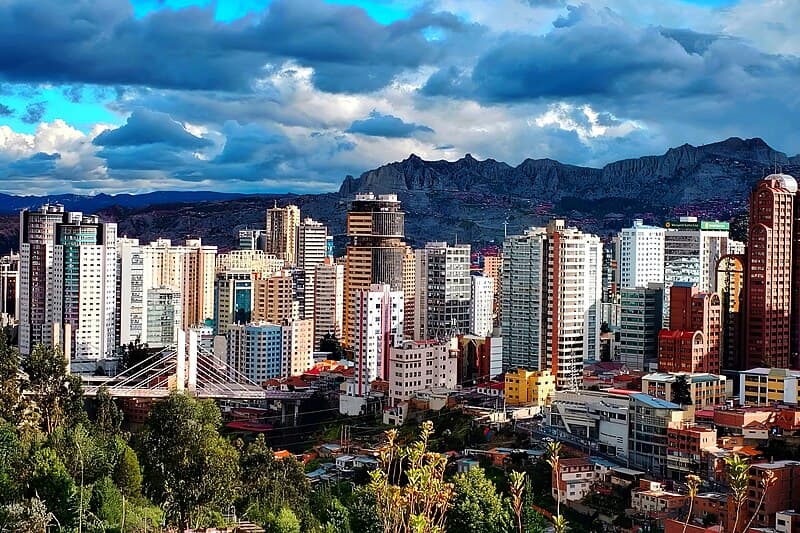
La Paz sits in a deep basin carved into the altiplano highland plateau at an altitude of 3,640 metres, making it the highest seat of government in the world — Bolivia's constitutional capital is officially Sucre, but the president, parliament and ministries are all here. When you fly in, the plane lands a further 400 metres higher, on the plain at El Alto, and from its edge opens a view you won't forget: brick houses tumble down the basin's steep slopes towards the skyscrapers of the centre, with the snow-capped Illimani, 6,400 metres high, towering above it all. Of all the South American capitals, this is the most indigenous; women in bowler hats and layered skirts sell potatoes, dried llama foetuses and amulets in the markets. Getting between the basin floor and its rim is handled by Mi Teleférico, a network of 10 cable car lines — the longest in the world — and riding above the rooftops offers the best view in the city. La Paz is the starting point for Lake Titicaca, the ruins of Tiwanaku, cycling down Death Road and the Uyuni salt flat. But the altitude will slow you down on the first day — give yourself time.

What to see

The places worth your time in La Paz, and what to expect at each

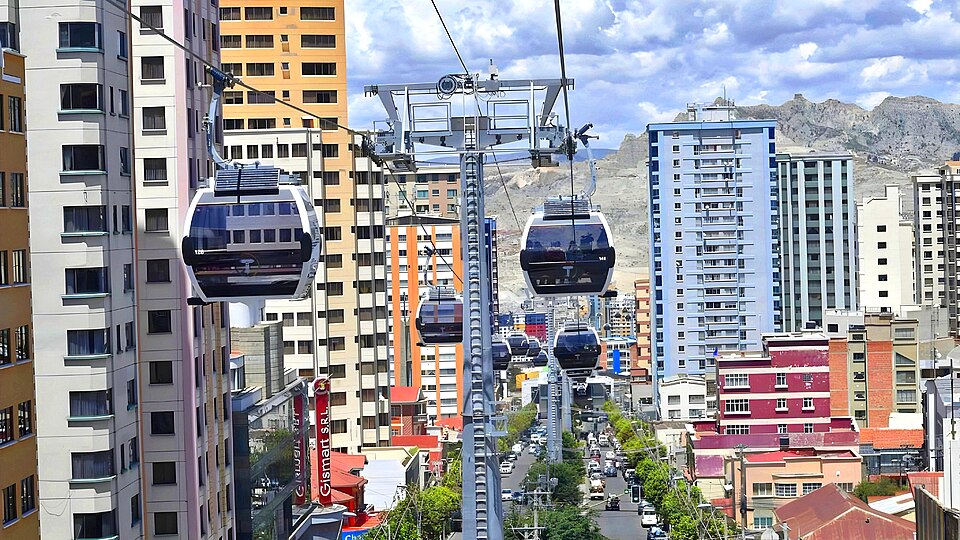
Mi Teleférico Cable Cars

Mi Teleférico Cable Cars

citywide

A network of 10 urban cable car lines spanning more than 30 kilometres, built from 2014 by the Austrian company Doppelmayr, connecting the basin-floor centre with El Alto on the plateau and the southern districts. For locals it's everyday public transport; for visitors, the cheapest scenic flight over the city — cabins glide above rooftops, courtyards and football pitches.

Tip: The prettiest routes are the red line from the centre to the edge of El Alto with views of Illimani, and the silver line along the rim of the plateau, from which the whole basin is visible at once. A ticket costs 3 bolivianos, and a transfer costs 2. Ride outside the morning and evening rush hours, when queues form at stations; the view is best at dusk, as the city lights up.

Admission:
3 Bs per ride
Time needed:
2 h
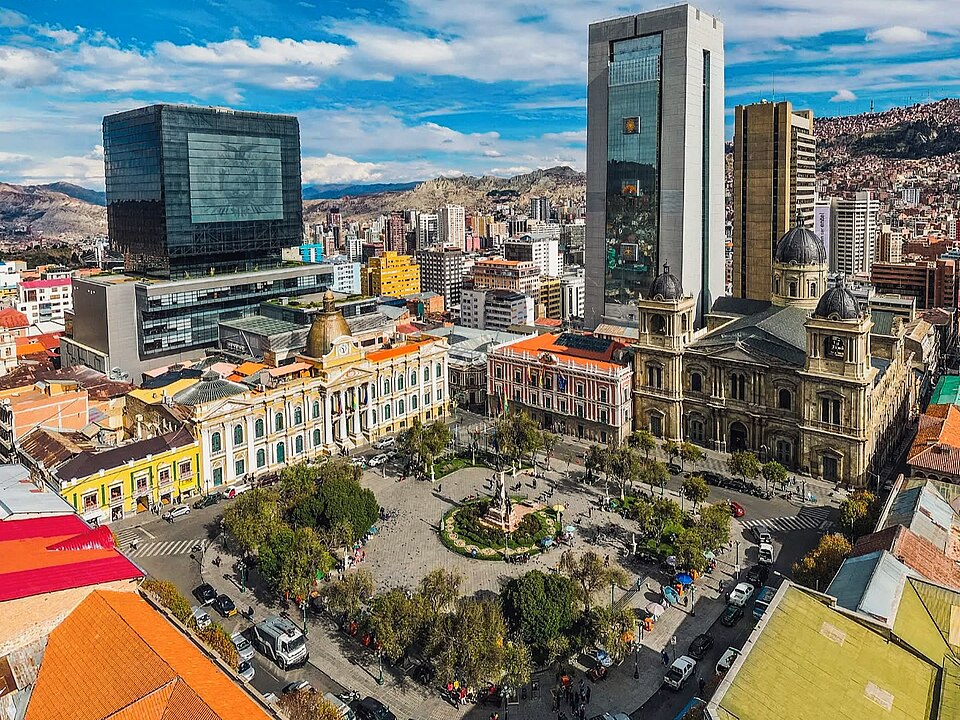
Plaza Murillo

Plaza Murillo

Centro

The main square, with the cathedral, the Palacio Quemado presidential palace — nicknamed the 'Burnt Palace' after a fire in 1875 — and the parliament building. Towering above the palace is the 29-storey Casa Grande del Pueblo, built in 2018 as the president's new official residence. Pigeons are fed on the square, and it's also where demonstrators gather.

Tip: The square is the centre of political life, and when there's a demonstration here, police close the surrounding streets — avoid the area then. The clock on the parliament building runs backwards, symbolically, as in the southern hemisphere. Just around the corner is Jaén Street with its colonial museums, and behind the cathedral are cafés overlooking the square.

Admission:
free
Time needed:
30–45 min
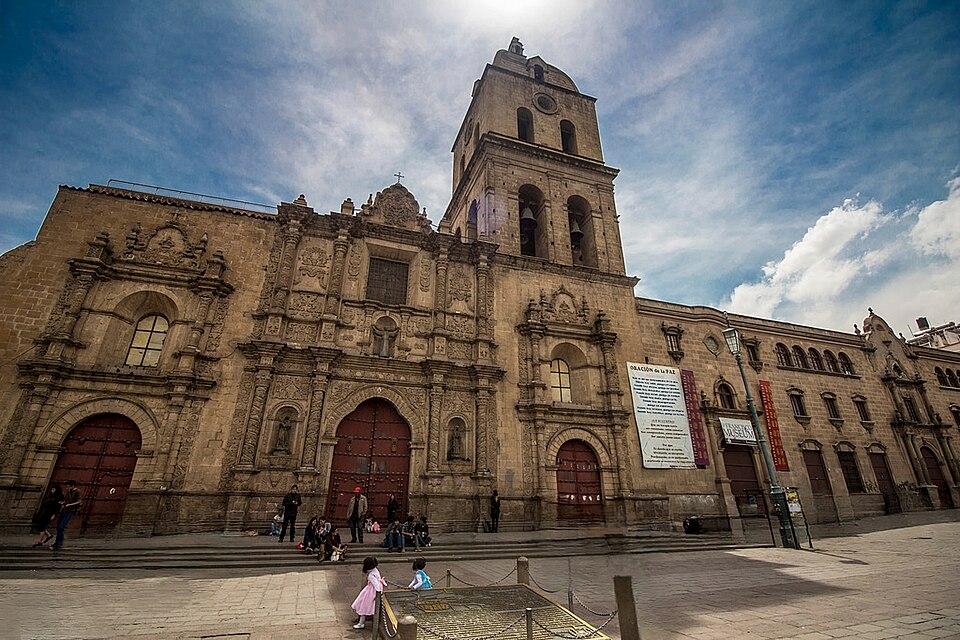
Basilica of San Francisco

Basilica of San Francisco

Basílica de San Francisco

Centro / Rosario

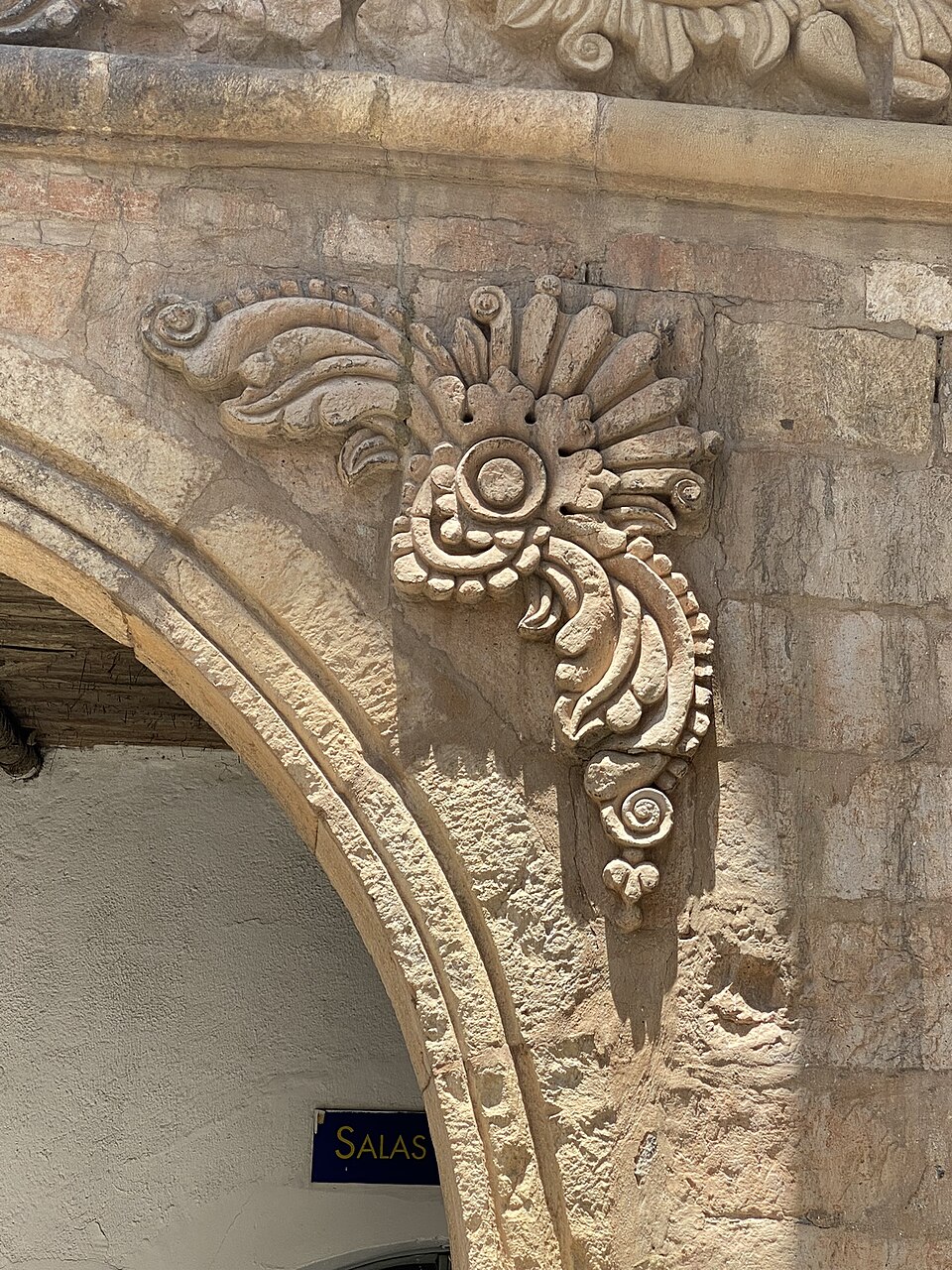
A church built between 1743 and 1784 on the site of the first Franciscan chapel from 1549, with a stone façade in Mestizo Baroque style, where local stonemasons carved parrots, dragons, snakes and masks from Andean mythology among the angels and saints. Next door is a monastery with a museum of religious art and covered galleries.

Tip: Admission to the museum includes a tour of the church roof, with views over Plaza San Francisco and the mountains; guided tours run every hour. The square in front of the church draws demonstrators, street preachers and vendors, making it the liveliest spot in the centre. From the square, Sagárnaga Street climbs uphill towards the Witches' Market.

Admission:
museum around 20 Bs
Time needed:
1 h
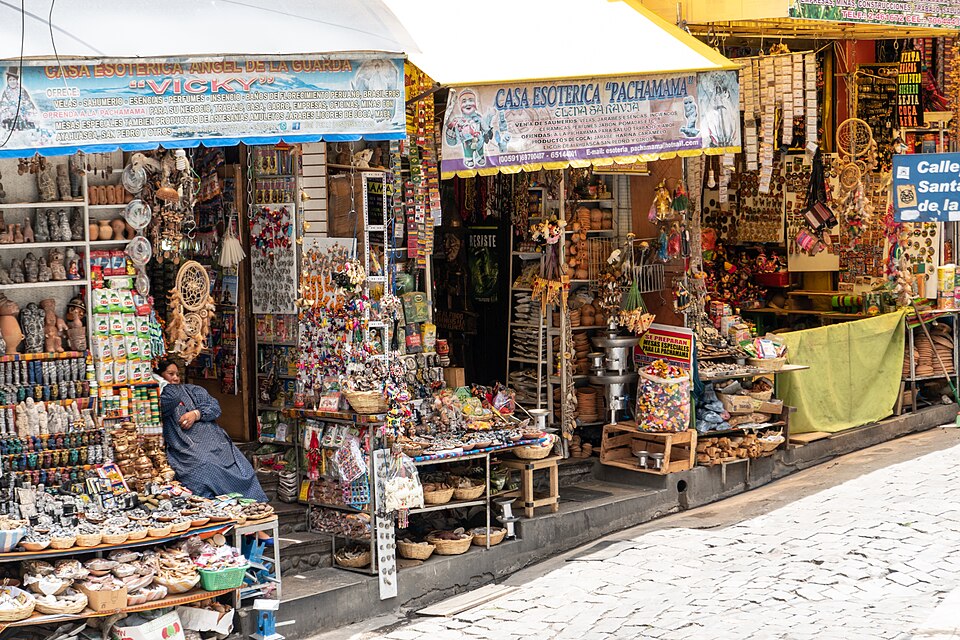
Witches' Market

Witches' Market

Mercado de las Brujas

Rosario / Sagárnaga

A few streets around Linares and Sagárnaga where, among shops selling alpaca sweaters, vendors sell Andean amulets, herbs, potions and figurines said to bring love or money. The most striking sight is dried llama foetuses, buried under the foundations of new houses as offerings to Pachamama, the earth goddess. Elderly yatiri women read fortunes from coca leaves here.

Tip: Vendors don't like being photographed without a purchase; a small amulet costs a few bolivianos and smooths the way. Alpaca sweaters from Sagárnaga are often acrylic — genuine alpaca is light and cool to the touch, so ask for 'baby alpaca' and expect a higher price. Bargaining is normal, but do it with a smile.

Admission:
free
Time needed:
1 h
Jaén Street and Casa de Murillo

Jaén Street and Casa de Murillo

Calle Jaén

Centro

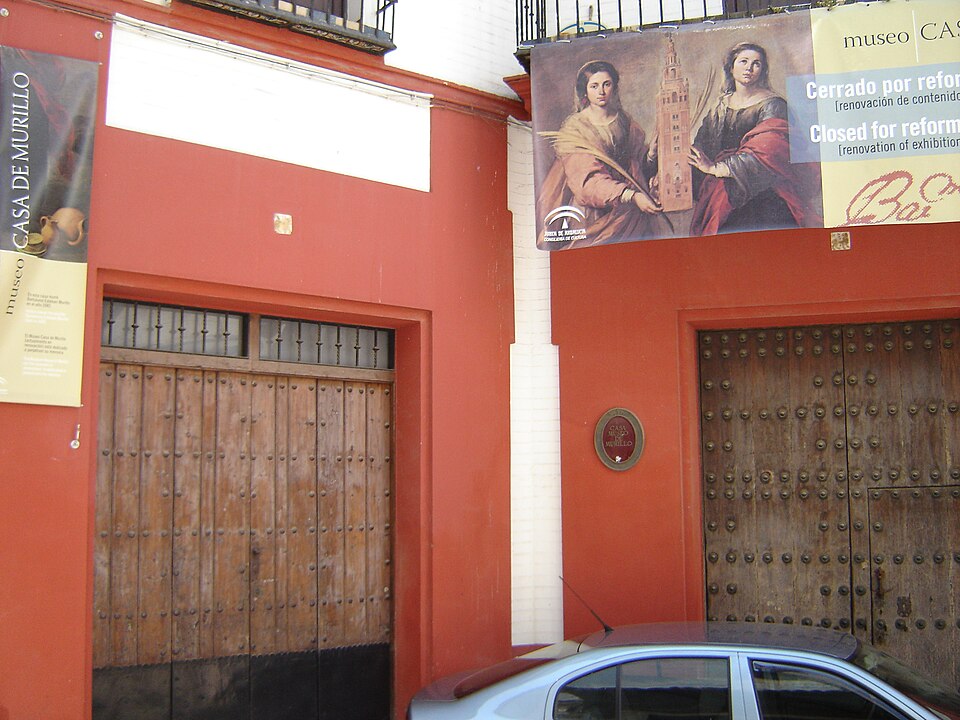
The best-preserved colonial street in La Paz, narrow and cobbled, lined with colourful balconied houses that hold 5 small city museums on a single ticket. The highlight is Casa de Murillo, the home of Pedro Murillo, leader of the 1809 uprising, and the Litoral Museum, which recalls how Bolivia lost its access to the sea in the war with Chile.

Tip: 1 ticket admits you to all 5 museums, bought at Casa de Murillo; closed on Mondays. The Litoral Museum explains why Bolivians celebrate the Day of the Sea every 23 March, and why the country has a navy without a coastline. The street is prettiest early in the morning, and there are several small cafés along it.

Admission:
around 20 Bs for all museums
Time needed:
1.5 h
Valle de la Luna (Moon Valley)

Valle de la Luna (Moon Valley)

Mallasa

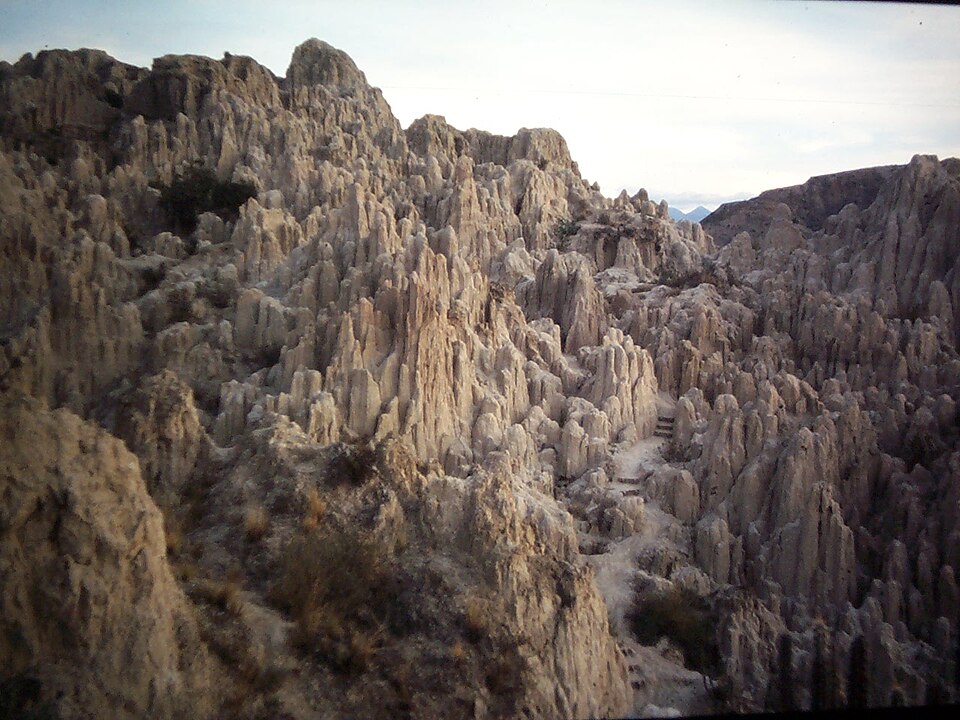
A valley 10 kilometres south of the centre, where erosion has sculpted clay and sandstone into a forest of jagged spires, gullies and pillars resembling a lunar landscape. 2 short circuits of paths and bridges run through it, a shorter 15-minute route and a longer 40-minute one. The viewpoints look out over the Zona Sur district and Illimani.

Tip: Take a taxi from the centre for 40–50 bolivianos, or a minibus marked 'Mallasa' from México Street. The clay is fragile, so stay on the paths. A little further on, Mallasa has a zoo and park; for more, combine the valley with a walk in the Palca Canyon, though that requires a guide.

Admission:
around 15 Bs
Time needed:
1–1.5 h
El Alto and the 16 de Julio Market

El Alto and the 16 de Julio Market

Feria 16 de Julio

El Alto

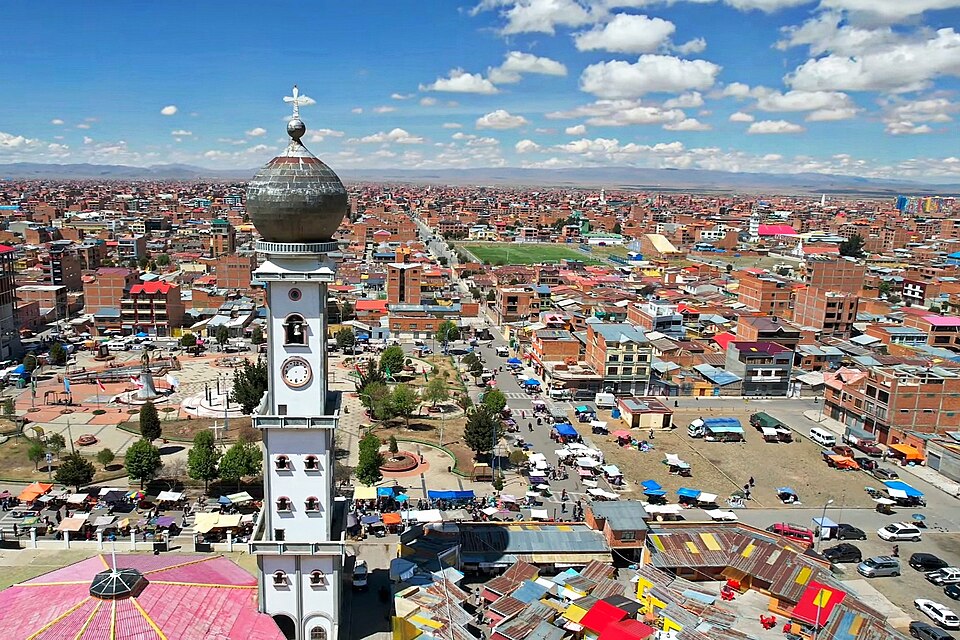
El Alto, a city on the plateau above the basin, has over 1 million residents and is Bolivia's fastest-growing city. On Thursdays and Sundays it hosts one of South America's largest markets, spread across hundreds of blocks and selling everything from spare parts to live animals. El Alto is also home to the colourful 'cholet' buildings designed by architect Freddy Mamani.

Tip: Take the red cable car to its final stop, 16 de Julio, and don't carry anything valuable — pickpockets are most active here in the city. On Sunday afternoons, cholitas luchadoras matches — women in traditional skirts wrestling in a wrestling style — are held in the Multifuncional hall; the tourist ticket includes transport from the centre and a ringside seat.

Admission:
market free, cholitas match 50–100 Bs
Time needed:
half a day
Killi Killi Viewpoint

Killi Killi Viewpoint

Mirador Killi Killi

Villa Pabón

A viewpoint on a hill above the Villa Pabón district, with the whole La Paz basin visible in a single sweep: the centre, the skyscrapers, the slopes of houses reaching to the edge of El Alto, and Illimani with its glaciers on the horizon. Tradition holds that it was from here, in 1781, that the indigenous leader Túpac Katari laid siege to the city.

Tip: Take a taxi up — 20 minutes from the centre — and have it wait, since you won't easily find another one to get back, and the walking route passes through neighbourhoods tourists don't usually visit. Come in the morning, when Illimani is clearest and the light is soft; clouds often roll in during the afternoon.

Admission:
free
Time needed:
45 min
National Museum of Ethnography and Folklore

National Museum of Ethnography and Folklore

Museo Nacional de Etnografía y Folklore

Centro

A museum in the colonial palace of the Marquises of Villaverde, holding Bolivia's finest collection of Andean textiles — fabrics from across the country, where every pattern and colour marks a village and origin — and a hall of masks from Bolivian festivals, from the devils of the Oruro carnival to figures from folk dances. The exhibits are clear and bilingual.

Tip: The mask hall is the best preparation before attending a Bolivian festival, such as Gran Poder in La Paz in May or June, when tens of thousands of dancers parade through the streets. The museum is two streets from Plaza Murillo and makes a good option for a rainy afternoon.

Admission:
around 20 Bs
Time needed:
1–1.5 h

Photos: Mi Teleférico Cable Cars — Parallelepiped09 (CC BY-SA 4.0) · Plaza Murillo — Parallelepiped09 (CC BY-SA 4.0) · Basilica of San Francisco — Parallelepiped09 (CC BY-SA 4.0) · Witches' Market — PsamatheM (CC BY-SA 4.0) · Jaén Street and Casa de Murillo — Lobillo, (España) (Public domain) · Valle de la Luna (Moon Valley) — Wikimedia Commons (CC BY-SA 3.0) · El Alto and the 16 de Julio Market — Parallelepiped09 (CC BY-SA 4.0) · Killi Killi Viewpoint — Willaq (CC BY-SA 4.0) · National Museum of Ethnography and Folklore — Yastay (CC BY-SA 4.0)

Where to stay

Areas and districts, matched to the kind of trip you are taking

Rosario and Sagárnaga

Best for: first-time visitors and backpackers

A hilly district above the Basilica of San Francisco with the Witches' Market, travel agencies, hostels and restaurants for tourists. It's the most practical place to stay, and trips to Titicaca and Death Road can be arranged on foot from here. The streets are steep, and at 3,600 metres you'll be out of breath on every corner.

Centro

Best for: sights and colonial La Paz

Around Plaza Murillo and Jaén Street, with the cathedral, the palace and museums, and further along the main avenue El Prado with offices and hotels. Busy by day, quiet at night. Hotels here are larger and more traditional; the area is sometimes closed off during demonstrations.

Sopocachi

Best for: cafés and a relaxed stay

A district south of the centre with tree-lined streets, old villas, cafés, bars and the best restaurants in the city, including Gustu, the restaurant of Danish entrepreneur Claus Meyer, which put Bolivian cuisine on the map. Plaza Avaroa square and the Parque Montículo viewpoint. Calm and safe, even at night.

Zona Sur

Best for: lower altitude and modern hotels

The Calacoto and San Miguel districts on the basin floor, 400 metres lower than the centre, so somewhat warmer and easier to breathe. Home to wealthier Bolivians and expats, with shopping malls and modern restaurants. It's 20 minutes to the centre by cable car or taxi.

Getting around

From the airport

There are no direct flights from Europe to La Paz. The most common route is via Madrid to Santa Cruz with Air Europa or Boliviana de Aviación, followed by a 1-hour domestic flight to La Paz, or via Lima, Bogotá or Miami. With connections, the journey from many European cities takes around 20–26 hours. Visa requirements vary by nationality, but many travellers don't need one. El Alto International Airport sits at 4,060 metres, one of the highest in the world, 14 kilometres from the centre. A taxi costs 60–80 bolivianos and takes 30–45 minutes to wind down the switchbacks into the basin; only take taxis from the official stand outside the terminal, or use Uber. From Peru, it's possible to arrive by bus via Copacabana and Lake Titicaca from Puno in 6–7 hours.

El Alto International (LPB) · 14 km

  • Taxi from the official stand· 30–45 min· 60 Bs
  • Uber or InDrive· 30–45 min· 50 Bs
  • Minibus to the centre· 45–60 min· 5 Bs

Around town

The best way to get around La Paz is on the Mi Teleférico cable cars, which glide over traffic jams and take you from the centre to El Alto or Zona Sur for a few bolivianos. Thousands of minibuses and small buses with route signs in the window and a driver's assistant shouting the route run around the city; they're cheap but confusing. Taxis are cheap, but on the street only take a radio taxi with a number on the roof, or order an Uber or InDrive. The centre and Sopocachi are walkable, but at altitude and uphill, allow double the time. On Sundays, the main avenue El Prado closes to traffic and belongs to pedestrians. Long-distance buses to Uyuni, Copacabana and Peru leave from the main bus terminal and from the cemetery district.

Mi Teleférico Cable CarsTen lines connect the centre, El Alto and the southern districts; a ride takes 5–15 minutes. Runs from 6am to 11pm, shorter hours on Sundays. · 3 Bs
Minibuses and microsThe cheapest option, with the route written on a sign in the window. They stop when flagged down, and you get off by saying 'me quedo'. Impractical with a backpack. · 2 Bs
Radio taxi, Uber and InDriveA ride around the centre and to Sopocachi costs 15–25 bolivianos. With street taxis, agree the fare in advance. · 15 Bs
PumaKatari busModern city buses with fixed stops and timetables, safer and clearer than minibuses. · around 2 Bs
Domestic flightsUyuni is 1 hour by plane instead of 10 hours by bus; Sucre and Santa Cruz are also 1 hour away. Boliviana de Aviación and other smaller airlines fly these routes. · from 60 USD

Useful apps: Uber, InDrive, Google Maps, Maps.me

When to go

The best time is the dry season from May to October: clear skies, views of Illimani and good conditions for trips to Titicaca, Death Road and Uyuni. Daytime temperatures reach around 15°C in sun that burns more than expected at altitude, but at night temperatures in June and July drop below freezing and hotels often have no heating. The rainy season from December to March brings afternoon downpours, muddy roads, landslides and closures; but at this time the Uyuni salt flat floods with water and mirrors the sky. In January La Paz holds the Alasitas miniatures fair, and in May or June the Gran Poder festival. Dress in layers — daytime temperatures can swing by 20 degrees.

Best time

May to October

What to avoid

January and February, because of rain and road blockades

MonthJanFebMarAprMayJunJulAugSepOctNovDec
Day16°16°16°16°16°15°15°16°16°17°18°17°
Night5°5°4°3°1°-1°-1°0°1°3°4°5°
Rainy days19161373224791115

Food & drink

Bolivian cuisine is hearty and simple, built on potatoes — hundreds of varieties are grown in the Andes — maize, quinoa, meat and the spicy llajwa sauce found on every table. The main meal of the day is the midday almuerzo, a set menu of soup, a main course and dessert for 20–35 bolivianos. Breakfast is eaten at the market, and mid-morning people buy a salteña. The cheapest meals are in the food halls of the Lanza and Rodríguez markets. But La Paz also has a good modern dining scene, with restaurants working with Andean ingredients — llama, quinoa, Titicaca trout and Amazonian fruit. Digestion is harder at altitude: eat light and little on your first day.

What to try

Salteña

A baked pastry filled with juicy stewed meat, egg, olive and raisin; the filling is liquid, so it's eaten tilted to avoid spills. Sold only in the mornings — often gone by midday — for around 6 bolivianos each.

Api con pastel

A thick, hot drink made from purple maize with cinnamon and cloves, served with a fried cheese pastry dusted with sugar. A classic market breakfast on a cold Andean morning.

Sajta de pollo

Chicken in a sauce of spicy yellow ají amarillo pepper with onion and peas, served with chuño potatoes and rice. A typical market lunch in La Paz.

Chuño

Potatoes freeze-dried overnight on the altiplano and dried in the sun, an old Andean preservation method. They're black, light and have an earthy flavour that isn't loved at first bite, but in Bolivia they go with almost everything.

Titicaca trout

Trucha trout from Lake Titicaca, served fried or "a la plancha" with rice and chips. Best in Copacabana on the lakeshore, where it costs around 40 bolivianos.

Pique macho

A large plate of beef, sausages, chips, onion, tomatoes and spicy locoto peppers, topped with eggs. A portion for 2–3 people, best enjoyed in the evening after a beer.

Singani

The national grape brandy, made from muscatel grapes grown in the high valleys around Tarija. It's drunk in a chuflay cocktail with ginger ale and is lighter than its proof suggests.

Mate de coca

Tea made from coca leaves, served free at hotels as a remedy for altitude sickness. It's mildly stimulating, similar to green tea, and legal; a drug test, however, could show a positive result for several days afterwards.

What it costs

Salteña

6–8 Bs

Set lunch (almuerzo)

20–35 Bs

Coffee at a café

15–25 Bs

Paceña beer at a bar

20–30 Bs

Dinner at a restaurant

80–150 Bs per person

Cable car ride

3 Bs

Death Road cycling tour

70–120 USD

Night in a 3-star hotel for 2

250–450 Bs

Indicative prices that change over time — treat them as a guide, not a price list.

Practical information

SocketsAtwo flat pins (US/JP)CEuroplug, two round pins
Voltage230V / 50Hz
Tap waterDo not drink tap water — Don't drink tap water in Bolivia, even boiled — at altitude, water boils at around 88°C, and boiling alone isn't enough. Bottled water is available everywhere and cheap; a 2-litre bottle costs around 8 bolivianos. Skip ice and raw vegetables outside of better restaurants, and only drink fresh market juices where they're blended without added water. Drink plenty at altitude — 3 litres a day is the best prevention against altitude sickness.
TippingTipping isn't automatic: 5–10% is left at restaurants, and rounded up at menu del día diners. Guides on tours are given 10–20 bolivianos per person per day, drivers a similar amount. Bolivia has a long-standing dollar shortage, and the official exchange rate differs significantly from the market rate, so cash in dollars exchanged at a casa de cambio goes further than a card payment or an ATM withdrawal. Bills must be clean and undamaged — no one will accept torn dollar notes. Only hotels and better restaurants accept cards.
Driving on theright
SafetyBolivia is relatively calm for travellers, but the risks are specific. First, altitude: above 3,500 metres it affects everyone, so don't plan anything strenuous on the first day and hold off on alcohol. Second, fake police officers and fake taxis — real police never want to see money or a passport in the street, and taxis should be called via an app or from your hotel. Third, road blockades ('bloqueos'): protesters can cut off the city for several days and long-distance buses stop running, so check the news before travelling and build a spare day into your plans. The police emergency number is 110.
Opening hoursShops are open from 9am to 7pm, often with a midday break from 1 to 3pm. Markets start at dawn. Museums are usually closed on Mondays and open only in the mornings on Sundays. Restaurants serve lunch (almuerzo), the main meal of the day, from midday to 3pm; dinner is smaller, and kitchens close around 10pm. During holidays and fiestas — of which Bolivia has many — offices and shops close without notice.
Customs & etiquetteMore than half of Bolivians identify with the indigenous Aymara and Quechua peoples, and the difference from neighbouring countries is visible on the street. Women in bowler hats, layered pollera skirts and colourful aguayo cloth on their backs are called cholitas; photographing them without permission is not acceptable, and they'll often ask for a few bolivianos. Coca leaves are chewed and drunk as tea legally and commonly, but they can't be carried across the border into Europe. Bargaining happens at markets, not in shops. In rural areas, greet everyone you meet.
A few local wordsHello — Buenos díasThank you — GraciasHow much does this cost? — ¿Cuánto es?Can I take your photo? — ¿Puedo tomarle una foto?I feel sick from the altitude — Tengo sorocheThank you (in Aymara) — Jallalla / Yuspagara

How to plan your days

1 day

Day 1: Acclimatisation

  1. 1A relaxed morning with coca tea and a light breakfast.
  2. 2A slow walk around Plaza Murillo and along Jaén Street.
  3. 3Lunch in Sopocachi.
  4. 4In the afternoon, the Basilica of San Francisco and the Witches' Market.
  5. 5At dusk, the red cable car line above the city.

2 days

2 Days in La Paz

  1. 1Day 1 as above.
  2. 2On day 2, a Thursday or Sunday, the 16 de Julio Market in El Alto.
  3. 3The silver cable car line around the rim of the plateau.
  4. 4In the afternoon, Valle de la Luna.
  5. 5On a Sunday, a cholitas luchadoras match instead.

3 days

3 Days with a Side Trip

  1. 1Two days in the city as above.
  2. 2On day 3, a full-day trip to Tiwanaku, or cycling down Death Road.
  3. 3Return to La Paz for dinner.
  4. 4For the following days, Copacabana and Isla del Sol on Lake Titicaca.
  5. 5Then fly or take a night bus to Uyuni.

Day trips

Tiwanaku

70 km · 1.5–2 h by car

Ruins of the capital of a civilisation that flourished around Lake Titicaca between the 5th and 10th centuries, long before the Incas. The Kalasasaya temple precinct with its monoliths, the Gate of the Sun carved from a single block of andesite, and a semi-subterranean temple with a wall of stone heads. 2 museums at the entrance display sculptures and ceramics. The site is UNESCO-listed. A foreigner's ticket costs around 100 bolivianos, and an organised guided tour is the simplest way to get here.

Lake Titicaca and Copacabana

155 km · 3.5–4 h by bus

The highest navigable lake in the world, at 3,800 metres, where according to Inca legend the sun rose out of the water. The route crosses the Strait of Tiquina, where the bus is ferried across on a barge while passengers cross by boat. Copacabana has a white basilica with a pilgrimage image of the Virgin Mary, and boats sail from here to Isla del Sol, with its Inca ruins and trails above the lake. It's too much for a single day — allow 2–3 days.

Death Road (Camino a los Yungas)

65 km · full day

An old road running from the La Cumbre pass at 4,650 metres down into the tropical Yungas valley, 3,500 metres below, cut into the mountainside above sheer drops. Once the most dangerous road in the world, it's now used mainly by cyclists on organised tours — 64 kilometres downhill, from icy wind to tropical heat. Choose an established agency with quality bikes and brakes, even if pricier; cheap tours cut corners on what matters most.

Frequently asked questions

How do I deal with altitude sickness?+

Altitude sickness (soroche) affects almost everyone in La Paz: headaches, breathlessness, insomnia, nausea. Don't plan anything on your first day, drink plenty of water and coca tea, eat light and skip alcohol. It's best to arrive from a lower altitude gradually, for example via Cusco or around Lake Titicaca. For severe symptoms, descending to Zona Sur or oxygen — available at hotels and pharmacies — helps; discuss the drug acetazolamide with a doctor before travelling.

Is La Paz safe?+

Fairly safe for tourists who follow the rules. Pickpockets operate in markets and in El Alto, and fake police officers and taxis that target tourists are common. Real police never want to see your money in the street. Only take radio taxis or Uber, and don't walk at night outside Sopocachi and the centre. During demonstrations, avoid the area around Plaza Murillo.

How do I pay in Bolivia?+

Cash, in bolivianos. Bolivia has a shortage of dollars, and the official rate at ATMs and on card payments is worse than at exchange bureaus; bring clean, undamaged dollar bills and change them at a casa de cambio in the centre. Cards are accepted only at better hotels and restaurants. In rural areas and at Uyuni, expect to need cash only.

How do I get from La Paz to Uyuni?+

By plane in 1 hour, with daily flights from El Alto, or by night bus in 10–12 hours; tourist buses are more comfortable and have heating. Trips to the salt flat and the lagoons in the southwest are arranged only once you reach Uyuni and last 1–3 days.

Is Death Road safe?+

With a good agency, a decent bike, a helmet and a guide riding ahead, the risk is small but not zero — several cyclists have died here over the years. Brake quality matters more than price. It's downhill almost the entire way, and even a less experienced cyclist can manage the descent, but anyone who doesn't cycle at all shouldn't join.

Do I need a visa for Bolivia?+

Visa requirements vary by nationality, but many travellers, including from the EU and North America, don't need a visa for tourist stays of up to 90 days. Yellow fever vaccination is required when travelling to lowland areas such as Rurrenabaque or Santa Cruz, and border officials may ask for the certificate on entry. It isn't required for La Paz and the altiplano alone.

How many days do I need for La Paz?+

2–3 days for the city itself, with the first day for acclimatisation. Then 2 days for Titicaca, 1 day for Tiwanaku or Death Road, and 3 days for Uyuni. For Bolivia as a whole, with La Paz, Titicaca and Uyuni, allow at least 10 days.

What are the cholitas luchadoras?+

Women's wrestling matches in traditional pollera skirts, bowler hats and braids, held on Sunday afternoons in El Alto. It used to be a display of pride by indigenous women who had been discriminated against for decades; today it's partly a show for tourists and locals alike. The tourist ticket includes transport from the centre, a ringside seat and often a drink and a souvenir.

Visa Requirements

Check the latest visa requirements for entering this country. Some nationalities may need to apply for a visa or e-visa before travel.

Check visa requirements

Language

Spanish

Currency

BOB

Timezone

America/La_Paz

Dial Code

+591

Population

12.2M

Area

1,098,581 km²

Voltage

230V / 50Hz

Driving Side

Right

Top Hotels in La Paz

Live prices from 500+ properties

Loading hotels...

Planning a trip to La Paz?

Compare hundreds of hotels, find the best price, and book with free cancellation on TravelManiac.