Is Lahore safe?+
Lahore is considered one of the safest large cities in Pakistan, and visitors return here again and again. Even so, check your government's travel advisories before your trip, register with any traveller tracking service your embassy offers, avoid demonstrations and large religious gatherings, and use ride-hailing apps in the evening.
How many days do I need for Lahore?+
3 days: 2 for the sights and the old city, and a third for a day trip or for food. Lahore is often the first stop on a journey north into the Karakoram mountains, the Hunza Valley and Nanga Parbat.
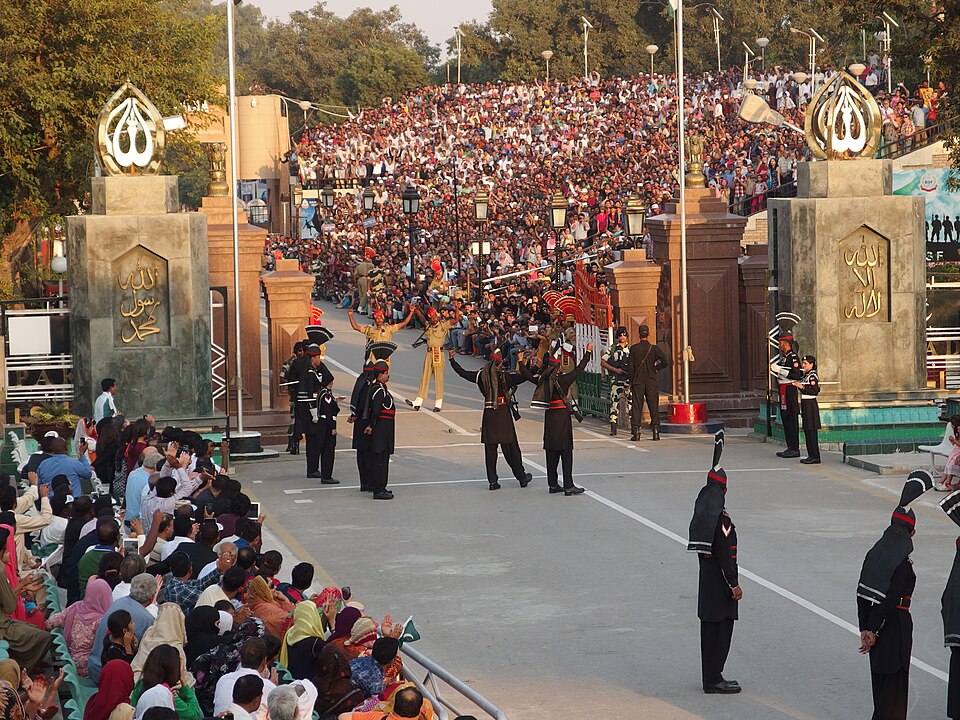
When does the Wagah border ceremony start?+
Every day, shortly before sunset — around 3:30pm in winter, and around 5–6pm in summer. Arrive an hour and a half early and bring your passport. During periods of tension between India and Pakistan, the ceremony is sometimes cancelled or scaled back.
What should I wear to visit a mosque?+
Men should wear long trousers and a sleeved shirt; women loose clothing with long sleeves and a headscarf. Shoes come off at the entrance. A local shalwar kameez is your best option, and you can buy one at Anarkali Bazaar for a few thousand rupees.
Can I take photos of people?+
Men, usually yes, and they'll often offer themselves; women should not be photographed without their explicit consent. Never photograph military facilities, police checkpoints or certain government buildings. Drones require a permit.
How do I get from Lahore to Islamabad?+
The most comfortable option is a luxury coach — Daewoo Express or Faisal Movers — on the M2 motorway, taking 4.5 hours, with refreshments and air conditioning on board. The train takes over 5 hours, and flying takes 1 hour.
Is there smog in Lahore?+
Yes, in November and December, and it's severe — the air quality index ranks among the worst in the world, and visibility can drop to a few hundred metres. Bring an FFP2 mask for these months, or better still, travel in February or March instead.
What should I buy in Lahore?+
Shalwar kameez and fabrics at Anarkali and Liberty markets, Multan-style tiles and pottery, spices and dried fruit in the old city, and phulkari embroidery. Bargain in the old city; not in fixed-price shops.