Hotels in Malta

Knights' fortresses and a sea for all seasons

Malta

LanguageMaltese / English
CurrencyEUR
TimezoneEurope/Malta
Temperature14-30 °C
Dial Code+356
Population542K
Area316 km²
SocketsType G
Tap waterBottled advised

Discover Malta

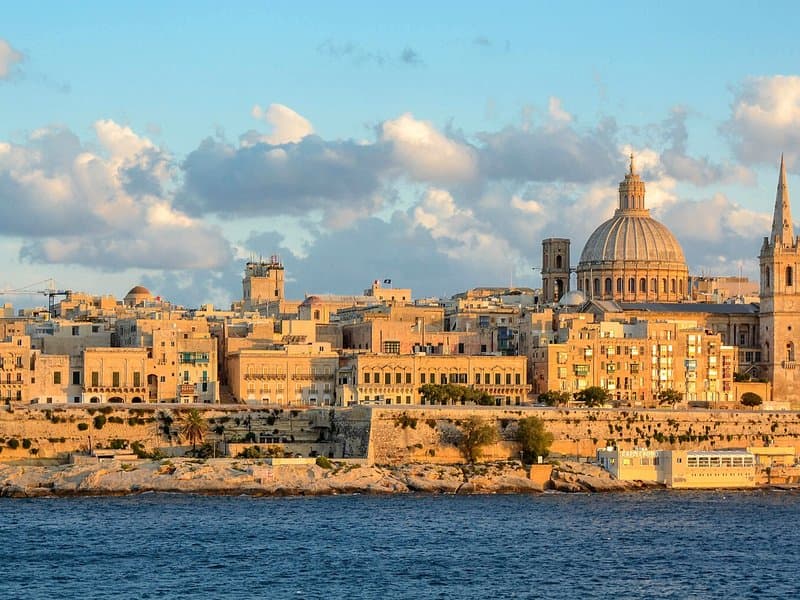
Malta is the smallest country in the European Union — an archipelago of three inhabited islands, Malta, Gozo and Comino, in the middle of the Mediterranean, 90 kilometres south of Sicily. Into an area smaller than many European capitals it packs seven thousand years of history: megalithic temples older than the Egyptian pyramids, the medieval town of Mdina, the fortifications of the Knights of St John and the baroque capital Valletta, listed by UNESCO in its entirety. British rule left behind English as the second official language, driving on the left and red telephone boxes. Sandy beaches are few; the coast is mostly rocks and coves with crystal-clear water, ideal for snorkelling and diving. The sea is warm enough for swimming from June to November, and winter days reach 16°C, so Malta also works as an off-season city break. The main island is densely built up and the roads are congested, but distances are short: from Valletta everything is within an hour by bus, and the greener, quieter island of Gozo is a ferry ride away.

What to see

The places worth your time in Malta, and what to expect at each

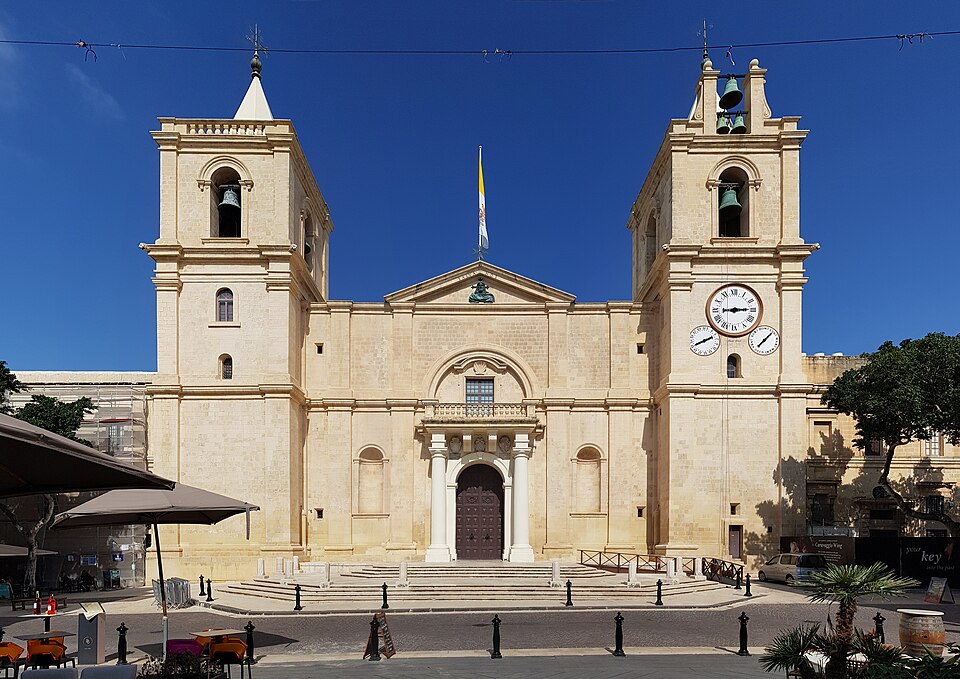
St John's Co-Cathedral

St John's Co-Cathedral

Valletta

The baroque church of the Knights of St John in Valletta, with a plain façade and a breathtakingly ornate interior: gilded walls, a floor of some four hundred marble tombstones of knights and, in the oratory, two Caravaggio paintings including The Beheading of Saint John the Baptist, the only work the artist ever signed.

Tip: Buy a timed ticket online and arrive at 9 am sharp — by midday the cruise-ship groups pour in. Stiletto heels are banned to protect the tombstones.

Admission:
from €15
Time needed:
1.5 hrs
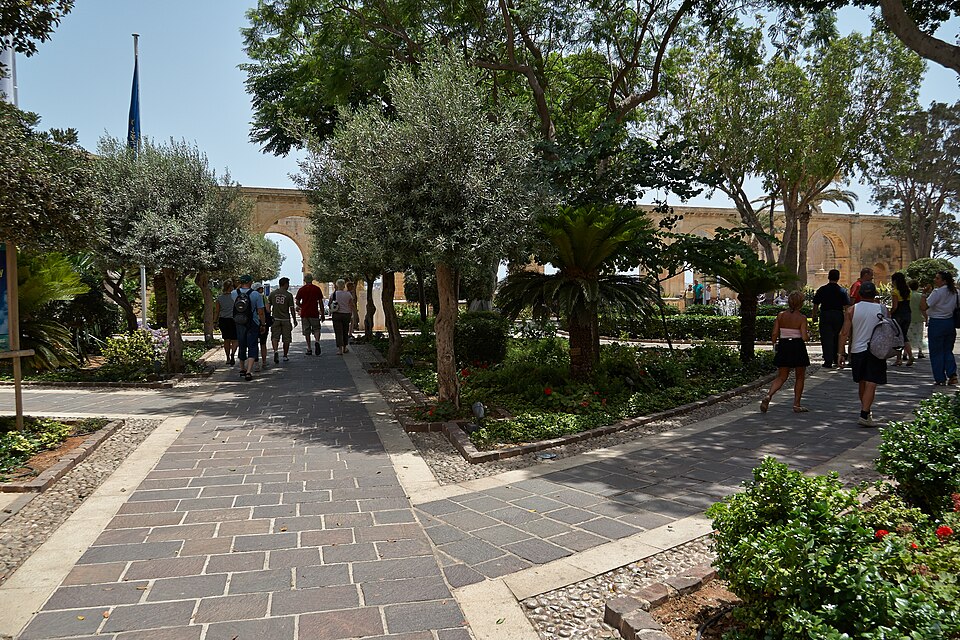
Upper Barrakka Gardens

Upper Barrakka Gardens

Valletta

Arcaded gardens on the highest point of Valletta's ramparts, looking out over the Grand Harbour and the Three Cities opposite. Below them is the Saluting Battery, where a cannon is ceremonially fired every day at noon and at 4 pm.

Tip: Arrive ten minutes before the noon gun and stand at the railing above the battery. The Barrakka Lift runs down from here to the waterfront, where ferries leave for the Three Cities.

Admission:
free
Time needed:
45 min
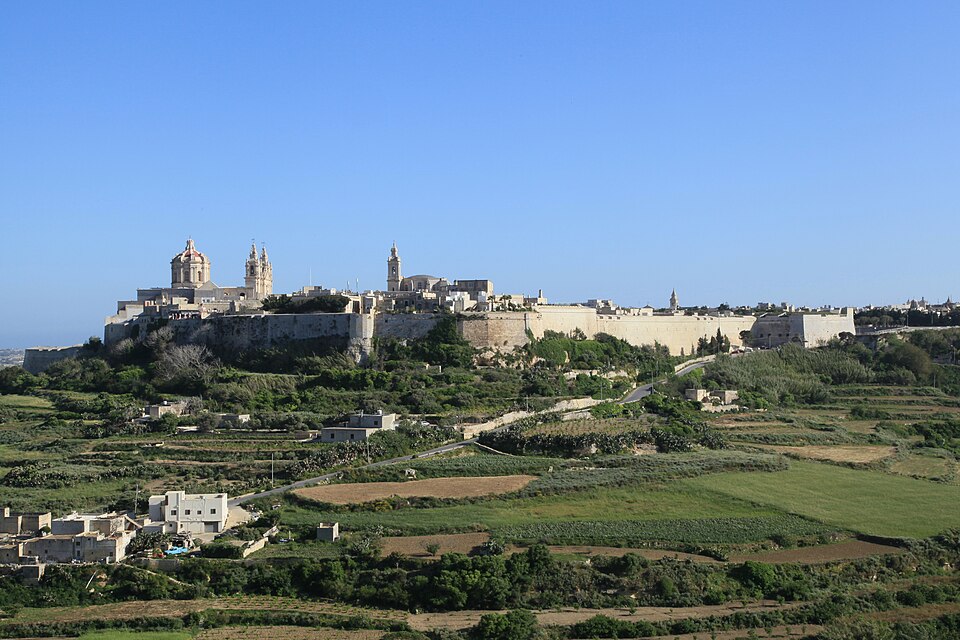
Mdina

Mdina

12 km west of Valletta

A fortified medieval hilltop town in the centre of the island, Malta's former capital, now home to only around three hundred people. Narrow lanes of honey-coloured limestone, noble palaces and St Paul's Cathedral. The ramparts give a view across the whole island to the sea.

Tip: Come after 5 pm, once the groups have left — Mdina is called the Silent City, and in the evening it lives up to the name. Rabat, with St Paul's Catacombs, lies just outside the gate.

Admission:
free
Time needed:
half a day
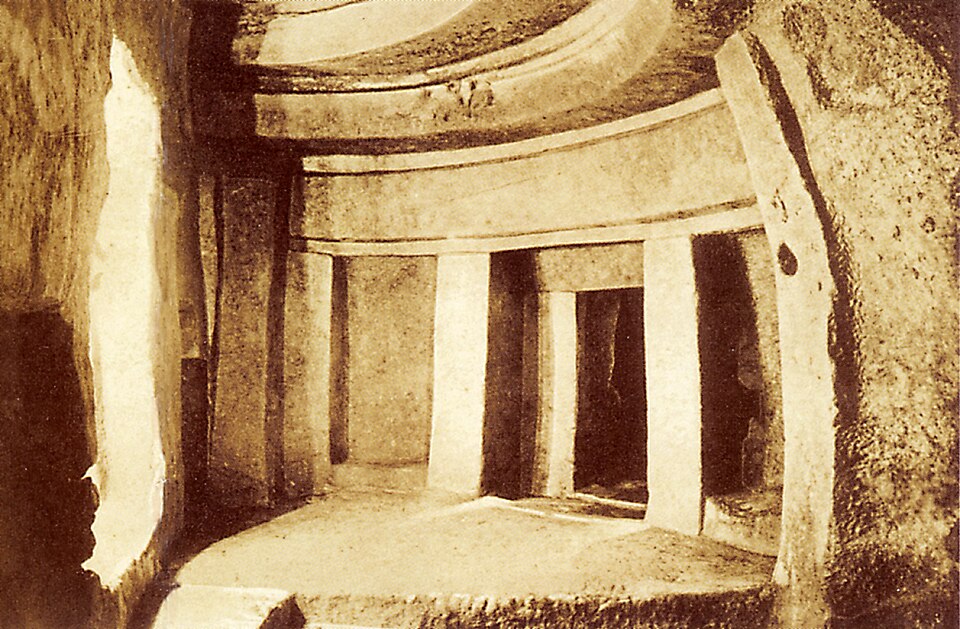
Ħal Saflieni Hypogeum

Ħal Saflieni Hypogeum

Paola, 5 km from Valletta

An underground prehistoric burial complex carved into the rock around 3600 BC, the only known subterranean temple of its age. Three levels of halls and chambers with red ochre paintings and a cavity with remarkable acoustics. It is a UNESCO World Heritage Site.

Tip: Only 80 people a day are let in, in small groups, and tickets sell out weeks ahead — book on the Heritage Malta website as soon as you have your flights. Photography is not allowed.

Admission:
from €35
Time needed:
1 hr
Birgu and the Three Cities

Birgu and the Three Cities

across the harbour from Valletta

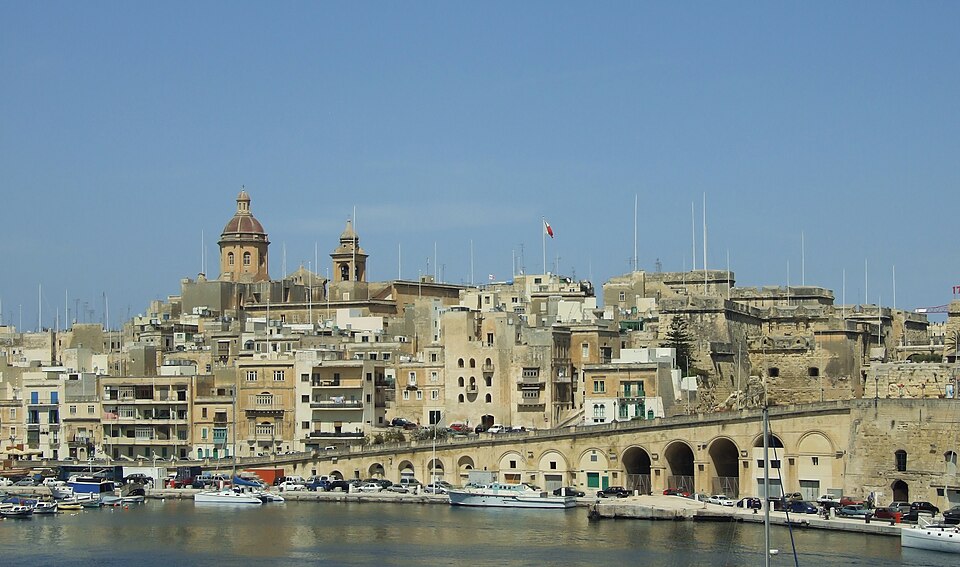
The fortified towns of Birgu, Senglea and Cospicua across the Grand Harbour from Valletta, where the knights were based before the capital was founded. Fewer tourists, lived-in lanes and Fort St Angelo on the tip of the peninsula, which withstood the Great Siege by the Ottomans in 1565.

Tip: Skip the bus from Valletta and cross the harbour by ferry or in a traditional dgħajsa boat — the trip takes five minutes and the ramparts look their best from the water.

Admission:
free, Fort St Angelo from €10
Time needed:
half a day
Marsaxlokk

Marsaxlokk

12 km south-east of Valletta

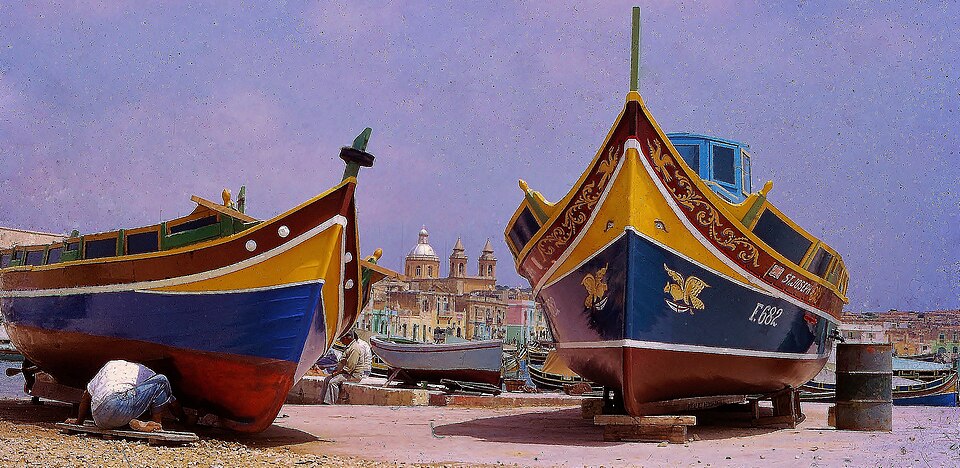
A fishing village in the south-east with a harbour full of colourful luzzu boats, each with the Eye of Horus painted on its bow. On Sunday mornings a large fish and souvenir market fills the waterfront. Fish restaurants line the harbour.

Tip: Get to the Sunday market by 10 am, before the fresh fish runs out and the coaches arrive. For lunch, walk one street back from the waterfront, where it is cheaper.

Admission:
free
Time needed:
half a day
Ħaġar Qim and Mnajdra Temples

Ħaġar Qim and Mnajdra Temples

Qrendi, south of the island

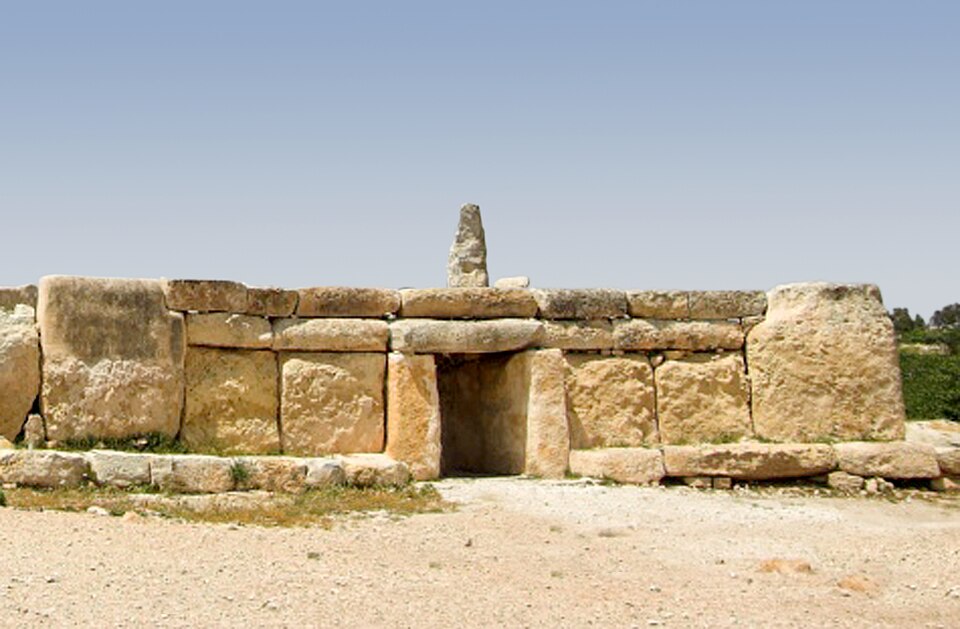
Two megalithic temple complexes on a clifftop above the sea, built more than five thousand years ago from huge limestone blocks. Mnajdra is aligned with the sun — at the equinox a ray of light passes straight through the main doorway. Both temples are protected by tent-like canopies.

Tip: Combine them with the Blue Grotto two kilometres away; bus 74 stops at both. The path between the temples runs down the cliff, so go in the morning in summer.

Admission:
from €10
Time needed:
2 hrs
Blue Grotto

Blue Grotto

Wied iż-Żurrieq, south of the island

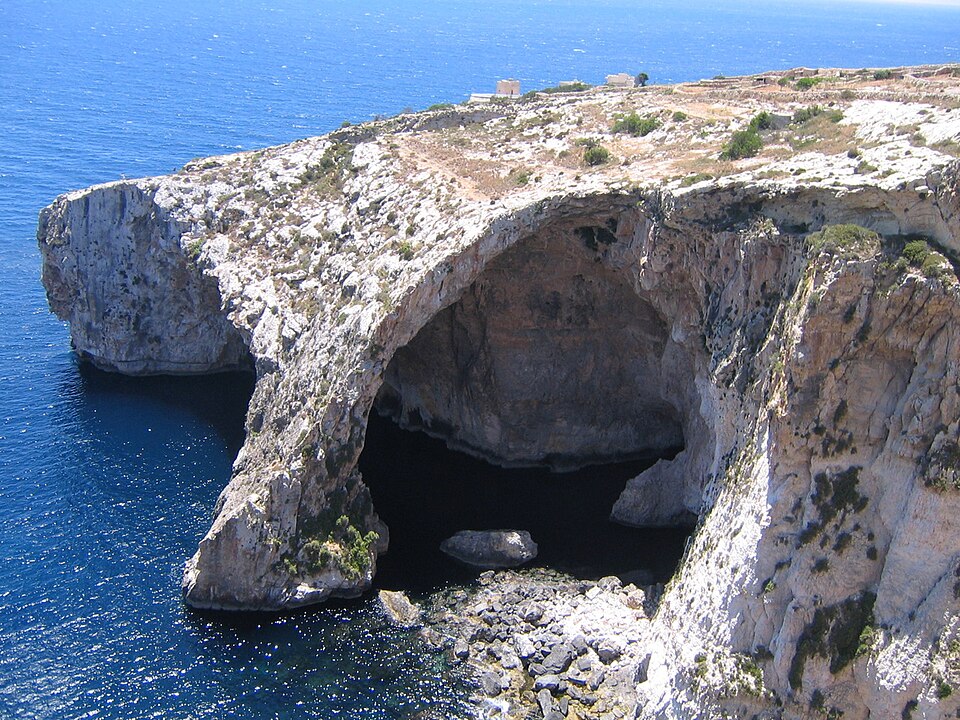
A sea cave and rock arch on the southern cliffs, reached by small boats from the harbour at Wied iż-Żurrieq. The water inside glows deep blue as light reflects off the white seabed. A viewpoint above the road shows the whole arch from above.

Tip: Boats run only when the sea is calm, and the light is best before 11 am. When the wind blows from the south there are no trips — check at the harbour before you set off.

Admission:
boat from €10
Time needed:
1.5 hrs
Blue Lagoon, Comino

Blue Lagoon, Comino

Comino

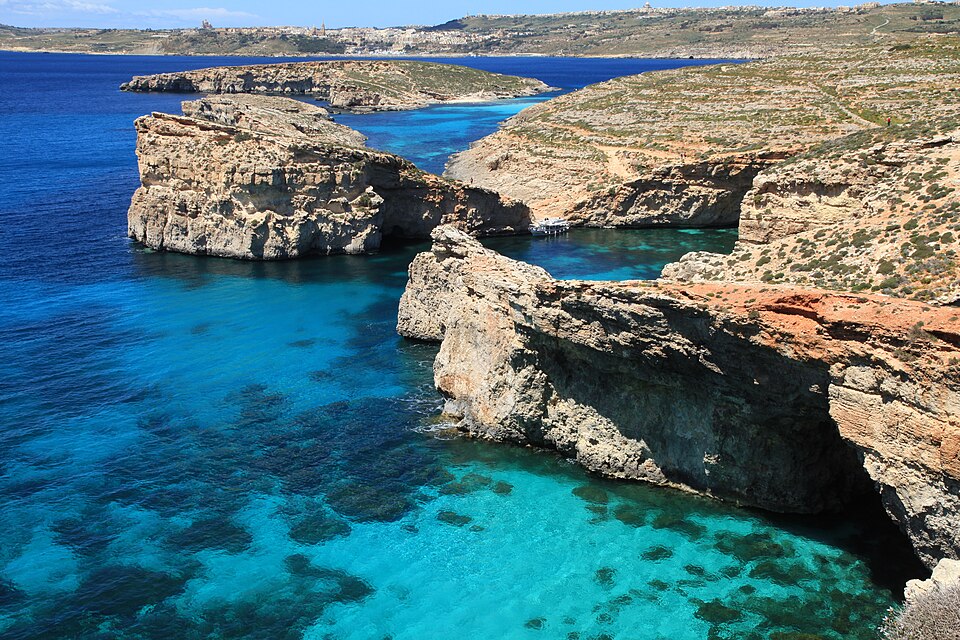
A shallow bay of turquoise water over white sand between the island of Comino and the islet of Cominotto, Malta's most photographed spot. There are no cars on Comino and only a handful of permanent residents. The lagoon is protected and visitor numbers are regulated in season.

Tip: Take the first boat from Ċirkewwa at 8 am or go after 4 pm — between 11 am and 3 pm the lagoon is packed with tour boats. Before you go, check whether a free time-slot booking is required.

Admission:
boat from €15
Time needed:
half a day

Photos: St John's Co-Cathedral — Matthew Axiak (CC BY-SA 4.0) · Upper Barrakka Gardens — C T Johansson (CC BY-SA 4.0) · Mdina — Frank Vincentz (CC BY-SA 3.0) · Ħal Saflieni Hypogeum — Richard Ellis (Public domain) · Birgu and the Three Cities — MrPanyGoff (CC BY-SA 3.0) · Marsaxlokk — Brian Harrington Spier from Shanghai, China (CC BY-SA 2.0) · Ħaġar Qim and Mnajdra Temples — Hamelin de Guettelet (CC BY-SA 3.0) · Blue Grotto — Joonas L. (CC BY 2.0) · Blue Lagoon, Comino — Frank Vincentz (CC BY-SA 3.0)

Where to stay

Areas and districts, matched to the kind of trip you are taking

Valletta

Best for: sights and atmosphere

The baroque capital on its peninsula, where you stay among the sights in converted palazzos and small hotels. Evenings are quiet, the restaurants are good and every bus route starts at the City Gate. There is no beach, though, and rooms cost more.

Sliema and St Julian's

Best for: hotels, shopping and nightlife

The modern waterfront across from Valletta, with a promenade, big hotels, shopping centres and Paceville's nightlife. The ferry to Valletta takes ten minutes. Swimming is from rocky platforms and lidos; the only sandy beach is the small one at St George's Bay.

St Paul's Bay, Buġibba and Mellieħa

Best for: families and northern beaches

Resorts in the north of the island, closest to the sandy beaches of Mellieħa Bay and Golden Bay and to the ferries for Gozo and Comino. Hotels are cheaper, but Valletta is over an hour away by bus. A good choice for a beach holiday with children.

Gozo

Best for: peace and diving

The greener, rural sister island, where people stay in converted stone farmhouses with pools. Peace and quiet, world-class dive sites and lower prices. The main island is 25 minutes away by ferry, so daily trips to Malta take more effort.

Getting around

From the airport

Malta International Airport is at Luqa in the middle of the island, eight kilometres from Valletta. There are direct scheduled and charter flights from across Europe, most of them taking two to three and a half hours. Express buses run from the airport to Valletta, Sliema, St Julian's and the Gozo ferry, and taxis have a fixed-price desk at the exit. From Italy, a fast catamaran crosses from Pozzallo in Sicily in under two hours.

Malta International Airport (MLA) · 8 km

  • Bus X4 to Valletta· 25 min· €2.50
  • Bus X2 to Sliema and St Julian's· 45 min· €2.50
  • Taxi or Bolt to Valletta· 20 min· €15
  • Bus X1 to the Gozo ferry· 1 hr 20 min· €2.50

Around town

The Malta Public Transport bus network covers the whole island, with most routes starting in Valletta. A ticket from the driver costs €2.50 in summer and is valid for two hours including changes; in winter it is 50 cents less. In summer, though, buses are full and delayed by traffic jams. Ferries link Valletta, Sliema and the Three Cities. A car is worth it on Gozo but less so on Malta — traffic drives on the left, the roads are congested and parking is expensive.

BusA ticket from the driver is valid for two hours; the weekly Explore card gives unlimited rides. · €2.50
Ferry Valletta – Sliema and the Three CitiesEvery thirty minutes; the crossing takes five to ten minutes. · €1.50
Ferry Ċirkewwa – GozoGozo Channel every 45 minutes; you pay only on the return from Gozo. · €4.65
Bolt, eCabs and UberCheaper than regular taxis, with the fare known upfront. · €8

Useful apps: Tallinja (buses), Bolt, eCabs, Uber, Google Maps

When to go

Malta has a Mediterranean climate with the mildest winter in the European Union — daytime temperatures in January reach 16°C, so it is popular for winter sightseeing too. Swimming season runs from June to November, with the warmest sea in August and September. July and August are hot, above 30°C with high humidity, and the islands are packed. For a mix of sightseeing and sea, late May, June, September and October are best.

Best time

May to June and September to October

What to avoid

August for the heat and crowds

MonthJanFebMarAprMayJunJulAugSepOctNovDec
Day16°16°18°20°24°28°31°32°28°25°21°18°
Night10°10°11°13°16°20°23°23°21°18°15°12°
Rainy days10864210147810
Sea16°15°15°16°19°22°25°26°25°23°20°18°

Food & drink

Maltese cooking blends Sicilian, Arab and British influences: pasta and ricotta, rabbit and fish, but also tea with milk and breakfast pastries. The cheapest meal is pastizzi from a pastizzeria, and a beach lunch is a ftira from the bakery. People head to Marsaxlokk for fish and to inland villages for rabbit. Restaurant prices are similar to Italy, higher in Valletta and St Julian's. With your meal, drink the local Cisk beer and wine from Gozo.

What to try

Pastizzi

Diamond-shaped flaky pastries filled with ricotta or mushy peas, the cheapest food on the island. They cost under a euro at a pastizzeria and are eaten hot straight from the paper.

Ftira

A round sourdough loaf with a hole in the middle, inscribed on UNESCO's list. It is filled with tuna, capers, olives, kunserva tomato paste and onion, and is the classic beach lunch.

Stuffat tal-fenek

The national dish: rabbit stewed in wine with garlic and bay leaves, often served with spaghetti in its sauce. It is traditionally eaten at a communal dinner called a fenkata.

Lampuki

Dolphinfish, also known as mahi-mahi, caught from late August to December. It is baked in a pie with spinach, olives and raisins or fried and served with tomato sauce.

Bragioli

Beef olives stuffed with minced meat, egg and bacon, braised in a red wine sauce. A home-cooked Sunday dish, found in restaurants mainly in winter.

Ġbejniet

Small round sheep's-milk cheeses, served fresh, dried or cured in pepper. The best come from Gozo and are served on a platter with olives and galletti crackers.

Imqaret

Fried diamond-shaped pastries filled with date paste and aniseed, sold from mobile stalls at markets and festas. They are eaten hot.

Kinnie and Cisk

Kinnie is a bittersweet soft drink made from bitter oranges and herbs, Cisk the local lager. Every bar has both, and they are the cheapest drinks with a meal.

What it costs

Pastizzi

€0.60–1

Coffee in a café

€1.50–3

Dinner in a restaurant

€25–40 per person

Cisk beer, 0.5 l

€4–6

Bus ticket

€2.50

St John's Co-Cathedral

€15

Return boat to Comino

€15–20

Night in a 4-star hotel

€100–180

Indicative prices that change over time — treat them as a guide, not a price list.

Practical information

SocketsGBritish, three rectangular pins
Voltage230V / 50Hz
Tap waterTap water is treated, bottled is common — Tap water in Malta is safe to drink, but much of it comes from desalination plants and tastes of chlorine and salt, so locals drink it only boiled or filtered. Bottled water costs around 50 cents for 1.5 litres in a supermarket and twice that at kiosks near the sights. Tap water is fine for tea, coffee and brushing your teeth.
TippingTipping is not compulsory but is customary. In restaurants leave five to ten per cent if service is not already on the bill, and round up in cafés. Taxi and Bolt drivers do not expect a tip. Cards are accepted almost everywhere, including on buses; cash is handy at markets, small pastizzi bakeries and with boatmen.
Driving on theleft
SafetyMalta is very safe, and the only crime tourists usually meet is pickpocketing on crowded buses and in Paceville at night. The main risks lie elsewhere: traffic drives on the left and the roads are narrow and overloaded, so pedestrians must look right first. The rocky, beachless coast is slippery and dangerous when the wind blows onshore, and in summer the sun is fierce with little shade. The emergency number is 112.
Opening hoursShops open roughly from 9 am to 7 pm; smaller businesses outside the tourist centres close at lunchtime and on Sundays. Restaurants serve lunch until about 2.30 pm and dinner from 7 pm. Heritage Malta sites open at 9 am, with last entry usually an hour before closing. Parish patron saints' feasts — in summer almost every weekend in one village or another — are celebrated with fireworks and processions.
Customs & etiquetteThe Maltese are devoutly Catholic: cover shoulders and knees in churches, which often lend shawls at the door. Topless sunbathing is prohibited. The official languages are Maltese and English, and you can get by in English everywhere. Sockets are the British type G, so bring an adapter from home. Traffic drives on the left, and you board buses through the front door.
A few local wordsGood morning — BonġuThank you — GrazziPlease — Jekk jogħġbokYes / no — Iva / LeHow much is it? — Kemm jiswa?Cheers / goodbye — Saħħa

How to plan your days

1 day

A day in Valletta

  1. 1At 9 am, St John's Co-Cathedral and its Caravaggios.
  2. 2Stroll along Republic Street to the Grandmaster's Palace.
  3. 3The noon gun at the Upper Barrakka Gardens.
  4. 4In the afternoon, take the ferry to Birgu and Fort St Angelo, then the ferry back to Valletta in the evening.

2 days

Two days: the south and Mdina

  1. 1Day one as above.
  2. 2On the morning of day two, a boat trip to the Blue Grotto.
  3. 3The Ħaġar Qim and Mnajdra temples on the clifftop above the sea.
  4. 4Late afternoon and dinner in Mdina, once the groups have gone.

3 days

Three days with Gozo

  1. 1The first two days as above.
  2. 2On day three, take the morning bus to Ċirkewwa and the ferry to Gozo.
  3. 3The Citadel in Victoria and the Ġgantija temples.
  4. 4A swim at red-sand Ramla Bay and the evening ferry back.

Day trips

Gozo

30 km · 25 min by ferry from Ċirkewwa

The archipelago's second-largest island, greener and quieter. The Citadel above the capital Victoria, the megalithic Ġgantija temples, Ramla Bay with its reddish sand and the salt pans at Xwejni. Hiring a car or taking the hop-on hop-off bus is worthwhile on the island.

Sicily

100 km · 1 hr 45 min by catamaran

The fast catamaran from Valletta to Pozzallo makes a day trip to Sicily possible. Tour operators offer circuits to Etna and Taormina, or to Syracuse and baroque Modica. It is a long day with a late-evening return.

Mellieħa and Golden Bay

25 km · 1 hr by bus

The north of the island, with Malta's largest sandy beaches, Mellieħa Bay and Golden Bay. On the way you can stop at Popeye Village, a film set village from 1980, and in the evening Golden Bay has the best sunset on the island.

Frequently asked questions

Does Malta have sandy beaches?+

Yes, but only a few. The largest are Mellieħa Bay and Golden Bay in the north and Ramla Bay on Gozo. Most of the coast is rocky, and you swim from rock platforms and lidos, where the water is crystal clear and deep right from the edge.

Do I need a car in Malta?+

On the main island, probably not. Buses go everywhere, distances are short and the roads congested, and traffic drives on the left. A car is worth it for a day on Gozo, where buses are less frequent and the main sights are spread out.

What plug sockets does Malta use?+

The British type G with three flat pins, at 230 V as in the rest of Europe. Buy an adapter before you travel or at the airport — hotels sometimes lend them, but do not count on it. Chargers and appliances otherwise work normally.

How do I get to Comino and the Blue Lagoon?+

Small boats leave Ċirkewwa harbour in northern Malta every half hour; the crossing takes fifteen minutes and a return ticket costs from €15. Boats also run from Gozo, and tour boats from Sliema and Buġibba. In season, check whether the lagoon requires a booking.

Is English spoken in Malta?+

Yes, English is an official language alongside Maltese and almost everyone speaks it. All signs, menus and timetables are bilingual. That is also why so many students come to Malta for English language courses.

Is Malta worth visiting out of season?+

Yes, Malta is one of the warmest destinations in the European Union even in winter. January days reach 16°C with plenty of sunshine, the sights have no queues and hotel prices are lower. From December to May, though, the sea is only for the hardy.

How many days do you need in Malta?+

Three days are enough for Valletta's main sights, Mdina and the south of the island. With trips to Gozo and Comino and a few beach days, a week is ideal. Because of the congested roads, expect journeys to take longer than the map suggests.

Where should I stay in Malta?+

Valletta for the sights, Sliema or St Julian's for hotels, shopping and nightlife, and Mellieħa or Buġibba for beaches with children. Gozo suits a quiet holiday and diving, but from there you take the ferry for trips around Malta.

Visa Requirements

Check the latest visa requirements for entering this country. Some nationalities may need to apply for a visa or e-visa before travel.

Check visa requirements

Language

Maltese / English

Currency

EUR

Timezone

Europe/Malta

Dial Code

+356

Population

542K

Area

316 km²

Voltage

230V / 50Hz

Driving Side

Left

Top Hotels in Malta

Live prices from 500+ properties

Loading hotels...

Planning a trip to Malta?

Compare hundreds of hotels, find the best price, and book with free cancellation on TravelManiac.