Hotels in Sao Paulo

A concrete megalopolis where Latin America eats best

Sao Paulo

LanguageEnglish
CurrencyBRL
TimezoneGMT-3
Temperature22-35 °C
Dial Code+55
Population216M
Area8,515,767 km²
SocketsType C / Type N
Tap waterNot drinkable

Discover Sao Paulo

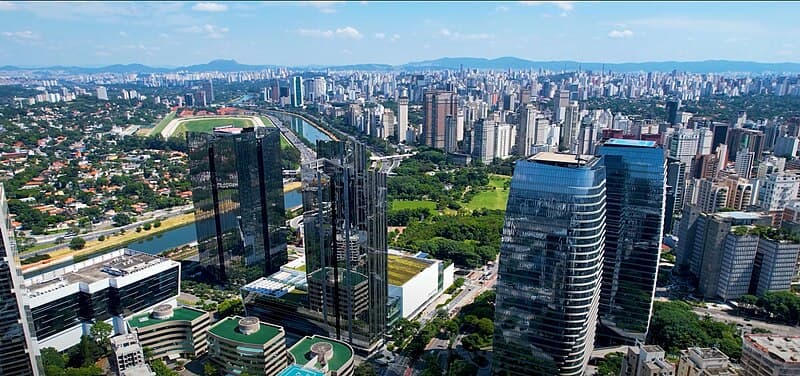
São Paulo is the largest city in the Southern Hemisphere — over twenty million people live in its metropolitan area — and Brazil's economic heart. At first glance it's an endless sea of concrete towers to the horizon, with no beaches or famous landmarks, which is why tourists often skip it in favour of Rio. Give it two days, though, and you'll find the best museums, restaurants and nightlife in Latin America. Paulistanos work hard and party harder: bars, concerts and restaurants run until sunrise. Immigrants built the city — Italians, Japanese, Lebanese, Portuguese and Africans — and São Paulo has the largest Japanese community outside Japan and more pizzerias than many Italian cities. Avenida Paulista is the main avenue, home to the MASP museum and closed to cars on Sundays; Ibirapuera is a park with buildings by Oscar Niemeyer; and the lanes of Vila Madalena are covered in graffiti. The Mercadão city market sells a mortadella sandwich that turns into an entire afternoon's meal. For a weekend, people head to the coast at Santos or the colonial-era shoreline.

What to see

The places worth your time in Sao Paulo, and what to expect at each

Avenida Paulista

Avenida Paulista

Paulista

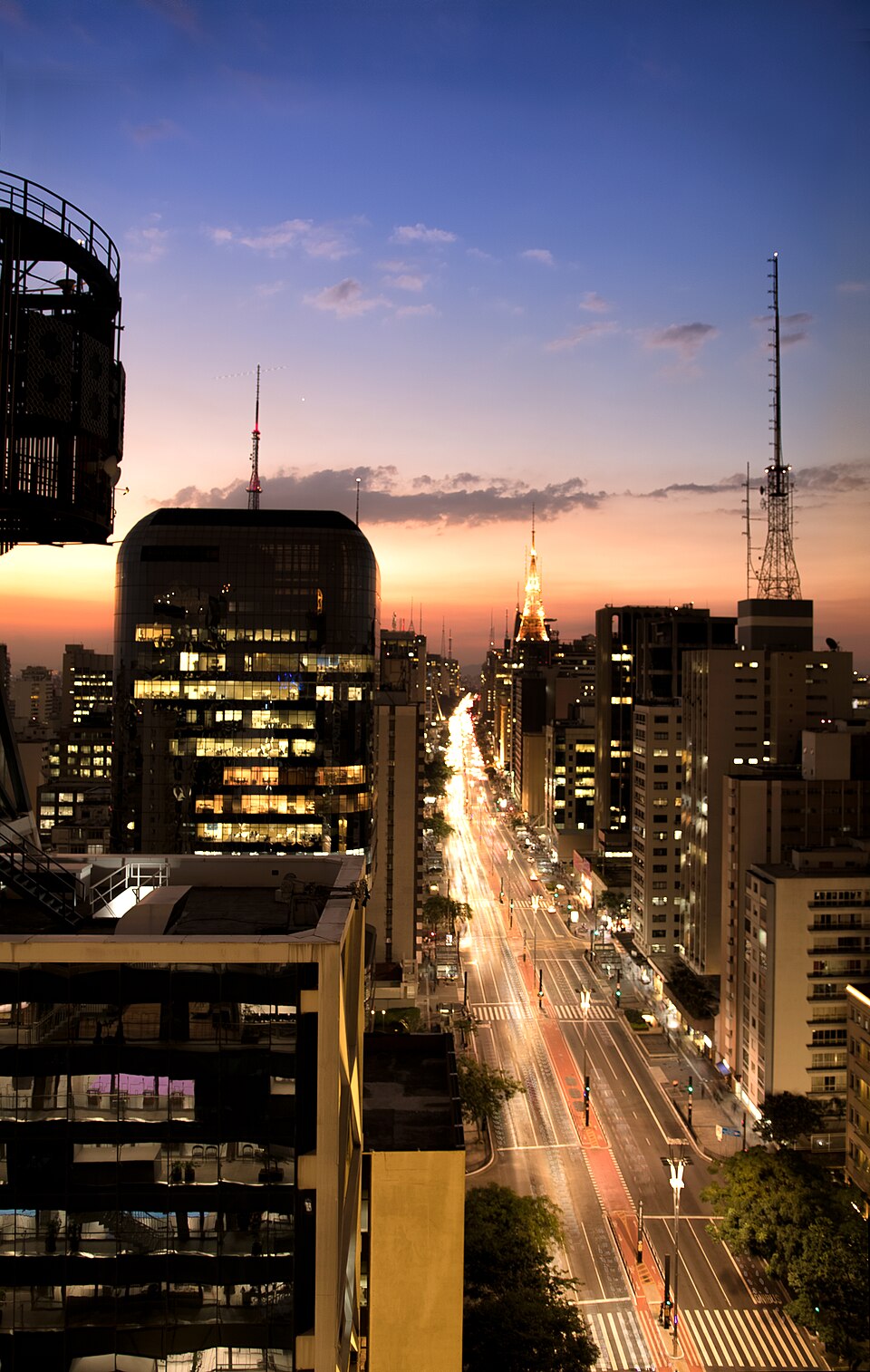
A three-kilometre avenue along a ridge, lined with bank skyscrapers, cultural centres and shops. On Sundays and public holidays it's closed to cars and fills with pedestrians, cyclists, musicians and stalls.

Tip: Come on a Sunday, when Paulista Avenue is car-free from 9am to 5pm — the best way to see paulistanos out and about. The cultural centres Itaú Cultural, Japan House and Instituto Moreira Salles along the avenue have free exhibitions. The IMS terrace has a view.

Admission:
free
Time needed:
2–3 h
MASP

MASP

Paulista

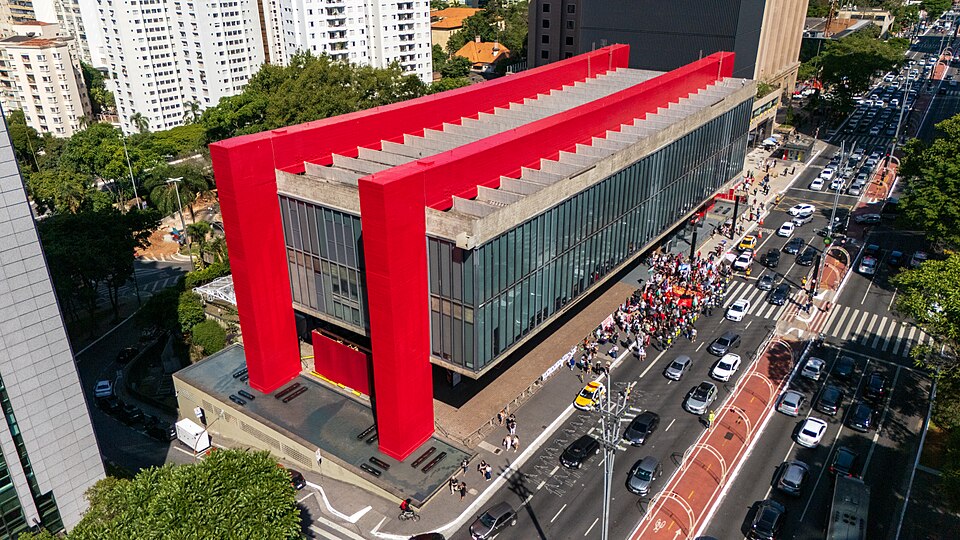
São Paulo's museum of art, in a building by architect Lina Bo Bardi that hovers over the plaza on two red beams. Inside is the finest collection of European art in the Southern Hemisphere — Raphael, Van Gogh, Renoir, Modigliani — displayed on glass easels like a forest.

Tip: Admission is free on Tuesdays and a queue forms — arrive in the morning. Below the building is a public plaza that hosts an antiques market on Sundays. Glass display stands show paintings free of walls, with the label on the back.

Admission:
admission fee
Time needed:
2 h
Ibirapuera Park

Ibirapuera Park

Ibirapuera

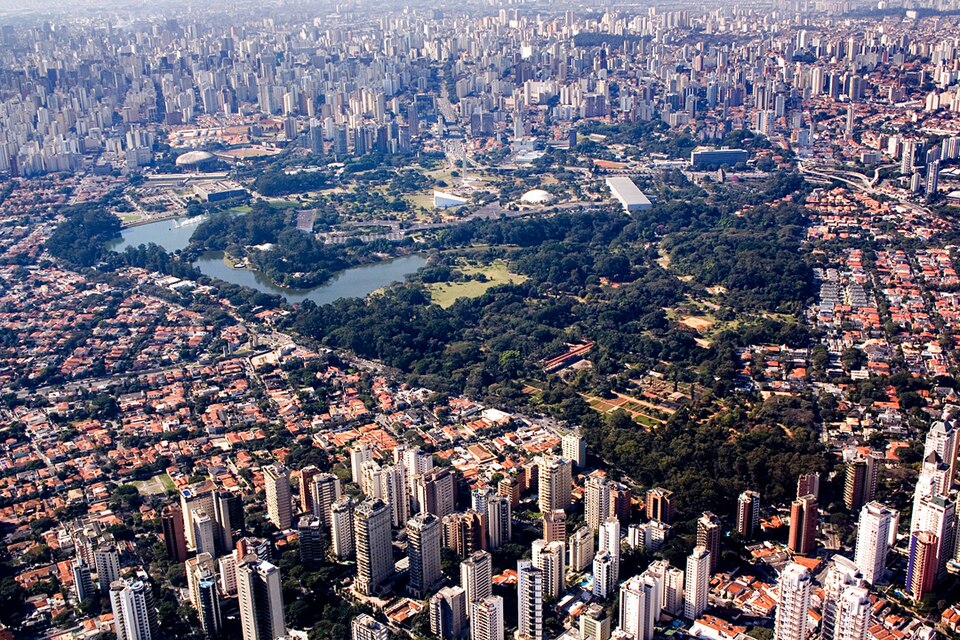
The city's largest park, with a lake, woods and buildings by Oscar Niemeyer: the curved Marquise roof, a modern art museum, the Afro Brazil Museum and a planetarium. All of São Paulo spends weekends here.

Tip: Rent a bike at the gate and loop the park. The Afro Brazil Museum is the park's most interesting museum and few tourists know it. Sundays bring concerts. Leave the park after dark.

Admission:
free
Time needed:
3 h
Pinacoteca

Pinacoteca

Luz

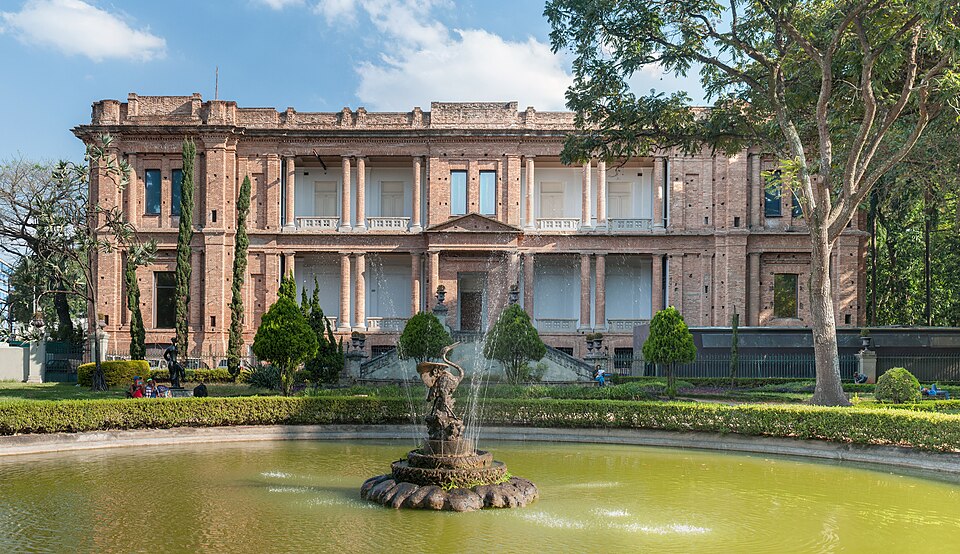
São Paulo's oldest art museum, in a brick building from 1900 with glass-roofed courtyards, holding Brazilian art from the colonial era to today. The building itself is a showcase of sensitive restoration.

Tip: Admission is free on Saturdays. Next door is Jardim da Luz park with sculptures, and the English-style Estação da Luz railway station. The surroundings are fine by day, but avoid the area after dark.

Admission:
admission fee
Time needed:
2 h
Mercado Municipal

Mercado Municipal

Centro

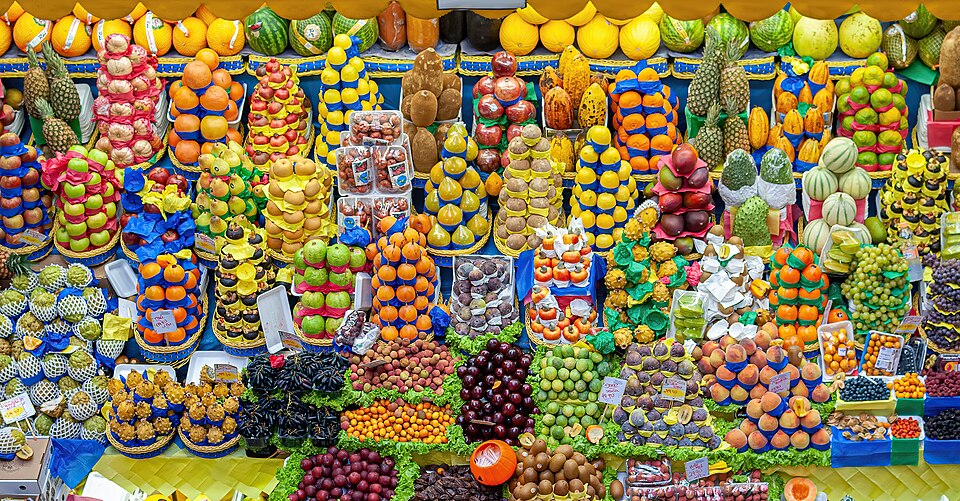
The city market, Mercadão, from 1933, with stained-glass windows depicting agriculture and hundreds of stalls selling fruit, cheese, cured meats and spices. On the gallery level are restaurants serving the giant mortadella sandwich.

Tip: The mortadella sandwich is so large it's enough for two — order one and split it. Vendors offer samples of exotic fruit, then charge astronomical per-kilo prices: ask the price before saying yes to anything. The market's surroundings are busy, so watch your belongings.

Admission:
free
Time needed:
1.5 h
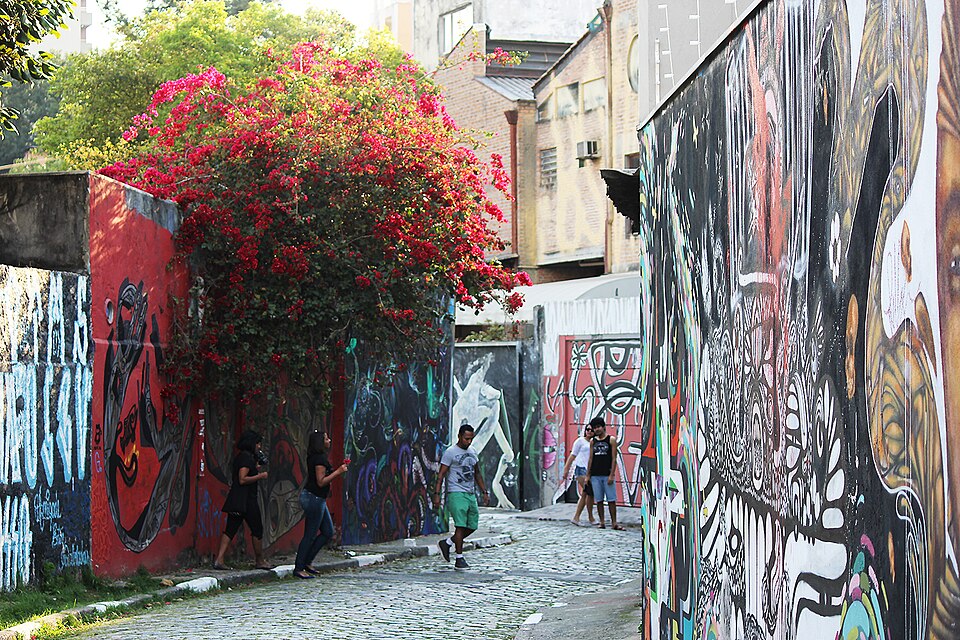
Beco do Batman

Beco do Batman

Vila Madalena

A lane in Vila Madalena whose walls have been covered in graffiti since the 1980s. The artwork is constantly repainted, so it looks different every time. Named after a Batman drawing that appeared here first, it's now the most photographed wall in the city.

Tip: Best in the morning, when there are few people and the light is good. Vila Madalena's bars and restaurants nearby fill up in the evening. At night the lane itself is empty.

Admission:
free
Time needed:
45 min
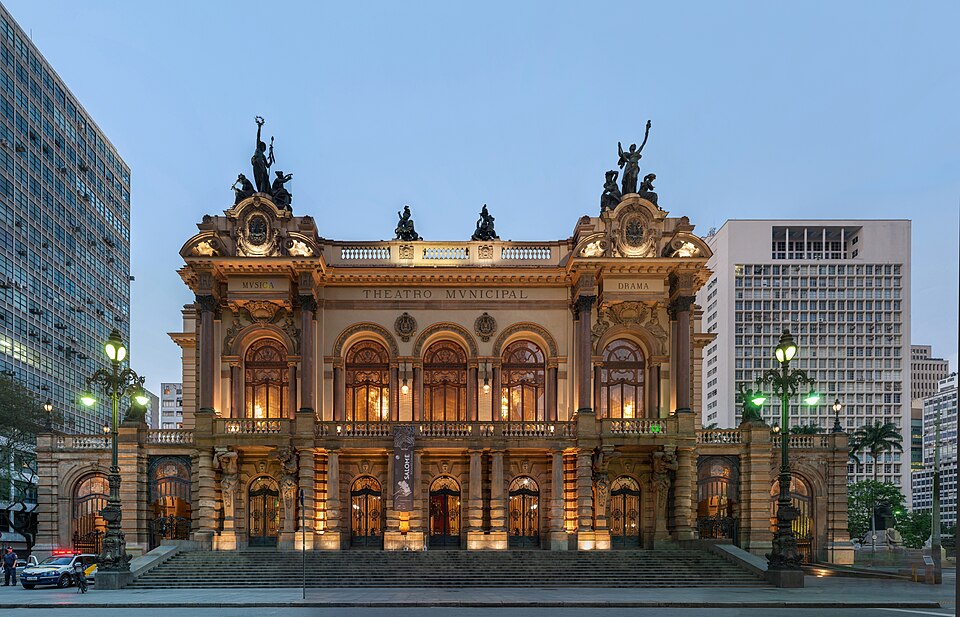
Theatro Municipal

Theatro Municipal

Centro

An opera house from 1911 inspired by the Paris Garnier, with an ornate interior, stained glass and a main hall seating fifteen hundred. In 1922 it hosted the Week of Modern Art, which launched Brazilian modernism.

Tip: Guided tours are free, but slots must be booked online. Opera and ballet tickets are cheaper than in Europe. The surrounding downtown is busy by day; go by Uber in the evening.

Admission:
free tour
Time needed:
1 h
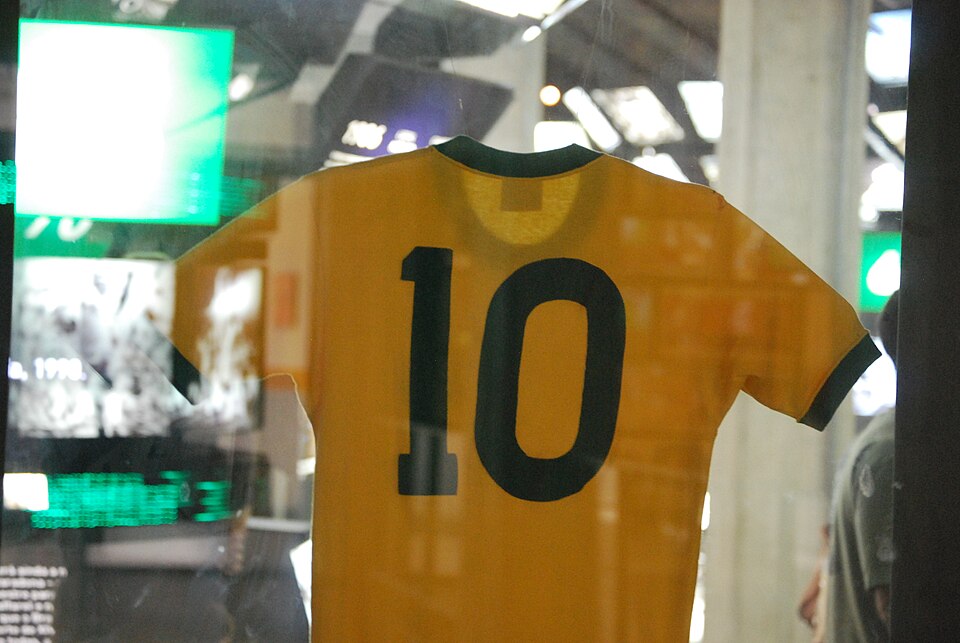
Museu do Futebol

Museu do Futebol

Pacaembu

An interactive football museum beneath the stands of Pacaembu stadium, covering Pelé, the World Cups, and how football shaped Brazilian identity. Rooms filled with crowd noise and a test of how hard you can kick a ball.

Tip: The museum is entertaining even for non-fans; two hours is enough. Admission is free on Tuesdays. The Pacaembu stadium above it has been rebuilt, and tours are limited.

Admission:
admission fee
Time needed:
2 h
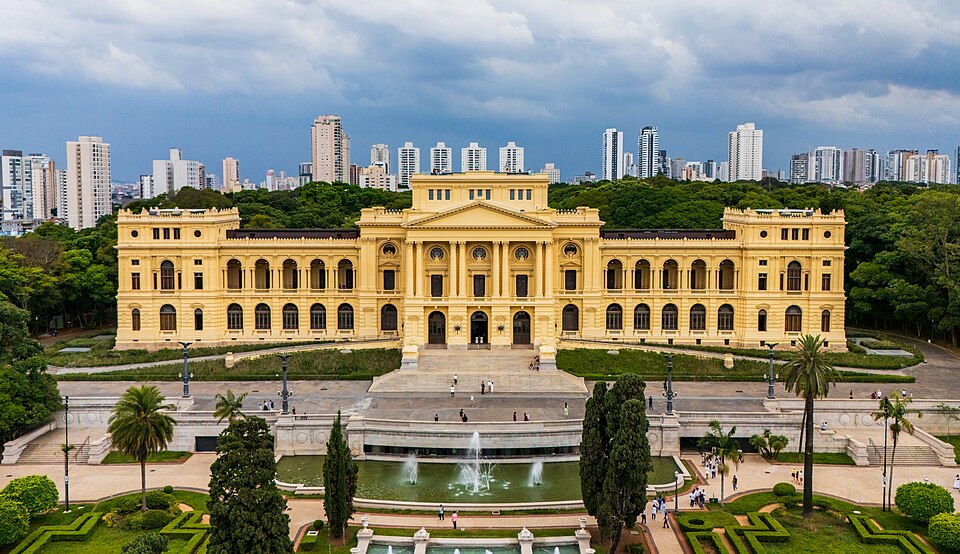
Museu do Ipiranga

Museu do Ipiranga

Ipiranga

A palace on the site where, in 1822, Prince Pedro declared Brazil's independence. Reopened in 2022 after nine years of closure and restoration, with French-style gardens and the painting 'Independence or Death'.

Tip: The gardens and the park in front of the palace are free. Museum tickets are booked online with a time slot. It's a twenty-minute taxi ride from downtown.

Admission:
admission fee
Time needed:
2 h

Photos: Avenida Paulista — Rodrigo Tetsuo Argenton (CC BY-SA 4.0) · MASP — ProtoplasmaKid (CC BY-SA 4.0) · Ibirapuera Park — Fernando Stankuns (CC BY-SA 4.0) · Pinacoteca — Wilfredor (CC BY-SA 4.0) · Mercado Municipal — Wilfredor (CC BY-SA 4.0) · Beco do Batman — Diego Bravo (Somente Coisas Legais) (CC BY-SA 4.0) · Theatro Municipal — Wilfredor (CC0) · Museu do Futebol — Adauto Neto (CC BY 2.0) · Museu do Ipiranga — ProtoplasmaKid (CC BY 4.0)

Where to stay

Areas and districts, matched to the kind of trip you are taking

Jardins

Best for: a first visit and safety

An elegant district by Avenida Paulista, with hotels, restaurants and boutiques on Rua Oscar Freire. The safest and most comfortable base.

Vila Madalena and Pinheiros

Best for: nightlife

Bohemian districts with bars, graffiti, galleries and restaurants. This is where the nightlife happens. Metro lines 2 and 4 connect here from Paulista.

Liberdade

Best for: the Japanese district

The largest Japanese community outside Japan, with red lanterns, shops and restaurants. A weekend food market.

Centro

Best for: sightseeing by day

The historic centre, with the market, the opera house and Sé Cathedral. Interesting by day, dangerous at night. Stick to main streets and daylight hours here.

Getting around

From the airport

Guarulhos International Airport lies twenty-five kilometres northeast of the centre. From Prague, flights connect via Lisbon, Madrid, Paris, Frankfurt or Amsterdam, with total travel time of fifteen to eighteen hours. The smaller Congonhas airport downtown handles domestic flights, including a one-hour hop to Rio. Czech citizens don't need a visa for stays up to ninety days.

Guarulhos International (GRU) · 25 km

  • Airport Express train to Luz· 40 min· 5 BRL
  • Airport Bus Service· 60–90 min· 50 BRL
  • Uber· 45–90 min· 90 BRL

Congonhas (CGH) · 8 km

  • Uber to Jardins· 20 min· 30 BRL

Around town

São Paulo has a good six-line metro system covering the main districts, supplemented by suburban trains. Payment is contactless. It gets crowded at rush hour. Road traffic is extremely slow. Uber and 99 are cheap and safer than walking at night.

MetroSix lines, clean and fast. Line 2 runs along Paulista. · 5 BRL
Uber / 99The most comfortable option, and the safest at night. · 20 BRL within a district
BusesA dense network, but slow and confusing for visitors. · 5 BRL
BicyclesBike-share along Paulista and around Ibirapuera. · from 10 BRL
On footJardins, Paulista and Vila Madalena, by day. · free

Useful apps: Uber, 99, Moovit, Google Maps, iFood

When to go

São Paulo sits on a plateau at eight hundred metres and is cooler than Rio. Summer, December to March, is warm and humid, around 28°C, with sharp afternoon thunderstorms and flooding. Winter, June to August, is dry and cool, around 12°C in the mornings. The best periods are April to May and September to November. The Formula 1 Grand Prix runs in November, and the Pride Parade, one of the largest in the world, in June.

Best time

April to May and September to November

What to avoid

January and February, for storms

MonthJanFebMarAprMayJunJulAugSepOctNovDec
Day28°29°28°26°23°22°22°24°24°26°27°28°
Night19°19°18°16°14°12°12°13°14°16°17°18°
Rainy days161412764447101114

Food & drink

São Paulo is the culinary capital of Latin America, with over twenty thousand restaurants. Its pizzerias rival Italy's, and paulistanos traditionally eat pizza on Sunday evenings. Japanese restaurants cluster in Liberdade, alongside Lebanese esfihas and Brazilian churrascarias. Bar culture revolves around chope, draft beer served ice-cold. Outside upscale restaurants, food is cheap.

What to try

Sanduíche de mortadela

A giant sandwich piled ten centimetres high with thin slices of mortadella and melted cheese. A symbol of the Mercadão market.

Pizza paulistana

Thin-crust pizza loaded with cheese, traditionally eaten on Sunday evenings. The legendary pizzerias have queues out the door.

Feijoada

Black beans stewed with several cuts of smoked and pork meat, served with rice, toasted cassava flour (farofa), collard greens (couve) and a slice of orange. Traditionally eaten on Wednesdays and Saturdays at lunch — it's a whole-afternoon meal, not a quick dinner.

Picanha and churrasco

Picanha is the top round of beef with a fat cap, grilled on a wide skewer. At a churrascaria 'rodízio' you pay a flat price and waiters bring meat to the table until you flip your card to the red side — save room, and skip the salad bar.

Pão de queijo

Small round rolls of cassava starch and cheese, crisp outside and chewy inside. Eaten with coffee at breakfast or in the afternoon, and cost a few reais. Naturally gluten-free.

Coxinha

A fried teardrop-shaped pastry filled with shredded chicken and cream cheese, shaped like a chicken drumstick. The most common savoury snack (salgadinho) sold from counters, costing around seven reais.

Pastel de feira

A crispy fried pastry filled with cheese or meat, sold at street markets alongside sugarcane juice (caldo de cana).

Caipirinha

The national cocktail of cachaça, lime and sugar. A vodka version is called caipiroska, a sake one sakerinha. Vendors mix it from carts on the beach, and it's stronger than it tastes.

What it costs

Coffee and pão de queijo

10–15 BRL

Mortadella sandwich

40–60 BRL

Dinner at a restaurant

100–200 BRL per person

Chope (draft beer)

12–18 BRL

MASP admission

70 BRL

Metro ride

5 BRL

Uber from the airport

90 BRL

Night in a 3-star hotel in Jardins

350–600 BRL

Indicative prices that change over time — treat them as a guide, not a price list.

Practical information

SocketsCEuroplug, two round pinsNBrazilian
Voltage127/220V / 60Hz
Tap waterDo not drink tap water — Don't drink tap water in Brazil, even in cities where it's formally treated — pipes are often old, and Brazilians themselves drink filtered or bottled water. A five-litre jug costs around eight reais at a supermarket, a half-litre three to five at a beach kiosk. Ice at bars and restaurants is made from treated water and is safe. On the beach, drink coconut water ('água de coco') straight from the shell — cheap and better in the heat than anything from a fridge.
TippingMost restaurants automatically add ten percent to the bill as 'serviço' — technically optional and you can decline it, but no one does. Nothing further is added on top. Round up for taxi drivers; Uber drivers get a tip through the app only for exceptional service. On the beach, you don't pay for a sunbed at a kiosk if you order drinks from it; you settle the tab when you leave. Cards are accepted almost everywhere, including at stalls, but Brazilians mostly pay via the instant transfer system Pix, which foreigners without a Brazilian bank account can't use.
Driving on theright
SafetyCrime is a real problem in Brazil's big cities, and the rules need to be taken seriously. Bring only swimwear, a towel, a little cash and a photocopy of your passport to the beach — never an expensive phone or watch. Don't pull out your phone on the street, especially at corners and bus stops, where a passerby can snatch it and run. Never enter a favela without a licensed local guide, even the 'pacified' ones. After dark, take Uber, not empty streets on foot. Use ATMs inside malls and during the day. The police emergency line is 190, ambulance 192.
Opening hoursShops are open from nine to seven, malls until 10pm including Sundays. Brazilians eat lunch late, between noon and three, and dinner after eight; restaurants fill up around ten. Museums are usually closed on Mondays. Banks operate only from ten to four. During Carnival — the five days before Ash Wednesday — most offices and some shops close, and transport runs on a special schedule.
Customs & etiquetteBrazilians are warm and physically close: women greet with a kiss on the cheek, men with a handshake and a pat on the back. Brazil speaks Portuguese, not Spanish, and Brazilians don't appreciate being told it's 'basically the same' — a few words of Portuguese open more doors. The 'OK' gesture, thumb and forefinger joined, is a rude insult here; agreement is shown with a thumbs up. Beachwear is minimal, but topless sunbathing is not allowed. Punctuality is loose — arriving half an hour late to a social gathering is normal.
A few local wordsGood day — Bom dia / Boa tardeThank you — Obrigado (male) / Obrigada (female)How much does it cost? — Quanto custa?The bill, please — A conta, por favorDo you speak English? — Você fala inglês?All good — Tudo bem

How to plan your days

1 day

One day in São Paulo

  1. 1Morning at Avenida Paulista and MASP.
  2. 2Lunch in Jardins.
  3. 3Afternoon at Ibirapuera Park and the Afro Brazil Museum.
  4. 4Evening in Vila Madalena and at Beco do Batman.
  5. 5A bar with chope.

2 days

Two days in São Paulo

  1. 1Day one as above.
  2. 2Day two morning at the Mercadão for a mortadella sandwich.
  3. 3Theatro Municipal.
  4. 4Afternoon at the Pinacoteca.
  5. 5Evening ramen in Liberdade.

3 days

Three days in São Paulo

  1. 1Two days as above.
  2. 2Day three, the Museu do Ipiranga.
  3. 3Lunch, then the Museu do Futebol.
  4. 4Afternoon shopping on Rua Oscar Freire.
  5. 5Evening pizza.

Day trips

Santos

75 km · 1.5 h by bus

A port city on the coast with the longest beachfront garden in the world, a Coffee Museum in the former stock exchange, and the stadium where Pelé played. A tram runs through the historic centre. Buses leave from the Jabaquara terminal.

Embu das Artes

30 km · 1 h by car

A colonial town with a craft market that draws artists and furniture-makers on Saturdays and Sundays. A baroque church and restaurants serving home-style cooking.

Paranapiacaba

50 km · 1.5 h by car or train

A nineteenth-century English railway village in the misty Serra do Mar mountains, with wooden houses, a clock tower modelled on London's Big Ben, and trails through Atlantic rainforest.

Frequently asked questions

Is São Paulo safe?+

It calls for caution. Stay in Jardins, take Uber after dark, don't pull out your phone on the street, and visit downtown only during the day.

São Paulo or Rio?+

Rio has beaches and scenery, São Paulo has food, museums and nightlife. They're an hour apart by plane.

How many days are enough for São Paulo?+

Two to three days: Paulista Avenue and its museums, Ibirapuera Park, the market, and the Vila Madalena and Liberdade neighbourhoods. A third day suits a trip to Santos or Embu.

Do I need a visa for Brazil?+

Czech (and most EU) citizens don't need a visa for tourist stays up to ninety days. The passport must remain valid for a further six months.

How do I get from the airport?+

By the Airport Express train to Luz station, or by Uber. Allow up to an hour and a half because of traffic.

Where should I stay in São Paulo?+

In Jardins, near Avenida Paulista, or in Pinheiros. All three neighbourhoods have metro access and are relatively safe.

When is Paulista Avenue pedestrianised?+

Every Sunday and on public holidays, 9am to 5pm. The avenue then fills with musicians, stalls and cyclists.

Is English spoken in São Paulo?+

Not much. A few words of Portuguese and a translation app help. In Jardins hotels and restaurants, English gets you by.

Visa Requirements

Check the latest visa requirements for entering this country. Some nationalities may need to apply for a visa or e-visa before travel.

Check visa requirements

Language

Portuguese

Currency

BRL

Timezone

GMT-3

Dial Code

+55

Population

216M

Area

8,515,767 km²

Voltage

127/220V / 60Hz

Driving Side

Right

Top Hotels in Sao Paulo

Live prices from 500+ properties

Loading hotels...

More destinations in Brazil

Planning a trip to Sao Paulo?

Compare hundreds of hotels, find the best price, and book with free cancellation on TravelManiac.