Hotels in Sarajevo

East meets West in a valley between the mountains

Sarajevo

LanguageBosnian / Croatian / Serbian
CurrencyBAM
TimezoneEurope/Sarajevo
Temperature2-28 °C
Dial Code+387
Population3.2M
Area51,197 km²
SocketsType C / Type F
Tap waterDrinkable

Discover Sarajevo

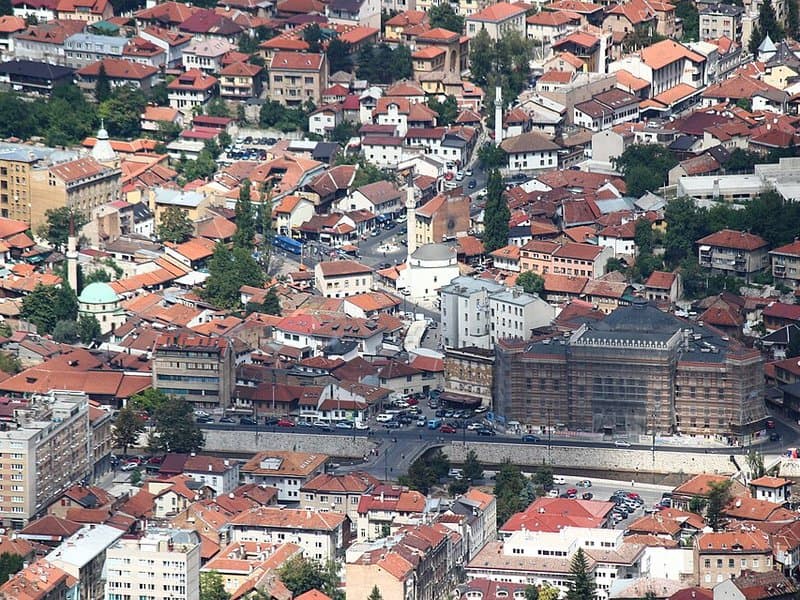
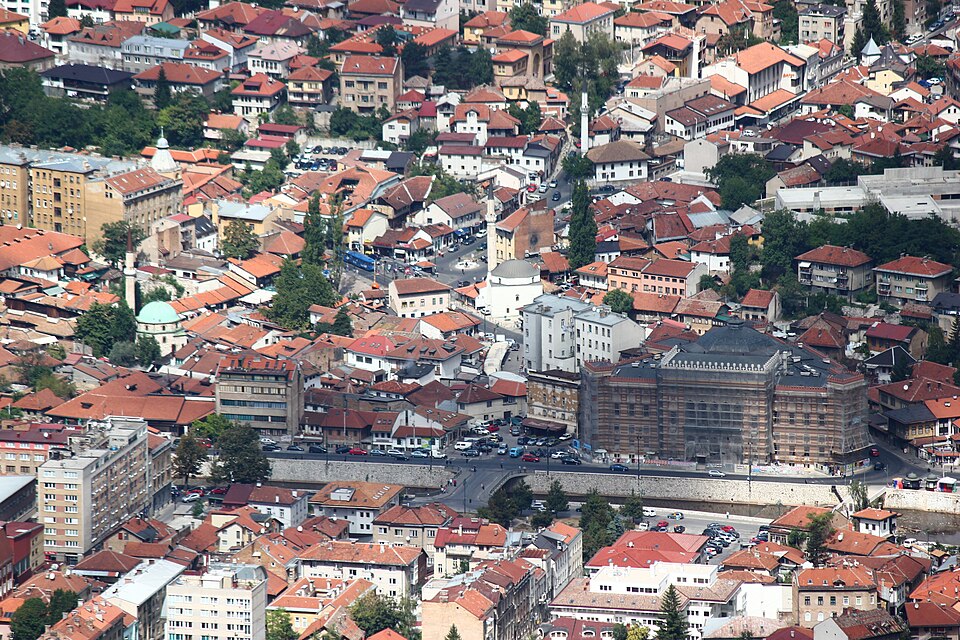
Sarajevo is the capital of Bosnia and Herzegovina, lying in a narrow valley between mountains and often called the 'Jerusalem of Europe', as mosques, Catholic and Orthodox churches and a synagogue stand side by side. The old Ottoman town of Baščaršija with narrow lanes, coppersmiths' workshops and cafés blends with the nineteenth-century Austro-Hungarian quarter and socialist architecture. It is the place where Franz Ferdinand was killed in 1914, which set off the First World War, and where from 1992 to 1996 the longest siege of modern Europe took place. Today Sarajevo is calm, safe and very cheap, with excellent food and hospitable people. From the Czech Republic direct flights run from Prague and by car it is around nine hundred kilometres. EU citizens need no visa and you pay in the mark. The best time is April to June and September to October; in winter it is cold and snowy, but nearby are the ski resorts of Jahorina and Bjelašnica, where the 1984 Winter Olympics were held.

What to see

The places worth your time in Sarajevo, and what to expect at each

Baščaršija

Baščaršija

old town

The historic centre of Sarajevo from the fifteenth century, a cobbled square with the Sebilj fountain, craftsmen's lanes and cafés where Bosnian coffee is drunk. It is the most authentic part of the city and the starting point for tours. The Ottoman atmosphere endures to this day.

Tip: Come in the morning, when the workshops open, or in the evening, when the lamps light. Souvenir prices are bargained; you can buy handmade copper coffee pots here.

Admission:
free
Time needed:
2–3 hrs
The Sebilj

The Sebilj

Baščaršija

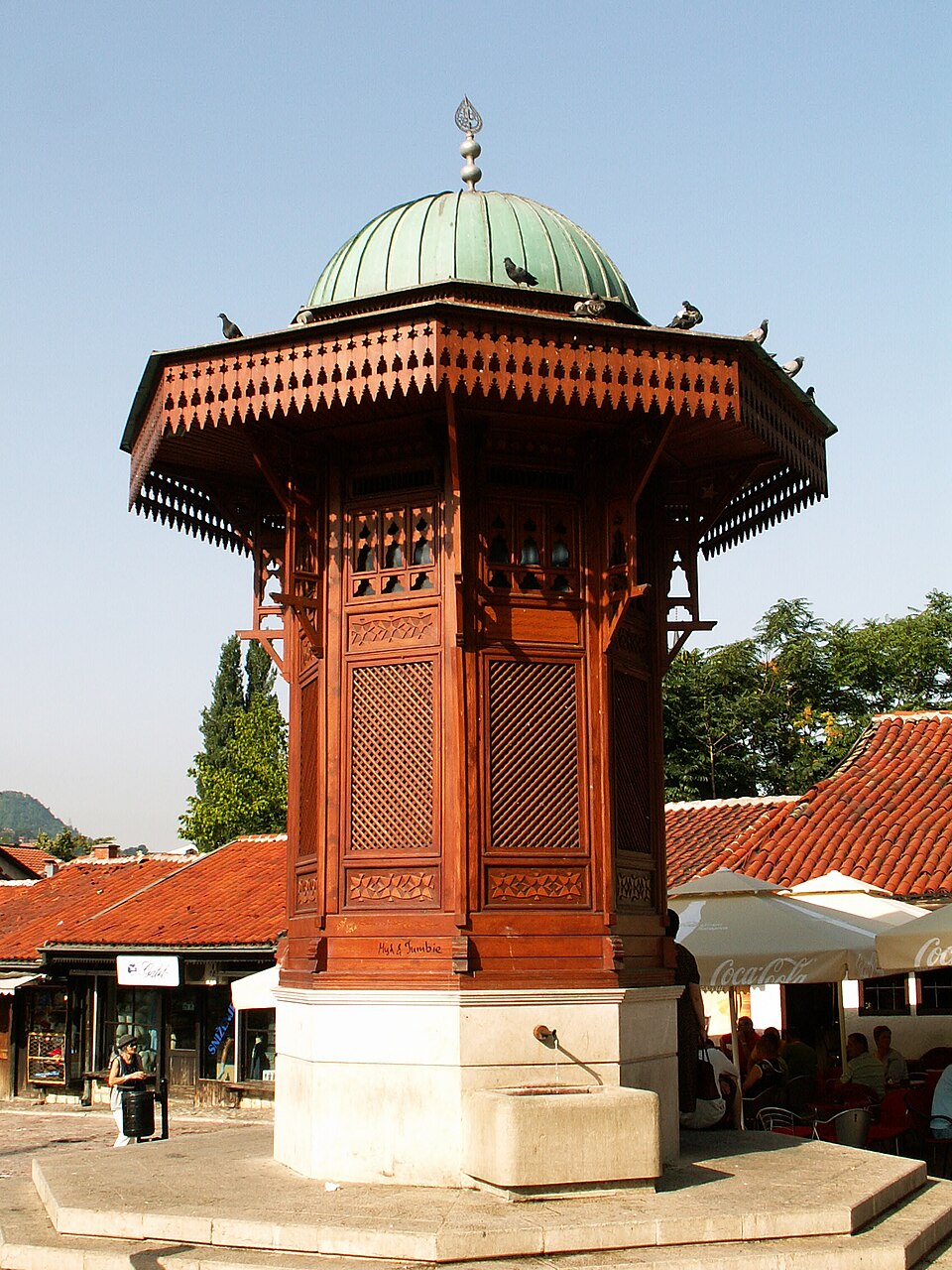
A wooden Ottoman fountain in the middle of Baščaršija square from 1891, the symbol of Sarajevo. It is said that whoever drinks from the fountain will return to the city. Pigeons and tourists gather around it.

Tip: Here is the best photograph of the city; keep it for the morning hours before the groups arrive. The water from the fountain is drinkable.

Admission:
free
Time needed:
15 min
The Latin Bridge

The Latin Bridge

Miljacka embankment

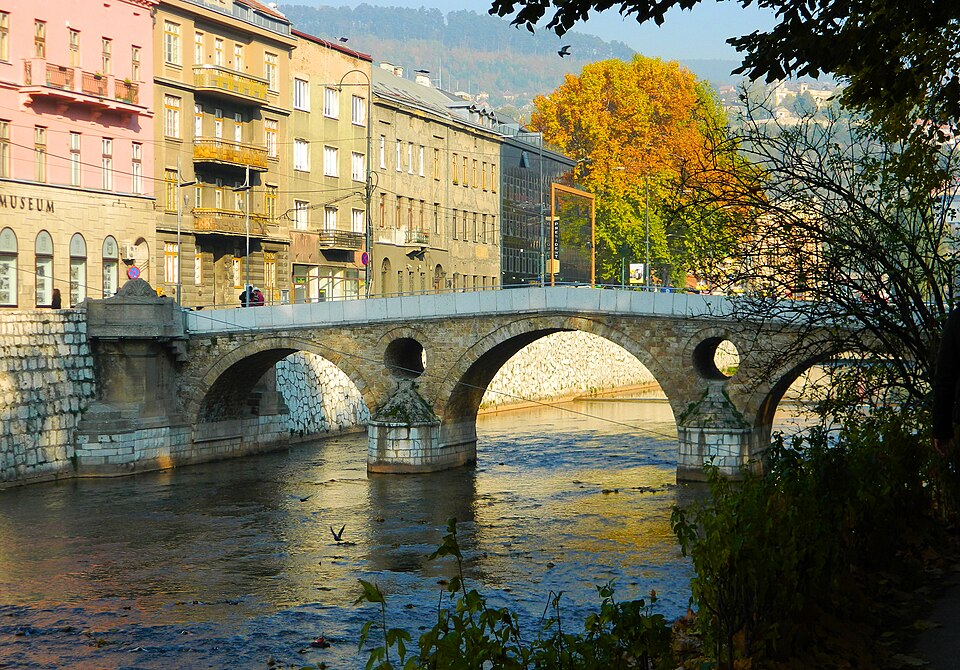
A stone bridge over the Miljacka river by which in 1914 Archduke Franz Ferdinand and his wife were shot. The assassination set off the First World War. By the bridge are a small museum and a memorial plaque.

Tip: The Sarajevo 1878–1918 museum is a few steps from the bridge and shows the context of the assassination. Entry costs about five marks.

Admission:
free
Time needed:
30 min
Gazi Husrev-beg Mosque

Gazi Husrev-beg Mosque

Baščaršija

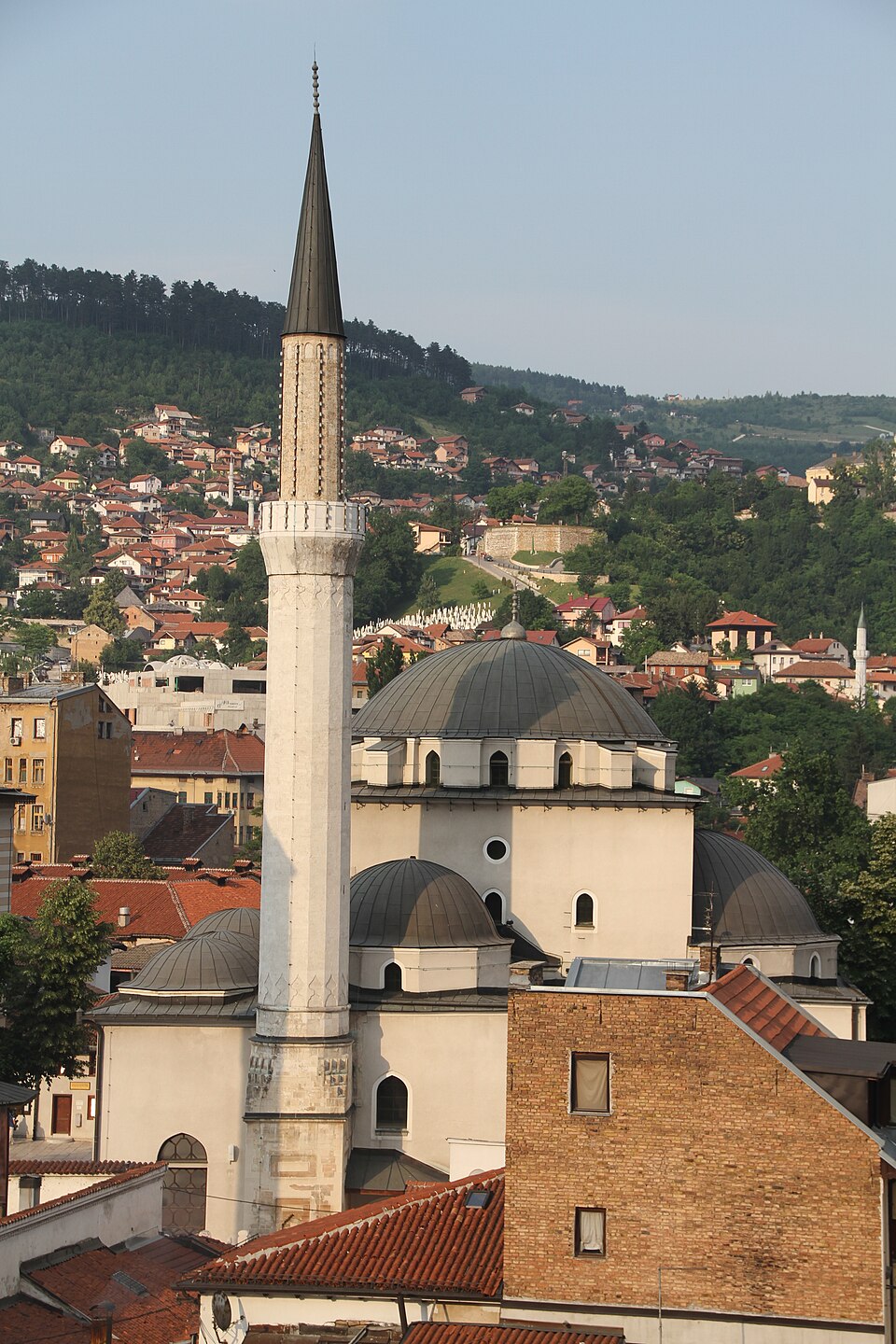
The largest historic mosque in Bosnia, from 1531, built by the governor of Sarajevo. It has a courtyard with a fountain and a minaret. It is the centre of Muslim life in the city and open to visitors outside prayer times.

Tip: Take off your shoes before entering and women cover head and shoulders; a scarf is lent. Entry costs about three marks. On Friday the main prayers are held.

Admission:
about KM 3
Time needed:
30 min
Vijećnica

Vijećnica

Miljacka embankment

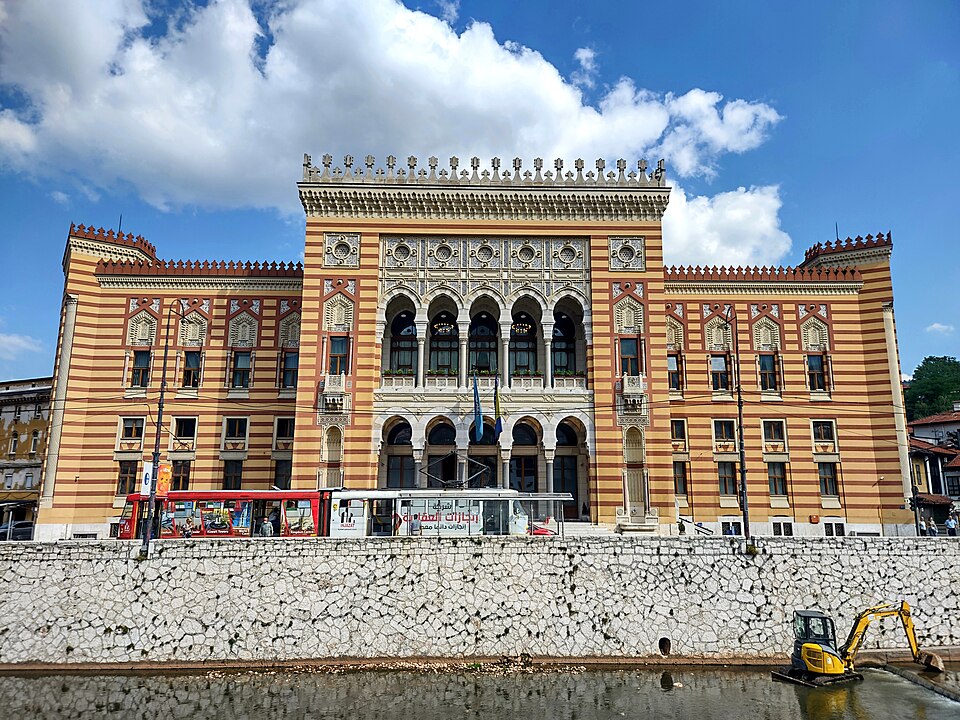
A City Hall in pseudo-Moorish style from 1896, which served as the national library and burned in the siege in 1992. After restoration it reopened in 2014 and today you can visit it. The interior with stained glass is magnificent.

Tip: Entry costs about ten marks. Combine the visit with a walk along the Miljacka river.

Admission:
about KM 10
Time needed:
1 hr

The Tunnel of Hope

by the airport

An eight-hundred-metre tunnel dug in 1993 during the siege beneath the airport runway, linking the city with free territory. Supplies, weapons and people passed through it. Today there is a museum with a short section of the tunnel and exhibits.

Tip: The museum is by the airport, seven kilometres from the centre; take a taxi or a bus. Entry costs about ten marks. We recommend watching the short film.

Admission:
about KM 10
Time needed:
1–2 hrs
The Yellow Fortress (Žuta Tabija)

The Yellow Fortress (Žuta Tabija)

above the old town

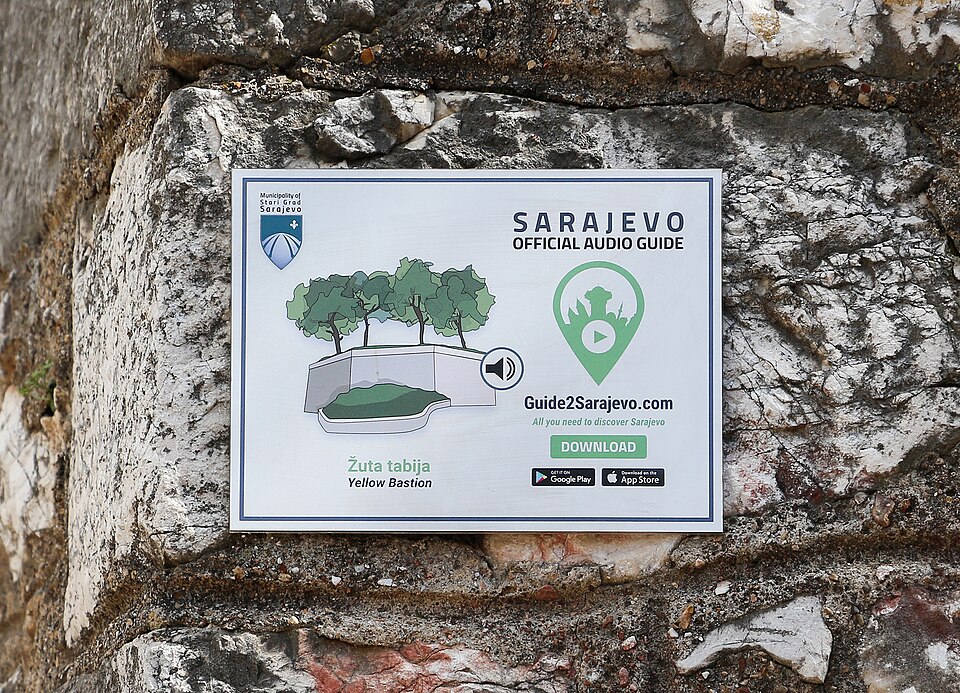
A viewpoint above the city where people go to photograph at sunset and where during Ramadan a cannon is fired to mark the end of the fast. The view of red roofs and minarets is unforgettable. A path leads up from the centre.

Tip: Walk up in twenty minutes; in summer bring water. It is best in the afternoon, before sunset.

Admission:
free
Time needed:
1 hr
Trebević and the Cable Car

Trebević and the Cable Car

above the city

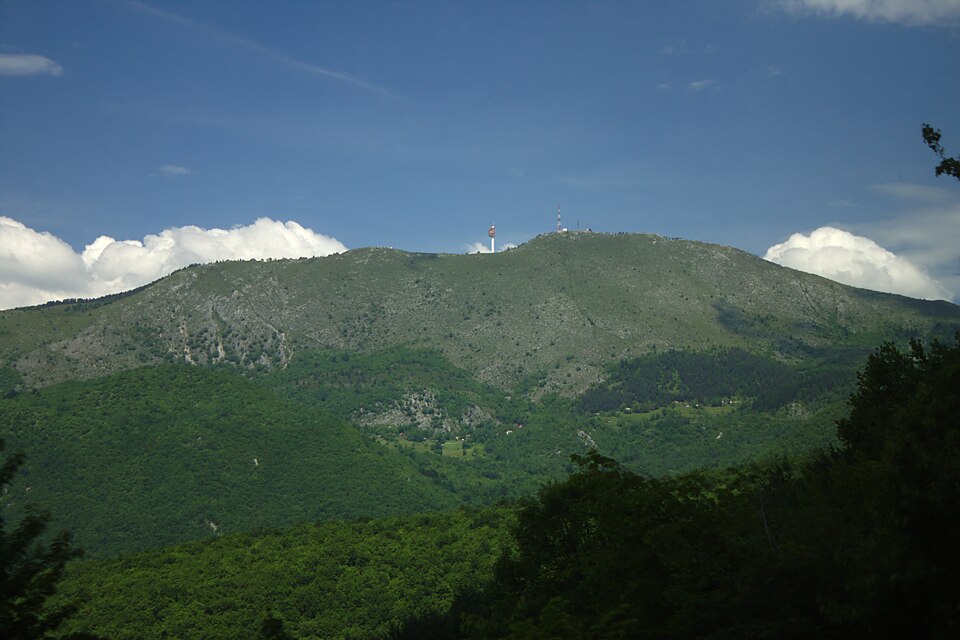
A mountain above the city reached by a restored cable car from the Miljacka embankment. At the top are trails, restaurants and the abandoned bobsled track from the 1984 Olympics, today covered in graffiti. The view of the city is excellent.

Tip: The cable car costs about ten marks and runs daily except Monday. The bobsled track is worth a walk; mind broken places.

Admission:
about KM 10
Time needed:
half a day
Vrelo Bosne

Vrelo Bosne

Ilidža

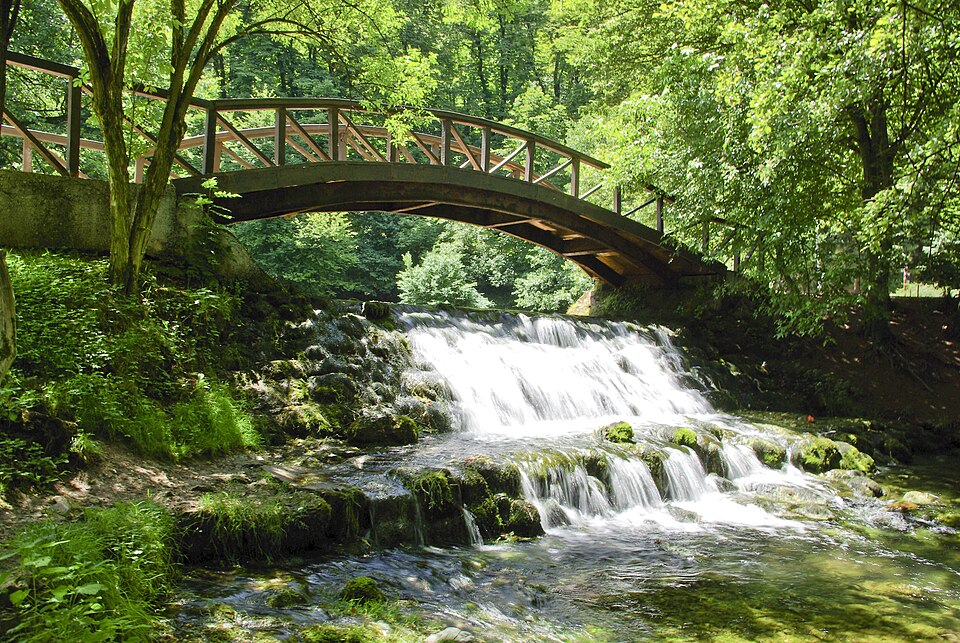
A park at the source of the Bosna river, twenty minutes from the centre by tram and horse-drawn carriage. There are avenues, ponds, ducks and a restaurant with trout. It is a favourite place for weekend walks.

Tip: From the centre take tram 3 to the terminus and then a carriage or walk. Entry is free; there is room around for a picnic.

Admission:
free
Time needed:
half a day

Photos: Baščaršija — Julian Nyča (CC BY-SA 3.0) · The Sebilj — Jaimrsilva (CC BY-SA 4.0) · The Latin Bridge — sundeviljeff (CC BY 2.0) · Gazi Husrev-beg Mosque — Bjoertvedt (CC BY-SA 3.0) · Vijećnica — Ladislav Boháč (CC0) · The Yellow Fortress (Žuta Tabija) — Bernard Gagnon (CC BY-SA 4.0) · Trebević and the Cable Car — I would appreciate being notified if you use my work outside Wikimedia. More of my work can be found in my personal gall (CC BY 3.0) · Vrelo Bosne — rejflinger from Vienna, Austria (CC BY 2.0)

Where to stay

Areas and districts, matched to the kind of trip you are taking

Baščaršija and the Old Town

Best for: monuments and cafés

The Ottoman centre with narrow lanes, hotels and restaurants. Everything is at hand and the surroundings picturesque. Best for a first visit.

Marijin Dvor

Best for: Austro-Hungarian centre

A district with skyscrapers, museums and department stores, ten minutes' walk from the old town. It has a modern and calmer setting. A good choice for a longer stay.

Vratnik and Kovači

Best for: views and calm

A hillside district with walls, fortifications and views of the city. It is calm and cheap, but with hills. Suits the adventurous.

Ilidža

Best for: greenery and spas

A suburban spa area with parks and springs, half an hour from the centre by tram. It is calm and natural. Suits families.

Getting around

From the airport

Sarajevo Airport (SJJ) is twelve kilometres from the centre and has direct flights from Prague. From the airport a bus and taxi run to the centre in twenty minutes. By car from the Czech Republic it is about nine hundred kilometres through Hungary and Croatia. There are also coach services from Prague and a train from Mostar.

Sarajevo Airport (SJJ) · 12 km

  • Taxi to the centre· 20 min· KM 20
  • Bus 100· 30 min· KM 2
  • Car rental· at the airport· €40

Around town

The old town can be walked in a day, but slopes are steep. Trams run along the valley to Ilidža. Taxis are cheap; use an app. A cable car leads up Trebević. For the surrounding mountains a car is handy.

On footThe old town is compact.
TramAlong the valley to Ilidža. · KM 1.8
TaxiCheap around town. · KM 5
Trebević cable carFrom the embankment. · KM 10

Useful apps: Google Maps, Bolt, Maps.me, Flixbus

When to go

Sarajevo has a continental climate with a hot summer and a cold winter. In July it is around twenty-eight degrees, in January around three and it snows. The best time is April to June and September to October. In winter skiers head to Jahorina and Bjelašnica.

Best time

April to June and September to October

What to avoid

January and February (cold and snow)

MonthJanFebMarAprMayJunJulAugSepOctNovDec
Day3°6°12°17°22°25°28°28°23°17°10°4°
Night-4°-3°1°5°10°13°15°15°11°7°3°-1°
Rainy days8891011987710109

Food & drink

Bosnian cooking is Ottoman and Balkan: grilled minced meats, pies with meat and cheese and sweet desserts. Food is cheap and portions large; lunch costs six to twelve euros. With meals people drink Bosnian coffee and yoghurt.

What to try

Ćevapi

Small sausages of minced beef and lamb, grilled and served in lepinja bread with onion and kajmak. Sarajevo ćevapi are the best known in the country.

Burek

Filo pastry filled with minced meat; the cheese version is sirnica, the spinach one zeljanica. Breakfast and snack for a few euros.

Bosnian coffee

Strong coffee brewed in a džezva and served with a sugar cube and Turkish delight. Sipped slowly and not stirred.

Baklava

Pastry of filo, nuts and syrup. Found in every cake shop.

Bosanski lonac

Slowly stewed meat with vegetables in a clay pot, a traditional dish. A hearty lunch.

Tufahija

An apple cooked in syrup, stuffed with walnuts and served with cream. A traditional Bosnian dessert.

Somun

A leavened flat bread eaten with ćevapi and soups. Fresh it is excellent.

What it costs

Coffee

KM 1.5–3

Ćevapi

KM 7–10

Burek

KM 3–5

Lunch in a restaurant

KM 12–25

Tunnel of Hope

KM 10

Trebević cable car

KM 10

3★ hotel (night)

KM 90–200

Taxi from the airport

KM 20

Indicative prices that change over time — treat them as a guide, not a price list.

Practical information

SocketsCEuroplug, two round pinsFSchuko
Voltage230V / 50Hz
Tap waterTap water is drinkable — Tap water in Sarajevo is usually safe, but most tourists drink bottled. Bottled water is cheap.
TippingTipping is customary, ten per cent in a restaurant or rounding up.
Driving on theright
SafetySarajevo is safe. In the surroundings there are unexploded mines — keep to marked paths. Watch for pickpockets in Baščaršija. The emergency number is 112.
Opening hoursShops are open from nine to eight, limited on Sunday. Mosques close at prayer times. Restaurants run until ten in the evening.
Customs & etiquetteMosques are entered without shoes and with shoulders and knees covered. During Ramadan people do not eat in public. Sarajevo is a mixed city, so be considerate.
A few local wordsGood day — Dobar danThank you — HvalaPlease — MolimHow much is it? — Koliko košta?Cheers — ŽivjeliThe bill, please — Račun, molimWhere is the toilet? — Gdje je toalet?

How to plan your days

1 day

A day in Sarajevo

  1. 1Morning Baščaršija and the Sebilj.
  2. 2Gazi Husrev-beg Mosque and Vijećnica.
  3. 3Lunch with ćevapi.
  4. 4Afternoon the Latin Bridge.
  5. 5Evening the Yellow Fortress at sunset.

2 days

Two days: Sarajevo and the Tunnel of Hope

  1. 1Day one as above.
  2. 2Day two morning the Tunnel of Hope.
  3. 3Afternoon Trebević by cable car.
  4. 4Evening dinner in Baščaršija.

3 days

Three days: Sarajevo and Mostar

  1. 1Days one and two as above.
  2. 2Day three by train to Mostar.
  3. 3Afternoon the Old Bridge.
  4. 4Evening return.

Day trips

Mostar

130 km · 2 hrs by train or car

A town with the Ottoman Old Bridge, a UNESCO site, and a bazaar. A train runs from Sarajevo through a scenic valley.

Jahorina

30 km · 40 min by car

A ski resort with Olympic history, hiking in summer. It offers hotels and views of the mountains.

Konjic and Lake Jablanica

65 km · 1 hr by car

A small town with an Ottoman bridge and a lake ringed by mountains. It suits half a day.

Frequently asked questions

Is Sarajevo safe?+

Yes, it is very safe and tourists are welcome. In the surroundings there are unexploded mines, so keep to marked paths. Watch for pickpockets in Baščaršija.

Do I need a visa for Bosnia?+

EU citizens do not need a visa for a stay of up to ninety days and may enter with a passport or an ID card. The passport must be valid. Conditions change, so check.

What do you pay with in Sarajevo?+

The convertible mark (BAM, KM), which is pegged to the euro at roughly two marks to the euro. Tourist places take euros but give change in marks. Cards are accepted in hotels and restaurants.

When is the best time to visit?+

April to June and September to October. In summer it is hot, in winter snowy. For skiing the best is January and February.

How many days should I stay in Sarajevo?+

Two to three days are enough for the centre, the Tunnel of Hope and Trebević. For Mostar or Jahorina add a day. The city is small and calm.

How do I get from the airport to the centre?+

By bus 100 for two marks in half an hour, or by taxi for twenty marks. For safety use the Bolt app.

What should I eat in Sarajevo?+

Ćevapi in somun, burek, Bosnian coffee and baklava. With them bosanski lonac and tufahija. Lunch costs six to twelve euros.

Is Sarajevo expensive?+

It is cheap: lunch costs six to twelve euros, a hotel ninety to two hundred marks. Cheapest are ćevapi and burek. You pay in marks.

Visa Requirements

Check the latest visa requirements for entering this country. Some nationalities may need to apply for a visa or e-visa before travel.

Check visa requirements

Language

Bosnian / Croatian / Serbian

Currency

BAM

Timezone

Europe/Sarajevo

Dial Code

+387

Population

3.2M

Area

51,197 km²

Voltage

230V / 50Hz

Driving Side

Right

Top Hotels in Sarajevo

Live prices from 500+ properties

Loading hotels...

More destinations in Bosnia and Herzegovina

Planning a trip to Sarajevo?

Compare hundreds of hotels, find the best price, and book with free cancellation on TravelManiac.