Hotels in Serengeti

An endless savanna where two million wildebeest chase the rains

Serengeti

LanguageEnglish
CurrencyTZS
TimezoneGMT+3
Temperature22-30 °C
Dial Code+255
Population65.5M
Area947,303 km²
SocketsType D / Type G
Tap waterNot drinkable

Discover Serengeti

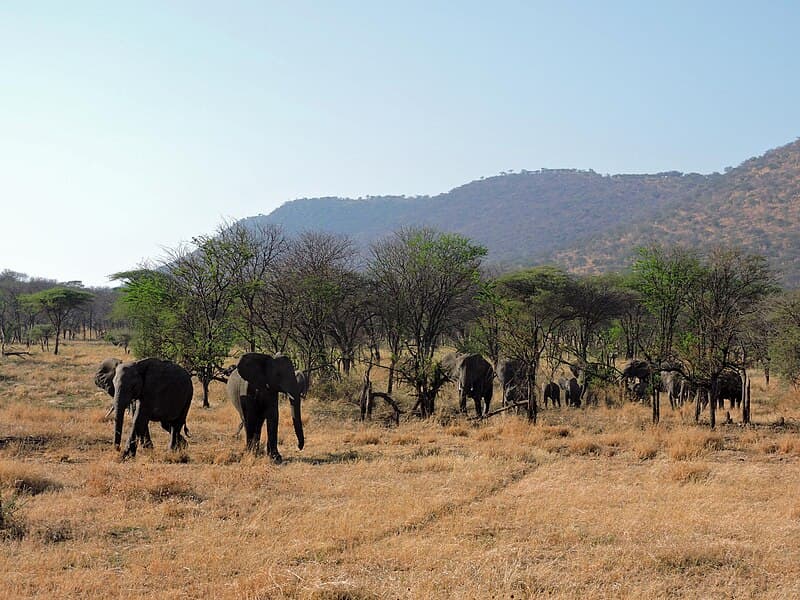
Serengeti is a national park in northern Tanzania covering almost fifteen thousand square kilometers; its name means "endless plain" in Maasai. It is Africa's most famous safari destination because it hosts the Great Migration: over a million wildebeest, along with hundreds of thousands of zebras and gazelles, travel in a year-round circuit chasing fresh grass after the rains, followed by lions, cheetahs, hyenas and, in the rivers, crocodiles. In January and February hundreds of thousands of calves are born within a few weeks on the southern plains near Lake Ndutu, and from July to October the herds cross the Mara River in the north, where crocodiles hunt them. In the Seronera Valley at the heart of the park you can see lions, leopards in acacia trees, and elephants year-round. Serengeti is most often visited as part of a northern Tanzania circuit together with Ngorongoro Crater, Tarangire and Lake Manyara, over three to seven days in an open-roof safari vehicle. Accommodation ranges from lodges and permanent tented camps to mobile camps that move with the migration.

What to see

The places worth your time in Serengeti, and what to expect at each

The Great Migration

The Great Migration

Whole park

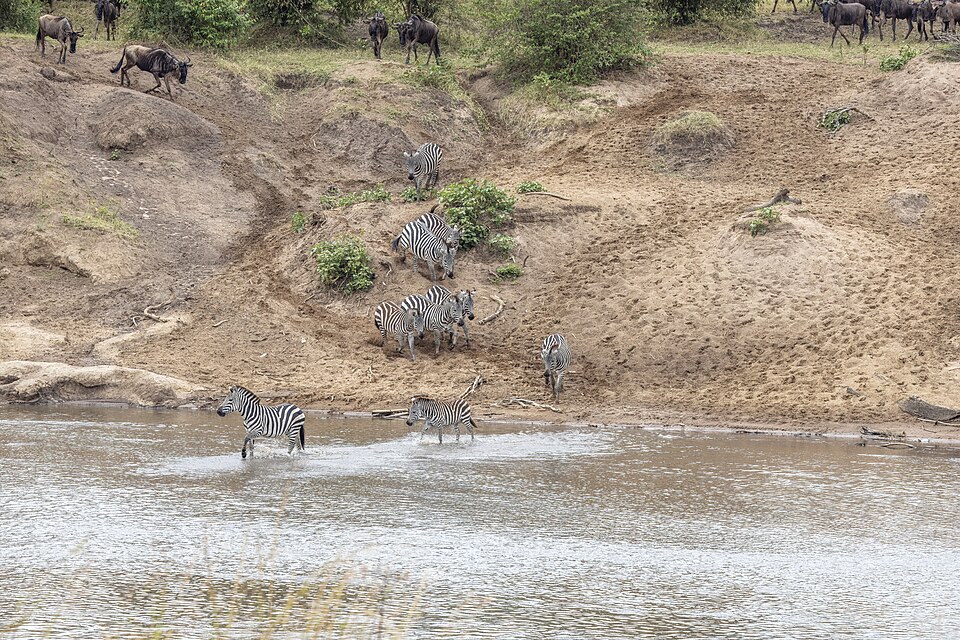
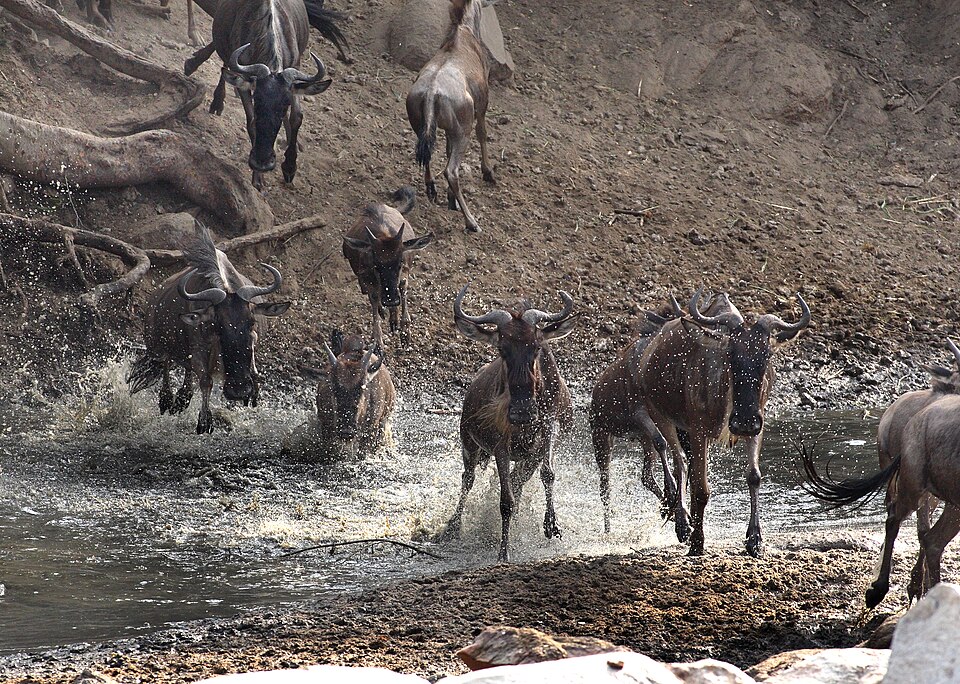
The largest movement of large mammals on Earth: roughly 1.3 million wildebeest, along with hundreds of thousands of zebras and gazelles, travel in a circuit between Serengeti and Kenya's Masai Mara. Where you'll find the herds changes by month — south in winter, west in spring, north in summer and autumn. Predators follow close behind.

Tip: Plan your safari around the month, not your vacation dates: your guide will take you where the herds currently are, but a lodge in the wrong part of the park can mean a four-hour drive. Mobile camps that move with the migration save you whole days of transfers. The herds are also visible from the air during transfer flights.

Admission:
park fee
Time needed:
3–5 days
Seronera Valley

Seronera Valley

Central Serengeti

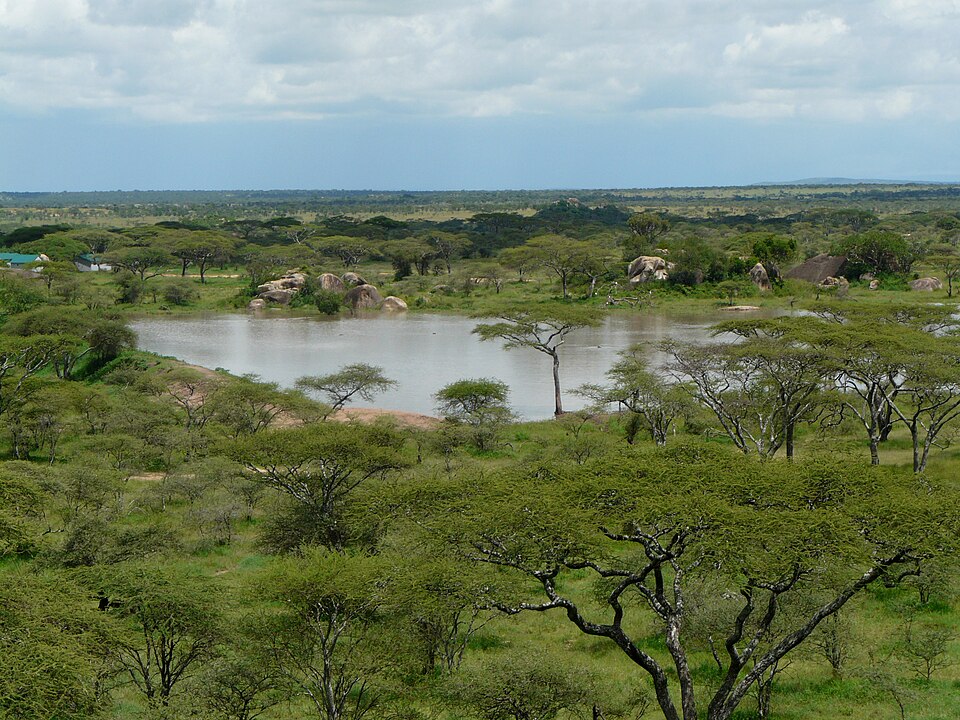
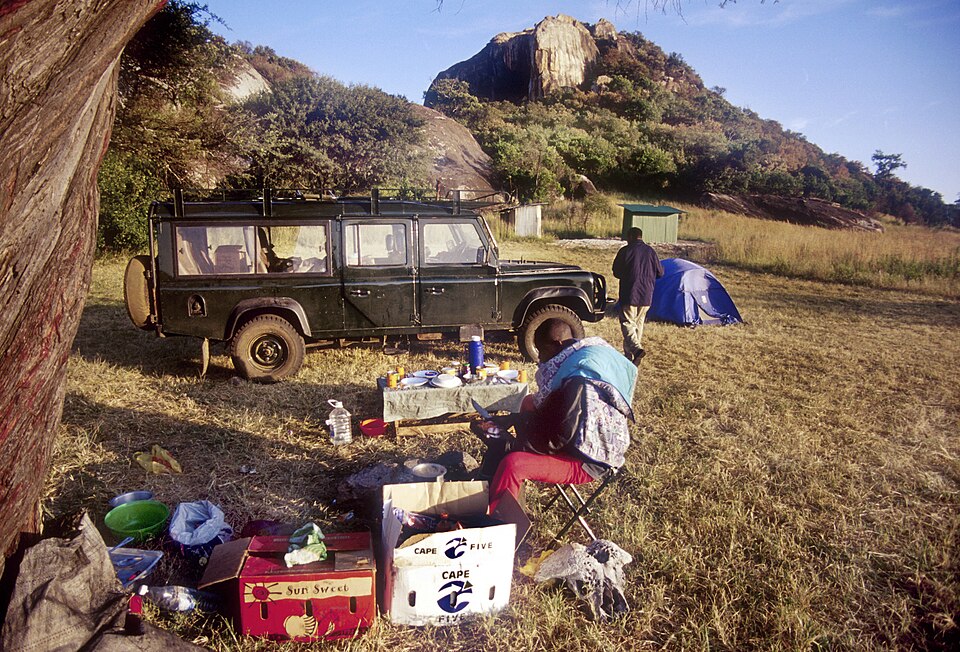
The heart of the park along the Seronera River, where a permanent water supply keeps wildlife present year-round. It's the best place in Africa to see leopards, which rest in the branches of paired acacias and sausage trees, and lions on granite kopjes. The park's main airstrip, visitor center and most lodges are here.

Tip: Seronera is the most reliable choice outside migration season, but also the busiest: when guides radio in a leopard sighting, twenty vehicles converge on it. Head out at six in the morning to have the wildlife to yourself for the first hour. The visitor center has a short trail up a kopje with hyraxes and a view over the plain.

Admission:
park fee
Time needed:
1–2 days
Ndutu and the southern plains

Ndutu and the southern plains

Southern Serengeti

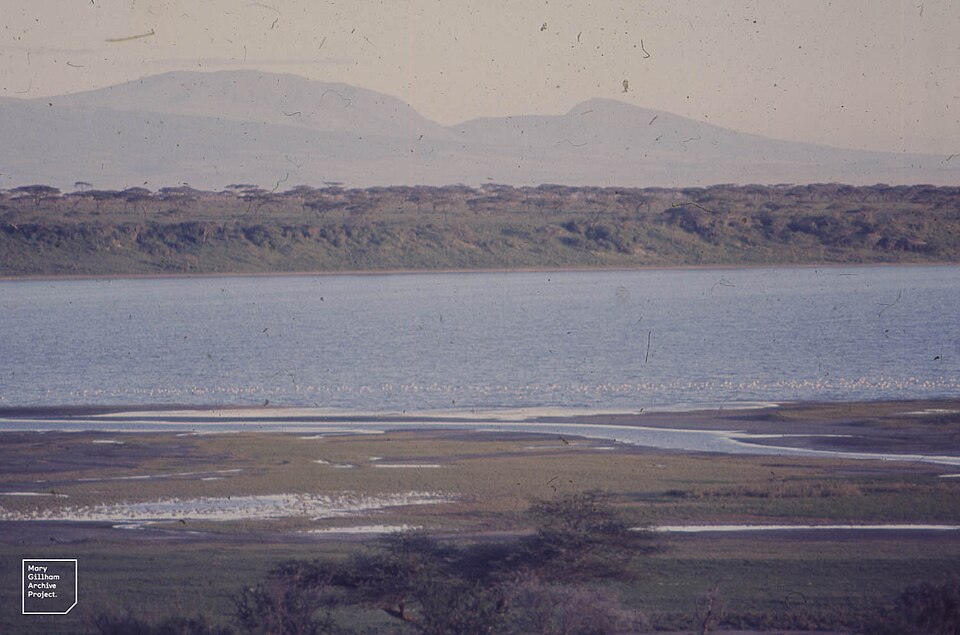
Short-grass plains in the south of the park and the neighboring Ngorongoro area, where herds gather from December to March. In January and February, over four hundred thousand wildebeest calves are born within three weeks, and cheetahs, lions and hyenas hunt daily in plain view. Flamingos and elephants gather around Lake Ndutu.

Tip: The Ndutu area technically lies outside the national park, so vehicles are allowed off-track, letting you get closer to kills than in Seronera. Camps here operate only in season, from December to March; outside that window the plains are parched and empty. February is the peak of calving and the best month for predators.

Admission:
Ngorongoro area fee
Time needed:
2 days
Mara River crossings

Mara River crossings

Kogatende, northern Serengeti

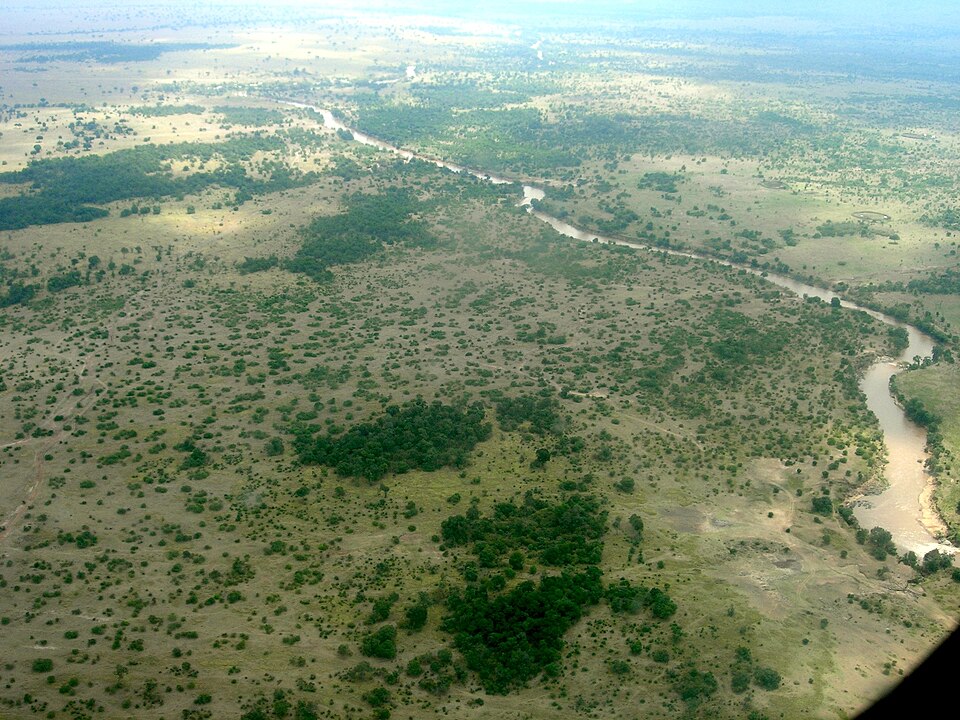
From July to October, herds gather on the banks of the Mara River in the north of the park and plunge into the current by the thousands — crocodiles and the current take their toll, and the rest scramble up the steep far bank. It's the most dramatic wildlife spectacle there is, but it can't be scheduled: herds sometimes wait on the bank for days.

Tip: For crossings, set out in the morning with a packed lunch and wait by the river all day; guides share information on where herds are gathering. The nearest airstrip is Kogatende, a forty-minute flight from Seronera instead of an eight-hour drive. Northern lodges sell out a year in advance during the season.

Admission:
park fee
Time needed:
2–3 days
Western Corridor and the Grumeti River

Western Corridor and the Grumeti River

Western Serengeti

A narrow arm of the park extending west toward Lake Victoria, where herds arrive from May to July and cross the Grumeti River. The river holds Serengeti's largest crocodiles, some over five meters long. Outside migration season it's quiet, with wooded riverbanks, colobus monkeys, and few vehicles.

Tip: The Grumeti crossings are smaller and shorter than at the Mara, but crowd-free and more reliable in June. In the private Grumeti concessions outside the park, night drives and walking safaris with an armed ranger are allowed. Tsetse flies are a nuisance here, so bring light-colored clothing and repellent.

Admission:
park fee
Time needed:
2 days
Moru Kopjes

Moru Kopjes

Central Serengeti

A cluster of giant granite boulders on the plain south of Seronera, where lions rest and hyraxes, rock hyraxes and, rarely, rhinos live. One boulder, Gong Rock, was once drummed on by the Maasai and rings like a bell, and a cave beneath it holds Maasai rock paintings of shields and animals.

Tip: Moru is the best spot for lion photos set against the landscape rather than just in the grass — lions here lie on rocks and are visible from a distance. Few vehicles come this way; ask your guide to stop at Gong Rock, where you're allowed to get out only with the guide present. The area lies on the route between Seronera and Ndutu.

Admission:
park fee
Time needed:
3 h
Retima Hippo Pool

Retima Hippo Pool

North of Seronera

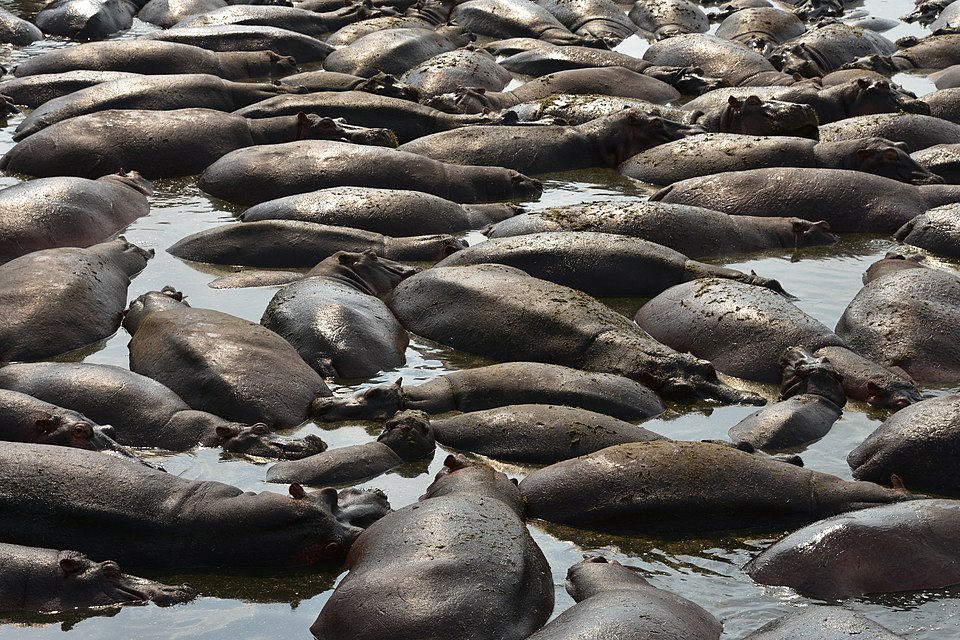
A pool at the confluence of the Seronera and Grumeti rivers, where more than two hundred hippos pack together, dozing, snorting and grunting loudly through the day. It's one of the few spots in the park where you're allowed out of the vehicle, at a viewpoint above the water. Crocodiles are often on the banks.

Tip: Hippos are most active early in the morning and late in the afternoon, when they return from grazing. The smell can be strong, especially in the dry season when the pool holds little water. You may only get out at the designated viewpoint — a hippo on land is faster than a person.

Admission:
park fee
Time needed:
45 min
Hot-air balloon safari

Hot-air balloon safari

Seronera, Ndutu

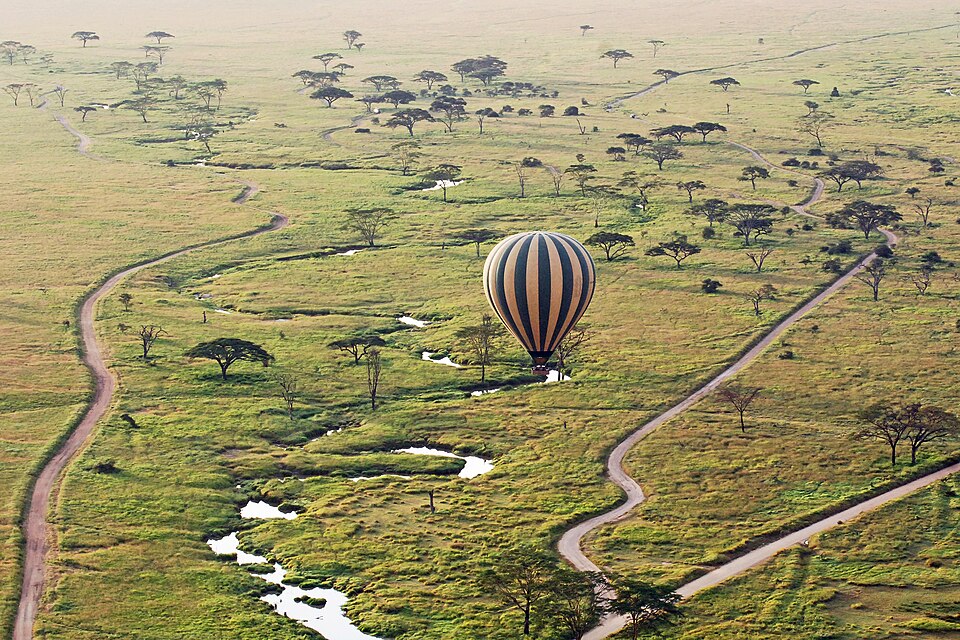
A one-hour dawn flight over the plains and rivers, drifting low over herds and lions in the grass. It ends with a champagne breakfast set up in the middle of the savanna. Launches take place from Seronera, and in season also from the southern plains and the north.

Tip: A flight costs around seven hundred dollars per person and pickup is at four in the morning, so book weeks ahead. Animals appear more distant from the air than from a vehicle; the experience is mainly about the landscape and the silence. It's best during migration season, when thousands of animals pass beneath you.

Admission:
600–750 USD
Time needed:
4 h including breakfast
Lobo area

Lobo area

Northeastern Serengeti

A hilly northeastern part of the park with kopjes, small woodlands and rivers that the herds pass through in August and November. There are far fewer vehicles here than in Seronera, giving guides more room to maneuver. Elephants, giraffes, buffalo and lion prides with large territories live here.

Tip: Lobo is ideal for a second safari day after Seronera, for those who don't want to queue behind other vehicles. Lobo Wildlife Lodge is built into the rocks of a kopje, and the view from the pool over the plain is among the best in the park. Outside migration season wildlife is more spread out, so expect longer drives.

Admission:
park fee
Time needed:
1 day

Photos: The Great Migration — Charles J. Sharp (CC BY-SA 4.0) · Seronera Valley — xorge (CC BY-SA 2.0) · Ndutu and the southern plains — Dr Mary Gillham Archive Project (CC BY 2.0) · Mara River crossings — Morris Pügner (Public domain) · Western Corridor and the Grumeti River — Wolves201 (CC BY-SA 4.0) · Moru Kopjes — Andreas Trepte (CC BY-SA 2.5) · Retima Hippo Pool — Richard Mortel from Riyadh, Saudi Arabia (CC BY 2.0) · Hot-air balloon safari — Harvey Barrison from Massapequa, NY, USA (CC BY-SA 2.0) · Lobo area — Wolves201 (CC BY-SA 4.0)

Where to stay

Areas and districts, matched to the kind of trip you are taking

Seronera

Best for: first safari, year-round

The center of the park with the highest year-round concentration of wildlife and its own airstrip. Lodges and permanent tented camps sit within reach of the main circuits, so less time is lost on transfers. It also has the most vehicles.

Ndutu and the south

Best for: migration December–March, calving

Seasonal camps and a few lodges on the park boundary, where the migration gathers in winter. In February, the best area in Africa for predators; nearly empty out of season.

Kogatende and the north

Best for: Mara River crossings

A remote northern part of the park with luxury camps above the Mara River, reached by small aircraft. From July to October it's the main migration destination; the rest of the year it's quiet and less visited.

Western Corridor

Best for: migration May–July, tranquility

A wooded area along the Grumeti River with private concessions permitting walking safaris and night drives. Fewer vehicles, more privacy, but wildlife thins out here in winter due to the rains.

Getting around

From the airport

From Prague, flights to Kilimanjaro (JRO) require one connection, most commonly via Amsterdam with KLM, Doha with Qatar Airways, Istanbul with Turkish Airlines, or Addis Ababa with Ethiopian; the journey takes fifteen to eighteen hours. From there it's an hour to Arusha, the starting point for all safaris. From Arusha, driving to Serengeti via Ngorongoro Crater takes about eight hours (325 kilometers, the second half on a dirt road), or you can fly by small aircraft from Arusha Airport (ARK) to the Seronera airstrip in an hour and a quarter. A visa can be bought online as an e-visa or on arrival for fifty dollars.

Kilimanjaro International (JRO)

  • Transfer to Arusha· 1 h· 50 USD
  • Domestic flight to Seronera (via Arusha)· 2 h· 350 USD

Arusha (domestic) (ARK)

  • Flight to Seronera airstrip· 1 h 15 min· 250 USD
  • Safari vehicle via Ngorongoro· 8 h· included in safari

Seronera airstrip (SEU) · 5 km

  • Lodge vehicle pickup· 15–60 min· included in stay

Around town

Getting around Serengeti is exclusively by vehicle with a driver-guide, most often an open-roof Land Cruiser seating six. Self-driving a rental car is possible, but without knowledge of the terrain and wildlife you'll waste time and miss the best sightings. Safaris are booked either shared with a group or private, with the price covering the vehicle, guide, park fees, accommodation and meals. Distances are large: it's a five-hour drive from Seronera to the north, so flights between sections of the park are common. Coastal, Auric and Regional Air operate circuits between the park's airstrips.

Safari vehicle with guideOpen-roof Land Cruiser, private or shared. · 250 USD/day per vehicle
Domestic flightBetween Arusha and the park's airstrips, and between airstrips. · 200 USD
Multi-day organized safariVehicle, guide, fees, accommodation and meals included. · 350 USD/person/day
Camping safariA cheaper option in tents at public campsites. · 200 USD/person/day

Useful apps: Google Maps (offline), WhatsApp, Coastal Aviation

When to go

Serengeti is good year-round, but what and where you see it depends on the month. January to March brings the calving season on the southern Ndutu plains, with a high concentration of predators. April and May are the long rains, when lodges offer discounts and some close, roads turn muddy, but the landscape is green and empty. In June and July the herds move through the Western Corridor; July to October brings the Mara River crossings in the north and the high season with the highest prices. November and December bring short rains and the herds' return south. The dry season from June to October is best for viewing, as wildlife stays near water and the grass is short.

Best time

January–February for calving, July–September for river crossings

What to avoid

April–May (long rains)

MonthJanFebMarAprMayJunJulAugSepOctNovDec
Day28°28°28°26°25°25°25°26°28°29°28°28°
Night15°15°16°16°15°13°12°13°14°15°15°15°
Rainy days9912169211251010

Food & drink

Meals on safari are taken at lodges and camps, usually included as full board: a buffet breakfast, a packed lunch in the vehicle or at camp, and a three-course dinner. The cuisine is international with Tanzanian dishes — ugali, pilau, grilled meats and coconut sauces. At mobile camps, a cook prepares dinner over an open fire and it's served at a table in the bush under the stars. Tanzanian beers Kilimanjaro, Safari and Serengeti are popular, and better lodges also serve South African wines. Water is bottled or filtered and included in the price.

What to try

Ugali

A thick maize-flour porridge eaten across East Africa in place of bread — you tear off a piece, shape it in your palm, and use it to scoop up sauce. On its own it's bland; it's a vehicle for other flavors, not a dish in itself.

Pilau

Rice cooked in broth with cardamom, cloves, cinnamon and cumin, with pieces of beef or chicken. It's the quintessential Zanzibari dish — the island grew rich on spices, and pilau carries six of them at once.

Mishkaki

Marinated beef skewers grilled over charcoal and served with maize porridge or chips. A popular evening street food that locals grab on their way home from work; one skewer costs a couple of thousand shillings.

Nyama choma

Grilled goat or beef cooked over charcoal, served with kachumbari (a tomato and onion salad) and ugali. The national dish for gathering together, often prepared as an evening campfire meal at lodges.

Chipsi mayai

An omelet with fries baked inside, the most popular street food in Tanzania. You're more likely to try it in Arusha than in the park.

Mandazi

Fried, slightly sweet dough triangles flavored with coconut and cardamom, served with tea at breakfast or on the morning game drive.

Tanzanian beer

Kilimanjaro, Safari and Serengeti are Tanzanian lagers, drunk chilled at sunset as a sundowner. A bottle costs five to eight dollars at a lodge.

Kilimanjaro coffee

Arabica from plantations at the foot of Kilimanjaro and Meru, strong and on the acidic side. At plantations near Arusha you can join in the picking and roasting.

What it costs

Park fee per person per day

around 83 USD

Vehicle fee for Ngorongoro Crater

295 USD

Shared safari per person per day

250–400 USD

Private safari with mid-range lodge, per person per day

450–700 USD

Luxury tented camp per person per night

800–2,000 USD

Hot-air balloon flight

600–750 USD

Beer at a lodge

5–8 USD

Guide tip per day

15–20 USD

Indicative prices that change over time — treat them as a guide, not a price list.

Practical information

SocketsDthree round pins (India)GBritish, three rectangular pins
Voltage230V / 50Hz
Tap waterDo not drink tap water — Don't drink tap water or brush your teeth with it, and avoid ice outside hotels and vetted restaurants. Bottled water costs around a thousand shillings a bottle in shops and is often free in resort rooms. Peel your own fruit and avoid salads outside hotels for the first few days until your stomach adjusts.
TippingOn safari, tips form a substantial part of crew income and are factored into the budget: drivers/guides receive fifteen to twenty dollars per day from the whole group, or per person on a private safari, while a camp cook gets ten dollars. Lodges usually have a shared staff tip box, to which ten to fifteen dollars per day is added by the end of the stay. Pay in clean dollar bills printed after 2009, or in shillings.
Driving on theleft
SafetySerengeti is safe in terms of crime; on safari you're practically always in a vehicle or in a camp with security. You only get out of the vehicle at designated spots, since lions and leopards resting in the grass are often invisible. At unfenced camps and lodges a Maasai guard with a flashlight escorts you to your room after dark — you never walk alone at night. Serengeti lies in a malaria zone — discuss antimalarials with a doctor, sleep under a net, and apply repellent in the evening. Tsetse flies are found in wooded areas in the west and north; they're attracted to dark blue and black, so wear beige and khaki instead. Yellow fever vaccination is required only if arriving from a country where it occurs.
Opening hoursPark gates open at six in the morning and close at six in the evening; after dark only vehicles with a permit may drive in the park. A safari day starts with a dawn drive, when predators are active, a midday rest at camp, and another drive out toward sunset. Lodges serve dinner around half past seven, and camp electricity, often solar-powered, frequently runs only until midnight.
Customs & etiquetteWhen watching animals, speak quietly in the vehicle, don't stand up abruptly through the open roof, and never feed the animals. Guides are not allowed to drive off-track in the park's central areas, and rangers fine anyone who pressures a guide into breaking the rules. Maasai in villages around the park should only be photographed with permission, often for a fee, and visits to their bomas are usually arranged through a guide. Tanzania is a conservative country; outside lodges, covered shoulders and knees are appropriate.
A few local wordsHello — Jambo / HabariThank you — AsanteHow much is it? — Bei gani?No, thank you — Hapana, asanteSlowly, please — Pole pole

How to plan your days

1 day

Serengeti in one day (by air)

  1. 1Morning flight from Arusha to Seronera airstrip.
  2. 2Morning game drive through Seronera Valley for leopards and lions.
  3. 3Lunch at a lodge or picnic spot.
  4. 4Afternoon visit to Retima Hippo Pool and the kopjes.
  5. 5Evening flight back, or an overnight at camp.

2 days

Serengeti in two days

  1. 1Day 1: arrive via Ngorongoro, afternoon in Seronera.
  2. 2Sunset at the kopjes and an overnight at a tented camp.
  3. 3Day 2: dawn drive, heading south to Ndutu or north to Lobo depending on season.
  4. 4Moru Kopjes and Gong Rock.
  5. 5Afternoon transfer back toward the edge of Ngorongoro Crater.

3 days

Northern Tanzania in three days

  1. 1Day 1: Arusha – Tarangire, with elephants and baobabs.
  2. 2Day 2: cross the rim of the crater into Serengeti, afternoon in Seronera.
  3. 3Day 3: morning hot-air balloon flight, then a full day following the migration.
  4. 4Overnight at a mobile camp near the herds.
  5. 5On the way back, descend into Ngorongoro Crater.

Day trips

Ngorongoro Crater

145 km · 3 h by car from Seronera

The largest intact caldera in the world, twenty kilometers wide and six hundred meters deep, home to around thirty thousand animals on its floor, including rare black rhinos, lions and elephants with enormous tusks. Vehicles descend into the crater at six in the morning and are allowed to stay for six hours. A separate vehicle fee of 295 dollars applies. It lies on the route between Arusha and Serengeti.

Olduvai Gorge

90 km · 1 h 45 min by car

The cradle of humankind: a gorge where the Leakeys found hominid fossils up to two million years old. A small museum on the rim of the gorge displays tools, skulls and the 3.6-million-year-old footprints from Laetoli. A one-hour stop on the way between the crater and Serengeti that most guides include.

Lake Natron

250 km · 6 h by car

A soda lake beneath the active volcano Ol Doinyo Lengai, home to most of the world's lesser flamingos, its water tinted red by algae. Nearby are canyon waterfalls reached with a Maasai guide, and a night climb up the volcano. The road is rough and the trip is only worthwhile with an overnight stay.

Frequently asked questions

When is the best time for a Serengeti safari?+

It depends on what you want to see. For wildebeest births and predator action, the best months are January and February in the south; for river crossings, July to September in the north. The dry season from June to October is the most comfortable and offers the best game viewing. The long rains in April and May are the least suitable.

How much does a Serengeti safari cost?+

A shared safari costs 250–400 dollars per person per day, a private safari with mid-range lodges 450–700, and luxury camps from 1,000 dollars. This includes a vehicle with a guide, park fees, accommodation and full board. Tips, flights and visas are extra.

How many days do you need for Serengeti?+

At least two to three days for Serengeti itself, since the park is huge and transfers take hours. A full circuit of northern Tanzania with Tarangire, Ngorongoro and Serengeti takes five to seven days. A shorter stay only makes sense if you fly in.

Is a lodge or a tented camp better?+

Permanent tented camps have their own bathroom, beds and electricity, and the bush experience is stronger — at night you hear lions. Lodges are more comfortable, with a pool and restaurant, but more isolated from nature. Mobile camps move with the migration, so you're always close to the herds.

Do I need vaccinations and antimalarials?+

No vaccinations are mandatory, except for yellow fever if arriving from a country where it occurs. Hepatitis A and B, typhoid and tetanus are recommended. Serengeti lies in a malaria area, so discuss antimalarials with a travel doctor at least a month before departure.

Can Serengeti be combined with Zanzibar?+

Yes, it's the most common combination. From Arusha or directly from the Serengeti airstrip, it's a one-to-two-hour flight to Zanzibar, so you can relax on the beach after the safari. A week of safari and a week by the sea is the classic plan for a first trip to Tanzania.

What should I pack for a safari?+

Clothing in neutral colors — beige, khaki, olive — never dark blue or black, which attract tsetse flies. Layers, since mornings are cold and days are hot, plus a hat, sunglasses and binoculars. Small aircraft enforce a 15-kilogram luggage limit in a soft bag.

Is safari suitable for children?+

Families with children aged six and up generally do well on safari; younger kids get bored in the vehicle, and some lodges and camps don't accept them. A private safari lets you adjust the pace. Antimalarials for children should also be discussed with a doctor.

Visa Requirements

Check the latest visa requirements for entering this country. Some nationalities may need to apply for a visa or e-visa before travel.

Check visa requirements

Language

Swahili / English

Currency

TZS

Timezone

GMT+3

Dial Code

+255

Population

65.5M

Area

947,303 km²

Voltage

230V / 50Hz

Driving Side

Left

Top Hotels in Serengeti

Live prices from 500+ properties

Loading hotels...

More destinations in Tanzania

Planning a trip to Serengeti?

Compare hundreds of hotels, find the best price, and book with free cancellation on TravelManiac.