Hotels in Tegucigalpa

Honduras's mountain capital: a colonial center, Christ watching over the city, and pine forests just beyond it

Tegucigalpa

LanguageSpanish
CurrencyHNL
TimezoneAmerica/Tegucigalpa
Temperature22-32 °C
Dial Code+504
Population10.3M
Area112,090 km²
SocketsType A / Type B
Tap waterNot drinkable

Discover Tegucigalpa

Tegucigalpa, shortened by Hondurans to Tegus, is the capital of Honduras, sitting in a mountain valley at just under a thousand meters, ringed by pine-covered hills. It began in 1578 as a Spanish silver-mining town, and its name is often explained as 'Silver Hills,' though linguists doubt it. It only became the capital in 1880, and today, together with Comayagüela across the Choluteca River, it forms a metropolitan area of over a million people. Tegucigalpa isn't a typical tourist destination — most visitors to Honduras head straight for Roatán island or the Maya ruins at Copán — and it carries a reputation as one of the most dangerous capitals in the Americas. Those who do come, though, find a colonial center with a Baroque cathedral and eighteenth-century churches, an excellent museum of national identity, a giant statue of Christ on El Picacho hill overlooking the whole valley, and nearby former mining villages like Valle de Ángeles and Santa Lucía with cobbled streets, plus the pine-forested cloud forest of La Tigra. A day or two in Tegucigalpa makes sense at the start of a Honduras trip, taken with the caution the city requires.

What to see

The places worth your time in Tegucigalpa, and what to expect at each

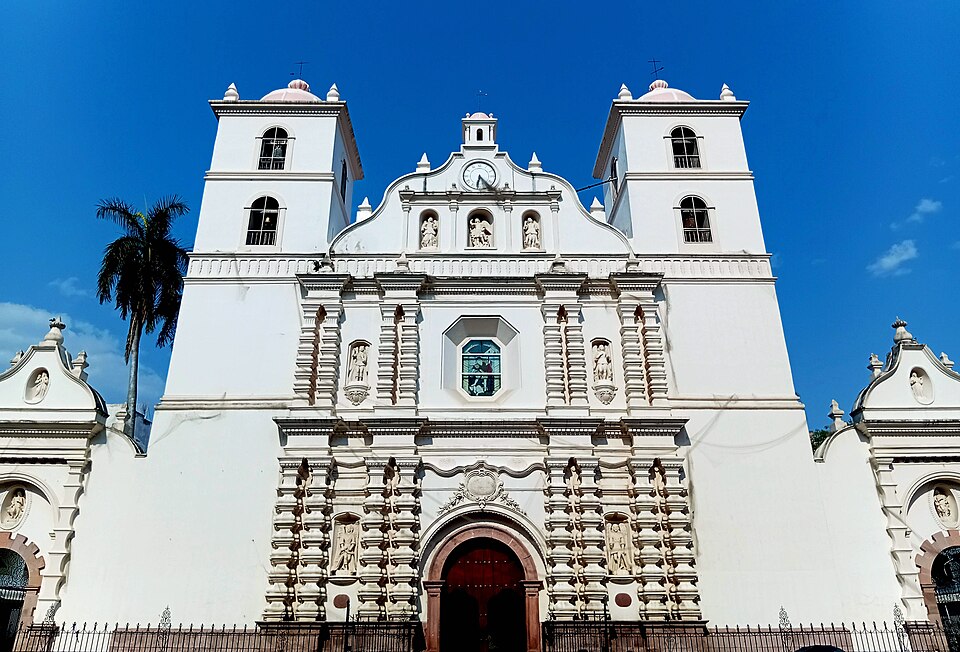
Tegucigalpa Cathedral (San Miguel Arcángel)

Tegucigalpa Cathedral (San Miguel Arcángel)

Centro Histórico

A Baroque cathedral built 1765–1782, with a white facade, twin towers, and a dome, on the main square, Parque Central. Inside is a gilded wooden altarpiece carved over twelve years, along with colonial-era paintings. An equestrian statue of General Francisco Morazán, a hero across Central America, stands in front, and the square draws vendors and retirees alike.

Tip: The cathedral is open during the day and free to enter, but shorts will get you turned away at the door. The pedestrian street Paseo Liquidámbar, lined with cafés and shops, runs off the square. The center is patrolled by police during the day, but keep your phone out of sight and don't linger on the square after dark.

Admission:
free
Time needed:
30 min
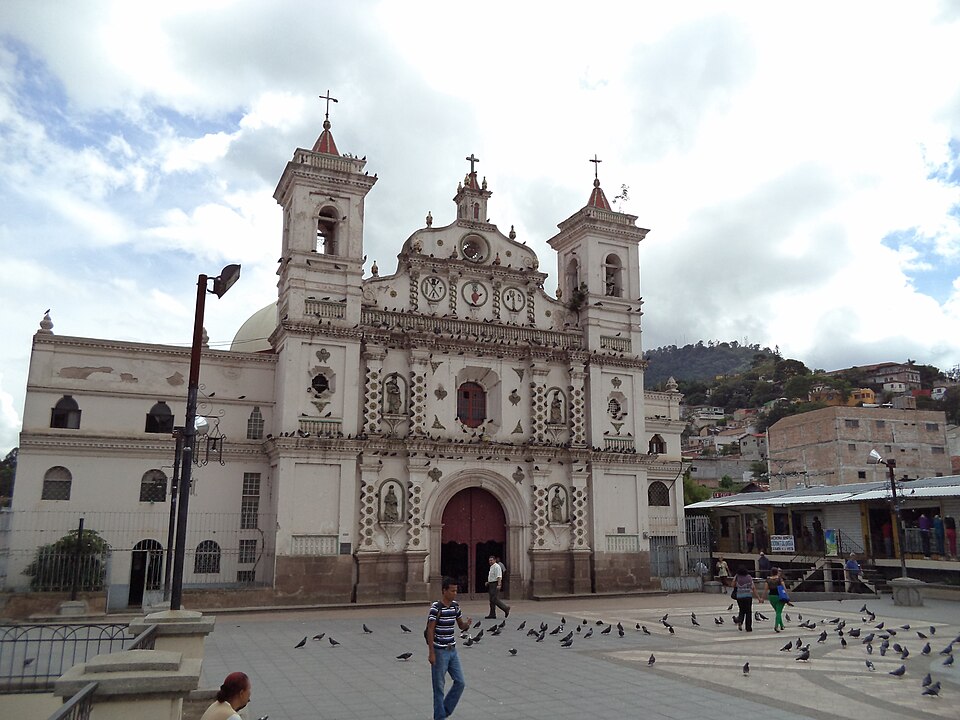
Iglesia de Los Dolores

Iglesia de Los Dolores

Centro Histórico

A 1732 Baroque church whose facade carries carved symbols of Christ's Passion instead of the usual saints — a hammer, nails, dice, and a rooster. It's the finest colonial facade in Tegucigalpa. The church sits on a small square where Easter processions cross carpets of colored sawdust.

Tip: During Holy Week, carpets of colored sawdust and flowers are laid out in front of the church for processions to walk over — best seen on Good Friday morning. It's a five-minute walk from the cathedral. The streets around the church are a busy market area, so watch your pockets.

Admission:
free
Time needed:
20 min
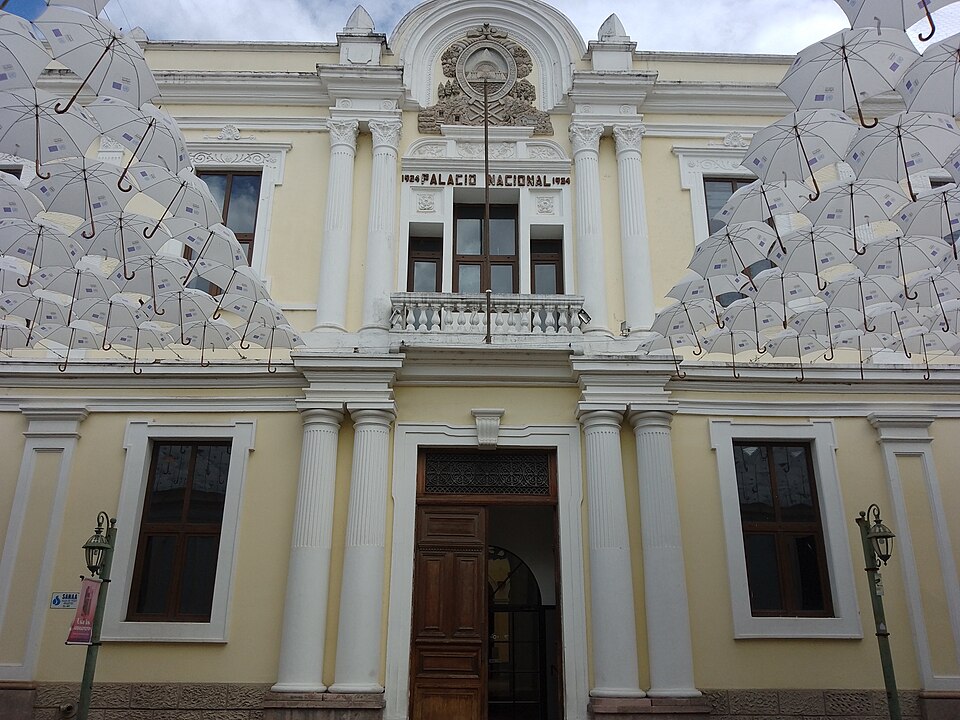
Museo para la Identidad Nacional

Museo para la Identidad Nacional

Centro Histórico

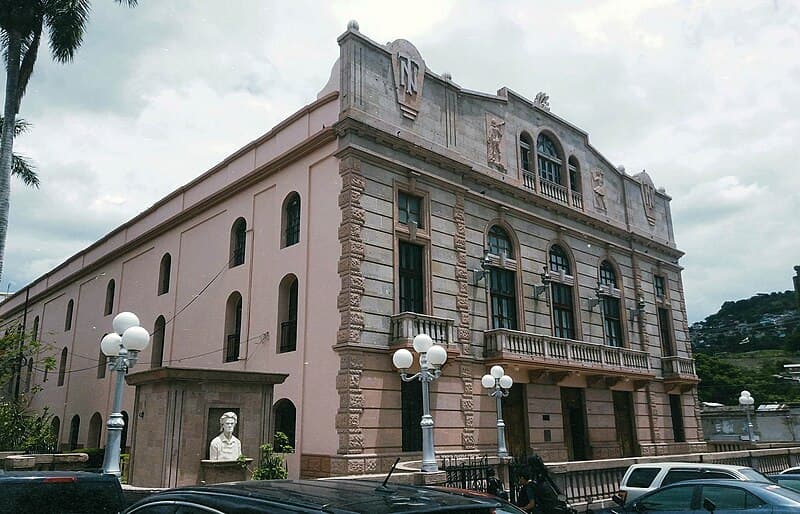
The National Museum of Identity, housed in a former 1880 ministerial palace, is the country's best museum. It walks visitors chronologically through Honduran history, from geology through the Maya, the colonial era, and the banana-republic period to the present. The biggest draw is a virtual tour of the Maya city of Copán, with a three-dimensional reconstruction of its temples.

Tip: A virtual tour of Copán screens in its own room at set times and is included in admission — if Copán is on your itinerary, this is the best way to prepare. Closed on Mondays. The museum is two blocks from the cathedral, with a café downstairs to escape the heat.

Admission:
around HNL 150
Time needed:
1.5–2 h
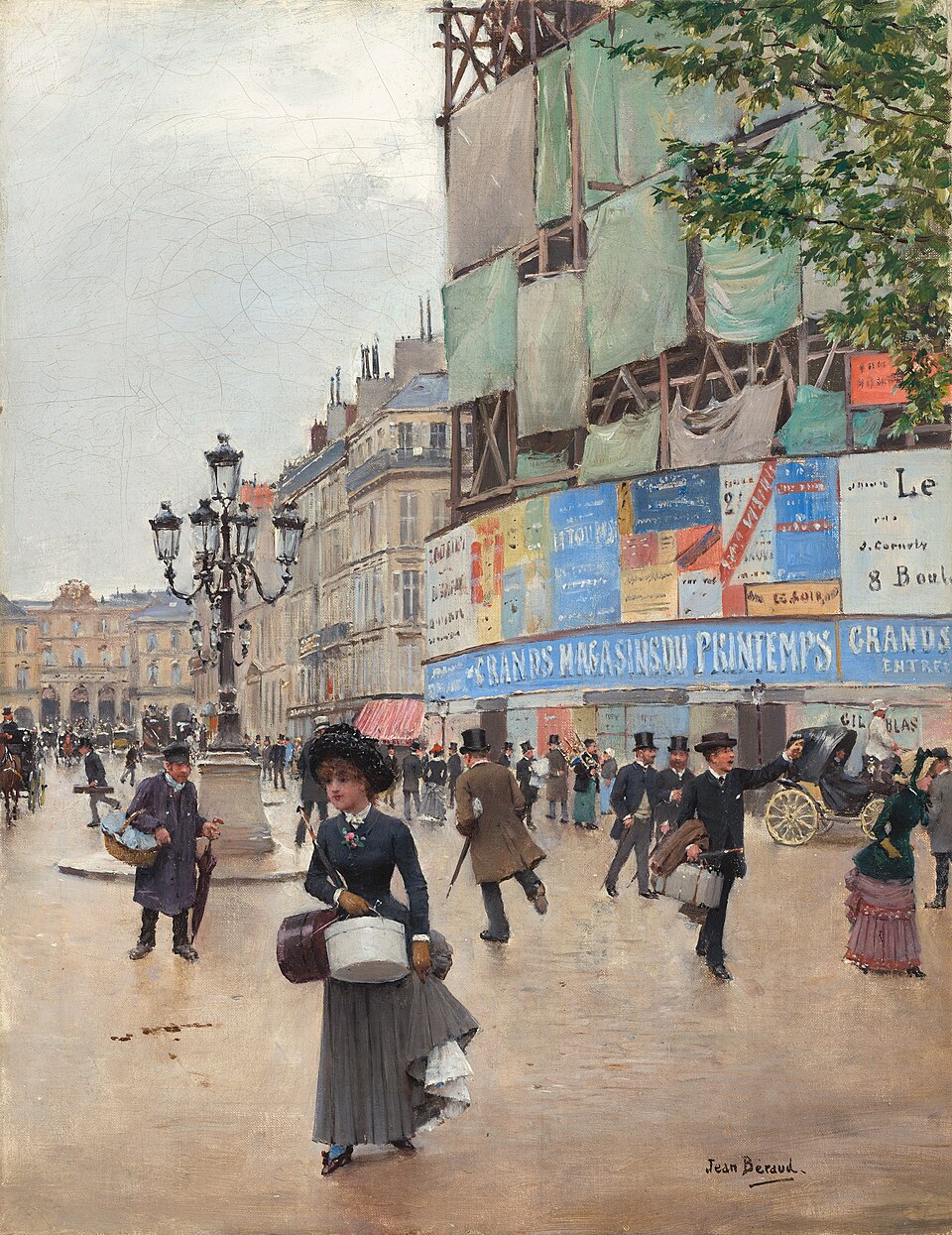
National Gallery of Art

National Gallery of Art

Galería Nacional de Arte

Centro Histórico

A gallery in the former eighteenth-century La Merced convent, next to the parliament building. The collection opens with rock art and Maya ceramics, continues through colonial religious art, and ends with twentieth-century Honduran painters, including the naive artist José Antonio Velásquez, whose paintings of the village of San Antonio de Oriente are known across Latin America.

Tip: The gallery is small and well laid-out, and its cloistered courtyard offers a calm you won't find elsewhere downtown. Next door stands La Merced church, where Honduras's first university was founded in 1847. An hour is enough for a full visit.

Admission:
around HNL 60
Time needed:
1 h
Villa Roy

Villa Roy

Museo Histórico de la República

Colonia Palmira / Buenos Aires

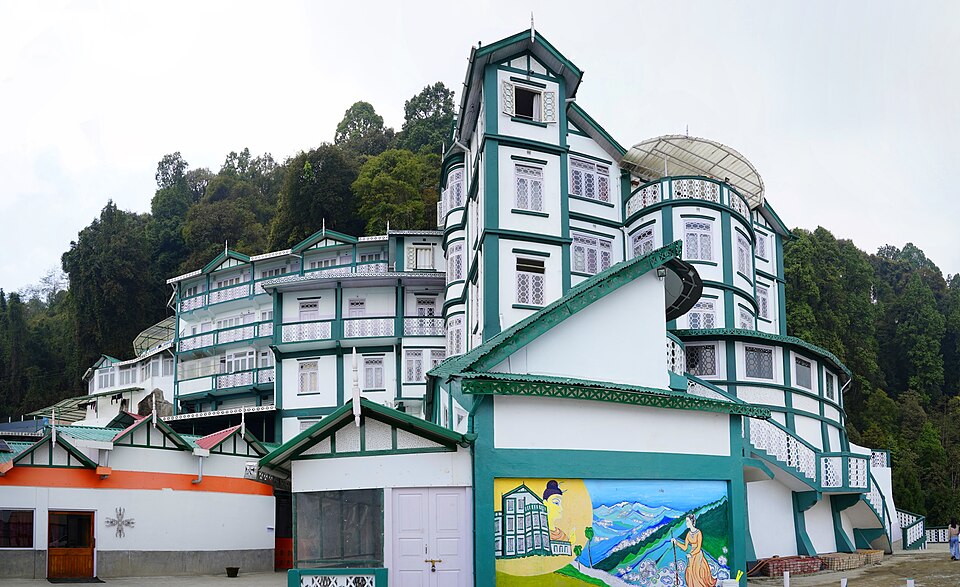
A neoclassical villa on a hill above downtown, once home to President Julio Lozano, now a historical museum of the republic with belongings of past presidents, period furniture, and a weapons collection. The building outshines the exhibits, and its garden offers one of the best views over the historic center and the Choluteca River.

Tip: Take a taxi or Uber up — walking there passes through less secure streets. The museum tends to be open weekdays only, so check hours ahead. Combine it with a stop at the Monumento a la Paz viewpoint on Juana Laínez hill, which overlooks the whole valley.

Admission:
around HNL 50
Time needed:
1 h
Basilica of Our Lady of Suyapa

Basilica of Our Lady of Suyapa

Basílica de Suyapa

Suyapa

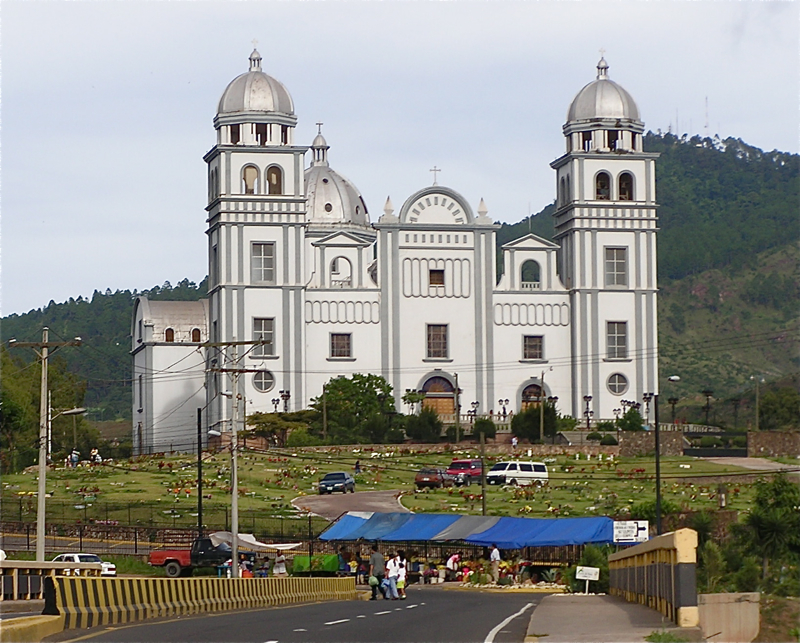
Honduras's most important pilgrimage site, on the eastern edge of the city. A large modern basilica with stained glass has been under construction since 1954, but the heart of the pilgrimage is the small white eighteenth-century chapel next door, home to a six-centimeter cedar statue of Our Lady of Suyapa, patron saint of Honduras, said to have been found by a farmer in a cornfield in 1747.

Tip: The statue itself is kept in the old chapel, not the basilica, and is only displayed in the basilica on feast days. On February 3rd, the feast of the patron saint, hundreds of thousands of pilgrims arrive and the area becomes nearly impassable. At other times it's peaceful. It's about twenty minutes from downtown by Uber.

Admission:
free
Time needed:
45 min
Cristo del Picacho

Cristo del Picacho

Parque Naciones Unidas El Picacho

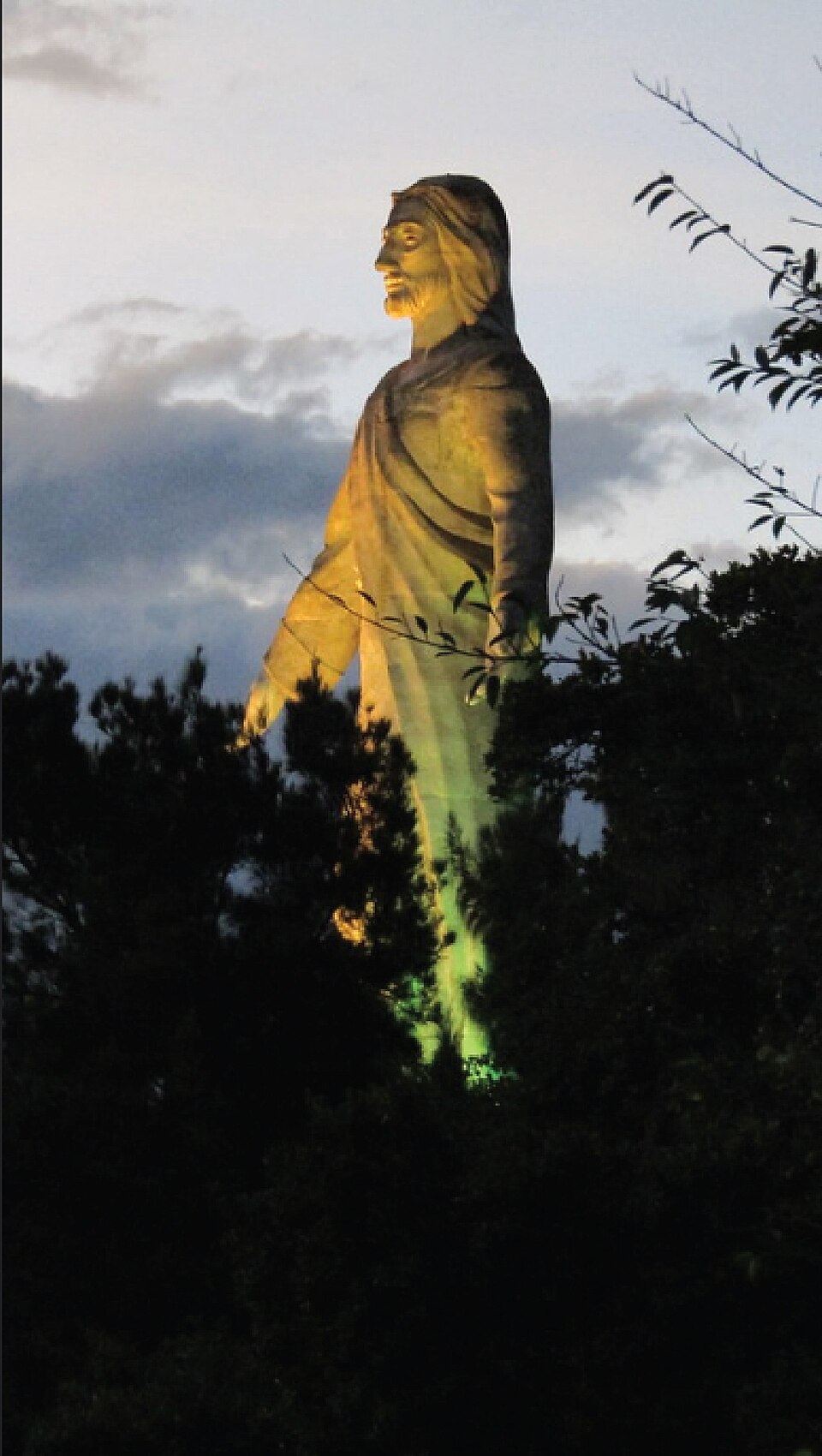
A twenty-meter white statue of Christ with outstretched arms atop El Picacho hill, built in 1997 and visible across the whole valley. It sits within Naciones Unidas Park, which has viewpoints, trails through pine forest, and a small zoo of Honduran wildlife. The view from here over the city and surrounding mountains is the best in Tegucigalpa.

Tip: Go by taxi or Uber and arrange your return, since there's no other transport to flag down in the park. Weekends bring crowds of families; weekdays it's empty. Mornings give the clearest views; during the rainy season the mountain often clouds over by afternoon. It's several degrees cooler up here than in the city.

Admission:
around HNL 30
Time needed:
1.5 h
Paseo Liquidámbar

Paseo Liquidámbar

Centro Histórico

A pedestrian street running from the cathedral through downtown, renovated and lined with cafés, shops, stalls, and benches. It's the liveliest daytime spot in the historic center, drawing office workers, students, and families, and it's a cheap place to grab a baleada and a coffee grown in Honduras's mountains. The street takes its name from the sweetgum trees planted along it.

Tip: It's liveliest in the late morning and around midday. At one end stands the National Congress building and the Art Gallery. Cafés along Liquidámbar serve excellent Honduran coffee for less than the shopping malls charge; ask for 'café de altura' from Marcala or Santa Bárbara.

Admission:
free
Time needed:
45 min
Monumento a la Paz

Monumento a la Paz

Cerro Juana Laínez

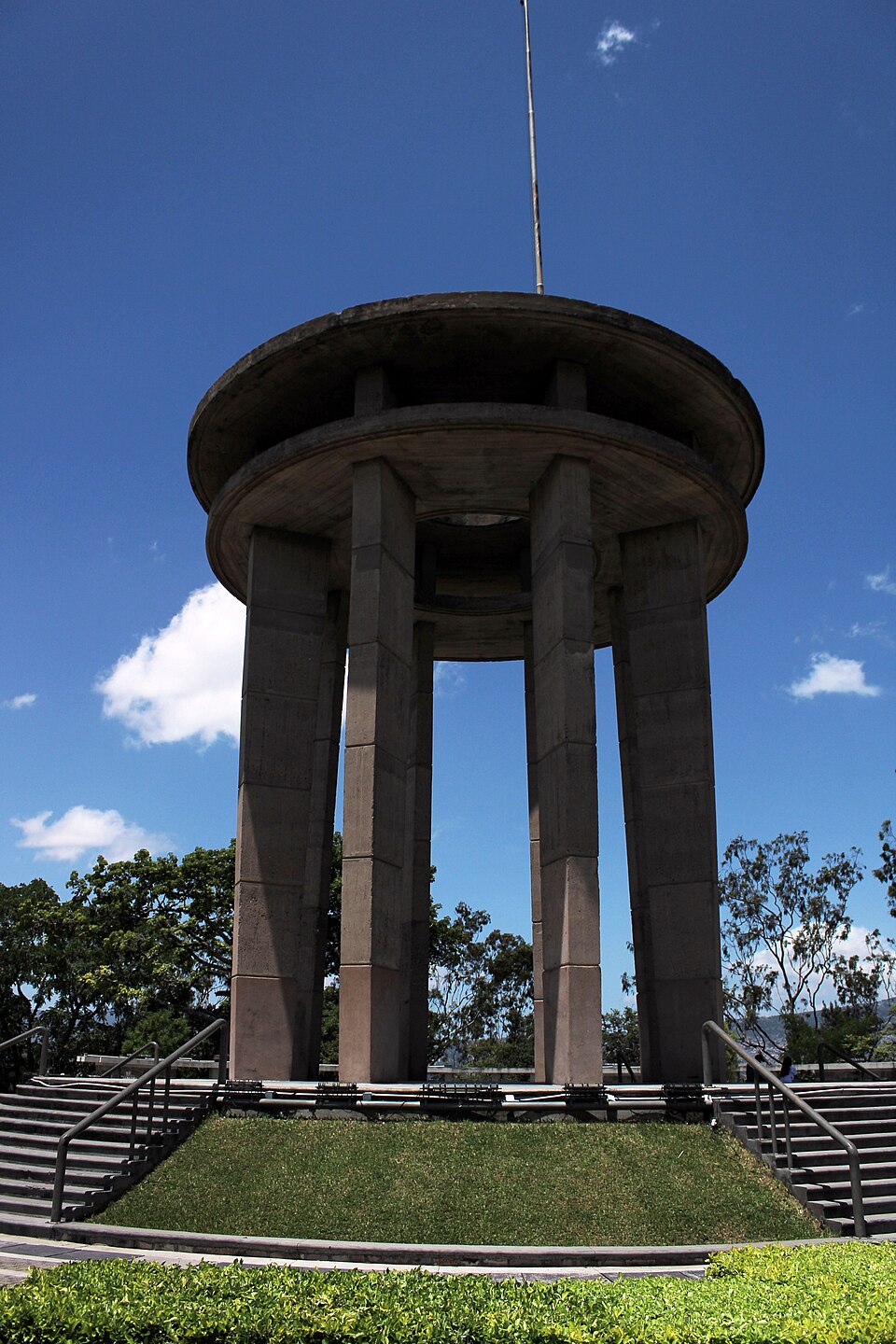
A peace monument atop Juana Laínez hill overlooking downtown, built in 1996 to mark the end of Central America's civil wars. The concrete monument itself is unremarkable, but the surrounding park offers one of the city's best viewpoints — below lies the historic center, the Choluteca River, Comayagüela, and, on the horizon, the Christ statue on El Picacho.

Tip: Drive or take a taxi up the hill, and only visit during daylight hours. The park is small — half an hour covers it. The hill is named after the heroine Juana Laínez, who according to legend prevented the city's capture in 1827 by arranging sticks and hats across the hillside to look like an army.

Admission:
free
Time needed:
30 min

Photos: Tegucigalpa Cathedral (San Miguel Arcángel) — Luis Alfredo Romero (CC BY-SA 4.0) · Iglesia de Los Dolores — feinteriano (CC BY-SA 3.0) · Museo para la Identidad Nacional — Luis Alfredo Romero (CC BY-SA 4.0) · National Gallery of Art — Jean Béraud (Public domain) · Villa Roy — Amitabha Gupta (CC BY 4.0) · Basilica of Our Lady of Suyapa — Marduk (Public domain) · Cristo del Picacho — Luis Alfredo Romero (CC BY-SA 4.0) · Paseo Liquidámbar — Philmarin (CC BY-SA 3.0) · Monumento a la Paz — Luis Alfredo Romero (CC BY-SA 4.0)

Where to stay

Areas and districts, matched to the kind of trip you are taking

Colonia Palmira and Boulevard Morazán

Best for: hotels and restaurants

The best area to stay, with international chain hotels, embassies, restaurants, and bars along Boulevard Morazán. The neighborhood is patrolled and relatively safe; downtown is ten minutes away by Uber. In the evening you can walk between a hotel and a restaurant, but stick to the main streets.

Centro Histórico

Best for: daytime sightseeing

The colonial center, with the cathedral, churches, museums, and the pedestrian street Liquidámbar. Busy and patrolled by day, it empties out after dark and isn't recommended then. Not a place to stay, but the main destination for sightseeing.

Lomas del Guijarro and Los Próceres

Best for: modern hotels and shopping

Modern hilltop districts in the southeast, home to the Multiplaza and Cascadas malls, hotels, restaurants, and a cinema. Safe and convenient, if lacking in character. Best suited to business trips and families.

Valle de Ángeles

Best for: a quiet stay outside the city

A colonial village twenty-two kilometers from downtown in the pine hills, with cobbled streets, craft shops, and small hotels. Many visitors prefer to stay overnight here instead — it's quieter, safer, and cooler. It's a forty-minute drive to Tegucigalpa.

Getting around

From the airport

Since 2021, large international aircraft land at the new Palmerola Airport near Comayagua, seventy kilometers northwest of Tegucigalpa; the old in-city Toncontín airport, with its difficult approach between hills, now handles smaller planes and some domestic flights. From Palmerola, it's an hour to an hour and a quarter to the city by highway; taxis and private transfers cost fifty to eighty dollars, and shuttle buses also run the route. From Europe, flights to Honduras connect through Madrid, Miami, Houston, Atlanta, or San Salvador; from Prague the journey takes eighteen to twenty-two hours. Most Western passport holders don't need a visa. International buses run by Tica Bus and Hedman Alas connect Tegucigalpa with San Salvador, Managua, and Guatemala; it's four hours to San Pedro Sula and onward north to the Roatán ferries.

Palmerola International (Comayagua) (XPL) · 70 km

  • Taxi or private transfer· 1–1.25 h· around $50
  • Shuttle bus to Tegucigalpa· 1.5 h· around $15

Toncontín (TGU) · 6 km

  • Uber or taxi· 15–25 min· around HNL 150

Around town

For a visitor, getting around Tegucigalpa comes down to one rule: Uber, InDrive, or a taxi booked through your hotel. Rides across town cost eighty to two hundred lempira and are quick outside rush hour — mornings and early evenings bring heavy traffic on the main avenues. Even the Honduran government advises against city buses and shared taxis for tourists. Walking is fine in the historic center during the day and along the main streets of Colonia Palmira. For trips to Valle de Ángeles, La Tigra, and Comayagua, a rental car or a driver hired for the day through your hotel works best; roads are in good condition, but driving at night isn't advisable. Long-distance buses from upscale operators like Hedman Alas run from their own guarded terminals.

Uber and InDriveThe safest and most practical way around the city. A ride from Colonia Palmira downtown costs around 100 lempira, to Picacho around 200. · from HNL 80
Hotel-booked taxiHotels have taxi drivers on call, who can also be booked for a full-day trip. Agree the price beforehand. · from HNL 150
Driver for the dayThe most comfortable way to visit Valle de Ángeles, Santa Lucía, La Tigra, or Comayagua. Arranged through your hotel or a travel agency. · from $80 / day
Car rentalRental desks are at the airports and in Colonia Palmira. Roads outside the city are good; within it, traffic is congested and aggressive, and driving at night isn't advisable. · from $45 / day
Hedman Alas long-distance busesComfortable coaches with their own guarded terminals to San Pedro Sula, La Ceiba, and the border crossings. A better choice than the cheap buses from Comayagüela. · from $25

Useful apps: Uber, InDrive, Google Maps, Waze

When to go

Thanks to its altitude of just under a thousand meters, Tegucigalpa has a mild climate: around 25–30°C by day, pleasantly cool at night. The dry season, November to April, is the best time, with sunny, dry weather; March and April are the warmest months, though the air can turn hazy from wildfires and field burning. May to October is the rainy season, with rain mostly in the afternoon and evening, and occasional tropical storms and hurricanes that cause flooding and landslides in Honduras. Holy Week and the Feast of Our Lady of Suyapa on February 3rd are the most important religious holidays. Around Christmas, the center is decorated and full of people.

Best time

November to February

What to avoid

September and October, for rain and hurricane risk

MonthJanFebMarAprMayJunJulAugSepOctNovDec
Day26°28°30°31°30°28°28°28°29°27°26°25°
Night15°15°16°17°19°19°18°18°18°18°16°15°
Rainy days212412171315171253

Food & drink

Honduran food is simple and filling: beans, corn tortillas, rice, fried plantain, cheese, and mantequilla sour cream, alongside grilled meat. The signature dish is the baleada, sold on every corner from morning until night. For lunch, locals head to comedores, casual canteens where a plato típico — meat, beans, rice, plantain, and cheese — costs just a few dozen lempira. Tegucigalpa also has good steakhouses and modern restaurants in Colonia Palmira and Los Próceres. Honduras is Central America's largest coffee producer, and the capital has specialty cafés serving beans from the mountains of Marcala and Santa Bárbara. Locals drink Salva Vida and Port Royal beer, and local rum.

What to try

Baleada

A wheat tortilla folded in half and filled with mashed beans, mantequilla cream, and cheese; a 'baleada especial' adds egg and meat. The cheapest meal in the country, around thirty lempira, eaten for breakfast or late at night.

Plato típico

A plate covering all the essentials of Honduran cuisine: grilled beef (carne asada) or sausage, beans, rice, fried plantain, avocado, cheese, mantequilla, and tortillas. The midday classic at canteens for 120–200 lempira.

Anafre

A clay pot with hot coals underneath, brought to the table holding melted refried beans with cheese, for dipping fried tortilla chips into. A shareable appetizer to go with beer.

Sopa de mondongo

A tripe soup with vegetables, yuca, and plantain, simmered for hours. Hondurans eat it on Sundays and as a hangover cure after celebrations.

Tajadas and plátanos

Slices of green plantain fried crisp like chips (tajadas), or ripe plantain fried sweet (maduros). The standard side to everything, including fish and beans.

Yuca con chicharrón

Boiled yuca with crispy pork cracklings, cabbage slaw, and tomato sauce. A cheap street food sold at markets and canteens downtown.

Honduran coffee

Honduras is Central America's largest coffee producer, and the arabica from the mountains around Marcala is excellent. Canteens often serve instant, though — ask for 'café de grano,' ground coffee.

Salva Vida and Port Royal

Two Honduran beers, both light lagers, around twenty-five lempira a bottle in a shop, triple that at a bar in the West End district. Flor de Caña rum is actually Nicaraguan but is poured here more than any local brand.

What it costs

Baleada

HNL 25–45

Coffee at a café

HNL 50–80

Salva Vida beer

HNL 40–70

Plato típico at a canteen

HNL 120–200

Restaurant dinner

HNL 400–700 per person

Uber ride across town

HNL 80–200

Museo para la Identidad Nacional

around HNL 150

Night in a 3-star hotel, double

HNL 1,800–3,000

Indicative prices that change over time — treat them as a guide, not a price list.

Practical information

SocketsAtwo flat pins (US/JP)Btwo flat pins plus ground (US)
Voltage110V / 60Hz
Tap waterDo not drink tap water — Don't drink Tegucigalpa's tap water — the city also faces water shortages in the dry season, when some neighborhoods get supply only a few days a week; hotels keep their own tanks. Bottled water is cheap and everywhere, a gallon around forty lempira. Ice in restaurants is made from purchased water. Street food like baleadas is safe when it's cooked in front of you on a hot griddle.
TippingRestaurants often add a 10% service charge to the bill; if not, leaving 10% is customary. Tipping isn't expected at canteens or street stalls. Round up for Uber and taxi drivers, and give guides on day trips 100–200 lempira. Unlike more touristy areas of the country, US dollars aren't commonly accepted in Tegucigalpa — pay in lempira; cards work at hotels, malls, and upscale restaurants.
Driving on theright
SafetyTegucigalpa has a high crime rate, and the rules here should be taken seriously. Don't walk after dark, and avoid walking even by day outside the tourist center and the neighborhoods around hotels. Get around by Uber or a taxi booked through your hotel, never city buses, which are frequent targets for extortion and robbery. The Comayagüela districts around the markets and bus terminals aren't suitable for tourists. Don't wear jewelry, keep your phone out of sight, and only use ATMs inside shopping malls. The historic center around the cathedral is patrolled and relatively safe by day. The emergency number is 911.
Opening hoursShops open from nine to six; the Multiplaza and Cascadas malls stay open until nine p.m., including Sundays. Downtown museums are usually closed on Mondays and otherwise open nine to four. Banks operate until four, and Saturday mornings. Restaurants in Colonia Palmira and along Boulevard Morazán serve until ten. On Sundays the center is quiet, with many businesses closed.
Customs & etiquetteHondurans are polite and formal: greetings come before any question, señor and señora are used as titles, and a direct 'no' is usually softened. Hondurans are called catrachos, a name they wear with pride. Don't photograph people, especially at markets, without asking, and never photograph soldiers or police. Politics and gangs aren't topics to raise with strangers. Cover up in churches, and shorts aren't appropriate in the cathedral.
A few local wordsHello — Buenos díasThank you — GraciasHow much does it cost? — ¿Cuánto cuesta?The check, please — La cuenta, por favorI don't speak Spanish — No hablo españolGoodbye — Adiós

How to plan your days

1 day

A day in Tegucigalpa

  1. 1Morning: the cathedral and Parque Central.
  2. 2Walk along Paseo Liquidámbar to Iglesia de Los Dolores.
  3. 3Museo para la Identidad Nacional and its virtual Copán tour.
  4. 4Lunch downtown and the National Gallery of Art.
  5. 5Afternoon: Uber to Cristo del Picacho, then dinner in Colonia Palmira.

2 days

Two days: the city and the mountains

  1. 1Day 1 as above.
  2. 2Day 2 morning: the Basilica of Suyapa.
  3. 3Villa Roy and the Monumento a la Paz viewpoint.
  4. 4Afternoon: Valle de Ángeles for crafts shopping.
  5. 5Stay overnight in Valle de Ángeles, or return for dinner.

3 days

Three days with the forest and Comayagua

  1. 1Two days as above.
  2. 2Day 3 morning: the cloud forest of La Tigra National Park.
  3. 3Afternoon: Santa Lucía above the city.
  4. 4Day 4: Comayagua on the way to Palmerola Airport.
  5. 5Then onward to Copán or Roatán.

Day trips

Valle de Ángeles and Santa Lucía

22 km · 40 min by car

Two former mining villages in the pine hills above the city, with whitewashed houses, cobbled streets, and colonial churches. Valle de Ángeles is the craft hub — woodcarving, ceramics, leather, and wickerwork sell here for less than in Tegucigalpa — and its restaurants grill meat on weekends. Santa Lucía, on the road there, has a small lake, a church with a statue of Christ gifted by the Spanish king, and valley views. Both are cooler and quieter than the city.

La Tigra National Park

25 km · 1 h by car

Honduras's first national park, established in 1980 to protect the cloud forest that supplies Tegucigalpa's water. Trails wind between giant trees draped in epiphytes and moss, leading to a waterfall and abandoned silver mines; quetzals, monkeys, and hundreds of bird species live here. Access is from Jutiapa or El Rosario, the trails are well marked, and local guides know where to spot quetzals. Expect mud and cool temperatures.

Comayagua

80 km · 1.5 h by car

The former capital of Honduras until 1880, with the best-preserved colonial center in the country. The cathedral on the main square has a clock said to be among the oldest in the Americas, reputedly brought from Moorish Spain. The town has several more colonial churches and a museum of colonial art. Comayagua sits ten minutes from Palmerola Airport, making it a convenient first or last night on a trip; during Holy Week it has the country's most beautiful sawdust carpets.

Frequently asked questions

Is it safe to visit Tegucigalpa?+

With care, yes, but the city has a high crime rate and certain rules matter. Get around by Uber or hotel-booked taxi, avoid walking after dark, skip city buses, and stay out of Comayagüela. The historic center is patrolled during the day. Check your government's current travel advisory before you go.

Is Tegucigalpa worth it, or should I go straight to Roatán and Copán?+

One or two days covers the city itself, and if you only have a week in Honduras, skipping it is a reasonable call. But anyone flying into Palmerola or crossing the country overland will find a good museum, a colonial center, and pleasant surroundings here. For an overnight stay, Comayagua or Valle de Ángeles are more pleasant bases.

Which airport will I land at?+

Since 2021, international flights land at Palmerola Airport near Comayagua, seventy kilometers from Tegucigalpa. The old in-city airport, Toncontín, now serves smaller aircraft and some domestic flights. When booking, check the airport code — XPL is Palmerola, TGU is Toncontín.

Do I need a visa for Honduras?+

Most Western passport holders don't need a visa for a tourist stay — check your own country's specific requirements before traveling. Honduras is part of the CA-4 agreement with Guatemala, El Salvador, and Nicaragua, and your allowed stay is counted across all four countries combined. Your passport must be valid for at least six months.

How do I get from Tegucigalpa to Copán and Roatán?+

Copán is five to six hours by bus via San Pedro Sula, with the upscale Hedman Alas line. Roatán is four hours to La Ceiba and then a ferry of about an hour and a quarter, or you can fly from Toncontín or Palmerola with a local airline. Flying is faster and safer.

What currency should I use?+

The lempira. Unlike Roatán, US dollars aren't commonly accepted in Tegucigalpa; exchange them at a bank or hotel. Use ATMs inside shopping malls and during daylight hours. Cards are accepted at hotels and upscale restaurants, but markets and canteens take cash only.

When is the best time to visit?+

From November to February, during the dry season, when it's sunny with pleasant temperatures. March and April are hot and hazy from agricultural burning. May through October brings rain. Around Holy Week, it's worth heading to Comayagua for the sawdust carpets and processions.

What is Palmerola and why the new airport?+

The old Toncontín airport had one of the most difficult landing approaches in the world, short and hemmed in by hills, forcing restrictions on larger aircraft. The government converted the Palmerola military base near Comayagua into a new international airport, opened in 2021. A highway connects it to Tegucigalpa in about an hour.

Visa Requirements

Check the latest visa requirements for entering this country. Some nationalities may need to apply for a visa or e-visa before travel.

Check visa requirements

Language

Spanish

Currency

HNL

Timezone

America/Tegucigalpa

Dial Code

+504

Population

10.3M

Area

112,090 km²

Voltage

110V / 60Hz

Driving Side

Right

Top Hotels in Tegucigalpa

Live prices from 500+ properties

Loading hotels...

More destinations in Honduras

Planning a trip to Tegucigalpa?

Compare hundreds of hotels, find the best price, and book with free cancellation on TravelManiac.