Is the reef still beautiful, or has it been bleached?+
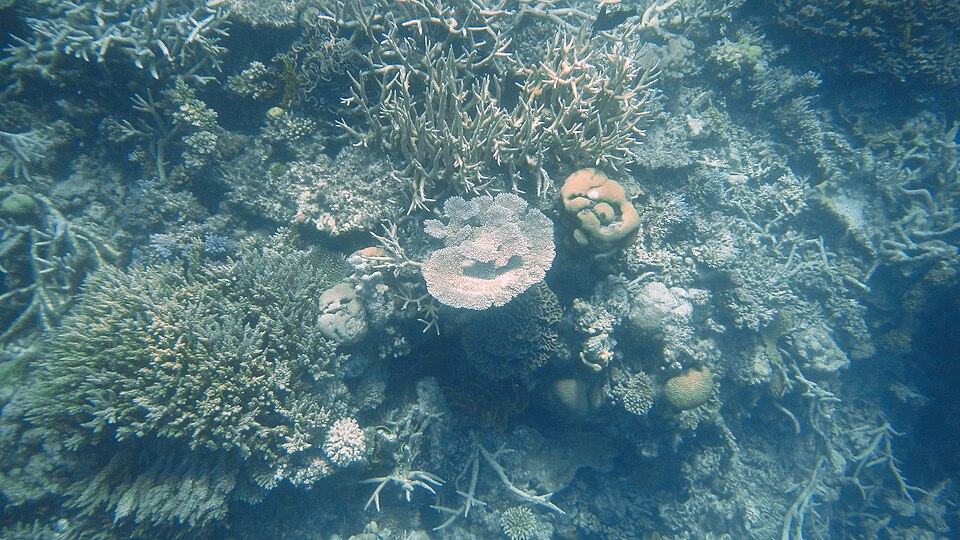
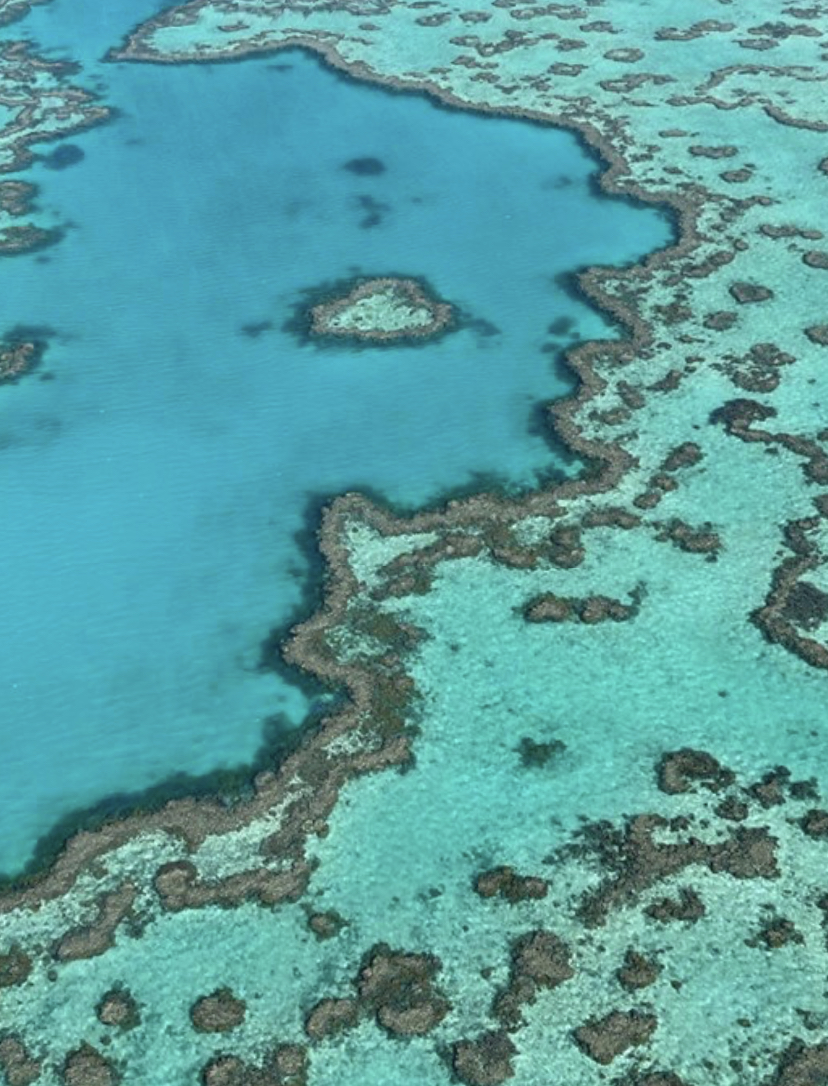
Since 2016 the reef has been hit by several waves of coral bleaching, and some coastal sections are damaged. But large parts of the reef recover between bleaching events, and the outer reefs at the edge of the continental shelf remain vividly colourful. Quality varies by location, so choose trips to the outer reef and ask about current conditions directly on the boat.
Where's best to see the reef — Cairns, Port Douglas or the Whitsundays?+
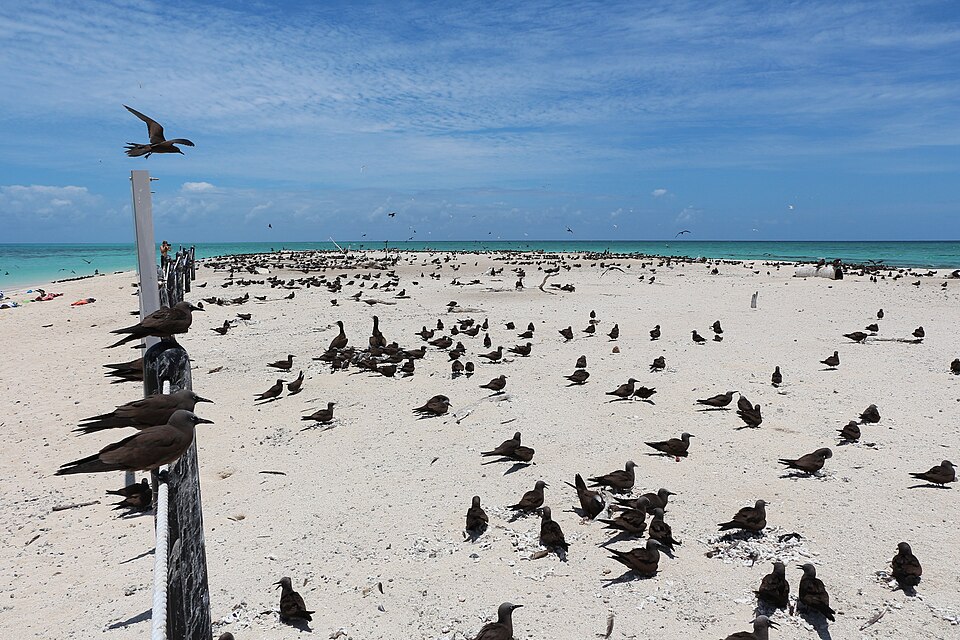
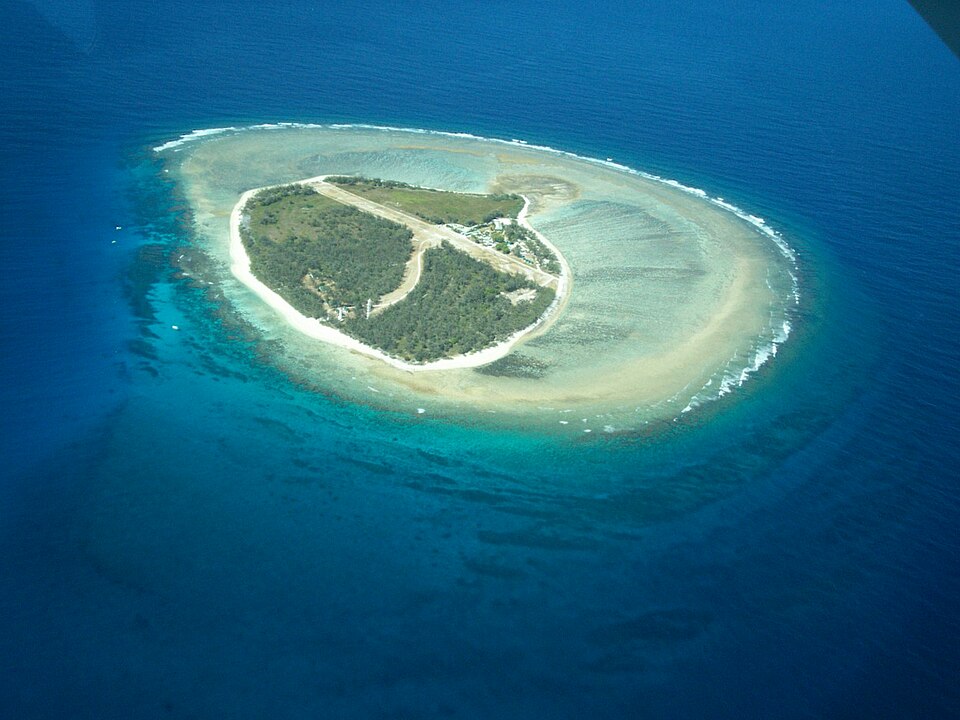
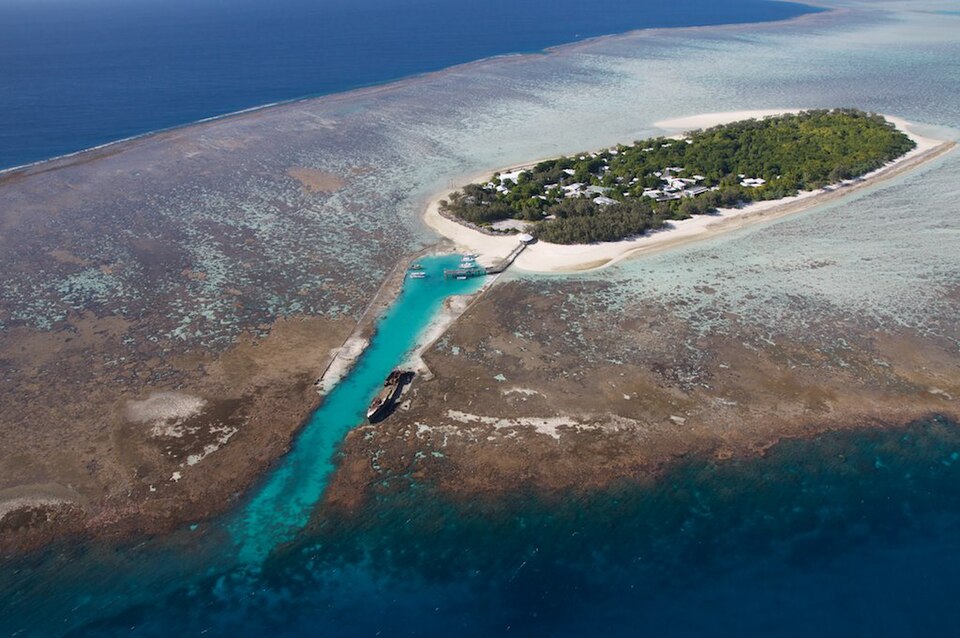
From Port Douglas you're closest to the most colourful outer reefs around Agincourt. Cairns has the widest choice of boats and prices. The Whitsundays are more about islands and sailing, with the reef further away. In the south, Lady Elliot and Heron Island offer snorkelling straight from the beach, no boat required.
Can I dive without any experience?+
Yes, most trips offer an introductory dive for beginners with an instructor, down to 12 metres, no certification needed — just a short health questionnaire. It costs an extra $80–120 on top of the trip. For more, do an Open Water course in Cairns over 3 to 5 days.
How dangerous are the jellyfish?+
From November to May, box jellyfish and small Irukandji jellyfish live in the coastal waters, and their stings can be very serious. They're rarer out on the reef further from shore, but boats are required to provide full-body lycra suits during the season. On beaches, swimming during the season is confined to netted enclosures. Vinegar for first aid is always kept on board.
How many days do I need for the reef and Cairns?+
3–4 days is enough for 1 or 2 reef trips, Kuranda and Daintree. If you want to dive, add a multi-day liveaboard trip — 3 days and 2 nights on the outer reefs, with 5 to 10 dives a day.
Do I need a visa for Australia?+
Yes, the eVisitor electronic visa, which is free for EU citizens and is arranged online through the Australian immigration authority's website. It usually arrives within a few days. It's valid for a year, for repeat stays of up to 3 months.
Is sunscreen worth bringing?+
Yes, but only reef-safe sunscreen without oxybenzone and octinoxate, which damage coral. For snorkelling, a long-sleeved rash vest is better — it protects against sun and jellyfish alike. The UV index on the reef exceeds 12, and sunburnt backs after an hour of snorkelling are common.
Where can I see turtles?+
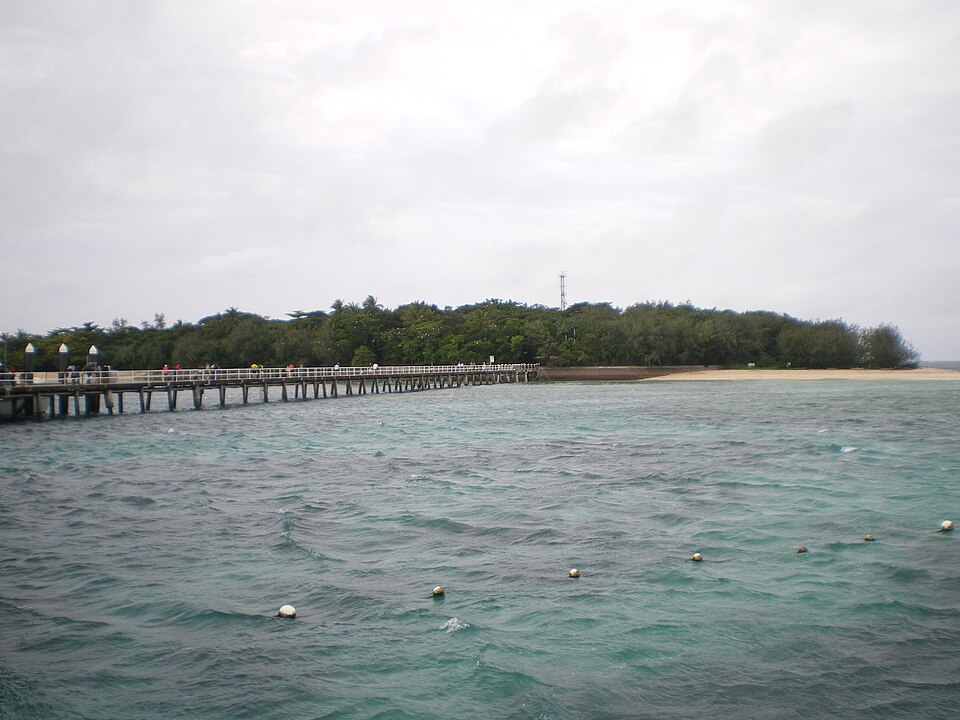
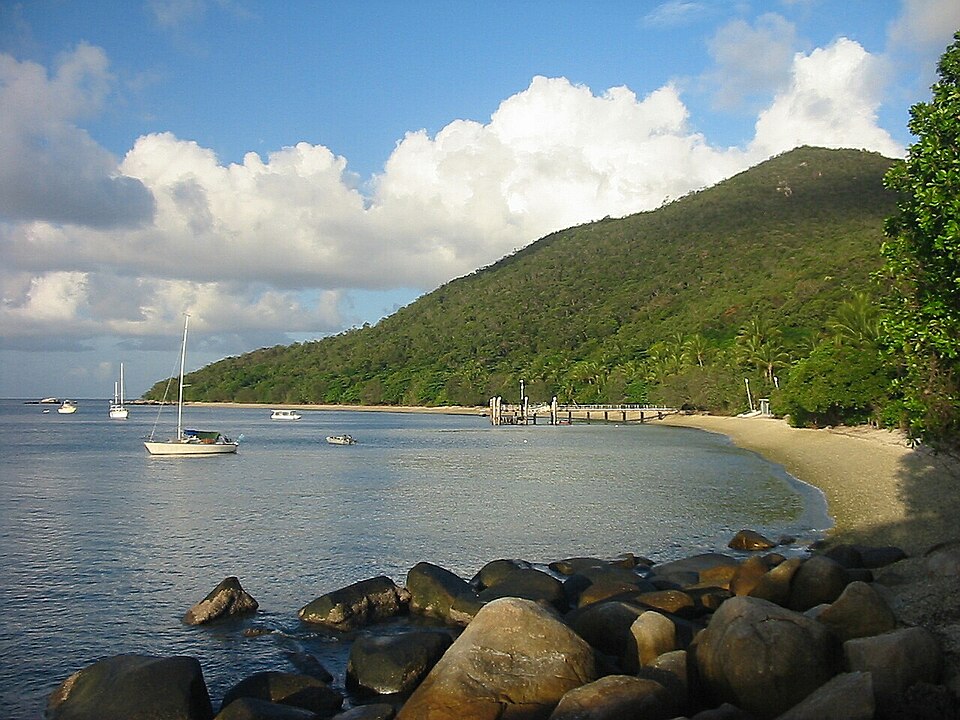
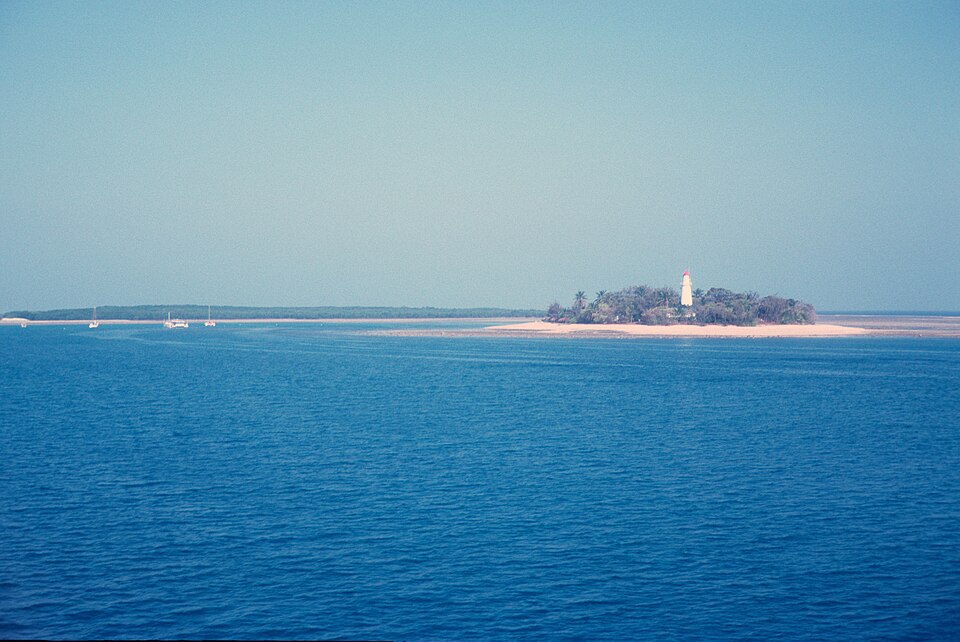
Most reliably at Low Isles, Green Island and Fitzroy Island, and while snorkelling on the outer reef, where they live year-round. At Heron and Lady Elliot Island, turtles come ashore from November to March to lay eggs, and hatchlings emerge from January to April.