Hotels in Abu Dhabi

A white mosque, a Louvre beneath a dome of light, and islands of entertainment on the shores of the Gulf

Abu Dhabi

LanguageEnglish
CurrencyAED
TimezoneGMT+4
Temperature25-42 °C
Dial Code+971
Population9.9M
Area83,600 km²
SocketsType G / Type C / Type D
Tap waterBottled advised

Discover Abu Dhabi

Abu Dhabi is the capital of the United Arab Emirates and the largest of the 7 emirates — it sits on an island in the Persian Gulf and also encompasses a vast desert stretching to the Saudi border and the Al Ain oasis. Compared with neighbouring Dubai, it's calmer, greener and less flashy, though there's even more oil money here. Culture has had heavy investment: the white marble Sheikh Zayed Grand Mosque is one of the largest mosques in the world and welcomes tourists free of charge, Louvre Abu Dhabi beneath Jean Nouvel's dome exhibits art from every continent, and a museum quarter with a Guggenheim branch is taking shape on Saadiyat Island. Abu Dhabi's other side is all entertainment: Yas Island, with Ferrari World, a water park, Warner Bros World and the Formula 1 circuit. Add to that the long Corniche with its public beaches, kayaking through mangrove forests, and dune desert an hour's drive from the city. Abu Dhabi combines well with Dubai — the 2 are under 1.5 h apart by car — and it's a great choice for families.

What to see

The places worth your time in Abu Dhabi, and what to expect at each

Sheikh Zayed Grand Mosque

Sheikh Zayed Grand Mosque

جامع الشيخ زايد الكبير

Khor Al Maqta

A white mosque built from Macedonian marble, completed in 2007, with 82 domes, 4 minarets and a prayer hall for 40,000 worshippers. Inside lies one of the largest hand-knotted carpets in the world, and 7 chandeliers made of Swarovski crystals hang from the ceiling. Sheikh Zayed, the founder of the UAE, is buried here.

Tip: Entry is free, but you need to register online in advance for a specific time slot. It's loveliest in the late afternoon, when the white marble turns gold, and again right after sunset, when the mosque is lit up and reflected in its pools. Dress is strictly checked: women need long sleeves, covered ankles and a headscarf, or must buy an abaya at the shop beneath the mosque. It's closed to tourists on Friday mornings.

Admission:
free, online registration required
Time needed:
1.5–2 h
Louvre Abu Dhabi

Louvre Abu Dhabi

اللوفر أبوظبي

Saadiyat

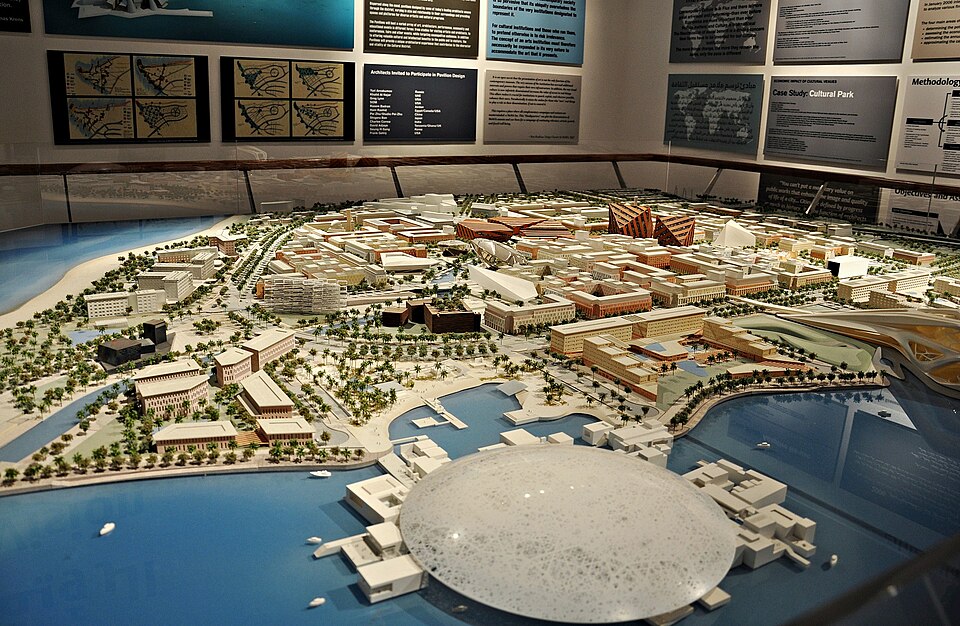
Jean Nouvel's museum opened in 2017 beneath a flat dome whose 8 layers of interlaced steel let light filter through like palm leaves — the so-called rain of light. The collection isn't arranged by civilisation but by century, so a Buddha, an Egyptian sarcophagus and a medieval manuscript sit side by side.

Tip: The Leonardo da Vinci painting on loan from Paris changes, so check the current exhibition beforehand. Save the dome for last — sit on the steps by the sea and wait for the light to shift. A kayak tour around the museum beneath the dome is an experience worth the extra cost. The museum is closed on Mondays.

Admission:
around AED 63
Time needed:
2–3 h
Qasr Al Watan

Qasr Al Watan

قصر الوطن

Ras Al Akhdar

A presidential palace built in 2017 and opened to the public as a museum. A stunning white dome, carved columns and gilded ceilings in the Main Hall, a library of manuscripts and an exhibition on the emirates' political system. In the evening, a light show is projected onto the façade.

Tip: The best combination is the palace in the late afternoon followed by the Palace in Motion light show after dark, which is ticketed separately. A shuttle bus runs from the entrance to the palace — it's not a walk-in. The palace remains a working building and closes during state visits, so check opening hours the day before.

Admission:
around AED 65
Time needed:
1.5–2 h
Qasr al-Hosn

Qasr al-Hosn

قصر الحصن

Downtown

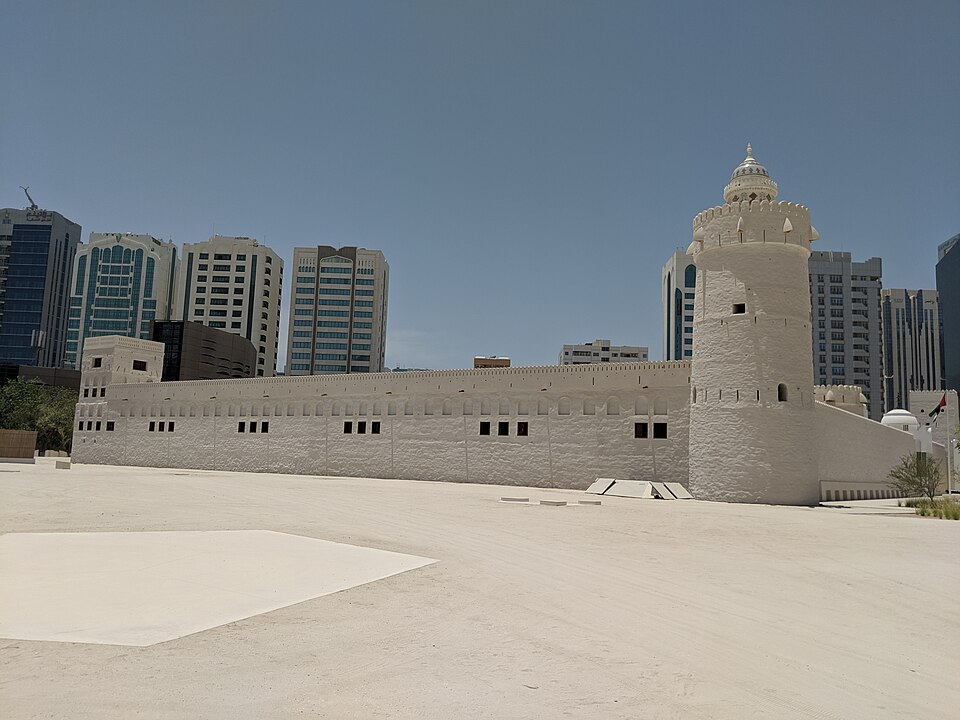
Abu Dhabi's oldest stone building, a watchtower dating from 1760 built to protect the island's only freshwater spring, later the seat of the ruling Al Nahyan family. The white fort stands amid skyscrapers, showing what Abu Dhabi looked like before oil.

Tip: The visit takes about an hour and costs little; the museum is well presented, and the complex also has a House of Artisans, where women weave and make traditional crafts. The on-site café serves Emirati coffee and luqaimat. The contrast between the white fort and the glass towers makes for the best photo from the surrounding park.

Admission:
around AED 30
Time needed:
1 h
Yas Island and Ferrari World

Yas Island and Ferrari World

جزيرة ياس

Yas Island

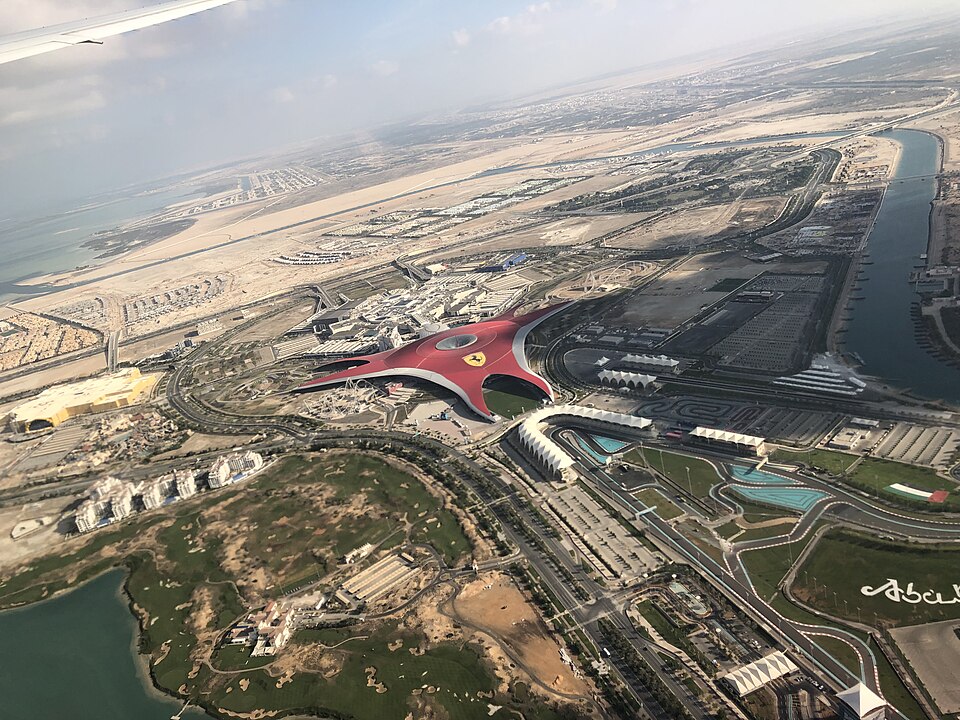
An island of entertainment with Ferrari World under its red roof, home to Formula Rossa, one of the world's fastest roller coasters. Next door are Yas Waterworld water park, Warner Bros World, SeaWorld Abu Dhabi and the Yas Marina Formula 1 circuit.

Tip: Combined tickets for 2 or 3 parks are significantly cheaper than single-park tickets. A free shuttle, the Yas Express, runs between the parks. Formula Rossa closes above a certain wind speed, so try it first thing in the morning. On Tuesday evenings you can cycle or walk the Yas Marina Circuit for free. During the Grand Prix in November, hotels on the island triple in price.

Admission:
Ferrari World from AED 345
Time needed:
full day
Corniche and beaches

Corniche and beaches

الكورنيش

Corniche

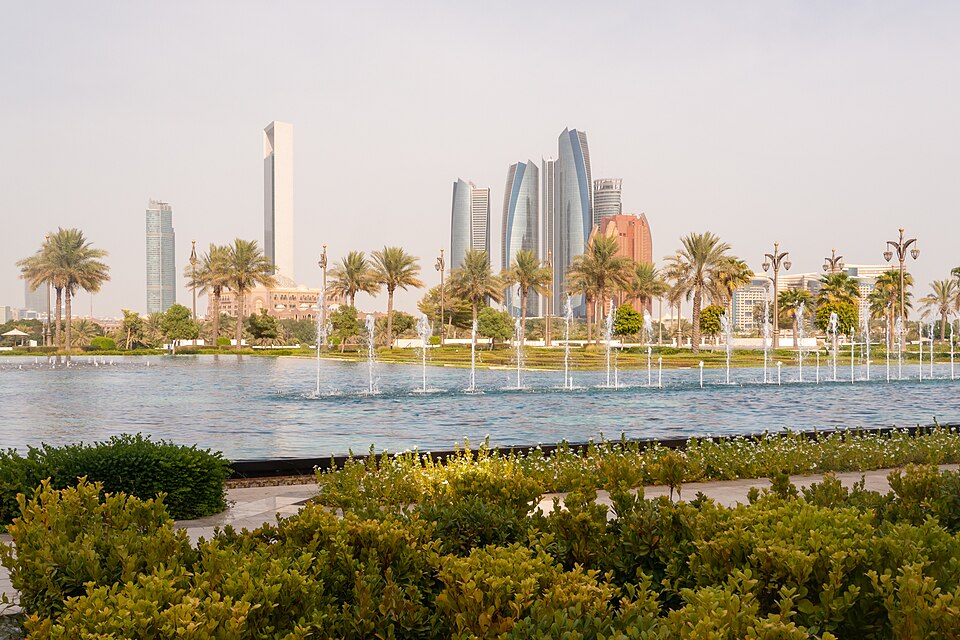
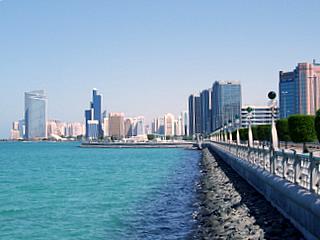
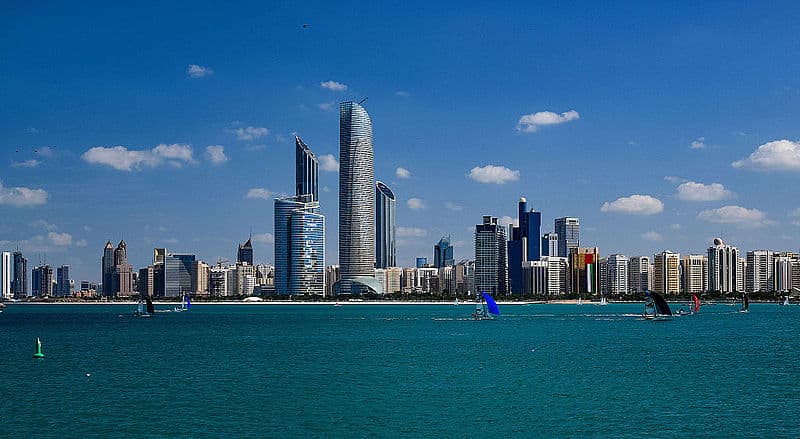
An 8-km promenade along the island's western shore, with parks, a cycle path and guarded, Blue Flag public beaches. It offers views of the downtown skyline and Lulu Island. At the western end stand the Emirates Palace hotel and the Etihad Towers.

Tip: The Corniche beach charges a nominal entry fee and has separate sections for families and singles. Bikes can be rented from stands along the promenade via an app. In the evening, half the city comes out to stroll here. The best view of the whole Corniche is from the Observation Deck at 300 in Etihad Towers.

Admission:
beach from AED 10
Time needed:
2–3 h
Emirates Palace

Emirates Palace

قصر الإمارات

Ras Al Akhdar

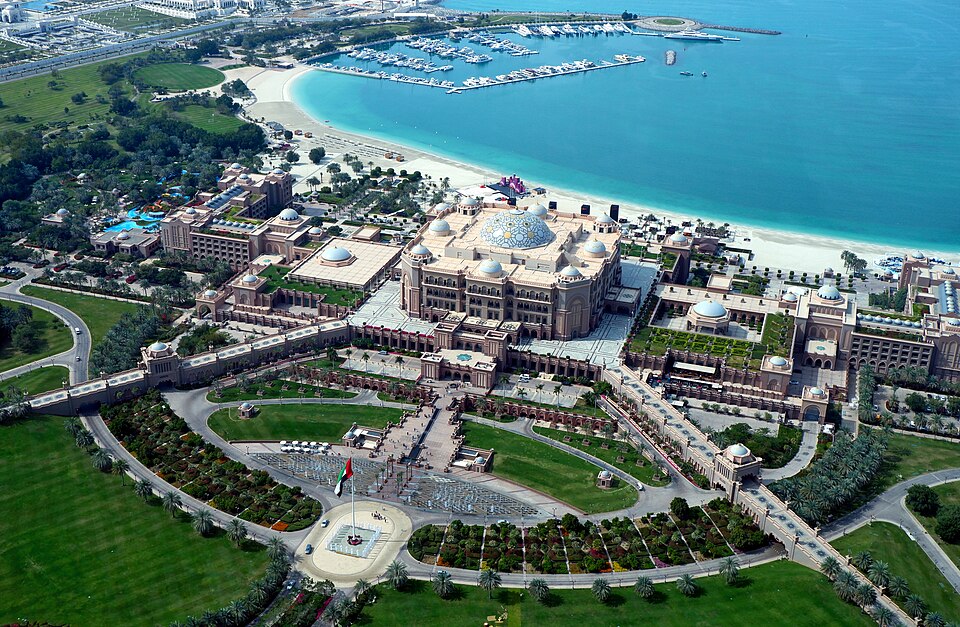
A luxury hotel from 2005, more palace than hotel in scale and gilding, with 100 domes and its own half-kilometre beach. Since 2023 it has been operated by Mandarin Oriental, and the main lobby is open even to non-guests.

Tip: The best experience is tea with cake at Le Café beneath the lobby dome, which serves a cappuccino topped with gold flakes. An hour is enough to soak up the atmosphere, but smart dress is required — no shorts or flip-flops. The terrace by the hotel has the best view of the Etihad Towers.

Admission:
free, coffee from AED 60
Time needed:
1 h
Eastern Mangroves

Eastern Mangroves

القرم

Eastern Mangroves

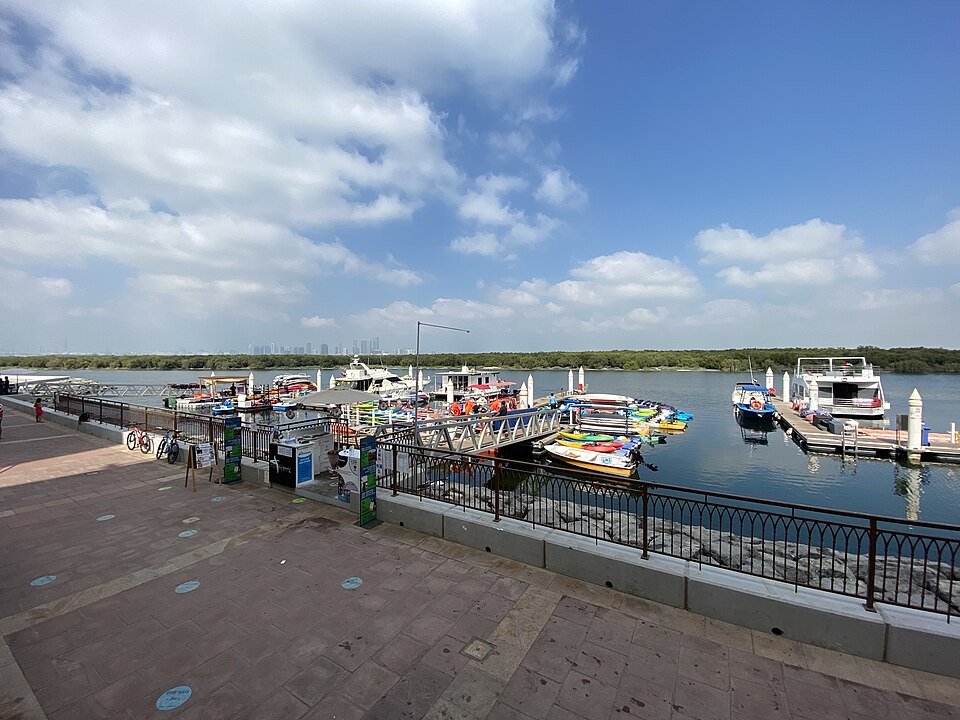
Mangrove forests on the island's eastern shore form a protected zone, with channels that can be explored by kayak or paddleboard. Fish, crabs and herons live among the roots in the shallow water, and occasionally turtles too.

Tip: Kayak tours set off from near the Anantara hotel and last 1–2 h; sunset or morning are best, when the water is calm and the air cooler. Check tide times, as the channels run shallow at low tide. Kayaking is also possible in the mangrove national park near Jubail Island, which has wooden boardwalks.

Admission:
kayak from AED 150
Time needed:
1.5–2 h
Saadiyat Island and beach

Saadiyat Island and beach

جزيرة السعديات

Saadiyat

A cultural island home to the Louvre, the future Guggenheim and the Zayed National Museum, with a 9-km white sand beach where hawksbill turtles nest in spring and summer. It's one of the finest beaches in the Emirates.

Tip: Saadiyat Public Beach charges an entry fee but it's inexpensive and has refreshments. Dolphins are sometimes seen in the bay in the mornings. Turtle nesting sites are fenced off and off-limits during the nesting season from April to July. The island is also home to teamLab Phenomena, a digital art space.

Admission:
beach from AED 25
Time needed:
2–4 h

Photos: Sheikh Zayed Grand Mosque — Jaseem Hamza (CC BY 3.0) · Louvre Abu Dhabi — Alberto-g-rovi (CC BY-SA 3.0) · Qasr Al Watan — Matti Blume (CC BY-SA 4.0) · Qasr al-Hosn — Peturrunar (CC BY-SA 4.0) · Yas Island and Ferrari World — Floness (CC BY-SA 4.0) · Corniche and beaches — Johnaudie at en.wikipedia (Public domain) · Emirates Palace — Chris Down (CC BY 4.0) · Eastern Mangroves — Slywire (CC BY-SA 4.0) · Saadiyat Island and beach — Slywire (CC BY-SA 4.0)

Where to stay

Areas and districts, matched to the kind of trip you are taking

Corniche and downtown

Best for: beaches, walkable location

Hotels along the Corniche with sea views, close to Qasr al-Hosn and the malls. This is where most of the action is, with public beaches and restaurants. It's a 20–30 minute taxi ride to the mosque and Yas Island.

Saadiyat

Best for: beach, culture, luxury

An island of beach resorts, the Louvre and calm. The best base for combining beach and culture. 15 minutes by car to downtown, 20 minutes to Yas Island. Hotels are pricier, but the beach is among the best.

Yas Island

Best for: families, theme parks

Hotels right by the parks, the circuit and the marina, with free transport to the parks. Ideal for families with children and Formula 1 fans. It's 30 minutes to downtown, and the mosque is on the way. In the evening, the main draw is Yas Marina with its restaurants.

Khor Al Maqta and the mosque

Best for: mosque views, stopover stays

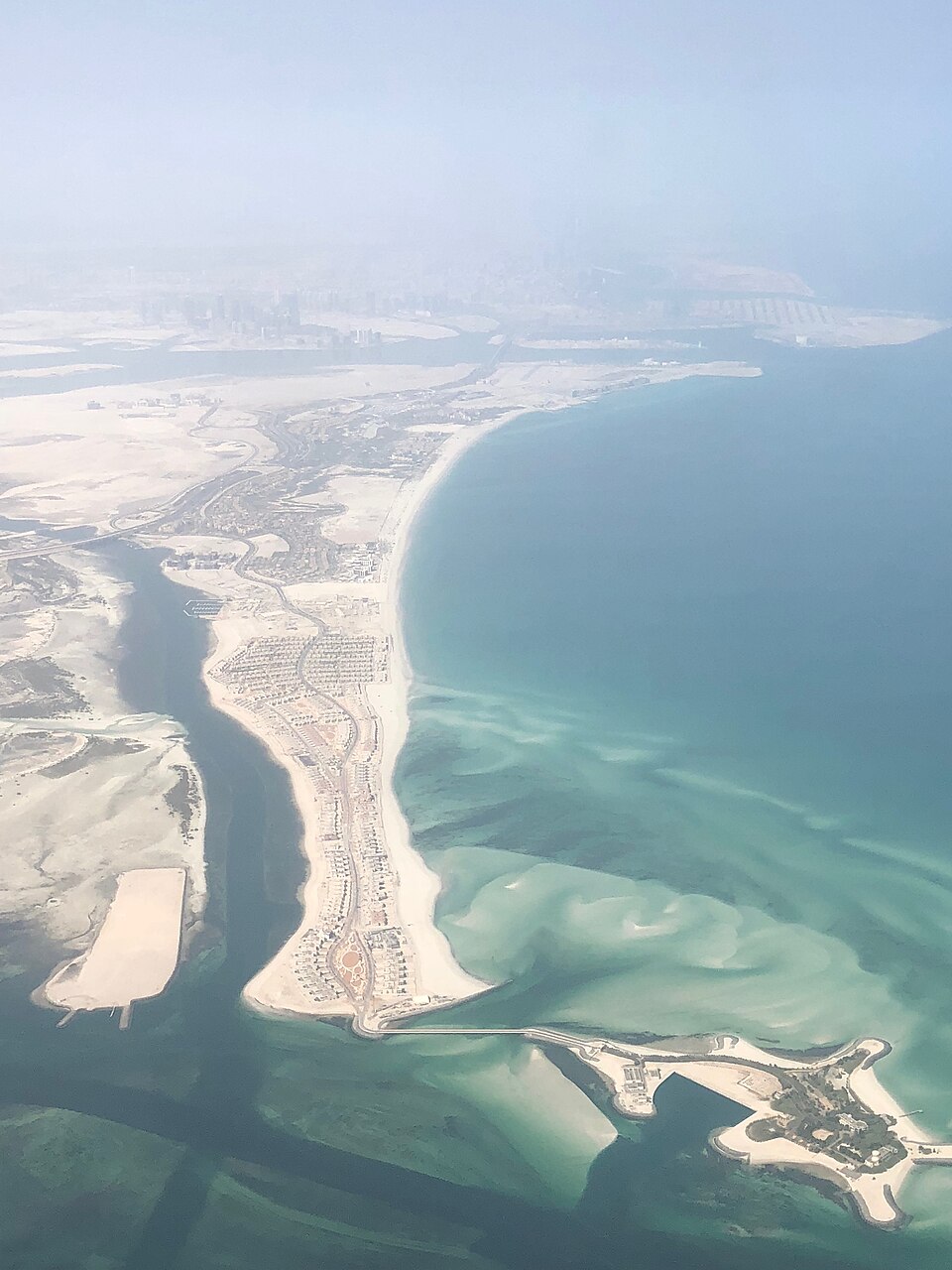
Hotels by the channel between the island and the mainland, with views of the Grand Mosque. Close to the airport and roughly midway between downtown and Yas Island. A good fit for a short stopover or a stay en route to Dubai.

Getting around

From the airport

Abu Dhabi is reached by air with a connection, most commonly via Doha, Istanbul or Frankfurt, or on a direct flydubai flight to Dubai followed by a 1.5 h transfer by car or bus. Etihad, the national carrier, is based at Zayed International Airport and offers a stopover programme. Visa requirements are straightforward for most nationalities on arrival. The E101 bus runs between Dubai and Abu Dhabi for AED 25, and once the Etihad Rail network is complete, passenger trains are also planned to connect the 2 cities.

Zayed International (AUH) · 30 km

  • Bus A1 to downtown· 45 min· AED 4
  • Taxi· 30 min· AED 75
  • Uber / Careem· 30 min· AED 70

Dubai International (DXB) · 140 km

  • Taxi to Abu Dhabi· 1.5 h· AED 300
  • Bus E101 via Ibn Battuta· 2 h· AED 25

Around town

Abu Dhabi is spread out and built for cars; on foot you can only get around along the Corniche and on the islands. Taxis are metered and cheap, and Uber and Careem work the same way. City buses run around the island and to the suburbs with a Hafilat card — cheap but slow. The free Yas Express runs between the parks on Yas Island, and free hotel shuttles also run from downtown to Yas Island. Renting a car is worthwhile for trips to Al Ain and the desert; the roads are excellent but watched by speed cameras. Bikes can be rented along the Corniche.

TaxiSilver cars with a meter, starting fare around AED 5. · AED 5
Uber / CareemConvenient, with the fare shown upfront. · AED 15
Bus with a Hafilat cardSlow, but cheap. · AED 2
Yas ExpressFree between the parks and hotels on Yas Island. · free

Useful apps: Careem, Uber, Darb, Google Maps, TAMM

When to go

The best time is from November to March, when daytime temperatures reach 24–30°C, nights are pleasant and the sea is around 22°C. December and January are the coolest and liveliest months, with festivals. In April and October it's already hot, over 30°C, but swimming conditions are at their best. From May to September the heat tops 40°C with high humidity, making the outdoors unbearable during the day; hotels are cheapest then, and the indoor parks on Yas Island still operate. The Formula 1 Grand Prix takes place in November, when hotels are expensive and fully booked.

Best time

November–March

What to avoid

June–September, F1 Grand Prix weekend because of prices

MonthJanFebMarAprMayJunJulAugSepOctNovDec
Day24°25°28°33°38°40°41°41°39°35°30°26°
Night13°14°17°20°24°27°29°30°27°23°18°15°
Rainy days222100000001
Sea21°21°23°26°29°32°33°33°32°30°26°23°

Food & drink

Abu Dhabi's dining scene is largely international — Emirati cuisine is more of a home-cooking tradition and is served in a handful of specialist restaurants downtown and at cultural centres. The cheapest and best food is found at Lebanese, Indian and Pakistani eateries, where lunch costs AED 20–40. The Mina Zayed fish market sells fresh fish that neighbouring stalls will grill for you. Alcohol is sold in licensed hotel bars and restaurants and at stores for adults; drinking in public is not allowed. Friday or Saturday brunch at the luxury hotels is a local institution: unlimited food and drink for AED 400–700.

What to try

Machbous

Rice cooked with chicken or lamb, dried lime, cardamom and cinnamon — a staple Emirati dish traditionally served from a large platter. Better restaurants add prawns.

Harees

Wheat slow-cooked with meat into a smooth paste, topped with ghee. A festive dish for Ramadan and weddings, though Emirati restaurants serve it year-round.

Shawarma

Chicken or lamb from a rotating spit in a thin flatbread with garlic sauce and pickled vegetables. At AED 10–15, the best cheap meal in the country.

Gahwa and dates

Lightly roasted coffee with cardamom and saffron, served in small cups with dates. Offering coffee is a gesture of hospitality — refusing the first cup is considered impolite.

Luqaimat

Crispy fried dough balls with date syrup and sesame seeds. Made fresh at markets and festivals.

Camel milk and chocolate

Camel milk is saltier and lighter than cow's milk; try it in coffee or as chocolate, made by a local brand and sold as a souvenir.

Grilled fish from Mina Zayed market

Hammour grouper, safi or prawns bought by weight at the fish market, then grilled or cooked in curry by the neighbouring kitchens for a few dirhams per kilo.

What it costs

Coffee at a café

AED 15–25

Shawarma

AED 10–20

Lunch at a Lebanese restaurant

AED 40–80

Dinner at a hotel restaurant

AED 200–400

Beer at a bar

AED 40–60

Taxi around downtown

AED 20–40

Louvre Abu Dhabi ticket

around AED 63

Night in a 4* hotel for 2

€130–250

Indicative prices that change over time — treat them as a guide, not a price list.

Practical information

SocketsGBritish, three rectangular pinsCEuroplug, two round pinsDthree round pins (India)
Voltage220V / 50Hz
Tap waterTap water is treated, bottled is common — Tap water in the Emirates is desalinated and safe to drink, but it passes through rooftop tanks and picks up a chlorine taste, so almost no one drinks it. Bottled water costs around AED 2 per 1.5 litres at the supermarket, and hotels provide it free in rooms. Outside air conditioning, drink small amounts constantly — in summer, dehydration sets in before thirst does.
TippingRestaurant bills usually include a service charge, but tips still go to staff only in cash — 10% is customary. Round up fares for taxi drivers, and give porters AED 5–10. Cards are accepted almost everywhere, including taxis; cash is useful at traditional markets and small eateries.
Driving on theright
SafetyThe Emirates is one of the safest countries in the world, and theft or assault against tourists is practically unheard of. The real risks are legal: public kissing, being drunk outside a licensed venue, rude gestures while driving, insults on social media and photographing strangers without permission are all offences. Some prescription medicines, such as those containing codeine, require prior authorisation. In summer, the heat itself is a genuine hazard. The police emergency number is 999.
Opening hoursThe weekend is Saturday and Sunday; Friday is a working day with a midday break for prayers around 1pm. Malls are open from 10am to 10pm, until midnight on weekends. Mosques are closed to tourists during prayer times and on Friday mornings. During Ramadan, restaurants in hotels and malls operate during the day, but eating and drinking in public is discouraged; in the evening after sunset, iftar begins and life shifts into the night.
Customs & etiquetteDress modestly in public, in malls and especially in mosques — cover shoulders and knees; in mosques, women should also cover their hair and wear long sleeves, and an abaya can be borrowed at the entrance. Swimwear belongs at the pool or beach. Don't photograph Emirati women, and if a local offers you coffee, shake the cup gently to signal you've had enough. Food and money are not passed with the left hand.
A few local wordsHello — As-salámu alejkumThank you — ŠukranPlease — Min fadlakHow much is it? — Bikam?No, thank you — Lá, šukranGoodbye — Ma'a salama

How to plan your days

1 day

Abu Dhabi in 1 day

  1. 1Morning at Louvre Abu Dhabi and Saadiyat beach.
  2. 2Lunch downtown and Qasr al-Hosn.
  3. 3Afternoon at Sheikh Zayed Grand Mosque until dusk.
  4. 4Evening on the Corniche or at Emirates Palace.

2 days

2 days in Abu Dhabi

  1. 1Day 1: Louvre Abu Dhabi, Qasr Al Watan.
  2. 2Day 1 afternoon and evening: Sheikh Zayed Grand Mosque.
  3. 3Day 2: Yas Island and Ferrari World.
  4. 4Day 2 evening: Yas Marina Circuit and marina.

3 days

3 days with the desert

  1. 1Day 1: Qasr al-Hosn, Corniche, Grand Mosque.
  2. 2Day 2: Louvre, Saadiyat beach, kayaking in the mangroves.
  3. 3Day 3 afternoon: desert safari with dinner at camp.
  4. 4Day 3 morning: Qasr Al Watan.

Day trips

Al Ain

160 km · 1.5 h by car

A garden city in an oasis on the border with Oman, listed as a UNESCO World Heritage Site, with palm groves irrigated by ancient falaj channels, Al Jahili Fort, and a museum in the palace of Sheikh Zayed, who grew up here. Jebel Hafeet, the second-highest mountain in the Emirates, has a winding road with sweeping views. The camel market is one of the last traditional ones left in the country.

Dubai

140 km · 1.5 h by car

The neighbouring emirate, home to the Burj Khalifa, Dubai Mall and the old Al Fahidi district by the Creek. Reached by car along the E11 motorway or by the E101 bus. As a day trip, the Burj Khalifa and Dubai Mall with its fountain show are enough; for more, it's best to stay overnight.

Liwa desert and oasis

230 km · 2.5 h by car

The Liwa oasis sits on the edge of the Rub' al Khali, the largest sand desert in the world, with dunes over 100 m high, such as Moreeb Dune. 4x4 safaris run from hotels across the dunes, with dinner under the stars at an evening camp. A shorter desert safari with dinner starts an hour from the city.

Frequently asked questions

Do I need a visa for the Emirates?+

No. Visitors from many countries, including the EU, UK, US and Australia, receive a free 90-day visa-on-arrival stamp within any 180-day period. The passport must remain valid for 6 months from arrival. Nothing needs to be arranged beforehand, and the stamp is free.

Abu Dhabi or Dubai?+

Abu Dhabi is calmer, more cultural and better for families thanks to Yas Island. Dubai is livelier, with more shopping and nightlife. Many visitors combine both — the 2 cities are 1.5 h apart by car and can easily be covered in a single trip.

What should I wear to the Grand Mosque?+

Women should wear long, loose dresses or trousers with long sleeves and a headscarf; no sheer or tight-fitting clothing. Men need long trousers and a sleeved shirt. Security checks visitors at the entrance, and anyone not dressed appropriately must buy an abaya. Shoes are left outside the prayer hall.

How many days for Abu Dhabi?+

2–3 days for the mosque, the Louvre, Qasr Al Watan and Yas Island. With a desert safari and a trip to Al Ain, 4–5 days. Families with children should add an extra day for Yas Island, as the parks are large.

When is the best weather in Abu Dhabi?+

From November to March, with temperatures around 25°C and plenty of sun. Summer brings over 40°C and high humidity, so outdoor time is only comfortable in the morning and evening. April and October are hot, but the sea is at its warmest.

Can you drink alcohol in Abu Dhabi?+

Yes, in licensed hotel bars and restaurants, and in some standalone restaurants and clubs. Tourists can also buy alcohol at specialist stores. Drinking in public, on the beach or being drunk on the street is a criminal offence.

Is Abu Dhabi good for children?+

Very. Yas Island has 4 large parks, the beaches are safe and shallow, hotels are family-friendly and crime is almost non-existent. The only thing to watch out for is the heat — in summer, outdoor activities are only possible in the morning, and the water park is best visited in spring or autumn.

How do you get from Dubai to Abu Dhabi?+

By car or taxi in 1.5 h along the motorway; a taxi costs around AED 300. The E101 bus runs from Dubai's Ibn Battuta station every 20–30 minutes for AED 25 and takes 2 h. Hotels and travel agencies also offer transfers.

Visa Requirements

Check the latest visa requirements for entering this country. Some nationalities may need to apply for a visa or e-visa before travel.

Check visa requirements

Language

Arabic

Currency

AED

Timezone

GMT+4

Dial Code

+971

Population

9.9M

Area

83,600 km²

Voltage

220V / 50Hz

Driving Side

Right

Top Hotels in Abu Dhabi

Live prices from 500+ properties

Loading hotels...

More destinations in United Arab Emirates

Planning a trip to Abu Dhabi?

Compare hundreds of hotels, find the best price, and book with free cancellation on TravelManiac.