Hotels in Caracas

The city of eternal spring beneath Mount Ávila — with the right preparation

Caracas

LanguageSpanish
CurrencyVES
TimezoneAmerica/Caracas
Temperature22-32 °C
Dial Code+58
Population28.4M
Area916,445 km²
SocketsType A / Type B
Tap waterNot drinkable

Discover Caracas

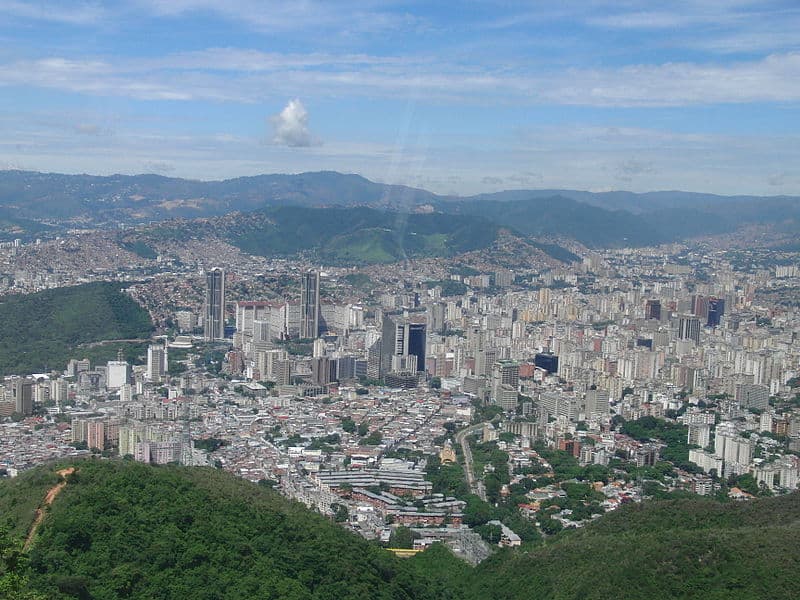
Caracas is the capital of Venezuela, set in a narrow valley 900m above sea level and separated from the Caribbean by the green mountain of El Ávila, which locals love more than anything else about the city. Thanks to its altitude, it enjoys eternal spring with temperatures around 25°C. In the 20th century, when Venezuela grew rich on oil, Caracas was one of the most modern cities in Latin America — from that era come modernist buildings, the UNESCO-listed Ciudad Universitaria with works by Léger, Calder and Arp, and the Teresa Carreño cultural complex. The historic centre around Plaza Bolívar is the birthplace of Simón Bolívar, the liberator of South America. Today's Caracas, however, is a city marked by economic crisis, the emigration of millions of people, and one of the highest crime rates in the world. Foreign ministries advise against travel to Venezuela, and anyone visiting needs a local guide or contact, cash in dollars, and to strictly follow safety rules. For most visitors, Caracas is a transit point on the way to the Los Roques archipelago.

What to see

The places worth your time in Caracas, and what to expect at each

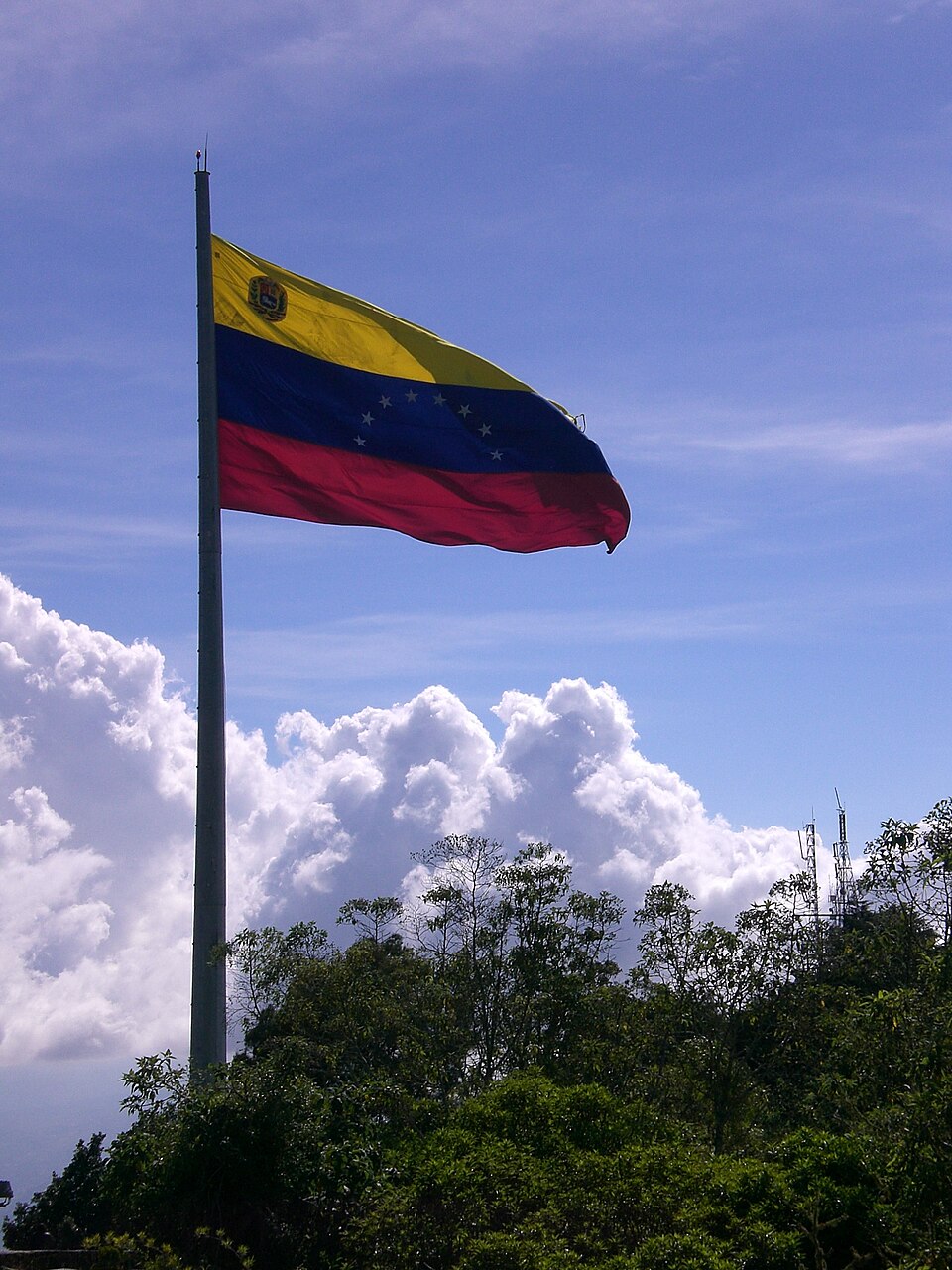
Ávila Cable Car

Ávila Cable Car

Maripérez

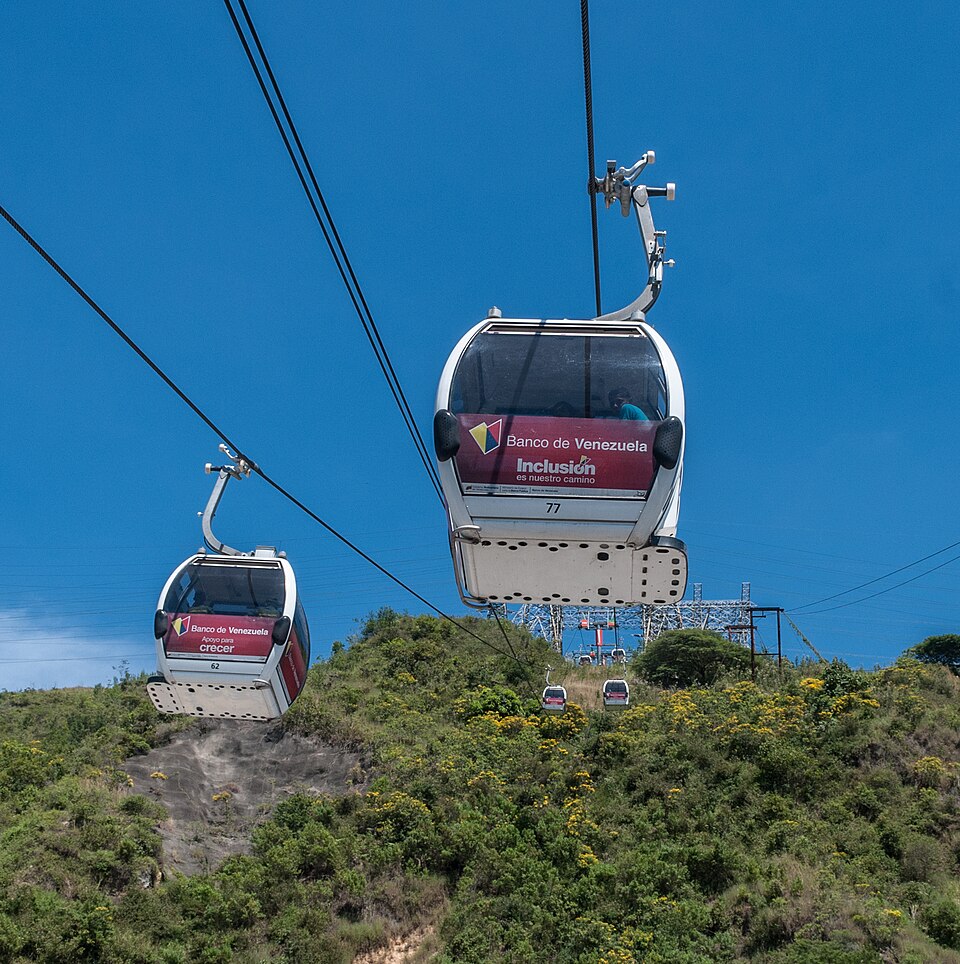
The Teleférico Warairarepano cable car carries visitors from the city to the summit of Mount Ávila, over 2,000m up. From the top there are views over the whole Caracas valley on one side and the Caribbean Sea on the other.

Tip: Go in the morning — clouds tend to cover the mountain around midday. It's cold at the top, so bring a sweater. From the summit you can walk down to the village of Galipán, with its flower gardens and restaurants serving strawberries and cream. The cable car service is often interrupted, so check in advance.

Admission:
admission fee
Time needed:
3–4 h
El Ávila National Park

El Ávila National Park

Altamira

A mountain and national park separating Caracas from the sea, with forests, waterfalls and trails. It's the main spot for sport and relaxation for Caracas residents. The mountain rises over 2,700m and its green mass is visible from anywhere in the city.

Tip: Only use the main entrances with rangers, such as Sabas Nieves, and never go alone. Weekend mornings are the busiest and therefore the safest time. Bring water.

Admission:
free
Time needed:
3–5 h
Plaza Bolívar

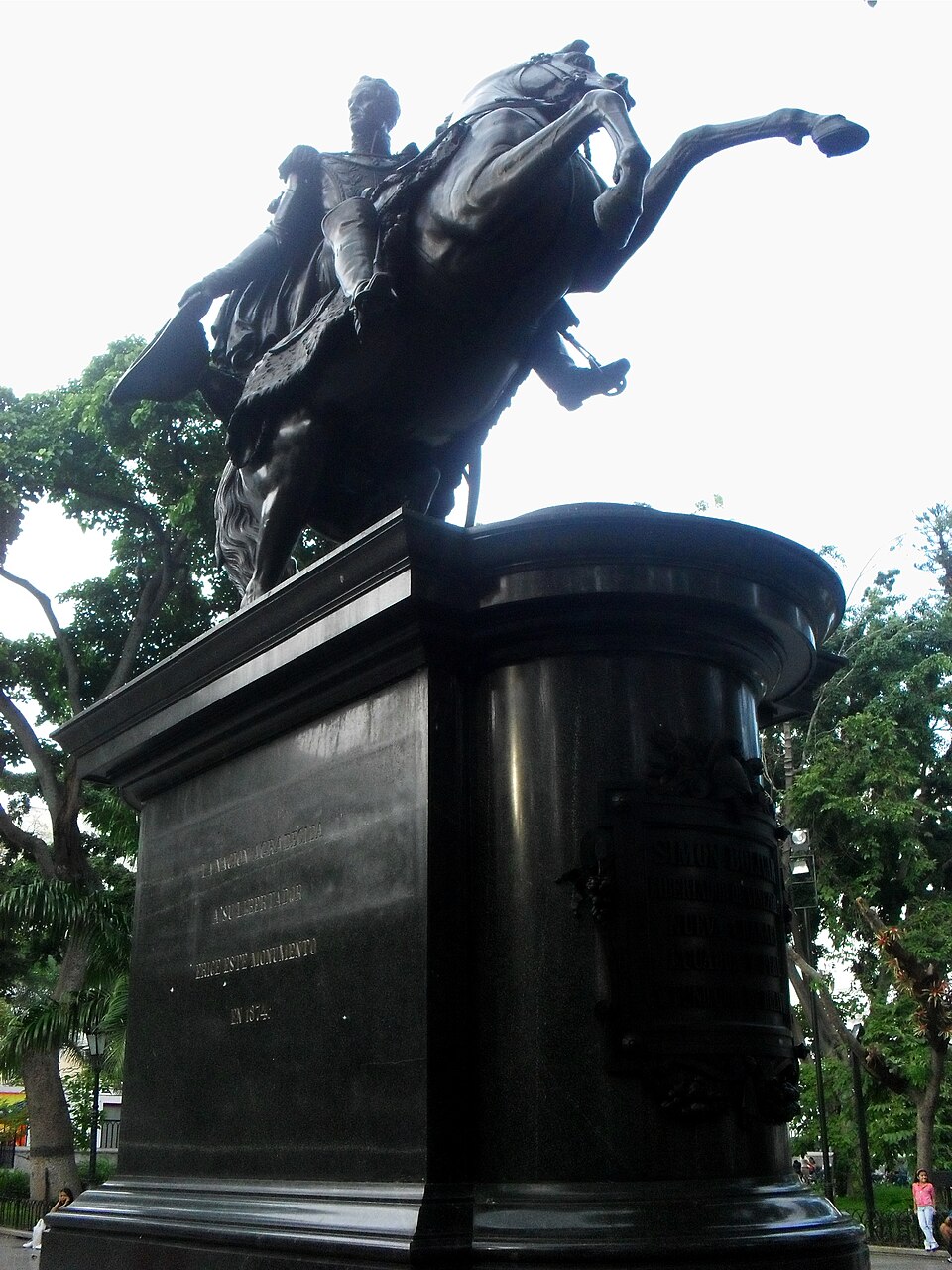
Plaza Bolívar

Centro

The historic main square with an equestrian statue of Simón Bolívar, surrounded by the cathedral, city hall and old colonial buildings. A traditional site for political gatherings.

Tip: The square is interesting during the day with a guide, but leave by evening. Photographing government buildings and soldiers is forbidden. There are sloths in the trees on the square — ask locals to point them out.

Admission:
free
Time needed:
45 min
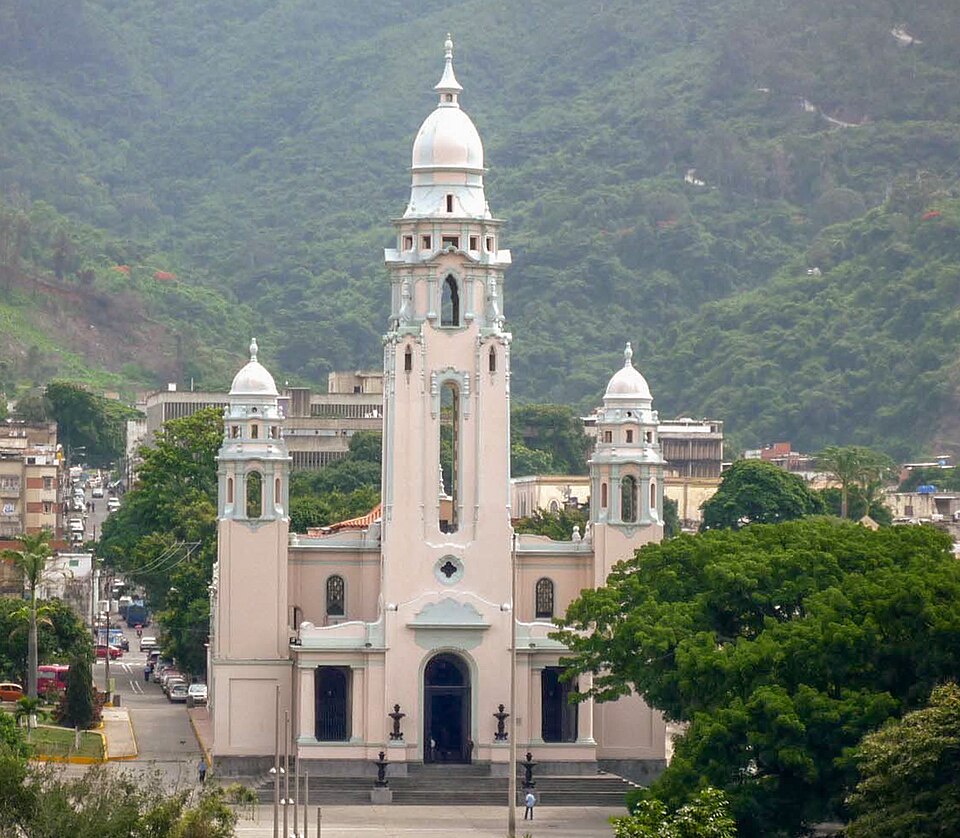
National Pantheon

National Pantheon

Centro

A former church converted into a mausoleum where the heroes of Venezuelan independence are laid to rest. Bolívar's remains lie in a huge new mausoleum next door, topped with a white wave-shaped roof.

Tip: Admission is free, but IDs are checked at the entrance. Photography isn't allowed inside. The changing of the guard at Bolívar's tomb takes place regularly.

Admission:
free
Time needed:
45 min
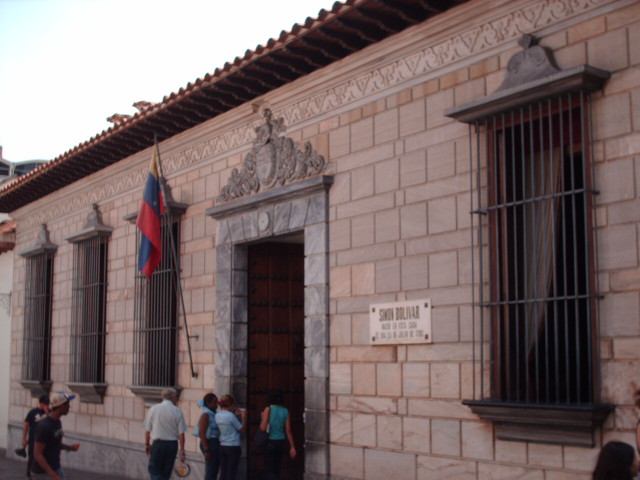
Simón Bolívar's Birthplace

Simón Bolívar's Birthplace

Centro

The colonial house where Simón Bolívar was born in 1783, with paintings depicting scenes from his life and period furniture. The adjoining Bolívar museum holds his personal belongings.

Tip: The house is small, and a visit takes about half an hour. Combine it with Plaza Bolívar and the Pantheon as one guided tour of the centre.

Admission:
free
Time needed:
30 min
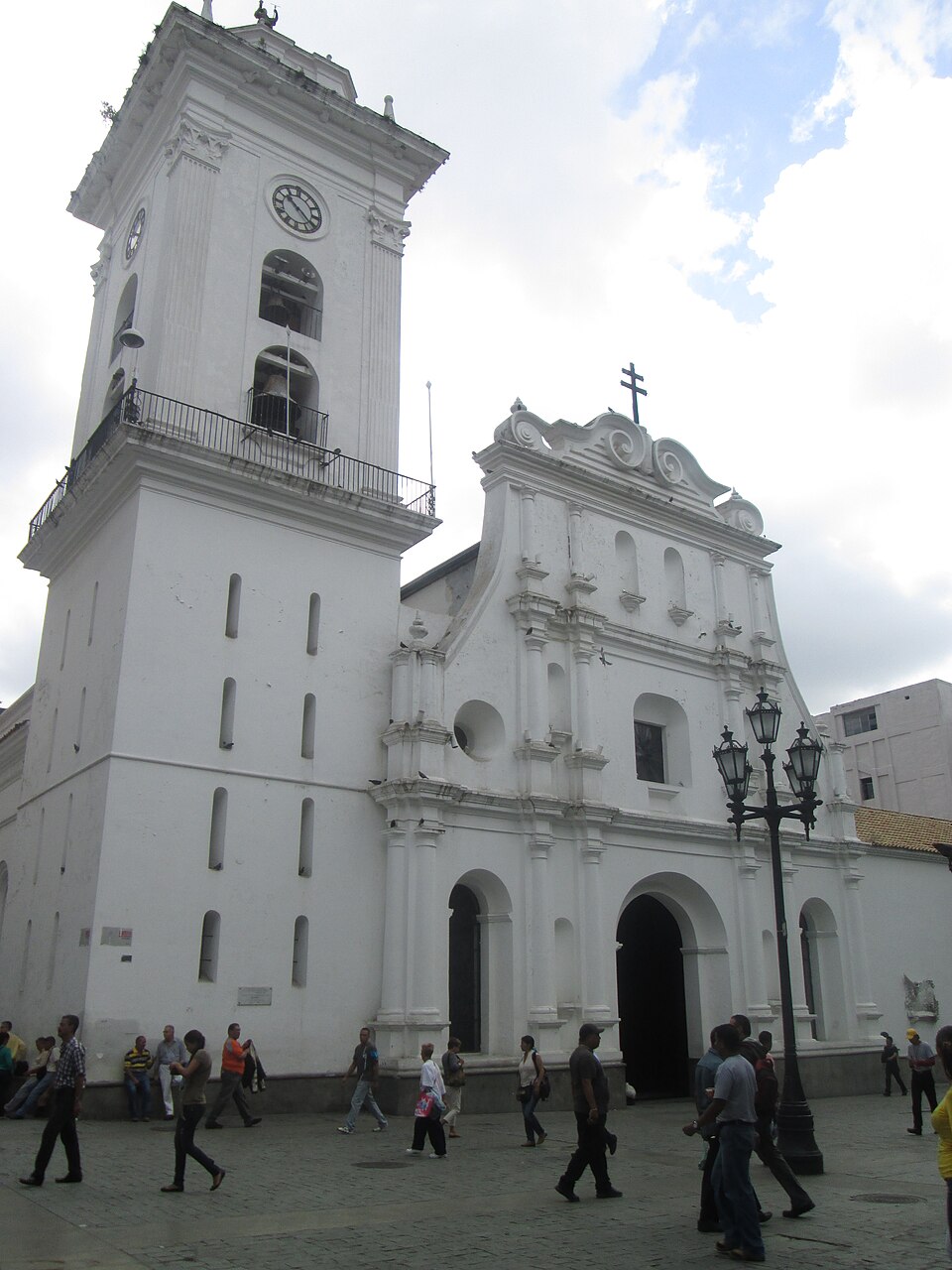
Caracas Cathedral

Caracas Cathedral

Centro

A colonial cathedral on Plaza Bolívar dating from the 17th and 18th centuries, with the Bolívar family chapel and a Last Supper painting by Arturo Michelena.

Tip: The cathedral is only open at certain hours around Mass times. Morning is best. Dress code: shoulders covered.

Admission:
free
Time needed:
30 min
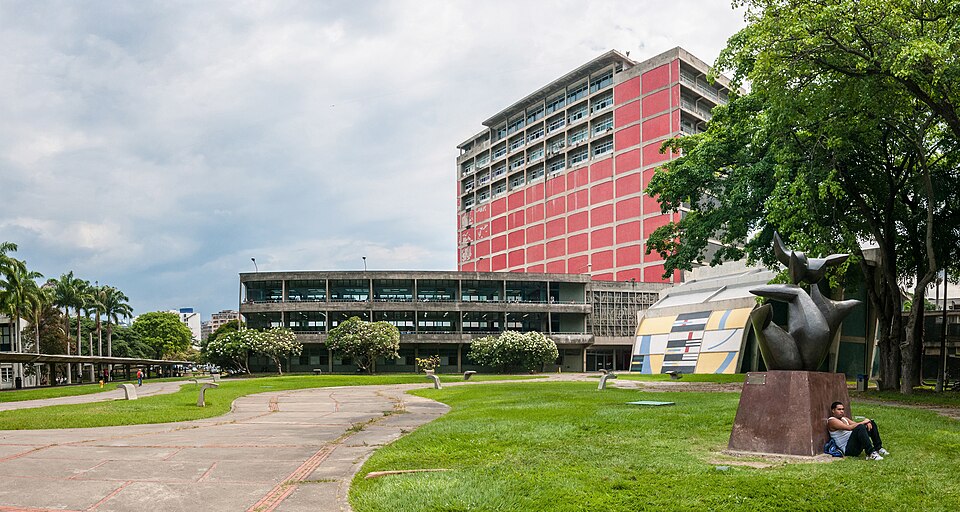
Ciudad Universitaria de Caracas

Ciudad Universitaria de Caracas

Los Chaguaramos

The Central University campus designed by architect Carlos Raúl Villanueva in the 1950s, UNESCO-listed as a masterpiece of modernism. Alexander Calder's acoustic clouds hang in the Aula Magna hall.

Tip: Entry is through the gatehouse, and the best visits are with a student or guide. Calder's acoustic clouds in the Aula Magna are only visible during an event or an arranged tour. The outdoor works by Léger and Arp are freely accessible.

Admission:
free
Time needed:
1.5 h
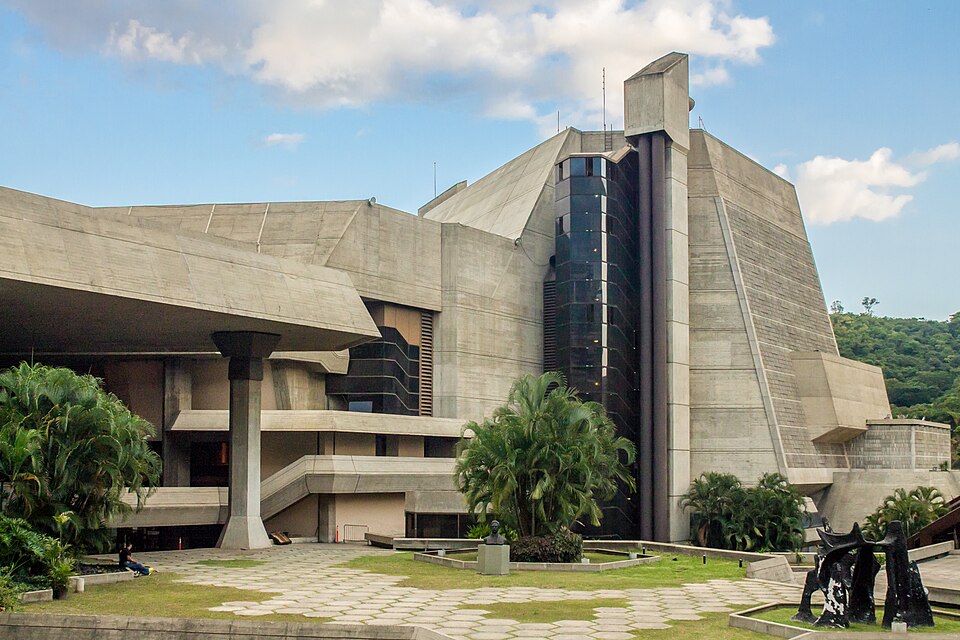
Teresa Carreño Cultural Complex

Teresa Carreño Cultural Complex

Los Caobos

A brutalist cultural complex from the 1970s with a main hall seating 2,500 people, home to the famous Venezuelan youth orchestra El Sistema.

Tip: Concerts by El Sistema orchestras are a real experience and tickets are cheap. Check the schedule online. Only travel by pre-booked taxi.

Admission:
admission per show
Time needed:
2 h
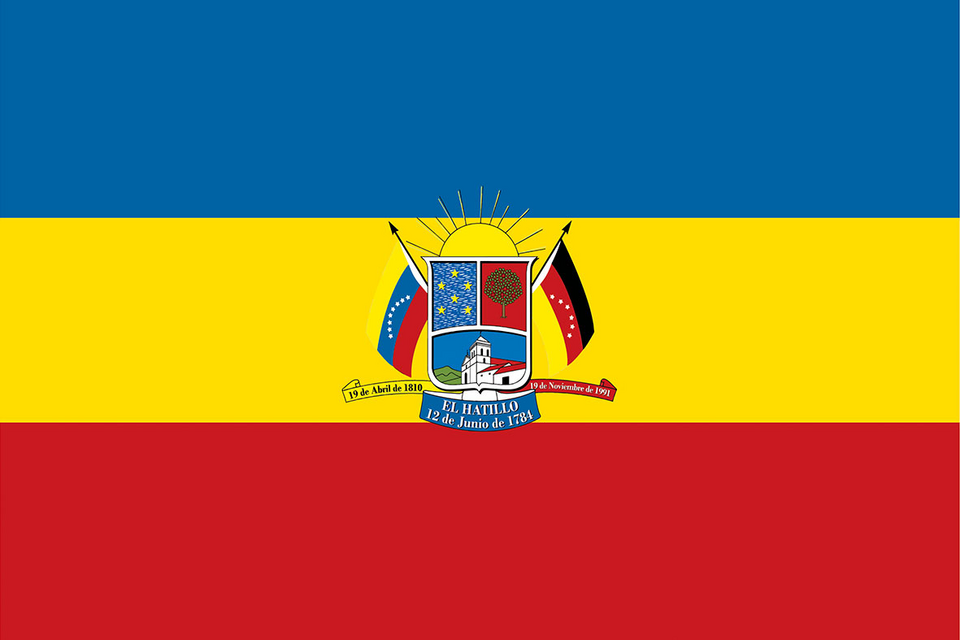
El Hatillo

El Hatillo

El Hatillo

A colonial town on the southern edge of the metropolis, with colourful houses, a church, craft shops and restaurants. The calmest and safest area around Caracas.

Tip: Best on Saturday and Sunday mornings, when it's busiest. Hacienda La Guairita and craft shops are nearby the square. Go by taxi or with a driver.

Admission:
free
Time needed:
2–3 h

Photos: Ávila Cable Car — Wilfredor (CC BY-SA 3.0) · El Ávila National Park — Guillermo Ramos Flamerich (CC BY-SA 3.0) · Plaza Bolívar — Omerta-ve (CC BY-SA 4.0) · National Pantheon — Wilfredor (CC BY-SA 4.0) · Simón Bolívar's Birthplace — Jesús Rincón (Public domain) · Caracas Cathedral — Alexis Carmona (CC BY 3.0) · Ciudad Universitaria de Caracas — Wilfredor (CC0) · Teresa Carreño Cultural Complex — José Gregorio Ferrer (CC BY-SA 3.0) · El Hatillo — No machine-readable author provided. Ninane assumed (based on copyright claims). (Public domain)

Where to stay

Areas and districts, matched to the kind of trip you are taking

Altamira and Los Palos Grandes

Best for: relative safety

Eastern neighbourhoods with hotels, restaurants and cafés beneath Ávila. The best base for visitors. Trails up Ávila start from here.

Las Mercedes

Best for: restaurants and nightlife

A neighbourhood of restaurants, bars and shopping centres. Only travel here by taxi in the evening. Restaurants have their own security and parking.

El Hatillo

Best for: calm

A colonial suburb with restaurants and shops. The calmest part of the metropolis. It's a 40-minute taxi ride from the centre.

Centro

Best for: sights with a guide

The historic centre with Plaza Bolívar. Visit only during the day and with a guide. The centre empties out quickly after dark.

Getting around

From the airport

Simón Bolívar International Airport sits on the coast at Maiquetía, 30km from Caracas across the mountains. Iberia and Air Europa fly from Madrid, and Turkish Airlines from Istanbul, though schedules change often. The trip from the airport into the city is a security pinch point — never take an unbooked taxi; the transfer must be arranged by your hotel or guide. Bring cash in dollars for your whole stay.

Simón Bolívar International (Maiquetía) (CCS) · 30 km

  • Hotel-booked transfer· 45–90 min· $50

Around town

In Caracas, tourists get around only with a driver booked through their hotel or with a guide. There is a metro, but it's overcrowded and unsuitable for foreigners. Walking is only advisable in the safest neighbourhoods during the day. Apps like Ridery work, but a hotel's recommendation is more reliable.

Hotel driverThe safest and only recommended option. · $20 around the city
Guide with carFor touring the centre and day trips. · from $60/day
Ridery / Yummy RidesLocal ride-hailing apps, only for short daytime trips. · from $5
Ávila cable carFrom Maripérez to the summit of the mountain. · admission fee
MetroCheap, but not suitable for foreigners. · —

Useful apps: Ridery, Yummy Rides, Google Maps, WhatsApp

When to go

Thanks to its altitude, Caracas enjoys eternal spring at around 25°C. The dry season runs from December to April, while the rainy season from June to October brings afternoon storms. January to March is best, when Mount Ávila is at its clearest.

Best time

January to March

What to avoid

June to August because of the rains

MonthJanFebMarAprMayJunJulAugSepOctNovDec
Day25°26°27°27°27°26°25°26°26°26°25°25°
Night15°15°16°17°18°18°17°17°17°17°17°16°
Rainy days4336111516151312107

Food & drink

Venezuelan cuisine runs on corn and meat: arepas are eaten for breakfast and dinner, and pabellón criollo is the national dish. Caracas has plenty of restaurants in Las Mercedes and Altamira. Prices are quoted in dollars and are fairly high for foreigners.

What to try

Arepa

A corn-flour flatbread grilled on a griddle and split open like a pocket, filled with cheese, shredded beef or avocado with salad. Eaten for breakfast and dinner, it costs around a dollar and is the single most typical Venezuelan dish.

Pabellón criollo

The national dish: shredded beef (carne mechada), black beans, white rice and fried plantain on one plate. The version topped with an egg is called "a caballo" and makes a full, filling lunch.

Tostones and cachapa

Tostones are twice-fried slices of green plantain, while cachapa is a sweet pancake made from young corn, folded over soft queso de mano cheese. Cachapa is a breakfast that keeps you full until evening.

Queso guayanés and nata

A soft white cheese and thick sour cream spread on arepas. Sold by weight at the market, but resorts don't stock it — to try it, you have to go to the market.

Tequeños

Cheese sticks wrapped in pastry and fried, an essential part of every celebration and the most popular finger food.

Hallaca

A Christmas corn dough filled with meat, raisins and olives, wrapped in a banana leaf. Made in December by the whole family together.

Santa Teresa and Diplomático rum

Venezuelan rums rank among the world's best and cost a fraction of European prices at home. Drunk neat or on ice; the rum-and-cola cocktail here is called a "cuba libre" and is the cheapest drink at the bar.

Papelón con limón and chicha

Papelón is an iced lemonade made from cane sugar and lime, while chicha is a thick sweet rice drink with cinnamon. Both are sold from stalls and are the best defence against the sweltering heat.

What it costs

Arepa

$2–4

Restaurant lunch

$10–18

Dinner in Las Mercedes

$25–50 per person

Beer

$2–4

Ávila cable car

from $10

Driver for a day

$60–100

Airport transfer

$50

Night in a 3-star hotel in Altamira

$70–130

Indicative prices that change over time — treat them as a guide, not a price list.

Practical information

SocketsAtwo flat pins (US/JP)Btwo flat pins plus ground (US)
Voltage120V / 60Hz
Tap waterDo not drink tap water — Tap water isn't drunk in Venezuela. Water supply in Caracas is unreliable and hotels keep their own tanks. Bottled water is widely available, with a 5-litre jug costing a couple of dollars. Ice at resorts is made from treated water, but it's best avoided at street stalls. Expect water and power outages; large hotels have generators, smaller guesthouses don't.
TippingRestaurants often add 10% to the bill as "servicio", on top of which another 5–10% is given in cash, in dollars. The economy is effectively dollarised: prices are quoted in US dollars, payment is made in dollar bills, and bolívars are used only for small change. Bring small denominations — no one can give change for a $100 bill. Foreign bank cards work unreliably and ATMs mostly reject foreign cards, so bring enough cash for your whole stay. Notes must be undamaged; a torn dollar bill won't be accepted anywhere.
Driving on theright
SafetyVenezuela is a country foreign ministries advise against travelling to, and that needs to be taken seriously — crime, unreliable healthcare, power cuts and medicine shortages are all real. Caracas ranks among the most dangerous cities in the world, and strict rules apply: don't walk anywhere after dark, don't take out valuables or a phone on the street, only use hotel or pre-booked taxis and never a car flagged down on the street. Travel insurance must cover air evacuation abroad, since good hospital care isn't available. Always check current advice on your foreign ministry's website before you travel.
Opening hoursOpening hours follow the power supply. Shops are usually open from 9am to 6pm with a lunch break, and only some open on Sunday. Shopping centres stay open later, until 9pm, because they have generators. Restaurants serve from noon to 10pm, but the menu is often shorter than what's printed — always ask what's actually available today. ATMs are practically unusable for foreigners; hotel exchange desks are the way to go.
Customs & etiquetteVenezuelans are friendly, loud and physically close — a pat on the shoulder and a kiss on the cheek when greeting are common. Politics is a sensitive topic, so keep your opinions to yourself whichever side you lean towards. Photographing soldiers, police, airports and government buildings is forbidden and taken seriously. Bargaining is fine at markets, not in shops. If someone on the street offers you a good exchange rate, it's a scam or a trap — only change money at your hotel.
A few local wordsHello — Buenos díasThank you — GraciasHow much is that in dollars? — ¿Cuánto cuesta en dólares?The bill, please — La cuenta, por favorI don't speak Spanish — No hablo españolWhere's an ATM? — ¿Dónde hay un cajero?

How to plan your days

1 day

A Day in Caracas

  1. 1Morning with a guide at Plaza Bolívar and the cathedral.
  2. 2Bolívar's birthplace and the National Pantheon.
  3. 3Lunch in Altamira.
  4. 4Afternoon at Ciudad Universitaria.
  5. 5Evening dinner in Las Mercedes.

2 days

2 Days in Caracas

  1. 1First day as in the one-day itinerary.
  2. 2Second day, morning cable car up Ávila.
  3. 3Walk down to Galipán for strawberries and cream.
  4. 4Afternoon in El Hatillo.
  5. 5Evening concert at Teresa Carreño.

3 days

3 Days in Caracas

  1. 1First 2 days as in the previous itinerary.
  2. 2Third day, trip to Colonia Tovar.
  3. 3German sausages and beer in the mountains.
  4. 4Afternoon back.
  5. 5Or fly to Los Roques instead.

Day trips

Colonia Tovar

60 km · 1.5 h by car

A mountain village at 2,000m founded by German settlers from Baden in 1843. Half-timbered houses, sausages, beer and strawberries. A popular weekend trip for Caracas residents.

Los Roques

160 km · 40 min by plane

A coral archipelago with white beaches and a turquoise lagoon, a national park with a limited number of visitors. It can be done as a day trip by small plane, though it's better to stay a few days in a guesthouse on Gran Roque island.

Choroní and Henri Pittier

150 km · 4 h by car

Venezuela's oldest national park, with cloud forest and the Caribbean villages of Choroní and Puerto Colombia on the coast. The road over the mountains is narrow and winding, so go with a driver.

Frequently asked questions

Is it safe to travel to Caracas?+

The foreign ministry advises against travel to Venezuela. Anyone who goes should have a local guide or contact, a driver arranged through the hotel, and stick strictly to safety rules. Check the current advisory on your government's foreign ministry website before travelling.

Do I need a visa for Venezuela?+

Most Western passport holders don't usually need a visa for short stays, but rules change frequently. Check with a Venezuelan consulate before you travel.

What currency is used?+

US dollars in cash, with bolívars only for small change. Foreign bank cards work poorly, so bring cash in smaller denominations.

How do I get from the airport?+

Only with a transfer booked in advance through your hotel. An unbooked taxi at the airport is a real risk.

Where should I stay in Caracas?+

In Altamira or Los Palos Grandes. Both neighbourhoods have hotels with security and restaurants within the block.

How many days are enough for Caracas?+

1–2 days with a guide. For most people, Caracas is a stopover on the way to Los Roques.

Is healthcare available in Caracas?+

Limited. Insurance must cover air evacuation abroad, and bring any medication you need with you.

What is Ávila?+

A mountain above the city and national park, a symbol of Caracas. A cable car goes up, and the sea is visible from the summit.

Visa Requirements

Check the latest visa requirements for entering this country. Some nationalities may need to apply for a visa or e-visa before travel.

Check visa requirements

Language

Spanish

Currency

VES

Timezone

America/Caracas

Dial Code

+58

Population

28.4M

Area

916,445 km²

Voltage

120V / 60Hz

Driving Side

Right

Top Hotels in Caracas

Live prices from 500+ properties

Loading hotels...

More destinations in Venezuela

Planning a trip to Caracas?

Compare hundreds of hotels, find the best price, and book with free cancellation on TravelManiac.