Hotels in Casablanca

Morocco's biggest city, with a mosque above the Atlantic and Art Deco

Casablanca

LanguageArabic / French
CurrencyMAD
TimezoneAfrica/Casablanca
Temperature15-35 °C
Dial Code+212
Population37.5M
Area446,550 km²
SocketsType C / Type E
Tap waterBottled advised

Discover Casablanca

Casablanca is Morocco's largest and most economically important city, on the Atlantic coast about eighty kilometres south of Rabat. It is not a classic tourist town of medina and palace gardens like Marrakech, but a modern metropolis that combines European architecture from the French protectorate, Art Deco and the magnificent Hassan II Mosque on a cliff above the ocean. There is the Corniche boulevard with its beaches, the fishing-port market, cafés and shopping avenues. The film reputation of Casablanca from 1942 is more legend than fact, but in Rick's Café you can dine in the atmosphere of the film. Casablanca suits two to three days, as a stop on a tour of Morocco or as an entry to the country from its international airport. The best time is March to June and September to November, when it is pleasant; summer is humid, but fresher by the ocean than in Marrakech. Citizens of the EU enter Morocco without a visa.

What to see

The places worth your time in Casablanca, and what to expect at each

Hassan II Mosque

Hassan II Mosque

coast

The largest mosque in Morocco and one of the largest in the world, standing half over the ocean. Its minaret is two hundred and ten metres tall, the tallest in the world. It was built between 1986 and 1993 and holds twenty-five thousand worshippers inside and eighty thousand in the courtyard. It is one of the few mosques in Morocco open to visitors of other faiths.

Tip: Guided tours run several times a day except on Friday morning; tickets are bought on site and cost around a hundred and thirty dirhams. Come in the morning and remember to cover shoulders and knees.

Admission:
about MAD 130
Time needed:
1–1.5 hrs
Ain Diab Corniche

Ain Diab Corniche

Ain Diab

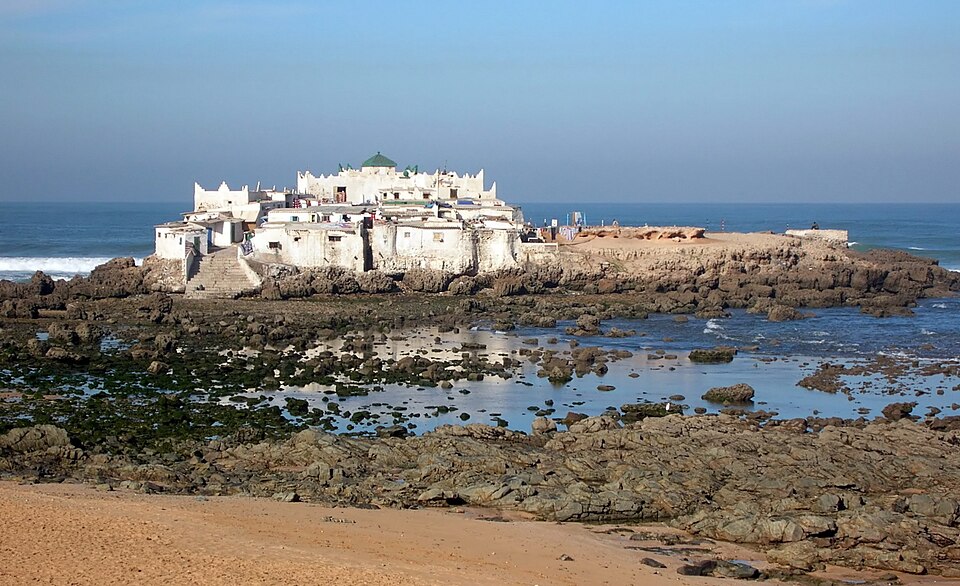
A seafront boulevard along the Atlantic with beaches, beach clubs, restaurants and pools. In summer it is lively and at weekends full of families. The sea is often colder and rougher than in the Mediterranean, so it suits mainly a stroll and the beach clubs.

Tip: Swimming is safer in beach clubs with lifeguards, as free beaches often have strong currents. In the evening the cafés are full and the sunset over the ocean is worth stopping for.

Admission:
free, clubs from MAD 150
Time needed:
half a day
The Old Medina

The Old Medina

centre

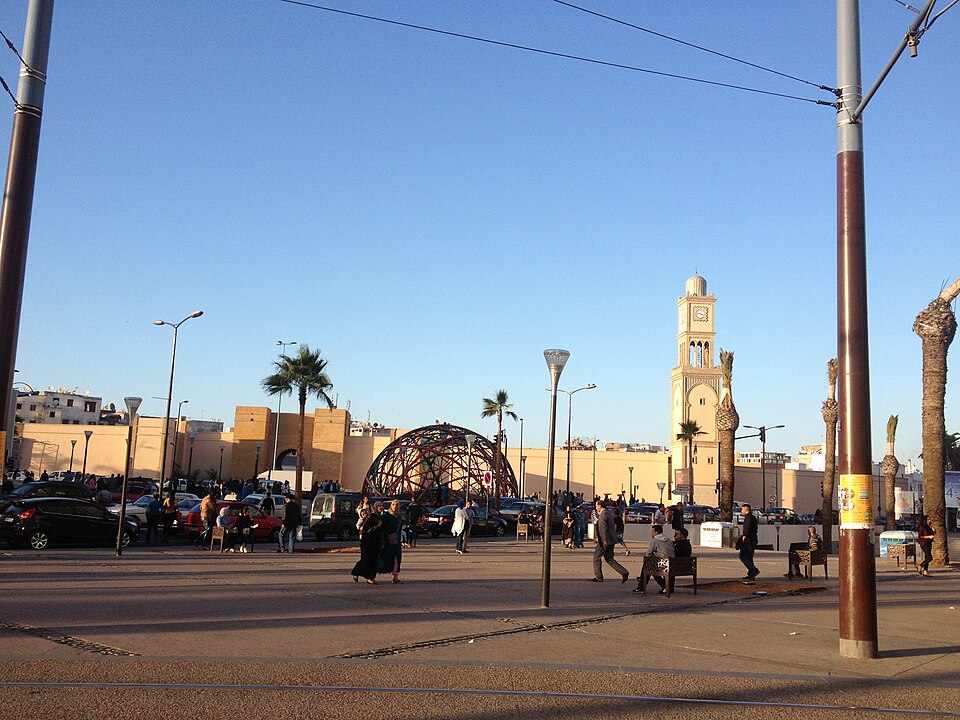
The oldest part of the city, walled, smaller and less touristy than the medinas of Marrakech or Fès. Narrow lanes, shops selling carpets, spices and traditional crafts give a picture of everyday life. It is a place where you can shop more cheaply than in tourist districts.

Tip: Enter the medina through the Bab Marrakech gate and ask the price in advance. On weekday mornings it is quiet, and on Friday afternoon most shops close.

Admission:
free
Time needed:
1–2 hrs
The Habous Quarter

The Habous Quarter

Habous

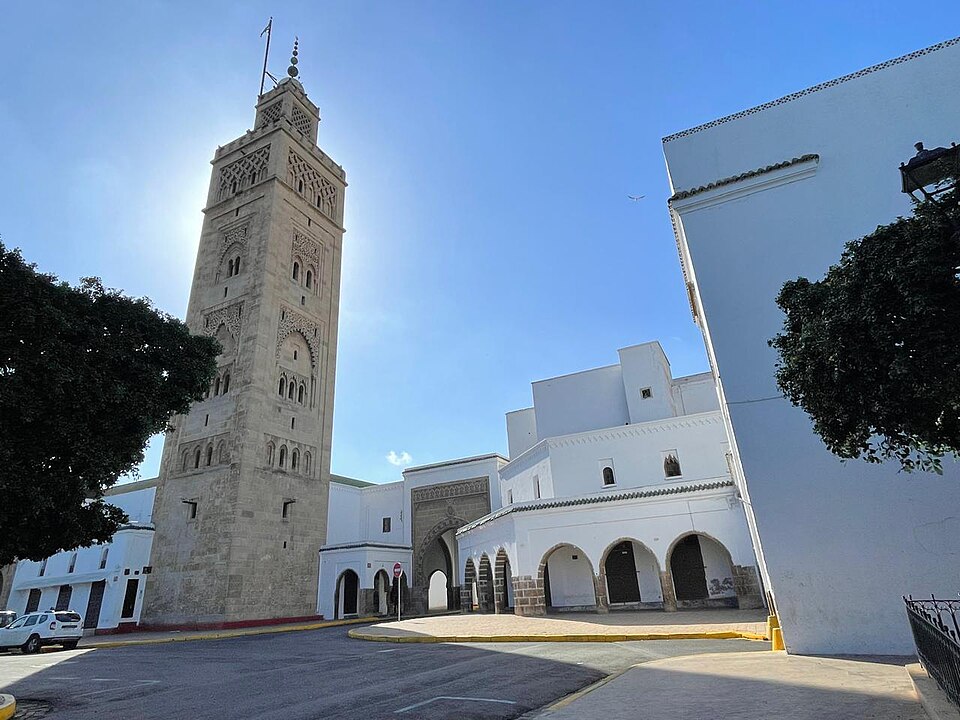
A new medina from the 1930s that the French built in Moorish style, with arcades, white houses and small shops. Sweets, olives, carpets and leather goods are sold here. It is the best place to buy souvenirs in a calm setting.

Tip: Come in the morning, when it is calmer and the shops open. Try dates and Moroccan sweets in the bakeries by the mosque.

Admission:
free
Time needed:
1–2 hrs
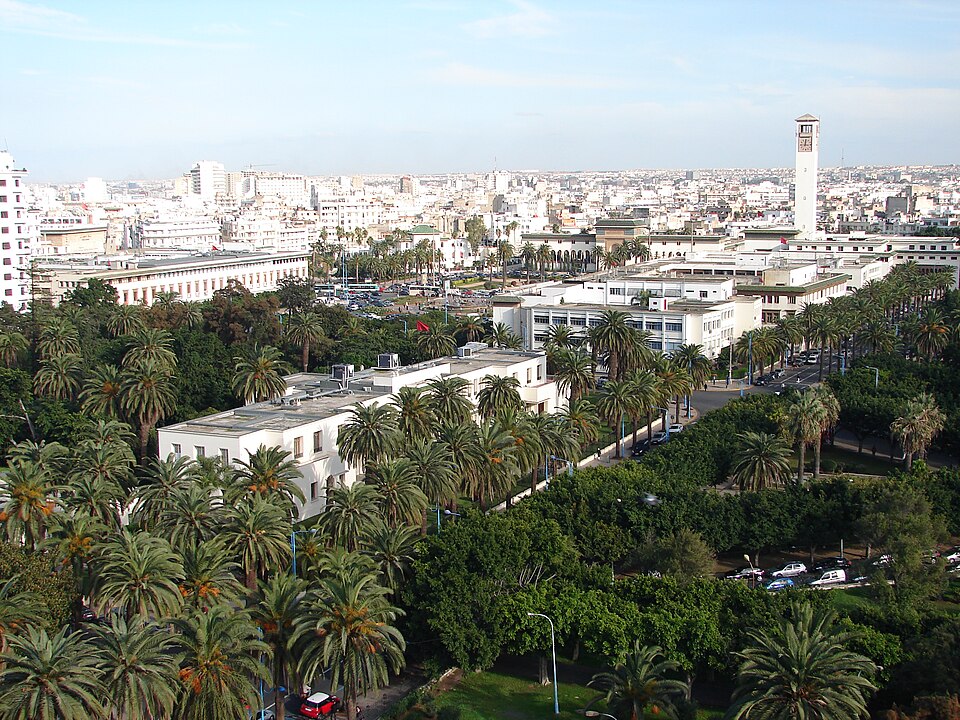
Place Mohammed V and Art Deco

Place Mohammed V and Art Deco

centre

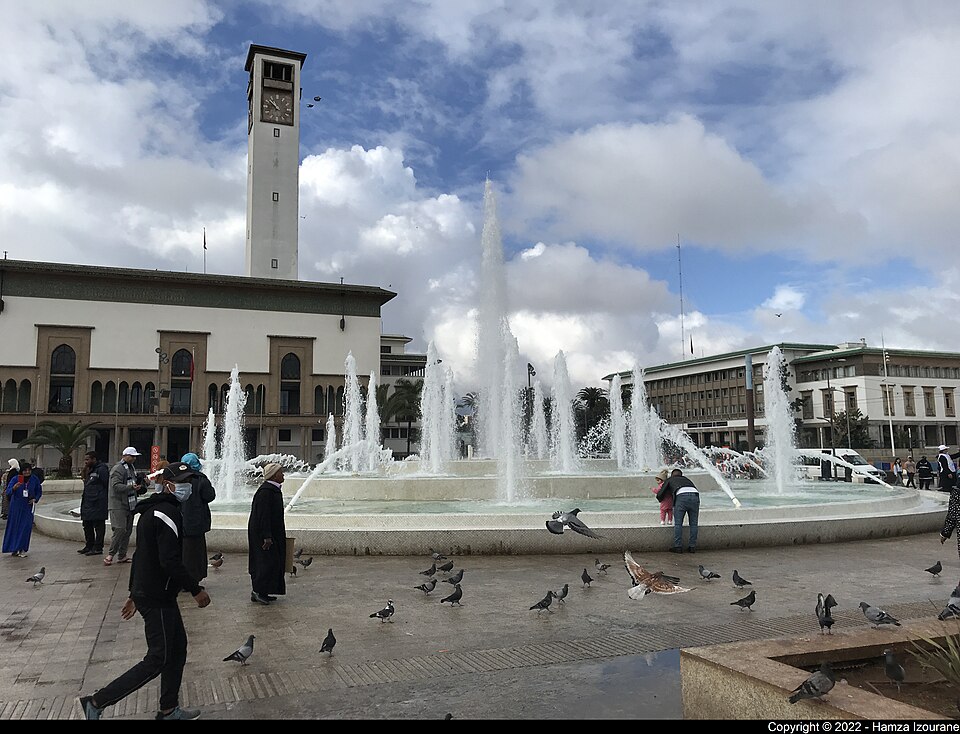
The main square with the town hall, the law courts and the post office in Moorish style from the 1920s, surrounded by Art Deco buildings that give Casablanca its nickname 'the White City'. The centre is full of cafés and shops in a modern spirit. It is best walked along Boulevard Mohammed V.

Tip: Look up at the facades and details; many buildings are derelict, but some are restored. Guided walks run on Saturday morning.

Admission:
free
Time needed:
1–2 hrs
Sacré-Cœur Cathedral

Sacré-Cœur Cathedral

centre

A former Catholic cathedral from 1930 in Art Deco style with a tall slender tower, now used as a cultural centre. It no longer holds services and entry is free. You can climb the tower and the view is over the district.

Tip: Check the current opening hours, which are limited. Beside it is the Ligue Arabe park with shady trees.

Admission:
free
Time needed:
30–45 min
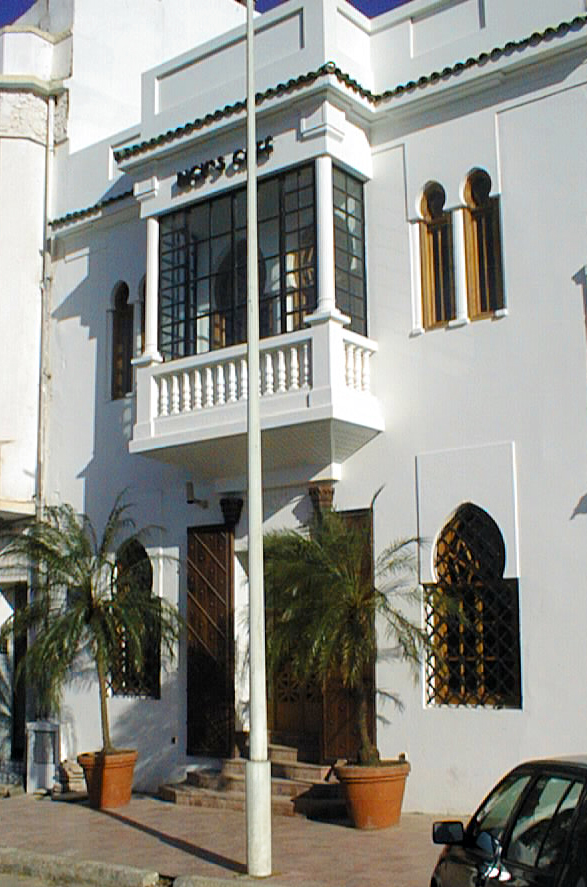
Rick's Café

Rick's Café

centre

A restaurant and piano bar with an interior inspired by the 1942 film Casablanca, which was shot in Hollywood, not in Morocco. Dinner here costs more than elsewhere and the atmosphere is straight out of the film. Booking is essential and there is a piano playing 'As Time Goes By'.

Tip: Book a table in advance for the evening; prices are higher, but it suits once per visit. Observe the dress code, as the evening is more elegant.

Admission:
dinner from MAD 400
Time needed:
2 hrs
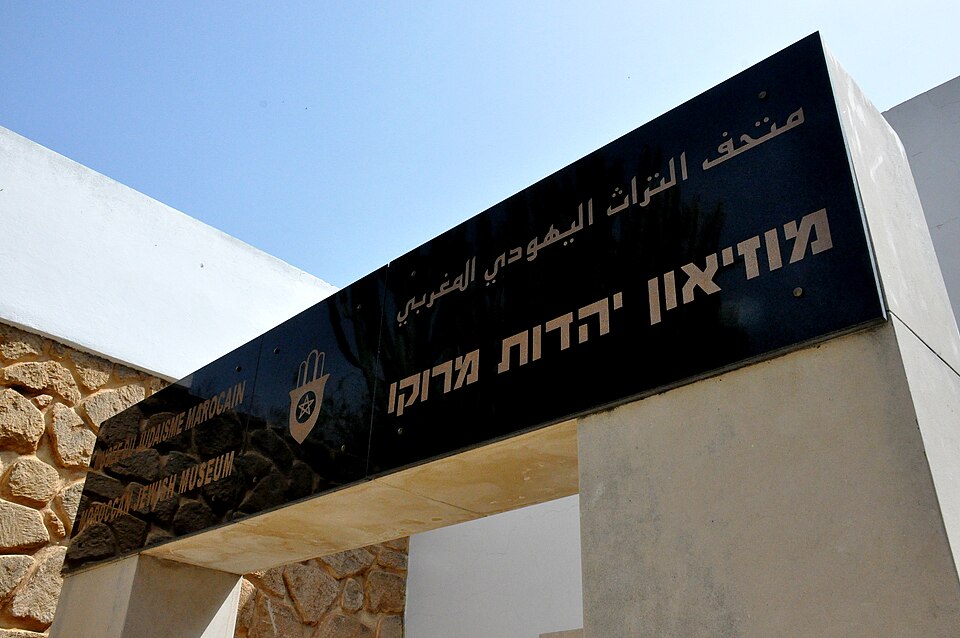
Museum of Moroccan Judaism

Museum of Moroccan Judaism

Oasis

The only museum of Jewish culture in the Arab world, located in a former Jewish home in the Oasis district. It displays objects, photographs and documents about the long history of the Jewish community in Morocco. It is a calm and instructive place.

Tip: Ask in advance about opening hours, as on Friday afternoon and Saturday it is often closed. A visit takes an hour and is in English and French.

Admission:
about MAD 50
Time needed:
1 hr
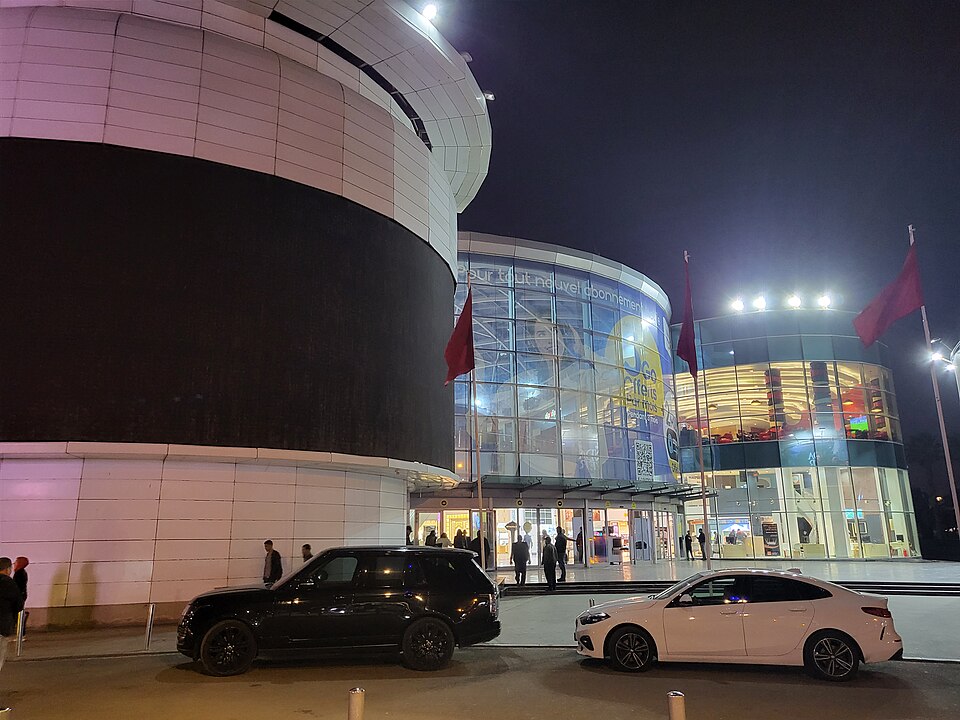
Morocco Mall

Morocco Mall

Ain Diab

Morocco's largest shopping centre, by the coast, with shops, restaurants, an aquarium and a musical water fountain. It suits an hour's rest in air conditioning. It is a family destination for a rainy day.

Tip: Come on a weekday, as at weekends it is full. In the evening it is lively and from the terrace there is a view over the ocean.

Admission:
free
Time needed:
2–3 hrs

Photos: Hassan II Mosque — Werner100359 (CC BY-SA 4.0) · Ain Diab Corniche — Bernard Gagnon (CC BY-SA 3.0) · The Old Medina — Maher27777 (Public domain) · The Habous Quarter — Ahlamine (CC BY-SA 4.0) · Place Mohammed V and Art Deco — Hamza Izourane (CC BY-SA 4.0) · Sacré-Cœur Cathedral — Antony Stanley from Gloucester, UK (CC BY-SA 2.0) · Rick's Café — Tchekhov (Public domain) · Museum of Moroccan Judaism — Osama Shukir Muhammed Amin FRCP(Glasg) (CC BY-SA 4.0) · Morocco Mall — יאיר ליברמן (CC BY-SA 4.0)

Where to stay

Areas and districts, matched to the kind of trip you are taking

Centre and Maarif

Best for: shops, restaurants and transport

A business district with modern shops, cafés and hotels, where most sights can be reached on foot. Transport is good, but it is noisy. Suits a first visit.

Corniche (Ain Diab)

Best for: the ocean and beach clubs

The coastal district with luxury hotels, beach clubs and restaurants. It is calmer and fresher than the centre. Transport by taxi or tram.

Habous and the old medina

Best for: authentic Morocco

Traditional districts with markets and small hotels. Prices are lower and the atmosphere authentic, but the choice is more modest. Suits those who want to see local life.

Mohammedia and surroundings

Best for: a calm coast

A coastal town about thirty kilometres northeast with beaches and golf. It is calmer and cheaper than Casablanca. Suits a longer stay by the sea.

Getting around

From the airport

Mohammed V Airport (CMN) is about thirty kilometres southeast of the centre, with direct and connecting flights from Europe. An ONCF train runs from the airport to the centre in thirty-five minutes for around fifty dirhams. A taxi costs about three hundred dirhams and takes half an hour. Trains run from Casablanca to Rabat, Marrakech and Fès.

Casablanca – Mohammed V Airport (CMN) · 30 km

  • ONCF train to the centre· 35 min· MAD 50
  • Taxi to the centre· 30 min· MAD 300
  • Private transfer· 30 min· €25

Around town

Casablanca has a tram, buses and large red taxis. The tram is cheap and links the centre with Ain Diab. Use taxis with the meter, and make sure it is switched on. The centre and medina can be walked, but distances are longer than in other Moroccan cities. Trains to Rabat, Marrakech and Fès leave from Casa Voyageurs station.

TramTwo lines between the centre and outer districts. · MAD 8
Petit taxiRed meter taxis around town. · MAD 20
ONCF trainTo Rabat, Marrakech and Fès, book in advance. · MAD 100
On footThe centre and medina are walkable.

Useful apps: Careem, Google Maps, Uber, ONCF

When to go

Casablanca has a Mediterranean climate moderated by the Atlantic. Summer is warm and humid at around twenty-seven degrees, and winter mild with rain. The best months are March to June and September to November, when it is pleasant. In winter it rains and the ocean is rough.

Best time

March to June and September to November

What to avoid

December and January (rain and wind)

MonthJanFebMarAprMayJunJulAugSepOctNovDec
Day18°18°20°21°23°25°27°28°27°25°21°19°
Night8°9°10°12°14°17°19°20°18°16°12°9°
Rainy days877641002579
Sea17°16°16°17°18°20°21°22°22°21°19°17°

Food & drink

Casablanca is the gastronomic centre of Morocco: fresh fish from the port, traditional tagine, couscous and pastilla. Food in cafés is cheap and in the port market a lunch with fish costs a hundred to two hundred dirhams. People drink mint tea and coffee.

What to try

Tagine

A dish cooked in a conical clay pot: meat or fish with vegetables, olives and spices. The foundation of Moroccan cooking.

Couscous

Steamed semolina with meat and vegetables, traditionally served on Friday. The best is homemade, in family restaurants.

Pastilla

A sweet-and-savoury pie of fine pastry filled with pigeon or chicken, almonds and cinnamon. A festive dish.

Harira

A thick soup of tomatoes, lentils, chickpeas and herbs, eaten at sunset in Ramadan. Sold for a few dirhams in bakeries.

Grilled sardines

Fresh Atlantic sardines, grilled and served with lemon in the port. The best are in the fish market by the harbour.

Msemen

Layered flatbreads served for breakfast with honey and butter. On the street they cost a few dirhams.

Mint tea

Green tea with fresh mint and plenty of sugar, poured from a height. A symbol of Moroccan hospitality.

What it costs

Mint tea in a café

MAD 10–20

Lunch in a local restaurant

MAD 60–120

Tagine

MAD 70–120

Hassan II Mosque

MAD 130

Petit taxi (ride)

MAD 20–40

Train to Rabat

MAD 50–80

3★ hotel (night)

MAD 600–1,200

Taxi from the airport

MAD 300

Indicative prices that change over time — treat them as a guide, not a price list.

Practical information

SocketsCEuroplug, two round pinsEFrench, with earth pin
Voltage220V / 50Hz
Tap waterTap water is treated, bottled is common — Tap water in Casablanca is treated, but most tourists drink bottled. Bottled water is cheap.
TippingTipping is expected in Morocco: ten per cent in a restaurant, a few dirhams for waiters in cafés and for porters. For taxi drivers rounding up is enough.
Driving on theright
SafetyCasablanca is generally safe for tourists, but watch for pickpockets and, at night, remote streets. Do not be led off by fake guides and agree the price in advance. In the sea beware of currents. The emergency number is 19 (police) and 15 (ambulance).
Opening hoursShops are open from nine to twelve and two to eight, on Friday often closed until two. The mosque is closed to visitors on Friday morning. The market runs in the morning.
Customs & etiquetteIn Morocco modest dress is respected: shoulders and knees covered. Mosques are entered only in the permitted areas. Do not refuse an offered tea. Ask before photographing people.
A few local wordsHello — Bonjour / SalamThank you — Merci / ShukranPlease — S'il vous plaîtHow much is it? — Combien ça coûte? / Bchhal?No, thank you — Non merci / La, shukranThe bill, please — L'addition, s'il vous plaîtWhere is the toilet? — Où sont les toilettes ?

How to plan your days

1 day

A day in Casablanca

  1. 1Morning the Hassan II Mosque and a walk along the seafront.
  2. 2Lunch in the port with sardines.
  3. 3Afternoon the medina and the Habous quarter.
  4. 4Early evening a stroll along the Corniche.
  5. 5Evening dinner at Rick's Café.

2 days

Two days: the city and the coast

  1. 1Day one as above.
  2. 2Day two morning the centre and Art Deco.
  3. 3Afternoon the museum and Morocco Mall.
  4. 4Evening a beach club at Ain Diab.

3 days

Three days: Casablanca and Rabat

  1. 1Days one and two as above.
  2. 2Day three a trip by train to Rabat.
  3. 3Return to Casablanca in the evening.

Day trips

Rabat

90 km · 1 hr by train

The capital of Morocco with the Mausoleum of Mohammed V, the Hassan Tower and the Kasbah of the Udayas. Trains run from Casablanca several times an hour and the trip can be done in a day.

El Jadida

100 km · 1 hr 30 min by car

A port town with the Portuguese city of Mazagan, a UNESCO site, and its vast cisterns. It suits half a day and can be combined with a swim.

Marrakech

240 km · 2 hrs 45 min by train

The famous city with its medina, Jemaa el-Fna square and gardens. A train runs from Casablanca several times a day and the trip is long; it is better to stay overnight.

Frequently asked questions

Is Casablanca worth visiting?+

Yes, for two to three days: the Hassan II Mosque, Art Deco, the medina and the coast. It is not a classic tourist town but a living metropolis that shows modern Morocco. It suits as an entry to the country and as a base for trips.

Can I enter the Hassan II Mosque?+

Yes, it is one of the few Moroccan mosques open to visitors of other faiths. Guided tours run several times a day except on Friday morning. A ticket costs around a hundred and thirty dirhams and shoulders and knees must be covered.

How do I get from the airport to the centre?+

Cheapest is the ONCF train, which goes from the airport to Casa Voyageurs station in about thirty-five minutes for around fifty dirhams. A taxi costs about three hundred dirhams and takes half an hour. A private transfer costs about twenty-five euros.

When is the best time to visit?+

March to June and September to November, when it is pleasant and the weather is steady. In summer it is around twenty-seven degrees and humid, but fresher by the ocean. In winter it is often rainy.

Do I need a visa for Morocco?+

Citizens of the EU do not need a visa for a stay of up to ninety days. The passport must be valid for at least six months. Conditions change, so check with your foreign ministry.

Is Casablanca safe?+

For tourists mostly yes, but watch for pickpockets and fake guides. At night avoid remote streets. Use taxis with a meter.

Is Casablanca better than Marrakech?+

Casablanca is a modern metropolis with a mosque and Art Deco, Marrakech a traditional city with a medina and gardens. For a first visit to Morocco, Marrakech is more attractive to tourists. Casablanca suits as a stop and for business.

What should I bring home as a souvenir?+

Carpets, leather goods, spices and mint tea. They are cheapest in Habous, not in the tourist shops by the mosque. Bargain the price and ask about the origin.

Visa Requirements

Check the latest visa requirements for entering this country. Some nationalities may need to apply for a visa or e-visa before travel.

Check visa requirements

Emergency Numbers

Language

Arabic / French

Currency

MAD

Timezone

Africa/Casablanca

Dial Code

+212

Population

37.5M

Area

446,550 km²

Voltage

220V / 50Hz

Driving Side

Right

Top Hotels in Casablanca

Live prices from 500+ properties

Loading hotels...

More destinations in Morocco

Planning a trip to Casablanca?

Compare hundreds of hotels, find the best price, and book with free cancellation on TravelManiac.