Hotels in Colombo

Sri Lanka's commercial capital: colonial Fort, Pettah's bazaars and sunsets over the ocean

Colombo

LanguageSinhala / Tamil
CurrencyLKR
TimezoneAsia/Colombo
Temperature26-32 °C
Dial Code+94
Population22.2M
Area65,610 km²
SocketsType D / Type G / Type M
Tap waterNot drinkable

Discover Colombo

Colombo is Sri Lanka's largest city and commercial hub, a port on the west coast where Arab, Portuguese, Dutch and British traders have called for centuries. Most visitors skip it, heading straight from the airport south to the beaches or on to Kandy — missing out on a city that has transformed over the past decade. Colonial Fort, with its restored buildings and a Dutch-era hospital converted into shops and restaurants, sits next to the Pettah bazaar, where narrow streets sell spices, fabric and fruit, and the striped Red Mosque stands. Further south lies the leafy district of Cinnamon Gardens, with a museum, a park and Independence Hall, the Gangaramaya Buddhist temple with its collection of just about everything, and the Galle Face promenade, where in the evening people fly kites and eat crab cakes. Colombo makes a good place to spend the first or last day of a trip: it has the island's best food, from rice-and-curry eateries to a crab restaurant with a reputation as one of the best in Asia, and good shopping for tea and batik. It is not a place to swim, though — for that, head to Mount Lavinia or further south.

What to see

The places worth your time in Colombo, and what to expect at each

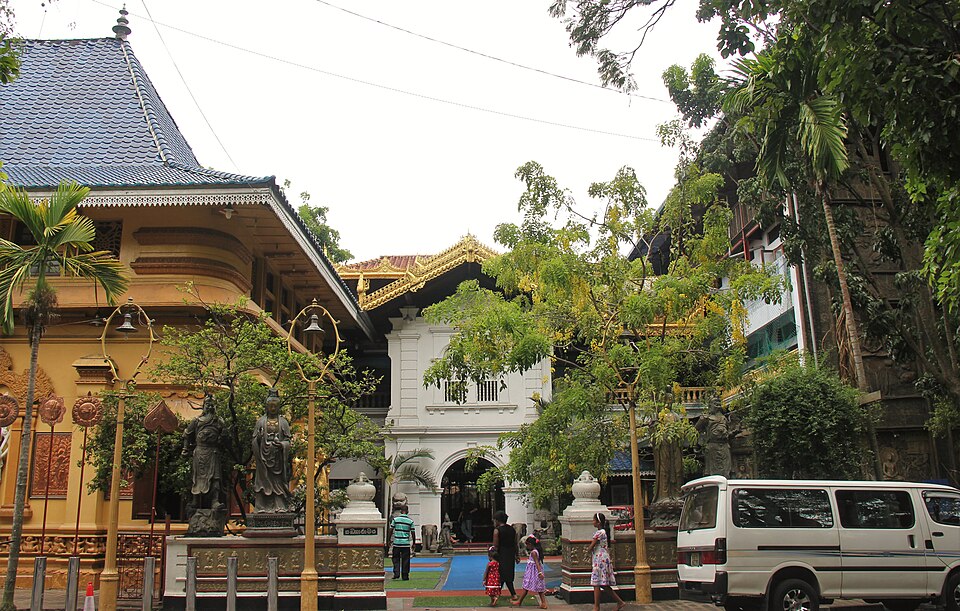
Gangaramaya Temple

Gangaramaya Temple

ගංගාරාම විහාරය

Slave Island / Lake Beira

A Buddhist temple from the late 19th century that functions as much as a museum of everything donors have given it: Buddha statues from across Asia, antique clocks, cars, elephant tusks, jewellery and even an old Rolls-Royce. It is an active temple with a monastic school, and the centre of the Navam festival in February, when a procession with 100 elephants passes through the city.

Tip: Around the corner on Lake Beira stands Seema Malaka, a meditation pavilion designed by the architect Geoffrey Bawa that floats on the water and is included in the Gangaramaya ticket — do not skip it, it is quieter and more photogenic. Dress with shoulders and knees covered for the temple, and leave shoes at the entrance. It is most atmospheric on poya full moon evenings.

Admission:
around LKR 500
Time needed:
1h
Galle Face Green

Galle Face Green

ගාලු මුවදොර පිටිය

Galle Face / Fort

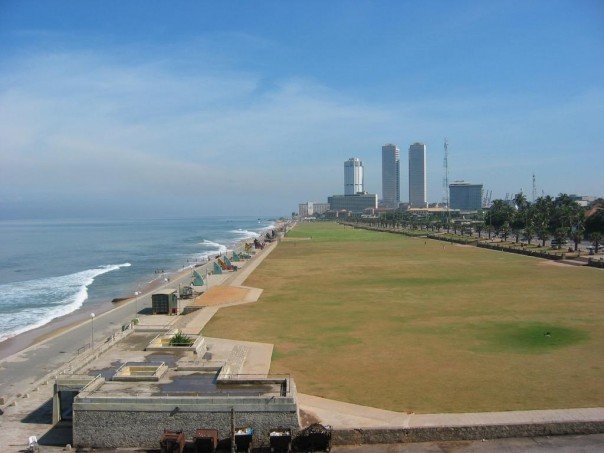
A 5-hectare grassy strip along the ocean in central Colombo, laid out by the British in 1859 for horse racing. Today it is the city's main recreation spot, drawing families, couples and street food vendors. At its southern end stands the Galle Face Hotel from 1864, the oldest hotel east of the Suez.

Tip: Come at sunset, when the sky turns colour over the ocean and the stalls at the southern end start frying isso vade, prawn patties. Then head for a drink on the veranda of the Galle Face Hotel, where a flag-lowering ceremony with a piper takes place at 6:30pm. You cannot swim here — the shore is protected by rocks and the currents are strong.

Admission:
free
Time needed:
1–1.5h
Pettah and the Red Mosque

Pettah and the Red Mosque

පිටකොටුව

Pettah

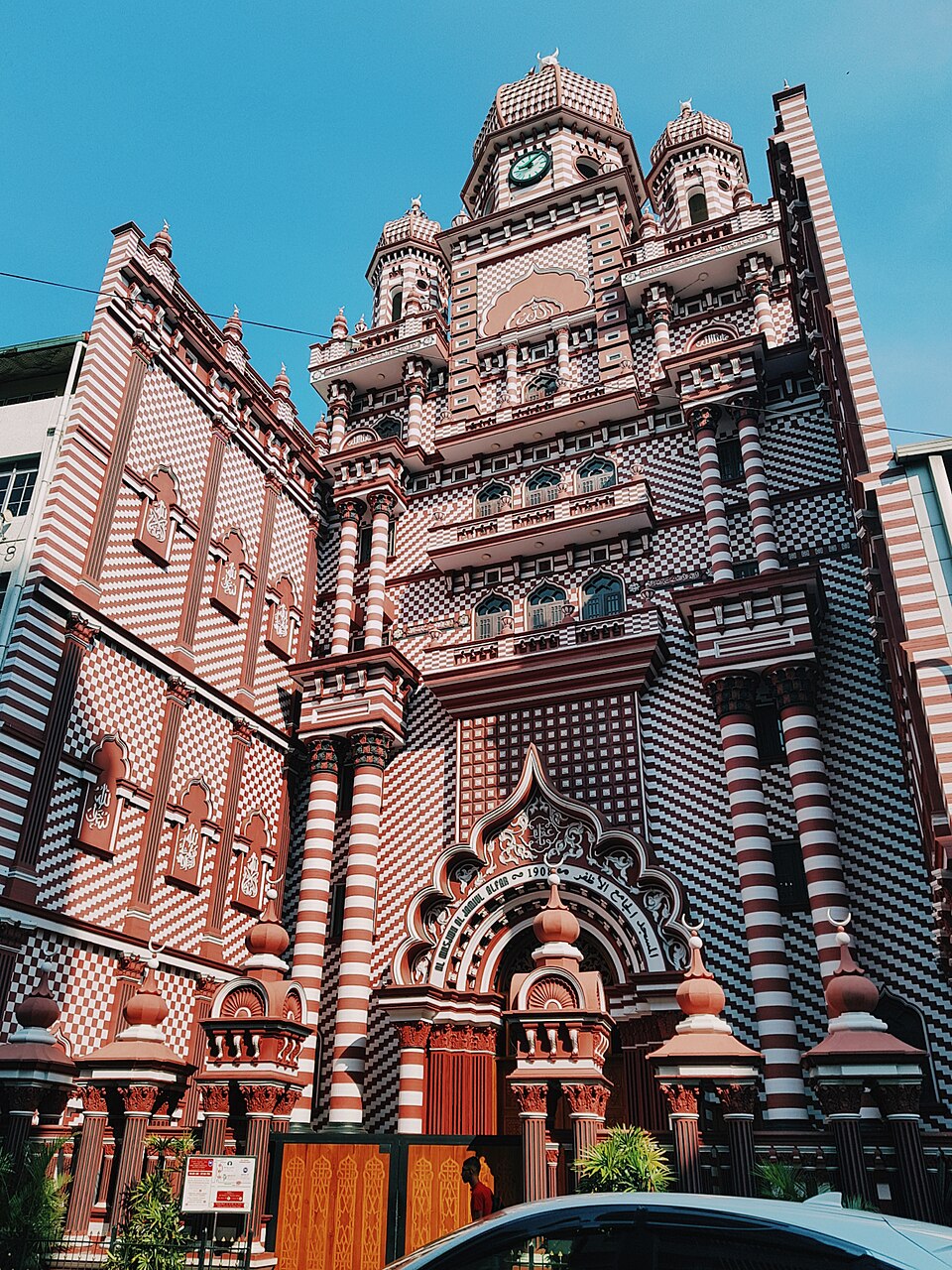
Colombo's oldest and busiest trading district, where every street has its own specialty — spices, fabric, electronics, gold or fruit. At its centre stands the Jami Ul-Alfar Mosque from 1908, striped red and white like a candy cane, which for a long time was the first building sailors saw from the sea.

Tip: Go on a weekday morning, when porters wheel carts of goods and Pettah is in full swing; on Sundays half the shops are closed. You can visit the mosque outside prayer times for free, and women are given a headscarf. The oldest Dutch house, from 1680, is now a museum on Prince Street. Buy spices on 4th Cross Street — cheaper than the shops aimed at tourists.

Admission:
free
Time needed:
1.5–2h
Colombo National Museum

Colombo National Museum

කොළඹ ජාතික කෞතුකාගාරය

Cinnamon Gardens

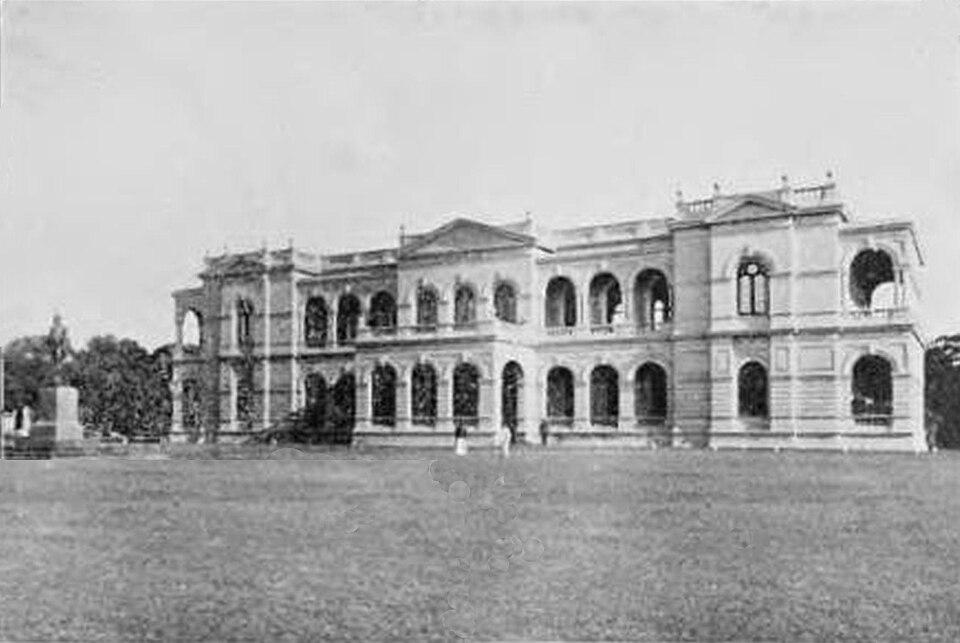
Sri Lanka's largest museum, dating from 1877, housed in a white colonial building amid the Cinnamon Gardens. It traces the island's history from prehistory through the Anuradhapura and Polonnaruwa kingdoms to the Kandyan era, including the throne and crown of the last king of Kandy, which the British did not return until 1934.

Tip: An hour and a half is enough for a visit; the highlights are the bronze statues of Hindu gods from Polonnaruwa and the Kandyan royal regalia on the ground floor. Photography is allowed for a fee. The museum borders Viharamahadevi Park, so combine your visit with a stroll. Upstairs are old masks from the south coast used in healing dances.

Admission:
around LKR 1,200 (foreigners)
Time needed:
1.5h
Independence Memorial Hall

Independence Memorial Hall

නිදහස් අනුස්මරණ ශාලාව

Cinnamon Gardens

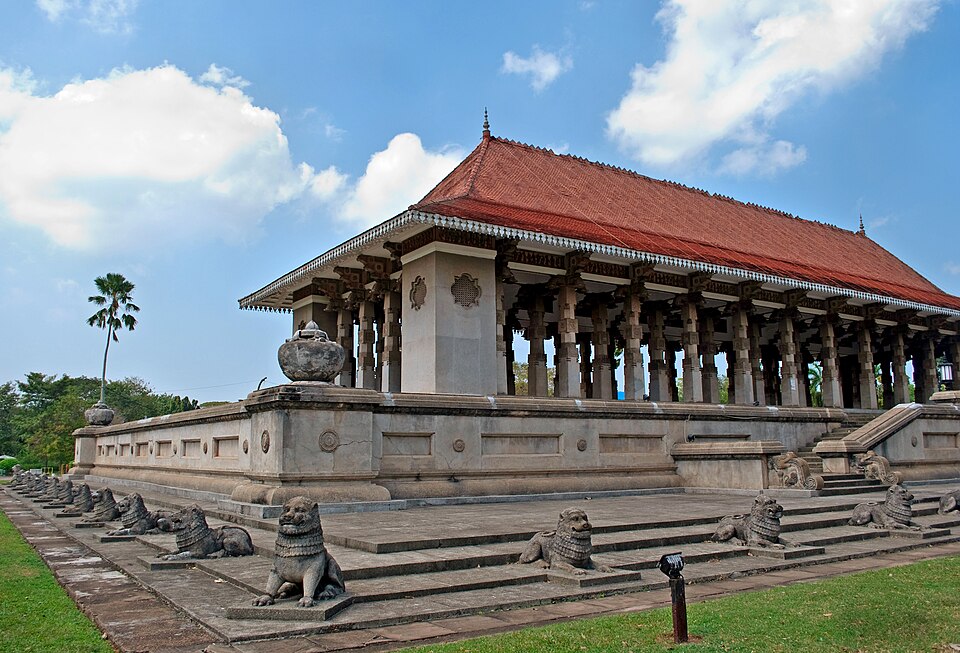
A monument from 1953 built on the spot where Ceylon's independence was declared in 1948. Its shape is based on the audience hall of the last Kandyan kings, with carved pillars and stone lions. Around it lies a large square where locals come to run and stroll.

Tip: Beneath the hall is a small independence museum that most visitors miss. In the early evening hundreds of people exercise and jog around the square — a more pleasant setting than the busy centre. Next door is the Arcade Independence Square shopping complex in a restored colonial building with cafes and air-conditioned shops.

Admission:
free
Time needed:
30–45 min
Kelaniya Temple

Kelaniya Temple

කැලණිය රජ මහා විහාරය

Kelaniya

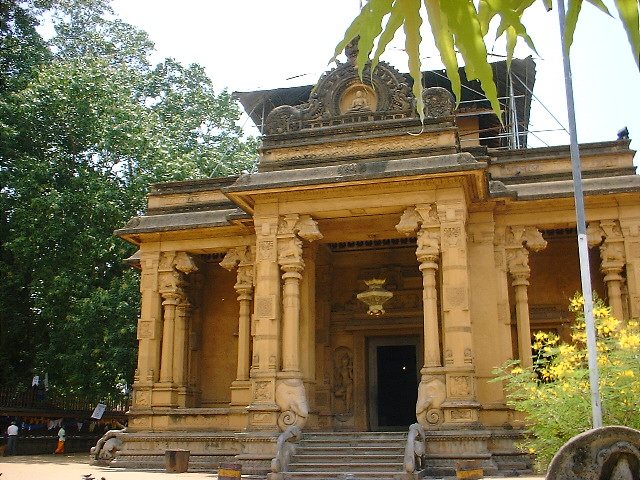
One of Sri Lanka's most sacred Buddhist temples, said by tradition to mark the spot where the Buddha preached on his third visit to the island. The dagoba and 20th-century temple stand on the bank of the Kelani River, with wall paintings inside depicting scenes from the Buddha's life and the island's history by the painter Solias Mendis.

Tip: The temple lies 11km from the centre, a half-hour tuk-tuk ride via PickMe. It is liveliest on the poya full moon day, when thousands of worshippers arrive in white with lotus flowers and chanting fills the air; in January it hosts the grand Duruthu Perahera procession with elephants. Wear white clothing and bring socks, as the pavement gets hot at midday.

Admission:
free
Time needed:
1h
Lotus Tower

Lotus Tower

නෙළුම් කුළුණ

Slave Island

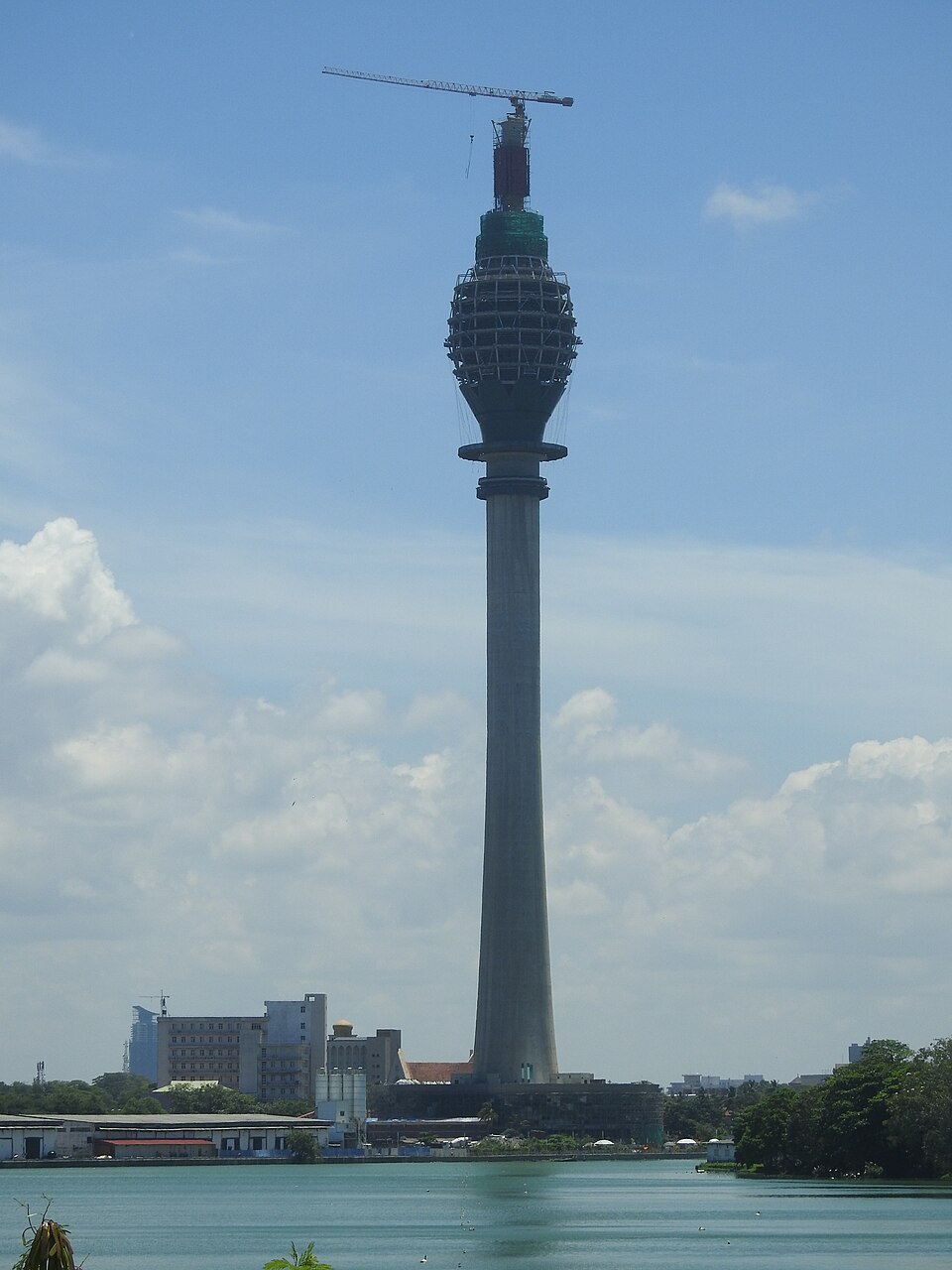
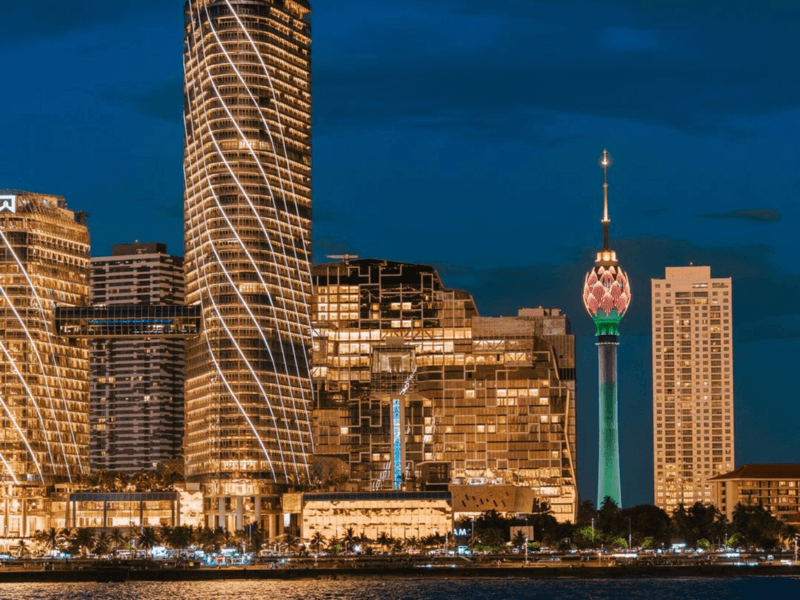
A telecommunications tower 350m tall shaped like a lotus bud, opened in 2022, the tallest structure in South Asia. From the observation deck you can see all of Colombo, the harbour, Lake Beira and, on a clear day, the hills inland. It is lit up in changing colours at night.

Tip: It is best to go an hour before sunset and stay until the city lights up. Tickets for foreigners cost considerably more than for locals and can be bought online, which shortens the elevator queue. It is busy on weekends and holidays. Next door is the new Port City district, built on reclaimed land with a seafront promenade.

Admission:
around USD 20 (foreigners)
Time needed:
1h
Viharamahadevi Park

Viharamahadevi Park

විහාරමහාදේවී උද්‍යානය

Cinnamon Gardens

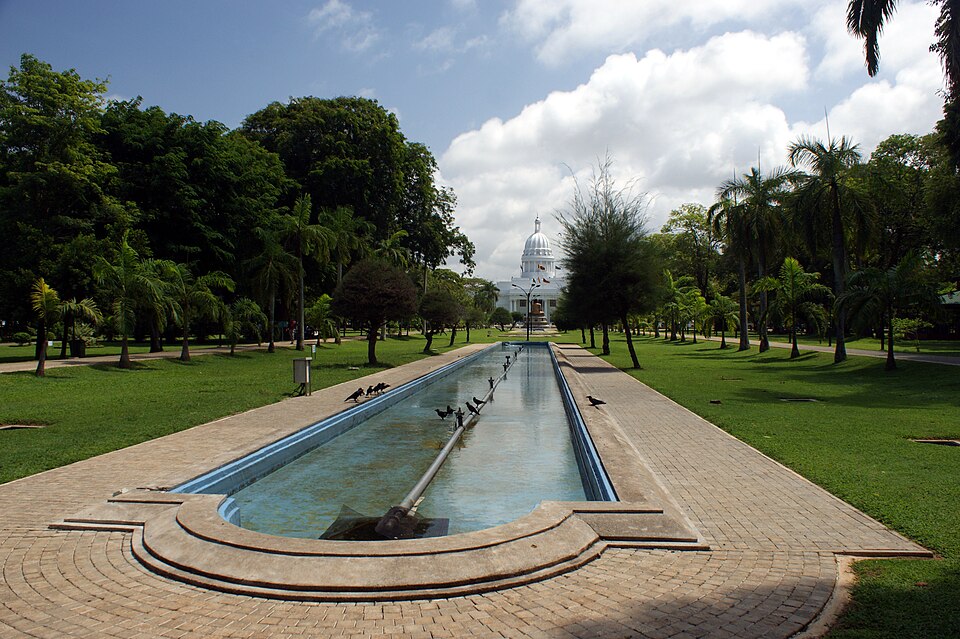
Colombo's largest and oldest park, named after the mother of King Dutugemunu, with a large Buddha statue, fountains, trees full of birds and fruit bats. Across the road stands the white, Capitol-style Town Hall. The park is ringed by the colonial buildings of Cinnamon Gardens.

Tip: Around 6am and after 5pm, locals come here to exercise, and hundreds of fruit bats hang in the bamboo and fig-tree avenues, taking flight over the city at dusk — the best free spectacle in Colombo. In December and at Vesak in May the park is decorated with lanterns. The National Museum is right next door.

Admission:
free
Time needed:
45 min
Mount Lavinia Beach

Mount Lavinia Beach

ගල්කිස්ස

Mount Lavinia

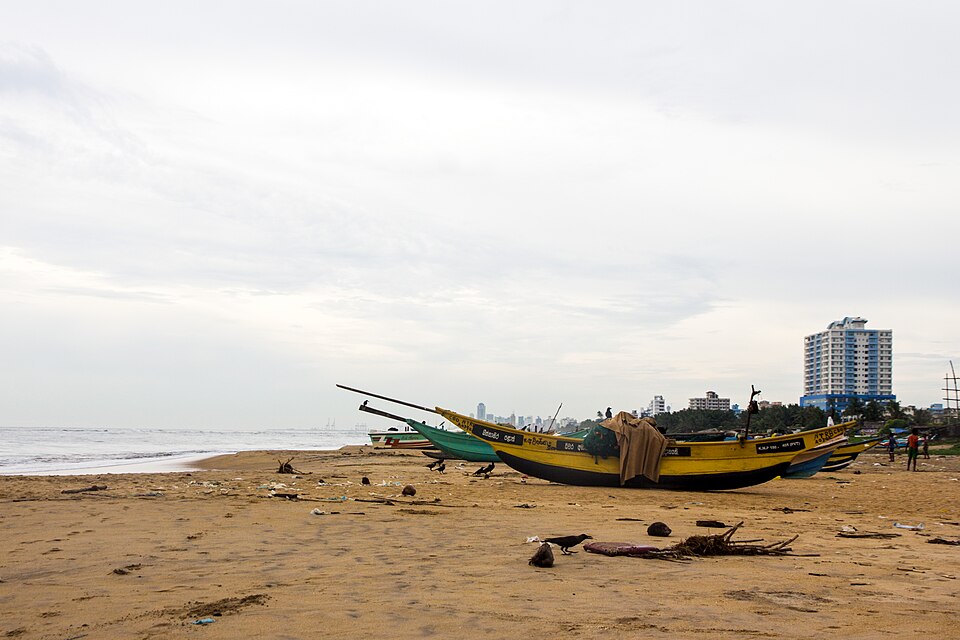
The closest swimming beach to Colombo, 12km south of the centre, with a long stretch of sand, fishing boats and the Mount Lavinia Hotel, a 19th-century colonial governor's villa. A row of seafood restaurants lines the beach, with tables set out on the sand in the evening.

Tip: It is best to arrive by train along the coastal line from Fort or Kollupitiya, which takes 40 minutes right by the sea and costs a few rupees. Only swim in front of the hotel, where there are lifeguards and weaker currents, and not at all during the monsoon season from May to September. In the evening, have grilled fish at one of the beach restaurants, and take an app-booked tuk-tuk back.

Admission:
free
Time needed:
half a day

Photos: Gangaramaya Temple — AKS.9955 (CC BY-SA 4.0) · Galle Face Green — Mayakaru at English Wikipedia (CC BY 3.0) · Pettah and the Red Mosque — Ketheeswaran sujiv (CC BY-SA 4.0) · Colombo National Museum — Bashford Dean article (Public domain) · Independence Memorial Hall — Charaka Ranasinghe (CC BY 2.0) · Kelaniya Temple — AtulaSiriwardane at English Wikipedia (Public domain) · Lotus Tower — Rehman Abubakr (CC BY-SA 4.0) · Viharamahadevi Park — Kondephy (CC BY-SA 4.0) · Mount Lavinia Beach — Alexey Komarov (CC BY 3.0)

Where to stay

Areas and districts, matched to the kind of trip you are taking

Kollupitiya and Galle Road

Best for: first visit, hotels, restaurants

A strip along the main coastal avenue, Galle Road, with international hotels, malls, restaurants and a seaside train station. Galle Face, Lake Beira and Gangaramaya are all within walking distance. The most practical choice for a short stay, though traffic noise is a downside.

Fort

Best for: colonial architecture, business trips

The historic and financial centre, with restored colonial buildings, the Dutch Hospital converted into restaurants, the harbour, the presidential residence and the main railway station. Hotels here are large and business-oriented. The district empties out in the evening and at weekends.

Cinnamon Gardens

Best for: calm, museums, parks

The most prestigious leafy district, with villas, embassies, the museum, Viharamahadevi Park and boutique hotels in colonial houses. It is calm and shaded, with stylish restaurants and cafes. Pettah and Fort are a 15-minute tuk-tuk ride away.

Mount Lavinia

Best for: beach, longer stays

A southern suburb by the beach, reached by train along the sea. Accommodation here is by the water and cheaper than in the city, but it is a 40-minute ride to the centre. Good for a last night if you want a morning swim.

Getting around

From the airport

Sri Lanka is reached from Europe with 1 stopover, via Dubai, Doha, Abu Dhabi or Istanbul, with a journey time of 12–15 hours; charter flights also run in the winter season. Sri Lanka requires an electronic ETA authorisation, arranged online before travel on the official government website. Bandaranaike International Airport is in Katunayake, 35km north of Colombo, and it is a 40-minute drive to the centre on the expressway. Trains run from Colombo to Kandy, along the coast to Galle, and to Jaffna.

Colombo Bandaranaike (CMB) · 35 km

  • PickMe or Uber to the centre· 40–60 min· LKR 6,000
  • Airport taxi from the official counter· 40–60 min· LKR 8,000
  • Express bus 187 to Fort· 60–90 min· LKR 200

Around town

Colombo has no metro, and tuk-tuks booked through the PickMe and Uber apps are the most practical option, since you know the price in advance and avoid haggling. Street tuk-tuks usually have a meter, but drivers often do not switch it on — insist on it, or agree a price beforehand. Red buses run around the city, cheap but crowded and without English signage. The coastal train from Fort heading south stops at Kollupitiya, Bambalapitiya and Mount Lavinia and is the cheapest and prettiest way to travel along the sea. Fort, Pettah and Galle Face are all walkable.

Tuk-tuk via PickMe / UberFixed price in the app, pay in cash. · LKR 200
Car via PickMe / UberAir-conditioned, somewhat pricier. · LKR 600
Coastal trainFrom Fort via Kollupitiya to Mount Lavinia, tickets at the counter. · LKR 50
BusCheap, but crowded and without timetables. · LKR 50

Useful apps: PickMe, Uber, Google Maps

When to go

Colombo sits on the west coast, which has its best weather from December to March — sunny, around 30°C and calm seas. From April to June the southwest monsoon arrives, and May and June bring frequent rain, with heavy afternoon downpours. July to September are changeable, and October and November bring another rainy period. It is hot and humid year-round, around 30°C. Colombo feels this less than the beaches, and the city can be visited any time; alcohol cannot be sold on the poya full moon day. The biggest festivals are Vesak in May, when the city is decorated with lanterns, and the Sri Lankan New Year in mid-April.

Best time

December–March

What to avoid

May–June and October–November (rainy periods)

MonthJanFebMarAprMayJunJulAugSepOctNovDec
Day31°31°32°32°31°30°30°30°30°30°30°30°
Night22°23°24°25°26°25°25°25°25°24°23°23°
Rainy days658141716111113181610

Food & drink

Colombo is the best place in Sri Lanka to eat well and eat widely. The staple is rice and curry: a plate of rice topped by the server with 5–10 small bowls of curry — lentil, pumpkin, jackfruit, fish and sambol — served in small eateries for a few hundred rupees at lunch. In the evening people eat kottu, chopped roti flatbread fried on a griddle with spices and vegetables, and the rhythmic clatter of knives rings out from the street. Colombo also has excellent seafood restaurants — the lagoon crabs here are enormous — and, thanks to the Tamil and Muslim communities, vegetarian dosas and biryani. Hoppers are eaten for breakfast. Watch out for the heat: Sri Lankan curries rank among the spiciest in Asia, and if you would like it milder, ask for it "mild".

What to try

Rice and curry

The staple of Sri Lankan cuisine: a mound of rice surrounded by 5–10 bowls — dhal curry, vegetables, coconut sambol, a crispy papadam. Served at lunch, with sides topped up as you go.

Appa (hoppers)

A bowl-shaped pancake made from rice flour and coconut milk, fried in a small pan. An egg cracked into the middle makes it an egg hopper — Sri Lanka's most common breakfast.

Kottu roti

Chopped roti flatbread fried with vegetables, egg and meat, which the cook chops on the griddle with 2 cleavers. The rhythmic pounding you hear from the street is the sound of a Sri Lankan evening.

Idiappa (string hoppers)

Discs of pressed rice noodles steamed and served with dhal and coconut sambol. Eaten for breakfast or a light dinner, by hand.

Lagoon crab

Giant crabs from the lagoons around Negombo, cooked in a pepper or garlic curry and eaten by hand with a bib. Colombo has restaurants where crab is the only thing on the menu; it is priced by weight, and 1 crab for 2 people costs around LKR 10,000.

Isso vade

Fried lentil patties topped with a prawn, cooked at stalls on Galle Face Green and eaten with onion and chilli. Colombo's best street food, several pieces for a few hundred rupees.

Lamprais

A Dutch Burgher dish: rice cooked in stock, 3 kinds of meat, an aubergine curry and meatballs wrapped in a banana leaf and baked. Traditionally pre-ordered from bakeries and eaten on Sundays.

Ceylon tea

The island is the world's third-largest tea producer, and fresh loose-leaf tea from the highlands is a different drink altogether from tea bags at home. Buy it at tea shops, not the airport; loose-leaf tea from an estate costs a fraction of the price of gift boxes.

What it costs

Rice and curry at an eatery

LKR 500–1,200

Kottu

LKR 800–1,500

Isso vade at Galle Face

LKR 300–600

Dinner at a restaurant

LKR 4,000–8,000

App-booked tuk-tuk ride across town

LKR 300–800

National Museum admission (foreigners)

LKR 1,200

Lion beer at a bar

LKR 800–1,500

Night in a 3-star hotel for 2

LKR 20,000–35,000

Indicative prices that change over time — treat them as a guide, not a price list.

Practical information

SocketsDthree round pins (India)GBritish, three rectangular pinsMSouth African, large pins
Voltage230V / 50Hz
Tap waterDo not drink tap water — Tap water is not drinkable — use bottled water even for brushing your teeth. A bottle costs around LKR 100, and hotels commonly refill it for free. A great and cheaper alternative is thambili, the orange king coconut that vendors will hack open with a machete by the roadside for you to drink straight from; it is sterile and replaces minerals better than water.
TippingTipping is expected almost everywhere and usually runs at 10%. Bills at hotels and better restaurants often already include a 10% service charge plus taxes, so the final total ends up around a quarter higher than the menu price. Round up for tuk-tuk drivers, and give temple guides LKR 200–500.
Driving on theleft
SafetyFor an Asian capital, Colombo is calm and safe, and it is fine to walk around Galle Face and Fort in the evening. The main nuisance is tuk-tuk drivers who offer a "sightseeing ride" that ends at a gem or tea shop paying them commission, and friendly strangers who approach you on the street claiming to work at your hotel and try to lead you to a "temple festival" — politely decline both. Book tuk-tuks through PickMe or Uber for a fixed price. Traffic is heavy and pavements are uneven. The police emergency number is 119, and the tourist police have a branch right in the centre.
Opening hoursShops in Colombo open around 9am and close at 8pm, while malls stay open until 10pm. On Sundays, Pettah is half-shut. Every month, the poya full moon day is a public holiday: offices and banks close, alcohol cannot be sold anywhere, including hotel bars, and many restaurants do not serve meat. Temples, by contrast, are at their liveliest on poya.
Customs & etiquetteDress in white or light clothing with shoulders and knees covered when visiting temples, and leave shoes and any headwear at the entrance. Never photograph yourself with your back to a Buddha statue — this is taken seriously, and back-to-Buddha selfies as well as Buddha tattoos have repeatedly led to the detention and deportation of foreigners in Sri Lanka. Do not buy a Buddha statue as a souvenir, as export is restricted. Use the right hand for giving and receiving; the left is considered unclean. A head wobble means agreement.
A few local wordsHello / long life to you — ÁjubóvanThank you — IstútiHow much does it cost? — Mékka kíjada?Good (tasty) — RasaiNot spicy, please — Sudu, særa nætuva

How to plan your days

1 day

Colombo in a day

  1. 1Morning: Pettah, the spice market and the Red Mosque.
  2. 2A walk through colonial Fort and the Dutch Hospital.
  3. 3Lunch: rice and curry.
  4. 4Afternoon: Gangaramaya and the Seema Malaka pavilion on the lake.
  5. 5Sunset at Galle Face Green with isso vade.

2 days

2 days: museums and the sea

  1. 1Day 1: Pettah, Fort, Gangaramaya, Galle Face.
  2. 2Day 2: the National Museum and Viharamahadevi Park.
  3. 3Day 2 midday: Independence Memorial Hall and the Arcade.
  4. 4Day 2 afternoon: the Lotus Tower.
  5. 5Day 2 evening: a crab restaurant.

3 days

3 days with Kelaniya and the beach

  1. 1Day 1: Pettah, Fort and Galle Face.
  2. 2Day 2 morning: Kelaniya Temple, then the National Museum.
  3. 3Day 2 afternoon: Gangaramaya and the Lotus Tower.
  4. 4Day 3: the coastal train to Mount Lavinia.
  5. 5Day 3: swimming and dinner on the beach.

Day trips

Negombo

37 km · 1h by car

A fishing town with a lagoon and a long beach, 10km from the airport, where people head for their first or last night. Fish auctions are held on the beach in the morning and thousands of fish are laid out to dry in the sun, the Dutch Canal runs through mangrove-lined lagoons, and Mass is held in Catholic churches. The sea here is calmer than in Colombo.

Bentota

65 km · 1.5h by train

A resort town on the southwest coast with a long beach, the Bentota river mouth with boat trips through the mangroves, and the Brief and Lunuganga gardens, created by the architect and gardener Bawa brothers. The coastal train from Colombo takes over an hour along the sea and is the most beautiful route. Nearby is the sea turtle hatchery at Kosgoda.

Pinnawala Elephant Orphanage

90 km · 2.5h by car

A facility founded in 1975 for orphaned and injured elephants, home to around 80 of them. Twice a day the herd is led to the river to bathe, which is the main attraction. Animal welfare groups criticise the facility's conditions, and anyone wanting to see elephants in the wild is better off choosing Udawalawe or Minneriya National Park instead. It lies on the way to Kandy.

Frequently asked questions

Is Colombo worth visiting?+

For 1–2 days, yes. It is not Sri Lanka's main draw, but it has the island's best restaurants and shopping, colonial architecture and bazaars. It is most convenient to combine it with your arrival or departure, since the airport is close by.

Can you swim in Colombo?+

Not in the centre — Galle Face is just for strolling. The closest swimming beach is Mount Lavinia, 12km south, but it is better to head to Negombo, Bentota or further south.

Do I need a visa for Sri Lanka?+

Yes, an electronic ETA authorisation, arranged online before you travel on the official government website. Watch out for fraudulent websites that charge a higher fee. Rules and fees have changed several times in recent years, so check the current situation.

How do you get from the airport to Colombo?+

The simplest option is PickMe or Uber; the drive on the expressway takes 40 minutes. Cheaper is the express bus 187, which takes 1–1.5 hours to Fort. If you are heading straight to Kandy or the south, arrange a car with a driver.

Is Colombo safe?+

Yes, crime is low and it is fine to walk around in the evening too. The main nuisance is tuk-tuk drivers offering a sightseeing tour that ends up at a gem shop, and friendly strangers with a story about a temple festival. Politely decline, and use ride apps.

What should you buy in Colombo?+

Tea straight from producers at Dilmah and Mlesna shops, spices in Pettah, batik and handwoven fabrics at Barefoot and Paradise Road, and books at the cafes. Only buy gemstones with a certificate from the state gem authority.

What is poya?+

The full moon day, a public holiday every month marking events from the Buddha's life. Alcohol may not be sold, even in hotels, offices and banks close, and temples fill with worshippers in white. Check the dates ahead of time.

How much does a tuk-tuk cost?+

Through the PickMe or Uber app, around LKR 150–200 per kilometre, with the price fixed in advance. A tuk-tuk hailed off the street without a meter will likely charge double, which is why the app is far better.

Visa Requirements

Check the latest visa requirements for entering this country. Some nationalities may need to apply for a visa or e-visa before travel.

Check visa requirements

Language

Sinhala / Tamil

Currency

LKR

Timezone

Asia/Colombo

Dial Code

+94

Population

22.2M

Area

65,610 km²

Voltage

230V / 50Hz

Driving Side

Left

Top Hotels in Colombo

Live prices from 500+ properties

Loading hotels...

More destinations in Sri Lanka

Planning a trip to Colombo?

Compare hundreds of hotels, find the best price, and book with free cancellation on TravelManiac.