Hotels in Kandy

Sri Lanka's last royal city on a lake in the hills, home to the Buddha's tooth relic

Kandy

LanguageSinhala / Tamil
CurrencyLKR
TimezoneAsia/Colombo
Temperature26-32 °C
Dial Code+94
Population22.2M
Area65,610 km²
SocketsType D / Type G / Type M
Tap waterNot drinkable

Discover Kandy

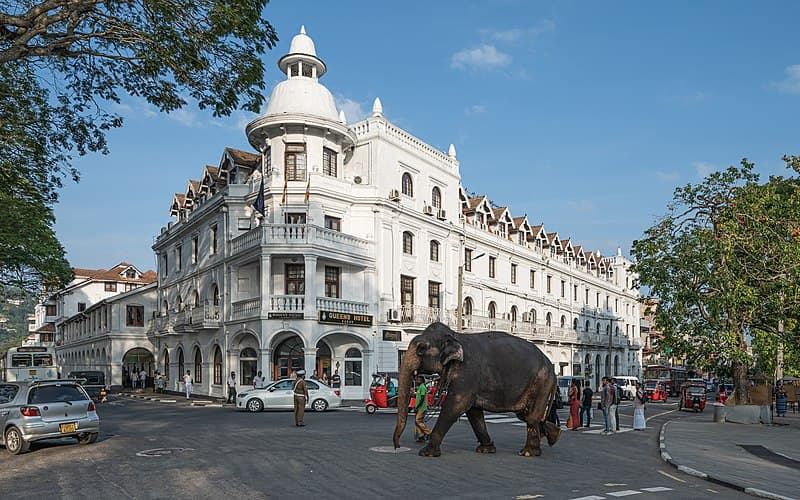
Kandy is the cultural and spiritual heart of Sri Lanka — the last capital of the Sinhalese kings, which held out against the Portuguese and the Dutch and surrendered to the British only in 1815. It sits in the hills at 500m around an artificial lake, surrounded by rainforest and tea plantations, making it a few degrees cooler than the coast. The main reason people come is the Temple of the Sacred Tooth Relic, the most sacred site in the Buddhist world on the island, home to a relic that legitimised royal power for centuries. The old town is UNESCO-listed. Kandy itself is busy and clogged with traffic, but around the lake, in the Peradeniya Botanical Gardens and at the temples on the surrounding hills, it's calm. Kandy sits in the middle of the so-called Cultural Triangle and is the starting point for Sigiriya and Dambulla to the north, and for the famous hill train line to Nuwara Eliya and Ella to the south. In July or August it hosts the Esala Perahera, one of the most spectacular Buddhist festivals in Asia.

What to see

The places worth your time in Kandy, and what to expect at each

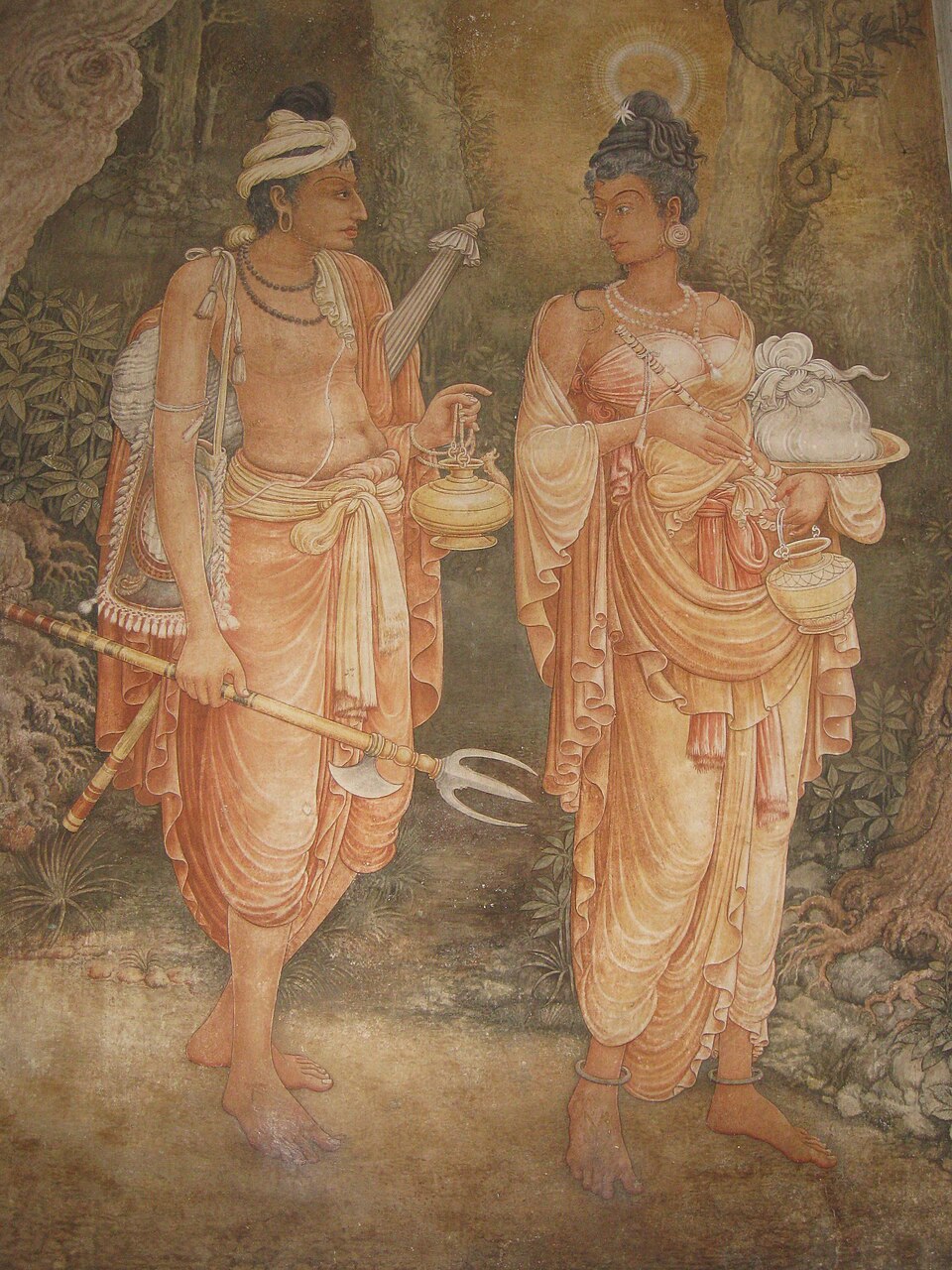
Temple of the Sacred Tooth Relic

Temple of the Sacred Tooth Relic

Sri Dalada Maligawa

Lakefront, centre

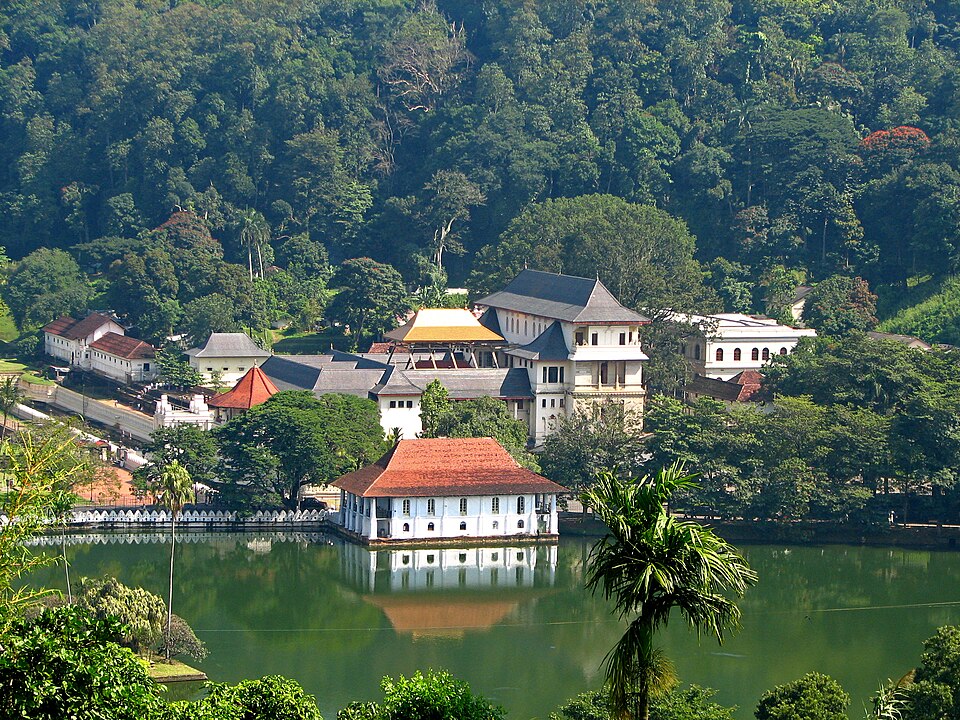
A temple complex on the grounds of the former royal palace, housing the Buddha's tooth relic in a gilded stupa-shaped casket. The relic itself isn't visible, but the shrine doors open 3 times a day to the sound of drums as worshippers bring lotus flowers. The complex also holds a museum, the royal audience hall and several other temples.

Tip: Come for the evening puja at 6.30pm, when the temple is most atmospheric and the doors to the casket are opened — queues form half an hour ahead on the first floor. Dress in white or light clothing with long sleeves and trousers; shoes are left at the cloakroom for a small fee. After the main shrine, don't skip the International Buddhist Museum at the rear of the complex.

Admission:
LKR 2,000
Time needed:
1.5–2h
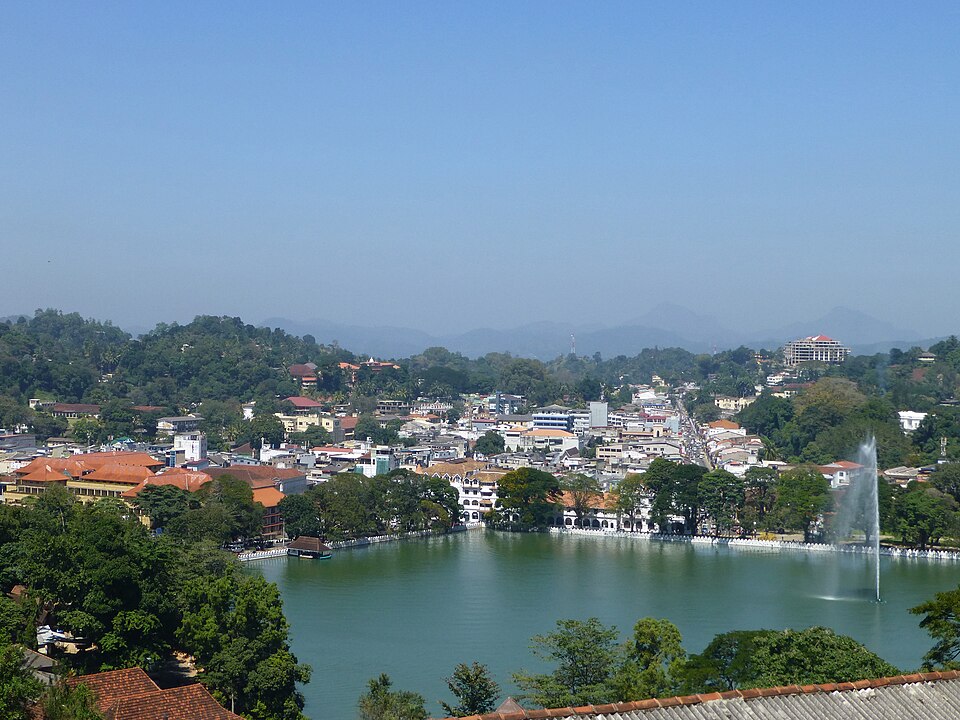
Kandy Lake

Kandy Lake

Bogambara Wewa

City centre

An artificial lake built in 1807 by the last king, Sri Vikrama Rajasinha, in front of his palace. A 4km promenade runs around it, backed by a thick wall decorated with cloud motifs, with views of the temple and the hills. A small island in the middle once held the king's harem.

Tip: Walk around the lake in the early morning around 7am or in the early evening, when it's cooler and less busy. The best view of the temple and lake is from the Arthur's Seat viewpoint on Rajapihilla Mawatha road above the lake, a 20-minute uphill walk. Hundreds of flying foxes roost in the trees around the lake and take off over the water at dusk.

Admission:
free
Time needed:
1–1.5h
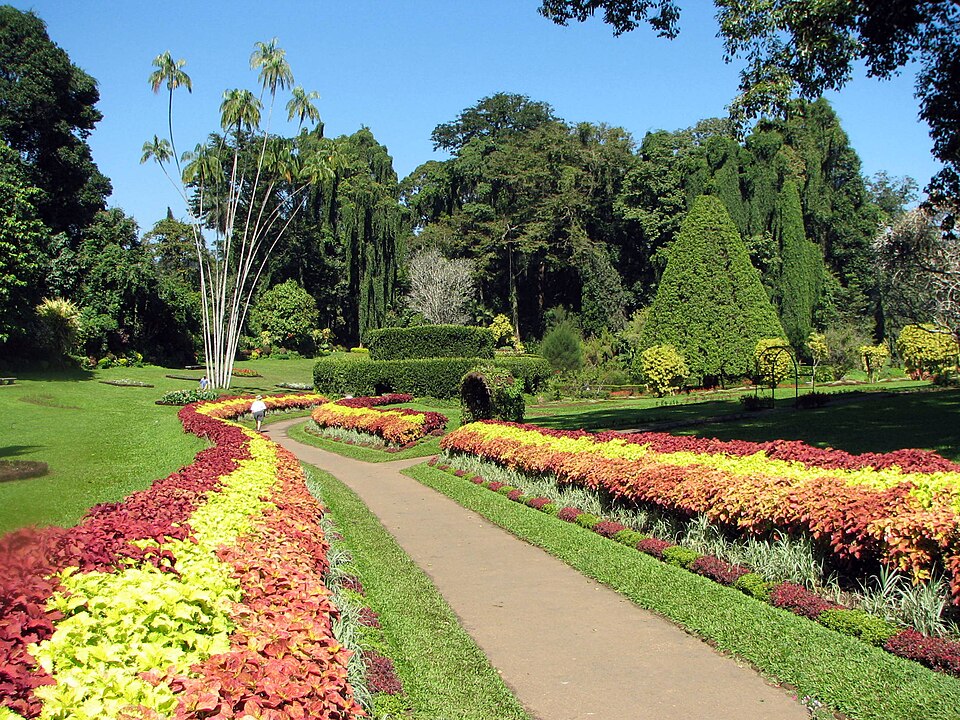
Peradeniya Botanical Garden

Peradeniya Botanical Garden

Royal Botanical Gardens

Peradeniya, 6km west

One of the most beautiful botanical gardens in Asia, spanning 60 hectares in a bend of the Mahaweli River. Founded as a royal garden and expanded by the British in 1843, it has an avenue of royal palms, an orchid collection, a giant Javan fig tree with a canopy of over 2,000m2, and trees planted by famous visitors.

Tip: Allow 3 hours for the whole garden — it's huge. The orchid house is by the entrance, and the giant Javan fig tree stands at the centre of a large lawn. The garden is 6km from Kandy, a 20-minute tuk-tuk ride or reachable by bus. Don't skip the suspension bridge over the river at the rear. Local families and couples come at weekends; on weekdays it's quiet.

Admission:
LKR 3,000
Time needed:
2–3h
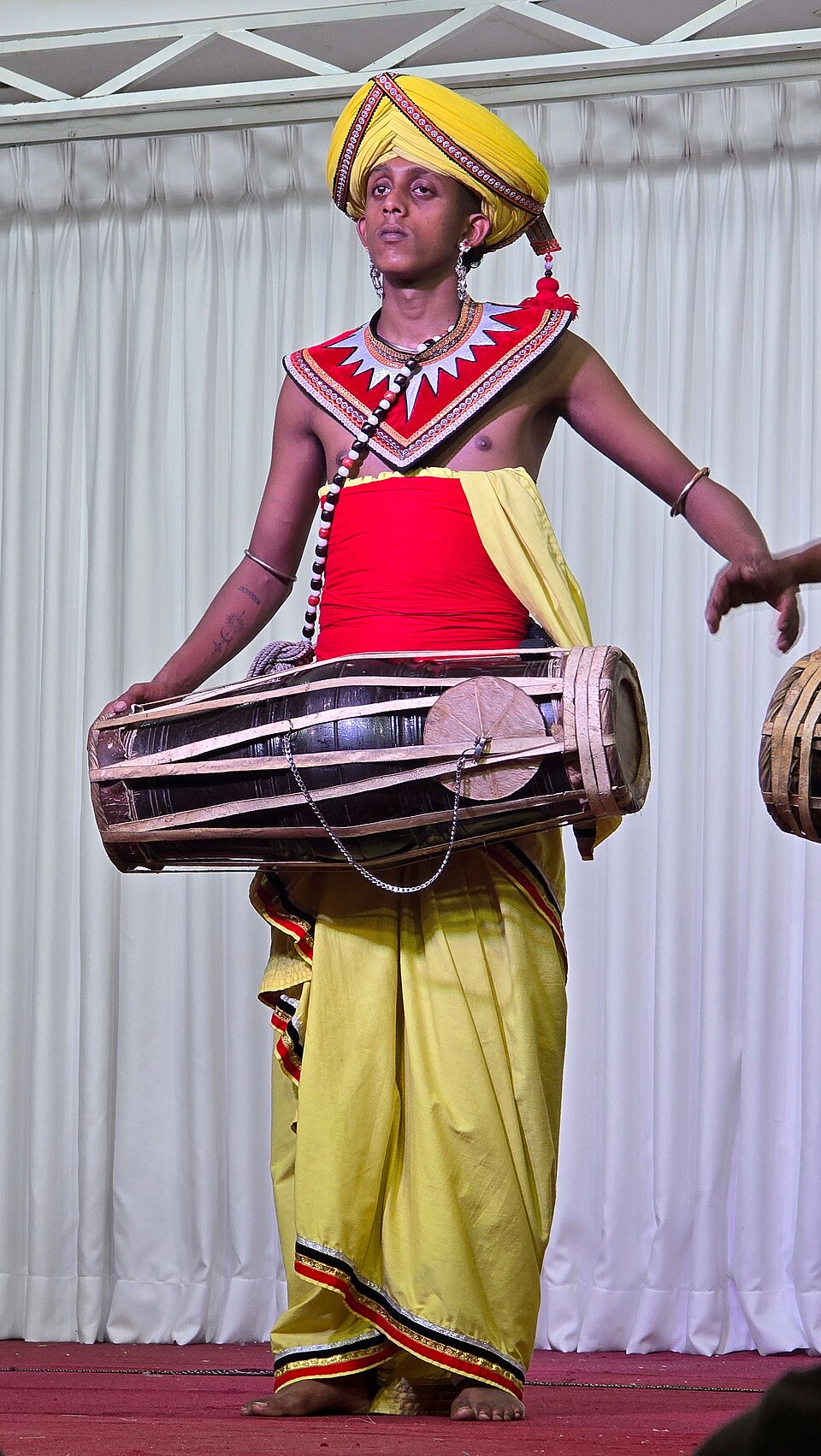
Kandyan Dance

Kandyan Dance

By the lake

Traditional Sinhalese dance, once ritual in nature, with fast, acrobatic movements, drumming and costumes of silver and beads. It's performed at festivals and ceremonies, as well as at evening shows for visitors. Performances end with dancers walking across hot coals.

Tip: Performances are held every evening around 5–6pm at the Kandy Lake Club and at the cultural centre by the lake, last an hour, and tickets are bought on site. After the show it's a walk to the Temple of the Tooth for the evening puja. Sit in the front rows — the fire-walking happens outside and is hard to see from the back.

Admission:
from LKR 1,500
Time needed:
1h
Bahirawakanda Buddha Statue

Bahirawakanda Buddha Statue

Bahirawakanda Vihara

Hilltop above the city

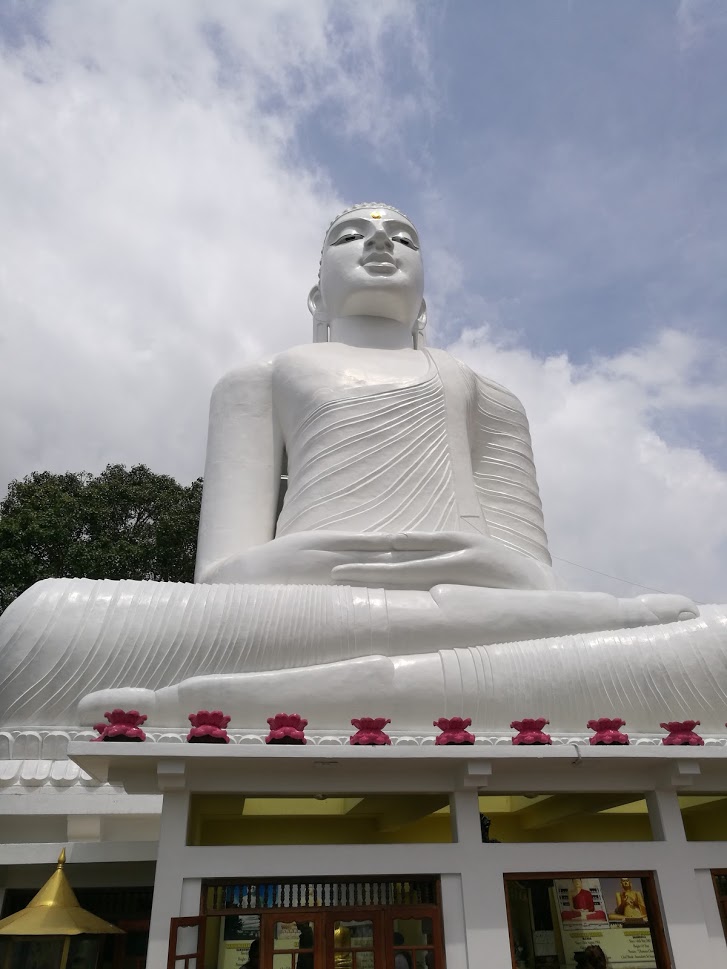
A white statue of a seated Buddha over 20m tall on a hill above the city, visible from most of Kandy. Beside it is a temple and a viewpoint over the whole city, the lake and the surrounding hills. A steep road or a stairway leads up.

Tip: It's most beautiful at sunset, when the city lights up. A tuk-tuk up costs a few hundred rupees; on foot it's a 20-minute climb up a steep road. Admission is small, and clothing must cover shoulders and knees, with shoes removed. At midday the hot paving burns bare feet — socks help.

Admission:
LKR 500
Time needed:
45min
Udawattakele Forest Reserve

Udawattakele Forest Reserve

Udawattakele

Above the Temple of the Tooth

A forest reserve on the hill directly above the Temple of the Tooth, a former royal garden once open only to kings. 104 hectares of dense forest with giant trees, vines, birds and monkeys, threaded with trails. It's the quickest escape from the noisy centre into nature.

Tip: The entrance is on the street behind the temple, and the trails are well marked. Morning is best for birdwatching, with over 80 species recorded. Macaques can be bold, so don't carry food where it's visible. Leeches appear on trails after rain, and high socks help. Allow an hour and a half for the loop.

Admission:
LKR 1,000
Time needed:
1.5–2h
Ceylon Tea Museum

Ceylon Tea Museum

Hantana, 4km south

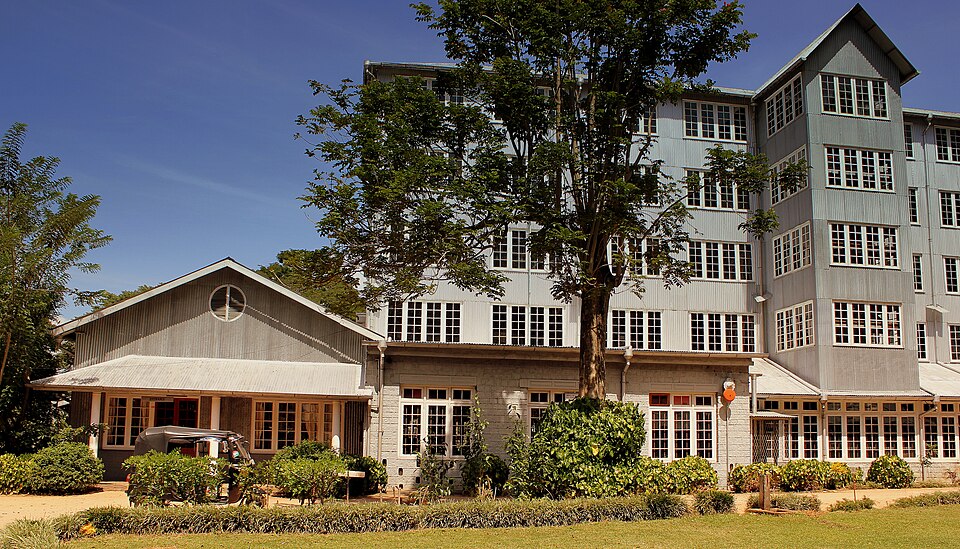
A museum in the former Hantana tea factory, built in 1925, in the hills south of Kandy. It traces the history of Ceylon tea from James Taylor's first plantation in 1867, with old leaf-processing machinery on display. Upstairs is a tea room with hill views.

Tip: Admission includes a tea tasting upstairs with a view. If you're continuing into the hills to Nuwara Eliya, you'll see working factories there with free tours — the museum provides the historical context. Tea here is reasonably priced and better quality than in tourist shops. A tuk-tuk from the centre takes 15 minutes.

Admission:
LKR 1,000
Time needed:
1h
Embekke Temple

Embekke Temple

Embekke Devalaya

Embekke, 15km southwest

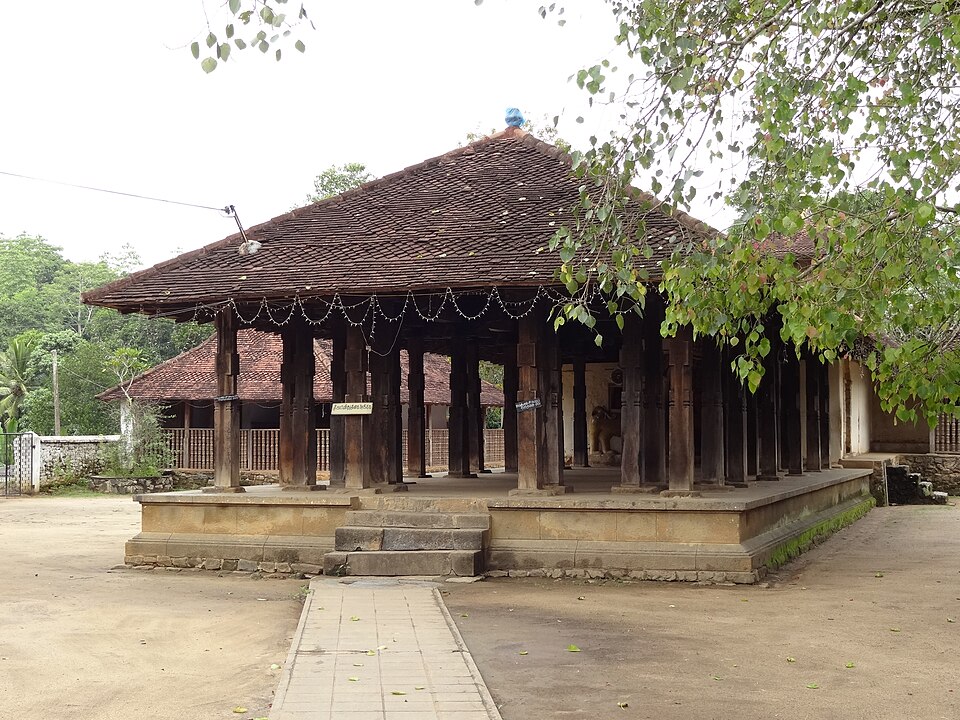
A small 14th-century temple renowned for its wood carving. The audience hall has more than 50 carved pillars depicting dancers, soldiers, wrestlers, lotuses and mythical animals, ranking among the finest examples of Kandyan woodwork. The temple is dedicated to the god Kataragama.

Tip: Embekke is out in the countryside 15km from Kandy, and it's best combined into a 3-temple circuit with Gadaladeniya and Lankatilaka — a half-day tuk-tuk costs LKR 3,000–4,000. Look closely at every pillar, as no two are alike. The route passes rice paddies and villages along the way.

Admission:
LKR 500
Time needed:
45min
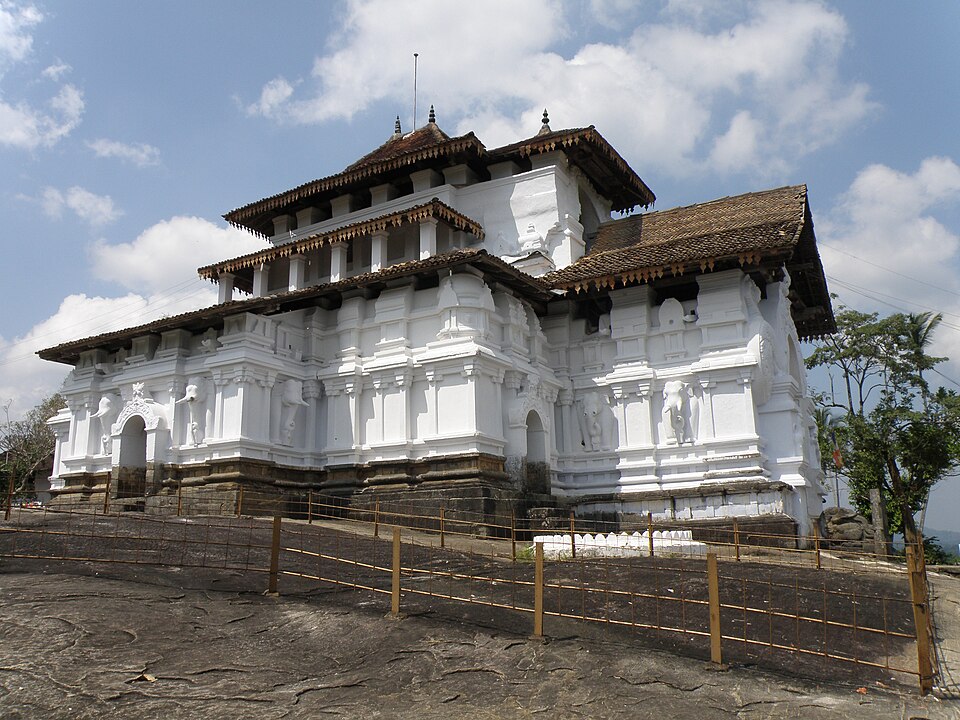
Lankatilaka Temple

Lankatilaka Temple

Lankatilaka Vihara

Hiyarapitiya, 15km southwest

A 14th-century Buddhist temple standing on a rocky outcrop above rice paddies. It combines Sinhalese and South Indian architecture, with a large seated Buddha statue inside and wall paintings. At the rear are shrines to Hindu deities.

Tip: It's part of the three-temple circuit with Embekke and Gadaladeniya, and Lankatilaka offers the best view from its terrace over the surrounding countryside. You climb up onto the rock to reach the temple, so wear shoes that are easy to slip off. The monks here are welcoming and happy to explain the history. A combined trip to all three temples takes 4 hours.

Admission:
LKR 500
Time needed:
45min

Photos: Temple of the Sacred Tooth Relic — Anuradha Dullewe Wijeyeratne (Public domain) · Kandy Lake — Ji-Elle (CC BY-SA 3.0) · Peradeniya Botanical Garden — Bernard Gagnon (CC BY-SA 3.0) · Kandyan Dance — Jakub Hałun (CC BY 4.0) · Bahirawakanda Buddha Statue — Nirvanatoday (CC BY 4.0) · Udawattakele Forest Reserve — McKay Savage from Chennai, India (CC BY 2.0) · Ceylon Tea Museum — calflier001 (CC BY-SA 2.0) · Embekke Temple — Cherubino (CC BY-SA 3.0) · Lankatilaka Temple — BluesyPete (CC BY-SA 3.0)

Where to stay

Areas and districts, matched to the kind of trip you are taking

Lakefront centre

Best for: first-time visits, walking to the temple

Hotels and guesthouses around the lake and in the streets behind it, within walking distance of the Temple of the Tooth, the market, and the bus and train stations. It's convenient, but noisy, and traffic in the centre is congested. Hotels on the lake's southern shore, with water views, are quieter.

Hills above the lake

Best for: views, quiet, couples

Hotels and guesthouses on the Rajapihilla and Anniewatte hills above the lake offer city views and quiet. It's a 15-minute walk downhill into the centre, but a tougher climb back up — a tuk-tuk is easier. This is where the nicest boutique hotels and villas with terraces are found.

Peradeniya

Best for: quiet, the botanical garden

A university district by the botanical garden, 6km from the centre, green and quiet. Hotels here are smaller and cheaper. Getting into the centre means a tuk-tuk or bus. It suits those who want to use Kandy as a base for day trips.

Hantana and the surrounding villages

Best for: nature, tea plantations, eco-lodges

Hills south and east of the city with tea plantations, home to eco-lodges and boutique hotels surrounded by nature. Mornings bring mist between the hills and quiet. It's half an hour to the centre, and staying here without a car or tuk-tuk is impractical. Suited to those after nature rather than the city.

Getting around

From the airport

Kandy has no international airport. Flights to Colombo typically connect through a major hub such as Dubai, Doha or Istanbul, with a total journey of around 10–15 hours from Europe. Sri Lanka requires an electronic travel authorisation (ETA), arranged online before your trip. From Bandaranaike Airport in Katunayake, it's 100km to Kandy — 3 hours by car or taxi on the new expressway, or an hour longer by bus. The train from Colombo Fort to Kandy takes 2.5–3 hours on a scenic route through the hills, and first-class tickets with a view go on sale online 30 days ahead. From Kandy, the famous hill train continues on to Nuwara Eliya and Ella.

Colombo Bandaranaike (CMB) · 100 km

  • Private driver or taxi· 2h 30min – 3h· LKR 15,000
  • Bus via Colombo or direct from Katunayake· 3h 30min – 4h· LKR 500
  • Train from Colombo Fort (after transferring from the airport)· 2h 30min – 3h· LKR 500

Around town

Central Kandy is small and walkable, but it's hilly, lacks proper pavements, and traffic is heavy, grinding to a halt around midday and at rush hour. A tuk-tuk is the most practical option: book through the PickMe or Uber app for a fixed price in advance, or agree a fare otherwise. For trips out of town, a tuk-tuk or a car with a driver for half or a full day is worthwhile. Local buses run from the central Goods Shed bus station and are very cheap and very crowded. The train station is in the centre, with the hill train departing from here — tickets on this line sell out, so book online in advance.

Tuk-tuk (PickMe)Fixed price in advance via the app, otherwise negotiate. · LKR 200
Car with driver for the dayFor the temple circuit or a trip to Sigiriya. · LKR 12,000
Local busesTo Peradeniya and around, cheap and crowded. · LKR 50
Train into the hillsTo Nuwara Eliya and Ella, tickets online. · LKR 400

Useful apps: PickMe, Uber, Google Maps

When to go

Kandy sits in the hills and has a milder climate than the coast, around 28–30°C by day and 18–21°C at night. Both monsoons affect it, though less than the coast. The driest and best period runs from January to April, with sunny skies and the finest train views. From May to September, showers from the southwest monsoon arrive, though days are mostly pleasant. October and November are the wettest, as the northeast monsoon sets in. In July or August the Esala Perahera festival is held — 10 nights of processions with hundreds of dancers, drummers and decorated elephants. Hotels fill up and prices treble.

Best time

January–April, and the Esala Perahera (Jul/Aug)

What to avoid

October–November (heaviest rain)

MonthJanFebMarAprMayJunJulAugSepOctNovDec
Day28°30°31°31°30°28°28°28°28°28°28°28°
Night18°18°19°21°21°21°21°21°20°20°20°19°
Rainy days858151215141313191914

Food & drink

In Kandy you'll find the cuisine of Sri Lanka's hill country: rice and curry is on offer for lunch at every eatery, served with a dozen small dishes of vegetable curries, dal and sambols. Local canteens serve lunch on a plate with unlimited top-ups of sides for a few hundred rupees, eaten by hand. In the evening, kottu roti is sold, its rhythmic chopping sound carrying through the streets. Kandy is ringed by tea plantations, and fresh highland tea is at its best here, whether from a tea shop or the museum. The centre has restaurants and bakeries with a colonial atmosphere, such as the legendary Bake House and Devon. Food here tends to be spicier than in Europe — to ask for less heat, say "sudu, seeraa nathuwa". Alcohol isn't sold anywhere on the poya full-moon day, not even in hotels. Tourist restaurants add a 10% service charge and tax to the bill.

What to try

Rice and curry

The staple of Sri Lankan cooking: a mound of rice surrounded by 5–10 small bowls — dal curry, vegetables, coconut sambol, crispy papadam. Served at lunch, with the side dishes topped up.

Appa (hoppers)

A bowl-shaped pancake made from rice flour and coconut milk, fried in a small pan. An egg cracked into the centre makes an egg hopper — the most common Sri Lankan breakfast.

Kottu roti

Chopped roti flatbread fried with vegetables, egg and meat, which the cook chops on the griddle with two cleavers. You'll hear the rhythmic banging from the street, and it's the sound of a Sri Lankan evening.

Idiappa (string hoppers)

Discs of pressed rice-flour noodles steamed and served with dal and coconut sambol. Eaten for breakfast or a light dinner, by hand.

Pol sambol

Grated coconut ground with chilli, lime and dried fish. Served alongside everything, and the quickest way to gauge how spicy a place's cooking is.

Ceylon tea

The island is the world's third-largest tea producer, and fresh loose-leaf highland tea is a different drink altogether from tea bags at home. Buy it at a tea shop, not the airport; loose tea straight from a plantation costs a fraction of the price of gift boxes.

Thambili

The orange king coconut, drunk through a hole hacked into the top, after which it's split open so you can scoop out the flesh. It costs a fraction of the price of bottled water and is the best drink for the heat.

Kiribath and highland fruit

Milk rice cooked in coconut milk, cut into diamonds and served with spicy lunu miris or sweet kitul palm treacle. Eaten at festivals and for breakfast. Kandy's market sells fruit from the hills — rambutan, mangosteen and small sweet bananas.

What it costs

Rice and curry at a local eatery

LKR 500–900

Kottu roti

LKR 800–1,400

Tea at a tea shop

LKR 200–500

Dinner at a restaurant

LKR 2,500–5,000

Beer at a bar

LKR 800–1,200

Tuk-tuk around the centre

LKR 300–600

Entry to the Temple of the Tooth

LKR 2,000

Night at a 3-star hotel for 2

LKR 12,000–25,000

Indicative prices that change over time — treat them as a guide, not a price list.

Practical information

SocketsDthree round pins (India)GBritish, three rectangular pinsMSouth African, large pins
Voltage230V / 50Hz
Tap waterDo not drink tap water — Tap water isn't drinkable — use bottled water even for brushing your teeth. A bottle costs around LKR 100, and hotels routinely refill it for free. A great, cheaper alternative is thambili, the orange king coconut hacked open roadside with a machete and drunk on the spot; it's sterile and replaces minerals better than water.
TippingA tip is expected almost everywhere and usually runs to 10%. Bills at hotels and better restaurants often already include a 10% service charge plus tax, so the final total can be a quarter higher than the menu price. Round up for tuk-tuk drivers; temple guides are given LKR 200–500.
Driving on theleft
SafetyCrime against tourists is low in Sri Lanka's interior. The most common nuisance is touts: tuk-tuk drivers who take you to a "government" gem or spice shop, and self-appointed guides at the temples — a firm "no, thank you" is enough. Take tuk-tuks through the PickMe app or with a working meter, otherwise agree the fare beforehand. Hill roads are narrow and winding, and buses drive aggressively. Macaques living in forests and around lakes will grab food from hands and bags, and leeches appear on trails after rain. The police emergency number is 119, the tourist police 1912.
Opening hoursShops open around 9am and close between 7 and 8pm, and inland towns empty out quickly after 8pm. Temples are open from morning to evening, with a midday break for ceremonies. The poya full-moon day is a public holiday every month: no alcohol is sold, even in hotels, and many restaurants don't serve meat.
Customs & etiquetteVisit temples in white or light clothing with shoulders and knees covered, leaving shoes and headwear at the entrance. Photos with your back to a Buddha statue are not taken, and this is taken seriously — selfies with your back to a Buddha, and even Buddha tattoos, have repeatedly led to foreigners being detained and deported in Sri Lanka. Don't buy a Buddha statue as a souvenir, as export is restricted. Use the right hand for giving and receiving; the left is considered unclean. A head wobble means agreement.
A few local wordsHello / how are you — ÁjubóvanThank you — IstútiHow much does this cost? — Mékka kíjada?Good (tasty) — RasaiNot spicy, please — Sudu, særa nætuva

How to plan your days

1 day

Kandy in one day

  1. 1Morning: a walk around the lake and the Arthur's Seat viewpoint.
  2. 2Late morning: Peradeniya Botanical Garden.
  3. 3Lunch: rice and curry at an eatery in the centre.
  4. 4Afternoon: the Temple of the Tooth and its museum.
  5. 5Evening: Kandyan dance and the evening puja at the temple.

2 days

Two days in Kandy

  1. 1Day 1: the lake, the Temple of the Tooth, the market and Udawattakele.
  2. 2Day 1 evening: Kandyan dance and the puja.
  3. 3Day 2: the three-temple circuit — Embekke, Lankatilaka and Gadaladeniya.
  4. 4Day 2 afternoon: Peradeniya Botanical Garden.
  5. 5Day 2 evening: sunset at the Bahirawakanda statue.

3 days

Three days with the hills or Sigiriya

  1. 1Day 1: the Temple of the Tooth, the lake and a dance show.
  2. 2Day 2: Peradeniya, the Tea Museum and the three-temple circuit.
  3. 3Day 3: an early-morning trip to Sigiriya and Dambulla.
  4. 4Day 3 alternative: the train to Nuwara Eliya through the tea hills.
  5. 5Day 3 evening: return, or continue south to Ella.

Day trips

Sigiriya and Dambulla

90 km · 2h 30min by car

Sigiriya rock fortress, a 200m-high monolith topped in the 5th century by the palace of King Kassapa, with frescoes of celestial maidens and a giant lion gate. The climb takes an hour — start out at 7am to beat the heat. Along the way lies Dambulla, a cave temple with 150 Buddha statues and painted ceilings. Both are UNESCO-listed, and hiring a car with a driver is the best way to see them.

Nuwara Eliya and the tea hills

77 km · 3h 30min by train, 2h 30min by car

A town at nearly 2,000m where the British went to escape the heat, with colonial buildings, a golf course and a cool climate. The train ride through the tea plantations ranks among the world's most beautiful rail journeys. A tour of a working tea factory is free. Doing it as a there-and-back day trip is a long haul — it's better to continue on to Ella.

Pinnawala Elephant Orphanage

40 km · 1h 30min by car

A facility for orphaned and injured elephants, home to more than 80 animals, with a daily river bath held twice a day. It's a popular attraction, but animal welfare groups criticise the conditions and the use of chains. A more ethical alternative is watching wild elephants at Minneriya National Park or visiting the Udawalawe Elephant Transit Home in the south.

Frequently asked questions

How many days do you need for Kandy?+

2 days is enough for the Temple of the Tooth, the lake, the botanical gardens, a dance show and a circuit of the temples nearby. But Kandy is mainly a base — add a day for Sigiriya and Dambulla and continue by train into the hills. A typical Sri Lanka route runs from Colombo through Sigiriya, Kandy and the hills to the coast over 2 weeks.

How should you dress for the Temple of the Tooth?+

White or light-coloured clothing with long sleeves or at least covered shoulders, and trousers or a skirt below the knee. Dark colours aren't forbidden, but white is traditional. Shoes and headwear are left at the cloakroom, and you walk barefoot. You won't be let in without suitable clothing, and a sarong can be bought at the entrance.

When is the Esala Perahera?+

In July or August, according to the lunar calendar, 10 nights before the full moon of the Esala month. Processions with decorated elephants, drummers, dancers and a replica of the tooth casket move through the streets around the lake, with the final night the most spectacular. Grandstand seats are bought in advance, and hotels fill up and become far more expensive.

How do you buy a train ticket into the hills?+

First- and second-class reserved tickets go on sale online through Sri Lanka Railways' website 30 days ahead, and they sell out within minutes for the popular Kandy–Ella route. Unreserved third-class seats can be bought at the station on the day of travel, with no reservation and sometimes standing room only. The best views are on the right-hand side heading towards Ella.

Do you need a visa for Sri Lanka?+

Sri Lanka requires an electronic travel authorisation (ETA), arranged online before your trip on the official government website. Conditions and fees have changed in recent years, so check the current requirements and avoid third-party sites that charge extra. Your passport must be valid for at least 6 months.

Is Kandy safe?+

Yes, Kandy is safe and friendly. The most common nuisance is touts — tuk-tuk drivers who want to take you to a gem or spice shop, and self-appointed guides at the temples. A polite refusal is enough. Traffic in the centre is heavy and pavements are narrow. Monkeys in the forests can be bold, and leeches appear after rain.

Is the Pinnawala Elephant Orphanage worth it?+

It's popular, but controversial — animal welfare groups criticise the fact that elephants are kept chained and that the bathing sessions are more of a show. If you want to see elephants ethically, go to Minneriya or Kaudulla National Parks, where hundreds of wild elephants gather during the dry season from July to September.

What should you bring back from Kandy?+

Highland tea straight from a tea shop or museum, spices from the market, wood carvings and batik. Kandy is also a centre of the gem trade, especially sapphires and moonstones — buy only from shops certified by the National Gem and Jewellery Authority, and don't let a tuk-tuk driver steer you to a "government" shop.

Visa Requirements

Check the latest visa requirements for entering this country. Some nationalities may need to apply for a visa or e-visa before travel.

Check visa requirements

Language

Sinhala / Tamil

Currency

LKR

Timezone

Asia/Colombo

Dial Code

+94

Population

22.2M

Area

65,610 km²

Voltage

230V / 50Hz

Driving Side

Left

Top Hotels in Kandy

Live prices from 500+ properties

Loading hotels...

More destinations in Sri Lanka

Planning a trip to Kandy?

Compare hundreds of hotels, find the best price, and book with free cancellation on TravelManiac.