Hotels in Durrës

A Roman amphitheatre and sandy beaches near Tirana

Durrës

LanguageAlbanian
CurrencyALL
TimezoneEurope/Tirane
Temperature10-30 °C
Dial Code+355
Population2.8M
Area28,748 km²
SocketsType C / Type F
Tap waterNot drinkable

Discover Durrës

Durrës is Albania's second-largest city and the oldest continuously inhabited one — Greek colonists founded it in 627 BC as Epidamnos. Today it is the country's main port and also its most accessible beach resort: Tirana airport is just 35 kilometres away and the capital less than an hour by bus. In the middle of town lies a Roman amphitheatre that held 15,000 spectators, discovered only in 1966 when builders started digging foundations for new houses. South of the centre, fifteen kilometres of sandy beach with a very gentle slope into the sea run through the Plazh district to Golem, where most of the hotels are. The sea is calm and warm, but the beachfront is heavily built up and packed in August, when half of Tirana and Kosovo come to the coast. Prices are far lower than in Croatia or Montenegro, and Krujë, Berat and Cape Rodon are all easy day trips.

What to see

The places worth your time in Durrës, and what to expect at each

Roman Amphitheatre

Roman Amphitheatre

centre

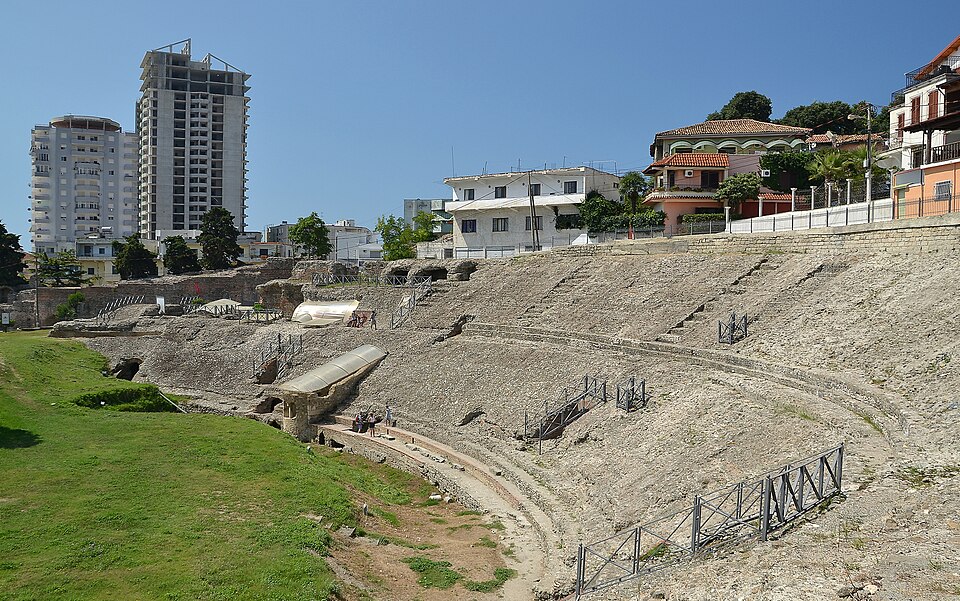
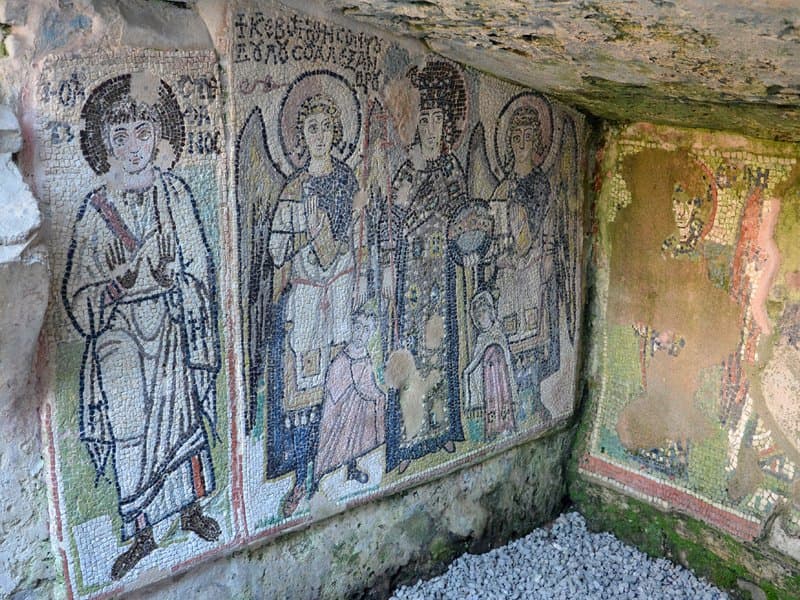
The largest amphitheatre in the Balkans, built in the 2nd century AD for roughly 15,000 spectators. Much of it still lies buried beneath the houses of the surrounding neighbourhood. In one of the passages under the seating is an early Christian chapel with wall mosaics.

Tip: The chapel mosaics are hidden in a dark passage beneath the stands — ask the custodian to unlock it, otherwise most visitors walk straight past.

Admission:
from 300 lek
Time needed:
1 hr
Archaeological Museum

Archaeological Museum

seafront by the port

Albania's largest archaeological museum, filled with finds from ancient Dyrrachium: Roman tombstones, mosaics, statues, pottery and small objects from Adriatic trade. It stands on the seafront just behind the port, and the collection shows how large and wealthy the city once was.

Tip: Pair it with the amphitheatre for a single morning — they are ten minutes apart on foot and both are pleasantly cooler than the beach at midday.

Admission:
from 300 lek
Time needed:
1.5 hrs
Venetian Tower and City Walls

Venetian Tower and City Walls

centre

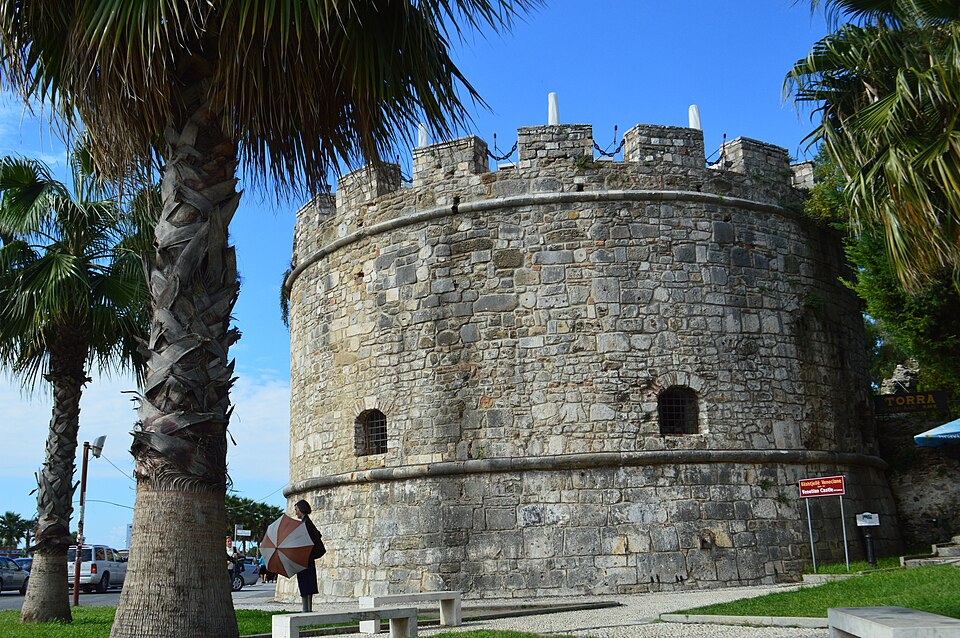
A round tower from the late 15th century at the corner of the medieval walls, which the Venetians and Byzantines built on older Roman foundations. Stretches of the walls survive along the streets of the old town, and the tower now houses a café overlooking the port.

Tip: Come up to the tower for a coffee before sunset, when you can watch the ferries arriving from Italy.

Admission:
free
Time needed:
30 min
Byzantine Forum

Byzantine Forum

centre

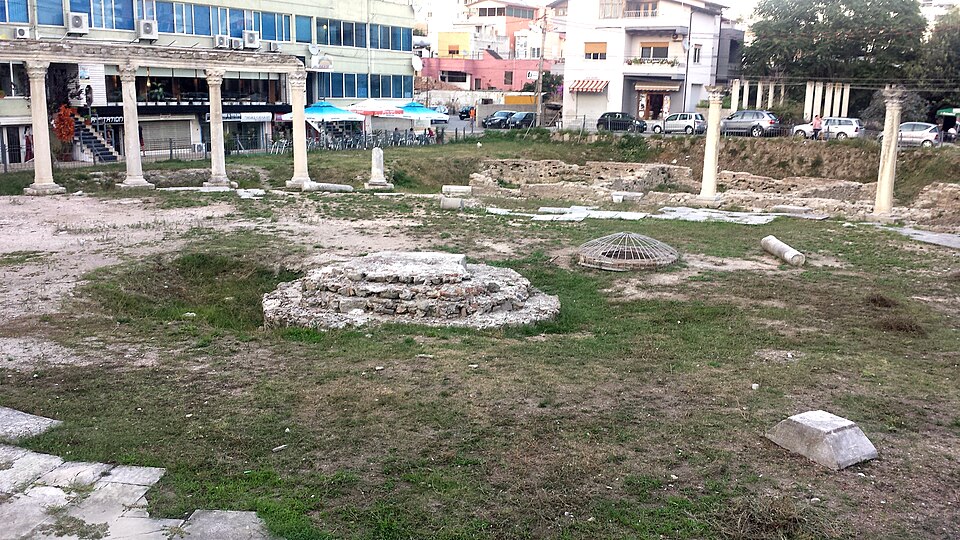
A circular 6th-century square ringed by the remains of columns, uncovered in the middle of modern buildings a few steps from the main boulevard. The remains of Roman baths can also be seen next to it. It is freely accessible and easy to miss if you do not know where to look.

Tip: It sits below today's street level in an open pit between apartment blocks — look for it behind the town hall building, as there are no signs.

Admission:
free
Time needed:
20 min
Great Mosque

Great Mosque

Liria Square

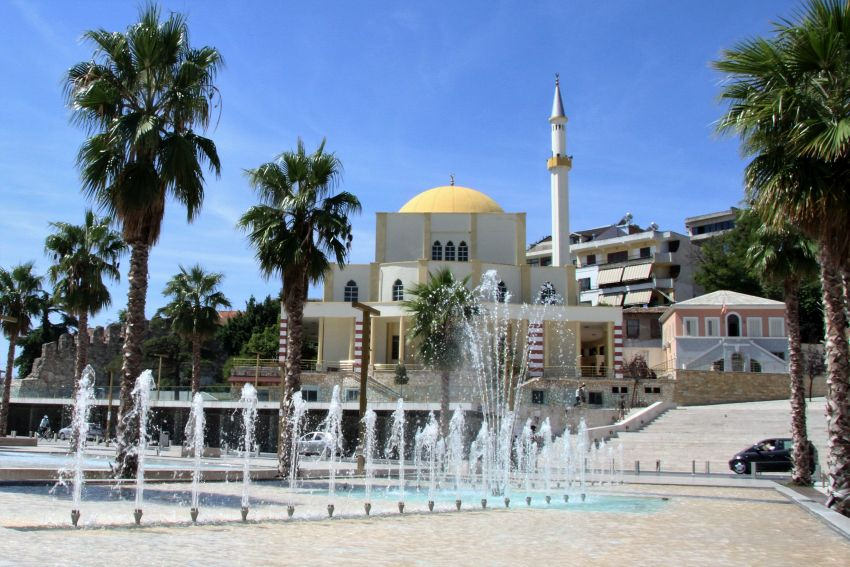
The city's main mosque on Liria Square, built in the 1930s and reopened after the fall of communism, when religion was banned in Albania. With its minaret and dome it is a striking landmark in the centre between the amphitheatre and the port.

Tip: Outside prayer times tourists may go inside — women need a headscarf and covered shoulders, and shoes are left at the entrance.

Admission:
free
Time needed:
20 min
King Zog's Villa

King Zog's Villa

hill above the centre

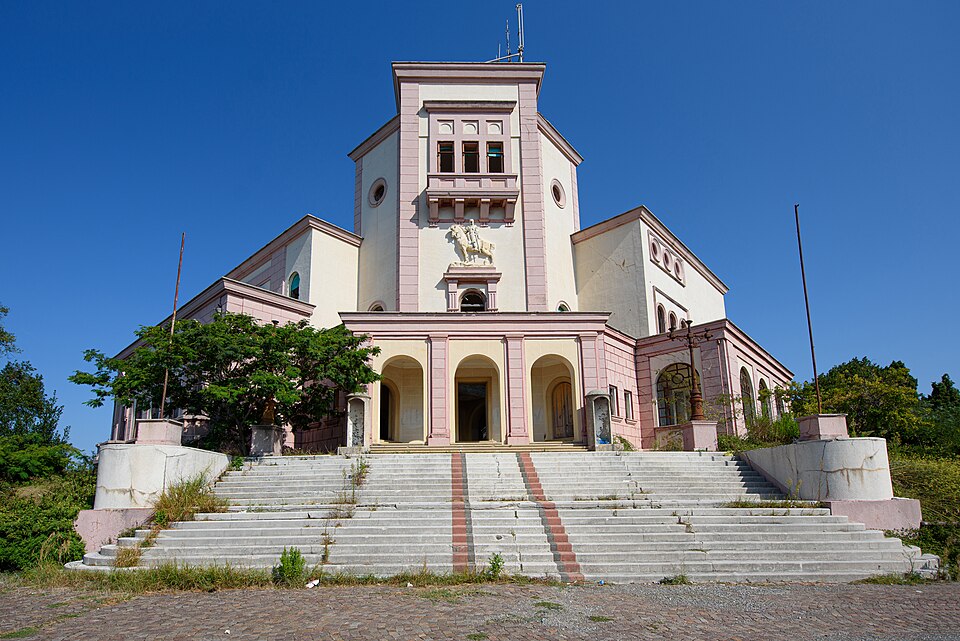
King Ahmet Zog's summer residence from 1937 on the hill above town, later used by the communist leader Enver Hoxha. The building has been under restoration for years and is closed inside, but the walk up leads through a park with the best view of the bay.

Tip: Walk up from the amphitheatre along the street behind the port — twenty minutes uphill, and the view along the whole coast to Golem is worth it, especially in the evening.

Admission:
free, exterior only
Time needed:
1 hr
Taulantia Promenade

Taulantia Promenade

seafront

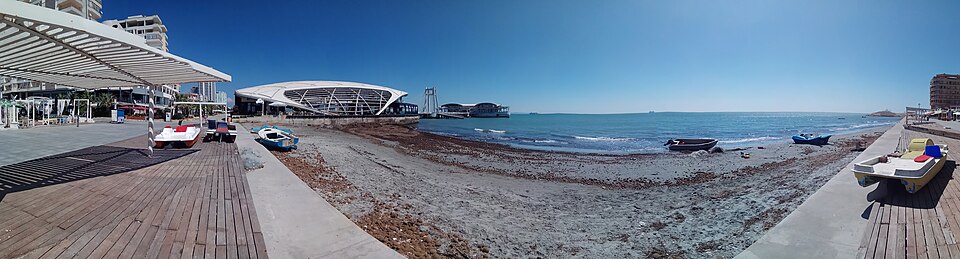
The seafront promenade running from the port along the shore, where the Albanian xhiro takes place every evening — the whole town out for a stroll with children, ice cream and coffee. It is lined with cafés, fountains and leftover bunkers from the Enver Hoxha era.

Tip: It is liveliest between 8 and 10 pm, once the heat eases — have your coffee at a café on the pier, where it costs half what it does on the beach.

Admission:
free
Time needed:
1 hr
Golem Beach and Shkëmbi i Kavajës

Golem Beach and Shkëmbi i Kavajës

10–15 km south

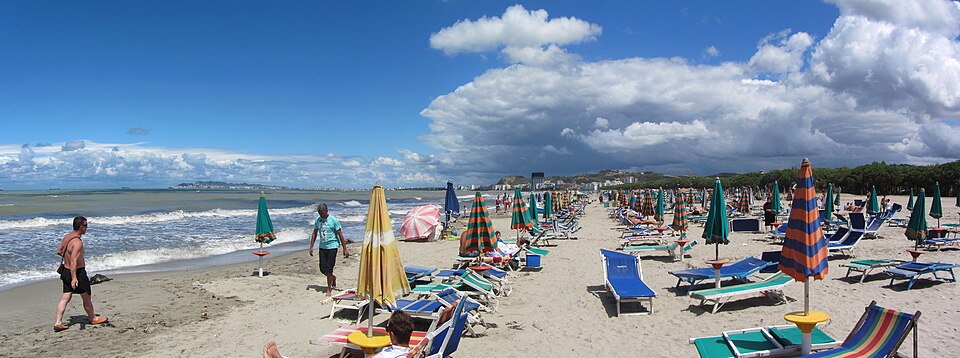
Fifteen kilometres of fine sand south of the city with an exceptionally shallow entry into the sea, lined with most of the resort hotels. The further you get from Durrës, the cleaner the water and the less built-up the beach. Sunbeds belong to individual hotels and bars.

Tip: The water at Golem is much cleaner than on the town beach by the port — if you are staying in the centre, take the bus towards Golem, which runs every fifteen minutes.

Admission:
free, sunbeds from 500 lek
Time needed:
half a day
Cape Rodon and Skanderbeg's Castle

Cape Rodon and Skanderbeg's Castle

45 km north

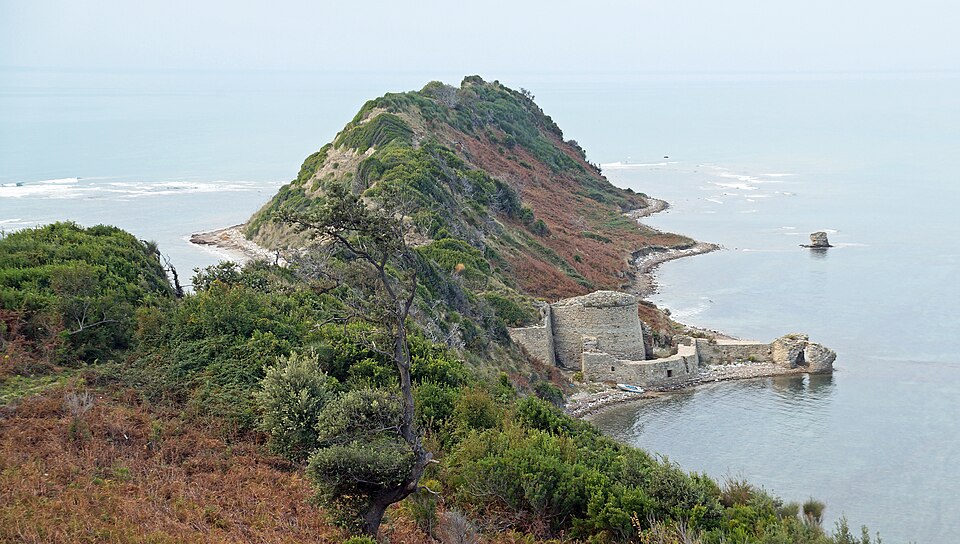
A wild headland north of Durrës with the ruins of a castle built in 1463 by the national hero Skanderbeg. Part of the walls has already collapsed into the sea. The cape is also home to the Church of St Anthony, surrounded by pebble coves without any hotels.

Tip: The last few kilometres are a dusty track — drive slowly and park by the church; the castle is a ten-minute walk along the shore. Bring water, as there is nothing to buy here.

Admission:
free
Time needed:
half a day

Photos: Roman Amphitheatre — Pudelek (CC BY-SA 4.0) · Archaeological Museum — Unknown authorUnknown author (Public domain) · Venetian Tower and City Walls — Musli Berisha (CC BY-SA 4.0) · Byzantine Forum — GentiBehramaj (CC BY-SA 4.0) · Great Mosque — Fabiola Flickr: https://www.flickr.com/photos/fabyd/ (CC0) · King Zog's Villa — Andis Rado (CC BY-SA 4.0) · Taulantia Promenade — Redon Skikuli (CC BY-SA 4.0) · Golem Beach and Shkëmbi i Kavajës — Tomasz Lewicki - @Flickr: https://www.flickr.com/photos/stalkerpl/ (CC BY-SA 2.0) · Cape Rodon and Skanderbeg's Castle — Albinfo (CC BY 3.0)

Where to stay

Areas and districts, matched to the kind of trip you are taking

Centre and Port

Best for: sightseeing and cheap restaurants

The old town around the amphitheatre, museum and promenade, with the best choice of restaurants and cafés at local prices. The beach here is a town beach and the water by the port is less clean, so people take the bus south to swim. A good base if you want to mix the sea with day trips.

Plazh

Best for: a beach within reach of town

The district along the beach just south of the centre, with hotels packed close together and plenty of restaurants. The old town is a twenty-minute walk along the seafront. The beach is crowded and noisier, but everything is within walking distance.

Golem

Best for: families and all-inclusive stays

The main resort strip ten to fifteen kilometres south of the centre, home to most package-holiday hotels. The sand is fine, the entry into the sea very shallow and the water cleaner than in town. Outside the hotels there is less going on, and you reach the centre by bus or taxi.

Shkëmbi i Kavajës and Mali i Robit

Best for: peace and newer hotels

The southernmost part of the coast beyond Golem, with newer resorts, a less built-up beach and pine woods behind it. It is the furthest from town and the airport, but also the quietest. Without a car or a hotel transfer you depend on the bus along the main road.

Getting around

From the airport

The nearest airport is Tirana International Airport Nënë Tereza at Rinas, 35 kilometres from Durrës. In summer it has charter flights and scheduled services from across Europe, and the transfer to a hotel in Golem takes 40 to 50 minutes. Driving from Central Europe means around 1,500 kilometres through Hungary, Serbia and Montenegro — allow some eighteen hours at the wheel. Durrës is also Albania's main ferry port, with sailings from Bari, Ancona and Trieste; the overnight ferry from Bari takes nine hours.

Tirana – Mother Teresa Airport (TIA) · 35 km

  • Taxi to central Durrës· 35 min· 3,500 lek
  • Taxi to Golem· 45 min· 4,000 lek
  • Bus to Tirana, change for Durrës· 1 hr 45 min· 600 lek
  • Hotel transfer· 40–50 min· included in package

Around town

A city bus runs between the centre and the resort strip along the main beach road every fifteen to twenty minutes; you pay the conductor in cash. Buses and furgon minibuses leave for Tirana from the station by the port roughly every twenty minutes, and the journey takes an hour. Taxis are cheap but have no meters, so agree the fare before you get in. A hire car pays off for trips to Krujë, Berat and Cape Rodon — just be ready for the unpredictable local driving style.

City busRuns from the centre along the beach via Plazh to Golem; buy tickets from the conductor. · 40 lek
Bus and furgon to TiranaFrom the station by the port every twenty minutes, morning to evening; the ride takes an hour. · 200 lek
TaxiNo meters, so agree the fare first. Golem to the centre costs about 1,000 lek. · 500 lek
Hire carWorth it for Krujë, Berat and Cape Rodon. Parking in the centre is chaotic. · €30 / day

Useful apps: Google Maps, Maps.me, XE Currency, Booking.com

When to go

The swimming season runs from June to September, and in August the sea reaches about 26°C. July and August bring heat above 30°C and beaches full of domestic visitors from Tirana, Kosovo and North Macedonia — and the highest room rates. June and September offer the best balance of weather, warm water and free sunbeds. From November to April the coast is rainy and many hotels in Golem close.

Best time

June and September

What to avoid

November to March, when it is rainy and the resort is asleep

MonthJanFebMarAprMayJunJulAugSepOctNovDec
Day13°14°16°19°24°28°31°31°27°23°18°14°
Night5°5°7°10°14°18°20°21°17°13°9°6°
Rainy days11101097422581212
Sea14°14°14°16°19°23°25°26°24°21°18°16°

Food & drink

Food in Durrës combines sea fish with Balkan grills and Ottoman recipes. In the port restaurants, fish and seafood are chosen by weight and are much cheaper than on the Croatian coast — a portion of grilled prawns or octopus costs around 1,000 lek. Corn on the cob and byrek are sold on the beach, and the centre has no-frills grill houses serving qofte. Albanians eat dinner late, around 9 pm, and drink Korça or Birra Tirana beer with their meal.

What to try

Tavë kosi

The national dish: lamb baked with rice under a crust of yoghurt and eggs. It comes from Elbasan, and traditional restaurants bake it in an individual clay dish.

Byrek

Filo pastry filled with cheese, spinach or minced meat, the country's most common breakfast and snack. A piece from a bakery costs 100 to 150 lek and is washed down with ayran or kefir.

Fërgesë

A baked mix of roasted peppers, tomatoes and gjizë cheese, sometimes with liver or meat. It arrives piping hot in a clay dish and is mopped up with bread as a starter for the table.

Qofte and zgara

Grilled minced-meat rolls with herbs and a platter of mixed grilled meat. The cheapest hot meal around — about 500 lek with chips and salad in a local grill house.

Albanian salad

Tomatoes, cucumber, onion, olives and a slab of white cheese, dressed with local olive oil. It is ordered with every meal and costs 300 to 500 lek.

Grilled fish and seafood

Sea bass, sea bream, octopus and prawns from the Adriatic, grilled with olive oil and lemon. Port restaurants charge by weight, so ask for the price per kilo first.

Bakllava and kadaif

Ottoman sweets made from filo or shredded pastry with nuts and syrup. The best come from a pastry shop, where they are baked in trays and sold by the piece.

Raki

Grape or plum brandy that your host will pour as a welcome and again at the end of the meal. Homemade raki is often over 50 per cent, so sip it slowly.

What it costs

Espresso in a café

100–150 lek

Byrek from a bakery

100–150 lek

Dinner in a restaurant

1,500–2,500 lek per person

Beer, 0.5 l

250–400 lek

Two sunbeds and a parasol

500–1,000 lek

Bus to Tirana

200 lek

Amphitheatre entry

300 lek

Night in a 4-star hotel in Golem

€70–130

Indicative prices that change over time — treat them as a guide, not a price list.

Practical information

SocketsCEuroplug, two round pinsFSchuko
Voltage230V / 50Hz
Tap waterDo not drink tap water — Tap water in Albania is not recommended for drinking. Coastal water systems are old and struggle in high season, and hotel water is often heavily chlorinated or comes from a tank on the roof. Use bottled water for drinking and brushing your teeth: a 1.5-litre bottle costs 60 to 80 lek in a shop and twice that on the beach. Restaurants do not offer tap water — you order a bottle.
TippingTips are expected in Albania and given in cash. In a café you round up; in a restaurant leave around 10 per cent, as service is rarely included. Give beach-bar staff and transfer drivers 100 to 200 lek. Hotels and better restaurants take cards, but beach bars, sunbed attendants, taxis and small places want cash — ideally in lek, as euros are converted at poor rates.
Driving on theright
SafetyAlbania is safer for tourists than its reputation suggests: violent crime against foreigners is rare and locals are welcoming to guests. The real risk is the roads — driving is aggressive, overtaking on bends is common, animals and potholes appear on the road, and driving outside towns at night is best avoided. On the coast, watch out for strong sun, sea urchins in rocky coves and taxis without meters; agree the fare in advance. The emergency number is 112, police 129.
Opening hoursCafés open as early as 7 am, and Albanians spend much of the day in them. In the resorts, shops and supermarkets open daily from 8 am until 10 or 11 pm, Sundays included. Government offices and banks close around 3 pm. Museums are often closed on Mondays and cut their hours out of season. From November to April most hotels and restaurants in the resorts are closed.
Customs & etiquetteMind the gestures: older Albanians often nod up and down to mean “no” and shake their head from side to side for “yes”, while younger people mostly use the European convention — if in doubt, ask in words. Cover shoulders and knees in mosques and churches. Hospitality is a matter of honour, so do not bluntly turn down an invitation to coffee or raki. Swimsuits are the norm on the beach; topless sunbathing only in secluded spots.
A few local wordsGood afternoon — MirëditaThank you — FaleminderitPlease — Ju lutemYes / no — Po / JoHow much is it? — Sa kushton?The bill, please — Llogarinë, ju lutemCheers — Gëzuar

How to plan your days

1 day

A day in ancient Durrës

  1. 1Morning at the Roman amphitheatre and the mosaic chapel beneath the stands.
  2. 2The Byzantine Forum and the Great Mosque on Liria Square.
  3. 3Lunch at a port restaurant, then the Archaeological Museum in the afternoon.
  4. 4Sunset from the Venetian Tower and an evening stroll along the promenade.

2 days

Two days: the city and Tirana

  1. 1Day one as above.
  2. 2On day two, take the morning bus to Tirana, an hour away.
  3. 3Skanderbeg Square, the Bunk'Art museum and the colourful Blloku district.
  4. 4Back to Durrës in the evening for dinner by the beach.

3 days

Three days with mountains and a cape

  1. 1The first two days as above.
  2. 2On day three, drive to Krujë in the morning for the castle and old bazaar.
  3. 3In the afternoon, head to Cape Rodon, walk to Skanderbeg's castle and swim in the cove.
  4. 4End the evening at King Zog's Villa with a view over the bay.

Day trips

Tirana

38 km · 1 hr by bus

The capital, with its colourful buildings, Skanderbeg Square and the Bunk'Art nuclear bunker turned museum of the communist era. Buses leave Durrës every twenty minutes, so you do not need a car.

Krujë

45 km · 1 hr by car

A mountain town with the castle from which Skanderbeg held off the Ottomans for a quarter of a century. Below the castle is a covered bazaar selling antiques, rugs and handicrafts, and the view reaches all the way to the sea.

Berat

90 km · 1 hr 45 min by car

The UNESCO-listed City of a Thousand Windows, with white Ottoman houses stacked on the slope above the Osum River and an inhabited castle on the hill. Ideal for a full-day trip — in summer set off early to beat the heat.

Frequently asked questions

Is Durrës good for families with children?+

Yes, the beaches south of town are sandy with a very gradual entry into a sea that is calm and warm in summer. Golem suits families best, with hotels right on the beach. Bear in mind that the coast is crowded and noisy in August.

How far is Durrës from the airport?+

Tirana's Mother Teresa Airport is 35 kilometres from central Durrës; a taxi takes around 35 minutes and costs from 3,500 lek. Golem is about ten minutes further. On a package holiday the transfer is included.

Do I need a passport for Albania?+

EU citizens can enter with a valid national ID card and stay visa-free for 90 days. Albania is not in the European Union, though, so EU roaming does not apply — switch off mobile data or buy a local SIM card at the airport.

Can I pay in euros in Durrës?+

The official currency is the lek, at roughly 100 lek to the euro. Hotels and beach bars often accept euros, but round the rate against you. Withdraw lek from a bank ATM rather than a standalone Euronet machine, and keep small notes for sunbeds and taxis.

How clean is the sea in Durrës?+

Near the port and the town beach the water is poorer because of shipping and urban runoff, and locals swim there less. The further south you go, the cleaner it gets — at Golem and Shkëmbi i Kavajës the water is fine. For crystal-clear sea, head south to Sarandë or Ksamil.

Can I drive to Durrës from Central Europe?+

Yes, from Central Europe it is roughly 1,500 kilometres via Hungary, Serbia and Montenegro or along the Croatian coast — two days with stops. You need a green card insurance certificate valid for Albania and Serbia, and should expect an aggressive driving style on arrival.

What is there to see in Durrës besides the beach?+

The Roman amphitheatre for 15,000 spectators, the Archaeological Museum, the Byzantine Forum, the Venetian Tower and King Zog's Villa. One day is enough for all of it. Durrës is also a handy base for day trips to Tirana, Krujë and Berat.

When is the best weather for a holiday in Durrës?+

June and September: the sea is 23 to 25°C, daytime highs are around 27°C and the beaches are not overcrowded. July and August bring heat over 30°C and peak prices. From November to March it is rainy and the resort is shut.

Visa Requirements

Check the latest visa requirements for entering this country. Some nationalities may need to apply for a visa or e-visa before travel.

Check visa requirements

Language

Albanian

Currency

ALL

Timezone

Europe/Tirane

Dial Code

+355

Population

2.8M

Area

28,748 km²

Voltage

230V / 50Hz

Driving Side

Right

Top Hotels in Durrës

Live prices from 500+ properties

Loading hotels...

More destinations in Albania

Planning a trip to Durrës?

Compare hundreds of hotels, find the best price, and book with free cancellation on TravelManiac.