Hotels in Edinburgh

A castle on a volcano, medieval alleys and the world's biggest festival

Edinburgh

LanguageEnglish
CurrencyGBP
TimezoneGMT+0
Temperature6-22 °C
Dial Code+44
Population67.7M
Area243,610 km²
SocketsType G
Tap waterDrinkable

Discover Edinburgh

Edinburgh is the capital of Scotland and one of the most beautifully situated cities in Europe. The castle stands on the basalt plug of an extinct volcano, and from it the medieval Royal Mile runs down the ridge to the Palace of Holyroodhouse, while narrow alleys called closes open onto views down over the Georgian New Town with its orderly streets and gardens. Both halves are UNESCO World Heritage Sites. Above the city rises another extinct volcano, Arthur's Seat, which can be climbed in an hour straight from the centre. Edinburgh is compact and entirely walkable, the great national museums and galleries are free, and there are hundreds of whisky pubs. In August the city turns into the world's largest arts festival, the Fringe, with thousands of shows a day, and hotel prices triple. The weather is changeable and windy, and an umbrella won't do much good against the wind — but when the clouds break over the castle, it's worth having a camera to hand.

What to see

The places worth your time in Edinburgh, and what to expect at each

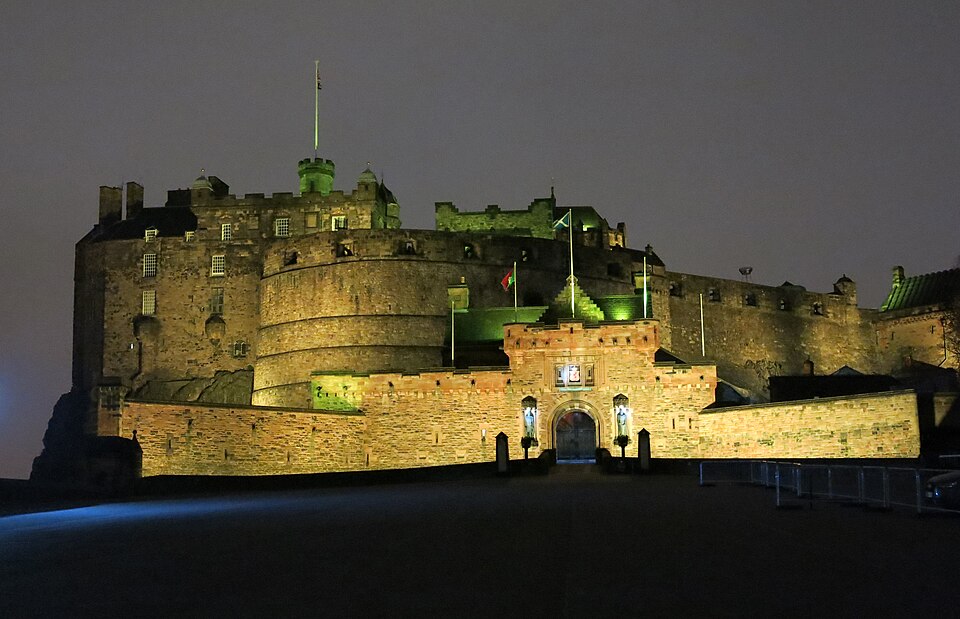
Edinburgh Castle

Edinburgh Castle

Old Town

A fortress on the plug of an extinct volcano, settled for over 3,000 years, visible from all over the city. Inside are the Honours of Scotland and the Stone of Destiny, on which Scottish and British monarchs were crowned, Edinburgh's oldest building — the 12th-century St Margaret's Chapel — and the war museums.

Tip: Buy timed tickets online — on the day they often sell out or cost more. Arrive at 9am and head straight for the crown jewels before the queue builds. At one o'clock every day except Sunday, the One O'Clock Gun is fired from the walls — it always makes people jump.

Admission:
admission fee
Time needed:
2–3 h
Royal Mile

Royal Mile

Old Town

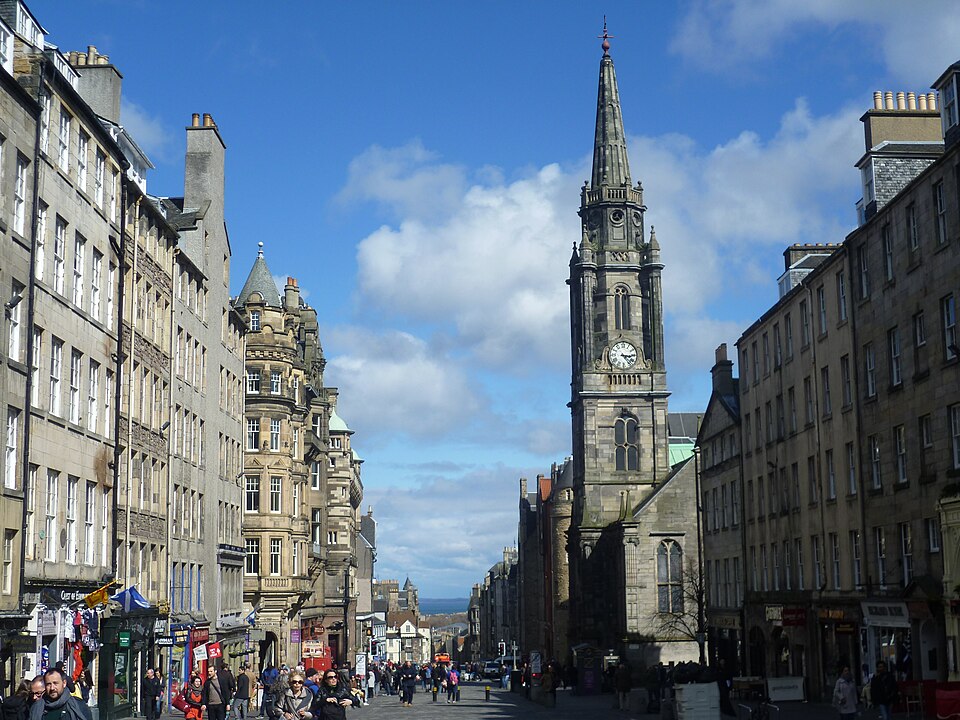
A mile-and-a-half-long main street through the Old Town, running downhill from the castle to the Palace of Holyroodhouse. Along it stands St Giles' Cathedral with its gothic crown steeple, shops selling tartan and whisky, and dozens of narrow closes leading into hidden courtyards.

Tip: The best part is ducking into the closes — Advocate's Close has a view of the New Town, and Lady Stair's Close leads to the free Writers' Museum. The kilt shops on the main street mostly sell imported goods; genuine tartan and tweed are pricier and found in smaller shops. St Giles' Cathedral asks for a voluntary donation.

Admission:
free
Time needed:
2 h
Palace of Holyroodhouse

Palace of Holyroodhouse

Holyrood

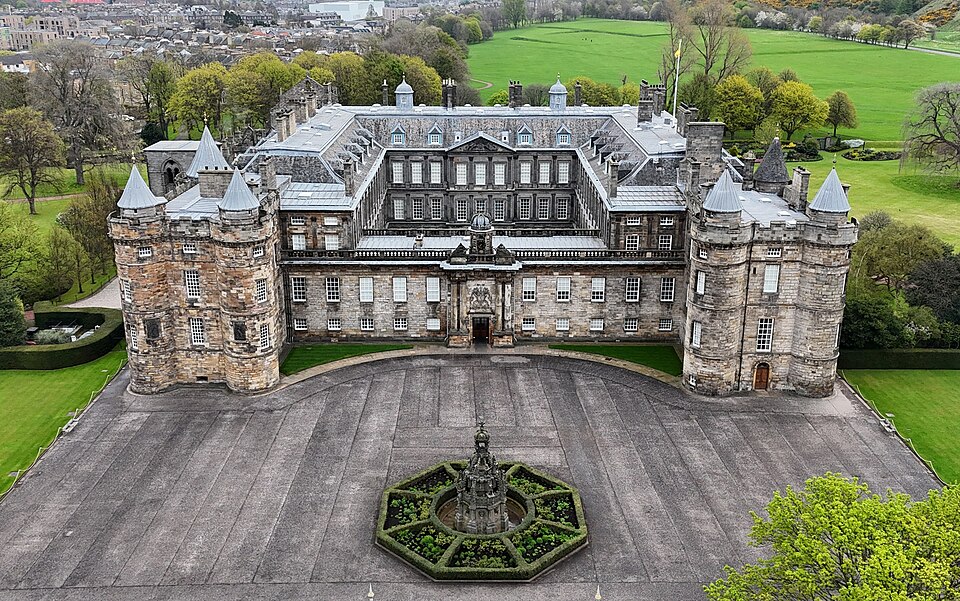
The King's official residence in Scotland, at the lower end of the Royal Mile, once home to Mary, Queen of Scots. Her chambers in the tower, where her secretary was murdered before her eyes, and behind the palace the ruins of a 12th-century abbey.

Tip: When the King is in residence, usually around late June and early July, the palace is closed. The audio guide is included and comes in multiple languages. The ticket is valid for a year if you get it stamped. A path onto Arthur's Seat begins behind the palace.

Admission:
admission fee
Time needed:
1.5–2 h
Arthur's Seat

Arthur's Seat

Holyrood Park

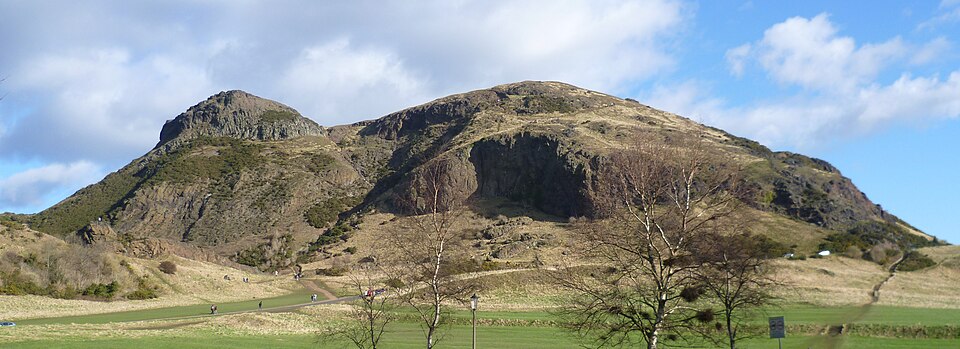
A 251-metre extinct volcano in the middle of Holyrood Park, with views over the whole city, the castle and the sea. Below the summit run the basalt cliffs of Salisbury Crags.

Tip: The easiest route starts from Dunsapie Loch, from where it's a 20-minute climb to the summit. From Holyroodhouse the climb is tougher but prettier, via Salisbury Crags. It's windy at the top even on a calm day, and the rock is slippery in the rain — sturdy shoes are a must. In summer, people head up at 4am for sunrise.

Admission:
free
Time needed:
1.5–2 h
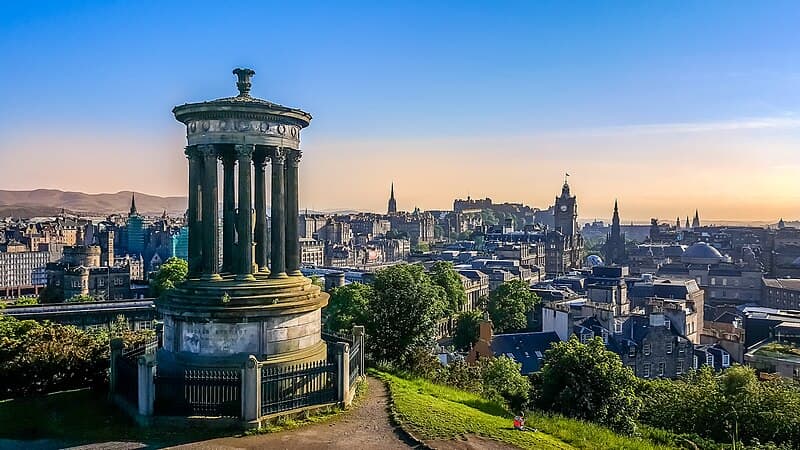
Calton Hill

Calton Hill

New Town

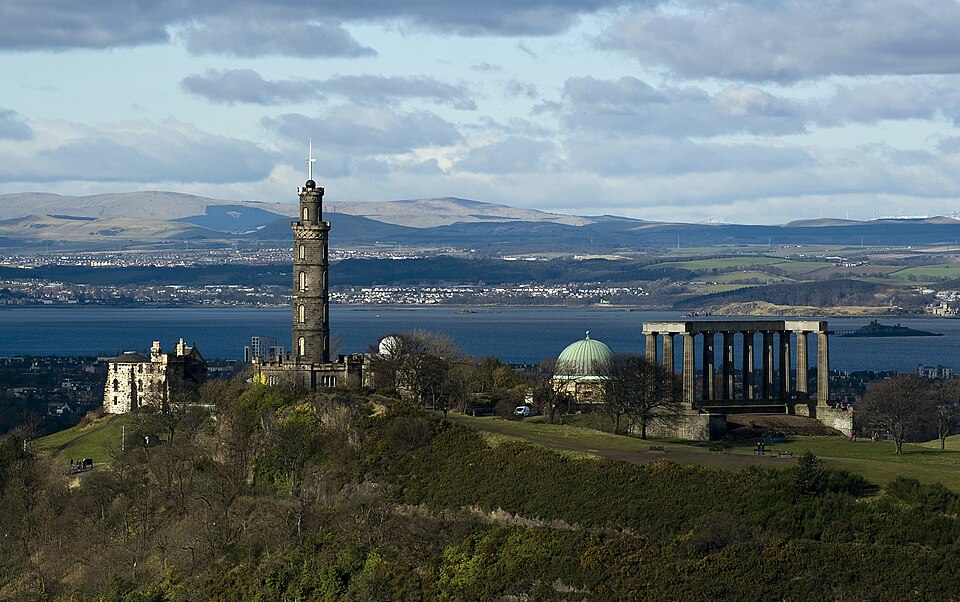
A hill at the end of Princes Street with an unfinished replica of the Athenian Parthenon, the Nelson Monument and an old observatory that now houses a gallery. The best view of the Old Town, the castle and Arthur's Seat.

Tip: Plenty of people come here for sunset, but the climb only takes 10 minutes. The Nelson Monument has a paid viewpoint, though the view from ground level is almost as good. The Collective gallery in the old observatory is free and has a café with a terrace.

Admission:
free
Time needed:
45 min
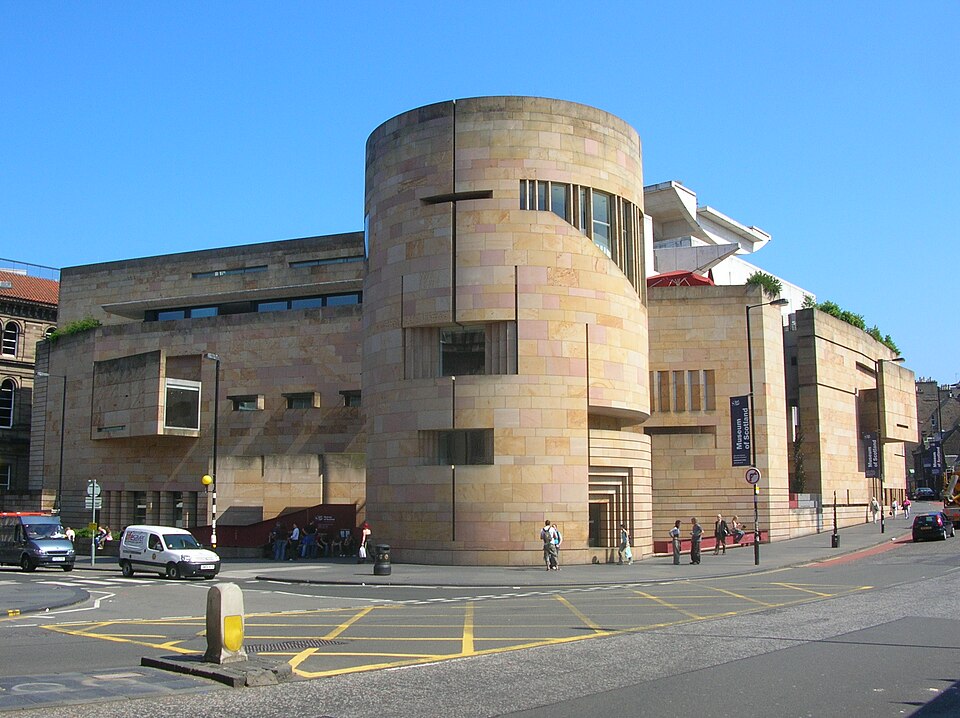
National Museum of Scotland

National Museum of Scotland

Old Town

A large museum spanning a linked Victorian and modern building, with exhibits ranging from Scottish history to nature, technology and world cultures. Dolly the sheep, the first cloned mammal, and the gothic Lewis chessmen.

Tip: Admission is free. Don't miss the rooftop terrace on the seventh floor of the modern wing, with a free view of the castle. The Victorian Grand Gallery is the museum's most beautiful space and sits right behind the entrance.

Admission:
free
Time needed:
2–3 h
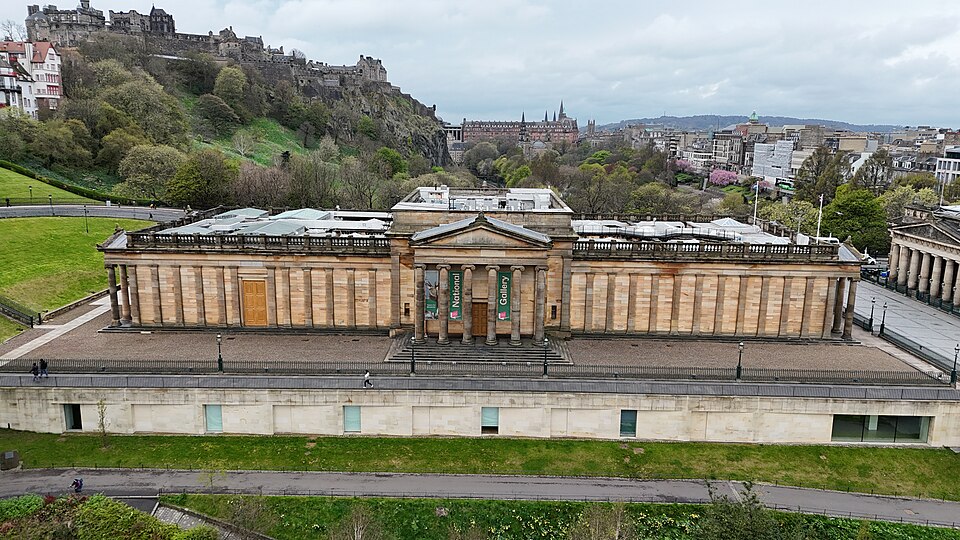
Scottish National Gallery

Scottish National Gallery

The Mound

A gallery on the rise between the Old and New Towns with European painting from the Renaissance to Impressionism — Titian, Rembrandt, Velázquez, Monet — alongside Scottish painters such as Raeburn's skating minister.

Tip: Admission is free except for special exhibitions. The new Scottish galleries in the lower part of the building, opened in 2023, look out onto the gardens. The gallery sits right next to Waverley Station, so it's easy to fit in before a train.

Admission:
free
Time needed:
1.5 h
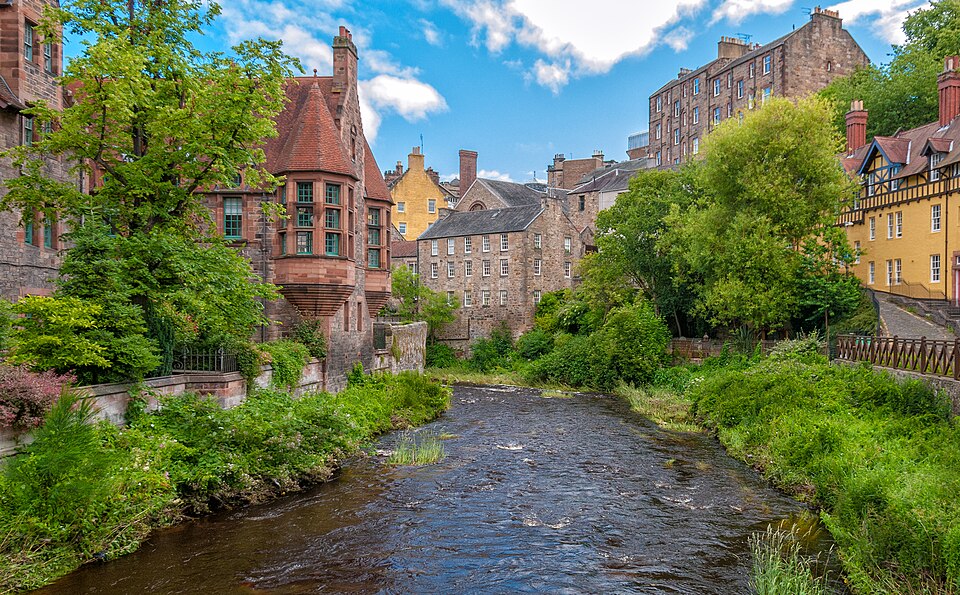
Dean Village

Dean Village

West End

A former milling village in the valley of the Water of Leith, 10 minutes' walk from the centre, with sandstone cottages and a stone bridge. Today one of the city's most photographed spots.

Tip: Continue along the river on the Water of Leith Walkway to Stockbridge, with its cafés and Sunday market. The light is best in the morning. The Gallery of Modern Art is another 15 minutes along the path.

Admission:
free
Time needed:
1 h
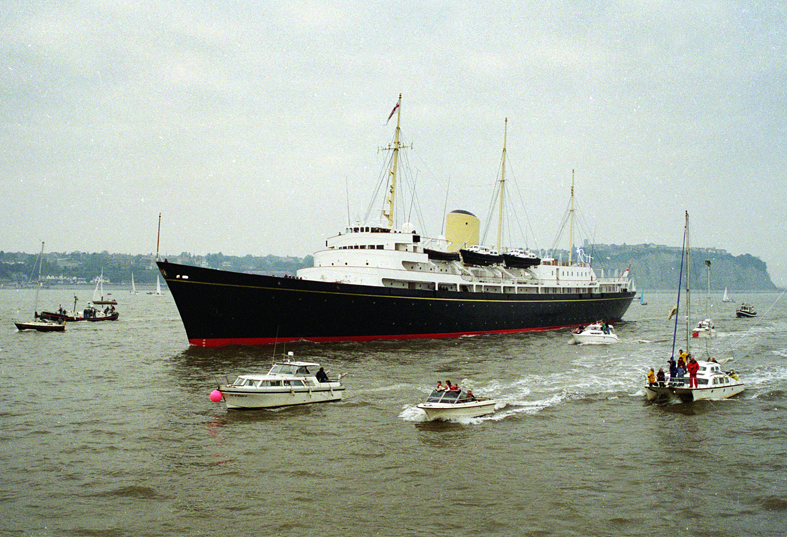
Royal Yacht Britannia

Royal Yacht Britannia

Leith

The yacht on which the British royal family travelled the world from 1954 to 1997. The tour takes you through the decks, the royal apartments, the dining room, the engine room and the crew's quarters, showing just how differently everyone on board lived.

Tip: The yacht is berthed at Leith, at the Ocean Terminal shopping centre, reached by tram or bus 11 or 22 from the centre. The audio guide comes in multiple languages, and the tearoom on board serves tea and cake with a view of the harbour.

Admission:
admission fee
Time needed:
2 h

Photos: Edinburgh Castle — Enric (CC BY-SA 4.0) · Royal Mile — Kim Traynor (CC BY-SA 3.0) · Palace of Holyroodhouse — 瑞丽江的河水 (CC BY-SA 4.0) · Arthur's Seat — Kim Traynor (CC BY-SA 3.0) · Calton Hill — Saffron Blaze (CC BY 3.0) · National Museum of Scotland — No machine-readable author provided. Maccoinnich~commonswiki assumed (based on copyright claims). (CC BY-SA 3.0) · Scottish National Gallery — 瑞丽江的河水 (CC BY-SA 4.0) · Dean Village — Gary Campbell-Hall from Edinburgh, UK (CC BY 2.0) · Royal Yacht Britannia — Ben Salter from Wales (CC BY 2.0)

Where to stay

Areas and districts, matched to the kind of trip you are taking

Old Town

Best for: a first visit

The medieval core along the ridge, with the castle, the Royal Mile and the Grassmarket. The most atmosphere, but also the most people. Hotels cost more here, but everything is within walking distance.

New Town

Best for: elegance and shopping

The Georgian New Town, with Princes Street, George Street and its gardens. Shops, bars and elegant hotels, a kilometre from the castle.

Stockbridge

Best for: cafés and calm

A village-like neighbourhood by the river, with cafés, independent shops and a Sunday market. A 15-minute walk to the centre.

Leith

Best for: food and the waterfront

A former dockland with Michelin-starred restaurants, waterfront bars and the Royal Yacht Britannia. Linked to the centre by tram.

Getting around

From the airport

Edinburgh Airport lies 13km west of the centre. It has flights from across Europe, including connections via major hubs such as London, Amsterdam and Dublin. A tram and the Airlink bus run into the centre. Since 2025, a UK electronic ETA is required for visa-exempt visitors. By train from London King's Cross it's about 4.5 hours, and 50 minutes from Glasgow.

Edinburgh Airport (EDI) · 13 km

  • Tram into the centre· 35 min· £7.50
  • Airlink 100 bus· 30 min· £5.50
  • Taxi· 25 min· £30

Around town

Edinburgh is small and best explored on foot, though it's hilly and the stairways between the Old and New Towns are steep. Lothian buses run everywhere, and the tram runs from the airport through the centre to Leith. A car is pointless in the city — parking is expensive and the centre has a low-emission zone.

Lothian busesA dense network, contactless payment, with a low daily price cap. · £2
TramFrom the airport via Princes Street to Leith. · £2 within the city
WalkingThe best way to get around. Expect stairs and hills. · free
TaxiBlack cabs can be hailed on the street, and Uber operates too. · £10 across the centre
ScotRail trainFrom Waverley Station for trips to Glasgow, Stirling and the north. · from £10

Useful apps: Lothian Buses, Uber, ScotRail, Google Maps

When to go

The best time is from May to September, when it's warm at around 18°C with long days — in June there's daylight until 11pm. August is the festival month, with the Fringe and the military Tattoo; the city is packed and hotels cost 3 times as much. Winter is cold and dark, but December brings Christmas markets and Hogmanay is a major New Year's Eve festival. Rain falls fairly evenly throughout the year, but usually only in short bursts.

Best time

May, June and September

What to avoid

August, unless you're going for the festival

MonthJanFebMarAprMayJunJulAugSepOctNovDec
Day7°8°10°12°15°17°19°19°16°13°9°7°
Night1°1°2°4°6°9°11°11°9°6°3°1°
Rainy days1210119109101010121212

Food & drink

Scottish cooking rests on good raw ingredients: Aberdeen Angus beef, salmon and seafood from the northern seas, venison from the Highlands. Edinburgh has several Michelin-starred restaurants, mostly in Leith, and dozens of pubs serving lunch. Whisky is something of a religion here, and bars stock hundreds of labels. Prices are similar to London, if a little lower.

What to try

Haggis

Sheep offal with oatmeal and spices, cooked in a stomach lining and served with a mash of turnip and potato (neeps and tatties). It tastes like a spiced version of black pudding, and on Burns Night on 25 January it's served with a poem recited over it.

Full Scottish breakfast

The Scottish take on a fry-up, with haggis, black pudding, a potato scone and bacon.

Cullen skink

A thick soup of smoked haddock, potatoes and onion in milk. Best for lunch in winter.

Scottish salmon

Smoked or grilled salmon from Scotland's lochs and coastal waters. The smoked version is the best souvenir to take home.

Cranachan

A dessert of whipped cream, raspberries, toasted oats, honey and whisky.

Single malt whisky

Scotch whisky from a single distillery, peaty if it's from Islay or smoother if it's from Speyside. At the bar you order a dram, a 25ml measure.

Irn-Bru

An orange, bubblegum-flavoured soft drink the Scots drink more of than Coke. The go-to hangover cure.

What it costs

Coffee

£3.20–4

Pint of beer

£5.50–7

Lunch at a pub

£14–20

Dinner at a restaurant

£30–50 per person

Dram of whisky

£5–15

Castle admission

from £21

Bus ticket

£2

Night in a 3-star hotel (outside August)

£110–200

Indicative prices that change over time — treat them as a guide, not a price list.

Practical information

SocketsGBritish, three rectangular pins
Voltage230V / 50Hz
Tap waterTap water is drinkable — Tap water is safe, well monitored and good-tasting across the UK — there's no need to buy bottled. In a restaurant, just ask for "tap water" and you'll get it free, even if the server offers bottled first. In older buildings, cold water sometimes comes from a separate tap while hot water comes from a loft tank that isn't drinkable; this doesn't apply in hotels or newer buildings. Scottish water from the hill reservoirs is soft and among the cleanest in Europe.
TippingAt a table-service restaurant, the bill often has a pre-printed 12.5% "service charge" — when it's there, nothing extra is added, and you're within your rights to have it removed if you're unhappy with the service. Where there's no service charge, 10% is standard. At a pub bar, no tip is expected at all: you order and pay for your drink at the bar and nobody expects anything more. Round up for taxi drivers, and give 10% to a hairdresser or a delivery driver. Cafés often have a tip jar by the till, and it's entirely optional. Scottish banks print their own pound notes with a different design; they're valid across the UK, but some shops in England are reluctant to accept them, so spend them before you leave.
Driving on theleft
SafetyBritish cities are safe for visitors, and violent crime rarely affects foreigners. There are 3 real risks: pickpockets on the underground and in markets, phone snatching by a passing moped rider on the pavement (so don't walk with your phone held out in your hand), and unlicensed taxis outside clubs — book through an app or only take a black cab with a lit sign. People drive on the left and cars come from the right, which is the most common cause of visitor accidents at crossings; you'll often see "look right" painted on the pavement. The emergency number is 999, for non-urgent cases it's 101, and the European 112 also works.
Opening hoursShops are open from 9am to 6pm, later until 8pm in the centre. Scotland isn't covered by England's Sunday trading law, so large shops can stay open longer on Sundays. The great national museums and galleries are free and open daily from 10am to 5pm. Pubs pour until midnight, later at weekends, though kitchens tend to close around 9pm. Scottish public holidays differ from England's, including 2 January and St Andrew's Day on 30 November.
Customs & etiquetteThe Scots are not English, and don't like being called that — British or Scottish is correct. Queuing and ordering at the bar work the same as everywhere else in Britain. The Scots are friendlier and more direct than the English, and it's easy to strike up a conversation in a pub. A kilt is worn for weddings and sporting events, not to the office. Whisky is spelled without an "e", and a good single malt shouldn't have ice added, at most a few drops of water.
A few local wordsHello — Hello / Good morningThank you — Thank you / CheersExcuse me — Sorry / Excuse meThe bill, please — Could we get the bill, please?Cheers — CheersYes / small — Aye / wee

How to plan your days

1 day

A day in Edinburgh

  1. 1Morning: the castle, right when it opens.
  2. 2Down the Royal Mile, ducking into the closes.
  3. 3Lunch at a pub on the Grassmarket.
  4. 4Afternoon: the National Museum of Scotland and its rooftop terrace.
  5. 5Sunset on Calton Hill.

2 days

2 days in Edinburgh

  1. 1Day 1 as in the one-day plan.
  2. 2Day 2 morning: climb Arthur's Seat.
  3. 3Palace of Holyroodhouse.
  4. 4Afternoon: the New Town and the Scottish National Gallery.
  5. 5Evening: a whisky bar in the Old Town.

3 days

3 days in Edinburgh

  1. 1The first 2 days as above.
  2. 2Day 3: Dean Village and the path to Stockbridge.
  3. 3Tram to Leith, then the Royal Yacht Britannia.
  4. 4Seafood lunch on the waterfront.
  5. 5Evening: a ghost tour in the vaults beneath South Bridge.

Day trips

Forth Bridge and South Queensferry

15 km · 30 min by train or bus

3 bridges from 3 different centuries span the Firth of Forth side by side; the most famous is the red 1890 Forth Bridge railway crossing, a UNESCO World Heritage Site. Boats from the pier at South Queensferry sail out to the island of Inchcolm, with its abbey and seals.

Stirling Castle

60 km · 1 h by train

A castle on a rock above the battle sites of William Wallace and Robert the Bruce, where Mary, Queen of Scots grew up. A restored Renaissance palace and the Wallace Monument stand on the hill opposite. Fewer crowds than Edinburgh.

Rosslyn Chapel

12 km · 40 min by bus

A 15th-century chapel with richly carved stonework, made famous by the novel The Da Vinci Code. The single Apprentice Pillar is surrounded by a legend of a murdered apprentice.

Frequently asked questions

How many days are enough for Edinburgh?+

2 days cover the castle, the Royal Mile, Holyrood, Arthur's Seat and the museums. 3 days allow for a trip to Stirling or an organised tour into the Highlands.

When is the Fringe festival?+

The whole of August, roughly 3 weeks. The Tattoo military display at the castle and the book festival run at the same time. Hotels get booked up 6 months ahead.

Do I need an ETA for the UK?+

Since April 2025, EU citizens need an electronic ETA, applied for via an app for £16 and valid for 2 years.

How do I get from the airport into the centre?+

By the Airlink 100 bus in half an hour, or by tram. A taxi costs around £30.

Is Edinburgh expensive?+

Yes, but the museums and galleries are free. In August, hotels are extremely expensive. Food in pubs and lunch menus are affordable.

Where should you stay in Edinburgh?+

In the Old Town or New Town, everything is walkable. Leith is cheaper and connected by tram.

What's the weather like in Edinburgh?+

Changeable and windy, with short, frequent rain showers. Around 18°C in summer, around 5°C in winter.

Can you visit the Highlands from Edinburgh?+

Yes, day-trip buses to Loch Ness and Glencoe run daily, but it means 12 hours on a coach. 2 to 3 days is a better way to see the Highlands.

Visa Requirements

Check the latest visa requirements for entering this country. Some nationalities may need to apply for a visa or e-visa before travel.

Check visa requirements

Language

English

Currency

GBP

Timezone

GMT+0

Dial Code

+44

Population

67.7M

Area

243,610 km²

Voltage

230V / 50Hz

Driving Side

Left

Top Hotels in Edinburgh

Live prices from 500+ properties

Loading hotels...

More destinations in United Kingdom

Planning a trip to Edinburgh?

Compare hundreds of hotels, find the best price, and book with free cancellation on TravelManiac.