Hotels in Hamburg

A port metropolis with the Elbphilharmonie and nightlife

Hamburg

LanguageGerman
CurrencyEUR
TimezoneEurope/Berlin
Temperature2-25 °C
Dial Code+49
Population84.5M
Area357,022 km²
SocketsType C / Type F
Tap waterDrinkable

Discover Hamburg

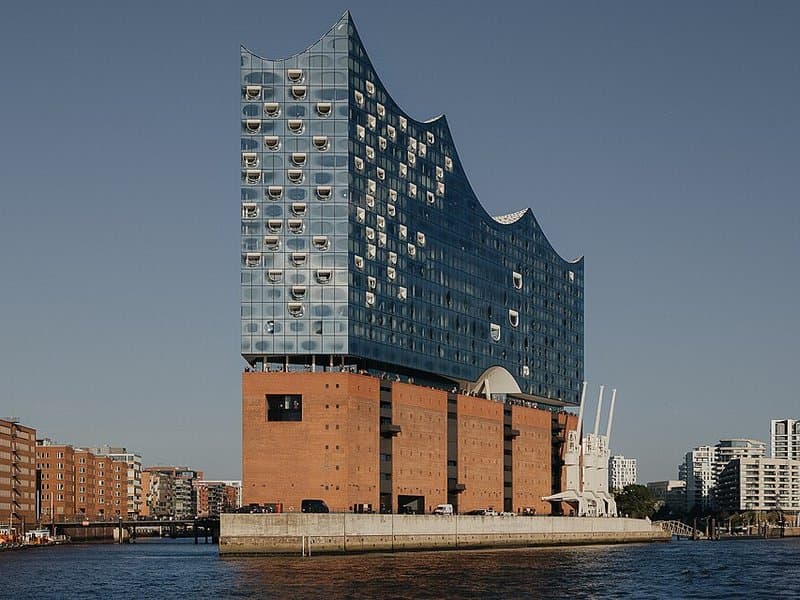
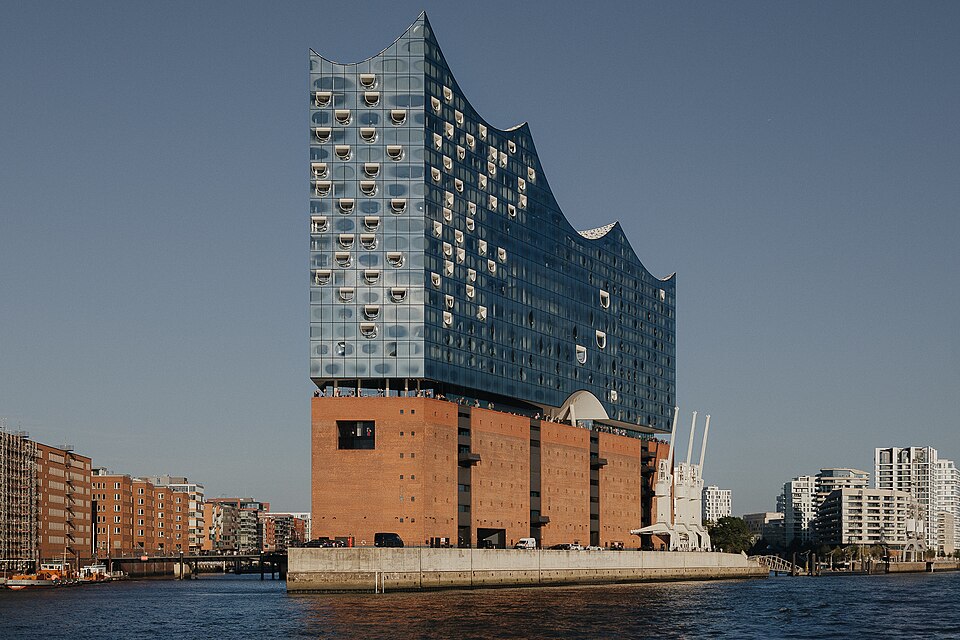
Hamburg is the second-largest city of Germany and the country's biggest port, lying on the river Elbe and full of water, bridges and canals; there are more bridges here than in Venice. It is a wealthy Hanseatic city with a proud tradition of trade and at the same time a modern cultural centre. Its symbol has become the Elbphilharmonie, a concert hall in the shape of a wave on old warehouses in HafenCity, and the Speicherstadt, the largest warehouse complex in the world, on the UNESCO list. Hamburg offers the Miniatur Wunderland, the largest model railway in the world, the bars and clubs of the Reeperbahn and the Sunday fish market. From Prague a train runs in six hours, by plane it is an hour and a half and by car about seven hundred kilometres. The best time is May to September; in winter it is cold and rainy. You pay in euros and prices are higher than in the Czech Republic, but mid-range by German standards.

What to see

The places worth your time in Hamburg, and what to expect at each

The Elbphilharmonie

The Elbphilharmonie

HafenCity

A concert hall of 2017 in the shape of a wave, built on top of an old cocoa warehouse in HafenCity. The public viewing plaza is free and offers a view of the harbour. It is the new icon of Hamburg and one of the best concert halls in the world.

Tip: Entry to the plaza is free, but you must book a timed ticket online. For a concert buy tickets months ahead.

Admission:
plaza free
Time needed:
1–2 hrs
The Speicherstadt

The Speicherstadt

by the harbour

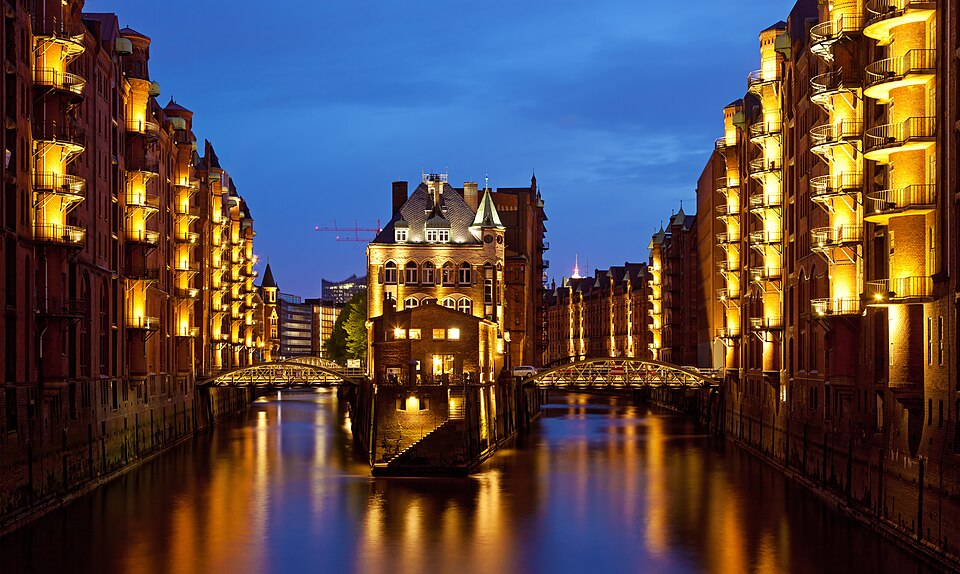
The largest warehouse complex in the world, built on wooden piles in a neo-Gothic style with brick buildings and canals. It is on the UNESCO list. Lit in the evening it is one of the loveliest districts.

Tip: Go in the evening, when the lamps light. You can cruise the canals by boat. In the buildings are museums including the Miniatur Wunderland.

Admission:
free
Time needed:
1–2 hrs
Miniatur Wunderland

Miniatur Wunderland

Speicherstadt

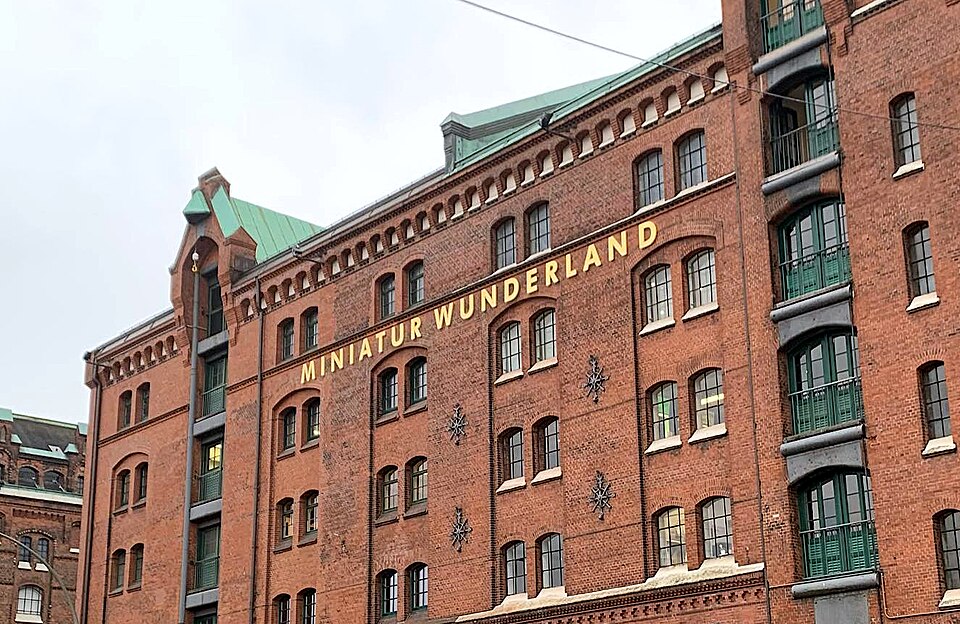
The largest model railway in the world with fifteen kilometres of track, tens of thousands of figures and an airport that really flies. It shows Germany, Austria, Switzerland and the USA. It is the most visited attraction in Hamburg.

Tip: Buy tickets in advance online; queues are long. Entry costs about twenty euros. Set aside two to three hours.

Admission:
about €20
Time needed:
2–3 hrs
The Harbour and a Cruise

The Harbour and a Cruise

Landungsbrücken

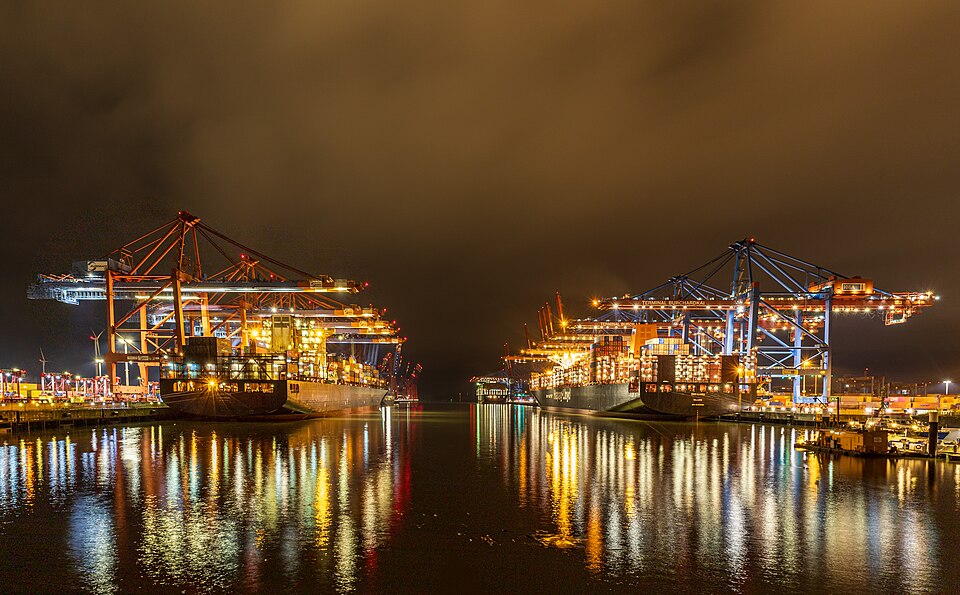
Hamburg's harbour is the largest in Germany and the third largest in Europe, with cranes, ships and docks. A boat cruise round the harbour shows container ships and historic docks. It is the best way to get to know it.

Tip: The cruise costs about fifteen euros and takes an hour. It departs from the Landungsbrücken. For views visit the old Elbtunnel.

Admission:
about €15
Time needed:
1–2 hrs
The Reeperbahn and St. Pauli

The Reeperbahn and St. Pauli

St. Pauli

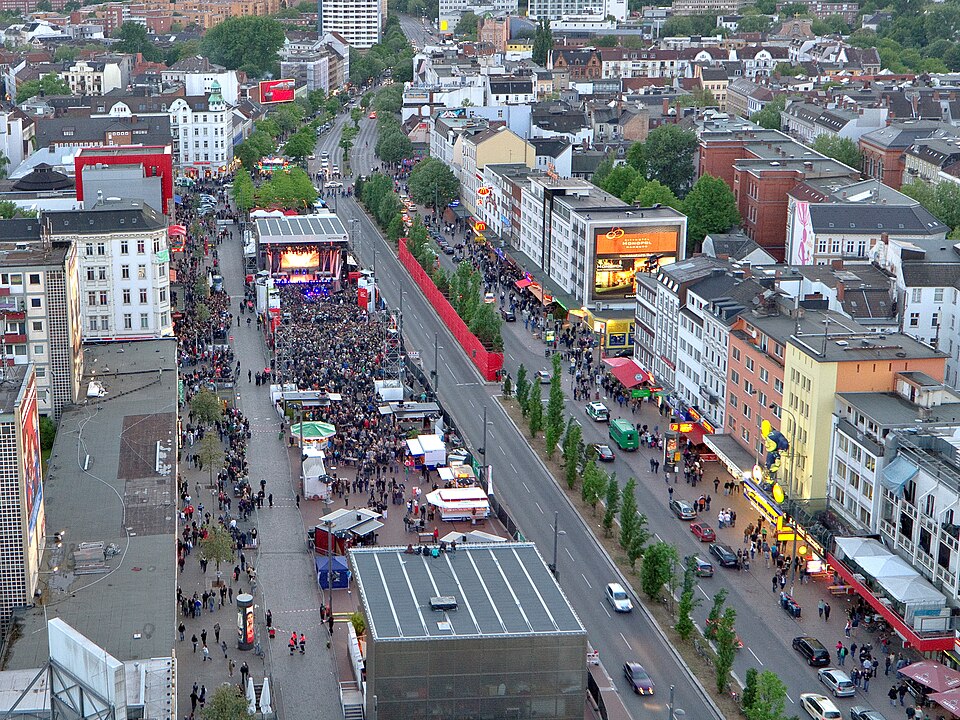
The famous entertainment district with bars, clubs, theatres and music halls, where the Beatles began. It is the centre of Hamburg's nightlife. By day it is calmer, but in the evening it is busy.

Tip: Come after eight in the evening; watch for pickpockets and pricey drinks in tourist bars. The district is safe, but loud.

Admission:
free
Time needed:
evening
The Fish Market (Fischmarkt)

The Fish Market (Fischmarkt)

St. Pauli

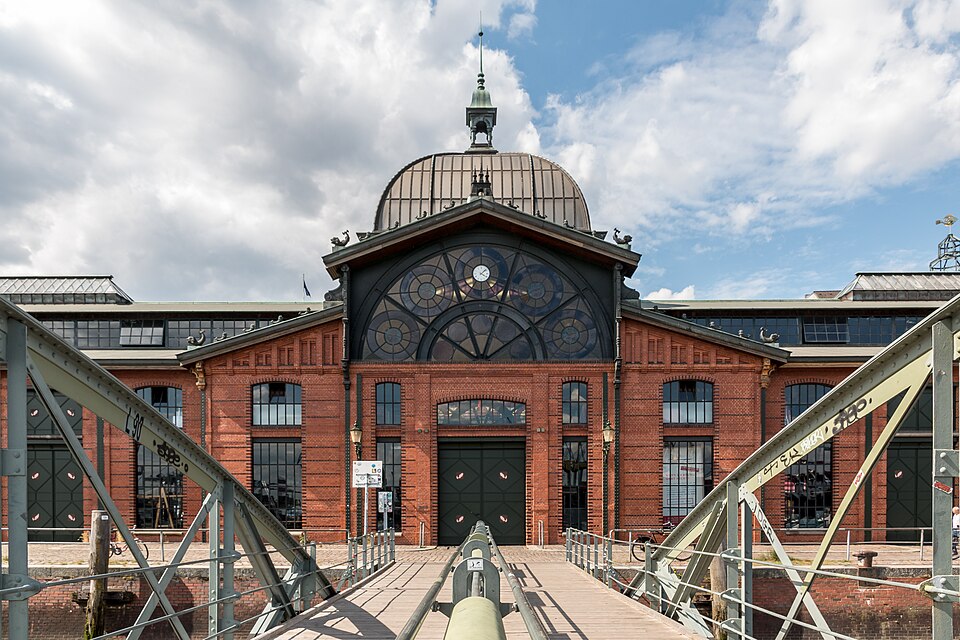
The famous Sunday market from five to nine in the morning in the harbour, selling fish, fruit, flowers and pastries. It is a traditional event where the nightlife ends and the day begins. Live music plays.

Tip: Come before seven, before the market thins. Taste a roll with smoked fish (Fischbrötchen). The market is only on Sunday.

Admission:
free
Time needed:
1–2 hrs
The City Hall

The City Hall

centre

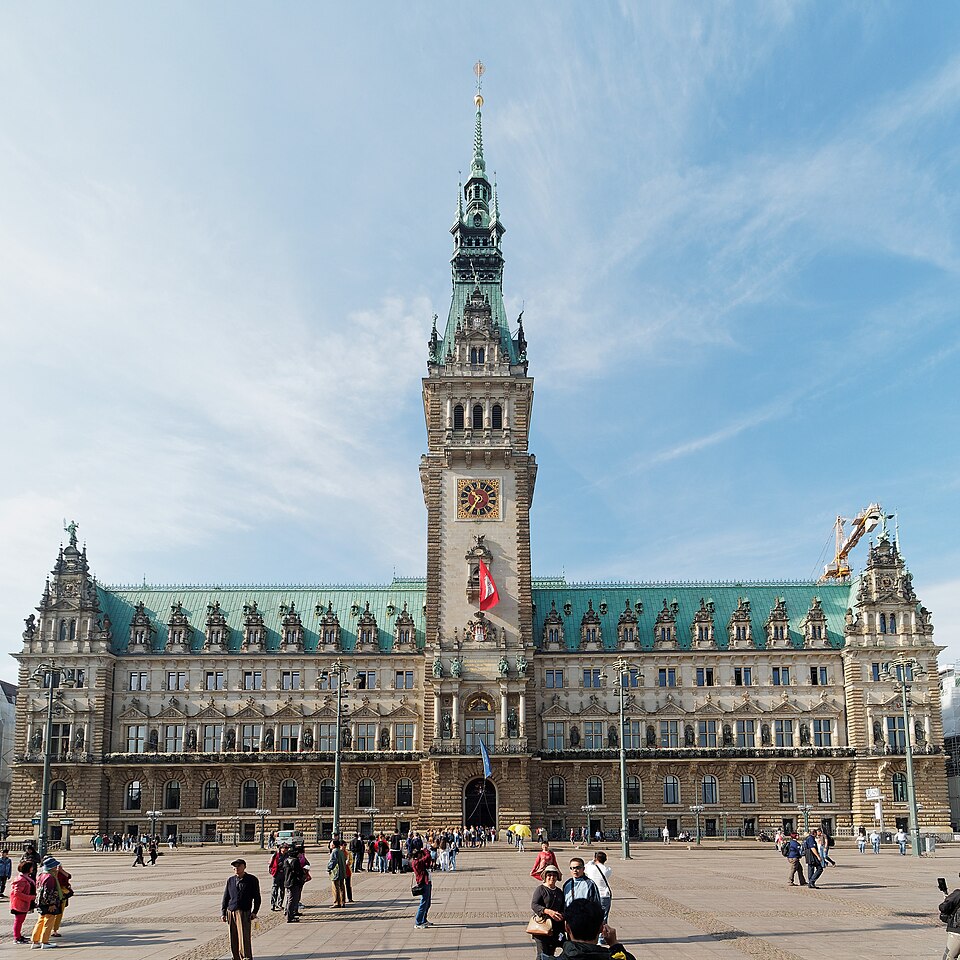
A neo-Renaissance city hall of 1897 with a tower a hundred and thirteen metres high and rich decoration, seat of the Senate. The interior is magnificent and tours run daily. In front is a square with cafés.

Tip: Tours cost about five euros. Combine with a stroll along the Jungfernstieg and the Inner Alster.

Admission:
about €5
Time needed:
1 hr
St. Michael's Church (Michel)

St. Michael's Church (Michel)

centre

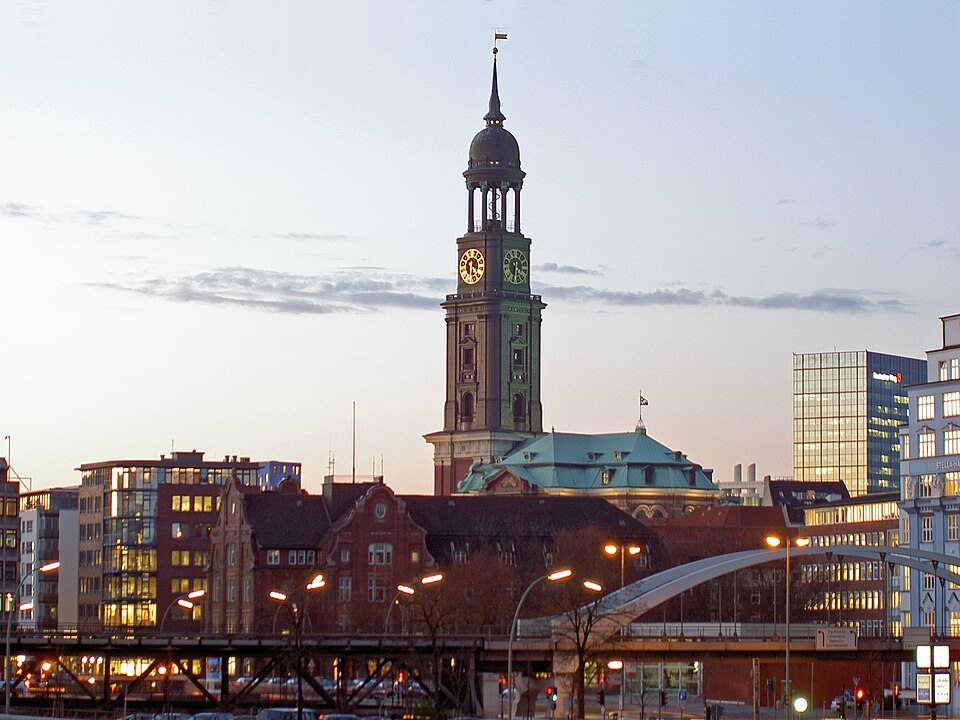
A baroque church of the eighteenth century, a symbol of Hamburg, with a tower a hundred and thirty-two metres high and a viewing platform over the harbour and city. It is the largest church in the city. Inside is a crypt.

Tip: Entry to the church is free; the tower costs about five euros. A lift runs there. Come at sunset.

Admission:
tower ~€5
Time needed:
1 hr

The Alster and Planten un Blomen

centre

The Alster lake in the middle of the city is popular for cruises, rowing and walks. Nearby is the Planten un Blomen park with a botanical garden and water show. It is the green lung of Hamburg.

Tip: A boat cruise on the Alster costs about twenty euros. In summer light and water shows are held in the park in the evening. Entry is free.

Admission:
free
Time needed:
2–3 hrs

Photos: The Elbphilharmonie — Evgenii Salganik (CC BY 4.0) · The Speicherstadt — Thomas Wolf, www.foto-tw.de (CC BY-SA 3.0) · Miniatur Wunderland — Bildersindtoll (CC BY-SA 4.0) · The Harbour and a Cruise — Matthias Süßen (CC BY-SA 4.0) · The Reeperbahn and St. Pauli — Frank Nocke (CC BY 3.0) · The Fish Market (Fischmarkt) — Dietmar Rabich (CC BY-SA 4.0) · The City Hall — Arnoldius (CC BY-SA 4.0) · St. Michael's Church (Michel) — Wikimedia Commons (CC BY-SA 3.0)

Where to stay

Areas and districts, matched to the kind of trip you are taking

Altstadt and Neustadt

Best for: monuments and shops

The centre with the city hall, the Michel church, shops and restaurants. Everything is at hand on foot or by metro. Best for a first visit.

HafenCity and Speicherstadt

Best for: modern and harbour

A new district by the harbour with the Elbphilharmonie, museums and restaurants. It has modern architecture. A good choice for culture.

St. Pauli and Sternschanze

Best for: bars and nightlife

Districts with bars, clubs and an alternative scene. It is lively in the evening and prices lower. Suits the young.

Eppendorf and Winterhude

Best for: calm and cafés

Quiet residential districts by the Alster lake with cafés and parks. It is pleasant and safe. Suits families.

Getting around

From the airport

Hamburg Airport (HAM) is eight kilometres from the centre, with flights from Prague in an hour and a half. The S-Bahn runs to the centre in a quarter of an hour. From Prague a direct train also runs in six hours and Flixbus coaches in eight to nine. By car it is about seven hundred kilometres through Germany.

Hamburg Airport (HAM) · 8 km

  • S-Bahn S1· 25 min· €4
  • Taxi to the centre· 20 min· €30
  • Car rental· at the airport· €40

Around town

Hamburg has excellent public transport: U-Bahn, S-Bahn and buses. Ferries run around the harbour within a regular ticket. Bikes are rented. The centre is walkable.

U-Bahn and S-BahnAll over the city. · €3.5
FerryAround the harbour within a ticket. · €3.5
StadtRAD bikeAround town. · €1
TaxiAround town. · €15

Useful apps: Google Maps, HVV, Bolt, DB Navigator

When to go

Hamburg has a mild oceanic climate with a cool summer and a mild winter. In July it is around twenty-three degrees, in January around three. It rains nearly all year. The best time is May to September.

Best time

May to September

What to avoid

November to February (cold and rainy)

MonthJanFebMarAprMayJunJulAugSepOctNovDec
Day3°4°8°13°18°21°23°23°19°13°8°4°
Night-1°-1°1°4°8°12°14°14°11°7°4°1°
Rainy days655055405570808070657070

Food & drink

Hamburg cooking is of the port: fish, fish rolls and potatoes. A main dish costs fifteen to thirty euros. People drink Astra and Holsten beer and Alsterwasser.

What to try

Fischbrötchen

A roll with smoked or pickled fish, onion and sauce, street food in the harbour. The cheapest and most typical.

Labskaus

A traditional sailors' dish of boiled meat, potatoes and beetroot with a fried egg. For the adventurous.

Hamburg eel soup

A sweet-and-sour soup with eel, vegetables and fruit. Traditional and interesting.

Franzbrötchen

A cinnamon pastry of puff dough, a Hamburg baking speciality. For breakfast with coffee.

Rote Grütze

A red fruit pudding with vanilla sauce, a north German dessert. Refreshing.

Currywurst

A grilled sausage with curry ketchup and chips, a favourite street food. Quick and cheap.

Alsterwasser

A radler, beer mixed with lemonade, named after the Alster lake. A summer refresher.

What it costs

Coffee

€3–4

Fischbrötchen

€5–8

Lunch in a restaurant

€15–25

A beer

€3.5–5

Miniatur Wunderland

€20

Harbour cruise

€15

3★ hotel (night)

€100–200

Day transport ticket

€9

Indicative prices that change over time — treat them as a guide, not a price list.

Practical information

SocketsCEuroplug, two round pinsFSchuko
Voltage230V / 50Hz
Tap waterTap water is drinkable — Tap water in Hamburg is drinkable and of good quality. It is drunk without restriction.
TippingTipping is customary, ten per cent in a restaurant or rounding up. You pay the waiter directly.
Driving on theright
SafetyHamburg is safe. Watch for pickpockets in crowds and around the Reeperbahn. The emergency number is 112.
Opening hoursShops are open from ten to eight, closed on Sunday. Restaurants run from noon to midnight. The fish market is only on Sunday morning.
Customs & etiquetteGermans are punctual and direct. Sort your waste and respect Sunday quiet. At crossings wait for the green.
A few local wordsGood day — Guten TagThank you — DankePlease — BitteHow much is it? — Was kostet das?Cheers — Prost!The bill, please — Die Rechnung, bitteWhere is the toilet? — Wo ist die Toilette?

How to plan your days

1 day

A day in Hamburg

  1. 1Morning the Elbphilharmonie and the plaza.
  2. 2Speicherstadt and Miniatur Wunderland.
  3. 3Lunch with Fischbrötchen.
  4. 4Afternoon a harbour cruise.
  5. 5Evening the Reeperbahn.

2 days

Two days: Hamburg and Blankenese

  1. 1Day one as above.
  2. 2Day two morning the fish market.
  3. 3Afternoon Blankenese and cafés by the Elbe.
  4. 4Evening the Alster and dinner.

3 days

Three days: Hamburg and Lübeck

  1. 1Days one and two as above.
  2. 2Day three by train to Lübeck.
  3. 3Afternoon marzipan and the old town hall.
  4. 4Evening return.

Day trips

Lübeck

65 km · 45 min by train

A Hanseatic city with brick gates on the UNESCO list, home of marzipan. It suits a full-day trip.

Blankenese

15 km · 30 min by S-Bahn

A picturesque district with narrow lanes on a slope above the Elbe and a beach. It suits half a day.

Berlin

280 km · 1 hr 45 min by train

The capital of Germany with the Brandenburg Gate, museums and nightlife. A fast train runs from Hamburg.

Frequently asked questions

How many days should I stay in Hamburg?+

Two to three days suffice for the centre, harbour and Elbphilharmonie. For Lübeck or Blankenese add a day. Hamburg is a good base for northern Germany.

How do I get from Prague to Hamburg?+

By plane in an hour and a half, by direct train in six hours or by car, about seven hundred kilometres. The Flixbus coach takes eight to nine hours.

When is the best time to visit?+

May to September, when it is warm and festivals are held. In winter it is cold, but there are Christmas markets. Hamburg is rainy all year.

Is Hamburg expensive?+

It is mid-range: lunch costs fifteen to twenty-five euros, a hotel a hundred to two hundred euros a night. Cheapest is accommodation out of the centre and fish rolls.

What is the Elbphilharmonie?+

A concert hall of 2017 in the shape of a wave above the harbour. The public plaza is free and offers a view. For a concert buy tickets months ahead.

Is Hamburg suitable for families?+

Yes, it has the Miniatur Wunderland, the harbour, a zoo and parks. Children will enjoy the harbour cruise. Public transport is excellent.

Is the Reeperbahn safe?+

It is a busy entertainment district, but fairly safe. Watch for pickpockets and pricey drinks in tourist bars.

What should I eat in Hamburg?+

Fischbrötchen, labskaus and currywurst. With them Franzbrötchen and rote Grütze. Astra beer is local.

Visa Requirements

Check the latest visa requirements for entering this country. Some nationalities may need to apply for a visa or e-visa before travel.

Check visa requirements

Language

German

Currency

EUR

Timezone

Europe/Berlin

Dial Code

+49

Population

84.5M

Area

357,022 km²

Voltage

230V / 50Hz

Driving Side

Right

Top Hotels in Hamburg

Live prices from 500+ properties

Loading hotels...

More destinations in Germany

Planning a trip to Hamburg?

Compare hundreds of hotels, find the best price, and book with free cancellation on TravelManiac.