Hotels in Malaga

An Andalusian city with thirty museums, where December is a terrace season

Malaga

LanguageEnglish
CurrencyEUR
TimezoneGMT+1
Temperature12-32 °C
Dial Code+34
Population47.6M
Area505,990 km²
SocketsType C / Type F
Tap waterDrinkable

Discover Malaga

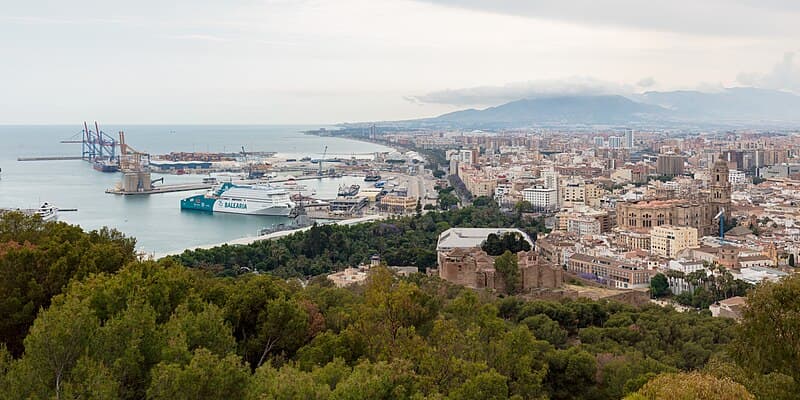
For years Málaga was just the airport people flew into on their way to the Costa del Sol, but over the last fifteen years it has become one of the most interesting cities in southern Spain. More than thirty museums have opened here, including a branch of the Paris Centre Pompidou and a collection from St Petersburg's Russian Museum, the main street Calle Larios has become a pedestrian zone of polished marble, and the harbour has opened up to the city as a palm-lined promenade. Yet the history runs far deeper: the Phoenicians founded a settlement here around 770 BC, the Romans built a theatre beneath the hill, and the Moors built the Alcazaba fortress above it, one of the best preserved in Spain. The city sits in a basin open to the sea, has its own beaches within walking distance of the centre, and a climate where you can sit on a terrace even in December — the average January high is 17°C. Anyone booking a coastal stay should set aside at least a day for the city itself; anyone flying in for a long weekend will find there's easily four days' worth to do.

What to see

The places worth your time in Malaga, and what to expect at each

Alcazaba

Alcazaba

city centre

An 11th-century Moorish fortress built on the slope above the Roman theatre, with a double ring of walls, eleven towers and a series of courtyards with fountains and hedges. The inner palace has horseshoe arches and stuccoed ceilings, and it's the best-preserved structure of its kind in Spain after the Alhambra.

Tip: Buy the combined ticket with Gibralfaro castle and visit the Alcazaba first — you can then walk up via the covered Coracha rampart passage instead of going round the hill by road.

Admission:
from €3.50, combined with Gibralfaro €5.50
Time needed:
1.5 h
Gibralfaro Castle

Gibralfaro Castle

Gibralfaro

A fortress atop a hill 130 metres above the city, built in the 14th century for the Sultan of Granada, Yusuf I. You can walk the full circuit of the walls, with views over the harbour, the bullring from above, and on a clear day the mountains on the African side.

Tip: The Mirador de Gibralfaro viewpoint just below the castle is free and has the same view — if it's just the panorama you're after, you don't need a ticket. Bus number 35 from Plaza de la Marina runs up to it.

Admission:
from €3.50
Time needed:
1.5 h
La Manquita Cathedral

La Manquita Cathedral

city centre

A Renaissance cathedral built over two hundred and fifty years, nicknamed "the one-armed lady" because its second tower was never finished — tradition holds that the funds meant for its completion went to support the American War of Independence instead. Inside is a 17th-century choir and an organ with four thousand pipes.

Tip: Since 2023 it's been possible to climb onto the roof among the flying buttresses, but only with a timed booking and sturdy shoes. It's the only spot from which you can see the unfinished tower from the inside.

Admission:
from €8, roof €12
Time needed:
1 h
Museo Picasso Málaga

Museo Picasso Málaga

city centre

A collection housed in the Renaissance Buenavista Palace, donated to the city by Picasso's daughter-in-law and grandson — over two hundred works from early studies to late paintings, many of which had stayed in the family and had never before been exhibited. The basement reveals excavated Phoenician and Roman foundations of the palace.

Tip: On Sundays the last two hours before closing are free, and the queue for it is short because most tourists don't know about it. Picasso's birthplace on Plaza de la Merced is a separate, small museum — go there for the atmosphere, not the paintings.

Admission:
from €12, free Sunday afternoons
Time needed:
2 h
Roman Theatre

Roman Theatre

city centre

A theatre from the first century BC right beneath the walls of the Alcazaba, only discovered in 1951 during construction of a cultural centre. The Moors had dismantled its stone for the fortress, so part of the Alcazaba's columns originally came from here. Performances are held in the auditorium in summer.

Tip: Entry is free and it's best in the evening, when the theatre is lit up beneath the illuminated walls above. The interpretation centre next door has a window in the floor showing the original Roman paving.

Admission:
free
Time needed:
45 min
Atarazanas Market

Atarazanas Market

city centre

A 19th-century market built on the site of a Moorish shipyard, whose original horseshoe-arched marble portal survives, set into an iron structure. The back wall is a stained-glass window depicting the city skyline. Inside, stalls sell fish caught that same night, along with ham, olives and spices.

Tip: In the corner by the fish section are stalls that will fry the fish you just bought right at the counter — the cheapest and freshest fish lunch in the city. The market closes around two in the afternoon and is shut on Sundays.

Admission:
free
Time needed:
1 h
Muelle Uno and the Centre Pompidou

Muelle Uno and the Centre Pompidou

harbour

A rebuilt harbour pier with a palm-lined promenade, shops and terraces, at the end of which stands a glass, coloured cube housing a branch of the Paris Centre Pompidou — the first permanent one outside France. The underground gallery holds a rotating selection from the Paris modern art collection, refreshed every two years.

Tip: A walkway from the end of the pier leads to the La Farola lighthouse and on straight to the city beach, La Malagueta. It's the nicest fifteen-minute walk in the city, and most visitors turn back too soon.

Admission:
promenade free, Pompidou from €9
Time needed:
2–3 h
Pedregalejo and El Palo

Pedregalejo and El Palo

east, 4 km from the centre

Two former fishing neighbourhoods half an hour's walk east of the centre, where low houses and fishing boats pulled up on the sand still remain. Dozens of chiringuitos with open fires line the promenade, cooking espeto — sardines skewered on a stick. The beaches are divided into small coves by breakwaters.

Tip: Bus number 11 from Alameda reaches Pedregalejo in twenty minutes. Arrive for lunch around half past two, when the sardines are fresh off the fire, and sit as close as possible to the fire-boat.

Admission:
free
Time needed:
half a day
La Concepción Botanical Garden

La Concepción Botanical Garden

north, 7 km from the centre

A historic garden from 1855, founded by the Marchioness of the Loring family and filled with subtropical plants from around the world. Giant fig trees, a bamboo forest and more than a hundred species of palm grow here, with Roman statues excavated on the estate scattered among them.

Tip: The garden lies seven kilometres north of the centre; bus number 2 gets there with a change, or it's a quarter of an hour by car. In summer, go early in the morning — after eleven it's over 30°C even in the shade, and the path climbs uphill.

Admission:
from €5.20
Time needed:
2–3 h

Photos: Alcazaba — Fernando (CC BY-SA 4.0) · Gibralfaro Castle — Tyk (CC BY-SA 3.0) · La Manquita Cathedral — mahr (CC BY 2.0) · Museo Picasso Málaga — Llecco (CC BY-SA 3.0) · Roman Theatre — Diego Delso (CC BY-SA 4.0) · Atarazanas Market — Rafa Esteve (CC BY-SA 4.0) · Muelle Uno and the Centre Pompidou — Afloran (CC BY-SA 4.0) · Pedregalejo and El Palo — Ricardo Ricote Rodrí… (CC BY 3.0) · La Concepción Botanical Garden — Daniel Capilla (CC BY-SA 4.0)

Where to stay

Areas and districts, matched to the kind of trip you are taking

Centro Histórico

Best for: a first visit and a car-free stay

The pedestrian core between the cathedral, the market and Plaza de la Merced, home to most museums and all the main sights. Marble-paved Calle Larios is the main artery, and the side streets hold tapas bars over a century old. Accommodation here is the priciest, but you won't need a single bus ticket.

La Malagueta and the harbour

Best for: a stay with a beach within walking distance

A district east of the port with its own city beach, the bullring and modern apartments. It's fifteen minutes on foot from the centre along the Muelle Uno promenade. The beach is dark and replenished sand, but fully equipped — with sunbeds, showers and espeto chiringuitos.

Soho and Ensanche Centro

Best for: street art, cafés and lower prices

A once-neglected district between the harbour and the river, which the city has had covered in large-scale murals by international artists since 2011. Today it holds the Pompidou branch, independent cafés and the best value-for-location accommodation in the city — five minutes' walk from the centre.

Pedregalejo and El Palo

Best for: peace and quiet, fish restaurants and a longer stay

Eastern coastal neighbourhoods with old fishing-village buildings and a promenade lined with chiringuitos. Accommodation is cheaper than in the centre, and it's mostly locals who come here. The downside is distance — the bus to the centre takes twenty minutes and runs less often at night.

Getting around

From the airport

Málaga-Costa del Sol Airport is eight kilometres south-west of the centre and Spain's fourth-busiest — charter and scheduled flights from Prague run in season, and it's reachable year-round with one connection. Train C1 runs directly beneath the terminal to the centre in twelve minutes for under three euros; express bus A reaches Alameda in a quarter of an hour. The AVE high-speed line from Madrid also runs to Málaga, taking two and a half hours.

Málaga-Costa del Sol (AGP) · 8 km

  • Train C1 to María Zambrano station· 12 min· €2.30
  • Express bus A to Alameda· 15 min· €4
  • Taxi to the centre· 15 min· €22
  • Hotel transfer· 20 min· included in package

Around town

The historic core is a pedestrian zone and can be walked end to end in half an hour, so most days in Málaga need no transport at all. EMT city buses reach the beaches at Pedregalejo, the botanical garden and Gibralfaro castle for under two euros a ticket. The metro has two lines, but they head to western residential districts and aren't much use to visitors. A car is a burden in the city — only permit holders can drive into the centre, enforced by camera, and garage parking runs over twenty euros a day.

EMT city busesA dense network across the city, line 11 to Pedregalejo, 35 to Gibralfaro. Pay the driver or tap a card. · €1.40
Cercanías train C1Airport – María Zambrano station – Torremolinos – Fuengirola every 20 minutes. The cheapest way along the coast. · €2–3
Metro lines 1 and 2Two lines to western neighbourhoods and the university. Not really useful for a visitor to the centre. · €1.35
Rental bike and scooterA flat cycle path runs along the harbour and beaches all the way to El Palo. Shared scooters in the city are speed-limited. · €10 / day

Useful apps: Google Maps, Moovit, Cabify, El Tiempo AEMET, EMT Málaga

When to go

Málaga is a year-round destination. April, May, October and early November are most pleasant, at around 25°C, good for sightseeing all day, and with lower prices. July and August often exceed 30°C, and 40°C when the terral wind blows in from inland; there's no shade in the city, so outings work only morning and evening. Winter is mild, around 17°C by day, with rain on only a few days a month, and it's the cheapest season. Anyone wanting to see the city at its fullest should come for Holy Week before Easter or the August Feria — though hotels fill up and prices rise.

Best time

April, May, October

What to avoid

August, for the heat and the Feria crowds

MonthJanFebMarAprMayJunJulAugSepOctNovDec
Day17°18°20°21°24°28°30°31°28°24°20°18°
Night7°8°9°11°13°17°20°20°18°15°11°8°
Rainy days655531013667
Sea16°16°16°17°19°21°24°25°24°22°19°17°

Food & drink

Málaga's food rests on two things: fish fried in olive oil, and sweet wine from sun-dried grapes. In old bodegas with wooden barrels, wine is poured straight from the cask and the bill chalked onto a wooden counter, the way it's been done for a century. In the centre, tapas are usually paid for; in neighbourhoods further out you sometimes get one free with a drink. Lunch is at two, dinner after nine, and the beachfront chiringuitos grill all day long.

What to try

Espeto de sardinas

Sardines on a bamboo skewer, grilled over an open fire in a sand-filled boat. Made only on the beach, best in Pedregalejo and El Palo, May to August.

Boquerones victorianos

Battered anchovies fried in bunches of four so they fan out like a paddle. Málaga locals are nicknamed "boquerones" after this dish.

Porra antequerana and salmorejo

Thick cold soups of tomato and bread with olive oil, served with egg and ham. Ordered in summer in place of a starter.

Ajoblanco

A white cold soup of almonds and garlic with sweet grapes, Málaga's version of gazpacho from before tomatoes arrived.

Sweet wine from the bodega

Sweet Pedro Ximénez or Moscatel poured straight from the barrel in old bodegas such as Antigua Casa de Guardia. Drunk from a small glass before a meal.

Berenjenas con miel

Battered aubergine slices drizzled with cane syrup from Frigiliana. The south's most common sweet-and-savoury tapa.

Tapas

Small dishes ordered one after another and shared. In Andalusia many bars give them free with a drink; on the eastern coast they're charged separately.

Málaga-style café con leche

Coffee here is ordered by the ratio of milk to coffee, with nine different names from "solo" to "nube". Ask for "mitad" and you'll get it half and half.

What it costs

Coffee and toast

€3–4

Menu del día

€12–16

Tapa at a bar

€2.50–4

Glass of sweet wine from the barrel

€2–3

Picasso Museum admission

€12

Combined Alcazaba and Gibralfaro ticket

€5.50

Public transport ticket

€1.40

Night in a 4-star hotel in the centre

€90–150

Indicative prices that change over time — treat them as a guide, not a price list.

Practical information

SocketsCEuroplug, two round pinsFSchuko
Voltage230V / 50Hz
Tap waterTap water is drinkable — Tap water is safe to drink throughout Spain, though in the south and on the coast it's quite hard and can taste of chlorine, so even locals often buy bottled. Restaurants must serve tap water free on request; it's called "agua del grifo".
TippingTipping isn't mandatory and Spaniards themselves leave little — small change at a café, rounding up or adding five percent at a restaurant. Ten percent is the upper limit and is given in cash, since card terminals usually have no tip option.
Driving on theright
SafetyThe real risk is essentially pickpocketing, and it is genuine — in the crush of the metro, at markets and on restaurant terraces, where bags get hung on the back of a chair. Keep documents and cash separate and don't leave your phone on the table. Evenings are safe even in the centre; just avoid the deserted industrial districts near the port. The emergency number is the standard European 112, and operators speak English.
Opening hoursSmall shops keep a midday siesta roughly from half past one to five; chains and shopping centres run continuously until nine in the evening. Museums close on Mondays, and many offer free entry in the last two hours on Sundays. Restaurants open their kitchens at two for lunch and at eight for dinner.
Customs & etiquetteLunch runs from two to four, dinner after nine — anyone showing up at a restaurant at seven will find an empty room and often a closed kitchen. Swimwear belongs on the beach: walking around town shirtless or in a swimsuit is fined in most coastal towns, and the fines are actually enforced. Greetings are a handshake, or two kisses on the cheek between people who know each other. Spaniards talk loudly — it's not an argument.
A few local wordsGood morning / good day — Buenos díasThank you — GraciasPlease — Por favorThe bill, please — La cuenta, por favorCheers — Salud

How to plan your days

1 day

A day in the centre

  1. 1Morning at Atarazanas market while the fish is still being sold, breakfast at the counter.
  2. 2The Roman theatre and the Alcazaba, then up the covered passage to Gibralfaro.
  3. 3Lunch in a side street near the cathedral, the Picasso Museum in the afternoon.
  4. 4Evening walk along Muelle Uno to the lighthouse, dinner on a terrace in Soho.

2 days

Two days with the beach

  1. 1Day one as above.
  2. 2Morning two: the cathedral, with a rooftop climb if you've booked one.
  3. 3Bus 11 to Pedregalejo for lunch, espeto by the fire.
  4. 4Afternoon swim at the beach, walk along the promenade to El Palo.
  5. 5Evening glass of sweet wine from the barrel in the bodegas around Alameda.

3 days

Three days with a day trip

  1. 1The first two days as above.
  2. 2Day three, early morning by train or car to Caminito del Rey — entry is timed.
  3. 3Lunch in El Chorro by the reservoir after the walk.
  4. 4Afternoon return, then the La Concepción botanical garden in the north of the city.
  5. 5Evening shopping on Calle Larios and a last round of tapas on Plaza de la Merced.

Day trips

Caminito del Rey

60 km · 1 h by car or train to El Chorro

A seven-kilometre walkway bolted to a gorge wall a hundred metres above the river, originally built in 1905 for workers at a hydroelectric plant. Rebuilt and now safe, but one-way and with timed entry, which sells out a month ahead in season. A shuttle bus returns you to the starting point.

Antequera and El Torcal

50 km · 50 min by car

A town beneath a rock fortress, with three megalithic dolmens on the UNESCO list, the oldest built five and a half thousand years ago with a capstone weighing over 180 tonnes. Above the town lies the El Torcal karst plateau, its limestone formations fractured into layers like stacked plates.

Granada and the Alhambra

125 km · 1.5 h by car, 1.5 h by train

The last Moorish capital in Spain, with a palace complex overlooking the valley and the Generalife gardens. A direct train and buses run from Málaga, making this the best inland day trip. Tickets for the Nazrid Palaces are sold for a specific time slot and sell out months ahead in season.

Frequently asked questions

Is one day enough for Málaga?+

For the main sights, yes — the Alcazaba, the Roman theatre, the cathedral and the Picasso Museum can all be done in a day, since they're within ten minutes' walk of each other. Anyone wanting to see the beaches at Pedregalejo, the harbour and some of the other museums needs two to three days. Set aside a whole extra day for Caminito del Rey or Granada.

Does Málaga have its own beaches?+

It does, and they're within walking distance. La Malagueta starts fifteen minutes from the cathedral, and further east are Pedregalejo and El Palo, with a fishing-village feel. The sand is dark and coarse, the sea calm and wave-free. Water quality is good, though not quite up to the small coves east of Nerja.

How do I get from the airport to the centre?+

The cheapest option is train C1, running straight from the terminal to María Zambrano main station in twelve minutes for just over two euros. Express bus A takes you to Alameda in the centre in a quarter of an hour for four euros. A taxi costs around twenty-two euros at a flat rate.

When is museum entry free?+

The Picasso Museum is free the last two hours on Sundays, many municipal museums offer free entry on Sunday afternoons, and the Carmen Thyssen is free from five on Sundays. The Alcazaba and Gibralfaro are free from two in the afternoon on Sundays. Queues at these times are shorter than you'd expect.

Do I need a car in Málaga?+

You don't need one, and it's more trouble than it's worth. Only residents may drive into the historic core, enforced by automatic-fine cameras, and garage parking runs over twenty euros a day. A car does pay off for trips inland, but it can be rented for just that one day directly in the city.

When is the best time to visit?+

April, May, October and early November, when it's around 25°C and comfortable for walking all day. In July and August it's over 30°C, and over 40°C when the inland terral wind blows — not ideal for sightseeing on foot. Winter is mild, around 17°C during the day, and the cheapest time to visit.

What is espeto, and where should I try it?+

Sardines skewered on a bamboo stick and grilled over an open fire in a boat filled with sand. It's made only on the beach, and only in the months when the sardines are fat, roughly May to August. The best come from the chiringuitos in Pedregalejo and El Palo; a portion costs around five euros.

Is the Caminito del Rey day trip worth it?+

It's worth it, but you need to book your ticket well ahead — in season it sells out a month in advance, and entry is for a specific time slot. The route runs seven kilometres, is one-way and takes three to four hours including the walk to the start. It's not physically demanding, but not suited to anyone with a serious fear of heights.

Visa Requirements

Check the latest visa requirements for entering this country. Some nationalities may need to apply for a visa or e-visa before travel.

Check visa requirements

Language

Spanish

Currency

EUR

Timezone

GMT+1

Dial Code

+34

Population

47.6M

Area

505,990 km²

Voltage

230V / 50Hz

Driving Side

Right

Top Hotels in Malaga

Live prices from 500+ properties

Loading hotels...

Planning a trip to Malaga?

Compare hundreds of hotels, find the best price, and book with free cancellation on TravelManiac.