Hotels in Manila

Spanish ramparts, the world's oldest Chinatown, and sunsets over Manila Bay

Manila

LanguageEnglish
CurrencyPHP
TimezoneGMT+8
Temperature26-34 °C
Dial Code+63
Population115M
Area300,000 km²
SocketsType A / Type B / Type C
Tap waterNot drinkable

Discover Manila

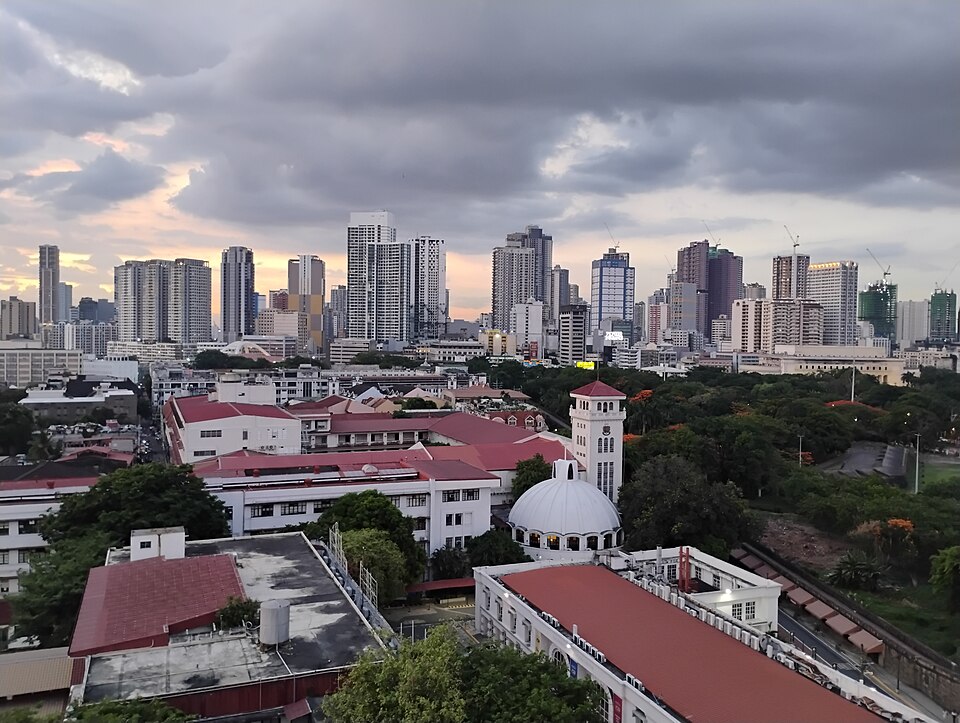
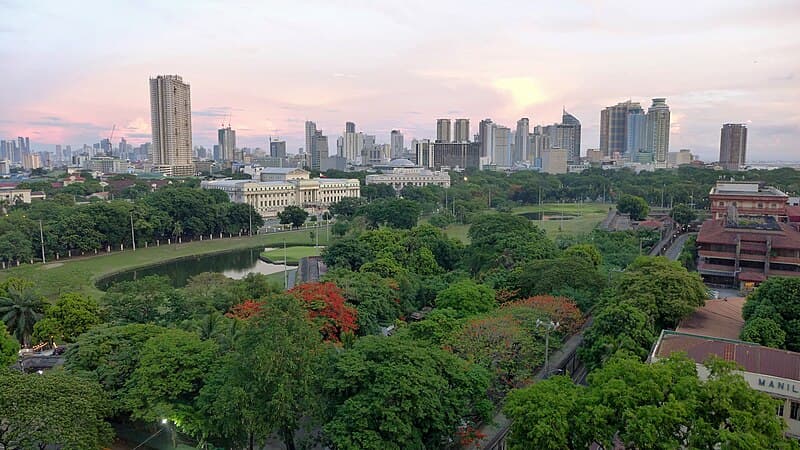
Manila is the capital of the Philippines and the heart of Metro Manila, a metropolitan area of over thirteen million people spread across sixteen cities that have grown into one. Founded by the Spanish in 1571, it served for three centuries as the seat of colonial administration and of trade with China and Mexico; from that era survives the walled city of Intramuros, with its stone ramparts, fortress, and the San Agustin Church, the oldest in the Philippines. World War II destroyed Manila as thoroughly as almost any other city, and today's metropolis is a mix of restored colonial architecture, poor neighbourhoods, and modern business districts in Makati and Bonifacio Global City. Most travellers only pass through on their way to the islands, yet Manila is worth a day or two: it holds the world's oldest Chinatown, Binondo, with excellent food, a free National Museum, churches full of worshippers, and Filipino hospitality. English gets you everywhere here. Expect heat, humidity, traffic jams, and noise — and sunsets over Manila Bay that rank among the finest in Asia.

What to see

The places worth your time in Manila, and what to expect at each

Intramuros

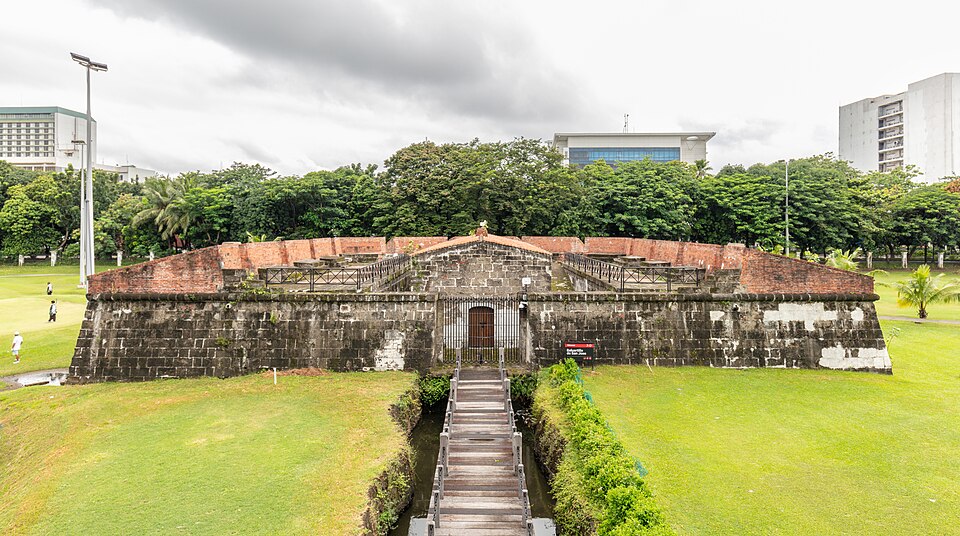
Intramuros

Intramuros

A walled Spanish city enclosed by four and a half kilometres of stone ramparts, founded in the sixteenth century. Nearly destroyed during the Battle of Manila in 1945, its streets, walls, and some buildings have since been restored. Inside are churches, museums, colonial houses, and cafés.

Tip: The best way to explore is on a bamboo bike rented from Bambike, or with a guide on a kalesa horse-drawn carriage — agree the carriage price beforehand, or the fare will balloon. Climb the walls near Baluarte de San Diego, where there's a garden and a view. The heat is unbearable between eleven and three, so come in the morning or late afternoon.

Admission:
free, museums separate
Time needed:
2-3 h
Fort Santiago

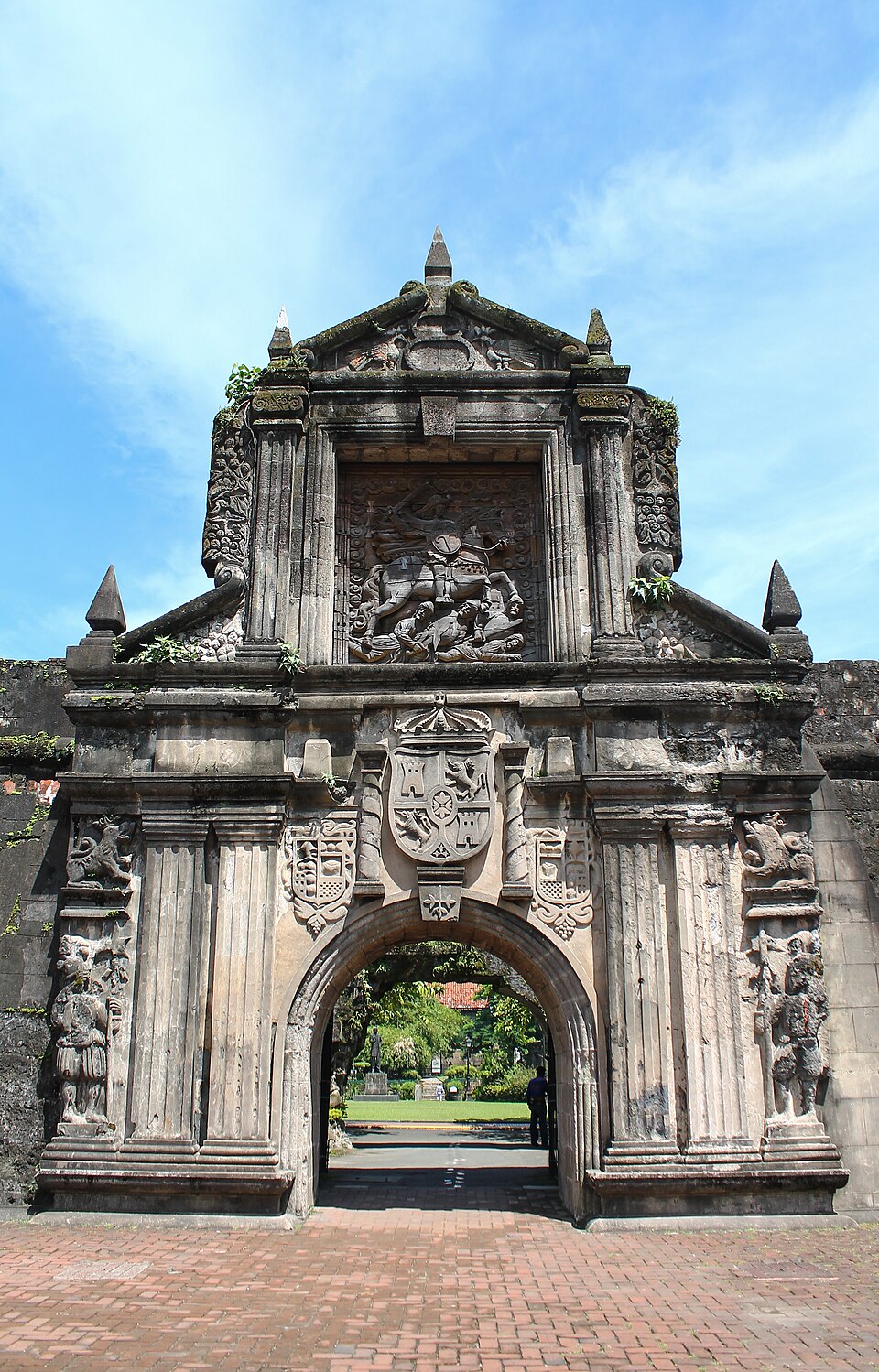
Fort Santiago

Fuerte de Santiago

Intramuros

A fort at the confluence of the Pasig River and Manila Bay, built by the Spanish in 1593 on the site of a wooden stronghold belonging to the Muslim ruler Rajah Sulayman. It held national hero José Rizal before his execution in 1896, and his final walk to the execution site is marked by bronze footprints set in the pavement.

Tip: Inside is a museum dedicated to Rizal, with his writings and the farewell poem he smuggled out of his cell hidden in a lamp. The dungeons once held prisoners of the Japanese army during the war. The fort's gardens are the most pleasant place in Intramuros to rest. A ticket is valid all day.

Admission:
around 75 PHP
Time needed:
1-1.5 h
San Agustin Church

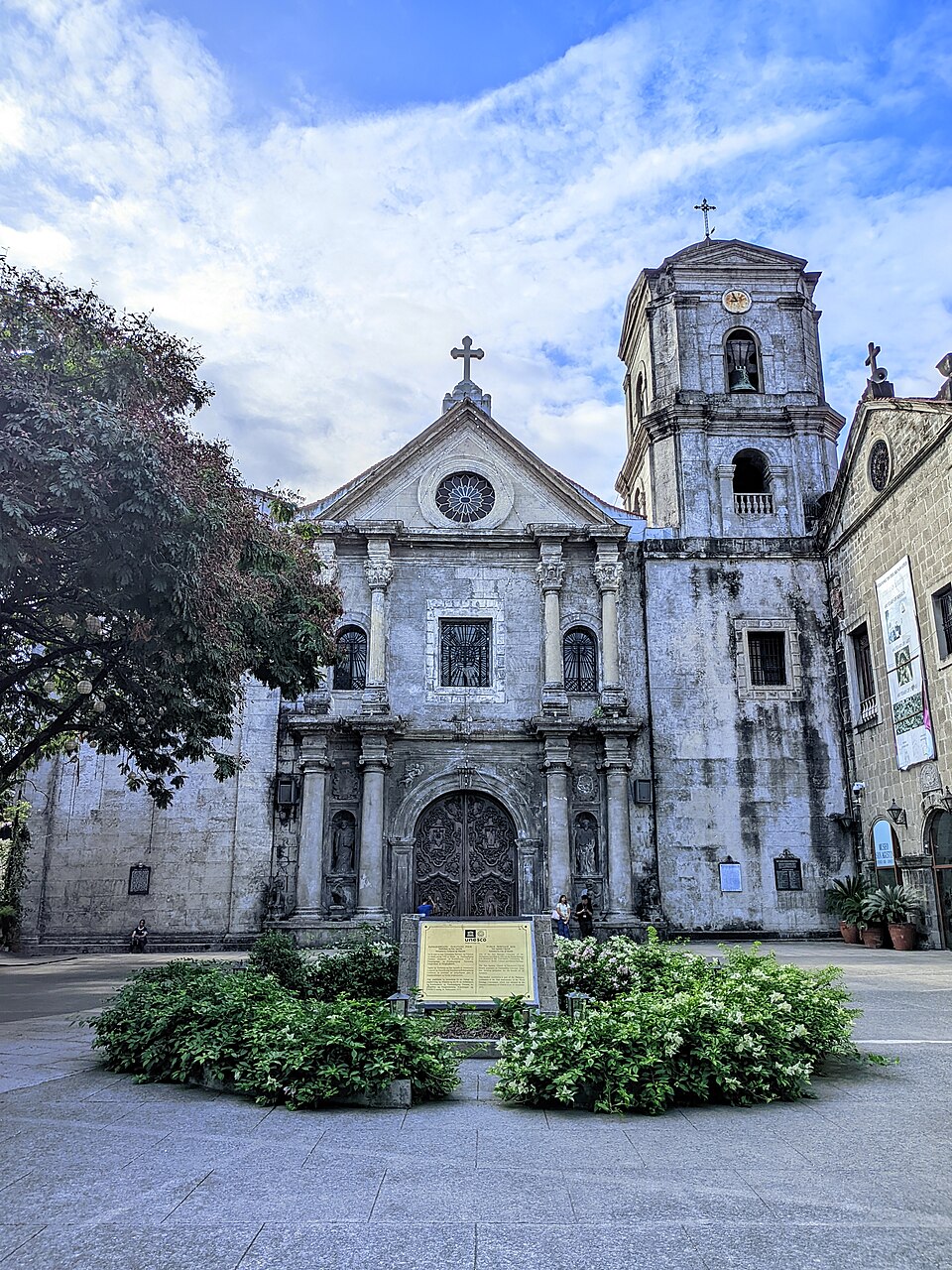
San Agustin Church

Simbahan ng San Agustin

Intramuros

The oldest stone church in the Philippines, built in 1607 and UNESCO-listed as one of the country's Baroque churches. It survived both earthquakes and the 1945 bombing. Inside is a trompe-l'oeil ceiling painting that creates the illusion of carved stone, and next door a monastery museum of religious art.

Tip: Entry to the church itself is free outside of Mass, but the real highlight is the museum in the former monastery, with its cloister, a collection of wood and ivory saint statues, and the tomb of Manila's founder, Legazpi. Weddings are often held here on Saturdays, when the church is closed to visitors. Across the way is the Casa Manila museum, a reconstructed colonial house.

Admission:
museum around 200 PHP
Time needed:
1 h
Manila Cathedral

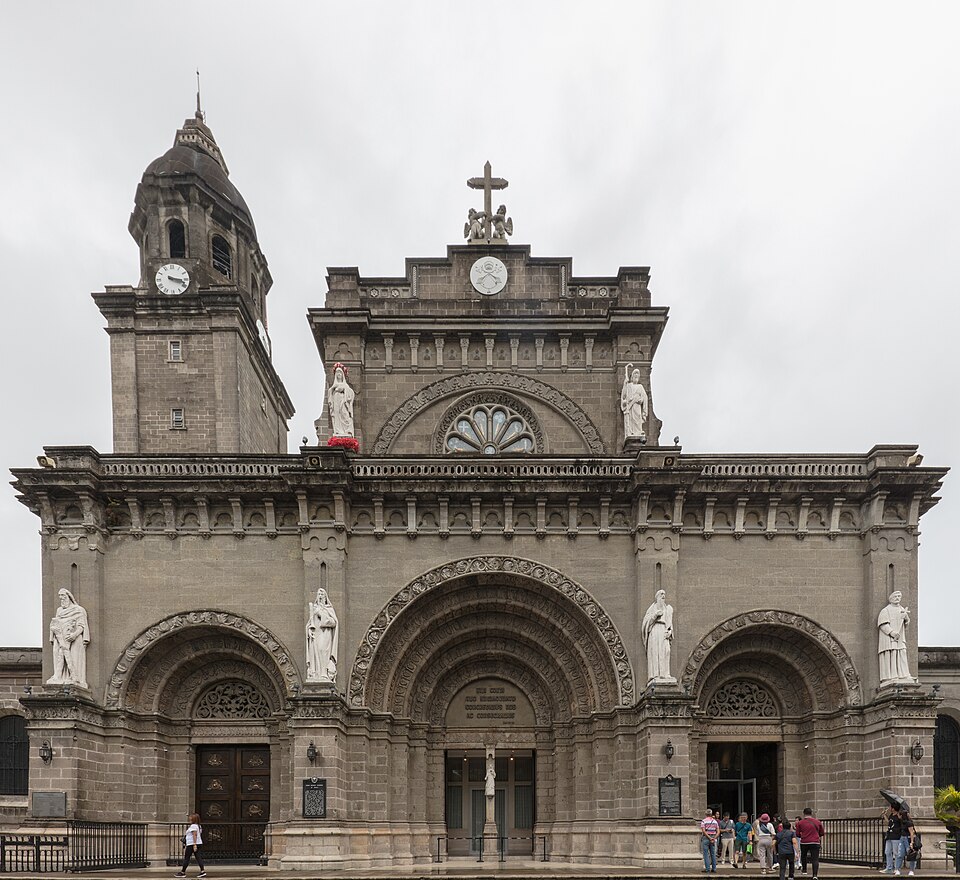
Manila Cathedral

Katedral ng Maynila

Intramuros

The Cathedral of the Immaculate Conception on Plaza Roma in Intramuros has been destroyed by earthquake, fire, or war eight times since the sixteenth century, and rebuilt eight times; its current form dates from 1958. Inside are stained-glass windows, an organ with over four thousand pipes, and a chapel holding the relics of saints.

Tip: It's most striking during Sunday Mass, when it's packed, or in the evening, when the façade is lit up. The cathedral was repaired after an earthquake and reopened in 2014. Across the way on Plaza Roma stands a statue of Charles IV and the Palacio del Gobernador building. It's a five-minute walk from San Agustin Church.

Admission:
free
Time needed:
30 min
Rizal Park

Rizal Park

Liwasang Rizal

Ermita

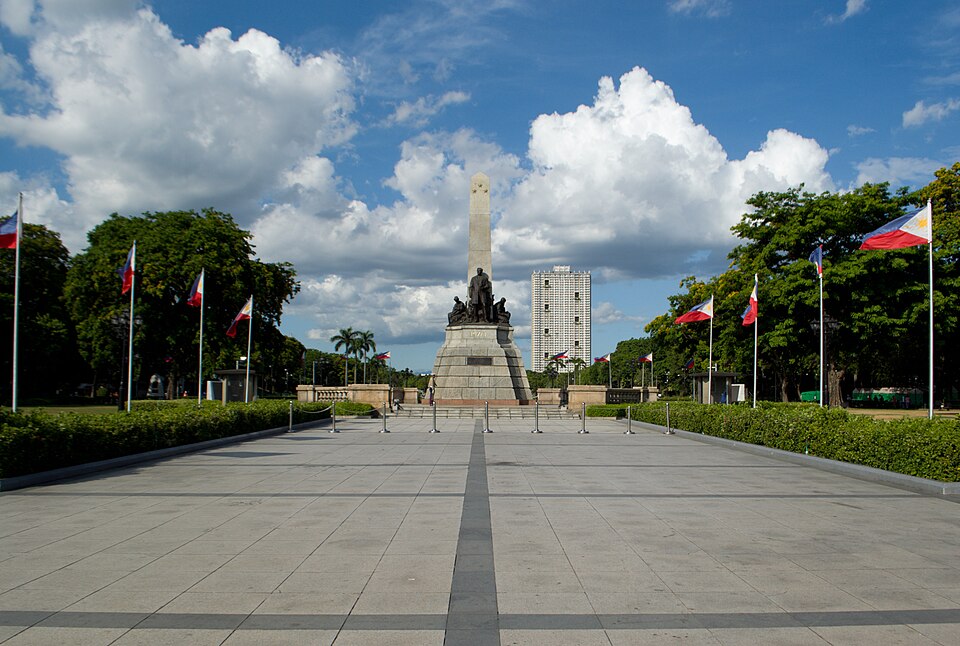
A sixty-hectare park between Intramuros and the bay, where José Rizal was executed in 1896 and where independence was declared in 1946. An honour guard stands watch at the Rizal Monument around the clock. The park also has Japanese and Chinese gardens, fountains, and a large relief map of the Philippines.

Tip: Families come here on Sunday mornings for concerts and outdoor exercise. The changing of the guard at the Rizal Monument takes place at regular intervals throughout the day. In the evening, the fountains light up for a musical water show. The National Museum buildings sit at the edge of the park, so the two are easy to combine.

Admission:
free
Time needed:
1 h
National Museum of Fine Arts

National Museum of Fine Arts

Pambansang Museo ng Sining

Ermita

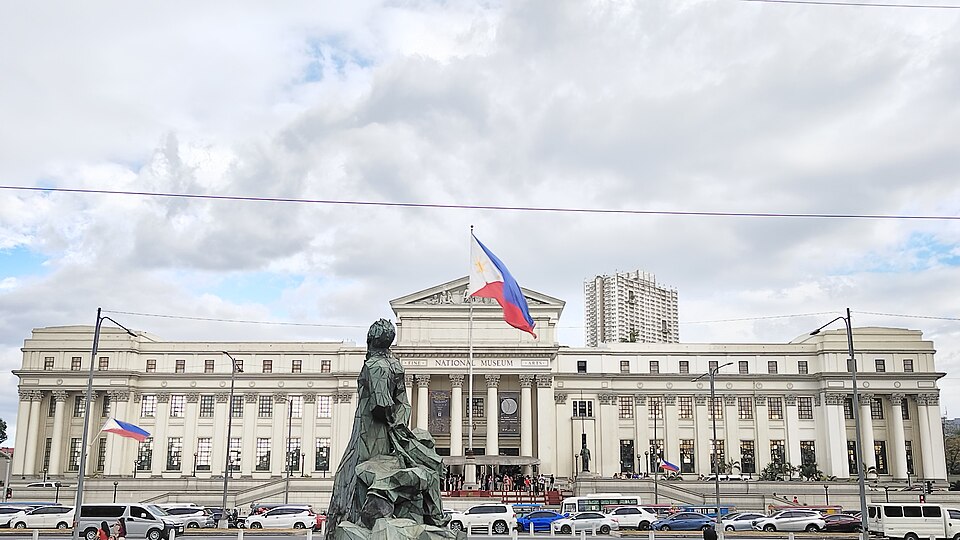
Housed in the former legislative building, in a 1930s neoclassical style. Its centrepiece is the Spoliarium, Juan Luna's monumental 1884 painting measuring four by seven metres, a symbol of Filipino national awakening. Alongside it are works by Filipino painters spanning the colonial era to today.

Tip: Entry to all three National Museum buildings — fine arts, anthropology, and natural history — is free; just book online a day ahead or register at the entrance. The natural history museum has a huge atrium with a tree-of-life structure and the skeleton of Lolong, the largest crocodile ever captured. Closed on Mondays.

Admission:
free
Time needed:
2-3 h (all museums)
Binondo

Binondo

Binondo

The world's oldest Chinatown, established by the Spanish in 1594 for Catholic Chinese merchants. Today it's a bustling commercial district with Binondo Church, temples, herbal pharmacies, and above all the best street food in Manila — dumplings, noodles, fried spring rolls, and roast duck.

Tip: Best explored on a guided food walk, or on your own along Ongpin Street: dumplings at Dong Bei Dumplings, hopia rice cakes at Eng Bee Tin, and noodle soup at Lan Zhou La Mian. Arrive hungry around eleven. During Chinese New Year there are lion and dragon dances and huge crowds — watch your pockets.

Admission:
free
Time needed:
2-3 h
Quiapo Church (Minor Basilica of the Black Nazarene)

Quiapo Church (Minor Basilica of the Black Nazarene)

Basilika Menor ng Itim na Nazareno

Quiapo

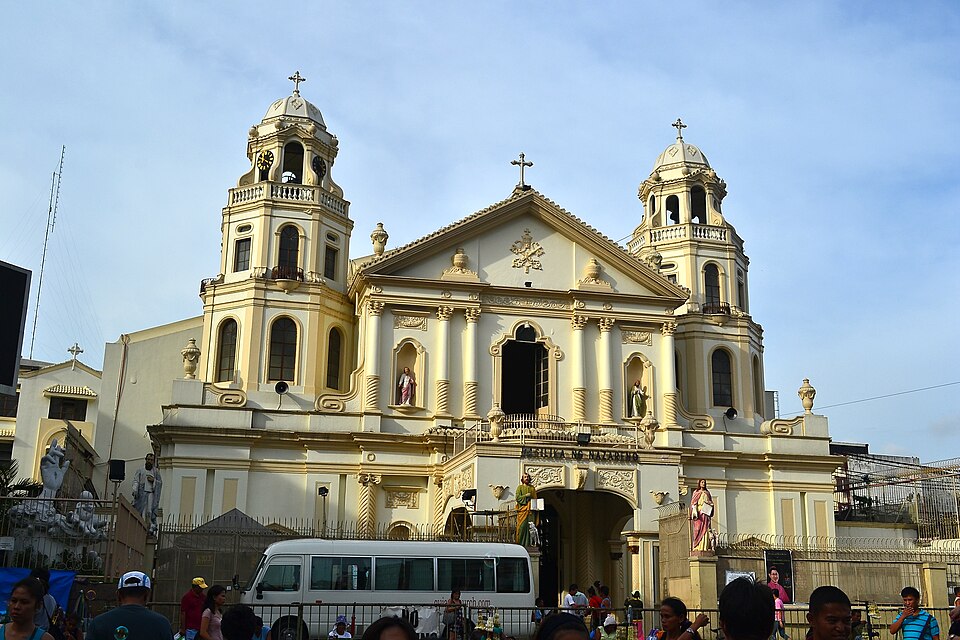
Home to the Black Nazarene, a wooden statue of Christ carrying the cross, brought to Manila by Augustinian friars from Mexico in 1606. Devotees believe it holds miraculous power, and thousands flock here every Friday. The market around the church is one of the busiest in Manila, full of herbalists and fortune tellers.

Tip: On January 9th, the Traslación procession sees millions of people accompany the statue through the streets all day — one of the largest religious gatherings in the world, but risky for tourists caught in the crowd. On Fridays the church is packed. Under the Quezon Bridge is the Ilalim ng Tulay market, selling cheap souvenirs and baskets. Pickpockets here are very skilled.

Admission:
free
Time needed:
45 min
Manila Bay Promenade

Manila Bay Promenade

Baywalk

Malate / Ermita

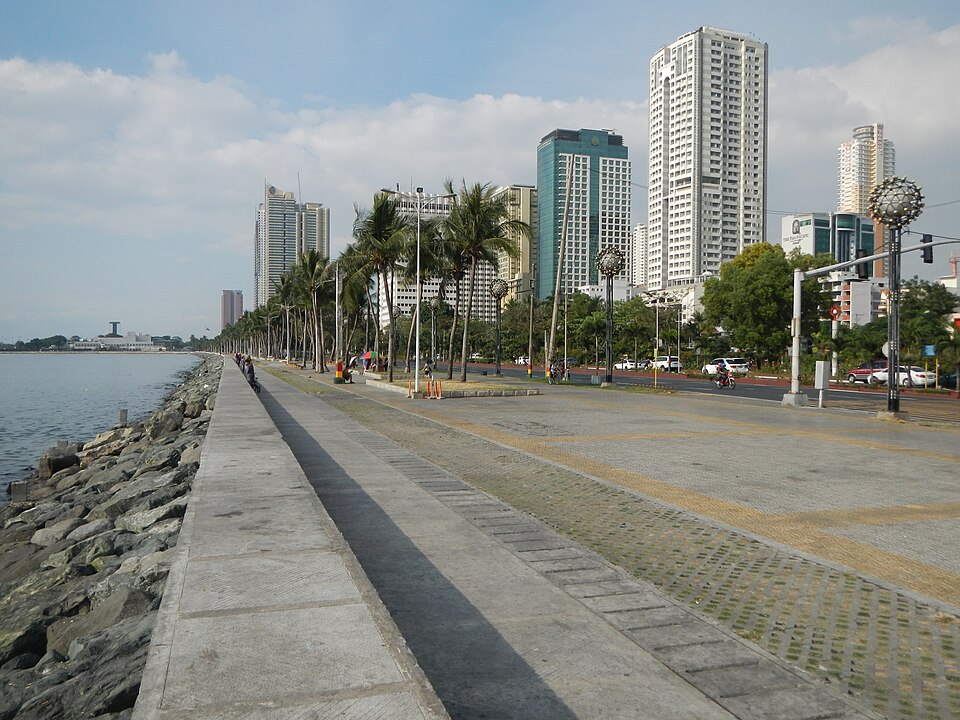
A palm-lined waterfront along Roxas Boulevard overlooking Manila Bay, famed for its sunsets. Near the US Embassy building and the Cultural Center of the Philippines, an artificial white-sand strip called Dolomite Beach has been added. At dusk the promenade fills with families and street musicians.

Tip: Sunsets are best from November to April, when the sky is clear; during the rainy season clouds often block the view. Swimming isn't recommended along the promenade — the water is polluted. The best sunset view with dinner is from the restaurants at Harbour Square near the Cultural Center, or from rooftop bars at hotels along Roxas Boulevard.

Admission:
free
Time needed:
1 h

Photos: Intramuros — Diego Delso (CC BY-SA 4.0) · Fort Santiago — Elmer B. Domingo (CC BY-SA 3.0) · San Agustin Church — Johngaje92 (CC BY-SA 4.0) · Manila Cathedral — Diego Delso (CC BY-SA 4.0) · Rizal Park — Ernest Malsin (CC BY 4.0) · National Museum of Fine Arts — Tagaaplaya (CC BY-SA 4.0) · Binondo — Ralff Nestor Nacor (CC BY-SA 4.0) · Quiapo Church (Minor Basilica of the Black Nazarene) — SeamanWell (CC BY-SA 3.0) · Manila Bay Promenade — Ramon FVelasquez (CC BY-SA 3.0)

Where to stay

Areas and districts, matched to the kind of trip you are taking

Makati

Best for: first-time visitors, safety, restaurants

A business district of skyscrapers with international hotels, the Greenbelt and Glorietta malls, bars in Poblacion, and green pedestrian paths. The safest and most comfortable base for visitors. It's thirty minutes to an hour by car to Intramuros, depending on traffic.

Bonifacio Global City (BGC)

Best for: modern city life, families, cafés

A new district built on a former military base, with wide pavements, parks, shopping streets, and restaurants. It feels like Singapore and is very clean and safe. The drawback is that it has no real history and lies far from the main sights.

Ermita and Malate

Best for: sightseeing, budget travel, bay views

Older districts by the bay, closest to Intramuros, the National Museum, and the promenade. Cheaper hotels and hostels, restaurants, and bars can be found here. The area is livelier and less polished — keep an eye on your belongings at night.

Pasay and the airport area

Best for: layovers, casinos

A district near the airport with the giant Entertainment City casino resorts, the SM Mall of Asia, and hotels for transit passengers. It's the most practical choice for a night before flying on to the islands. The bay and its sunsets are nearby.

Getting around

From the airport

From Prague, flights to Manila go via one connection through Dubai, Doha, Istanbul, Singapore, or Hong Kong, with a total journey of sixteen to twenty hours; Philippine Airlines occasionally offers direct flights from Europe. EU citizens don't need a visa for stays under thirty days, but need a return or onward ticket and must complete the online eTravel registration at least three days before arrival. Ninoy Aquino International Airport has four terminals and lies seven kilometres south of the centre, though traffic can stretch the journey to thirty minutes or an hour. Domestic flights to the islands run on Cebu Pacific and Philippine Airlines — watch out for transfers between terminals.

Manila Ninoy Aquino (MNL) · 8 km

  • Grab to Makati· 30-60 min· 300 PHP
  • Yellow metered airport taxi· 30-60 min· 400 PHP
  • UBE Express bus to Makati and Intramuros· 45-90 min· 150 PHP

Around town

Manila has a reputation as one of the most traffic-congested cities in the world, and it's safest to plan around that. Grab is the most convenient option for visitors — a car with a fixed price upfront, though slow and pricey in rain or rush hour. The LRT and MRT elevated rail lines are cheap and fast but crowded at peak times; LRT-1 runs along Taft Avenue past Intramuros and the National Museum, while MRT-3 connects Makati with Quezon City. The colourful jeepneys, postwar military jeeps converted into minibuses, are a Manila icon but tricky for visitors without knowing the routes. A river ferry runs on the Pasig between Intramuros and Makati.

GrabA car with an upfront fare; expensive during rush hour and rain. · 150 PHP
LRT and MRTElevated rail, pay with a Beep card or single-journey ticket. · 15 PHP
JeepneyCheap shared minibuses on fixed routes, pay the driver in cash. · 13 PHP
Pasig River ferryBetween Intramuros, Guadalupe, and Pinagbuena, bypassing traffic. · free

Useful apps: Grab, Google Maps, Sakay.ph (jeepneys), beep, Klook

When to go

December to April is the best period, dry and sunny; December through February is most pleasant, with temperatures around 30°C and cooler nights. March to May is the hottest and driest stretch. From June to October, the southwest monsoon (habagat) and typhoons bring heavy rain, streets flood knee-deep, and flights to the islands get cancelled. Manila is deeply Catholic and its holidays are major events: Christmas in the Philippines is celebrated from September through January, January brings the Black Nazarene procession, and the city empties out during Holy Week.

Best time

December-April

What to avoid

July-September, for typhoons and flooding

MonthJanFebMarAprMayJunJulAugSepOctNovDec
Day30°31°32°34°34°33°31°31°31°31°31°30°
Night24°24°25°26°27°27°26°26°26°26°25°24°
Rainy days432271520211914107

Food & drink

Filipino cuisine blends Malay roots, Spanish recipes, Chinese noodles, and American fast food, and Manila is the best place to try it all. Filipinos love combining sour, salty, and sweet flavours — spicy food is the exception rather than the rule. The best meals come from karinderya eateries, where you point at pots behind a glass counter, and from night markets. Binondo has the best Chinese food, Makati and BGC the international restaurants. At the Salcedo and Legazpi weekend markets in Makati, you'll find dishes from across the country. Rice is served with everything, including breakfast, and eaten with a spoon and fork. Jollibee, the Filipino fast-food chain known for its sweet spaghetti, is also a local favourite.

What to try

Adobo

Pork or chicken braised in vinegar, soy sauce, garlic, and bay leaf. The Philippines' national dish, originally a way of preserving meat in tropical heat — hence the sharp tang.

Sinigang

A sour soup with meat or shrimp and vegetables, its tang coming from tamarind or guava. Filipinos eat it even in the hottest weather; served with rice, it's the classic home-cooked lunch.

Lechón

A whole roasted suckling pig on a spit, with skin crackling like glass. Made for celebrations, and best on Cebu, where it's stuffed with lemongrass; on tourist beaches it's sold by the portion in the evening.

Lumpia

Thin fried spring rolls filled with minced meat and vegetables, served with a sweet-and-sour dip. Sold by the piece at markets, the cheapest Filipino street food there is.

Halo-halo

Shaved ice with condensed milk, sweet beans, jelly, ube jam, and ice cream on top. Looks like a failed experiment and tastes wonderful; the name literally means 'mix together'.

Sisig

Chopped pig's head and ears, sizzled on a hot iron plate with onion, chilli, and calamansi, often topped with a cracked egg. The best pairing with beer, originally from Pampanga north of Manila.

Pancit

Noodles prepared many ways, brought by Chinese immigrants — pancit canton with fried egg noodles, pancit bihon with rice noodles. Served at birthday parties for long life.

Silog breakfast

Garlic fried rice (sinangag) with a fried egg (itlog) and meat — tapa (dried beef), longganisa (sweet sausage), or tocino (sweet cured pork). A Filipino breakfast you can get any time of day.

What it costs

Silog breakfast at an eatery

120-200 PHP

Lunch at a karinderya

150-250 PHP

Dumplings in Binondo

150-300 PHP

Dinner at a restaurant in Makati

800-1,500 PHP

LRT/MRT ride

15-35 PHP

Grab ride across town

250-600 PHP

San Miguel beer at a bar

100-200 PHP

Night at a 3-star hotel for two

3,000-5,500 PHP

Indicative prices that change over time — treat them as a guide, not a price list.

Practical information

SocketsAtwo flat pins (US/JP)Btwo flat pins plus ground (US)CEuroplug, two round pins
Voltage220V / 60Hz
Tap waterDo not drink tap water — Don't drink the tap water. Filipinos themselves drink bottled water from refillable jugs, and every sari-sari corner store sells a bottle for a few pesos; resorts typically supply two per day in-room. Ice at restaurants and bars is factory-made and safe, but shaved ice from a street cart is not. Fresh buko (coconut) water is the cheapest and best drink on the islands, drunk straight from the shell.
TippingTipping is customary but lower than in the US: 10 percent at a restaurant if a service charge isn't already on the bill, which most tourist-facing places do add. Island-tour guides get 100-200 pesos per person, and tricycle drivers are given a round-up. Resort staff are usually left a shared envelope at the end of the stay.
Driving on theright
SafetyManila isn't dangerous for those who stick to tourist and business districts, but petty crime is more common here than on the islands. Pickpockets operate on jeepneys, at LRT stations, and in Quiapo — don't hold your phone loosely in your hand on the street. A common scam involves a friendly couple or a 'nurse' approaching you on the street, inviting you to eat or play cards, which can end in being drugged or swindled out of money. Book taxis through Grab, or only take one from the official airport queue. From June to October, typhoons and monsoon downpours flood the streets; when PAGASA issues a signal of level two or higher, stay at your hotel. The emergency number is 911.
Opening hoursShopping malls in Manila open from ten to ten every day and serve as air-conditioned refuges from the heat. Small sari-sari stores run from morning until night, large supermarkets until ten. Churches and museums open at eight or nine, and the National Museum is closed on Mondays. Sunday mornings are quieter because of Mass. During Holy Week, especially Maundy Thursday and Good Friday, most shops and restaurants close and Manila empties out.
Customs & etiquetteFilipinos are welcoming and avoid confrontation at almost any cost — raising your voice or calling out a mistake in public causes a loss of face and always makes things worse, never better. Elders are addressed with po and opo at the end of a sentence, a habit that carries over even into English. You'll get by in English absolutely everywhere, as it's the country's second official language. The country is deeply Catholic: dress modestly when visiting a church, and swimwear belongs on the beach, not in a village. Topless sunbathing is not acceptable. Drug laws are strict, even for small amounts.
A few local wordsGood day — Magandang arawThank you — SalamatHow much is this? — Magkano?Yes / No — Oo / HindiThe bill, please — Bill out, please

How to plan your days

1 day

Manila in one day

  1. 1Morning at Intramuros by bamboo bike.
  2. 2Fort Santiago and San Agustin Church.
  3. 3Lunch in Binondo with dumplings and noodles.
  4. 4Afternoon at the National Museum of Fine Arts.
  5. 5Sunset along the Manila Bay promenade.

2 days

Two days: history and modern Manila

  1. 1Day 1: Intramuros, Fort Santiago, San Agustin, and the cathedral.
  2. 2Day 1 afternoon: Rizal Park and the National Museums.
  3. 3Day 2 morning: Binondo and Quiapo.
  4. 4Day 2 afternoon: Makati and the Saturday Legazpi market.
  5. 5Day 2 evening: bars in Poblacion.

3 days

Three days including Tagaytay

  1. 1Day 1: Intramuros and the Manila Bay promenade.
  2. 2Day 2 morning: Binondo and Quiapo, afternoon at the National Museums.
  3. 3Day 3: a trip to Tagaytay overlooking Taal Lake.
  4. 4Day 3 afternoon: lunch with a volcano view.
  5. 5Day 3 evening: return to Manila for dinner in BGC.

Day trips

Corregidor Island

48 km · 1-1.5 h by boat

An island guarding the entrance to Manila Bay, where American and Filipino forces held out against Japan in 1942 in some of the fiercest fighting of the Pacific War. Today it's an open-air war museum with ruined barracks, guns, the Malinta Tunnel, and a light-and-sound show. Ferries leave in the morning from Pasay, and the trip is usually sold as a package including a tram tour.

Tagaytay and Taal Volcano

60 km · 1.5-2 h by car

A mountain town at seven hundred metres on the rim of a caldera, overlooking Taal Lake and the small volcano at its centre, one of the most active in the Philippines. It's cooler up here, and people from Manila come at weekends for bulalo soup and buko pie. Trips to the volcano itself are restricted depending on its alert level — check current conditions with PHIVOLCS.

Pagsanjan Falls

100 km · 2.5-3 h by car

Waterfalls in a canyon, reached by boat as two boatmen paddle and pole you upstream through rapids, hauling the canoe over rocks where needed. At the end, you're taken on a raft under the falling water. Scenes from Apocalypse Now were filmed in this canyon. Prices are negotiated with licensed operators — check the official rate card.

Frequently asked questions

Is Manila worth visiting?+

For a day or two, definitely. Most travellers just pass through on their way to the islands, but Intramuros, Binondo, and the National Museum are worth it and make a good introduction to Filipino history and culture. It's not a place for a longer stay — for beaches, head to Palawan, Boracay, or the Visayas.

Is Manila safe?+

Generally yes for tourists, with ordinary caution. The safest districts are Makati and BGC. Watch for pickpockets on public transport and in markets, and be wary of friendly strangers inviting you to eat or play cards. Book taxis through Grab.

Do I need a visa for the Philippines?+

No — for stays under thirty days, most nationalities, including EU citizens, don't need a visa. You'll need a return or onward ticket and a completed online eTravel registration, shown as a QR code at the airport. Your passport must be valid for at least six more months.

How do I transfer between terminals?+

Ninoy Aquino Airport's terminals are separate, and getting between them by car can take up to an hour. Allow at least three to four hours to connect to a domestic flight, and if you're on separate tickets, consider an overnight stay instead.

When is typhoon season?+

From June to November, peaking July through September. Typhoons disrupt flights and ferries and flood the streets. Watch alerts from the PAGASA weather agency and build in slack. December to April is the safest window to travel.

Can I get by in English?+

Yes, very well. English is an official language alongside Filipino and almost everyone speaks it; signs and menus are in English. A few words like salamat (thank you) go a long way.

What is a jeepney?+

Colourful minibuses converted from American military jeeps after World War II, a symbol of the Philippines. They run fixed routes, you can hop on and off anywhere, and you pay the driver, passing your fare through other passengers. The government is gradually replacing them with more modern vehicles.

How much does food cost?+

A meal at a karinderya eatery costs 150-250 pesos, dinner at a restaurant in Makati 800-1,500. Bars and restaurants in BGC and Makati are at European prices, but local San Miguel beer is cheap.

Visa Requirements

Check the latest visa requirements for entering this country. Some nationalities may need to apply for a visa or e-visa before travel.

Check visa requirements

Language

Filipino / English

Currency

PHP

Timezone

GMT+8

Dial Code

+63

Population

115M

Area

300,000 km²

Voltage

220V / 60Hz

Driving Side

Right

Top Hotels in Manila

Live prices from 500+ properties

Loading hotels...

More destinations in Philippines

Planning a trip to Manila?

Compare hundreds of hotels, find the best price, and book with free cancellation on TravelManiac.