Hotels in Riyadh

The mud-brick cradle of the kingdom, glass towers, and a cliff above an endless desert

Riyadh

LanguageEnglish
CurrencySAR
TimezoneGMT+3
Temperature20-42 °C
Dial Code+966
Population36.4M
Area2,149,690 km²
SocketsType G / Type A / Type B / Type F
Tap waterBottled advised

Discover Riyadh

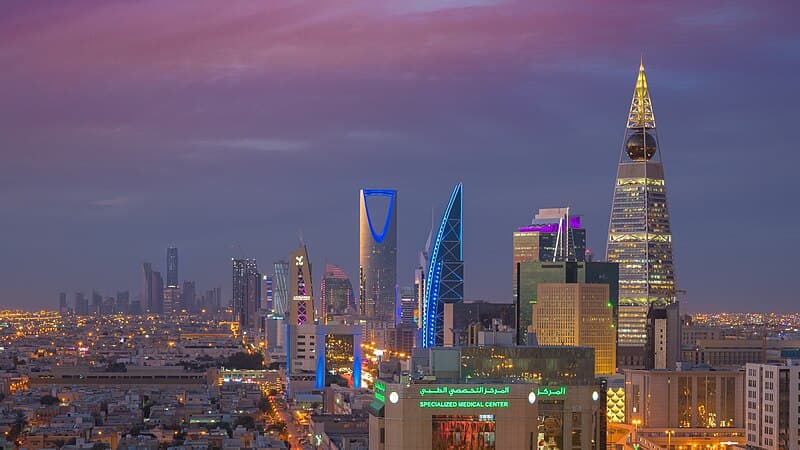
Riyadh is the capital of Saudi Arabia, sitting in the middle of the Najd desert plateau — seven million people on a spot where, just a century ago, stood a walled mud-brick town. Until 2019, tourists were barely allowed in; today Saudi Arabia is opening up faster than almost any country in the world, and Riyadh is its showcase. On the outskirts lies Diriyah, the eighteenth-century birthplace of the Saud dynasty, whose mud-brick At-Turaif district is UNESCO-listed and now surrounded by a huge new quarter of restaurants and museums. Downtown stands Masmak Fort, captured in 1902 by the state's founder Abdulaziz, alongside the National Museum. Skyscrapers like the Kingdom Centre and Al Faisaliyah tower over the city. An hour and a half away, the plateau breaks off into the Edge of the World cliff, one of Arabia's most striking views. Riyadh is conservative, dry of alcohol, and extremely hot in summer, but during Riyadh Season in winter it comes alive with concerts, festivals and food until the early hours.

What to see

The places worth your time in Riyadh, and what to expect at each

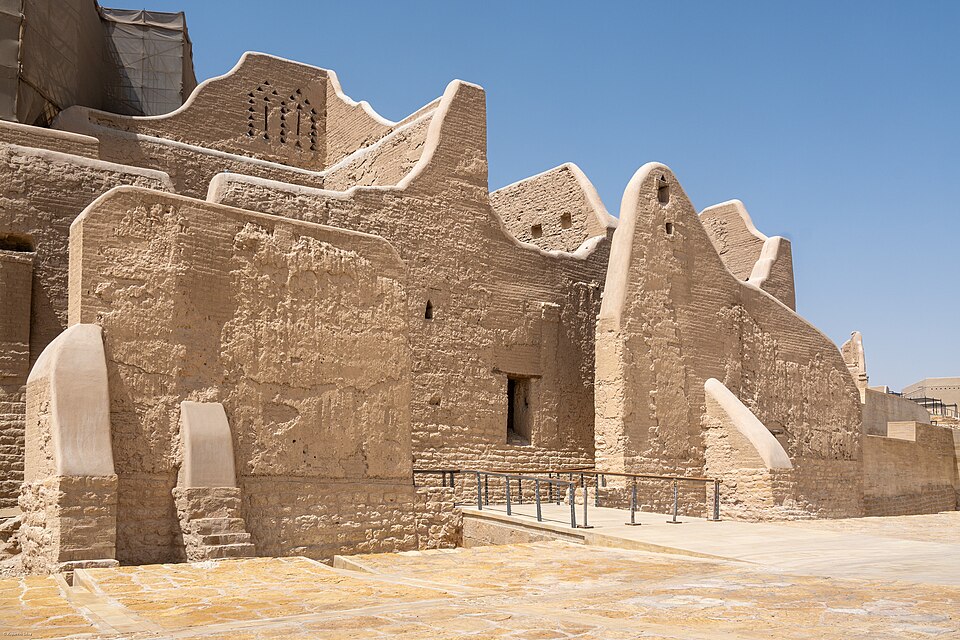
Diriyah and At-Turaif

Diriyah and At-Turaif

الدرعية

Diriyah

A mud-brick city on the edge of Wadi Hanifa valley, the first capital of the Saudi state from 1744 to 1818, before it was destroyed by an Ottoman-Egyptian army. The At-Turaif palace district is UNESCO-listed and has been restored as an open-air museum with seven exhibitions.

Tip: The best plan is to arrive an hour before sunset, walk At-Turaif in golden light, and then stay for dinner at Bujairi Terrace across the valley, home to Riyadh's best restaurants with a view of the illuminated walls. At-Turaif tickets are timed and bought online. Diriyah is open evenings only in summer, and during the day too in winter.

Admission:
around 100 SAR
Time needed:
3–4 h
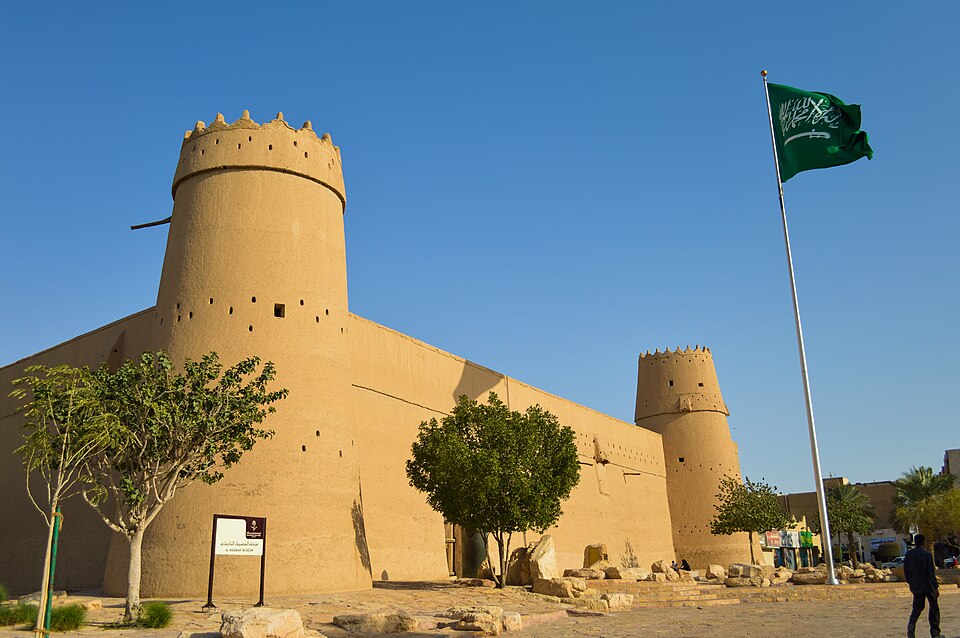
Masmak Fort

Masmak Fort

قصر المصمك

Deera

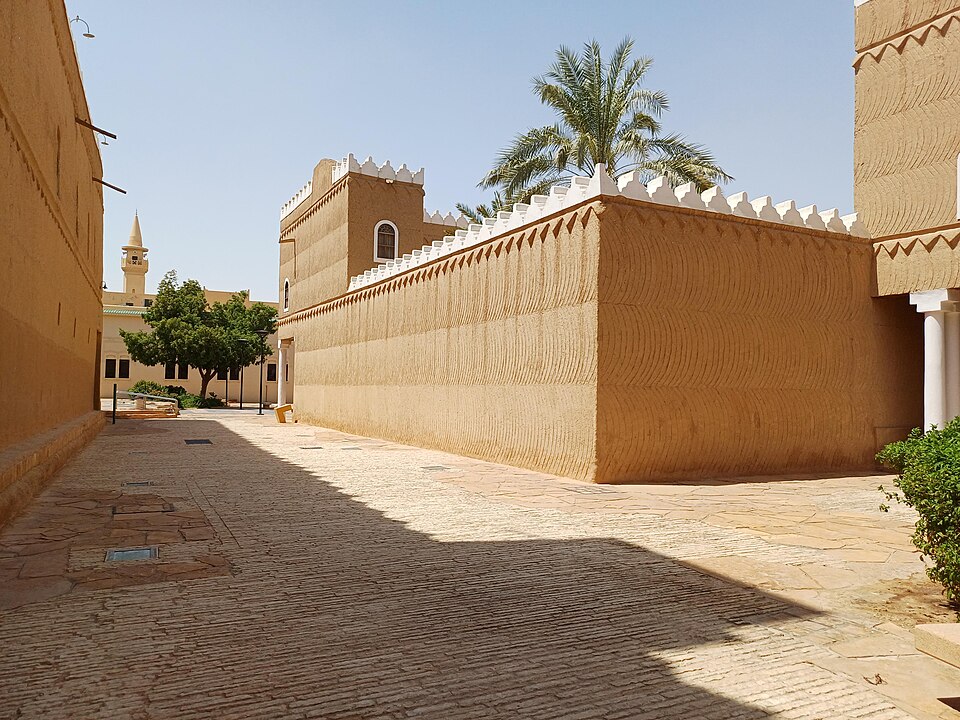
A mud-brick fort from 1865 with four watchtowers and a massive wooden gate, in the center of old Riyadh. In 1902 it was stormed at night by a young Abdulaziz ibn Saud and a handful of men, an event regarded as the start of Saudi Arabia's unification. It now houses a museum.

Tip: Entry is free and an hour is enough for a visit. A spearhead still lodged in the wooden gate from the 1902 attack is visible to this day. Right next door is the traditional Souk Al Zal market, with antiques, carpets and incense — best visited after the afternoon prayer, when goods are sold at auction. Deera Square between the fort and the mosque was once a site of public executions.

Admission:
free
Time needed:
1 h
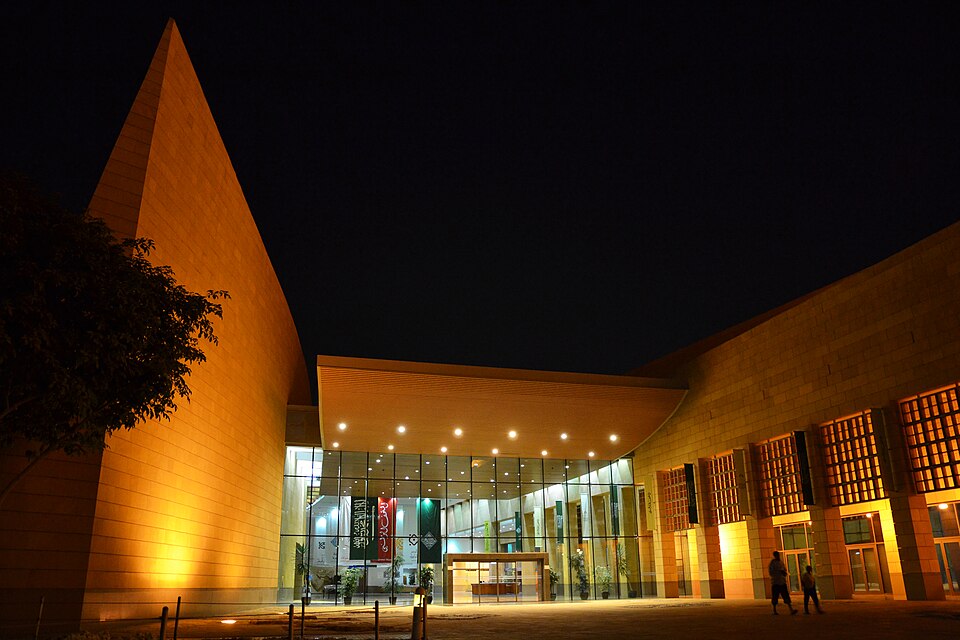
National Museum of Saudi Arabia

National Museum of Saudi Arabia

المتحف الوطني

Al Murabba

A modern museum in King Abdulaziz Park, with collections spanning Arabia's prehistoric geology, pre-Islamic kingdoms, the birth of Islam and the pilgrimage to Mecca, through to the country's unification. Highlights include pre-Islamic inscriptions and statues from AlUla and the exhibit on Mecca, inaccessible to non-Muslims in person.

Tip: This is the ideal introduction to Saudi Arabia, since it explains everything you'll see elsewhere. The Mecca and Medina gallery shows the interiors of the holy sites that non-Muslims cannot access in person. The English audio guide is worth it, since the labels are brief. Go chronologically from the first gallery, since the narrative builds on itself. The museum is air-conditioned and one of the few places you can spend a summer afternoon comfortably.

Admission:
around 10 SAR
Time needed:
2 h
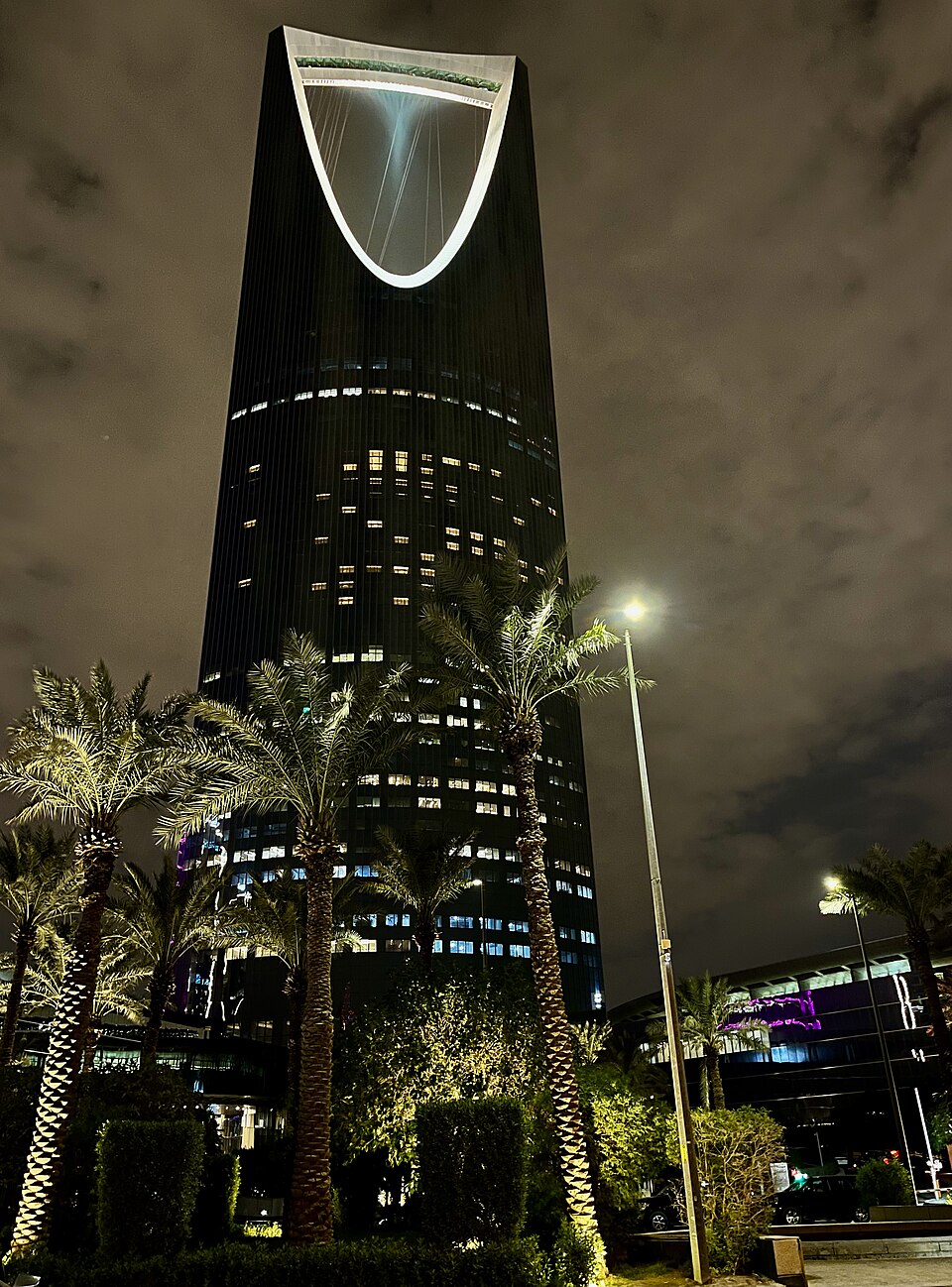
Kingdom Centre and Sky Bridge

Kingdom Centre and Sky Bridge

برج المملكة

Olaya

A three-hundred-meter skyscraper with a distinctive inverted-arch opening at the top, completed in 2002. A glass bridge, the Sky Bridge, spans the opening three hundred meters up, with views over the whole city and the desert beyond. A luxury shopping mall occupies the lower floors.

Tip: Go up to the Sky Bridge at dusk, when Riyadh lights up while the sky over the desert to the west is still bright. Tickets are bought on the mall's ground floor, and the elevator ride involves a transfer partway up. During the day the view is hazy with dust. Right next door is Al Faisaliyah, with its glass sphere and restaurant at the top.

Admission:
around 90 SAR
Time needed:
1 h
Boulevard Riyadh City and Riyadh Season

Boulevard Riyadh City and Riyadh Season

بوليفارد رياض سيتي

Hittin

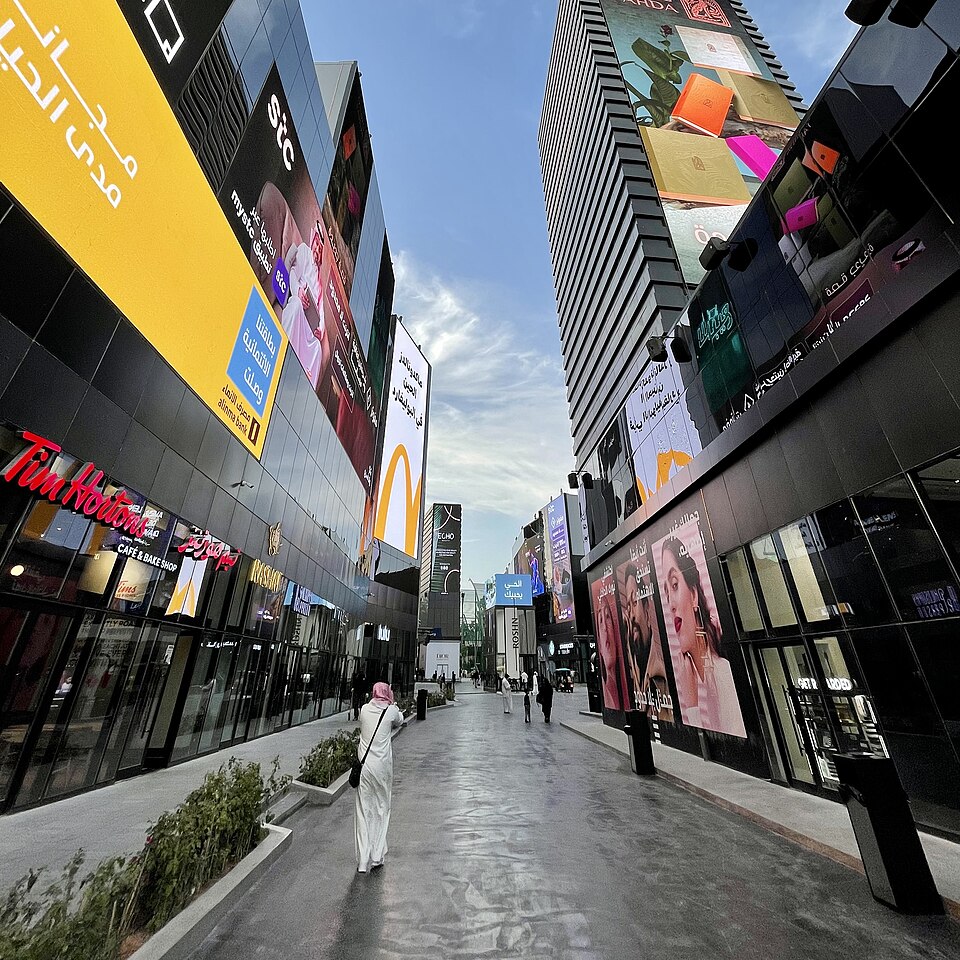
A huge entertainment district with restaurants, concert stages, cinemas, fountains and light shows, built for Riyadh Season, a festival running from October to March. It's a symbol of the country opening up — as recently as ten years ago there were no cinemas or public concerts here at all.

Tip: It doesn't open until evening and is liveliest after ten. Tickets are bought online through the Webook app and sell out on weekends. The season also includes other zones, like Boulevard World with pavilions for different countries, and Winter Wonderland. Outside the season the district is fairly quiet.

Admission:
from 50 SAR
Time needed:
3–4 h
Murabba Palace and King Abdulaziz Park

Murabba Palace and King Abdulaziz Park

قصر المربع

Al Murabba

A mud-brick palace from 1937 where King Abdulaziz lived and ruled, converted into a museum with the founder's furniture and personal belongings. It also includes a historic garage with a Rolls-Royce given to him by Churchill. Around it is a park with palm trees and canals.

Tip: The palace is part of the historic Murabba complex along with the National Museum, so visit them together. The Rolls-Royce and its history are in an adjacent building. The park is popular with families for evening walks. Palace entry is bundled with the museum ticket.

Admission:
free to 10 SAR
Time needed:
1 h
Wadi Hanifa

Wadi Hanifa

وادي حنيفة

West

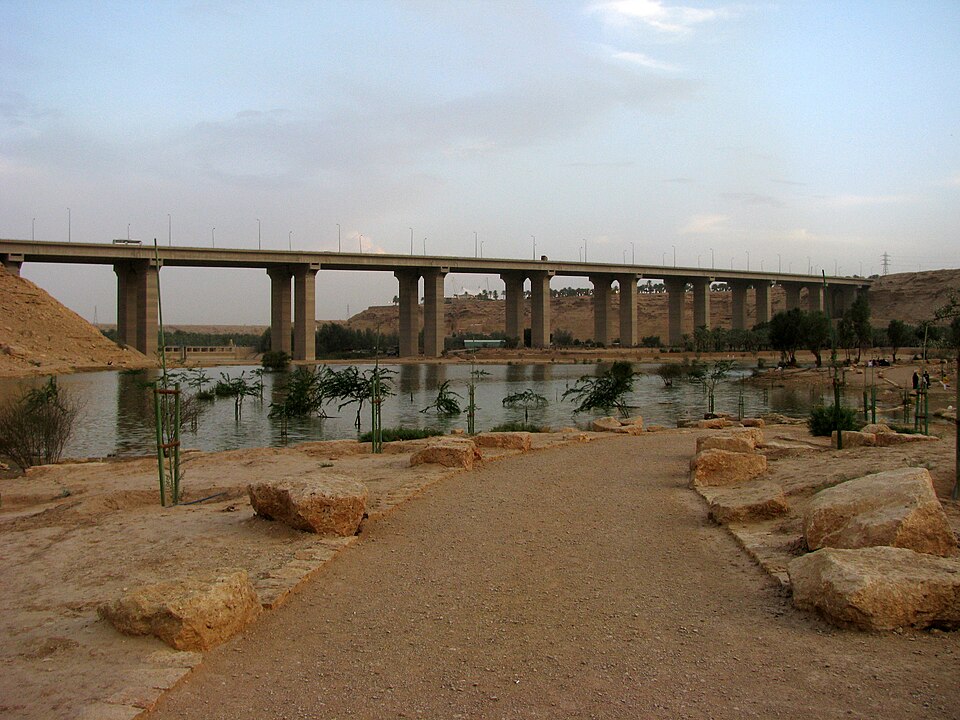
A valley with a seasonal river running through Riyadh from north to south, restored as a long park with palm trees, small lakes, paths and picnic spots. It's the greenest part of Riyadh and a favorite weekend destination for locals.

Tip: The prettiest stretch runs south from Diriyah. On winter weekends, families come with barbecues and picnic mats. It's a good walk or bike ride, though in summer only in the morning. Old farms with palm groves line the route.

Admission:
free
Time needed:
1–2 h
Al Faisaliyah

Al Faisaliyah

برج الفيصلية

Olaya

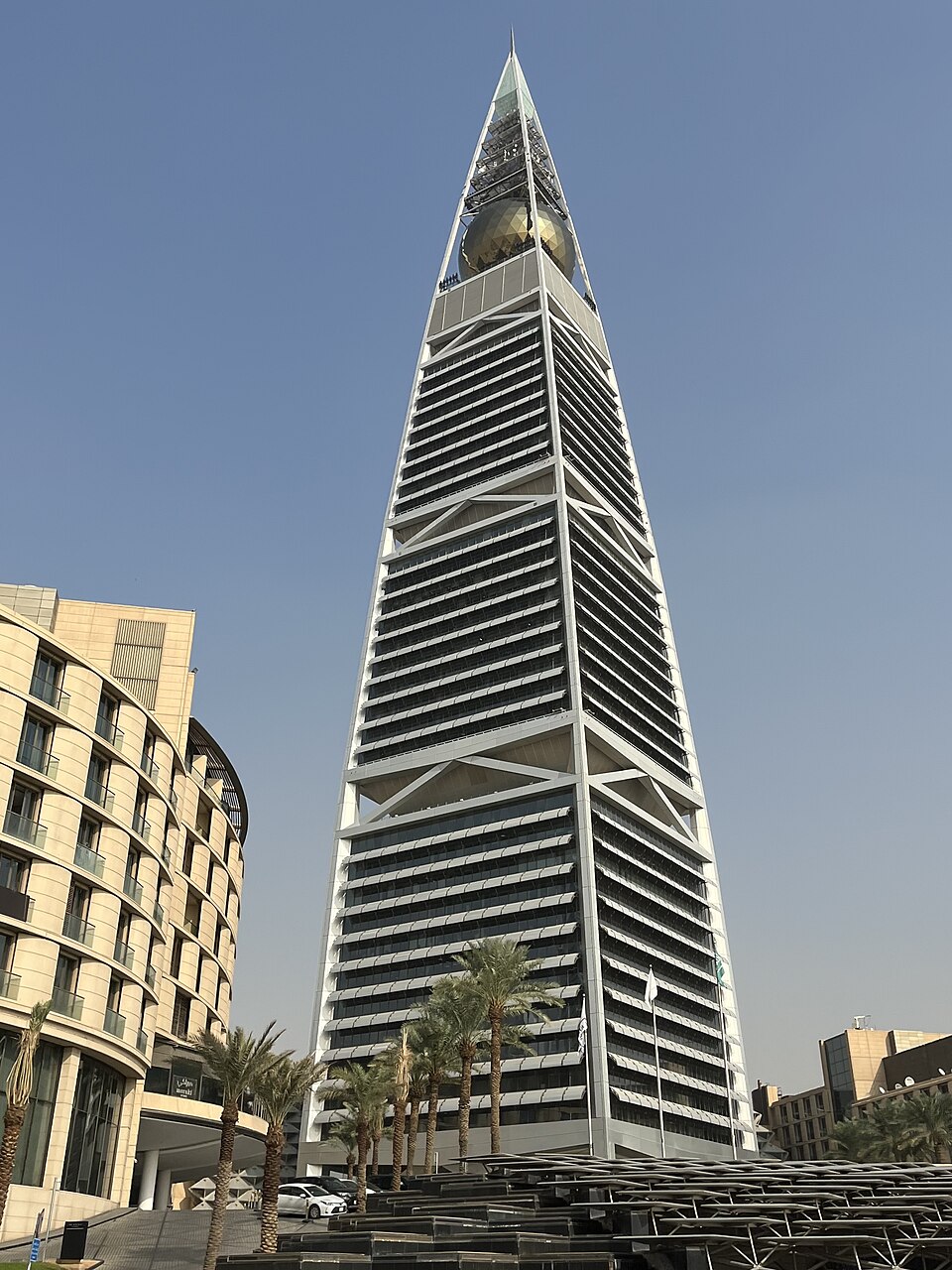
A skyscraper by architect Norman Foster from 2000, Saudi Arabia's first skyscraper, topped with a giant golden sphere. Inside the sphere is a restaurant with views over Riyadh, with an observation deck just below.

Tip: The restaurant inside the sphere is pricier but offers the best view of the Kingdom Centre. The observation deck is cheaper and open into the night. The mall below has plenty of restaurants. Al Faisaliyah and the Kingdom Centre are two kilometers apart, a five-minute taxi ride.

Admission:
observation deck around 60 SAR
Time needed:
1 h
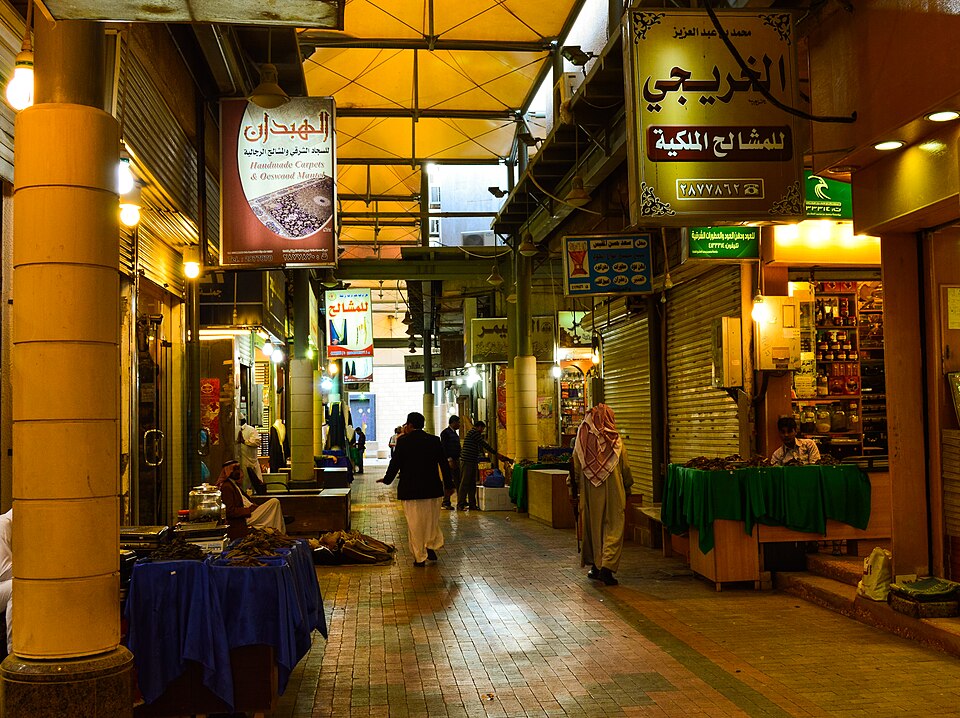
Souk Al Zal

Souk Al Zal

سوق الزل

Deera

Riyadh's oldest market, between Masmak Fort and the Grand Mosque, selling carpets, incense, traditional bisht robes, swords, old coins and antiques. Every afternoon, auctions are held here, with vendors calling out prices.

Tip: Auctions begin after the afternoon (asr) prayer and run until dusk. Good buys here include incense and oud, a fragrant wood burned at home. Prices are negotiable, but without pressure. Ask before photographing vendors.

Admission:
free
Time needed:
1 h

Photos: Diriyah and At-Turaif — xiquinhosilva (CC BY 2.0) · Masmak Fort — Francisco Anzola (CC BY 2.0) · National Museum of Saudi Arabia — Sammy Six (CC BY 2.0) · Kingdom Centre and Sky Bridge — Hamza A. Durrani (CC BY-SA 4.0) · Boulevard Riyadh City and Riyadh Season — Slayym (CC BY-SA 4.0) · Murabba Palace and King Abdulaziz Park — Radosław Botev (CC BY 3.0 pl) · Wadi Hanifa — Peter Dowley from Dubai, United Arab Emirates (CC BY 2.0) · Al Faisaliyah — Hamza A. Durrani (CC BY-SA 4.0) · Souk Al Zal — Francisco Anzola (CC BY 2.0)

Where to stay

Areas and districts, matched to the kind of trip you are taking

Olaya

Best for: business trips, shopping

The main business district, with the Kingdom Centre and Al Faisaliyah skyscrapers, international hotels and shopping malls. The metro has a station right by the towers. The best base for reaching everything. Twenty minutes to Diriyah and fifteen to Masmak by car.

Diriyah

Best for: atmosphere, dining

New luxury hotels on the edge of historic Diriyah, with restaurants at Bujairi Terrace. Quiet, with the loveliest evenings. Twenty minutes by car to central Riyadh; the metro doesn't reach here.

Hittin and the north

Best for: Riyadh Season, modern amenities

Modern neighborhoods in the north near the Boulevard, with new restaurants and cafés. Hotels are newer and cheaper than in Olaya. Close to the airport. Good for visiting during the season.

Al Murabba and Deera

Best for: budget, history

The old center around Masmak, the National Museum and the souk, with cheaper hotels. Walking distance to the main historic sights. Quieter at night, with fewer restaurants.

Getting around

From the airport

Riyadh is reachable with one connection from most of Europe, most commonly via Istanbul, Dubai or Doha, with total travel time of eight to ten hours. Saudia and the new airline Riyadh Air are expanding connections with Europe. Most nationalities need a tourist e-visa, processed online. King Khalid Airport is thirty-five kilometers from downtown and, since 2025, connected to the city by metro. Flights between Riyadh and Jeddah take an hour and a half; the high-speed rail line only runs between Jeddah, Mecca and Medina.

King Khalid International (RUH) · 35 km

  • Metro Yellow Line to downtown· 35 min· 4 SAR
  • Uber / Careem· 35–45 min· 80 SAR
  • Airport taxi· 35–45 min· 100 SAR

Around town

Riyadh is sprawling and built for cars; walking only makes sense within Diriyah, the souk, and shopping malls. The driverless Riyadh Metro, with six lines opened in 2024 and 2025, connects the airport, Olaya, downtown and the north — it's clean, air-conditioned and cheap, with a first-class section and a family carriage. For everything else, Uber or Careem are cheap and reliable; street taxis cost more. Car rental is possible with an international driving permit, but traffic is chaotic and fast. The Edge of the World requires a 4x4 and a guide.

Riyadh MetroSix lines, ticket valid for two hours. · 4 SAR
Uber / CareemThe most practical transport, with an upfront price. · 15 SAR
Riyadh busesA network complementing the metro. · 4 SAR
4x4 with driverFor the Edge of the World and desert trips. · 600 SAR

Useful apps: Uber, Careem, Tawakkalna, Darb, Visit Saudi

When to go

The best time is from November to March, with daytime temperatures of 20–28°C, cool nights around 10°C and even lower in January — bring a jacket for the evening. This is also when Riyadh Season runs and desert trips are pleasant. March and April can bring sandstorms. From May to September the heat is extreme and dry, over 40°C, making it hard to be outdoors during the day. Ramadan shifts eleven days earlier each year; the city is quiet during the day and liveliest at night.

Best time

November–March

What to avoid

May–September, because of the heat

MonthJanFebMarAprMayJunJulAugSepOctNovDec
Day20°23°28°33°40°43°44°44°41°35°27°22°
Night9°11°15°20°25°27°28°28°25°20°14°10°
Rainy days223410000012

Food & drink

Saudi cuisine is hearty, built around rice, lamb, chicken and dates, seasoned with baharat spice mix, cardamom and dried limes. In Riyadh, eating out is common, and the best places are floor-seating restaurants where kabsa and mandi are served on huge shared trays. International food is everywhere, and thanks to large communities from India, Pakistan, Lebanon and Yemen, it's excellent and cheap. Alcohol is banned without exception; beer is non-alcoholic, and instead of drinks people order juice, tea, coffee and mocktails. Riyadh has the fastest-growing café scene in Arabia, with specialty coffee roasters on every corner. Restaurants often have separate sections for families and for men, though modern venues increasingly skip this.

What to try

Kabsa

The national dish: long-grain rice cooked with chicken or lamb, tomatoes, dried lime and baharat spice, topped with almonds and raisins. Portions are usually huge and eaten from a shared tray.

Mandi

Lamb or chicken slow-cooked in an underground oven above rice, which absorbs the fat and smoke. A Yemeni dish eaten in Saudi Arabia at floor-seating restaurants.

Shawarma

Spit-roasted chicken with garlic toum sauce wrapped in flatbread, the cheapest fast food at eight to fifteen riyals. Saudis often eat it after midnight.

Saudi coffee and dates

Light-colored coffee with cardamom and sometimes saffron, served in small cups with dates. Saudi Arabia is one of the world's largest date producers, and markets sell dozens of varieties.

Saudi champagne

A non-alcoholic mix of apple juice, soda water, apple slices and mint. Since alcohol is banned, this is the drink served at celebrations.

Jareesh

Coarsely ground wheat cooked with yogurt and meat into a thick creamy dish, typical of the Najd region. Eaten as a main course or side dish, and common during Ramadan.

Kleicha

Cookies filled with dates and cardamom, a specialty of the Qassim region north of Riyadh. Served with coffee, with an annual festival dedicated to them.

What it costs

Coffee at a café

15–25 SAR

Shawarma

8–15 SAR

Kabsa or mandi at a restaurant

40–70 SAR

Dinner at Boulevard Diriyah / Bujairi Terrace

200–400 SAR

Metro ticket

4 SAR

Uber around downtown

20–40 SAR

Entry to At-Turaif

around 100 SAR

Night in a 4-star hotel, double

120–220 €

Indicative prices that change over time — treat them as a guide, not a price list.

Practical information

SocketsGBritish, three rectangular pinsAtwo flat pins (US/JP)Btwo flat pins plus ground (US)FSchuko
Voltage220V / 60Hz
Tap waterTap water is treated, bottled is common — Tap water in Saudi Arabia is mostly desalinated and not used for drinking; locals and hotels alike use bottled water, which is very cheap — around one riyal for half a liter at any convenience store. Drink continuously even in winter, since the air is very dry. On desert trips, bring more water than you think you'll need.
TippingTipping isn't mandatory, but ten to fifteen percent is commonly left at restaurants, since much of the service staff are lower-paid workers from Asia. Round up for Uber and Careem drivers, and give porters or valet staff five to ten riyals. Card and Apple Pay work almost everywhere; cash is only really needed at traditional markets.
Driving on theright
SafetySaudi Arabia is safe for tourists and street crime is very low. The risks are legal: alcohol, drugs and pork are banned and strictly punished, as are insults to religion, the royal family or the state, including on social media. Don't photograph government buildings, police, or local women. Non-Muslims cannot enter Mecca or the center of Medina. Traffic is dangerous, with fast and reckless driving. Heatstroke is a real risk in summer. The emergency number is 911.
Opening hoursThe weekend falls on Friday and Saturday. Shops and malls open around ten and stay open until midnight, with life happening mostly in the evening and at night. During the five daily prayer times, some smaller shops and cafés close for twenty to thirty minutes — a prayer-times app helps plan errands around this. Friday mornings are quiet. During Ramadan, eating and drinking in public during the day is not done; restaurants open after sunset and run until morning.
Customs & etiquetteTourists don't have to wear an abaya, but clothing should cover the shoulders and knees; for women it should be loose and not sheer, and shorts or tank tops aren't worn in public. A headscarf is only needed inside a mosque. Men and women don't touch in public, and you shouldn't offer a handshake to a woman unless she extends her hand first. Accept coffee and dates offered to you with your right hand. Discussing religion and politics with locals isn't a good idea.
A few local wordsHello — As-salamu alaykumReply to the greeting — Wa alaykum as-salamThank you — ShukranHow much does this cost? — Kam hadha?God willing — InshallahGoodbye — Ma'a salama

How to plan your days

1 day

Riyadh in one day

  1. 1Morning at the National Museum and Murabba Palace.
  2. 2Masmak Fort and Souk Al Zal.
  3. 3Afternoon in Diriyah and At-Turaif.
  4. 4Dinner at Bujairi Terrace.
  5. 5Late evening at the Sky Bridge in the Kingdom Centre.

2 days

Two days in Riyadh

  1. 1Day 1: the National Museum, Masmak, the souk.
  2. 2Day 1 evening: Diriyah and Bujairi.
  3. 3Day 2: the Edge of the World by 4x4, sunset on the cliff.
  4. 4Day 2 evening: the Kingdom Centre or the Boulevard.

3 days

Three days in Riyadh

  1. 1Day 1: the National Museum, Murabba, Masmak and the souk.
  2. 2Day 2: the Edge of the World.
  3. 3Day 3: Wadi Hanifa and Diriyah.
  4. 4Day 3 evening: Riyadh Season or the Sky Bridge.

Day trips

Edge of the World

90 km · 1.5 h by car, the last stretch off-road

Jebel Fihrayn, where the Tuwaiq limestone plateau suddenly drops three hundred meters into an endless plain — one of the most striking views on the Arabian Peninsula. The last twenty kilometers run along a desert track requiring a 4x4. It's best in the late afternoon for sunset. The park can be closed on weekends or in hot weather, so check ahead.

Ushaiqir

200 km · 2 h by car

A traditional mud-brick village in the Najd region with palm groves, a mosque, towers and lanes, one of the best-preserved of its kind in Saudi Arabia. Residents live in newer houses nearby, while the historic quarter functions as an open-air museum. Local guides show visitors around for free.

Red Sands

60 km · 1 h by car

A stretch of orange-red dunes west of Riyadh, where locals head on weekends for quad biking, picnics and camping. Tour operators sell packages with a desert camp, dune driving and dinner. It's best in winter at sunset.

Frequently asked questions

Do I need a visa for Saudi Arabia?+

Yes. Most nationalities apply for a tourist e-visa online through the Visit Saudi portal and usually get it within minutes to a few days. It costs around 530 riyals including mandatory health insurance, is valid for a year, and allows repeat stays of up to ninety days. This visa does not cover the Hajj pilgrimage.

Is Saudi Arabia safe for tourists?+

Yes, street crime is very low and tourists are welcomed. The main risks are legal: the ban on alcohol and drugs, harsh penalties for insulting religion or the state, and caution needed around photography. Traffic is dangerous, and heatstroke is a real risk in summer.

How should women dress in Riyadh?+

Female tourists don't have to wear an abaya or headscarf, but clothing should cover the shoulders and knees and be loose-fitting. A headscarf is only needed inside a mosque. In Riyadh today you'll see unveiled women driving cars. Men shouldn't wear shorts in public.

How many days should I plan for Riyadh?+

Two to three days for Diriyah, the National Museum, Masmak Fort and the Edge of the World. Add Ushaiqir and the desert for four days. Riyadh is most often combined with Jeddah and AlUla; a full trip around Saudi Arabia needs ten to fourteen days.

When does Riyadh Season take place?+

It runs every year from October to March. It includes concerts by international stars, sporting events, food festivals, entertainment zones and theater. The program and tickets are in the Webook app. Hotels cost more during the season, and Riyadh is at its liveliest.

How do you get to the Edge of the World?+

With a 4x4 and a driver, or on an organized tour; the last twenty kilometers run along a desert track. The trip takes six to eight hours. The park can be closed outside winter season or in bad weather, so check ahead. Bring plenty of water and sturdy shoes.

Can non-Muslims visit Mecca?+

No, entry to Mecca and the center of Medina is forbidden to non-Muslims, and there are checkpoints on the roads. Non-Muslims may visit the outskirts of Medina outside the sacred precinct. The Hajj and Umrah pilgrimages are for Muslims only, with their own visa category.

How do you pay in Riyadh?+

In Saudi riyals, which are pegged to the US dollar. Cards and phone payments work almost everywhere, including taxis and small shops. Cash is only really needed at traditional souks. ATMs are everywhere.

Visa Requirements

Check the latest visa requirements for entering this country. Some nationalities may need to apply for a visa or e-visa before travel.

Check visa requirements

Language

Arabic

Currency

SAR

Timezone

GMT+3

Dial Code

+966

Population

36.4M

Area

2,149,690 km²

Voltage

220V / 60Hz

Driving Side

Right

Top Hotels in Riyadh

Live prices from 500+ properties

Loading hotels...

More destinations in Saudi Arabia

Planning a trip to Riyadh?

Compare hundreds of hotels, find the best price, and book with free cancellation on TravelManiac.