Hotels in Brisbane

A subtropical river city where swimming downtown is free

Brisbane

LanguageEnglish
CurrencyAUD
TimezoneGMT+10
Temperature12-30 °C
Dial Code+61
Population26.4M
Area7,692,024 km²
SocketsType I
Tap waterDrinkable

Discover Brisbane

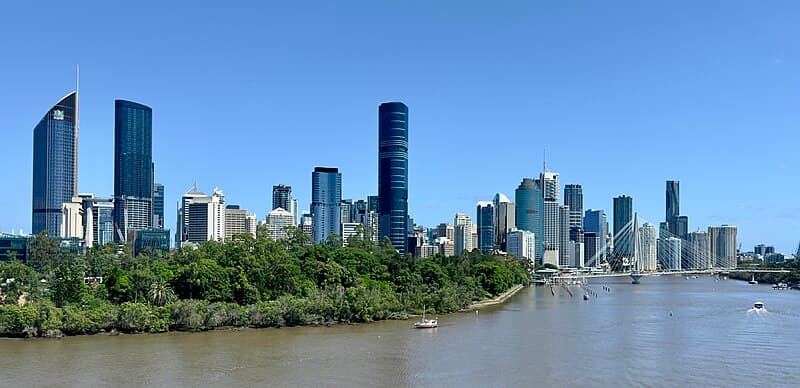
Brisbane is the capital of Queensland and Australia's third-largest city, but it feels like a large, easy-going town. It sits on a meandering river plied by fast CityCat catamarans as everyday public transport, and a subtropical climate with more than 260 sunny days a year means most of life happens outdoors. On the river's south bank is South Bank Parklands, with an artificial beach and lagoon right in the middle of the city where swimming is free, a modern art gallery, and a riverside promenade lined with restaurants. Brisbane doesn't have famous landmarks the way Sydney does, but it has something you won't find elsewhere: at the Lone Pine koala reserve you can see over 100 koalas and hand-feed kangaroos, and just outside the city begin the beaches of the Gold Coast and Sunshine Coast, islands with dolphins, and national parks with rainforest. The city has been changing fast in recent years as it prepares for the 2032 Olympics. It's cheaper than Sydney and Melbourne, and it's a good starting point for a trip up the Queensland coast towards the Great Barrier Reef.

What to see

The places worth your time in Brisbane, and what to expect at each

South Bank Parklands

South Bank Parklands

South Bank

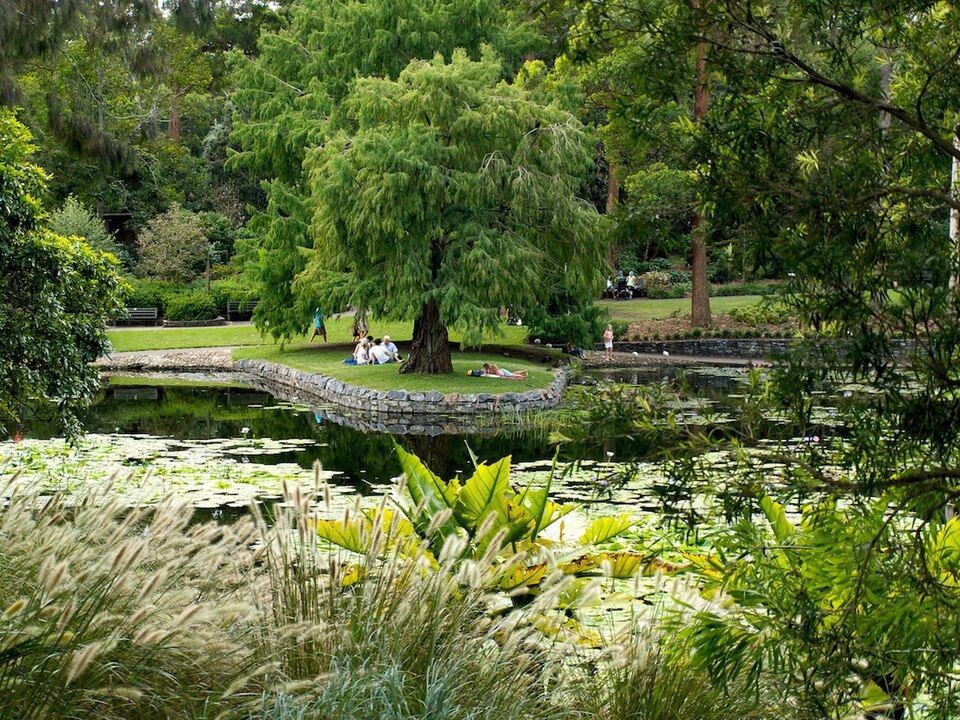
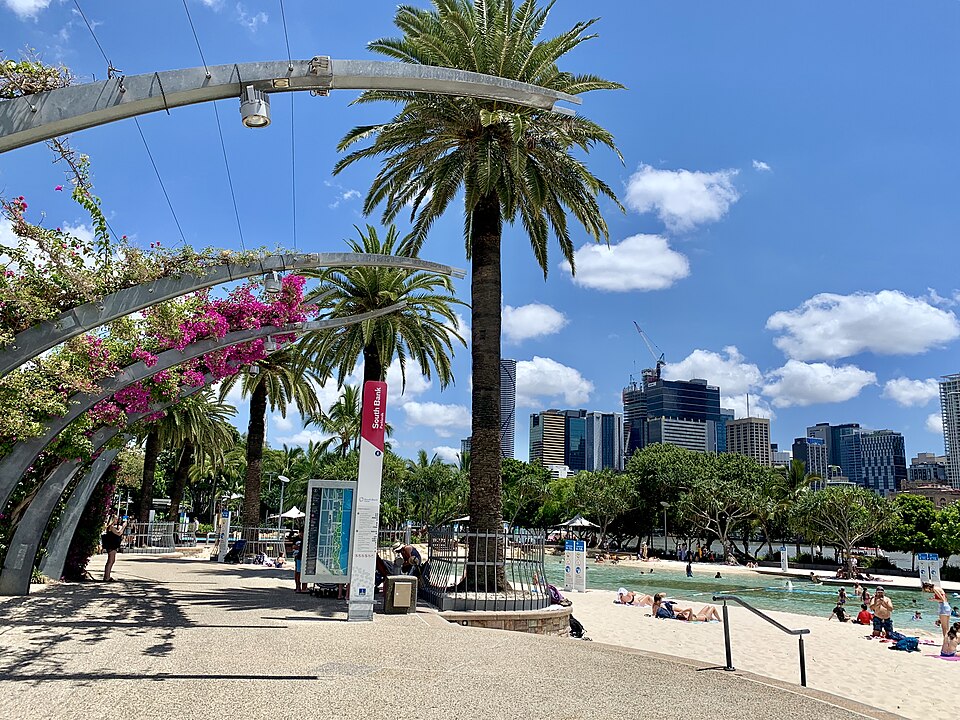
A park on the river's south bank, on the site of the 1988 World Expo, with the artificial Streets Beach and a lifeguard-patrolled lagoon, a bougainvillea-covered pergola, restaurants and views of the downtown skyline.

Tip: Swimming in the lagoon is free and open year-round; in summer it fills up in the afternoon, so go in the morning. On Friday evening and over the weekend there's a craft market here. A footbridge, the Kurilpa Bridge, leads from the park to the CBD and lights up with coloured LEDs at night.

Admission:
free
Time needed:
2–3 h
Lone Pine Koala Sanctuary

Lone Pine Koala Sanctuary

Fig Tree Pocket

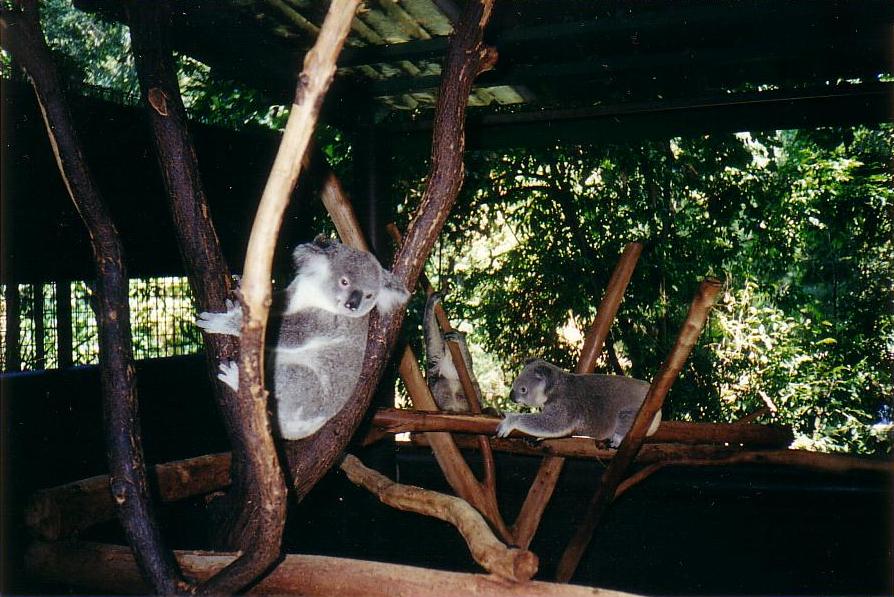
The oldest and largest koala sanctuary in the world, founded in 1927, home to over 100 koalas. Kangaroos and wallabies roam freely on the meadow and can be hand-fed, and the sanctuary is also home to a platypus, wombats and Tasmanian devils.

Tip: The reserve is reached by boat up the river from the city centre — the cruise takes an hour and is worth it over the bus. Lone Pine has stopped offering koala cuddles since 2024, but you can still get close-up photos at feeding time. Kangaroos are most active in the morning.

Admission:
admission charge
Time needed:
3 h
Story Bridge

Story Bridge

Kangaroo Point

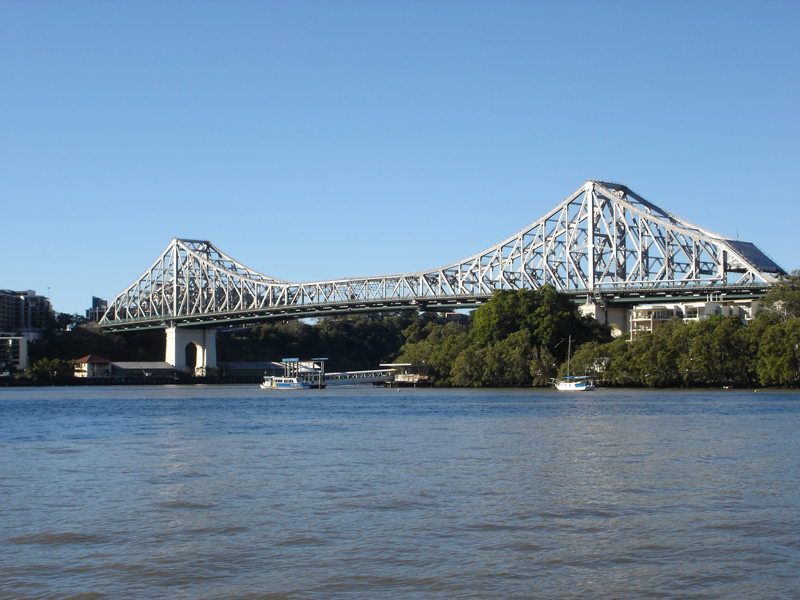
A steel cantilever bridge from 1940, a symbol of Brisbane, linking the CBD with Kangaroo Point. An organised climb goes up the bridge's arches to a height of 80 metres, with views over the river and city.

Tip: The climb takes 2.5 hours and is best at dusk, as the city lights up. Anyone who doesn't want to pay can cross the bridge on the footpath for free — the view is almost as good. Under the bridge is the Story Bridge Hotel pub, dating from 1886.

Admission:
climb admission charge
Time needed:
2.5 h
Mount Coot-tha

Mount Coot-tha

Mount Coot-tha

The highest point around the city, a 287-metre hill with a lookout offering views over all of Brisbane, the river and, on a clear day, the sea and islands. Below the summit is a botanic garden with a Japanese garden and a planetarium.

Tip: Best visited around sunset and then into the dark, as the city lights come on. Bus 471 runs from the CBD to the lookout. Trails lead from the lookout into the forest, where koalas and lizards can be spotted.

Admission:
free
Time needed:
1–2 h
GOMA

GOMA

South Bank

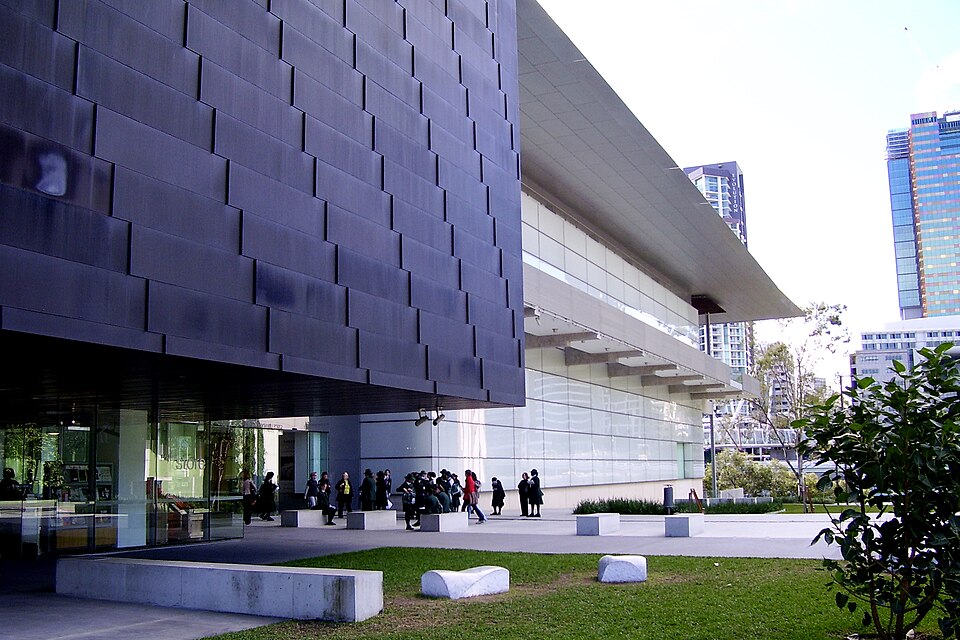
A gallery of modern art on the riverbank in South Bank, holding the largest collection of contemporary Asia-Pacific art. Exhibitions rotate, and the neighbouring Queensland Art Gallery holds Australian and Indigenous art.

Tip: The permanent collections are free. The gallery hosts big summer exhibitions that draw queues. The riverside terrace café is a pleasant spot for lunch. The GOMA cinema screens classic films for a few dollars.

Admission:
free
Time needed:
2 h
Queensland Museum

Queensland Museum

South Bank

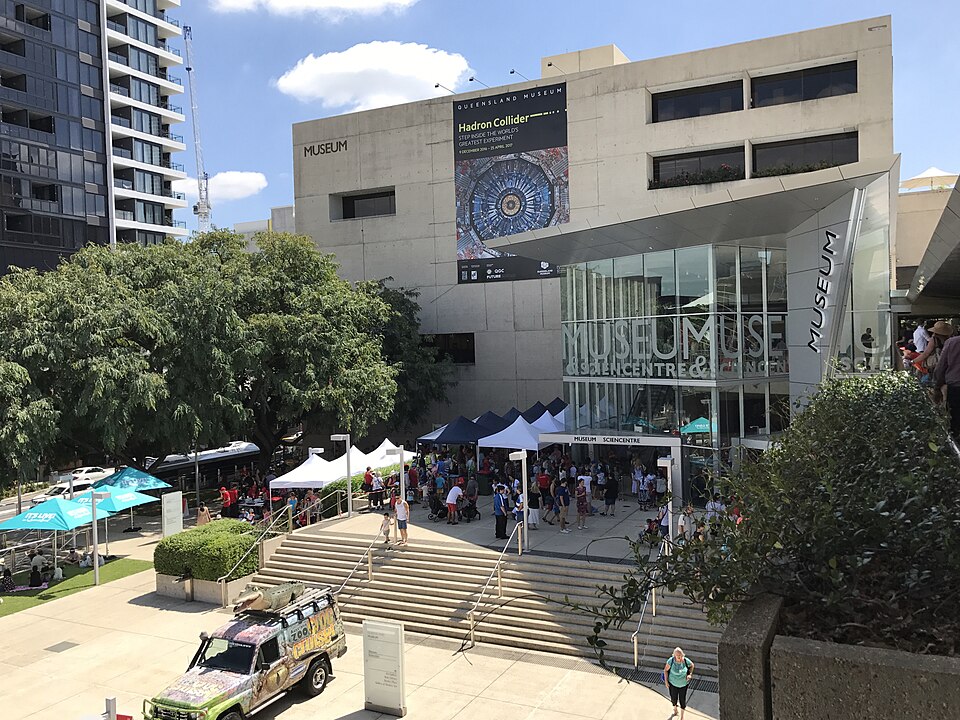
A museum of Queensland's natural history and culture, with dinosaurs, an exhibition on the Great Barrier Reef, and one on Indigenous peoples. The Sparklab science centre is aimed at children. The building stands on the riverbank next to GOMA, and admission to the permanent collections is free.

Tip: The permanent exhibitions are free. For kids, there's the interactive Sparklab, which charges admission. The museum sits right next to GOMA in South Bank, so the two are easy to combine.

Admission:
free
Time needed:
1.5–2 h
Brisbane City Hall

Brisbane City Hall

CBD

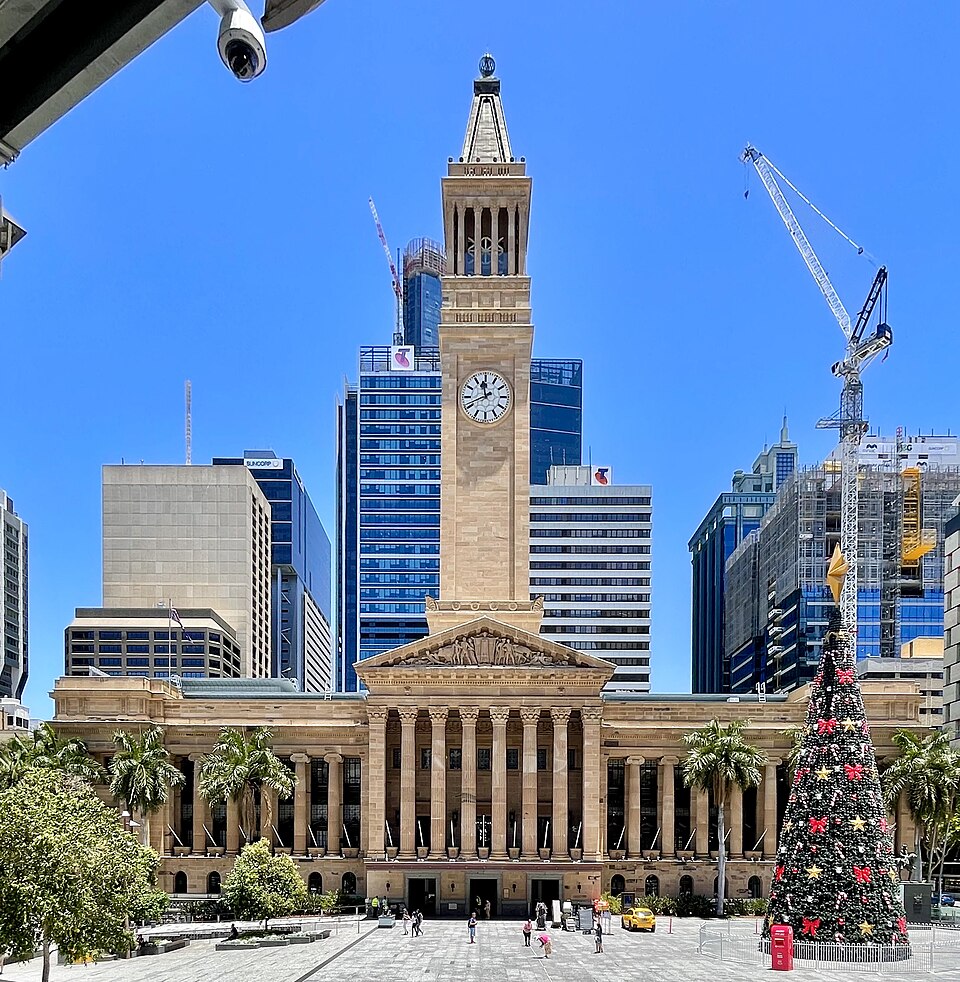
A Neoclassical town hall from 1930 with a clock tower and the Museum of Brisbane. A lift inside the tower rises to a lookout behind the clock face — one of the oldest lifts in the city.

Tip: The clock tower tour is free, but spots are limited, so book ahead. The Museum of Brisbane on the third floor is free. Markets are held on King George Square outside.

Admission:
free
Time needed:
1 h
Kangaroo Point Cliffs

Kangaroo Point Cliffs

Kangaroo Point

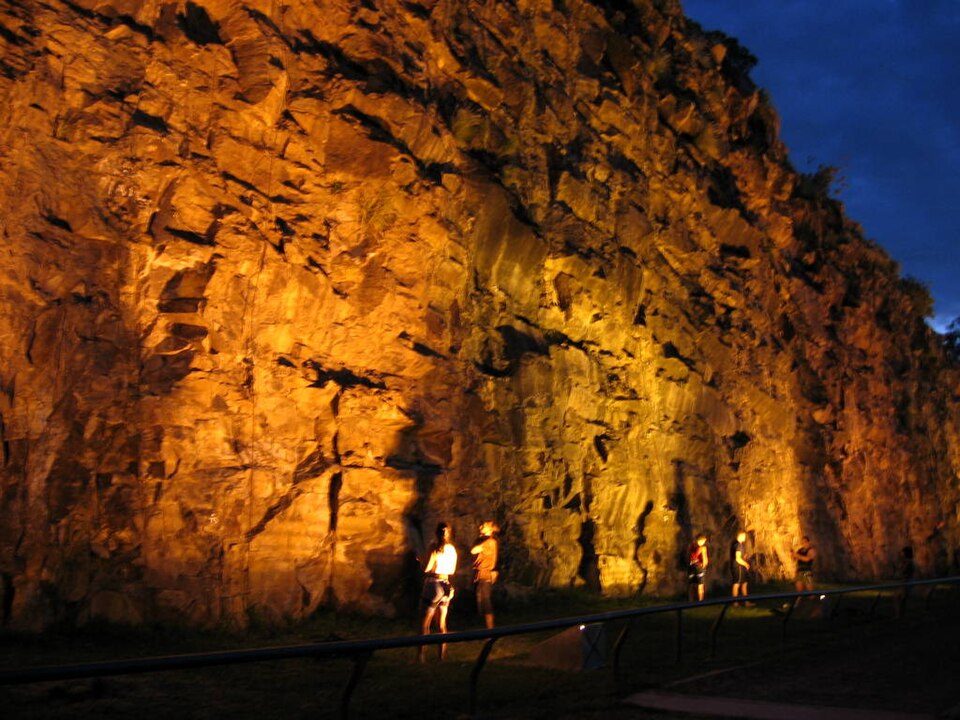
20-metre cliffs above the river opposite the CBD, used for climbing, abseiling and picnicking. The best view of the skyline and river, especially in the evening. The cliffs were formed by quarrying stone for buildings downtown and are now Australia's most popular climbing walls.

Tip: Climbing and abseiling can be booked with an instructor. The cliffs are lit up at night, and climbers come here after work too. A riverside cycle path runs beneath the cliffs.

Admission:
free
Time needed:
1 h
Howard Smith Wharves

Howard Smith Wharves

Fortitude Valley

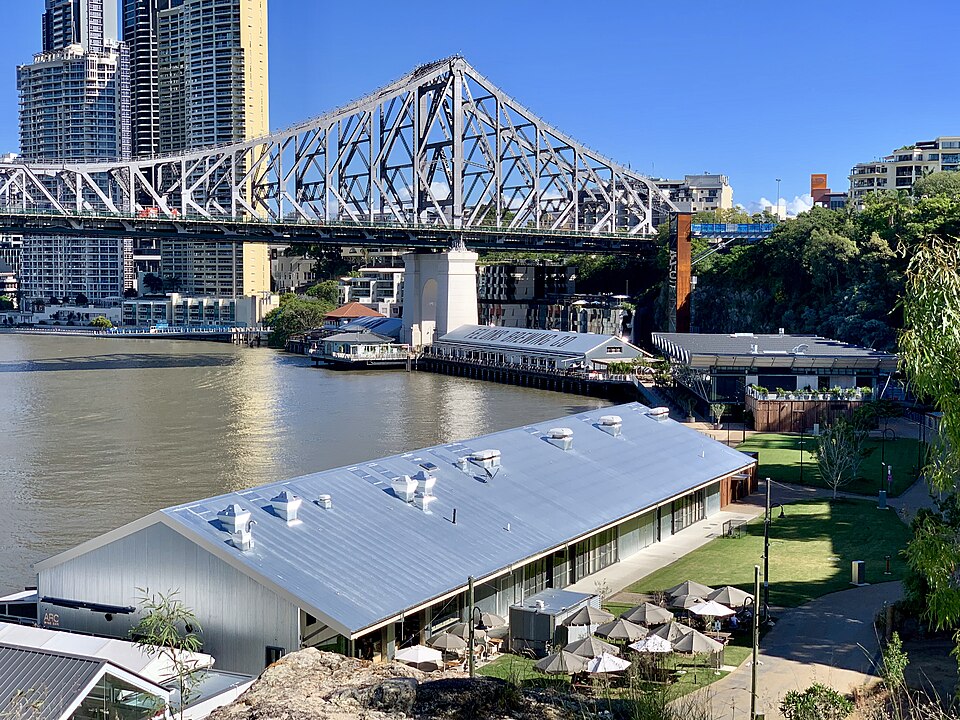
Restored harbourside warehouses under the Story Bridge, now home to restaurants, a brewery and bars with river views. The most pleasant spot for an evening out in the CBD. The 1930s warehouses stood abandoned for decades, and after a 2019 restoration became the liveliest riverside district in the city.

Tip: The Felons brewery has an outdoor beer garden right under the bridge. Sunday lunch draws a big crowd. You can get here by CityCat ferry or on foot along the river from the CBD.

Admission:
free
Time needed:
1–2 h

Photos: South Bank Parklands — Chris Olszewski (CC BY-SA 4.0) · Lone Pine Koala Sanctuary — Original uploader was Figaro at en.wikipedia (Public domain) · Story Bridge — MagpieShooter (CC BY-SA 3.0) · Mount Coot-tha — Brisbane City Council (CC BY 2.0) · GOMA — Fairfieldstation (Public domain) · Queensland Museum — Chris Olszewski (CC BY-SA 4.0) · Brisbane City Hall — Chris Olszewski (CC BY-SA 4.0) · Kangaroo Point Cliffs — Cassandra Black (Public domain) · Howard Smith Wharves — Chris Olszewski (CC BY-SA 4.0)

Where to stay

Areas and districts, matched to the kind of trip you are taking

CBD

Best for: a first visit

The centre on a bend of the river, with shops along the Queen Street Mall, hotels and the botanic garden. Everything is close by.

South Bank

Best for: culture and families

Galleries, museums, the lagoon and restaurants on the south bank. Hotels here overlook the CBD. The lagoon and museums are all within walking distance.

Fortitude Valley

Best for: nightlife

A district of bars, clubs and live music, with a Chinatown and restaurants on James Street. Noisy on weekends. During the day it's calm, with plenty of cafés.

West End

Best for: an alternative base

A bohemian neighbourhood with vintage shops, cafés and the Saturday Davies Park Market. A 20-minute walk across the bridge to the CBD.

Getting around

From the airport

Brisbane Airport lies 15 km northeast of the city centre. Most international travellers connect through major hubs such as Dubai, Doha, Singapore or Hong Kong. The Airtrain runs into the city centre. The electronic eVisitor visa is required before departure for eligible passport holders. Trains also run onward to the Gold Coast.

Brisbane Airport (BNE) · 15 km

  • Airtrain to the city centre· 20 min· AUD 20
  • Taxi / Uber· 25 min· AUD 45

Around town

Public transport in Queensland costs 50 cents a ride regardless of distance, a rare deal in Australia. CityCat ferries along the river are the most pleasant way to travel. Buses, trains and ferries are paid for with a go card or contactless card. The city centre is easy to cover on foot.

CityCat ferriesFast catamarans along the river from the university to Northshore, with a free CityHopper ferry loop downtown. · AUD 0.50
Translink buses and trainsA dense network with a flat fare per ride. · AUD 0.50
Brisbane MetroElectric articulated buses running on dedicated lanes. · AUD 0.50
Uber / taxiFor evenings and airport transfers. · AUD 20 within the centre
Rental carFor trips to the Gold Coast and inland. · AUD 55/day

Useful apps: MyTranslink, Uber, Google Maps

When to go

The best time is April to October, when it's dry, warm at around 25°C, and humidity is low. Summer, from December to February, is hot and humid, with storms most afternoons and occasional flooding. Winter is sunny and warm during the day, though nights are cool. Brisbane is a good destination even in winter.

Best time

April to October

What to avoid

January and February, for the humidity and storms

MonthJanFebMarAprMayJunJulAugSepOctNovDec
Day30°30°29°27°24°22°22°23°26°27°28°29°
Night21°21°20°17°14°11°10°11°14°16°18°20°
Rainy days131414119866791112

Food & drink

Brisbane eats outdoors: pavement cafés, breweries under the bridge, and markets. Seafood from Moreton Bay is the local speciality, and prawns are sold cooked by the kilo. Restaurants are cheaper than in Sydney.

What to try

Australian prawns

Large prawns from Moreton Bay or elsewhere in Queensland, sold cooked and cold by the kilo at fishmongers. Bought for a beach picnic rather than eaten in a restaurant.

Moreton Bay bugs

Named a "bug" but actually a type of flat lobster from Moreton Bay. Served grilled with garlic butter, and a genuine local speciality.

Barramundi

An Australian sea perch with firm white flesh, grilled as a fillet with lemon. The most common fish on Queensland menus, and a reliable choice even at an ordinary pub.

Fish and chips

Battered fish with chips, bought at a harbourside shop across the road and eaten straight from the paper on the pier. Get tartare sauce with it, and watch out for the seagulls, which are bold.

Flat white

Espresso with silky microfoamed milk, an Australian invention and the backbone of the local café culture. Coffee is exceptionally good here even in small towns, and chains are rarely used.

Meat pie

A small pie filled with braised beef in a thick gravy, the national fast food. Bought at a bakery or petrol station and eaten by hand with tomato sauce.

Pavlova

A meringue cake topped with whipped cream and fresh fruit, usually passionfruit and strawberries. The subject of an endless dispute with New Zealand over who invented it.

XXXX and local breweries

XXXX Gold is a Brisbane beer from the brewery in Milton, which runs tours. Craft breweries are found in Newstead and West End.

What it costs

Flat white

AUD 5–5.50

Fish and chips

AUD 15–22

Dinner at a restaurant

AUD 40–70 per person

Beer at a bar

AUD 9–13

Ferry or bus ride

AUD 0.50

Lone Pine Koala Sanctuary

from AUD 60

Story Bridge climb

from AUD 130

Night at a 3-star hotel downtown

AUD 150–250

Indicative prices that change over time — treat them as a guide, not a price list.

Practical information

SocketsIAustralian, angled pins
Voltage230V / 50Hz
Tap waterTap water is drinkable — Tap water is safe to drink across Australia and ranks among the best quality in the world; buying bottled water is a waste of money. Public spaces, beaches and national parks have drinking-water fountains where you can refill a bottle for free. The only exception is remote farms and campsites, where water comes from a rainwater tank and is usually marked "non-potable".
TippingTipping isn't customary in Australia, because the legal minimum wage is high and service is included in the price. In restaurants, rounding up happens only when service is genuinely impressive, with around 10% typical at nicer places. At cafés, bars and in taxis, no one expects anything. Watch for a weekend and public holiday surcharge, usually 10–15%, which is always noted on the menu.
Driving on theleft
SafetyAustralian cities are safe, and walking around at night is no cause for concern, with reasonable caution only needed in nightlife districts on Friday and Saturday after midnight. The real risks are natural: the UV index in summer tops 10, when you can burn in 15 minutes even under cloud, and rip currents on ocean beaches — swim only between the red-and-yellow flags, where lifeguards are on duty. On coastal trails, don't lean out over cliff edges. Travel insurance is essential, since many countries have no reciprocal healthcare agreement with Australia and treatment can be very expensive. The emergency number is 000.
Opening hoursCity shops are open from 9am to 5pm or 6pm, until 9pm on Thursdays, and from 10am to 4pm on Sundays. Coles and Woolworths supermarkets run until 10pm. Cafés open at 7am and close by mid-afternoon around 3pm — Australians eat breakfast out, but going for coffee after lunch isn't really a thing. Restaurants serve dinner from 6pm to 9 or 10pm. On weekends and public holidays, restaurants add a surcharge of 10–15%.
Customs & etiquetteAustralians are informal and switch to first names quickly — being addressed by your first name is normal even with a doctor or an official. Queueing is taken seriously, and cutting in line is one of the few things that draws a public reaction. At a bar you order and pay at the counter straight away, not at the end of the night. Smoking is banned on most public beaches and on all restaurant terraces. At the entrance to national parks and at events you'll hear a Welcome to Country, which pays respect to Indigenous peoples; it's heard in silence.
A few local wordsHello — G'dayThank you — Thanks / TaHow much is it? — How much is it?Can I get the bill, please? — Can I get the bill, please?Cheers — Cheers

How to plan your days

1 day

A day in Brisbane

  1. 1Morning boat ride up the river to Lone Pine for the koalas.
  2. 2Boat back to the city centre.
  3. 3Lunch in South Bank and a swim in the lagoon.
  4. 4Afternoon at GOMA.
  5. 5Evening at Howard Smith Wharves under the bridge.

2 days

2 days in Brisbane

  1. 1Day 1 as the one-day itinerary above.
  2. 2Day 2 morning: City Hall and the clock tower.
  3. 3CityCat ferry ride across the whole river.
  4. 4Afternoon at Kangaroo Point Cliffs.
  5. 5Sunset on Mount Coot-tha.

3 days

3 days in Brisbane

  1. 1The first 2 days as the itinerary above.
  2. 2Day 3: a train trip to the Gold Coast.
  3. 3Surfers Paradise beach.
  4. 4Afternoon at the SkyPoint observation deck.
  5. 5Evening back in the city and Fortitude Valley.

Day trips

Gold Coast

80 km · 1.5 h by train and tram

A coastline with 70 km of beaches, surf spots and the skyscrapers of Surfers Paradise. The Dreamworld and Movie World theme parks, with the rainforests of Lamington National Park inland.

Moreton Island

40 km · 1.5 h by ferry

A sand island with dunes for sandboarding and the sunken Tangalooma wrecks for snorkelling. In the evening, wild dolphins are fed at the Tangalooma resort.

Noosa

140 km · 2 h by car

A resort town on the Sunshine Coast with a national park where koalas and dolphins are spotted along the coastal track, and the Noosa River for kayaking. Hastings Street is an elegant strip of restaurants.

Frequently asked questions

How many days are enough for Brisbane?+

2 days for the city and the koalas, a third for the Gold Coast or Moreton Island. With more days, it's worth continuing north towards the Great Barrier Reef.

Where can I see koalas in Brisbane?+

At Lone Pine Koala Sanctuary, reached by boat from the city centre. In the national parks around the city, they can also be spotted in the wild.

How do I get from the airport to the city centre?+

By the Airtrain, in 20 minutes. The train runs every 15–30 minutes and stops downtown at Central.

How much does transport cost?+

50 cents per ride on a bus, train or ferry, regardless of distance.

Where should I stay in Brisbane?+

In the CBD or South Bank. Fortitude Valley is the pick for nightlife. Both neighbourhoods have CityCat ferry stops.

Can you swim in Brisbane?+

Yes, for free, at the Streets Beach lagoon in South Bank. Ocean beaches are on the Gold Coast and Sunshine Coast.

Do I need a visa?+

Yes, the electronic eVisitor visa, free for EU citizens. It's arranged online before travel, and approval is usually instant.

Brisbane or the Gold Coast?+

Brisbane is better for culture and food, the Gold Coast for beaches. They're an hour apart, so they're easy to combine.

Arrival Card

Fill in the required arrival card before your trip to avoid delays at immigration.

Complete Arrival Card

Visa Requirements

Check the latest visa requirements for entering this country. Some nationalities may need to apply for a visa or e-visa before travel.

Check visa requirements

Language

English

Currency

AUD

Timezone

GMT+10

Dial Code

+61

Population

26.4M

Area

7,692,024 km²

Voltage

230V / 50Hz

Driving Side

Left

Top Hotels in Brisbane

Live prices from 500+ properties

Loading hotels...

More destinations in Australia

Planning a trip to Brisbane?

Compare hundreds of hotels, find the best price, and book with free cancellation on TravelManiac.