Hotels in Sydney

The world's most beautiful harbor, ocean beaches by the dozen, and summer while home has snow

Sydney

LanguageEnglish
CurrencyAUD
TimezoneGMT+11
Temperature12-30 °C
Dial Code+61
Population26.4M
Area7,692,024 km²
SocketsType I
Tap waterDrinkable

Discover Sydney

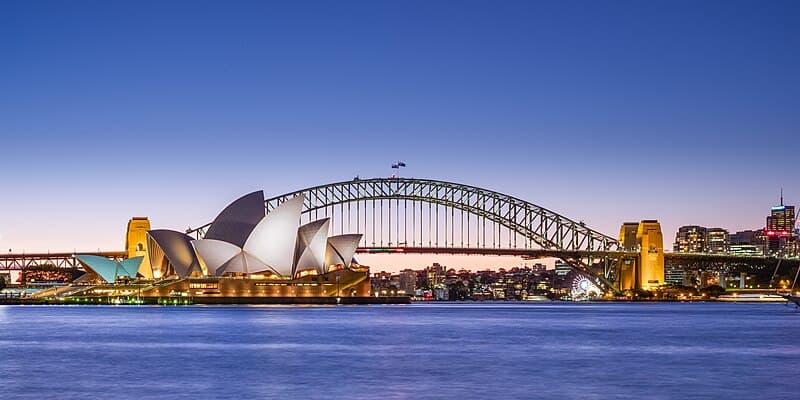
Sydney is Australia's largest and oldest city, and one of the few major cities where people surf in the morning, sit in an office at midday and go to the opera in the evening. The whole city is built around Port Jackson harbor, with dozens of bays, headlands and beaches, and the best way to get to know it is from the deck of a ferry, which costs the same as a bus ticket. The Opera House, with its white sail-like roofs, and the steel Harbour Bridge form one of the most recognizable images in the world. Beyond the icons, Sydney has more than a hundred beaches, from the famous Bondi to small harbor coves, and coastal walking paths along the cliffs above the Pacific. The culture is young and open: cafés with excellent coffee, Asian-fusion restaurants, markets and weekend brunches. Its history stretches back long before Europeans arrived in 1788 — the Gadigal people lived here for tens of thousands of years. Sydney is expensive but safe, clean and easy to get around. Summer runs from December to February, and its New Year's Eve fireworks over the bridge are among the most famous in the world.

What to see

The places worth your time in Sydney, and what to expect at each

Sydney Opera House

Sydney Opera House

Bennelong Point

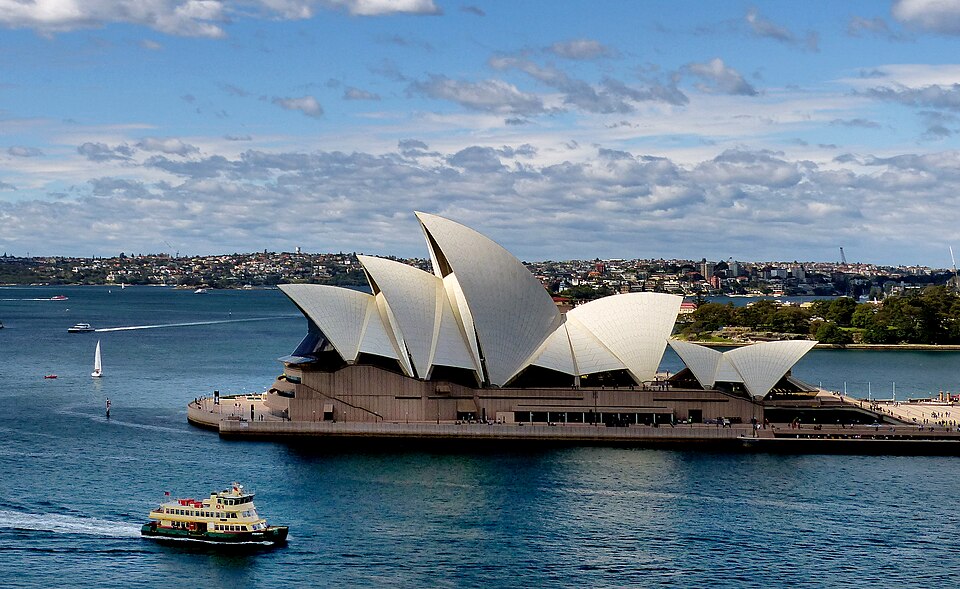
A building by Danish architect Jørn Utzon with white roofs resembling sails, completed in 1973 and listed as a UNESCO World Heritage Site. More than fifteen hundred performances take place here each year — opera, ballet, theater, concerts. The roofs are covered in over a million ceramic tiles that clean themselves in the rain.

Tip: A one-hour guided tour is worthwhile, but it's even better to buy a cheap ticket to any performance and see the interior in use — the Concert Hall often has affordable concerts. The best photo of the Opera House with the bridge is from Mrs Macquarie's Chair in the Botanic Garden, or from a ferry. People sit on the steps and at the Opera Bar below the building at sunset.

Admission:
tour from 45 AUD
Time needed:
1–3 h
Harbour Bridge

Harbour Bridge

Sydney Harbour Bridge

The Rocks / Milsons Point

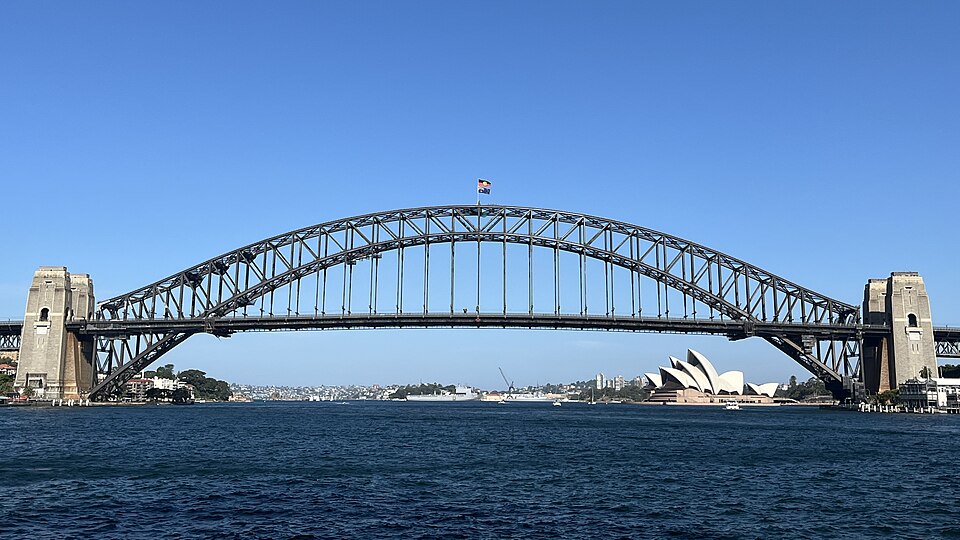
A steel arch bridge from 1932, nicknamed the Coathanger, linking the city center with the North Shore. The arch stands a hundred and thirty-four meters above the water. It can be crossed on foot for free, climbed to a pylon lookout, or scaled to the very top with a guide.

Tip: The BridgeClimb to the top of the arch is expensive (from three hundred AUD) but a memorable experience. A cheaper alternative with a similar view is the Pylon Lookout in the southern pylon, for a few tens of dollars. Walking the free footpath from The Rocks to Milsons Point takes half an hour, and you can return by ferry — the best cheap loop in Sydney.

Admission:
footpath free, Pylon Lookout from 29 AUD
Time needed:
1–3 h
Bondi and the coastal walk to Coogee

Bondi and the coastal walk to Coogee

Bondi to Coogee Coastal Walk

Eastern Suburbs

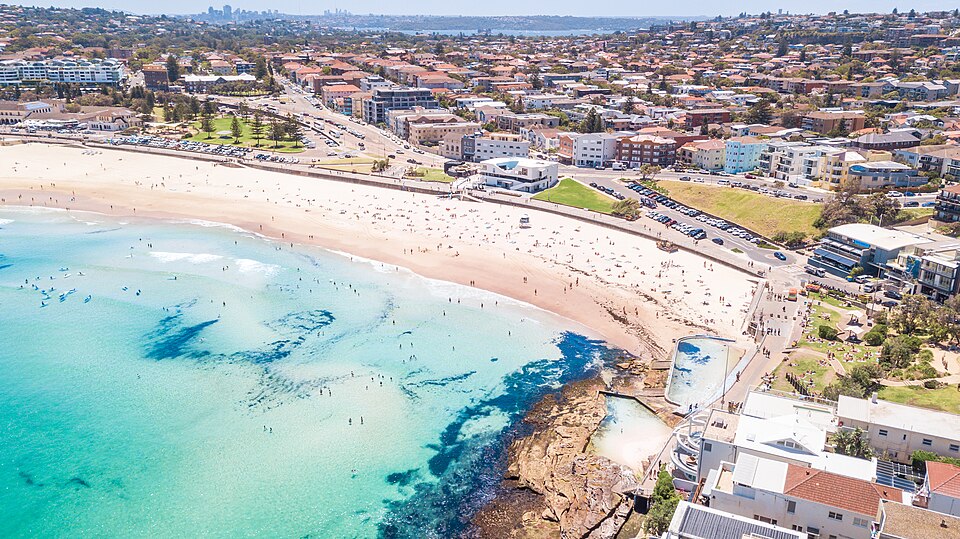
Bondi is Australia's most famous beach, a kilometer-long arc of sand with waves for surfers and lifeguards in red and yellow. From its southern end, a six-kilometer coastal walk follows the cliffs through Tamarama, Bronte and Clovelly to Coogee, passing natural rock pools and Pacific views.

Tip: Go in the morning before it gets hot, and walk the trail from Bondi south — the sun will be at your back. The Bondi Icebergs pool, carved into the cliff at the southern end of the beach, is open to the public for a small fee and is one of the most photogenic pools in the world. Swim only between the flags. In October and November, the Sculpture by the Sea exhibition runs along the walk.

Admission:
free
Time needed:
3–4 h
The Rocks

The Rocks

The Rocks

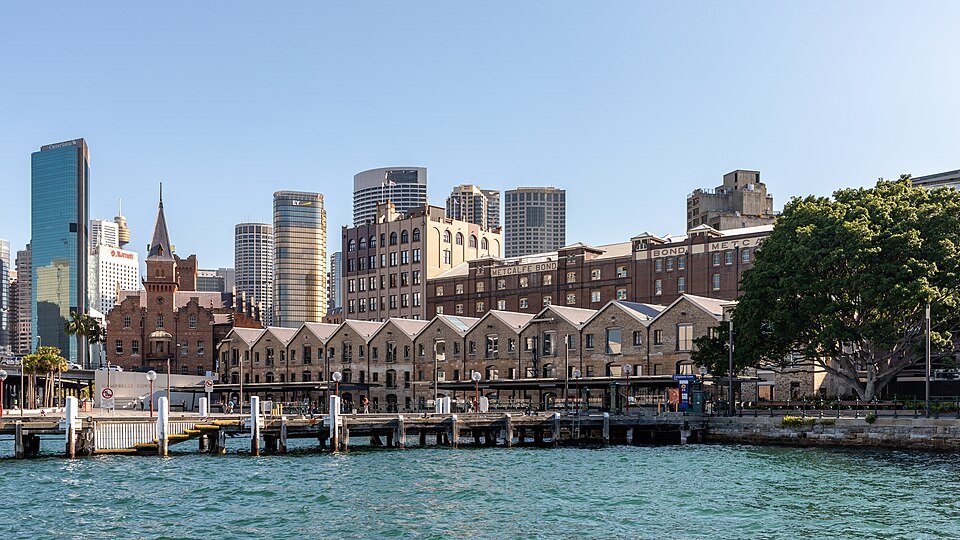
Sydney's oldest neighborhood, on the site of the first British colony from 1788, with narrow lanes, sandstone buildings, the city's oldest pubs and a weekend market. Once a rough dockside slum, it's now a restored historic quarter beneath the Harbour Bridge.

Tip: On weekends, The Rocks Markets sell crafts and food, and on Friday evenings there's the Foodie Market. Historic pubs like the Lord Nelson, with its own brewery, or Fortune of War make a good stop. The Rocks Discovery Museum is free and explains the neighborhood's history. Behind the district, Observatory Hill offers a view of the bridge and is popular for picnics.

Admission:
free
Time needed:
2 h
Royal Botanic Garden Sydney

Royal Botanic Garden Sydney

City / harbor

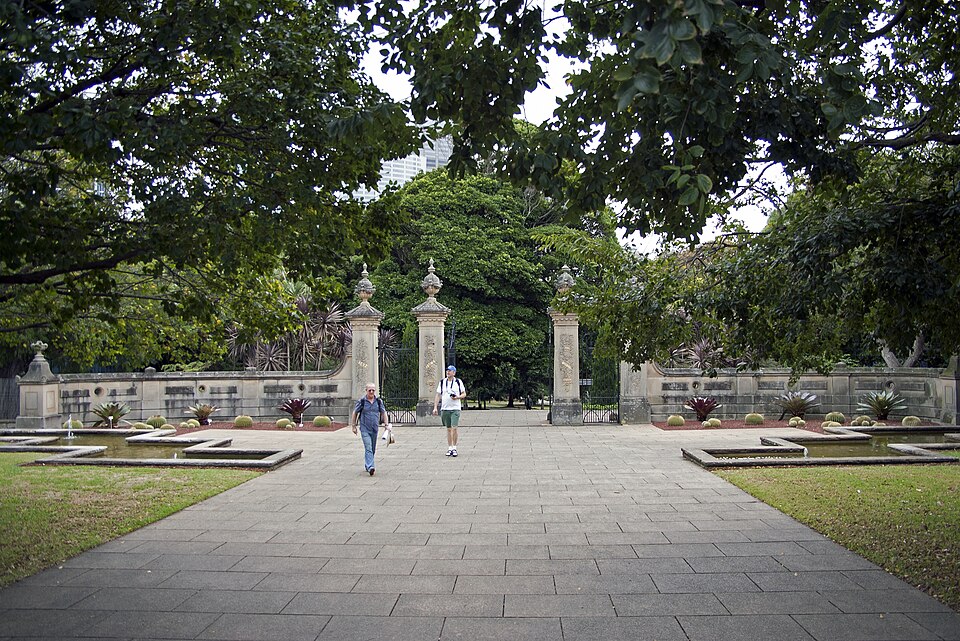
Thirty hectares of gardens along the harbor right next to the Opera House, founded in 1816, with palms, fig trees, a collection of Australian plants and harbor views. At its edge is the Mrs Macquarie's Chair lookout, where legend says the governor's wife used to sit.

Tip: Entry is free, and the garden makes an ideal link between the Opera House and the art gallery. Mrs Macquarie's Chair is the best spot for a photo of the Opera House with the bridge behind it, especially at sunrise. Picnicking on the lawn is common. Cockatoos and waterbirds live in the garden. Spots for New Year's Eve fireworks viewing here get booked up.

Admission:
free
Time needed:
1.5–2 h
Taronga Zoo

Taronga Zoo

Mosman / North Shore

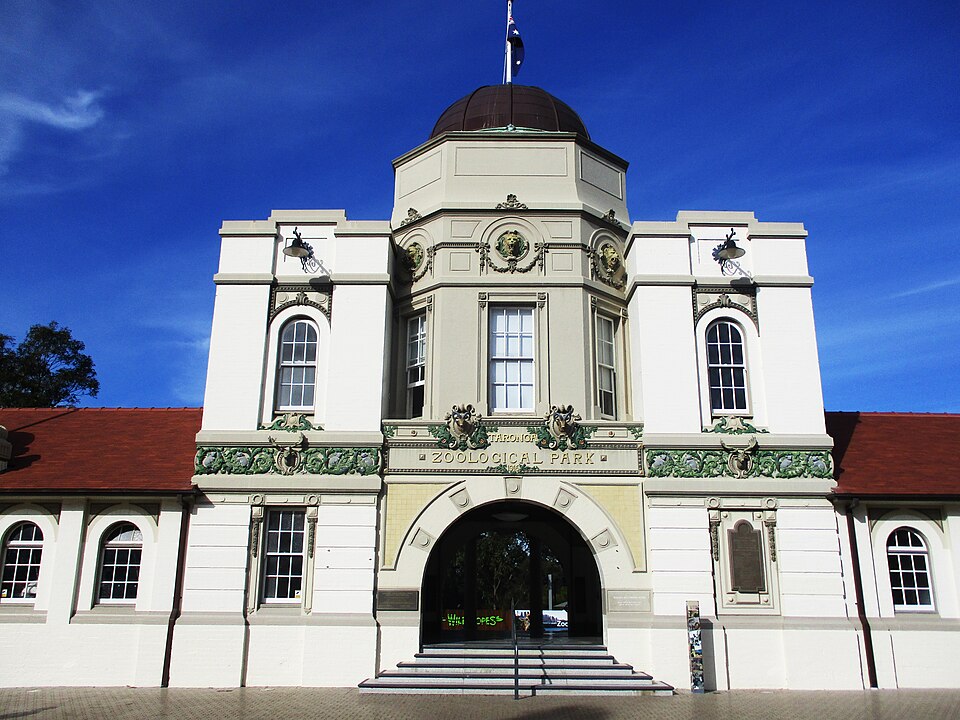
A zoo on a hillside above the harbor with, arguably, the best city skyline view of any zoo in the world. It houses more than four thousand animals, including koalas, kangaroos, platypuses and Tasmanian devils. A ferry runs here from Circular Quay.

Tip: Take the ferry from Circular Quay, then the Sky Safari cable car up to the entrance — walk the zoo downhill toward the wharf. A combined ticket with the ferry is better value. Koalas and other Australian animals are in the Australian Walkabout section. Bird and seal shows run several times a day. Tickets are cheaper booked online.

Admission:
from 50 AUD
Time needed:
3–4 h
Manly Ferry

Manly Ferry

Circular Quay – Manly

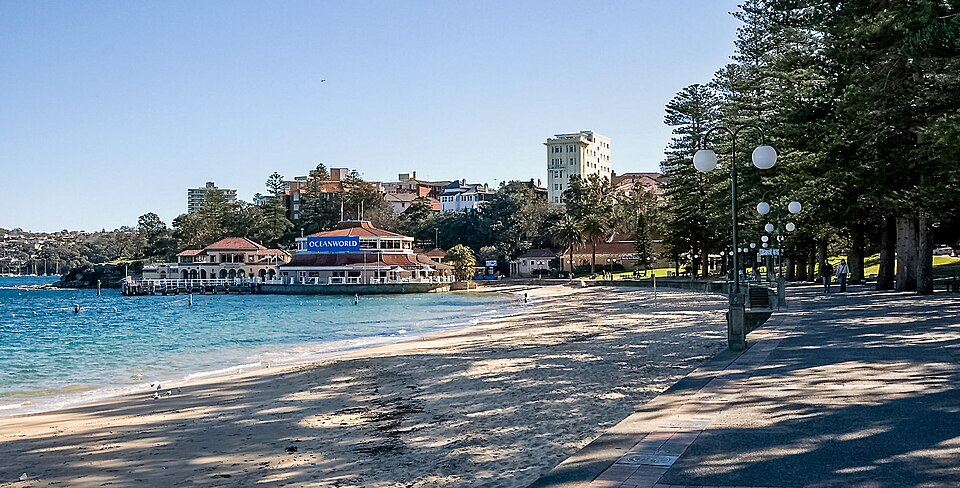
A half-hour ferry ride from Circular Quay across the whole harbor, past the Opera House, the North Head cliffs and coves, to the seaside suburb of Manly. Manly has an ocean beach popular with surfers, a calm harbor beach, and a pine-lined promenade. One of the most scenic ferry rides in the world.

Tip: Sit on the right side at the back of the boat on the way there — the view of the Opera House and bridge is best from that side. The ferry is part of the city transport network, costing the same as a bus with an Opal or contactless card, and fares are discounted on Sundays. In Manly, walk ten minutes to Shelly Beach cove, good for snorkeling among fish.

Admission:
from 8 AUD (Opal)
Time needed:
half day
Art Gallery of New South Wales

Art Gallery of New South Wales

Art Gallery of NSW

The Domain

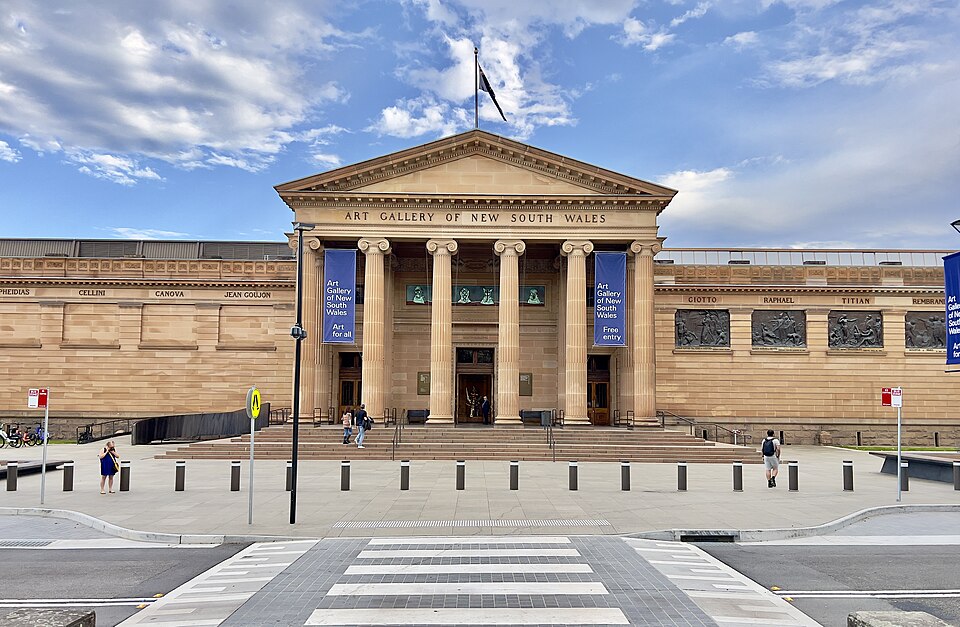
Sydney's main art gallery, spanning Australian art from colonial landscapes to the present, along with the largest collection of Aboriginal art, plus Asian and European works. In 2022 it opened the new Sydney Modern building on the harbor's edge, with galleries in a former underground fuel tank.

Tip: Entry to the permanent collections is free. The Yiribana Aboriginal art gallery is the best place in Sydney to understand Aboriginal culture. Light installations fill the former underground Tank space in the new building. Open until ten on Wednesdays with special programming. The gallery sits at the edge of the Botanic Garden.

Admission:
free, exhibitions ticketed
Time needed:
2–3 h
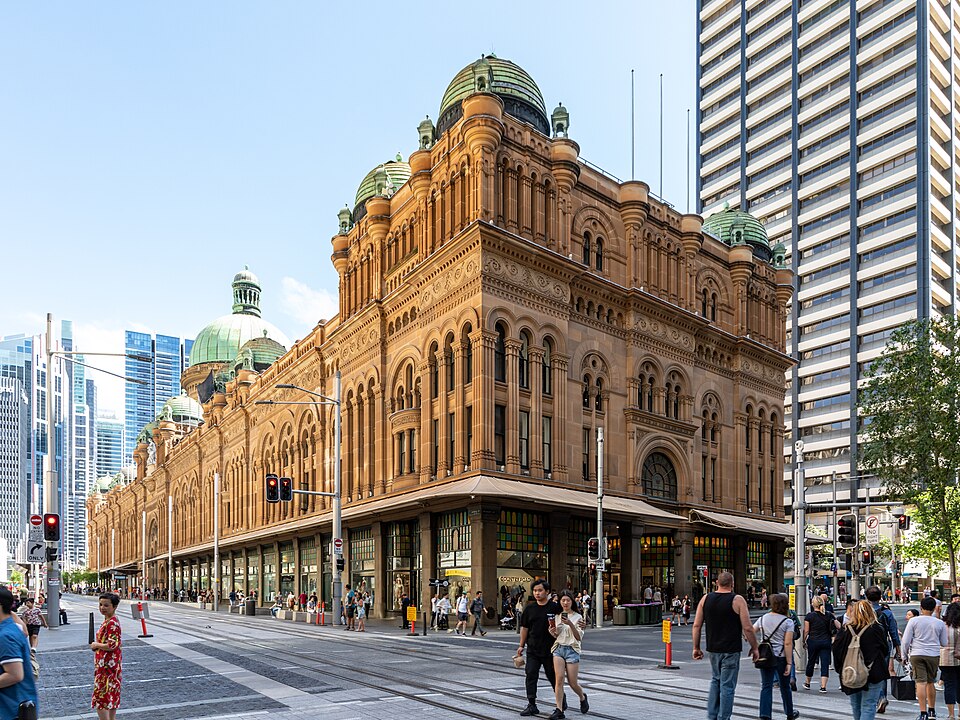
Queen Victoria Building

Queen Victoria Building

QVB

CBD

An 1898 Romanesque-style shopping arcade with copper domes, stained glass and mosaic floors, occupying a whole city block. Pierre Cardin called it the most beautiful shopping center in the world. Inside are shops, cafés and two giant mechanical clocks.

Tip: Even if you're not shopping, walk the floors for the architecture. The Royal Clock plays scenes from British history every hour. The Tea Room on the top floor is an elegant spot for afternoon tea. Underground passages connect to Town Hall station and other shopping centers, handy in the rain.

Admission:
free
Time needed:
45 min

Photos: Sydney Opera House — Bernard Spragg. NZ from Christchurch, New Zealand (CC0) · Harbour Bridge — Servite et contribuere (CC0) · Bondi and the coastal walk to Coogee — Nick Ang (CC BY-SA 4.0) · The Rocks — Dietmar Rabich (CC BY-SA 4.0) · Royal Botanic Garden Sydney — Bidgee (CC BY-SA 3.0 au) · Taronga Zoo — Coekon (CC BY-SA 4.0) · Manly Ferry — File:2007-08-04 Manly, New South Wales.jpg: Maksym Kozlenko derivative work: Georgfotoart (CC BY-SA 4.0) · Art Gallery of New South Wales — Chris Olszewski (CC BY-SA 4.0) · Queen Victoria Building — Dietmar Rabich (CC BY-SA 4.0)

Where to stay

Areas and districts, matched to the kind of trip you are taking

Circular Quay and The Rocks

Best for: first-time visitors, views

The heart of Sydney, by the Opera House and the bridge, where all the ferries depart. Hotels with harbor views, historic pubs and restaurants. Everything essential is within walking distance. The priciest part of the city and touristy in the evenings, but unbeatable for a first visit.

Surry Hills and Darlinghurst

Best for: food, cafés, nightlife

Former working-class neighborhoods of Victorian terraces, now home to the city's best food scene, with cafés, restaurants and bars. Boutique hotels and apartments, a fifteen-minute walk from the center. Oxford Street is the hub of the gay scene and nightlife.

Bondi and Coogee

Best for: beach, surfing, younger travelers

Eastern beach suburbs with hostels, apartments and hotels by the sea, plus cafés and brunch spots. Surfing in the morning, ocean-view bars in the evening. It's forty minutes to the city by bus or train with a transfer, which is the main drawback.

Darling Harbour and the CBD

Best for: families, business trips

A modern waterfront district with an aquarium, museum, restaurants and large hotels, next to the CBD business district. Practical and well connected, with plenty for kids. Less atmosphere than The Rocks or Surry Hills.

Getting around

From the airport

From Prague, flights to Sydney require two stops, or one long layover via Dubai, Doha, Singapore or Abu Dhabi; the whole journey takes twenty-two to twenty-eight hours. Travelers need an eVisitor, an electronic authorization processed free online via the app or the Australian immigration department's website, valid for stays of up to three months. Kingsford Smith Airport lies nine kilometers from the city center. From Sydney, domestic flights connect onward around Australia — Melbourne in an hour and a half, Cairns in three hours. Jet lag is significant, with a ten-hour time difference, so it's best not to plan anything demanding for the first couple of days.

Sydney Kingsford Smith (SYD) · 9 km

  • Airport Link train to Central and Circular Quay· 15–20 min· 20 AUD
  • Bus 420 plus a transfer· 45 min· 5 AUD
  • Taxi / Uber to the city· 20–40 min· 50 AUD

Around town

Sydney has excellent public transport — trains, metro, light rail, buses and ferries — paid for with an Opal card or directly with a contactless card or phone tapped on the reader. The daily fare cap is roughly seventeen dollars, and under ten on Sundays, making Sunday a good day for ferry-hopping around the harbor. Ferries from Circular Quay are the best transport and the best sightseeing in one: to Manly, Taronga Zoo, Watsons Bay and up the Parramatta River. The city center is walkable. Taxis and Uber are pricier. Buses run to the eastern beaches; for Bondi, take the train to Bondi Junction and then a bus.

Opal / contactless cardTrains, metro, buses, ferries; daily cap, cheaper on Sundays. · 4 AUD
FerriesFrom Circular Quay to Manly, Taronga and Watsons Bay. · 8 AUD
Light railFrom Circular Quay through the city to Randwick. · 4 AUD
Uber / taxiMore expensive; around 50 AUD to the airport. · 15 AUD

Useful apps: Opal Travel, TripView, Uber, Google Maps, Beachsafe

When to go

Sydney has a mild subtropical climate with reversed seasons compared to the Northern Hemisphere. Summer, from December to February, is warm at around twenty-five degrees, occasionally with heatwaves over forty, and brings the best swimming and biggest buzz — Christmas is celebrated on the beach, and New Year's Eve fireworks light up the bridge. Hotels are priciest then. The most pleasant seasons are autumn, from March to May, and spring, from September to November, with warmth around twenty degrees, fewer crowds and lower prices. Winter, from June to August, is mild at around seventeen degrees during the day, sunny, too cold for swimming but ideal for walking; whales pass along the coast from June to November. May and June bring the Vivid light festival with projections on the Opera House.

Best time

September–November, March–May

What to avoid

Christmas and New Year unless you're going specifically for them, due to high prices

MonthJanFebMarAprMayJunJulAugSepOctNovDec
Day26°26°25°23°20°18°17°19°21°23°24°25°
Night19°19°18°15°12°9°8°9°11°14°16°18°
Rainy days8910888766888
Sea23°24°23°22°20°19°18°17°18°19°21°22°

Food & drink

Sydney is one of the best food cities in the Asia-Pacific region — its cuisine blends British roots, Mediterranean immigration and, above all, Asian influences from Thai to Vietnamese and Korean. Seafood is excellent: the Sydney Fish Market is the second-largest of its kind in the world, and Sydney Rock oysters are eaten fresh. Café culture is an obsession — the flat white was invented here — and weekend brunch is a ritual. The best restaurants are in Surry Hills, Darlinghurst and Newtown, with cheap Asian food in Haymarket and Chinatown. Prices are high: coffee costs five to six dollars, lunch twenty to thirty, and dinner at a restaurant fifty to one hundred per person. Many restaurants are BYO — you can bring your own wine for a small corkage fee. Weekends and public holidays often carry a surcharge.

What to try

Flat white

Espresso with silky microfoamed milk, an Australian invention and the backbone of the local café culture. Coffee here is exceptionally good even in small towns, and chains are rarely used.

Meat pie

A small pie filled with beef in thick gravy, the national fast food. Bought at a bakery or petrol station and eaten with tomato sauce straight from the hand.

Fish and chips

Battered fish with fries, bought at a harborside shop and eaten straight from the paper on the pier. Ask for tartare sauce on the side, and watch out for the seagulls — they're bold.

Australian prawns

Large prawns from Moreton Bay or Queensland, sold cooked and chilled by the kilogram at seafood shops. Bought for a beach picnic rather than a restaurant order.

Barramundi

An Australian sea perch with firm white flesh, usually grilled as a fillet with lemon. The most common fish on Queensland menus and a reliable choice even at a casual pub.

Pavlova

A meringue cake topped with whipped cream and fresh fruit, usually passionfruit and strawberries. The subject of an endless dispute with New Zealand over who invented it.

Sydney rock oysters

Grown in rivers north and south of the city, these oysters are smaller and saltier than Pacific oysters and a point of local pride. Freshest at the Sydney Fish Market, eaten outdoors on the pier with a squeeze of lemon.

Smashed avo

Mashed avocado on toast with feta, lemon and a soft-boiled egg, an icon of Sydney brunch. It costs around twenty dollars and has become a symbol of the generation supposedly unable to afford a home because of it.

What it costs

Flat white

5–6 AUD

Meat pie from a bakery

6–9 AUD

Café lunch

20–30 AUD

Restaurant dinner

50–100 AUD

Beer at a pub (schooner)

10–14 AUD

Ferry to Manly

from 8 AUD

Entry to Taronga Zoo

from 50 AUD

Night at a 3-star hotel for two

200–350 AUD

Indicative prices that change over time — treat them as a guide, not a price list.

Practical information

SocketsIAustralian, angled pins
Voltage230V / 50Hz
Tap waterTap water is drinkable — Tap water is safe to drink across Australia and ranks among the best quality in the world; buying bottled water is a waste of money. Public spaces, beaches and national parks have taps marked 'drinking water' where you can refill a bottle for free. The only exception is remote farms and campgrounds, where water comes from a rainwater tank and is usually marked 'non-potable'.
TippingTipping isn't customary in Australia, since the legal minimum wage is high and service is included in the price. At restaurants, rounding up happens only when service was genuinely excellent, with around ten percent typical at nicer places. At cafés, bars and in taxis, no one expects anything. Watch for a weekend or public-holiday surcharge, usually ten to fifteen percent, which is always listed on the menu.
Driving on theleft
SafetyAustralian cities are safe, and walking at night is not a concern, except for reasonable caution in nightlife districts on Friday and Saturday after midnight. The real risks are natural: a UV index over ten in summer, which can burn skin in fifteen minutes even under cloud, and rip currents at ocean beaches — swim only between the red-and-yellow flags where lifeguards are on duty. On coastal walks, don't lean over cliff edges. Travelers from abroad generally have no reciprocal healthcare agreement with Australia, and treatment is very expensive, so travel insurance is essential. The emergency number is 000.
Opening hoursCity shops are open from nine to five or six, until nine on Thursdays, and from ten to four on Sundays. Coles and Woolworths supermarkets stay open until ten at night. Cafés open at seven and close by mid-afternoon around three — Australians eat breakfast out, but going for coffee after lunch isn't really a thing. Restaurants serve dinner from six until nine or ten. Weekends and public holidays often carry a ten to fifteen percent surcharge.
Customs & etiquetteAustralians are informal and quick to use first names — addressing a doctor or official by their first name is normal. Queuing is taken seriously, and jumping the line is one of the few things that draws a public reaction. At a bar, you order and pay at the counter, not at the end of the evening. Smoking is banned on most public beaches and all restaurant terraces. At national park entrances and public events, you'll hear a 'Welcome to Country,' which honors the traditional custodians of the land; it's customary to listen quietly.
A few local wordsHello — G'dayThank you — Thanks / TaHow much does it cost? — How much is it?The bill, please — Can I get the bill, please?Cheers — Cheers

How to plan your days

1 day

Sydney in one day

  1. 1Morning at the Botanic Garden and Mrs Macquarie's Chair for the Opera House view.
  2. 2Tour the Opera House or grab a coffee at the Opera Bar.
  3. 3Explore The Rocks and walk across the Harbour Bridge.
  4. 4Take an afternoon ferry to Manly and back at sunset.
  5. 5Evening dinner in Surry Hills.

2 days

Two days in Sydney

  1. 1Day 1: Opera House, Botanic Garden, The Rocks, Harbour Bridge.
  2. 2Day 1 evening: Circular Quay and dinner with a view.
  3. 3Day 2: coastal walk from Bondi to Coogee.
  4. 4Day 2 afternoon: Art Gallery of NSW and QVB.
  5. 5Day 2 evening: Darling Harbour or Surry Hills.

3 days

Three days with the Blue Mountains

  1. 1Day 1: Opera House, the bridge and The Rocks.
  2. 2Day 2: Bondi and the coastal walk, evening in Surry Hills.
  3. 3Day 3: train to the Blue Mountains for the Three Sisters.
  4. 4Day 3 alternative: ferry to Manly and Taronga Zoo.
  5. 5Day 3 evening: return and dinner at Circular Quay.

Day trips

Blue Mountains

100 km · 2 h by train

A sandstone plateau cut by deep valleys covered in eucalyptus forest, whose oils create the bluish haze that gives the mountains their name. The symbol is the Three Sisters rock formation near Katoomba. Scenic World runs the steepest cable railway in the world and a cable car over the valley. The train from Central to Katoomba takes two hours and costs a few dollars with an Opal card. Bring water for hikes — the valleys are cool.

Hunter Valley

160 km · 2 h 30 min by car

Australia's oldest wine region, with around a hundred wineries known for semillon and shiraz. Tastings at many wineries are free or come with a small fee. Trips are usually organized so no one has to drive. The region also has excellent restaurants and cheese producers. It's a long trip for a single day — staying overnight is a better option.

Royal National Park

35 km · 1 h by train

The world's second-oldest national park, established in 1879, south of the city, with coastal cliffs, beaches, forests and waterfalls. The Coast Track is a two-day hike, but short sections can be done in a day. The best-known features are the Wedding Cake Rock formation and the Figure 8 Pools, accessible only at low tide. Take the train to Otford or Cronulla, then a ferry to Bundeena.

Frequently asked questions

Do I need a visa for Australia?+

Travelers need an eVisitor (subclass 651), a free electronic travel authorization processed online via the Australian immigration department's website or app. It's valid for a year and allows stays of up to three months per entry. Processing usually takes a few days, so apply well in advance.

How many days for Sydney?+

Three to four days for the city itself, with the beach, the harbor and one trip to the Blue Mountains. Add Hunter Valley and Royal National Park for five to six days. Sydney is often the start or end of a longer Australia trip, which is worth planning for at least three weeks given the long flight.

Is Sydney expensive?+

Yes, it's among the most expensive cities in the world, especially for accommodation and restaurants. Transport is reasonable thanks to the daily fare cap and cheap on Sundays. A lot is free — beaches, coastal walks, the Botanic Garden, galleries and walking across the bridge. You'll save by eating at Asian food courts and shopping at supermarkets.

Where can you swim in Sydney?+

At the ocean beaches — Bondi, Coogee, Bronte and Manly — only between the red-and-yellow flags, where lifeguards are on duty; rip currents are dangerous. Calmer options are harbor beaches like Shelly Beach in Manly or Balmoral. The ocean pools carved into the cliffs, such as Bondi Icebergs and Bronte, are safe and excellent.

When is New Year's Eve in Sydney?+

The fireworks over the Harbour Bridge go off at midnight on 31 December, with an earlier, family-friendly show at 9 pm. The best harborside spots fill up from the morning, and some, including parts of the Botanic Garden, charge entry. Hotels with a view sell out a year ahead. It's one of the first major fireworks displays in the world each year.

Are there dangerous animals in Sydney?+

Barely, within the city itself. Spiders such as the Sydney funnel-web are rare, and antivenom exists. Sharks are uncommon near the beaches, which have nets and patrols. The real risks are the sea itself — currents and waves — and the sun, with a UV index over ten. Bluebottle jellyfish give a painful sting in summer.

How does transport work in Sydney?+

Trains, the metro, buses, light rail and ferries are all paid for with an Opal card or a contactless card tapped on the reader when boarding and alighting. The daily cap is around seventeen dollars, the weekly around fifty, and Sunday fares are very low, making Sunday the day for ferry trips around the harbor. The TripView app shows departures.

When is the best time to visit Sydney?+

Spring, from September to November, and autumn, from March to May — warm, fewer crowds and lower prices. Summer, from December to February, is best for the beach but expensive and crowded. Winter, from June to August, is mild and sunny, too cold for swimming, but brings the Vivid light festival and whale watching offshore.

Arrival Card

Fill in the required arrival card before your trip to avoid delays at immigration.

Complete Arrival Card

Visa Requirements

Check the latest visa requirements for entering this country. Some nationalities may need to apply for a visa or e-visa before travel.

Check visa requirements

Language

English

Currency

AUD

Timezone

GMT+11

Dial Code

+61

Population

26.4M

Area

7,692,024 km²

Voltage

230V / 50Hz

Driving Side

Left

Top Hotels in Sydney

Live prices from 500+ properties

Loading hotels...

Planning a trip to Sydney?

Compare hundreds of hotels, find the best price, and book with free cancellation on TravelManiac.