Hotels in Cairo

Pyramids on the edge of a city of twenty million, a thousand minarets and the Nile running through it all

Cairo

LanguageEnglish
CurrencyEGP
TimezoneGMT+2
Temperature18-38 °C
Dial Code+20
Population104M
Area1,001,450 km²
SocketsType C / Type F
Tap waterNot drinkable

Discover Cairo

Cairo is the largest city in the Arab world and in Africa, with over 20 million people packed into the Nile Valley where the river fans out into its delta. On the western edge, where the buildings of Giza give way to desert, stands the only surviving wonder of the ancient world — the Great Pyramid of Pharaoh Khufu, 4,500 years old. Since 2025, the Grand Egyptian Museum has stood nearby, holding the complete treasure of Tutankhamun. Across the Nile lies Islamic Cairo, a UNESCO World Heritage Site: medieval mosques, madrasas, caravanserais and the Khan el-Khalili bazaar, overlooked by the Citadel of Saladin. To the south is the Coptic quarter, with churches older than Islam itself in Egypt. Cairo is loud, dusty, chaotic in traffic and exhausting, but also welcoming and cheap. Two or 3-days are enough for the main sights, and it combines well with time on the Red Sea coast — an hour by air from Hurghada, six by bus.

What to see

The places worth your time in Cairo, and what to expect at each

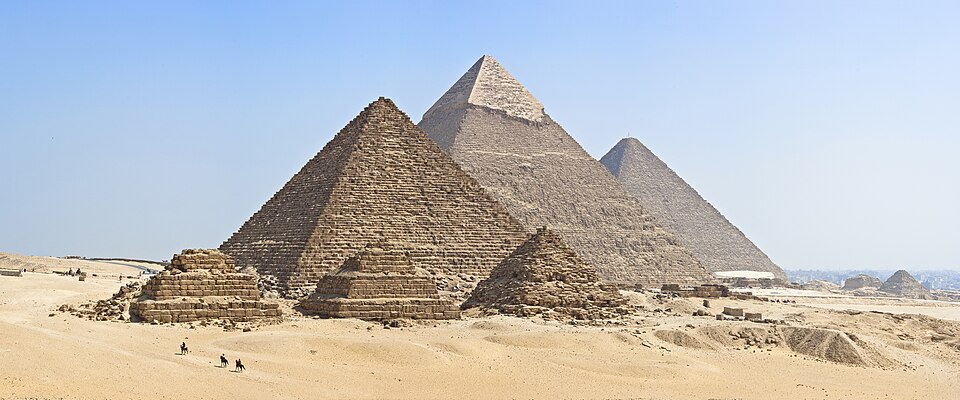
Pyramids of Giza and the Sphinx

Pyramids of Giza and the Sphinx

أهرامات الجيزة

Giza

The three great pyramids of pharaohs Khufu, Khafre and Menkaure of the Fourth Dynasty, built around 2,500 BCE, together with smaller queens' pyramids, mortuary temples and the Great Sphinx, carved from the limestone bedrock. Khufu's pyramid was the tallest structure on earth for almost four 1000-years.

Tip: Be at the gate by 7am, before the tour buses arrive and the sun climbs; from eleven onwards it's hot and crowded. The entrance by the Sphinx is closer to the Giza hotels, while the main entrance near Mena House has more parking space. The site is large, and a shuttle bus runs between the pyramids and the Panorama viewpoint for an extra fee — walking isn't recommended in summer. Entry inside the Great Pyramid is a separate ticket, leading through a narrow, steep tunnel to an otherwise empty burial chamber. Agree the price with camel and horse handlers up front, for the whole ride including the dismount.

Admission:
from EGP 700, interior of the Great Pyramid extra
Time needed:
3–4 h
Grand Egyptian Museum

Grand Egyptian Museum

المتحف المصري الكبير

Giza

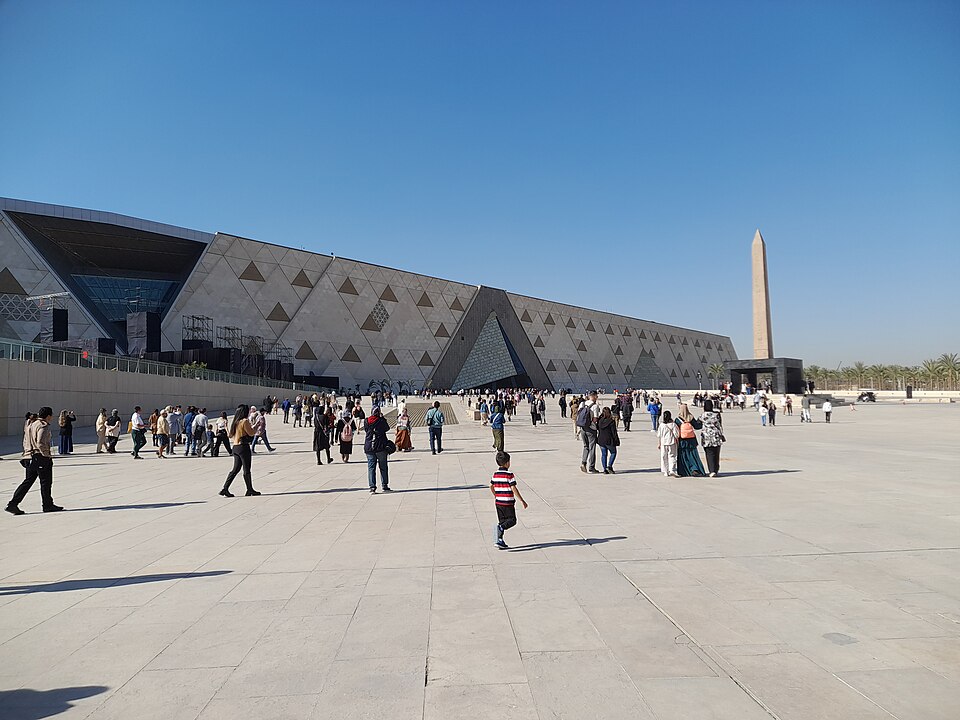
The world's largest archaeological museum devoted to a single civilisation, fully opened in November 2025, 2-kilometres from the pyramids. Under one roof it displays over 50,000 objects, including the complete treasure of Tutankhamun — the golden mask, three coffins, chariots and throne. An 11-metre statue of Ramesses II watches over the entrance hall.

Tip: Allow 2-hours for the Tutankhamun galleries and another two for the rest; book tickets online for a specific time slot, as they sell out in season. The grand staircase, lined with royal statues, has a window at the top framing the pyramids directly — the best shot in the whole museum. It's better to split the pyramids and the museum across two separate days, or you'll be too worn out to take anything in by the end.

Admission:
around EGP 1,200
Time needed:
3–4 h
Egyptian Museum, Tahrir Square

Egyptian Museum, Tahrir Square

المتحف المصري

Downtown

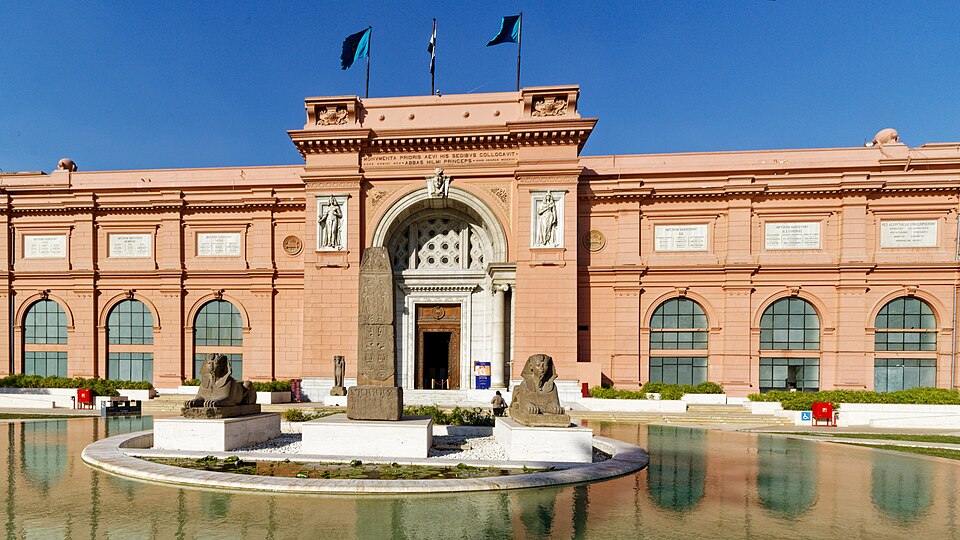
A pink building from 1902 on Tahrir Square that served for a century as Egypt's main repository of antiquities. Tutankhamun has moved to Giza, but tens of thousands of objects remain, from Old Kingdom statues to the gold jewellery of Tanis — a pharaonic treasure far less well known.

Tip: The museum is crowded, the labels are old and some rooms feel dusty — and that's exactly part of the charm. The gold from the tombs at Tanis on the first floor is just as stunning as Tutankhamun's and usually draws no crowd at all. The royal mummies are no longer here; they moved in 2021 to the National Museum of Egyptian Civilization in Fustat. 2-hours is enough for a visit, ideally in the morning.

Admission:
around EGP 550
Time needed:
2 h
Khan el-Khalili Bazaar

Khan el-Khalili Bazaar

خان الخليلي

Islamic Cairo

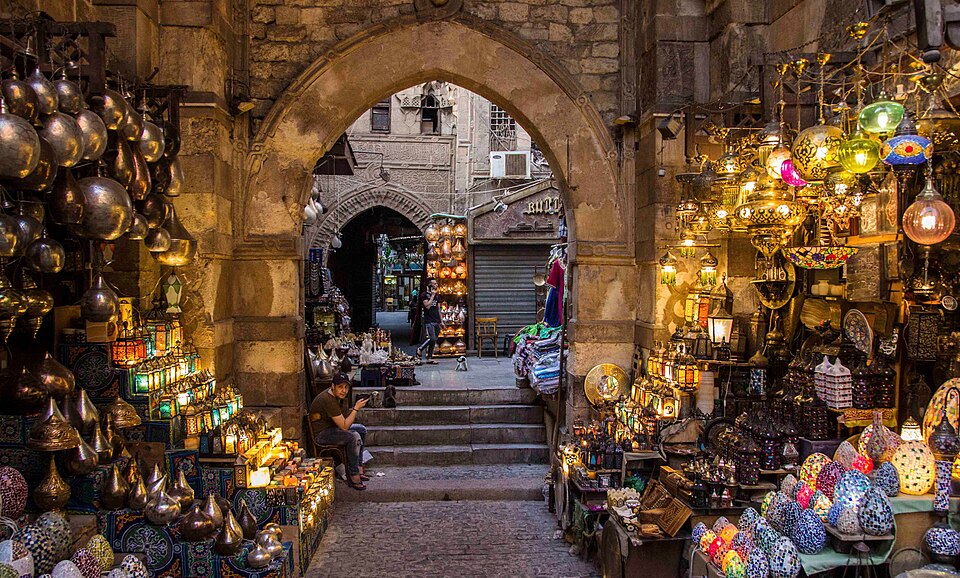
A maze of alleyways in the medieval bazaar, trading in spices, brass lamps, jewellery, perfume and fabrics since the fourteenth century. At the El Fishawy café, open continuously for over two 100-years, patrons sip mint tea and smoke shisha beneath gilded mirrors.

Tip: Best in the late afternoon and evening, when it cools down and the bazaar fills with locals. Opening prices start at triple the real value; if you don't intend to buy, don't ask the price. For lamps and brassware, it's worth heading into the side alleys behind the main street, where craftsmen work and prices are lower. Pair it with a walk along Al-Muizz Street, which runs out from the bazaar.

Admission:
free
Time needed:
2–3 h
Al-Muizz Street

Al-Muizz Street

شارع المعز

Islamic Cairo

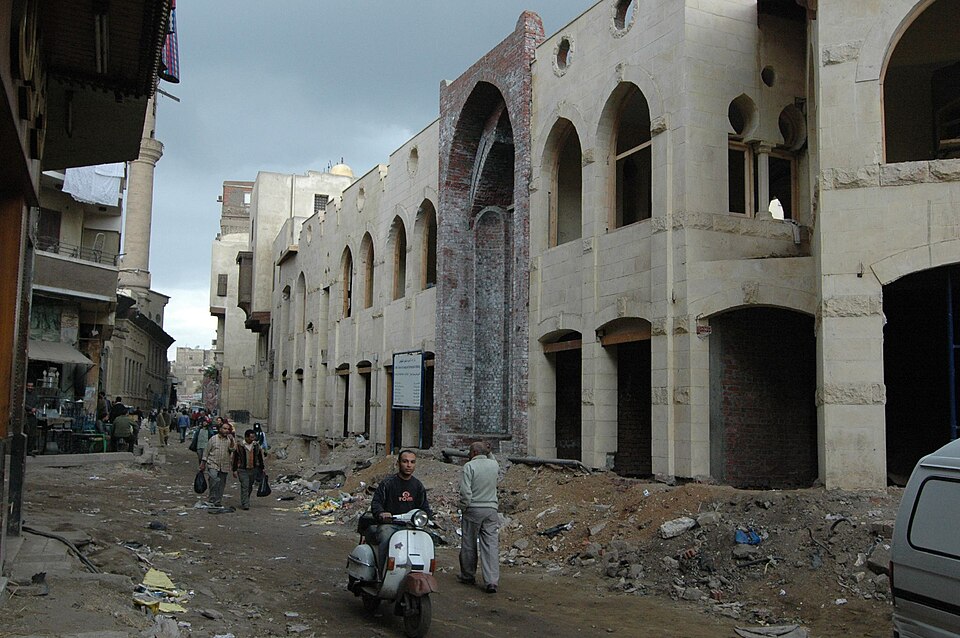
A kilometre-long main thoroughfare of Fatimid Cairo, running between the Bab al-Futuh and Bab Zuweila gates, lined with mosques, madrasas, mausoleums, public fountains and palaces from the tenth to nineteenth centuries. It's the largest surviving collection of medieval Islamic architecture in the world, and most of it is pedestrianised.

Tip: Walk from north to south, starting at the Bab al-Futuh gate — the key sites are the Sultan Qalawun complex with its hospital and mausoleum, and the Bayt al-Suhaymi house with its courtyard and wooden mashrabiya screens. A single ticket covers several sites, bought at the Qalawun complex. In the evening the street is lit up and full of families. The minaret at the Bab Zuweila gate can be climbed for the best view over old Cairo's minarets.

Admission:
street free, monuments around EGP 220
Time needed:
2 h
Citadel and Mosque of Muhammad Ali

Citadel and Mosque of Muhammad Ali

قلعة صلاح الدين

Mokattam

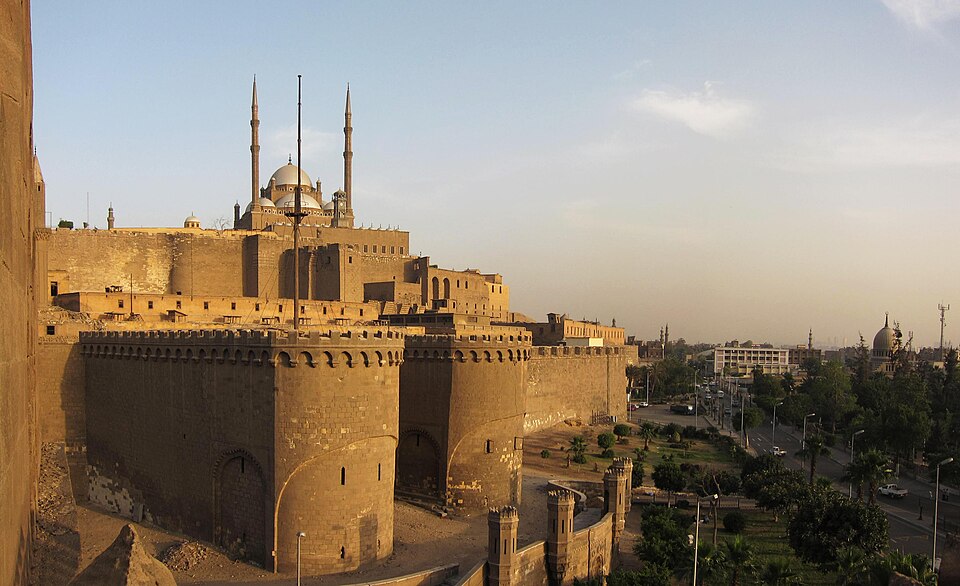
A fortress built on a spur of the Mokattam hill by Sultan Saladin in the twelfth century, seat of Egypt's rulers for seven 100-years. It's dominated by the nineteenth-century alabaster Mosque of Muhammad Ali, with its Ottoman domes and slender minarets, visible from across the city.

Tip: From the terrace behind the mosque, on a clear day, you can see across the whole of Cairo to the pyramids — best in winter after rain, since summer smog blocks the view. The complex also holds the older Al-Nasir Muhammad mosque and a military museum; 2-hours covers everything. Don't walk here from the bazaar — it's uphill along busy roads — take an Uber instead.

Admission:
around EGP 550
Time needed:
2 h
Al-Azhar Mosque

Al-Azhar Mosque

الجامع الأزهر

Islamic Cairo

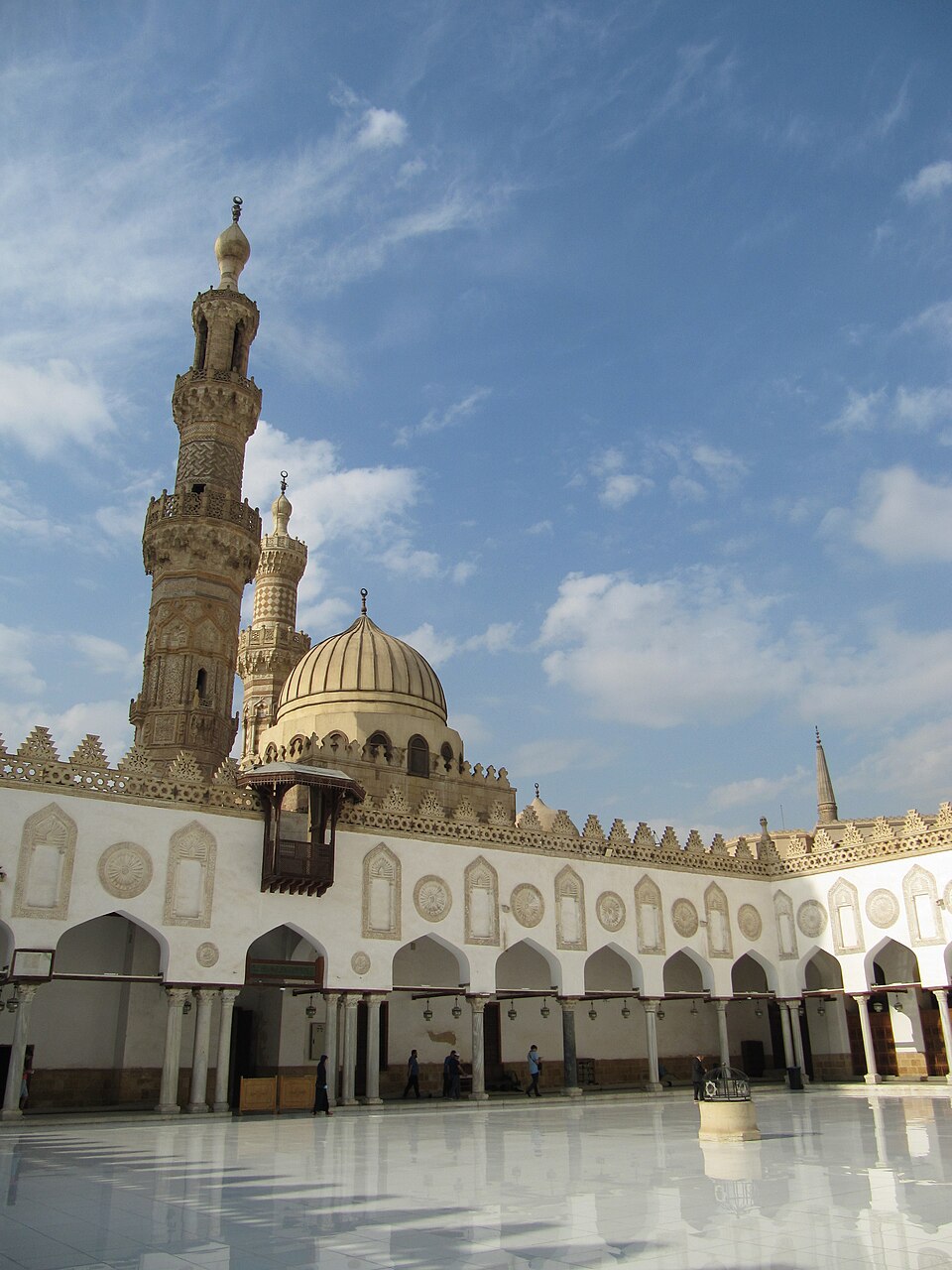
Founded in 970, just a year after Cairo itself, this mosque is home to one of the world's oldest still-functioning universities and remains the leading authority in Sunni Islam. A marble courtyard is ringed by arcades, five minarets from different centuries, and a prayer hall filled with a forest of columns.

Tip: Entry is free, just avoid visiting during prayer times or on Friday at midday. Women are given a free robe and headscarf at the entrance, and shoes are left there too. Right across the road, through an underpass, the bazaar begins. A kilometre to the east lies Al-Azhar Park, the only large green space in the centre, with views of the Citadel and a café — the best spot for sunset in Islamic Cairo.

Admission:
free
Time needed:
45 min
Coptic Cairo

Coptic Cairo

مصر القديمة

Old Cairo

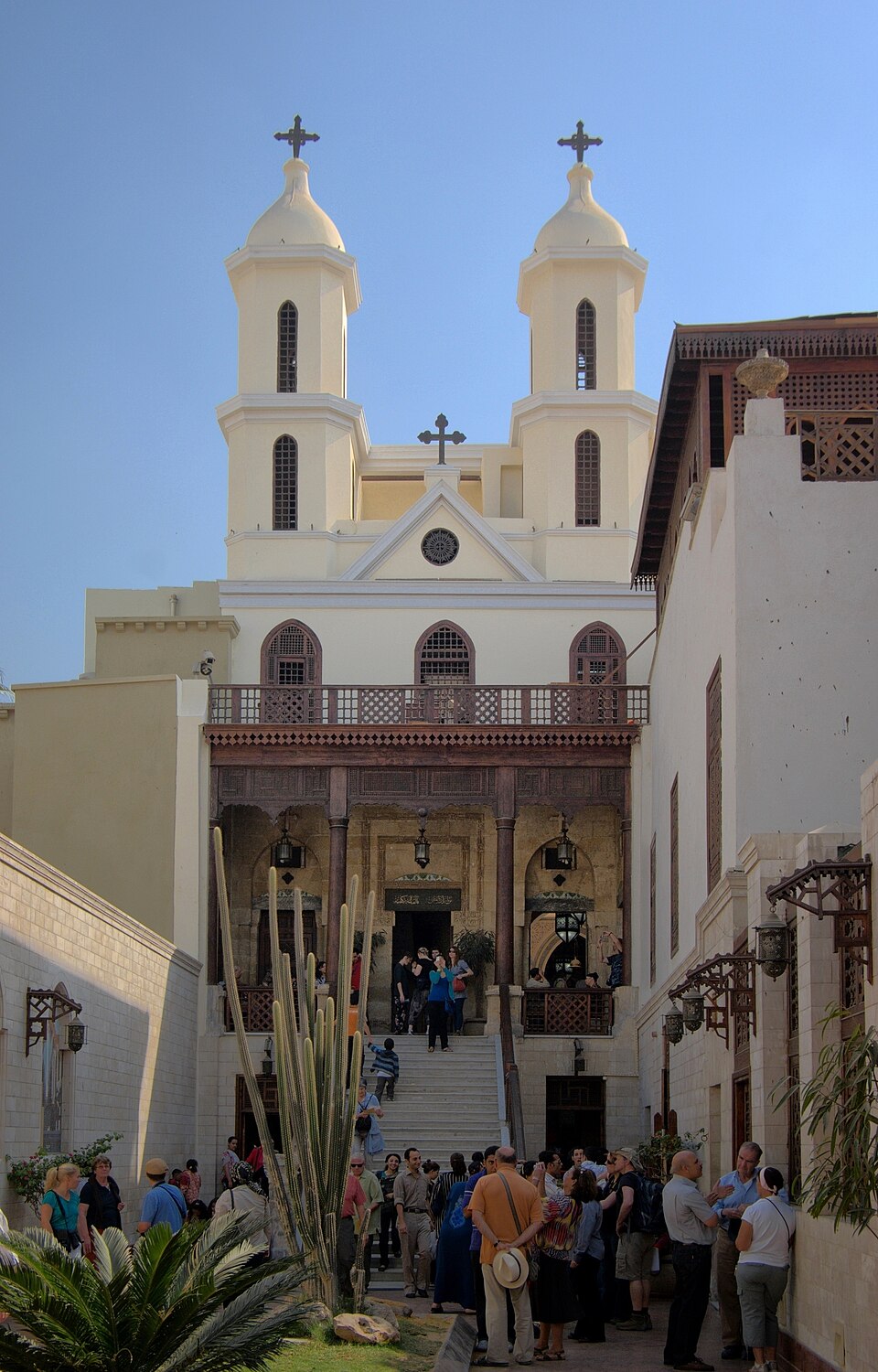
The oldest part of the city, around the Roman fortress of Babylon, where Coptic Christian churches from the fourth to ninth centuries survive, alongside the Ben Ezra Synagogue and the Coptic Museum. The Hanging Church, dedicated to the Virgin Mary, is built above the gate of the old Roman fortress.

Tip: The easiest way is metro line 1 to Mar Girgis station, which comes up right in front of the site. The churches are active places of worship; Sunday morning mass draws crowds that can disturb visitors, so a weekday morning is best. According to tradition, the Holy Family sheltered during their flight into Egypt in the crypt of the Church of St Sergius here. The Coptic Museum, with its icons and textiles, is excellent and rarely crowded.

Admission:
churches free, Coptic Museum around EGP 280
Time needed:
2 h
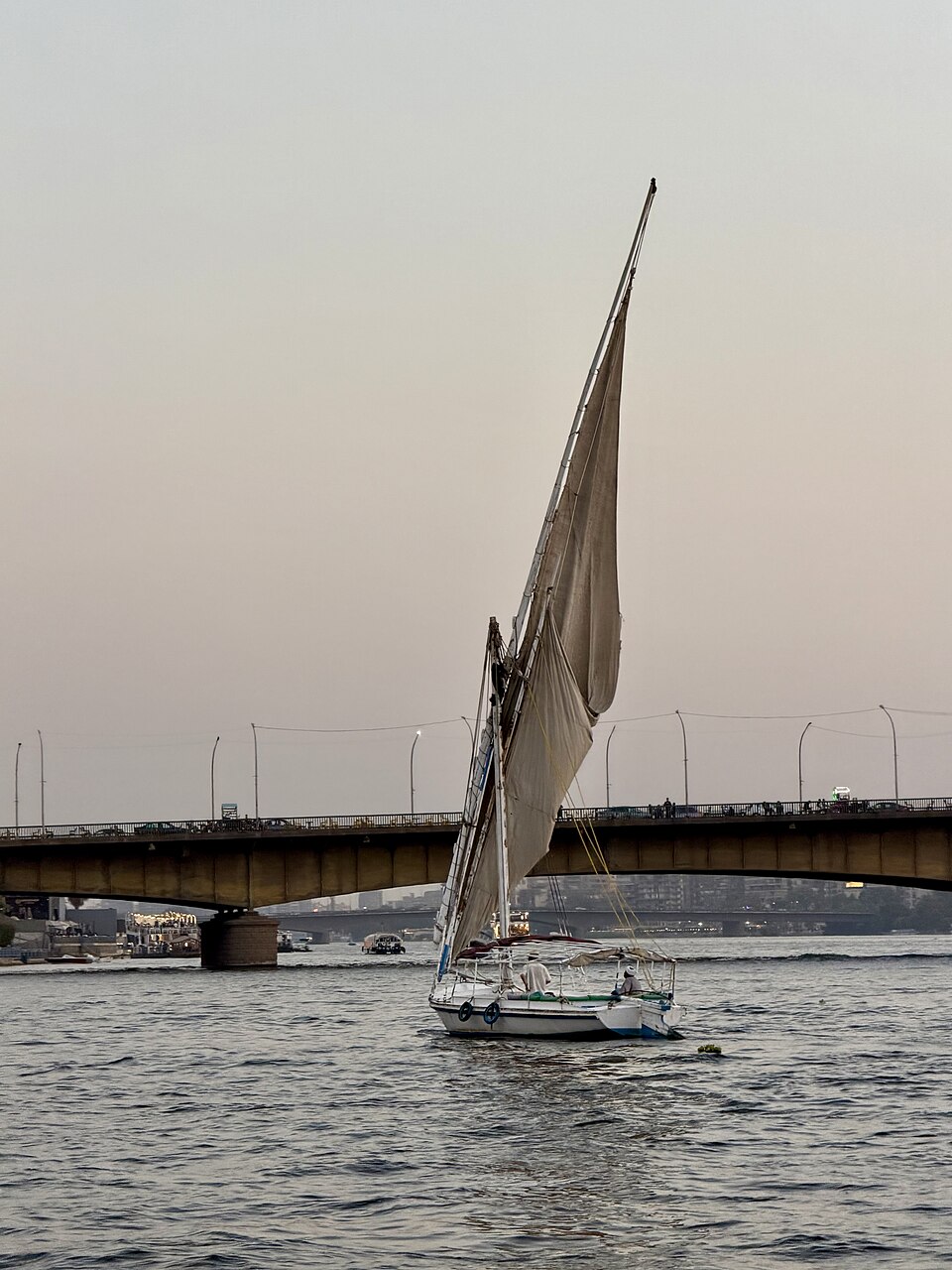
Felucca sailing on the Nile

Felucca sailing on the Nile

فلوكة

Garden City

The felucca, a traditional triangular-sailed boat, is the oldest way to move along the Nile, and in Cairo the best way to escape the noise for an hour. A sunset sail between Zamalek Island and Garden City shows the city from a different angle.

Tip: Feluccas moor along the Corniche in Garden City, opposite the Four Seasons hotel, and by the 6th of October Bridge. You pay for the boat, not per person, and the price is agreed in advance — an hour can usually be negotiated down to around EGP 500–800. It's loveliest in the final hour before sunset. Motorboats with loud music are cheaper, but it's a very different experience.

Admission:
around EGP 500 per boat
Time needed:
1 h

Photos: Pyramids of Giza and the Sphinx — KennyOMG (CC BY-SA 4.0) · Grand Egyptian Museum — Amr F.Nagy (Public domain) · Egyptian Museum, Tahrir Square — Holger Uwe Schmitt (CC BY-SA 4.0) · Khan el-Khalili Bazaar — Heba otefy (CC BY-SA 4.0) · Al-Muizz Street — Francesco Gasparetti from Senigallia, Italy (CC BY 2.0) · Citadel and Mosque of Muhammad Ali — Ahmed Al.Badawy from Cairo, Egypt (CC BY-SA 2.0) · Al-Azhar Mosque — Wildoo78 (CC BY-SA 4.0) · Coptic Cairo — Berthold Werner (CC BY-SA 3.0) · Felucca sailing on the Nile — Slyronit (CC BY-SA 4.0)

Where to stay

Areas and districts, matched to the kind of trip you are taking

Giza, by the pyramids

Best for: pyramids, museum, views

Hotels and guesthouses on the edge of the plateau, with terraces overlooking the pyramids and the evening light show. Closest to both the pyramids and the Grand Egyptian Museum, as well as Sphinx Airport. Everything else is an hour away by taxi through traffic, so it's best for just a night or two.

Zamalek

Best for: calm, restaurants, safety

An island on the Nile with embassies, tree-lined streets, galleries and the city's best cafés and restaurants. It's the calmest and most polished district in the centre, ideal for a longer stay. Downtown is 15-minutes away on foot over the bridge, and the pyramids 40-minutes to an hour by car.

Downtown and Garden City

Best for: cheap hotels, central location

A nineteenth-century European-style centre around Tahrir Square, with crumbling palaces, cheap hotels on the upper floors of old buildings, and luxury hotels along the Nile in Garden City. It's noisy, but everything is close: the Egyptian Museum, the metro and the bazaar are 10-minutes away by taxi.

New Cairo and Heliopolis

Best for: airport, modern hotels

Modern districts to the east, near the airport, with shopping malls and international hotel chains. Good for a night before a flight or for business trips. It's a long way from the main sights, with journeys into the centre taking an hour or more in traffic.

Getting around

From the airport

Flights to Cairo from major European cities typically connect through hubs such as Istanbul, Vienna, Athens or Doha, with some seasonal direct services also available; the direct flight time is under 4-hours. An Egyptian visa can be bought on arrival at a bank counter for US$25 in cash, or arranged online in advance. From Red Sea resorts, Cairo makes a popular day trip: an hour by air from Hurghada, 6-hours by bus. The newer Sphinx International Airport, west of the city near Giza, mainly serves low-cost and charter flights and sits closer to the pyramids.

Cairo International (CAI) · 22 km

  • Uber / Careem to Zamalek· 40–60 min· EGP 250
  • Official airport taxi· 40–60 min· EGP 500
  • Hotel transfer· 45 min· €25

Sphinx International (SPX) · 45 km

  • Uber to the Giza pyramids· 30 min· EGP 300
  • Uber to the city centre· 60–90 min· EGP 500

Around town

Cairo is vast, and outside Islamic Cairo and Downtown, walking gets you almost nowhere. Uber or Careem are the best options — cheap, with the price fixed upfront and no haggling; white street taxis have meters, but drivers like to "forget" them. The metro has three lines, is fast, cheap and bypasses the traffic, and the front carriage of every train is reserved for women. Line 1 runs to Coptic Cairo, line 2 to Giza (though not all the way to the pyramids), and line 3 to the airport. Traffic is at its worst between 2pm and 8pm, and on Thursday evenings. For the pyramids, it's worth hiring a car with a driver for the whole day, including Saqqara.

MetroThree lines, fare depends on number of stations, front carriage reserved for women. · EGP 8
Uber / CareemThe most practical way to get around, with the price shown upfront. · EGP 60
Car with driver for the dayThe pyramids, Saqqara, Dahshur. · €40
River taxi on the NileBetween Zamalek and Maspero, more of an experience than transport. · EGP 20

Useful apps: Uber, Careem, inDrive, Google Maps, Talabat

When to go

October to April is best, with daytime temperatures of 20–30°C, cool nights and near-constant sunshine. December and January are peak season, with the highest prices and the biggest crowds at the pyramids, and mornings can be chilly, around 10°C. March to May brings the khamsin, a hot desert wind carrying sand that shrouds the city in an orange haze for a day or two. Summer, from June to September, is hot, over 35°C, though Cairo stays dry, making it more bearable than the coast; sightseeing then is best done in the morning only. Ramadan changes the city's rhythm — quiet daytimes and shortened hours, but festive evenings.

Best time

October–April

What to avoid

July–August, for the heat

MonthJanFebMarAprMayJunJulAugSepOctNovDec
Day19°21°24°29°33°35°35°35°33°30°25°20°
Night9°10°12°15°18°21°22°22°21°18°14°10°
Rainy days111000000011

Food & drink

Egyptian cuisine is cheap, filling and largely vegetarian — beans, lentils, rice and bread form the base, since meat was long expensive. Koshary and ful are eaten in simple diners for a fraction of a hotel restaurant's prices, and taste better too. In Islamic Cairo, the best food is found in the alleys around the bazaar; Zamalek has the modern restaurants and cafés. Alcohol is sold only in hotels, some restaurants and Drinkies stores, and the local Stella and Sakara beers are light and decent. Fresh fruit juices from street stalls are excellent and cheap, but if you have a sensitive stomach, let them settle before drinking in summer. During Ramadan, meals happen after sunset, and the streets turn into one big feast.

What to try

Koshary

Rice, lentils, pasta and chickpeas with fried onion and tomato sauce — the national dish and the cheapest lunch in the country.

Ta'ameya

Egyptian falafel made with fava beans instead of chickpeas, fried until green inside, and eaten in a pocket of bread for breakfast.

Ful medames

Fava beans slow-cooked overnight in a copper pot, mashed with oil, cumin and lemon. Cairo's breakfast staple, sold from carts each morning stuffed into flatbread for a few pounds.

Molokhia

A thick green soup made from jute leaves and garlic, served with rice and chicken. Distinctive in flavour.

Karkade

An infusion of hibiscus flowers, served hot or cold. Egypt's most common soft drink.

Umm Ali

A warm dessert of flaky pastry baked in milk with nuts and raisins, Egypt's answer to bread pudding.

Hamam mahshi

Pigeon stuffed with spiced rice or cracked wheat and roasted golden. A festive dish, ordered in Cairo at specialist restaurants.

Feteer

Thin layered pastry cooked with butter until crisp and filled sweet or savoury. Sweet versions come with honey and cream, savoury ones with cheese and sausage.

What it costs

Ful or ta'ameya in bread

EGP 15–30

Koshary at a diner

EGP 50–100

Dinner at a restaurant

EGP 400–900

Stella beer at a restaurant

EGP 100–150

Uber across the centre

EGP 60–150

Entry to the Giza plateau

from EGP 700

Grand Egyptian Museum ticket

around EGP 1,200

Night in a 4-star hotel for two

€70–130

Indicative prices that change over time — treat them as a guide, not a price list.

Practical information

SocketsCEuroplug, two round pinsFSchuko
Voltage220V / 50Hz
Tap waterDo not drink tap water — Don't drink tap water or even use it to brush your teeth. Bottled water is very cheap and is usually included at all-inclusive resorts.
TippingA tip, called "baksheesh", is expected in Egypt for almost every service — porters, housekeeping, drivers. Keep small notes on you; ten to twenty pounds is usually enough.
Driving on theright
SafetyCairo is safer for tourists than it looks, with low rates of violent crime, and tourist police watch over the main sites. The real problem is scams: a "closed entrance" followed by an offer of a better route, camel handlers at the pyramids who demand US$10 to mount and US$100 to get back down, and "free" tours that end at a papyrus or perfume shop. Traffic is chaotic, and crossing a four-lane road is a skill in itself — cross alongside locals. The tourist police emergency number is 126.
Opening hoursThe weekend falls on Friday and Saturday; Friday morning is quiet, with shops opening after midday prayers. Shops generally run from ten until eleven at night, and the Khan el-Khalili bazaar until midnight. Sites open at eight or nine and close at five, with the Giza pyramids closing as early as 5pm. During Ramadan, working hours shorten, but the city comes alive after the iftar meal until dawn.
Customs & etiquetteSwimwear is fine within a resort, but dress modestly outside it — for women, shoulders and knees covered. Alcohol is barely sold outside hotels. Don't photograph local people without asking, and it's forbidden near military sites.
A few local wordsHello — As-salám alejkumThank you — ŠukranNo, thank you — Lá, šukranHow much does this cost? — Bikám?Too expensive — Gháli awi

How to plan your days

1 day

Cairo in 1-day

  1. 1Early morning at the Pyramids of Giza and the Sphinx.
  2. 2Late lunch in Giza with a pyramid view.
  3. 3Afternoon at the Grand Egyptian Museum with Tutankhamun's treasure.
  4. 4Evening at the Khan el-Khalili Bazaar and tea at El Fishawy café.

2 days

2-days of pharaohs and Islamic Cairo

  1. 1Day 1: Pyramids of Giza in the morning, Grand Egyptian Museum in the afternoon.
  2. 2Day 1 evening: felucca on the Nile and dinner in Zamalek.
  3. 3Day 2: the Citadel and Mosque of Muhammad Ali.
  4. 4Day 2 afternoon: Al-Azhar Mosque and Al-Muizz Street.
  5. 5Day 2 evening: Khan el-Khalili Bazaar.

3 days

3-days including Saqqara

  1. 1Day 1: Pyramids of Giza and the Grand Egyptian Museum.
  2. 2Day 2: Saqqara, Memphis and Dahshur with a driver.
  3. 3Day 2 evening: felucca on the Nile.
  4. 4Day 3: Coptic Cairo and the Egyptian Museum on Tahrir Square.
  5. 5Day 3 afternoon: the Citadel, Al-Azhar and the bazaar.

Day trips

Saqqara, Memphis and Dahshur

30 km · 45 min by car

The burial ground of the ancient capital, with the world's oldest pyramid — the Step Pyramid of King Djoser, from around 2,650 BCE. The tombs of nobles nearby hold the finest reliefs of the Old Kingdom. At Memphis lies the reclining colossus of Ramesses II, and at Dahshur, the Bent and Red Pyramids, the latter open to climb inside without queues. With a driver it's a pleasant half-day, and unlike at Giza, no one hassles you here.

Alexandria

220 km · 3 h by car or train

Egypt's second-largest city, on the Mediterranean coast, founded by Alexander the Great. Highlights include the modern Bibliotheca Alexandrina, the Roman catacombs of Kom el-Shoqafa, the Qaitbay Citadel on the site of the ancient lighthouse, and the long Corniche waterfront with its fish restaurants. Trains run from Ramses Station; a car with a driver for the whole day is more comfortable.

Fayoum and Wadi Al-Hitan

150 km · 2.5 h by car

An oasis around Lake Qarun and the UNESCO-listed Whale Valley, where the fossilised skeletons of prehistoric whales, 40 million years old, lie in the sand from a time when this was sea. Combine it with the Wadi Rayan waterfalls and the pottery village of Tunis. You'll need a 4x4 with a driver, and the trip takes a full day.

Frequently asked questions

Do I need a visa for Egypt?+

Yes. A tourist visa is bought on arrival at a counter in the hall before passport control, costs US$25 and is valid for 30 days. It's paid in cash, in dollars or euros — no other currencies are accepted. Your passport must be valid for 6 months after your return. If you're travelling with a tour operator, a rep usually handles it, and the fee is often included in the price.

How many days are enough for Cairo?+

2 full days are enough for the pyramids, the Grand Egyptian Museum, Islamic Cairo and the bazaar. Add a third day for Saqqara and Dahshur, and a fourth for Coptic Cairo. More days are only worth it if you have a strong interest in history — otherwise the city becomes exhausting. It combines well with a beach stay in Hurghada or a Nile cruise from Luxor.

Where is Tutankhamun's treasure?+

Since 2025, it's all housed in the Grand Egyptian Museum by the pyramids in Giza, including the golden mask, the coffins and the chariots. The old Egyptian Museum on Tahrir Square no longer displays it. The royal mummies, meanwhile, are at the National Museum of Egyptian Civilization in Fustat, in southern Cairo.

Is Cairo safe?+

For tourists, yes — violent crime is low, and tourist police keep watch at the sites. The bigger nuisance is scams and pushy vendors near the pyramids and in the bazaar. Women may face verbal harassment on the street; more modest clothing and confident body language help. The biggest real risk is the traffic — crossing the road.

How do you avoid scams at the pyramids?+

Don't buy anything from people outside the official ticket office, don't believe anyone who tells you an entrance is closed, and don't let anyone show you the way unasked. Agree the price of a camel or horse ride in advance, including the dismount, and pay only at the end. Touts wear uniforms too. If someone hands you a scarf or bracelet "as a gift", give it back — they'll want money for it.

How should you dress in Cairo?+

Modestly: shoulders and knees covered, and loose clothing for women. In mosques, women must cover their hair, and a headscarf and robe can be borrowed at the entrance. Shorts mark you out as a tourist and look out of place. Hotels and upscale restaurants in Zamalek have a more relaxed atmosphere.

Can you pay by card in Cairo?+

Yes, in hotels, malls and better restaurants, but not elsewhere. You'll need Egyptian pound cash for taxis outside apps, small eateries, the bazaar, tips and toilets. ATMs are everywhere — withdraw in smaller amounts. It's worth always carrying small notes for tips.

Is a day trip to Cairo from Hurghada worth it?+

Yes, if you don't mind a long day. A bus excursion from Hurghada means setting off around 3am and returning late at night, with 6 hours of travel each way. Flying up for 1–2 nights in Giza is more comfortable and lets you take in the pyramids and the Grand Egyptian Museum without the rush.

Visa Requirements

Check the latest visa requirements for entering this country. Some nationalities may need to apply for a visa or e-visa before travel.

Check visa requirements

Language

Arabic

Currency

EGP

Timezone

GMT+2

Dial Code

+20

Population

104M

Area

1,001,450 km²

Voltage

220V / 50Hz

Driving Side

Right

Top Hotels in Cairo

Live prices from 500+ properties

Loading hotels...

Planning a trip to Cairo?

Compare hundreds of hotels, find the best price, and book with free cancellation on TravelManiac.