Hotels in Luxor

The world's greatest open-air museum: Karnak, the Valley of the Kings and the Nile

Luxor

LanguageArabic
CurrencyEGP
TimezoneAfrica/Cairo
Temperature18-38 °C
Dial Code+20
Population104M
Area1,001,450 km²
SocketsType C / Type F
Tap waterNot drinkable

Discover Luxor

Luxor lies on the banks of the Nile about six hundred and seventy kilometres south of Cairo, on the site of ancient Thebes, which for much of antiquity was the capital of Egypt. On the east bank stand the temples of Karnak and Luxor, on the west bank the necropolis of the Valley of the Kings, the Valley of the Queens and the mortuary temple of Hatshepsut. Many call it the greatest open-air museum in the world, and it is indeed a record of three thousand years of building. Yet Luxor is also a living town with a market, cafés on the Nile, felucca sailing boats and mornings when balloons rise over the Valley of the Kings. From Hurghada it is about four and a half hours by car, so it is visited on a day trip, but a stay of two to three days suits it better. Beware the heat: from May to September it is over forty degrees, and the ideal time is October to April. Citizens of the EU need a visa, which is arranged electronically or at the airport.

What to see

The places worth your time in Luxor, and what to expect at each

Karnak Temple Complex

Karnak Temple Complex

east bank

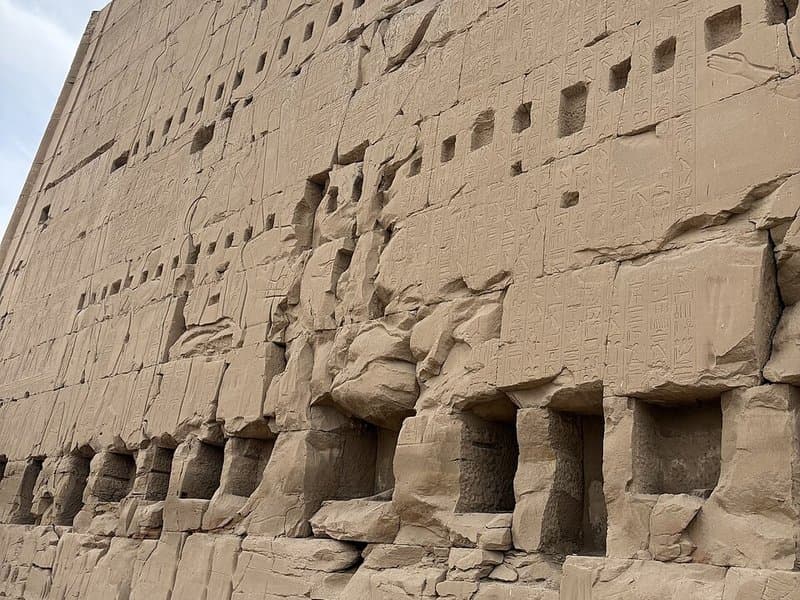
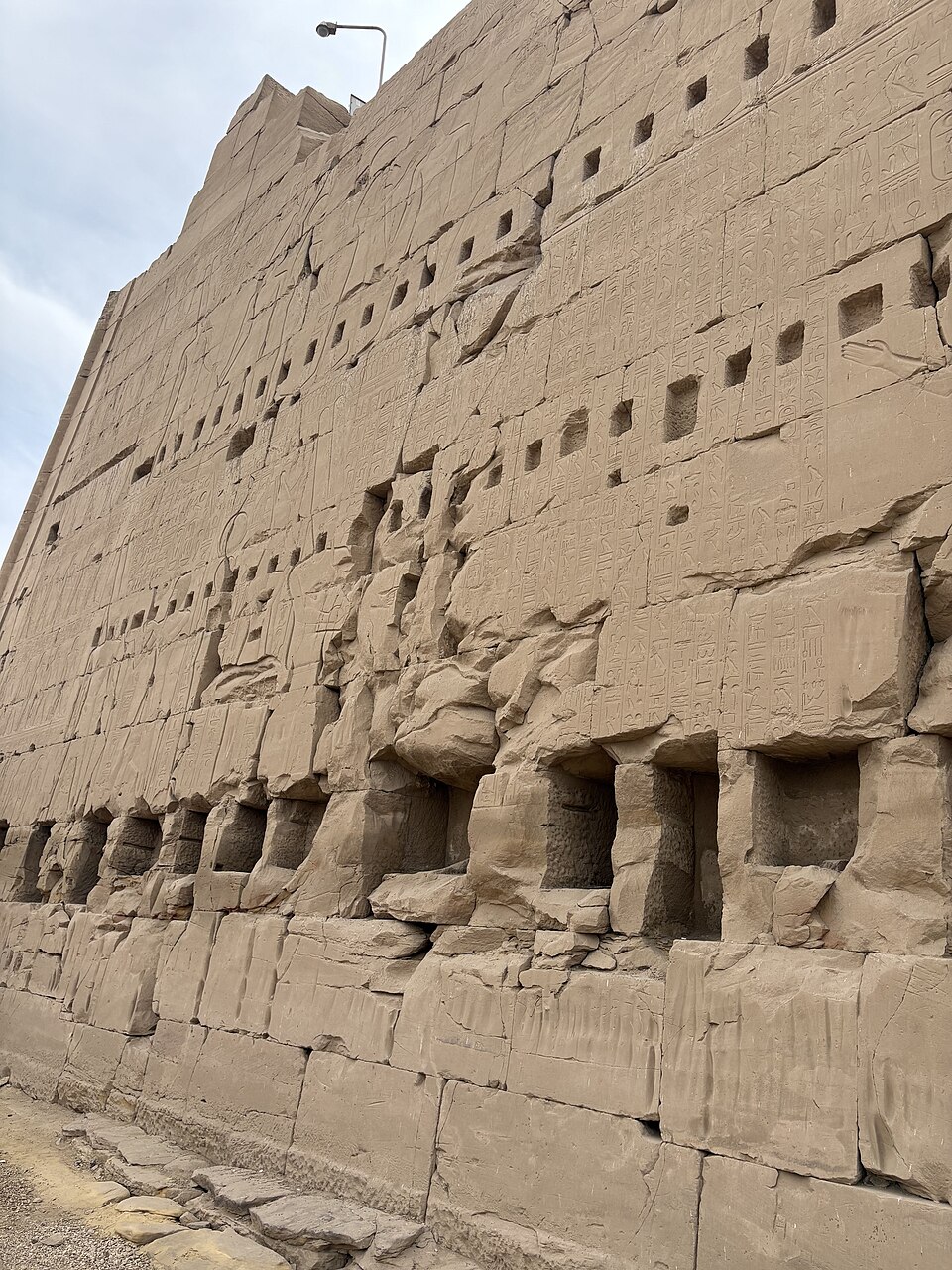
The largest temple complex of ancient Egypt, built on by pharaohs for two thousand years. It has a hypostyle hall with columns twenty-one metres tall, the obelisks of Hatshepsut and a sacred lake. Karnak was dedicated to the god Amun, and an avenue of sphinxes once led to it from Luxor Temple.

Tip: Arrive right at the six o'clock opening, when there are few people and the light on the columns is golden. The evening sound-and-light show is sold separately and suits only those who know the history.

Admission:
about 600 EGP
Time needed:
3 hrs
Luxor Temple

Luxor Temple

town centre

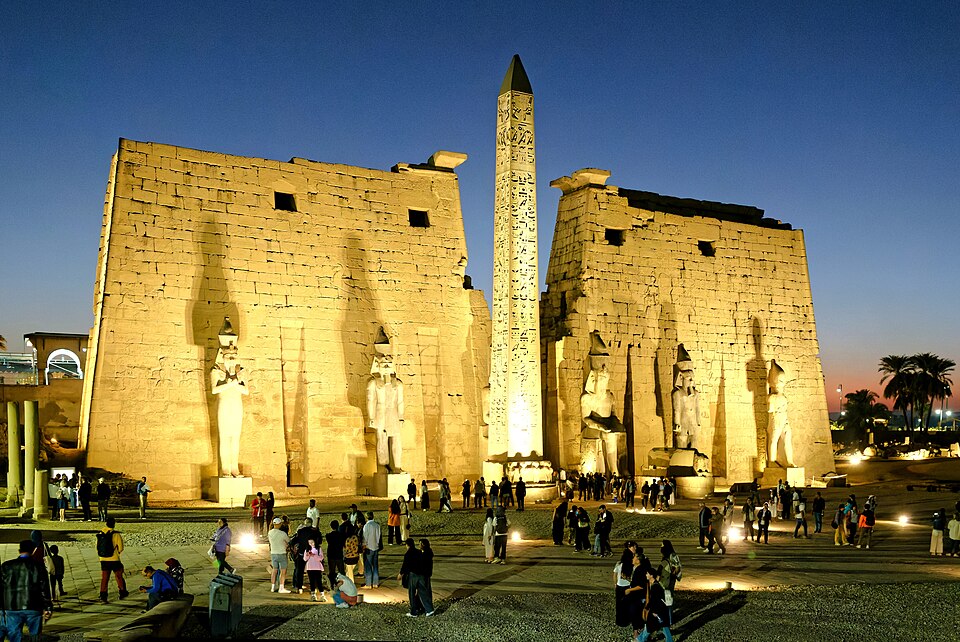
A temple dedicated to the god Amun that stands right in the middle of the town and is lit up at night. Before the entrance stand an obelisk and colossal statues of Ramesses II, and inside is the colonnaded court of Amenhotep III. It is the best-preserved temple on the east bank.

Tip: It is loveliest after sunset, when it lights up and you sweat less. The ticket costs less than Karnak and the visit takes half an hour to an hour.

Admission:
about 400 EGP
Time needed:
1 hr
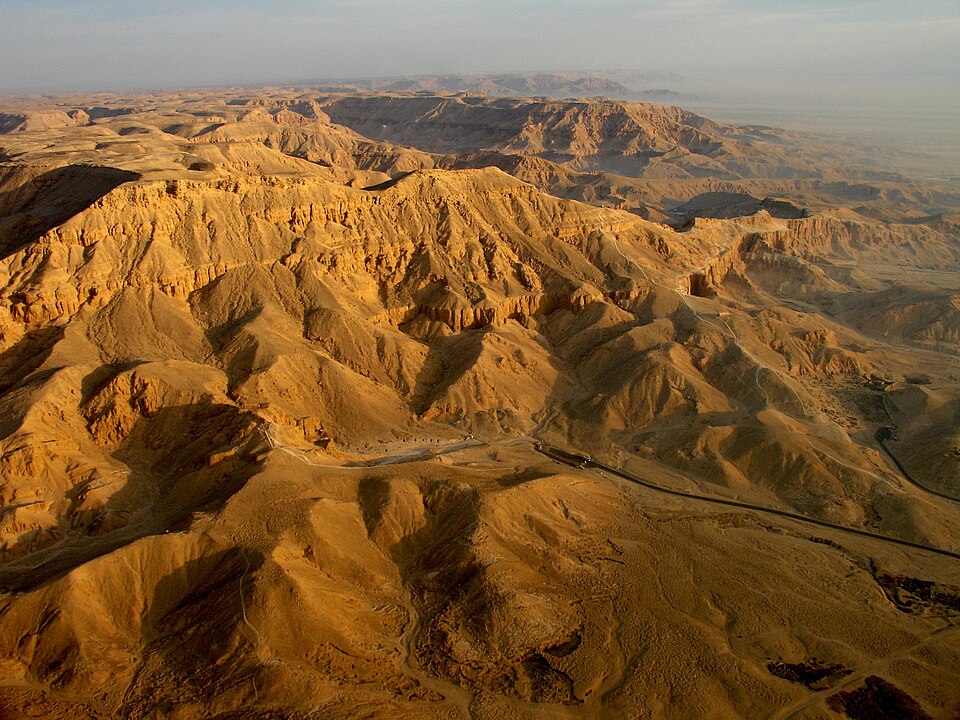
Valley of the Kings

Valley of the Kings

west bank

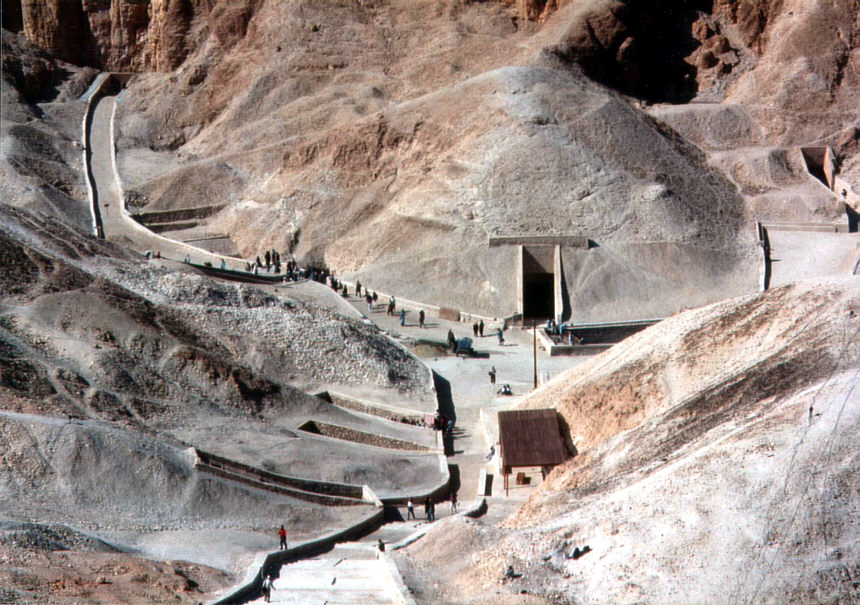
A valley on the west bank where more than sixty tombs of New Kingdom pharaohs and nobles lie, including those of Tutankhamun and Ramesses VI. The tombs are cut into rock and covered with coloured reliefs and texts. The ticket covers three tombs, and some of the major ones are paid separately.

Tip: Arrive right at the six o'clock opening, as at midday the valley is over forty-five degrees. The tombs of Ramesses IV, Ramesses IX and Merenptah are less crowded; check the photography rules at the entrance.

Admission:
about 700 EGP
Time needed:
2–3 hrs
Hatshepsut's Temple at Deir el-Bahari

Hatshepsut's Temple at Deir el-Bahari

west bank

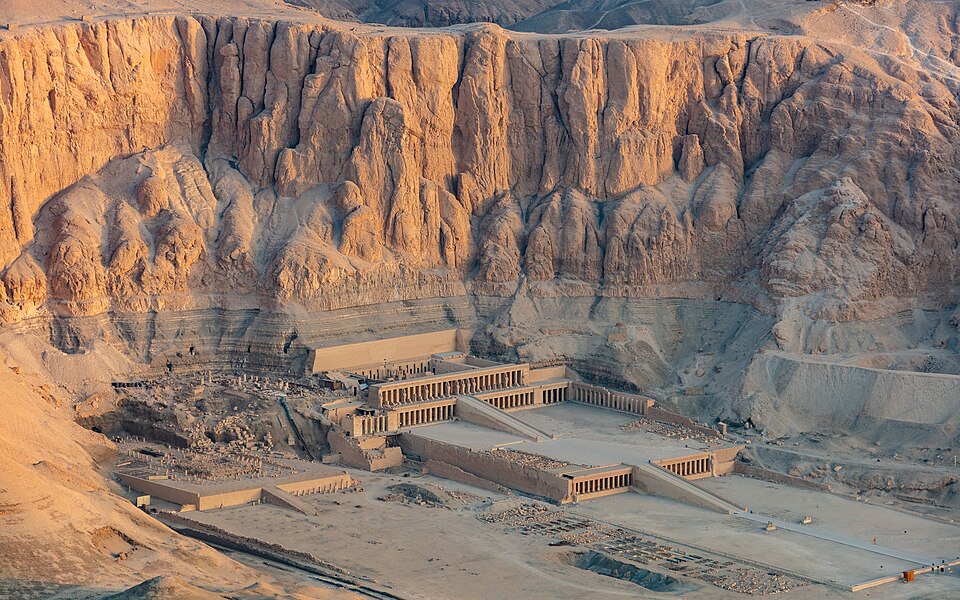
The mortuary temple of Queen Hatshepsut, built in three terraces into the cliff. Hatshepsut ruled in the fifteenth century BC and the temple is considered Egypt's most graceful building. From the terraces there is a view over the valley and the Nile.

Tip: The temple is exposed with no shade, so go early in the morning. In the morning also stop at the Valley of the Kings, which lies behind the mountain.

Admission:
about 400 EGP
Time needed:
1.5 hrs
Colossi of Memnon

Colossi of Memnon

west bank

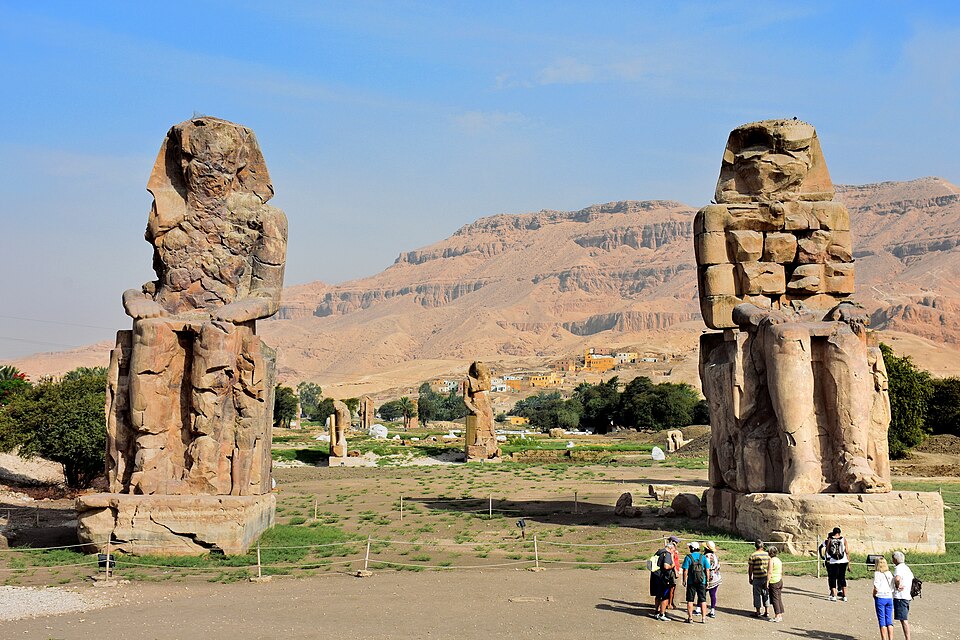
Two statues of Pharaoh Amenhotep III, thirteen metres high, that sit on the plain of the west bank and in antiquity were known as the singing statues. Each was carved from a single block of stone, and they are all that remains of his temple. The stop takes ten minutes.

Tip: They are usually visited on the way to the valley; it is worth going around nine in the morning, when the buses are still empty. Entry is free.

Admission:
free
Time needed:
20 min
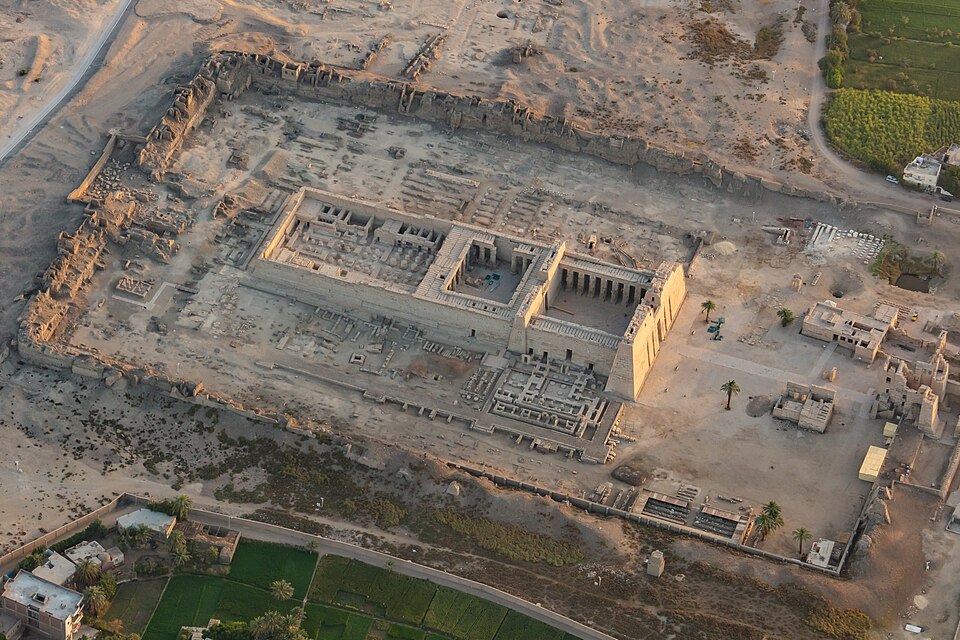
Medinet Habu

Medinet Habu

west bank

A sprawling mortuary temple of Ramesses III from the twelfth century BC, one of the best-preserved on the west bank. The walls are covered in coloured reliefs showing battles with the Sea Peoples. There are few tourists and peace for a visit.

Tip: After stopping at the Colossi of Memnon, drive on here — it is ten minutes. A visit takes an hour and shade is at the entrance.

Admission:
about 300 EGP
Time needed:
1 hr
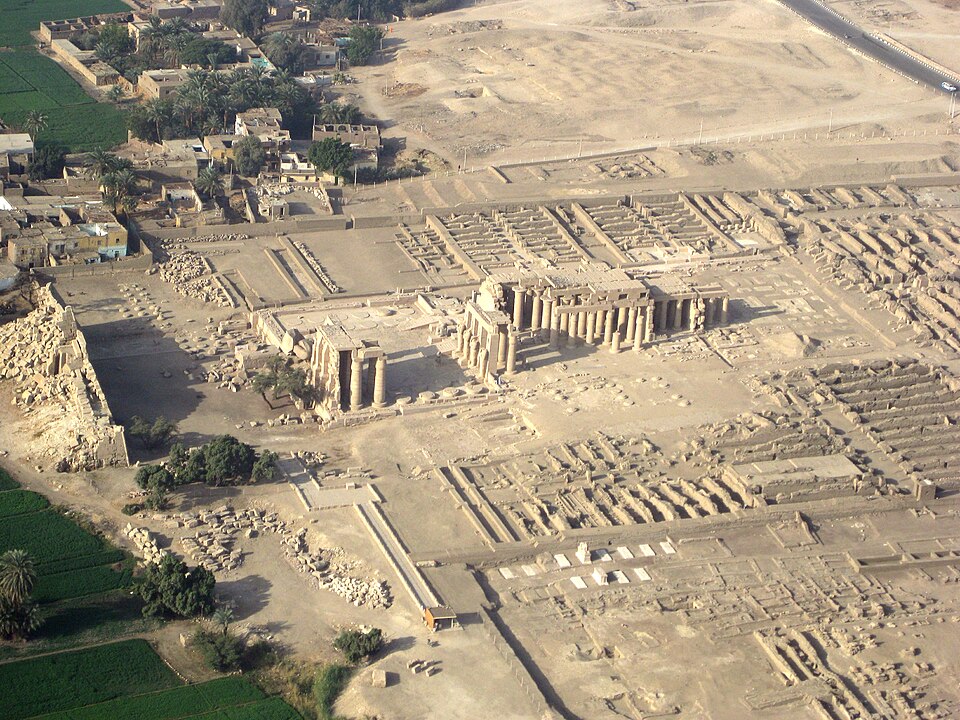
The Ramesseum

The Ramesseum

west bank

The mortuary temple of Ramesses II, where the fallen colossal statue known from the poem Ozymandias lies. Most of the temple is ruined, but the columned halls and the reliefs of the Battle of Kadesh survive. The place is quiet and less visited than Hatshepsut.

Tip: Call in after Hatshepsut, when the heat is already worsening; there is shade in the temple. The columns photograph well in morning light.

Admission:
about 300 EGP
Time needed:
1 hr
The Valley of the Queens

The Valley of the Queens

west bank

A burial ground of pharaohs' wives and children in a valley south of the Valley of the Kings, including the tomb of Queen Nefertari, which is rarely open. Several tombs are open to the public and have strongly coloured decoration. The valley is calmer than the Valley of the Kings.

Tip: Find out which tombs are open at the moment; Nefertari is paid separately and opens only on limited days. Bring water, as there is no shade.

Admission:
about 400 EGP
Time needed:
1.5 hrs
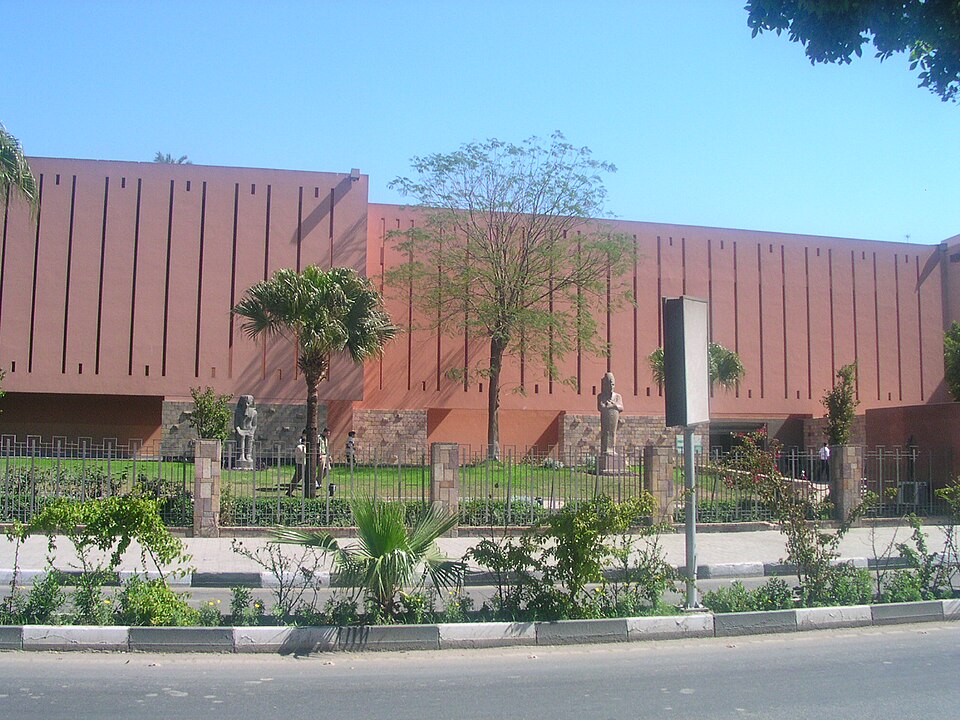
Luxor Museum

Luxor Museum

Corniche

A modern museum on the waterfront with well-lit exhibits from Thebes: statues, mummies, finds from tombs and objects of Tutankhamun's time. It is small, clear and air-conditioned, so it suits an afternoon break. It is a good introduction before or after the temples.

Tip: It stays open in the evening, so it can be visited after the heat has eased. The entry is lower than at the monuments, so it is good value.

Admission:
about 300 EGP
Time needed:
1–1.5 hrs

Photos: Karnak Temple Complex — ولاء (Public domain) · Luxor Temple — Holger Uwe Schmitt (CC BY-SA 4.0) · Valley of the Kings — Fotograf/Photographer: Peter J. Bubenik (1995) (CC BY-SA 2.0) · Hatshepsut's Temple at Deir el-Bahari — Diego Delso (CC BY-SA 4.0) · Colossi of Memnon — MusikAnimal (CC BY-SA 4.0) · Medinet Habu — Diego Delso (CC BY-SA 4.0) · The Ramesseum — Steve F-E-Cameron (CC BY 3.0) · The Valley of the Queens — Zureks (CC BY-SA 3.0) · Luxor Museum — Charlesdrakew at English Wikipedia (Public domain)

Where to stay

Areas and districts, matched to the kind of trip you are taking

East Bank – centre

Best for: restaurants, market and transport

The town around Luxor Temple, the station and the market. It has the most hotels, restaurants and taxis, and everything is walkable. Noisy but convenient.

Corniche and the Nile

Best for: views of the river

The waterfront with four- and five-star hotels overlooking the Nile and the west bank. Calmer than the centre, with boat transport to the other bank. A good choice for a comfortable stay.

West Bank

Best for: calm and monuments

A rural area with hotels and guesthouses among fields and monuments. It is calmer and cheaper, but you take a ferry to the centre. Suits those who want to see the monuments in the morning without queues.

Around Karnak

Best for: close to the temple

A district on the northern edge of the centre, where you stay in hotels with a pool in a calmer setting. Karnak is ten minutes' walk. Suits those who want an early start.

Getting around

From the airport

Luxor Airport (LXR) is six kilometres from the centre, served in the winter season by charter flights from Europe, otherwise via Cairo. It is more common to fly into Hurghada (HRG) or Marsa Alam and travel by car or coach. Organised trips to Luxor run from Hurghada. Night trains run from Cairo and boats from Aswan. From the airport a taxi takes twenty minutes into the centre.

Luxor International Airport (LXR) · 6 km

  • Taxi to the centre· 15 min· 250 EGP
  • Transfer to the hotel· 20 min· €15

Hurghada International Airport (HRG) · 290 km

  • Organised day trip from Hurghada· 4.5 hrs· €60
  • Private car· 4 hrs· €120

Around town

The centre of Luxor can be walked, but the monuments on both banks are far apart. To the west bank you go by ferry or bridge, and around the monuments by taxi with a driver for the whole day. Feluccas (sailing boats) are rented by the hour. Agree the price in advance and watch your change.

On footThe centre, Luxor Temple and the Corniche are all walkable.
Taxi for the dayA driver for the west bank, agree the price in advance. · 800 EGP
Ferry to the west bankFrom the Luxor waterfront, paid in EGP. · 10 EGP
FeluccaA sailing boat on the Nile, price per boat. · 300 EGP

Useful apps: Google Maps, Uber, Maps.me, Careem

When to go

Luxor has a desert climate with a hot summer and a mild winter. From May to September it is over forty degrees, in winter around twenty-five by day and six to ten at night. It hardly ever rains. The best time is October to April, when you can sightsee even at midday; in summer you set off around six in the morning and rest in the hotel at noon.

Best time

October to April

What to avoid

June to August (over 40°C)

MonthJanFebMarAprMayJunJulAugSepOctNovDec
Day23°26°31°36°40°42°42°41°40°36°29°24°
Night6°8°12°17°21°23°24°24°22°18°12°7°
Rainy days000000000000

Food & drink

Luxor's cooking is Egyptian: beans, rice, chicken and bread on every side. In small eateries you eat for a hundred and fifty to two hundred EGP, in hotel restaurants for a thousand. The best food is often on the west bank in family rooftop restaurants.

What to try

Koshari

Egypt's national dish: rice, lentils, pasta and chickpeas with tomato sauce and fried onion. A cheap and filling meal for forty to a hundred EGP.

Ful medames

Stewed fava beans with olive oil, lemon and cumin, served for breakfast with bread. The cheapest and most typical Egyptian breakfast.

Ta'meya

Egyptian falafel of fava beans, fried and served in pitta. Street stalls sell it from early morning.

Pigeon

Stuffed pigeon (hamam mahshi) with rice and herbs, grilled or roasted. A delicacy that locals eat on holidays.

Molokhia

A green, silky soup of molokhia leaves with garlic and coriander, served with rice and chicken. One of the most typical Egyptian dishes.

Tagines

Braised meat or vegetables in a clay pot, often with dried fruit. Found in tourist restaurants.

Karkadé and sugar-cane juice

Hibiscus tea served hot or cold and freshly pressed sugar-cane juice. The two commonest drinks on the street.

What it costs

Koshari

40–100 EGP

Lunch in a local restaurant

150–300 EGP

1.5 L water

10–15 EGP

Karnak

600 EGP

Valley of the Kings

700 EGP

Taxi with driver (day)

800–1,200 EGP

4★ hotel (night)

€60–120

Sightseeing balloon

€80–120

Indicative prices that change over time — treat them as a guide, not a price list.

Practical information

SocketsCEuroplug, two round pinsFSchuko
Voltage220V / 50Hz
Tap waterDo not drink tap water — Tap water in Egypt is not for drinking. Bottled water is cheap and hotels provide it free. Wash fruit and salad in drinking water.
TippingTipping (baksheesh) is expected in Egypt: ten to fifteen per cent in a restaurant, twenty to fifty EGP for staff and guides. Guides and drivers expect a larger sum at the end of the day.
Driving on theright
SafetyLuxor is safe for tourists and security is strong, but beware of pushy sellers at the monuments and taxi drivers who take you to a shop. Agree the price in advance and pay only official tickets. The emergency number is 122 (police), tourist police 126.
Opening hoursMonuments open at six in the morning and close at five in the afternoon. Shops in the market open around nine and close around ten at night. On Friday they are closed until noon.
Customs & etiquetteDress modestly at temples: shoulders and knees covered. Women may wear a scarf. Check the photography rules at each tomb, as some are forbidden or charged. Accept baksheesh — it is better to give a small amount than to argue.
A few local wordsHello — Marhaba / As-salamu alaykumThank you — ShukranPlease — Min fadlakHow much is it? — Bikam da?No, thank you — La, shukranCheers — Fi sihhatakWhere is the toilet? — Fein el-hammam?

How to plan your days

1 day

A day in Luxor

  1. 1Morning the Valley of the Kings and Hatshepsut's temple.
  2. 2The Colossi of Memnon on the way back.
  3. 3Lunch on the waterfront.
  4. 4Afternoon Luxor Temple.
  5. 5Evening a felucca at sunset.

2 days

Two days: the west and east banks

  1. 1Day one as above.
  2. 2Day two morning Karnak at opening.
  3. 3Afternoon Luxor Museum and the market.
  4. 4Evening the sound-and-light show at Karnak.

3 days

Three days: Luxor and Dendera

  1. 1Days one and two as above.
  2. 2Day three morning a balloon and a trip to Dendera.
  3. 3Return and evening on the waterfront.

Day trips

Dendera

60 km · 1 hr by car

The temple of the goddess Hathor, with columns carved with the goddess's face and a ceiling with an astronomical zodiac. It is one of the best-preserved Egyptian structures and can be combined with Abydos.

Edfu

115 km · 2 hrs by car

The temple of the god Horus from the Ptolemaic period, the best-preserved temple in Egypt. The road passes Esna, where there is another temple. The trip takes a full day.

Aswan

220 km · 3.5 hrs by car

A town on the first cataract of the Nile with the island temple of Philae and Abu Simbel. It suits a two-day trip.

Frequently asked questions

How many days should I spend in Luxor?+

Two days are enough for the main monuments, three for a calmer pace and a trip to Dendera. On a trip from Hurghada only one day fits, with a long programme. Plan the mornings for monuments and the afternoons for rest.

When is the best time to visit?+

October to April, when it is around twenty-five to thirty degrees. In summer it is over forty and the monuments are visited early in the morning. The most people come in December and January.

How do I get from Hurghada to Luxor?+

By an organised trip for about sixty euros, lasting a full day, or by private car. The journey takes about four and a half hours each way and the trip starts very early. It is recommended to stay overnight in Luxor if you have time.

Do I need a visa for Egypt?+

Yes, citizens of the EU need a visa, arranged electronically in advance or at the airport for about twenty-five dollars. The passport must be valid for at least six months. Conditions change, so check with your foreign ministry.

Is Luxor safe?+

Yes, the main monuments are guarded and the tourist police are visible. The main nuisance is pushy sellers and taxi drivers. Pay only official tickets and agree the price in advance.

Is a hot-air balloon worth it?+

Yes, flights start at half past five in the morning and last about forty-five minutes with views of the valley and the Nile. The price is around eighty to a hundred and twenty euros. The weather decides whether it flies, so allow for postponement.

How should I dress?+

Lightly and modestly: shorts to the knee and a T-shirt with sleeves, a hat and comfortable shoes. Mosques and temples are entered with shoulders and knees covered. Bring sunscreen and at least a litre and a half of water.

What should I buy as a souvenir?+

Alabaster figurines, papyrus, hibiscus and spices. Prices are bargained and usually fall by half. Beware fake papyrus made of banana leaves — real papyrus has fibres and does not crack.

Visa Requirements

Check the latest visa requirements for entering this country. Some nationalities may need to apply for a visa or e-visa before travel.

Check visa requirements

Language

Arabic

Currency

EGP

Timezone

Africa/Cairo

Dial Code

+20

Population

104M

Area

1,001,450 km²

Voltage

220V / 50Hz

Driving Side

Right

Top Hotels in Luxor

Live prices from 500+ properties

Loading hotels...

Planning a trip to Luxor?

Compare hundreds of hotels, find the best price, and book with free cancellation on TravelManiac.