Hotels in Innsbruck

Tyrol's capital, where the cable car starts in the city centre

Innsbruck

LanguageEnglish
CurrencyEUR
TimezoneGMT+1
Temperature0-26 °C
Dial Code+43
Population9.1M
Area83,879 km²
SocketsType C / Type F
Tap waterDrinkable

Discover Innsbruck

Innsbruck is the only major city in the Alps where you can go from the historic centre to 2,300 m in under half an hour — the Hungerburgbahn funicular departs from beside the congress centre, a 5-minute walk from the Golden Roof, and connects straight onto the cable car up the Nordkette. The city has 130,000 residents, 30,000 of them students, so it doesn't feel like a museum piece in the evenings. It has hosted the Winter Olympics twice, in 1964 and 1976, and the Bergisel ski jump, with its tower designed by Zaha Hadid, is visible from half the city. The old town along the River Inn has Gothic houses with bay windows and arcades, the Hofburg is a reminder that the Habsburgs ruled Tyrol from here, and Emperor Maximilian I had a tomb built in which he was never actually buried. Innsbruck works just as well as a base for skiing across 12 resorts on a single pass as it does for a long weekend city break, with a direct rail line running via Munich.

What to see

The places worth your time in Innsbruck, and what to expect at each

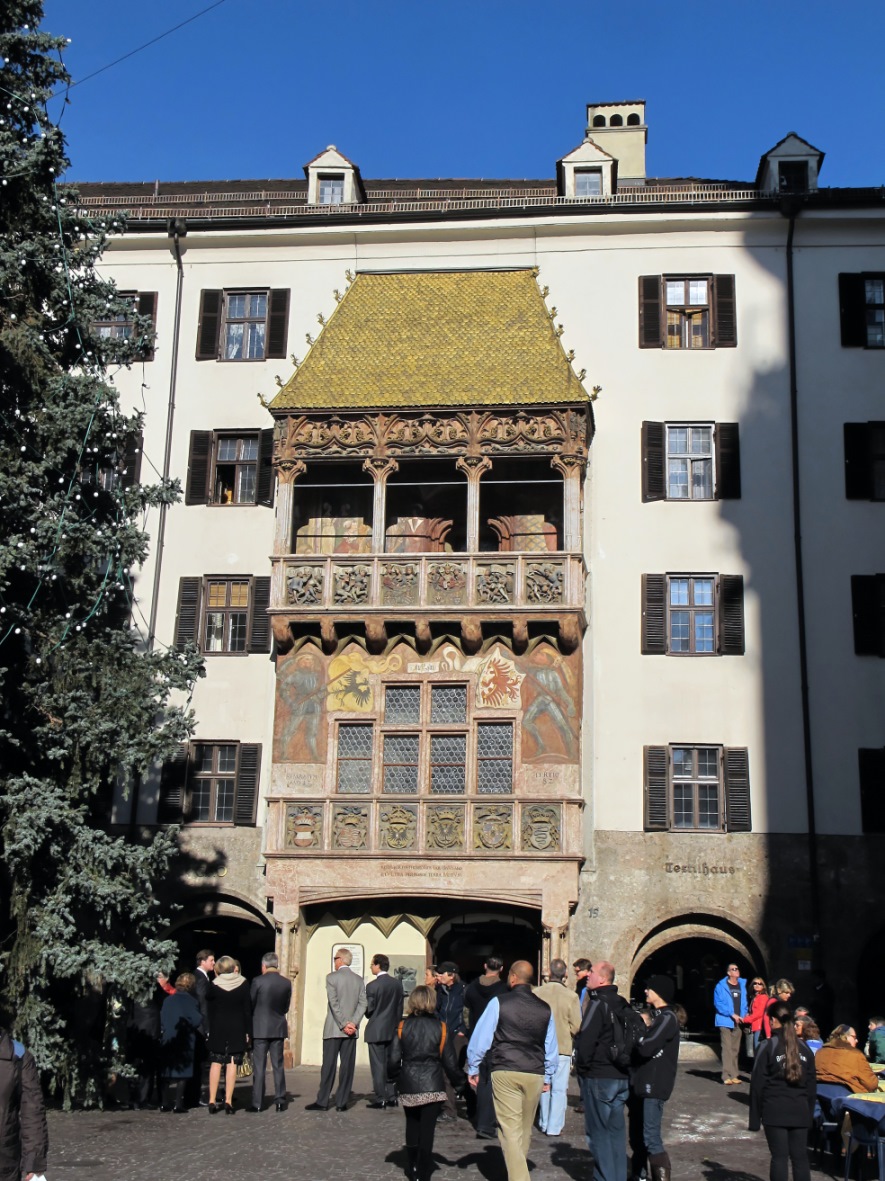
The Golden Roof

The Golden Roof

Goldenes Dachl

Altstadt

An oriel balcony at the end of Herzog-Friedrich-Straße, covered in 2,657 gilded copper shingles. Maximilian I had it built around 1500 so he could watch tournaments and festivities in the square below with his family. Inside is a small museum devoted to Maximilian.

Tip: The roof looks best at dusk, when it's lit up and the square empties out — during the day it's packed with tour groups. The museum inside is small, taking about 30 minutes; Innsbruck Card holders get in free, otherwise it's really only worth it for the balcony.

Admission:
museum €6
Time needed:
30 min
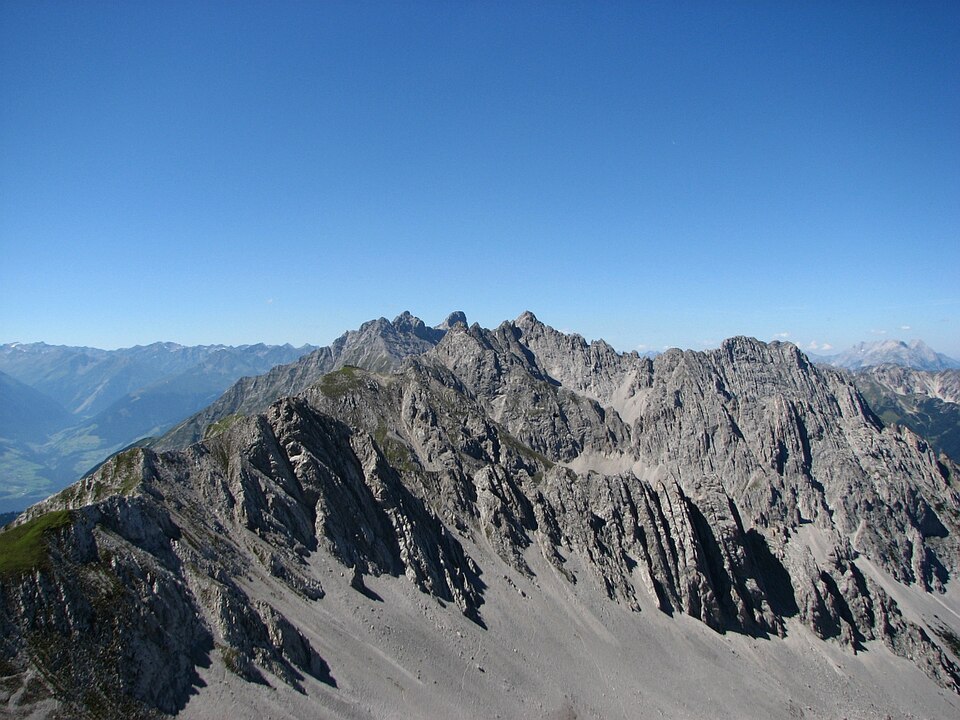
Nordkette

Nordkette

Nordkettenbahnen

above the city

A mountain ridge above the city's north side, reached by a chain of 3 cable cars: the Hungerburgbahn funicular, with stations designed by Zaha Hadid, the cabin up to Seegrube at 1,905 m, and the final stretch to Hafelekar at 2,269 m. At the top is a view over the whole Inn Valley and, on the other side, into the wild Karwendel range.

Tip: Only buy a ticket up to Seegrube if there's cloud higher up — from Hafelekar you'd see nothing, and the cable car company's website has a live webcam. A sunset at Seegrube with dinner at the restaurant beats a lunchtime visit; on Thursdays in summer the cable car runs until 11.30pm.

Admission:
Hafelekar return from €49
Time needed:
half a day
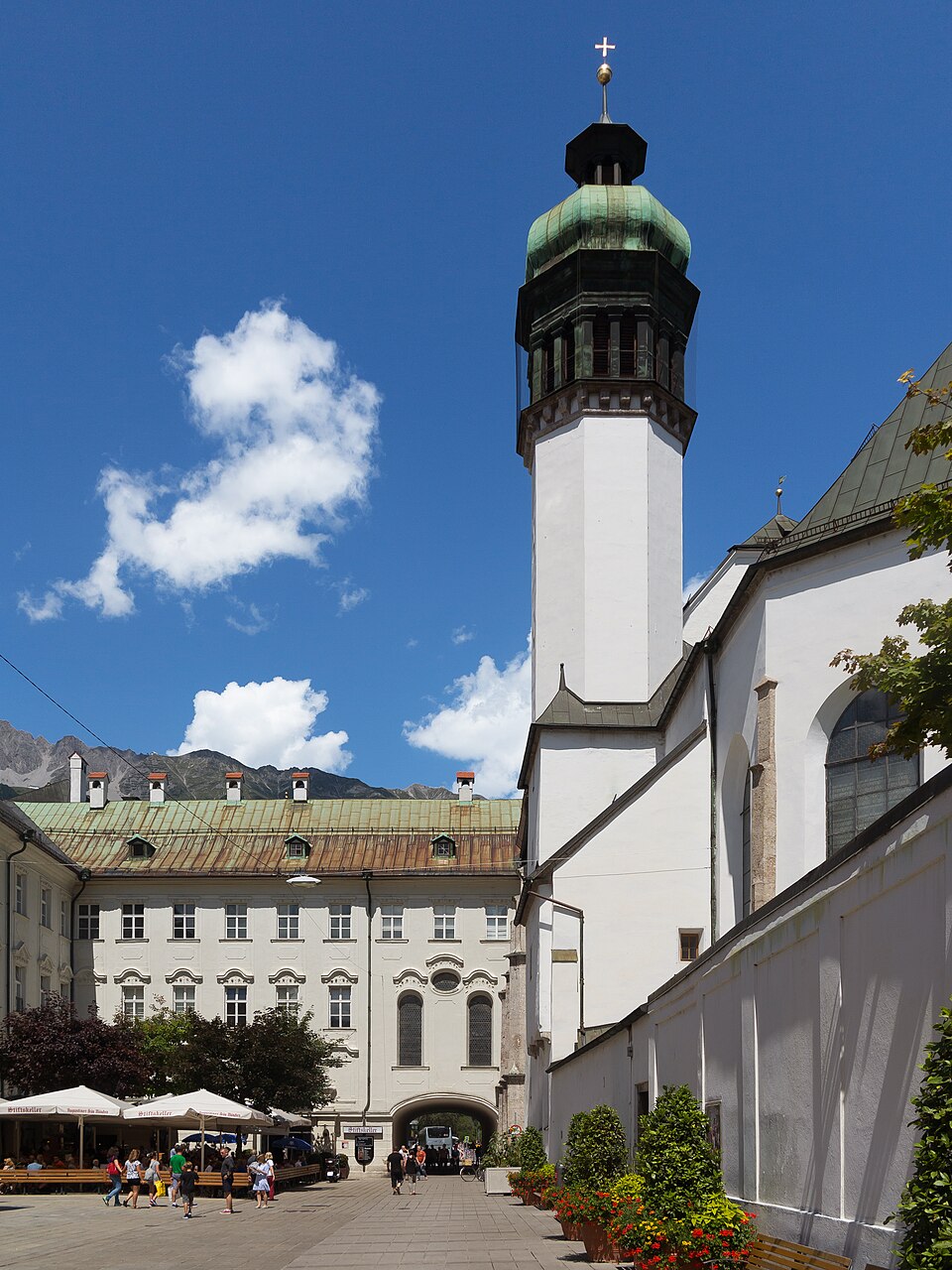
Hofkirche and Maximilian's Tomb

Hofkirche and Maximilian's Tomb

Hofkirche

Altstadt

A church built for the cenotaph of Emperor Maximilian I, an empty tomb surrounded by 28 over-life-size bronze statues of ancestors, relatives and role models, from King Arthur to Clovis. Maximilian ended up buried in Wiener Neustadt instead. The Tyrolean hero Andreas Hofer is also buried in the church.

Tip: Get the combined ticket with the Tyrolean Folk Art Museum next door — the entrance is shared, and for a few euros more you get both. Look closely at the "black men" statues — their knees and boot tips are polished smooth from visitors touching them for luck.

Admission:
€8, combined ticket €13
Time needed:
45 min
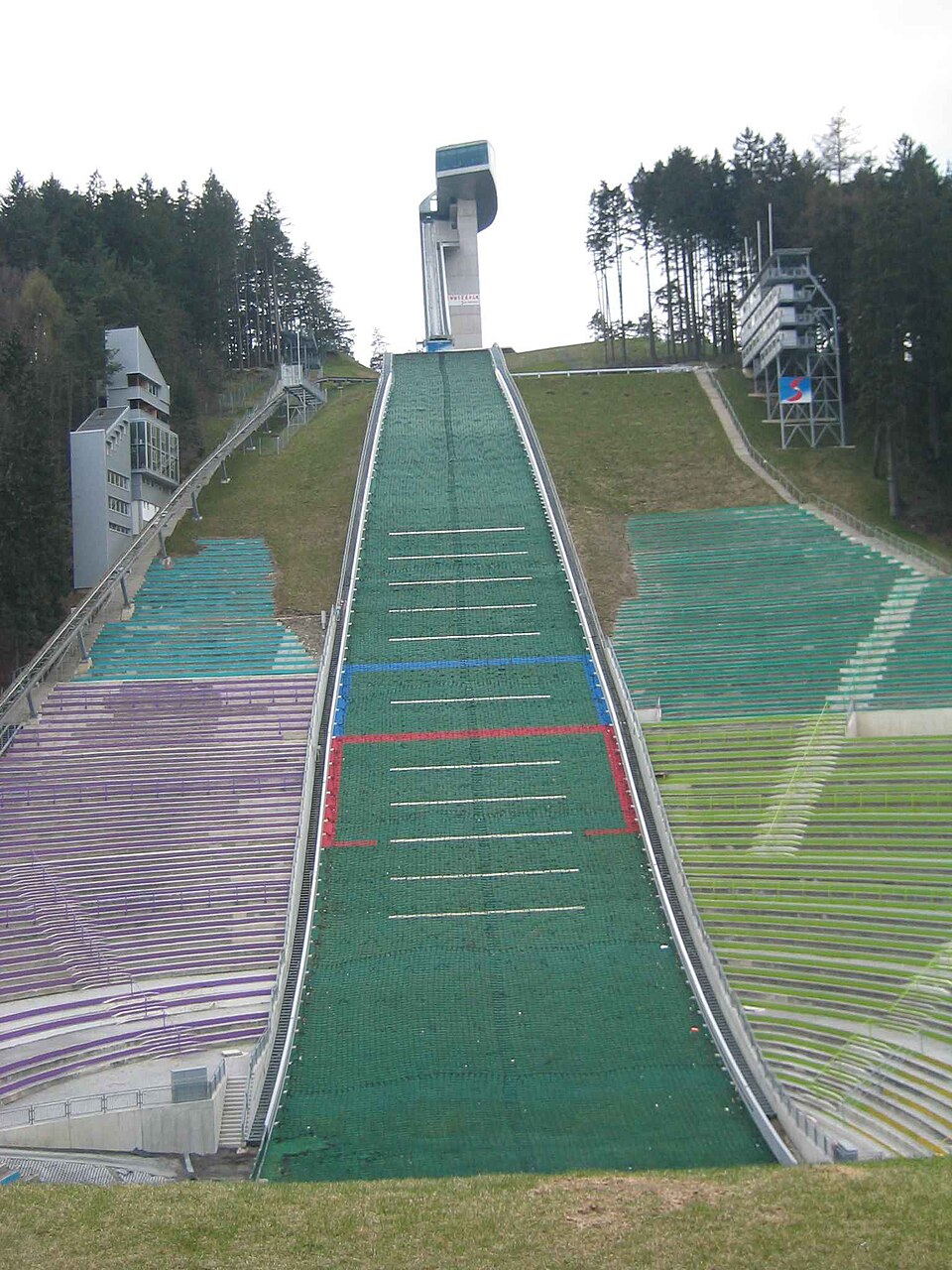
Bergisel Ski Jump

Bergisel Ski Jump

Bergisel Schanze

Wilten

An Olympic ski jump on a hill on the city's southern edge, rebuilt in 2002 to a design by Zaha Hadid. A lift takes visitors up to a tower with a viewing café 50 m above the take-off point, with views over the centre, the river and the cemetery lying directly below the landing zone. The Four Hills Tournament event is held here every year on 4 January.

Tip: Tram number 1 runs from the centre to the Bergisel terminus in 20 minutes. Next to the ski jump is the Tirol Panorama, with a giant circular painting of the 1809 battle — a combined ticket works out cheaper than buying both separately. In summer you can sometimes catch training sessions, with jumpers flying over visitors' heads.

Admission:
€13
Time needed:
1–2 h
Ambras Castle

Ambras Castle

Schloss Ambras

Amras

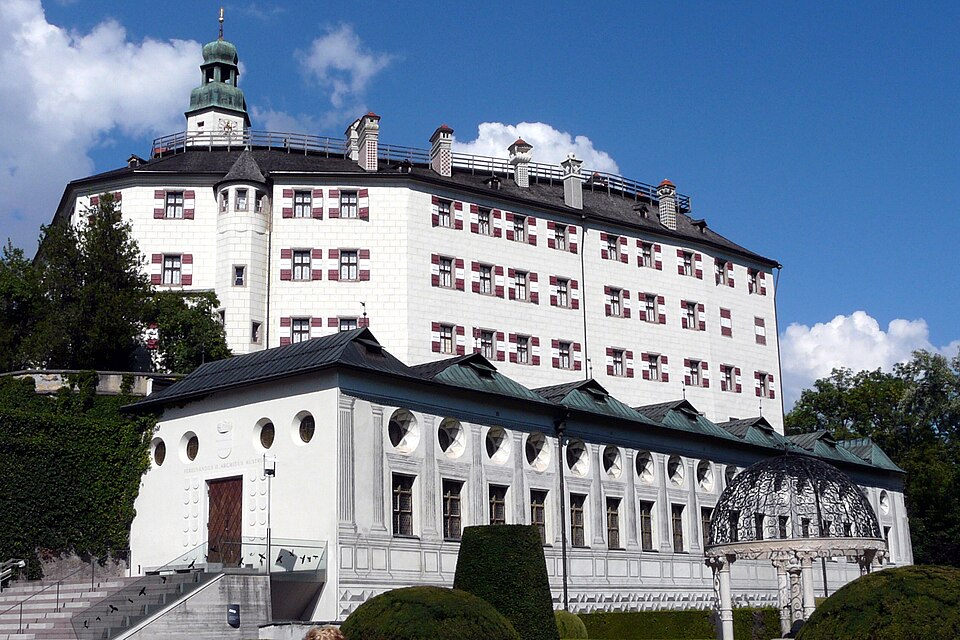
A Renaissance castle on a hill above the city's south-eastern edge, remodelled by Archduke Ferdinand II of Tyrol for his wife, Philippine Welser. It houses the oldest surviving museum collection in the world — the Kunstkammer, with its armoury and curiosities — and the Spanish Hall, with its coffered wooden ceiling, where concerts are held in summer.

Tip: The Habsburg portrait gallery in the upper castle is the best place to trace the Habsburg jaw — over 200 portraits hang here in chronological order. The castle is closed in November. A sightseeing bus or line 5 runs from the centre, followed by a 10-minute climb; the castle park with its peacocks is free.

Admission:
€16
Time needed:
2–3 h
Hofburg

Hofburg

Altstadt

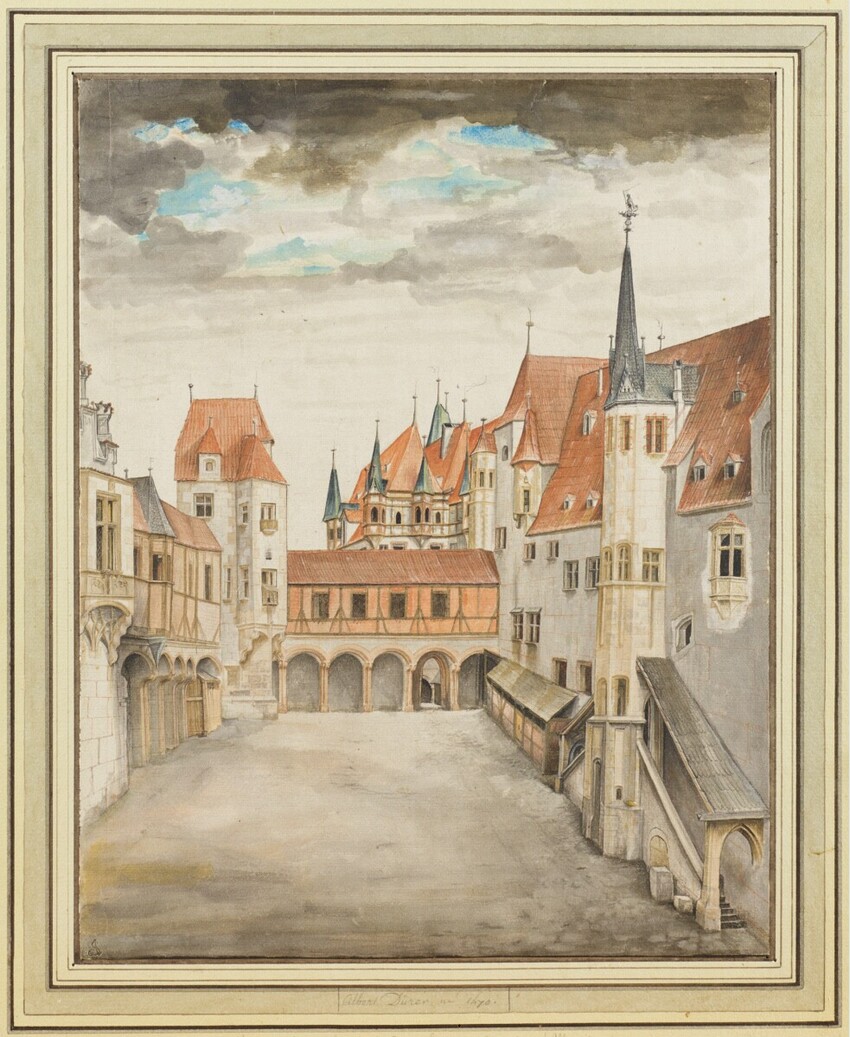
The imperial palace on the edge of the old town, remodelled in Baroque style by Maria Theresa. The tour passes through the Giant's Hall with its ceiling frescoes and portraits of her 16 children, Empress Elisabeth's private rooms, and the chapel she had built on the spot where her husband, Franz Stephan, died.

Tip: Admission is the same as for the Golden Roof, but both are free with the Innsbruck Card — the card pays off if you manage at least 3 paid sights and a cable car in a day. The Giant's Hall sometimes closes for concerts in summer, so check at the ticket office beforehand.

Admission:
€9.50
Time needed:
1 h
Alpine Zoo

Alpine Zoo

Alpenzoo

Hungerburg

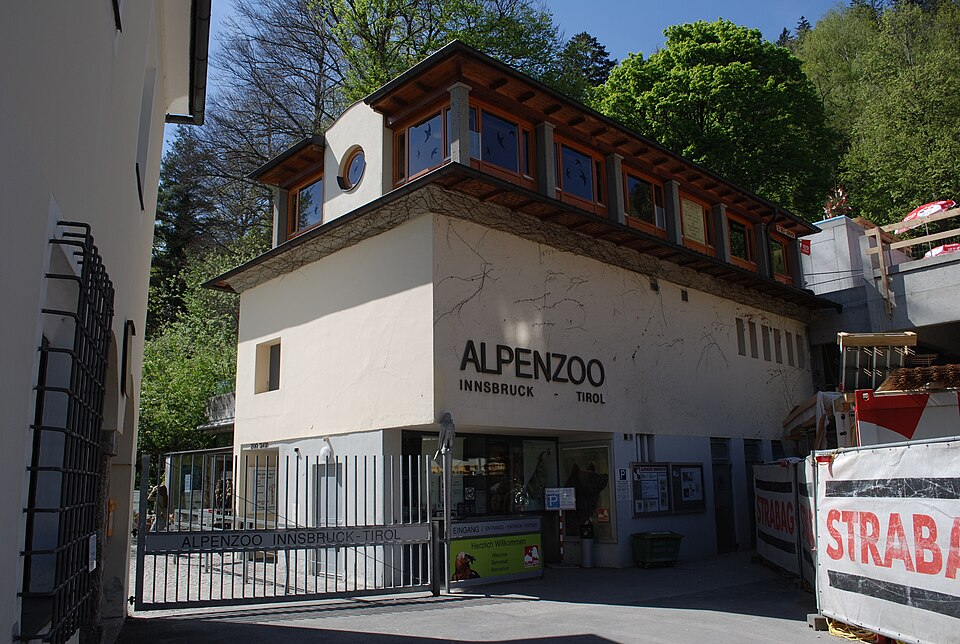
Europe's highest-altitude zoo, on the slope of the Hungerburg, dedicated entirely to Alpine wildlife: chamois, ibex, bears, lynx, wolves, golden eagles and bearded vultures. Spread across a steep hillside are 2,000 animals of around 150 species, in generously sized enclosures.

Tip: Take the Hungerburgbahn to the Alpenzoo stop, then walk back down through the woods into town afterwards — it takes 40 minutes. The animals are most active during morning feeding, between 9 and 10am. With children, bring an off-road buggy, as the paths are steep.

Admission:
€14
Time needed:
2–3 h
Tyrolean State Museum

Tyrolean State Museum

Ferdinandeum

Centre

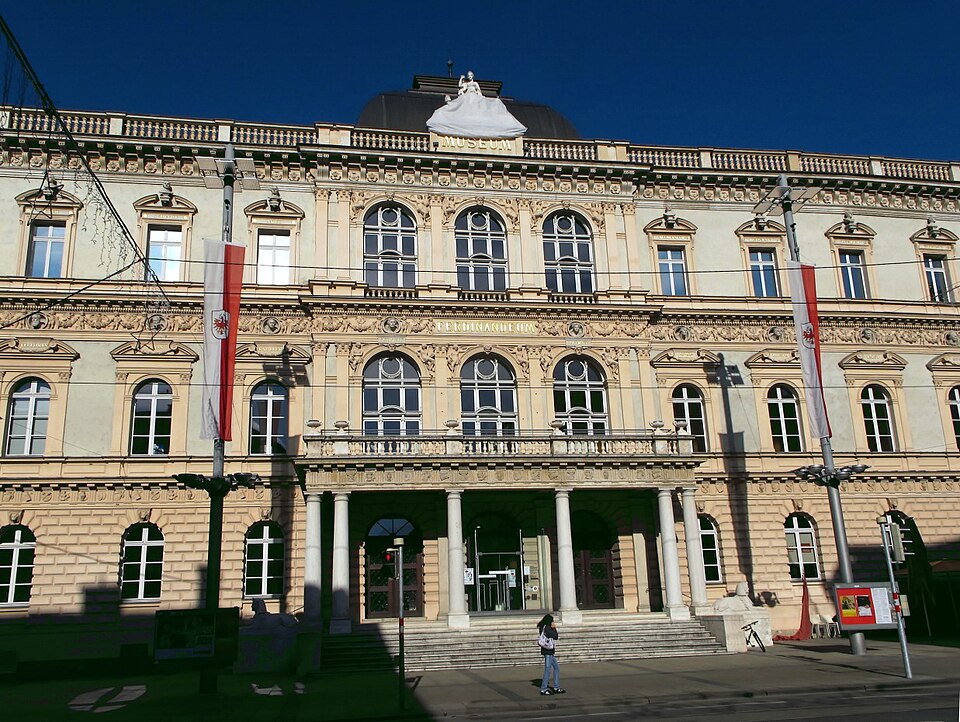
Tyrol's main museum, covering prehistory to the 20th century, with Gothic panel paintings, a Rembrandt collection and a music department. Key to understanding the region is a 1:20,000-scale relief model of Tyrol, on which you can trace every valley you're planning to visit.

Tip: It's open until 9pm on Thursdays and quietest then. The ticket also covers the Tyrolean Folk Art Museum, the Tirol Panorama and the Zeughaus on the same day — start here and save on the other 3.

Admission:
€13
Time needed:
1–2 h
Swarovski Kristallwelten

Swarovski Kristallwelten

Wattens

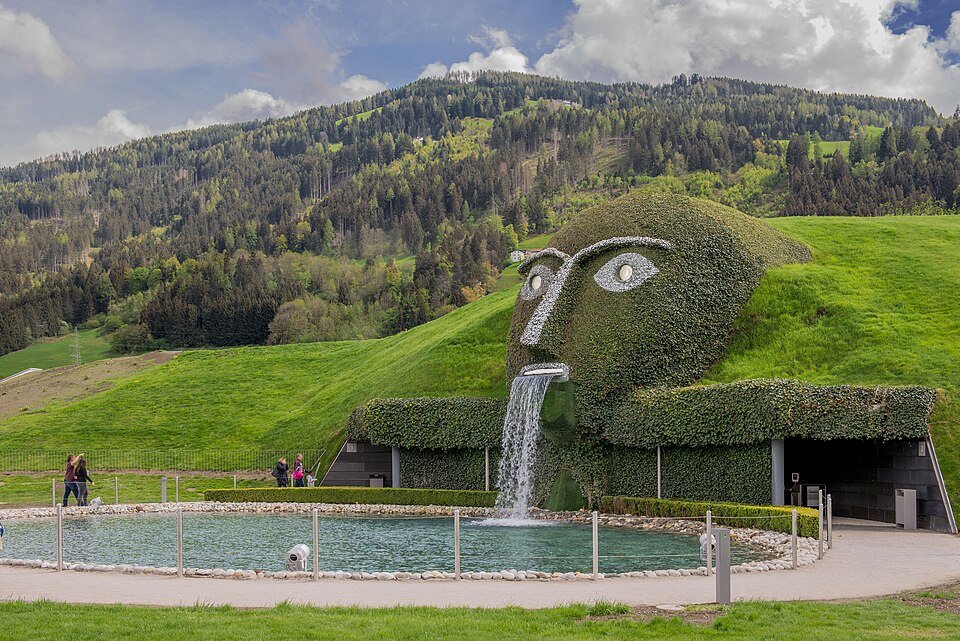
An attraction built by Swarovski in Wattens, 15 km east of the city, hidden beneath a grassy mound shaped like a giant face with water spouting from it. Inside are a series of chambers with artist installations made from crystal, and outside a garden with a cloud made of 800,000 crystals and a large children's playground.

Tip: A shuttle bus runs from the Hofburg several times a day, and the ticket includes a discounted fare, though the train to Wattens is cheaper, followed by a 20-minute walk. The shop at the end has no cheaper prices than elsewhere; for discounts, go to the outlet at the factory in Wattens.

Admission:
€25
Time needed:
2–3 h

Photos: The Golden Roof — Bbb (CC BY-SA 3.0) · Nordkette — Tirolerbergwelten (CC BY-SA 3.0) · Hofkirche and Maximilian's Tomb — Michielverbeek (CC BY-SA 4.0) · Bergisel Ski Jump — Daniel Wagner at de.wikipedia (Public domain) · Ambras Castle — The original uploader was Manu25 at French Wikipedia. (CC BY-SA 2.5) · Hofburg — Albrecht Dürer (Public domain) · Alpine Zoo — Hafelekar (CC BY-SA 3.0) · Tyrolean State Museum — Bbb (CC BY-SA 3.0) · Swarovski Kristallwelten — Marek Śliwecki (CC BY-SA 4.0)

Where to stay

Areas and districts, matched to the kind of trip you are taking

Altstadt

Best for: a first visit, sights

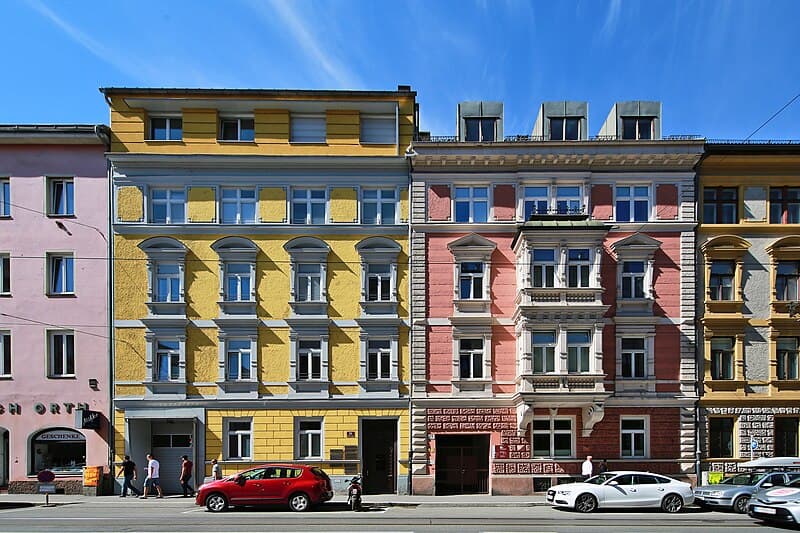
The old town within the former walls, with Herzog-Friedrich-Straße, the Golden Roof and colourful houses along the Inn. Everything is walkable, and it has the prettiest streets in the evening, but hotels are small, pricey, and noise from the arcades can run until midnight.

Maria-Theresien-Straße and the centre

Best for: shopping, transport links

The main avenue south of the old town, with St Anne's Column and views of the Nordkette between the buildings. The tram, the airport bus and the congress centre with its cable car up the mountain are all 2 minutes away. Mid-range hotels and the largest choice of restaurants.

Wilten

Best for: peace and quiet, local pubs

An older district south of the station around the basilica and the Premonstratensian abbey, with churches, bakeries and the Stiegl-Brauwelt brewery. It's a few minutes by tram from anywhere in town, evenings are quiet, and prices run about a third lower than the centre.

Igls and the mid-mountain villages

Best for: families, skiing, views

A mountain village 800 m above the city on a terrace beneath the Patscherkofel, reached by tram 6 and by bus. You can ski or hike straight from your hotel door, and it's 20 minutes into town — it suits anyone wanting both mountains and city at once.

Getting around

From the airport

Innsbruck has its own small airport 4 km from the centre, though it's mainly served by seasonal and charter routes. The most convenient option for most travellers is the train: a railjet service runs from Munich every 2 hours and takes just under 2 hours to Innsbruck. By car, it's roughly 160 km from Munich via the A12 motorway through Kufstein; an Austrian motorway vignette is required, and the Brenner Pass tunnel further south is tolled separately. Munich is also served by direct Flixbus coaches to Innsbruck.

Innsbruck Kranebitten (INN) · 4 km

  • Bus F· 20 min· €3.40
  • Taxi· 10 min· €18

Munich (MUC) · 190 km

  • S-Bahn and railjet via Munich Hbf· 2 h 45 min· €35
  • Flixbus· 2 h 30 min· €15
  • Shared shuttle transfer· 2 h 30 min· €55

Salzburg (SZG) · 185 km

  • Train via Wörgl· 2 h· €30
  • Car hire· 2 h

Around town

The centre can be crossed on foot end to end in 20 minutes. For the rest there are IVB trams and buses, cable cars up the Nordkette and Patscherkofel, and in winter free ski buses to every resort around the city for skipass or guest-card holders. Guests staying at least 2 nights get a Welcome Card with discounts and free summer transport; the paid Innsbruck Card covers transport, cable cars and almost every museum. A car is more hindrance than help in the city, with garage parking running €20–30 a day.

IVB tram and bus5 tram lines and a dense bus network; a ticket is valid for 1 hour. Tram 6 runs through the forest to Igls and is an outing in itself. · €3.40 single, €6.20 day pass
Innsbruck CardCovers transport, the Nordkette, Patscherkofel and Glungezer cable cars, and over 20 museums. Worth it from 3 paid visits a day. · €63 for 24 h
Bike and e-bikeA cycle path runs along both banks of the Inn, reaching Hall in 1 hour on the flat. The public Stadtrad bikes have stations across the centre. · €1 per half hour
Ski busRuns in winter from the centre to Axamer Lizum, Glungezer, Patscherkofel and the Stubai Glacier, free with the Ski plus City pass. · free with a ski pass
Regional trainEvery half hour to Hall, Wattens and Schwaz, over the Brenner Pass into Italy, and the Stubaitalbahn tram to Fulpmes. · from €3

Useful apps: IVB Innsbruck, ÖBB Scotty, VVT SmartRide, Innsbruck Card

When to go

Innsbruck has 2 seasons. Winter, from mid-December to the end of March, is for skiing, with Christmas markets running until 6 January; the city itself sits low and snow doesn't linger in the streets, but on the Nordkette and in the surrounding resorts it's reliable. The summer season, from June to September, is for hiking and cable cars, though July and August often bring afternoon storms. September offers the best balance of weather and prices, with mountain huts still open higher up and warmth still down in the valley. The city's speciality is the föhn, a warm southerly wind that can push the temperature up to 15°C in January and ruin the snow for a week.

Best time

September for hiking, January to March for skiing, December for the Christmas markets

What to avoid

November and April, when the mountain cable cars are closed and it rains down in the valley

MonthJanFebMarAprMayJunJulAugSepOctNovDec
Day3°6°12°16°21°24°26°25°21°16°9°3°
Night-6°-4°0°4°8°11°13°13°9°4°-1°-5°
Rainy days879101214141310888

Food & drink

Innsbruck eats Tyrolean: hearty, with cheese, bacon and dumplings, and best enjoyed at a Gasthaus away from the old town's tourist streets. In the Altstadt you pay for the address; the same Gröstl at a pub in Wilten or Hötting costs a quarter less. As a university city it also has cheap kebab shops and pizzerias around the campus. Up at Seegrube, lunch comes with mountain prices to match the view. The Markthalle by the bridge over the Inn sells Tyrolean speck, cheese and bread, and is the best place to shop for a hiking picnic or souvenirs.

What to try

Tiroler Gröstl

Pan-fried potatoes with onion and diced boiled beef or pork, topped with a fried egg and served with a caraway cabbage salad. Originally a way to use up Sunday roast leftovers, now a fixture on every mountain menu.

Kaspressknödel

Flat dumplings of white bread, egg and sharp mountain cheese, pan-fried and served either in beef broth or with cabbage salad. It's the cheapest hot dish at any mountain hut, usually under €12.

Kasspatzln

Tyrolean spätzle baked with sharp cheese and topped with fried onions, often served straight from the pan they were cooked in. Portions are generous and heavy on the cheese — order a green salad alongside, not a side dish.

Tiroler Speck

Smoked, air-dried pork leg, sliced thin. The g.g.A. protected designation guarantees its Tyrolean origin; at mountain huts it's served as a Brettljause on a wooden board with cheese, horseradish and dark bread.

Kaiserschmarrn

Shredded pancake with raisins, dusted with icing sugar and served with plum compote. It's a full meal, not a dessert — portions are usually meant for 2, and mountain huts serve it as a main course.

Apfelstrudel

Apple strudel made with pastry stretched so thin you can read a newspaper through it. Served warm with vanilla sauce; at Schönbrunn, pastry-stretching is demonstrated every hour in the basement kitchen.

Tiroler Knödel

Fist-sized dumplings of white bread with bacon and cured sausage, served in broth or with sauerkraut. Denser and firmer than a typical bread dumpling; 2 of them will see you through to evening.

Obstler and Zirbenschnaps

Obstler is a fruit brandy made from apples and pears; Zirbenschnaps is infused with Swiss pine cones and has a resinous, slightly spiced flavour. Poured after a meal at mountain huts, often on the house as a thank-you.

What it costs

Melange at a café

€4.20

Lunch at a Gasthaus

€15–22

Dinner at a restaurant in the Altstadt

€30–50 per person

Half-litre of beer

€5

Hafelekar cable car, return

€49

Ski plus City day pass

from €68

Innsbruck Card, 24 hours

€63

Night in a 3-star hotel for 2

€120–200

Indicative prices that change over time — treat them as a guide, not a price list.

Practical information

SocketsCEuroplug, two round pinsFSchuko
Voltage230V / 50Hz
Tap waterTap water is drinkable — Austria drinks water from mountain springs that flows into the tap by gravity with no chemical treatment — it's some of the best tap water in Europe, and there's no point buying bottled. In restaurants, though, a glass of tap water is usually charged at around €1, since staff serve it as a drink; with coffee, on the other hand, it's automatically brought free of charge. Towns have public fountains and drinking taps marked "Trinkwasser".
TippingTipping is customary and expected in Austria: 5–10%, rounded up for coffee. It isn't left on the table — you state the total including the tip when paying ("22, please") and the server returns the change. You pay at the table, not at a till, and everyone usually pays separately; the server will ask "zusammen oder getrennt?" (together or separate?). At hotels, leave 1–2 euros a night for housekeeping and a euro per bag for porters.
Driving on theright
SafetyCrime in the Tyrolean and Salzburg mountains is negligible; a lost wallet is usually handed in to the local council office. The real risks are the mountains themselves: the avalanche situation changes from day to day in winter and is published every morning at lawis.at — don't go off-piste without an avalanche transceiver. FIS rules apply on the slopes, and a collision is reported to the police like a road accident. In summer, storms typically roll in after 2pm, so set out early for a hike. A mountain rescue helicopter isn't free — without insurance covering mountain rescue, a callout can run to thousands of euros. The emergency number is 112, and mountain rescue is 140.
Opening hoursInnsbruck follows municipal rules: shops open from 9am to 6 or 7pm, to 6pm on Saturdays, and everything except shops at the main station is closed on Sundays. The Markthalle is closed on Sundays and on Monday afternoons. Museums are mostly open daily, sometimes closing on Mondays in winter. The Nordkette cable cars run from 8.30am, with the last one down before 6pm, and until late on Thursdays in summer. Restaurant kitchens close around 10pm.
Customs & etiquetteTitles are taken seriously in Austria, and being addressed as "Herr Doktor" is no joke. Greet people with "Grüß Gott" on entering a shop or a train compartment, and "Wiederschauen" on leaving. In cafés you wait to be seated by staff and order through them; bringing your own food or sitting down at a stranger's table isn't done. Punctuality is taken for granted — arriving 10 minutes late for a reservation can mean losing the table. Shorts aren't worn into churches or the opera. Waste sorting is strict, with colour-coded bins.
A few local wordsHello — Grüß Gott / ServusThank you — Danke1-day ski pass, please — Einen Tagesskipass, bitteThe bill, please — Zahlen, bitteCheers — ProstWhere's the cable car? — Wo ist die Bergbahn?

How to plan your days

1 day

City and mountains in a day

  1. 1Morning at the Golden Roof and Herzog-Friedrich-Straße, while the streets are still empty.
  2. 2The Hofkirche with its bronze statues, then the Hofburg.
  3. 3Lunch at the Markthalle or a pub in Wilten.
  4. 4Afternoon on the Hungerburgbahn and cable car up to Hafelekar.
  5. 5Back down to Seegrube, then an evening stroll along the Inn to the colourful houses of Mariahilf.

2 days

A weekend in Innsbruck

  1. 1Day 1 as the one-day plan above.
  2. 2Day 2 morning, tram to Bergisel and the Tirol Panorama.
  3. 3Lunch in Wilten by the basilica.
  4. 4Afternoon at Ambras Castle and its portrait gallery.
  5. 5Evening beer at the Stiftskeller in the Altstadt.

3 days

3 days with a day trip

  1. 1First 2 days as above.
  2. 2Day 3, train to Hall for the mint and the old town.
  3. 3Afternoon at Swarovski Kristallwelten in Wattens on the way back.
  4. 4In winter, an alternative day skiing at Axamer Lizum or the Stubai Glacier by ski bus.

Day trips

Hall in Tirol

10 km · 10 min by train

A salt-mining town with Tyrol's largest surviving old town and a mint where the taler — the forerunner of the dollar — was first struck in 1486. The mint in the tower of Hasegg Castle demonstrates coin-striking, and the tower gives views over the valley. It's noticeably quieter than Innsbruck, and there's a market on the square on Tuesdays and Saturdays.

Achensee

50 km · 1 h by train and cog railway

Tyrol's largest lake, turquoise-watered, set between the Karwendel and Rofan ranges. From Jenbach, the oldest working steam-powered cog railway, dating from 1889, climbs up to it, connecting with a boat service along the lake. The water reaches only around 19°C in summer, but that's enough for a swim in the Pertisau bay.

Kitzbühel

95 km · 1 h 20 min by train

A small town famous for the Streif downhill run on the Hahnenkamm and a medieval centre of pastel-coloured houses. It suits a day trip well — skiing in winter, or the cable car and a swim in Lake Schwarzsee in summer. The train from Innsbruck runs with a change at Wörgl.

Frequently asked questions

How many days are enough for Innsbruck?+

A full day is enough for the town and the Nordkette; 2 days cover Ambras Castle, Bergisel and the museums. With a trip to Hall, Achensee or a day of skiing, a long weekend of 3 to 4 nights is ideal.

Is the Innsbruck Card worth it?+

The 24-hour card at €63 pays off if you go up the Nordkette all the way to Hafelekar and visit at least 2 paid museums — the cable car alone costs €49. If you just want to explore the centre on foot, you'll save by skipping it.

Can you ski right from the city in Innsbruck?+

Yes — the Nordkette has a steep freeride piste, and Patscherkofel above Igls has family-friendly slopes, both reachable by city transport. The Ski plus City pass covers 12 resorts including the Stubai Glacier, and the ski buses to them are free.

What's the best way to reach Innsbruck?+

The most convenient option is usually the train via Munich, where a railjet service runs every 2 hours and takes under 2 hours to Innsbruck. By road, it's roughly 160 km from Munich via the A12 motorway through Kufstein, for which an Austrian motorway vignette is required. Innsbruck also has its own small airport, though it's mainly served by seasonal and charter routes.

Where should I stay?+

For a first visit, the centre around Maria-Theresien-Straße, from where everything is walkable. For lower prices and more quiet, Wilten; for skiing and nature, Igls, reached by tram, where you stay right beneath the piste.

When are the Christmas markets in Innsbruck?+

From mid-November to 6 January. The main market is in the Altstadt below the Golden Roof, with others on Marktplatz by the Inn, on Maria-Theresien-Straße and on the Hungerburg with views over the city.

Is Innsbruck expensive?+

Not by Alpine standards: lunch at a Gasthaus costs €15–20, and a 3-star hotel room runs around €150 a night. The cable cars are the expensive part — a return ticket to Hafelekar costs €49.

What is the föhn, and why does everyone talk about it?+

A warm, dry southerly wind that spills over the Alpine ridge and can raise the temperature by 10 degrees within a few hours. The sky turns beautifully clear, but locals complain of headaches, avalanches become more likely in the mountains, and the cable cars stop running because of the wind.
Visa Requirements

Check the latest visa requirements for entering this country. Some nationalities may need to apply for a visa or e-visa before travel.

Check visa requirements

Language

German

Currency

EUR

Timezone

GMT+1

Dial Code

+43

Population

9.1M

Area

83,879 km²

Voltage

230V / 50Hz

Driving Side

Right

Top Hotels in Innsbruck

Live prices from 500+ properties

Loading hotels...

More destinations in Austria

Planning a trip to Innsbruck?

Compare hundreds of hotels, find the best price, and book with free cancellation on TravelManiac.