A high-altitude village with 2 countries on one ski pass
Ischgl
LanguageGerman
CurrencyEUR
TimezoneEurope/Vienna
Temperature0-26 °C
Dial Code+43
Population9.1M
Area83,879 km²
SocketsType C / Type F
Tap waterDrinkable
Discover Ischgl
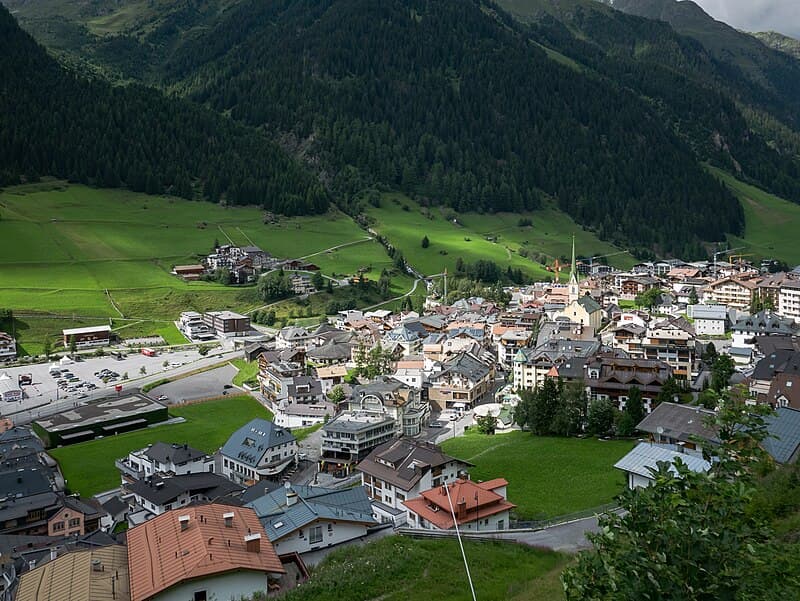
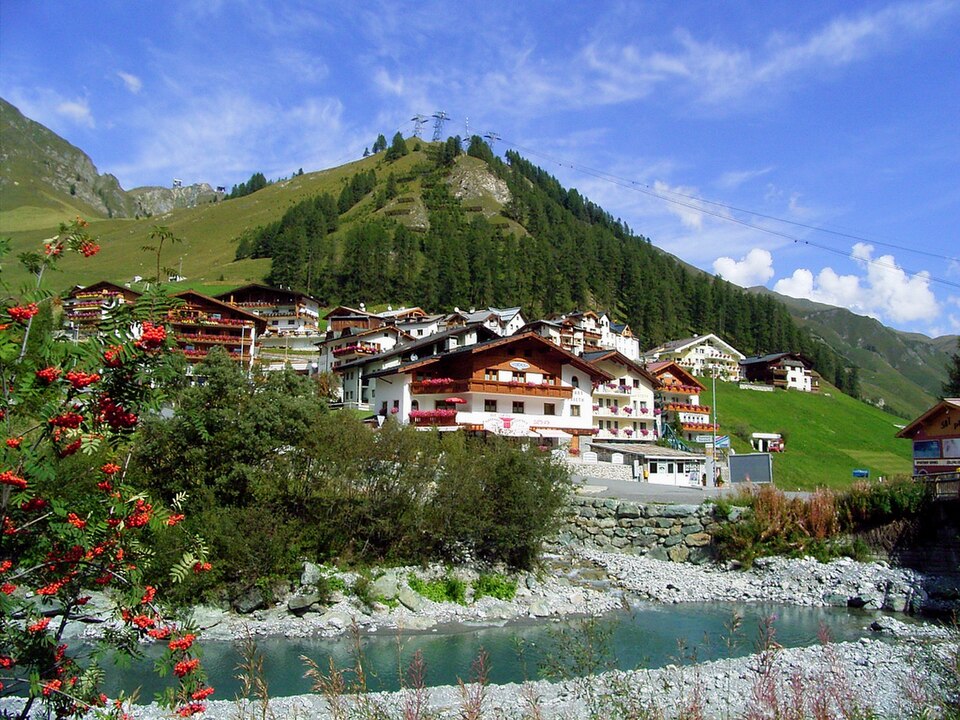
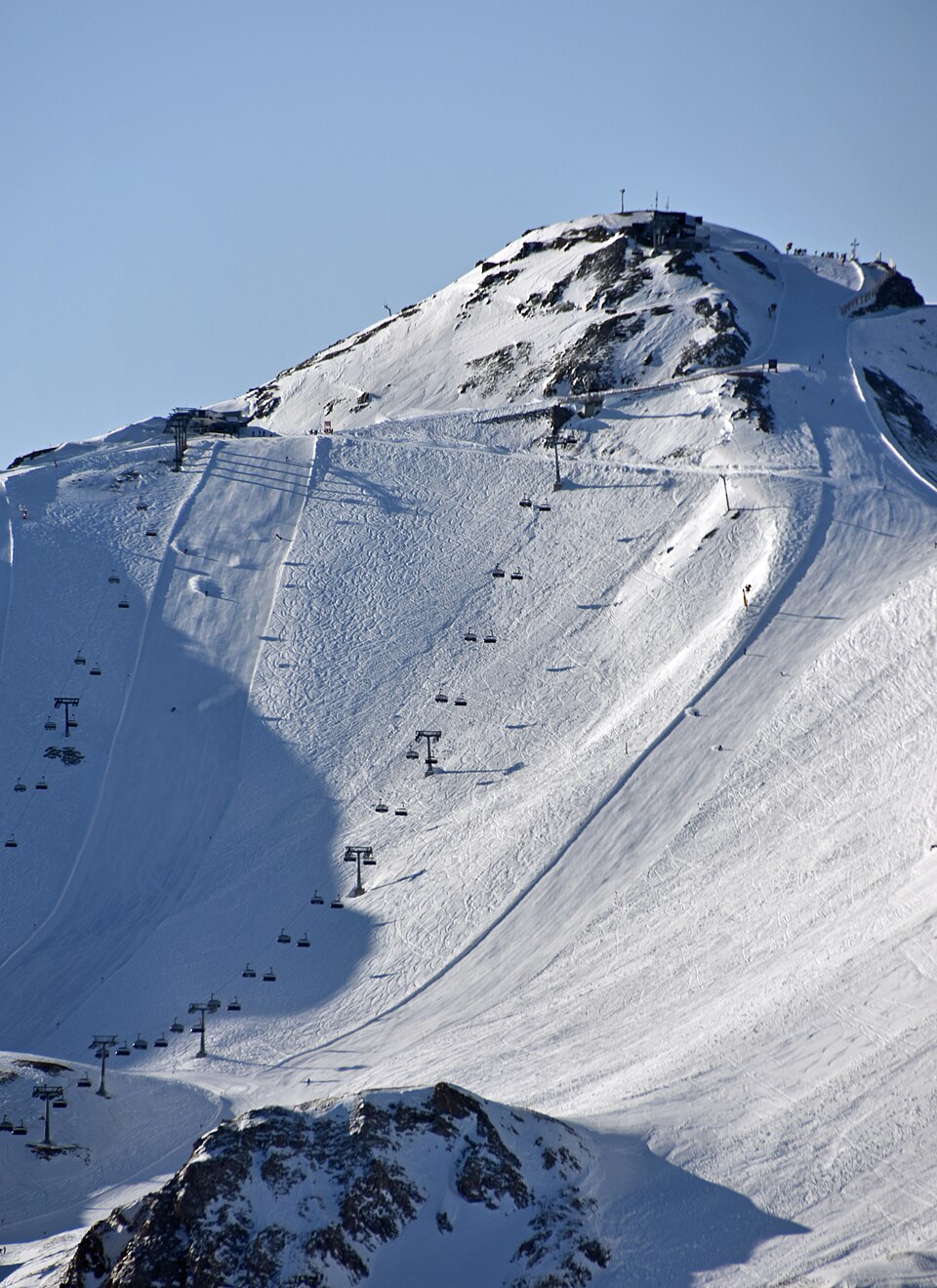
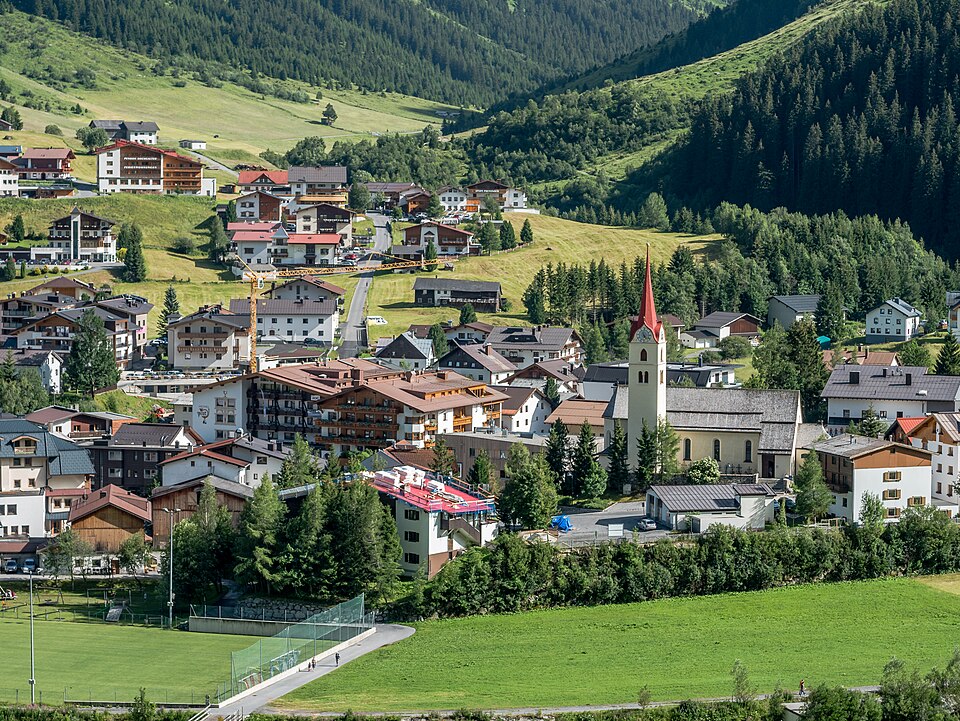
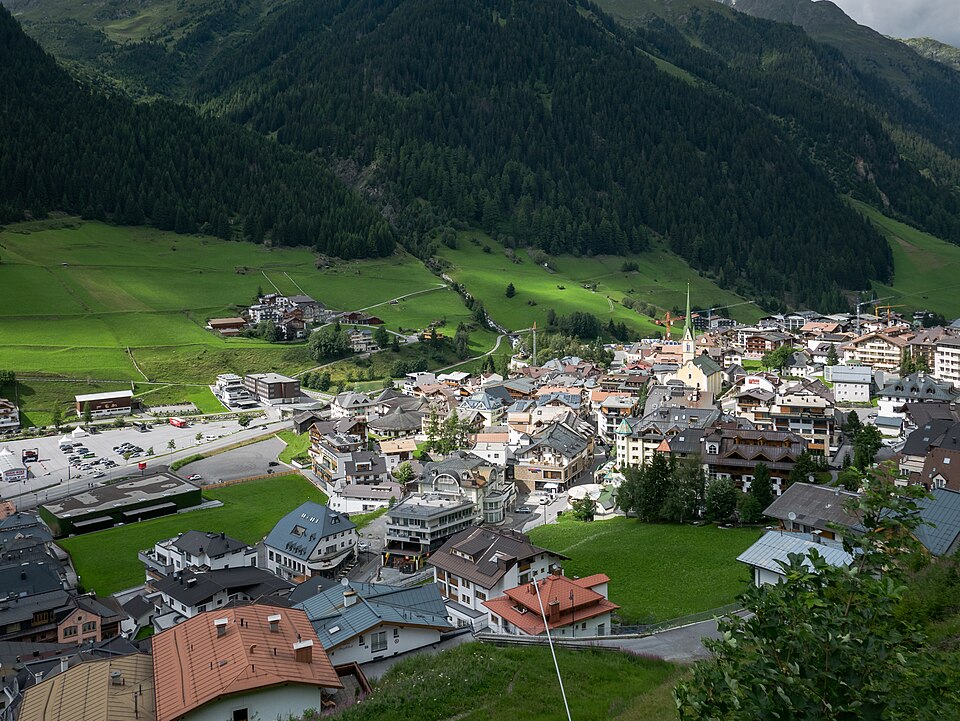
Ischgl is a village of 1,600 residents in the Paznaun valley in south-west Tyrol, at 1,377 metres, and in winter it hosts more overnight guests than the entire valley has residents. The reason is Silvretta Arena, a ski area with 239 km of pistes, much of it above 2,000 metres, reaching as high as 2,872 metres and crossing the border into Samnaun in Switzerland. Thanks to the altitude, snow lasts from late November to early May, longer than almost anywhere else in Austria. Ischgl is also famous for its après-ski, played louder here than elsewhere, and for the Top of the Mountain concerts at the start and end of the season, where Elton John, Rihanna and Robbie Williams have all played on a piste at 2,300 metres. The village itself is compact, with tunnels and moving walkways linking the cable cars and hotels. In summer, Ischgl turns into a quiet base for hiking and mountain biking, with free cable cars for guests staying overnight.
What to see
The places worth your time in Ischgl, and what to expect at each
Silvretta Arena and Idalp
Idalp
The heart of the ski area on the Idalp plateau at 2,320 metres, reached from the village by 3 gondola lifts. From here, runs fan out to Palinkopf, Greitspitz, Pardatschgrat and Samnaun. Idalp has a ski school, a children's park, a restaurant, and in April hosts the concert stage.
Tip: Take the Fimbabahn or Pardatschgratbahn in the morning — the Silvrettabahn near the village has the longest queue. The best morning snow is on the north-facing slopes below Greitspitz. The last run down into the village on piste number 1 at 4pm is busy and icy — in poorer snow conditions, take the cable car down instead.
Admission:
day pass from €78
Time needed:
full day
Samnaun and the duty-free zone
Samnaun (CH)
A Swiss village on the other side of the ridge, reached on skis from Ischgl across the border. Samnaun has been a duty-free zone since 1892, because at the time no road connected it to the rest of Switzerland, and to this day it's a cheap place to buy alcohol, cigarettes, perfume, watches and petrol. The shops sit right by the pistes.
Tip: Bring a small backpack for shopping and keep track of the limits: you're allowed 1 litre of spirits and 200 cigarettes into Austria, and spot checks happen at the border on skis. The 2-storey Twinliner gondola runs to Samnaun — the upper deck has better views. Both francs and euros are accepted, though euros come at a worse rate.
Admission:
included with ski pass
Time needed:
half day
Palinkopf and Piz Val Gronda
Idalp–Samnaun
The highest parts of the area. A gondola runs to Palinkopf at 2,864 metres, from where a long run with over 1,000 metres of descent drops down to Samnaun. Piz Val Gronda is a steep slope with open freeride terrain served by a gondola; off-piste here should only be attempted with proper equipment.
Tip: The run from Palinkopf via Alp Trida to Samnaun is the prettiest in the whole area; ski it in the morning, as it loses the sun by the afternoon. Piz Val Gronda is best skied on the first day after fresh snow — by the second day it's already tracked out — and only with an avalanche transceiver.
Admission:
included with ski pass
Time needed:
2–3 h
Top of the Mountain concerts
Idalp
2 major concerts a year, one at the season opening in late November and one at the season close in early May, on a stage at Idalp at 2,300 metres. Entry is included in the ski pass. The audience stands on the piste in ski boots and skis down into the village afterwards.
Tip: It's worth arriving at the area in front of the stage at least an hour before it starts, and wearing layers — standing on snow for 2 hours will chill you even in spring sunshine. After the concert the cable cars down get jammed, so skiing down the piste is faster. Accommodation for concert weekends books up 6 months ahead.
Admission:
included with ski pass
Time needed:
half day
Silvretta-Hochalpenstraße
Galtür–Partenen
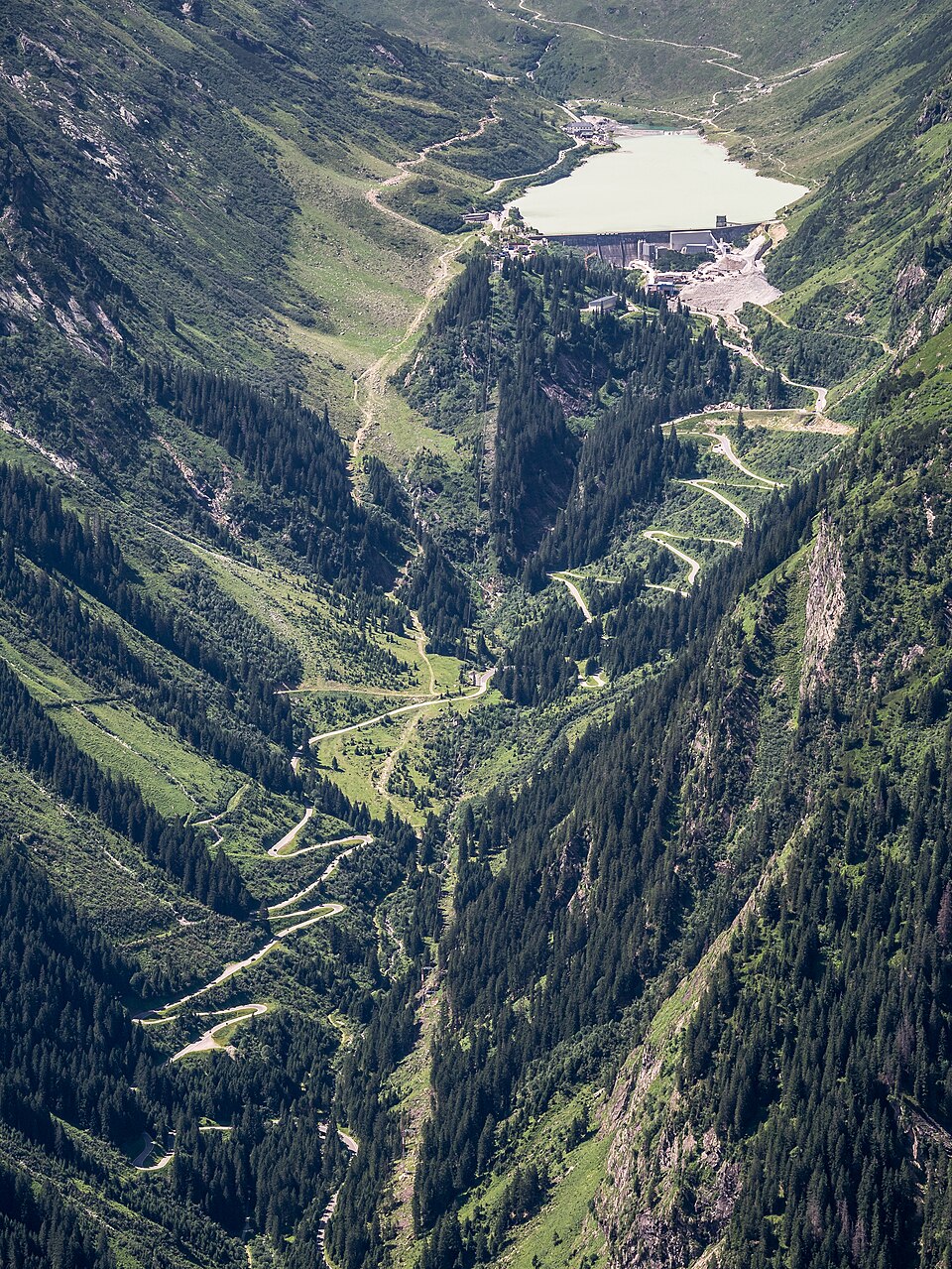
A mountain road from Galtür over the Bielerhöhe pass at 2,032 metres to Montafon in Vorarlberg, 22 km long with 34 hairpin bends on the western side. It's open only from June to October and ranks among the most beautiful alpine roads in Austria.
Tip: The road has a toll, but it's free with the Silvretta Card from an Ischgl hotel. It's best in the morning before motorcyclists arrive, and Mondays tend to be quietest. The switchbacks on the Montafon side are narrow with oncoming buses — use a low gear going down.
Admission:
toll €20 per car
Time needed:
half day
Bielerhöhe and Lake Silvretta
Bielerhöhe
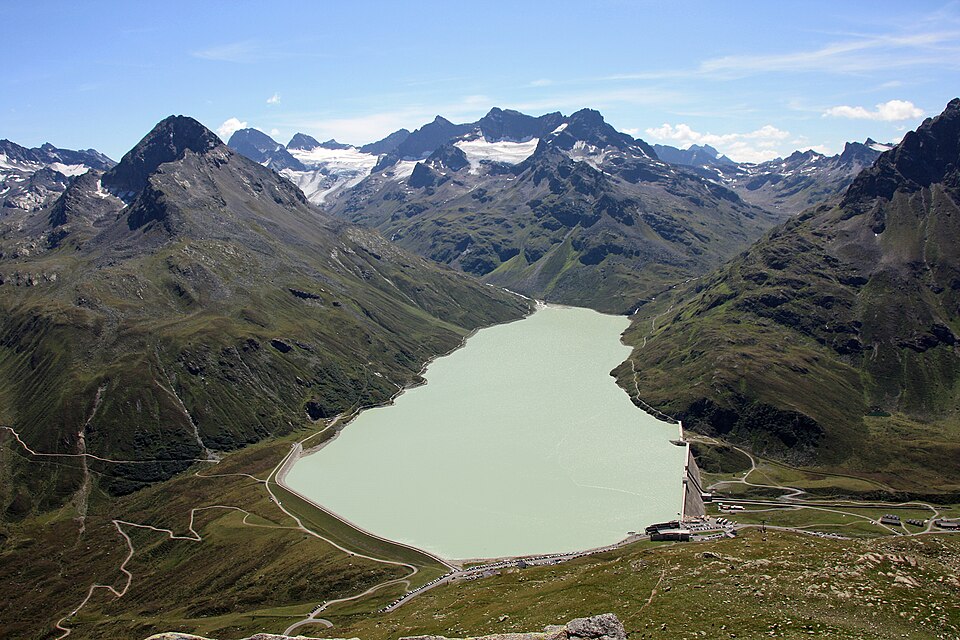
A mountain pass with the Silvretta-Stausee reservoir lake beneath the glaciers of the Silvretta range, on the border of Tyrol and Vorarlberg. A flat path circles the lake in 1.5 hours, and a scenic boat sails across it in summer. It's the starting point for hikes to the glaciers and Piz Buin.
Tip: Walking around the lake takes roughly the same time on either shore, but the eastern side gets more afternoon sun. A boat trip across the lake cuts the loop in half. A demanding hike to Piz Buin needs a mountain guide, but the Wiesbadener Hütte at 2,400 metres is reachable in 2 hours with no experience needed.
Admission:
free, boat from €10
Time needed:
2–3 h
Fimbatal and Heidelberger Hütte
Fimbatal
A side valley south of Ischgl that runs past pastures and waterfalls to the Heidelberger Hütte at 2,264 metres, a mountain hut run by the German Alpine Club that actually stands on Swiss territory.
Tip: In summer a shuttle minibus runs from Ischgl to the Heidelberger Hütte, and you can walk back down the valley in 3 hours — it's the most beautiful hike in the area and suits families too. The hut takes euros and francs, and overnight stays should be booked ahead. The upper valley is protected, so dogs must be on a lead.
Admission:
free, minibus from €10
Time needed:
full day
Galtür and the Alpinarium
Galtür
A village 10 km further down the valley, a quieter alternative to Ischgl with its own smaller ski area. The Alpinarium is both a museum and an avalanche protection wall, built after the February 1999 avalanche that buried part of the village and killed 31 people. The exhibition explains how avalanches form and how mountain villages protect against them.
Tip: The Alpinarium is the best plan for a day when it's windy and the lifts are stopped, and it helps explain why avalanche forecasts matter so much in the mountains. Guesthouses in Galtür are cheaper than in Ischgl, and a free ski bus runs to Ischgl every half hour.
Admission:
€9
Time needed:
1–2 h
Ischgl village
centre
A compact village along one main street with hotels, shops and bars, linked by pedestrian tunnels and moving walkways to the lower cable-car stations. Above it stands the baroque parish church of St Nicholas. In the evening the main street becomes a pedestrian zone, and après-ski gets going after 4pm.
Tip: The moving walkways in the tunnel from the Silvrettabahn to the top end of the village save 10 minutes of climbing in ski boots. Anyone wanting quiet evenings should look for a hotel at the Fimbabahn end of the village — the bars cluster mainly around the Silvrettabahn and Pardatschgratbahn, where the music plays late into the night.
Areas and districts, matched to the kind of trip you are taking
Centre near the Silvrettabahn
Best for: après-ski, nightlife
The lower part of the village around the main cable car, home to the best-known après-ski bars and clubs. It's a short walk to the slopes, but the music plays into the night, so sleeping here takes some getting used to. The most expensive hotels are here.
Top end near the Fimbabahn
Best for: families, quiet
The eastern end of the village by the Fimbabahn cable car, where you can ski straight down to your hotel. It's quieter here, the hotels are more family-oriented, and the centre is a 5-minute ride away on the moving walkway.
Mathon
Best for: lower prices, having a car
A small village 5 km further down the valley towards Galtür. Guesthouses and apartments are around a third cheaper, and a ski bus runs to Ischgl every 15–20 minutes, free with a ski pass.
Kappl and See
Best for: budget, own skiing
Villages at the entrance to the Paznaun valley with their own smaller ski areas, 20 minutes by car from Ischgl. They have the cheapest accommodation in the valley and queue-free skiing, though reaching Silvretta Arena means commuting.
Ischgl lies in western Austria. By car, it's reached via Munich, Füssen and the Fernpass, or via Innsbruck; an Austrian motorway vignette is required, and winter tyres and chains are needed in season. By train, travel to Landeck-Zams via Munich and Innsbruck, then take bus route 4240 to Ischgl in under an hour. The nearest airport is Innsbruck, with Zurich and Munich as the major international hubs. On Saturdays, when guests change over, the Paznaun valley gets congested, so it's best to arrive on a different day.
Innsbruck (INN) · 100 km
Train to Landeck and bus· 2 h· €20
Shared transfer· 1 h 20 min· €45
Zurich (ZRH) · 210 km
Train via Buchs and Landeck, then bus· 3 h 45 min· €60
Shared transfer· 2 h 45 min· €85
Munich (MUC) · 270 km
Train via Innsbruck and bus· 4 h 15 min· €45
Rental car· 3 h 15 min
Around town
You can walk across the village in 10 minutes, and it's linked by pedestrian tunnels and moving walkways. Ski buses run between Kappl, See, Mathon, Ischgl and Galtür every 15–30 minutes and are free with a ski pass. In summer, guests staying in the Paznaun get a Silvretta Card, which covers cable cars, buses, the Silvretta-Hochalpenstraße toll and swimming pools. A car is a hindrance in the village; hotels have garages, but driving around the village isn't recommended, and the centre has a no-entry zone.
Paznaun ski busBetween all the villages in the valley, every 15 minutes in high season. Free with a ski pass or guest card. · free
Cable carsSilvrettabahn, Pardatschgratbahn and Fimbabahn up from the village; free in summer with the Silvretta Card. · with ski pass
Bus 4240From Landeck-Zams station via Kappl and See to Ischgl and Galtür, hourly. · from €7
TaxiSeveral local firms with minibuses; book by phone in the evening. To Landeck for train transfers. · €65 to Landeck
Mountain bikeIn summer, over 100 km of marked trails and a bike park at Idalp. Cable cars carry bikes. · €40 per day
The winter season runs from late November to early May and, thanks to the altitude, is among the longest in Austria; it opens and closes with a Top of the Mountain concert. The best snow is from January to March, and the cheapest weeks are just before Christmas and at the end of the season in April, when days are long and sunny. Christmas, New Year and February are the most expensive. The summer season runs from late June to mid-September: cable cars, huts and the Silvretta-Hochalpenstraße are all open. In May, June and from mid-September to the end of November, the village is closed.
Best time
January to March for skiing, April for spring skiing, July and August for hiking
What to avoid
May, June and October to mid-November, when the village is closed
Month
Jan
Feb
Mar
Apr
May
Jun
Jul
Aug
Sep
Oct
Nov
Dec
Day
-1°
1°
5°
9°
14°
18°
20°
20°
16°
11°
4°
0°
Night
-11°
-10°
-6°
-2°
3°
6°
8°
8°
4°
0°
-5°
-9°
Rainy days
8
7
9
10
13
14
14
13
10
8
8
8
Food & drink
For a village this size, Ischgl has a surprisingly high standard of dining, with several restaurants holding stars in the Gault&Millau guide. There are more than 20 mountain huts and restaurants on the slopes, busiest at Idalp. Nowhere is cheap, but the best value is found at smaller huts away from the main junctions and at self-service restaurants in Samnaun, where duty-free wine is also cheap. The village has Spar and M-Preis supermarkets, bakeries and butchers selling speck from the valley. Après-ski drinks include beer, Jägertee with rum, and Obstler shots.
What to try
Kaspressknödel
Flat dumplings made from white bread, eggs and pungent mountain cheese, pan-fried and served either in beef broth or with cabbage salad. It's the cheapest hot dish at any hut, usually under €12.
Tiroler Gröstl
Fried potatoes with onion and diced boiled beef or pork, topped with a fried egg and served with caraway cabbage salad. Originally made from Sunday lunch leftovers, today it's a fixture on every mountain menu.
Kasspatzln
Tyrolean spätzle baked with pungent cheese and topped with fried onions, often served straight from the pan they were baked in. Portions are large and generous with cheese — order a green salad alongside, not a side dish.
Tiroler Speck
Smoked pork leg air-dried in the mountain air, sliced thin. The protected g.g.A. designation guarantees Tyrolean origin; at the huts it's served as a Brettljause on a board with cheese, horseradish and dark bread.
Kaiserschmarrn
Shredded pancake with raisins, dusted with icing sugar and served with plum compote. It's a full lunch, not a dessert — portions are usually for 2 and ordered as a main course at mountain huts.
Germknödel
A yeast dumpling filled with plum jam, topped with melted butter and poppy seeds. At the huts on Idalp it's the cheapest item on the menu and makes a filling lunch.
Jagatee
Hot black tea with rum, red wine and spices, a traditional warming drink from the mountain huts. Served in a glass with a strong measure of alcohol — 2 glasses before skiing down to the valley is the limit.
Obstler and Zirbenschnaps
Obstler is a spirit distilled from apples and pears, while Zirbenschnaps is infused with Swiss pine cones and has a resinous, slightly spiced flavour. At the huts it's poured after the meal, often on the house as a thank-you.
What it costs
Espresso at a mountain hut
€4
Lunch at a mountain hut
€20–30
Dinner at a restaurant
€45–100 per person
Silvretta Arena day pass
€78–84
6-day ski pass
around €400
Ski hire per day
€45–65
Beer at après-ski
€6–7
Night in a 3-star hotel for 2
€200–400 with half board
Indicative prices that change over time — treat them as a guide, not a price list.
Practical information
SocketsCEuroplug, two round pinsFSchuko
Voltage230V / 50Hz
Tap waterTap water is drinkable — Vienna and most of Austria drink water piped straight from mountain springs by gravity, with no chemical treatment — it's some of the best tap water in Europe, and buying bottled makes no sense. In restaurants, though, a glass of tap water is usually charged around a euro, since staff serve it as a drink; with coffee, on the other hand, it's brought automatically and free. Towns have public fountains and drinking taps marked 'Trinkwasser'.
TippingTipping is customary and expected in Austria: 5–10%, rounded up for coffee. It isn't done by leaving money on the table — you state the total including the tip when paying ('22, please') and the server returns the change. Payment is made at the table, not at a till, and everyone usually pays for themselves; the server will ask 'together or separate?'. In hotels, housekeeping gets €1–2 per night, porters €1 per bag.
Driving on theright
SafetyCrime in the Tyrolean and Salzburg mountains is negligible; a lost wallet is usually handed in to the local town hall. The real risks are the mountains themselves: the avalanche situation changes daily in winter and is published every morning at lawis.at, and off-piste skiing without an avalanche transceiver is not advisable. FIS rules apply on the pistes, and a collision is reported to the police like a road accident. In summer, storms typically roll in after 2pm, so hikes should start early in the morning. The mountain rescue helicopter isn't free — without insurance covering mountain rescue, a callout can run into thousands of euros. The emergency number is 112, mountain rescue 140.
Opening hoursOpening hours in mountain resorts are more relaxed than in cities: in winter season, supermarkets and sports shops open even on Sundays, usually from 8am to 7pm. Cable cars run roughly from 8:30am to 4:30pm, and mountain huts close with the last lift. Restaurants serve lunch from 11:30am to 2pm and dinner from 6pm to 9pm; in between they offer only soup and Kaiserschmarrn. The off-season, from mid-April to the end of May and in November, means most hotels and cable cars are closed.
Customs & etiquetteIschgl is used to guests from all over Europe and the atmosphere is relaxed, but the village's rules are observed: ski boots aren't worn into restaurants and hotels — you change once you're back in the evening. Carry ID in your pocket at the border with Samnaun. FIS rules apply on skis, and checks on the pistes are more frequent than elsewhere.
A few local wordsHello — Grüß Gott / ServusThank you — Danke1-day pass, please — Einen Tagesskipass, bitteThe bill, please — Zahlen, bitteCheers — ProstWhere is the cable car? — Wo ist die Bergbahn?
How to plan your days
1 day
A day in Silvretta Arena
1Morning: Fimbabahn up to Idalp and warm-up runs on the blue pistes.
2Late morning: Palinkopf and the long run down to Samnaun.
3Lunch and shopping in duty-free Samnaun.
4Afternoon: back via the Twinliner and up to Greitspitz.
5After 4pm: après-ski in the village.
2 days
A ski weekend
1Day 1: follow the one-day plan.
2Day 2 morning: Pardatschgrat and the black runs on the north side.
3Lunch at a hut on Idalp.
4Afternoon: ski bus to Galtür for the Alpinarium if it's windy.
3 days
3 days in summer
1Day 1: cable car up to Idalp and a hike to Palinkopf.
2Day 2: minibus to the Fimbatal and a hike back down the valley from Heidelberger Hütte.
3Day 3: drive the Silvretta-Hochalpenstraße to Bielerhöhe and loop the lake.
4Evening: a wine bar or dinner in the village.
Day trips
St. Anton am Arlberg
45 km · 45 min by car
The birthplace of alpine skiing, with Ski Arlberg, one of the largest ski areas in the world, and lively après-ski at Mooserwirt. It's worth buying an Arlberg day pass and trying the legendary Valluga. It's quieter here in summer, and a starting point for hikes into the Lechtal Alps.
Landeck and Zams
30 km · 30 min by bus
The nearest town in the Inn valley, with Landeck Castle from the 13th century, home to a museum and views over the confluence of the Inn and Sanna rivers. From Zams, the Venetbahn cable car climbs to the Venet ridge with views of the Ötztal Alps. It's a practical spot for shopping and a rainy-day trip.
Serfaus-Fiss-Ladis
50 km · 1 h by car
3 villages on a sunny terrace above the Inn valley with one of the best family ski areas in the Alps. Serfaus has an underground air-cushion metro that carries guests from the car park to the cable cars. In summer there's a mountain adventure park for children.
Frequently asked questions
Is Ischgl just for après-ski?+
No. Après-ski is what Ischgl is best known for, but Silvretta Arena is one of the highest and most reliable ski areas in Austria, with 239 km of pistes. Families and quieter guests stay at the top end of the village or in Galtür.
How long does the snow last in Ischgl?+
The season runs from late November to early May. Most pistes lie above 2,000 metres, so snow is reliable even in April. The highest point is Greitspitz at 2,872 metres.
Do I need a passport to ski to Samnaun?+
Switzerland is in the Schengen Area, so checks are only spot checks, but carry ID with you. The main thing checked is the duty-free limit on alcohol and cigarettes, which applies to skiers too.
When are the Top of the Mountain concerts?+
2 concerts a year: at the season opening in late November and at the season close around 1 May. Entry is included in the ski pass, and the concert is held at Idalp at 2,300 metres.
How do I get to Ischgl without a car?+
By train to Landeck-Zams via Munich and Innsbruck, then bus 4240 for under an hour. Transfers run from Innsbruck, Zurich and Munich airports.
Is Ischgl suitable for beginners?+
Yes, there are wide blue runs and a ski school at Idalp, but the run down into the village is red. Beginners take the gondola down, which is included in the ski pass. Galtür is a quieter choice for absolute beginners with children.
What is there to do in Ischgl in summer?+
Hikes from Idalp and the Fimbatal, the Silvretta-Hochalpenstraße and the lake at Bielerhöhe, mountain biking and swimming. Guests staying in the valley get free cable cars and buses with the Silvretta Card.
Where can I find cheaper accommodation in Ischgl?+
In Mathon, Kappl and See in the Paznaun valley, from where a free ski bus runs to Ischgl. Prices are a third to half lower than in central Ischgl.
Visa Requirements
Check the latest visa requirements for entering this country. Some nationalities may need to apply for a visa or e-visa before travel.