Hotels in Kolkata

The former capital of British India, Bengali literature, sweets and the Hooghly River

Kolkata

LanguageEnglish
CurrencyINR
TimezoneGMT+5:30
Temperature20-40 °C
Dial Code+91
Population1.43B
Area3,287,263 km²
SocketsType C / Type D / Type M
Tap waterNot drinkable

Discover Kolkata

Kolkata was the capital of British India for 140 years, and it still shows: colonial palaces with peeling columns, the white marble Victoria Memorial, churches, clubhouses and cemeteries, alongside bustling bazaars selling everything from fish to books. The city on the Hooghly River is the cultural heart of Bengal — it has given India 3 Nobel laureates, the filmmaker Satyajit Ray, and passionate café debates about politics and football. For travellers it's India's most human big city: slower and friendlier than Delhi or Mumbai, with the country's last working trams, yellow Ambassador taxis, and residents who love to chat. Kolkata is also India's sweet-making capital, and Bengali cuisine is built on river fish, mustard and milk-based desserts. Arrive in autumn during Durga Puja and you'll witness the biggest street festival in Asia, when more than 3,000 temporary shrines go up across the city. Kolkata asks for a little patience — it's poor, noisy and humid — but it's also where you'll come closest to understanding everyday India.

What to see

The places worth your time in Kolkata, and what to expect at each

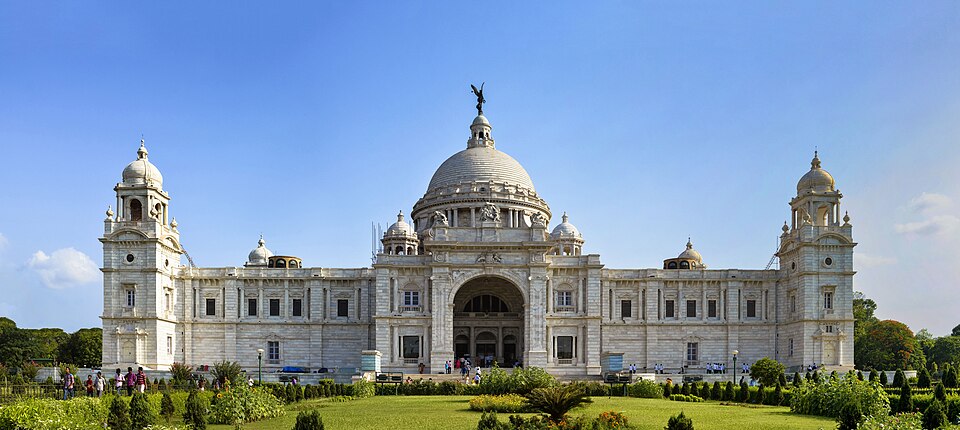
Victoria Memorial

Victoria Memorial

ভিক্টোরিয়া মেমোরিয়াল

Maidan

A vast marble monument completed in 1921 in honour of Queen Victoria, Empress of India, blending British classicism with Mughal architecture. It stands amid 26 hectares of gardens with ponds. Inside is a museum of Kolkata's history and British rule, with paintings, weapons and documents.

Tip: The gardens open at 5am and are free until 9am, filling up with joggers and locals exercising — the best time to photograph the white dome in early light. The galleries inside close on Mondays. In the evening, when the building is lit up, the best view is from the lawn by the south gate. Cricket is played on the Maidan opposite in winter.

Admission:
around INR 500 (foreigners, museum)
Time needed:
1.5–2 h
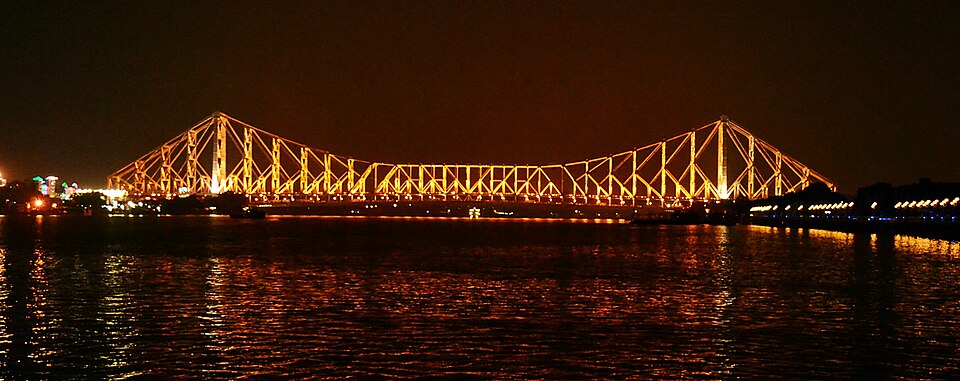
Howrah Bridge and flower market

Howrah Bridge and flower market

হাওড়া ব্রিজ

Burrabazar / Howrah

A cantilever steel bridge across the Hooghly River, built in 1943, is a symbol of Kolkata and one of the busiest bridges in the world — over 100,000 vehicles and hundreds of thousands of pedestrians cross it daily. Not a single bolt was used in its construction, only rivets. Beneath its eastern end lies Mullick Ghat, the largest wholesale flower market in eastern India.

Tip: Come to the flower market at 6am, when mountains of orange marigolds, garlands and lotuses are unloaded on the steps by the river — the most colourful scene in the city. Photographing the bridge from the bridge itself is legally banned, but it's fine from the ghat below or from the ferry. The best view of the bridge is from the ferry across the river, for 10 rupees.

Admission:
free
Time needed:
1 h
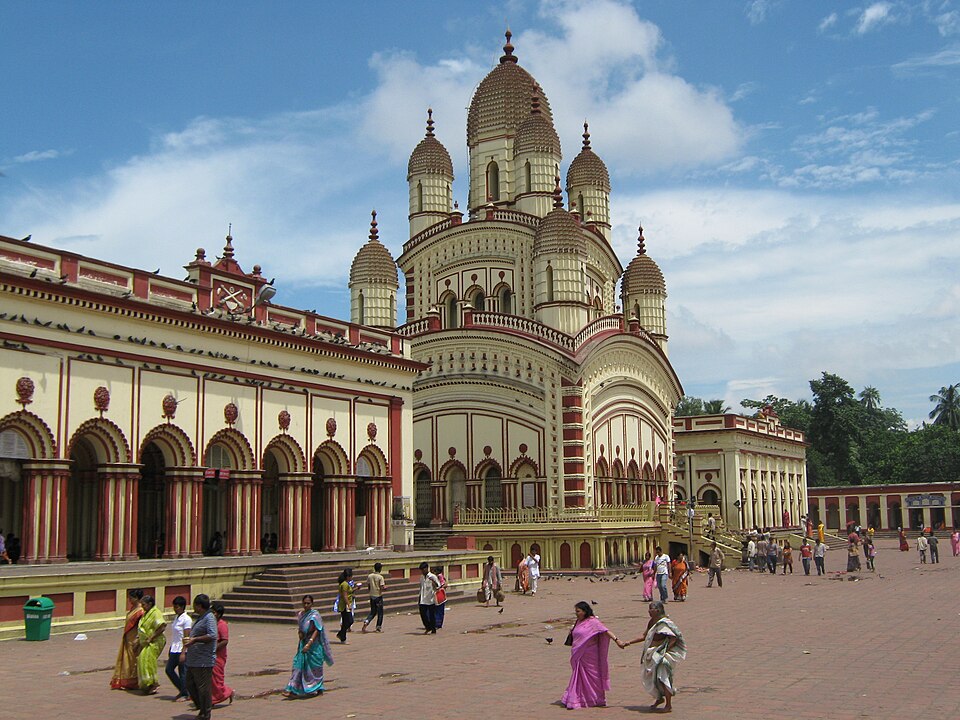
Dakshineswar Temple

Dakshineswar Temple

দক্ষিণেশ্বর কালী মন্দির

Dakshineswar

A temple to the goddess Kali from 1855 on the bank of the Hooghly River, with 9 spires and a row of 12 smaller Shiva shrines. It was home to the mystic Ramakrishna, one of the most significant Hindu saints of the 19th century. Tens of thousands of pilgrims visit it daily.

Tip: Phones and cameras aren't allowed inside the temple; leave them at the cloakroom by the entrance. The nicest route is by boat from Dakshineswar across the river to Belur Math monastery; boats run every half hour and the crossing takes 20 minutes. Combine the visit into 1 morning and return to the city by suburban train or metro from Dakshineswar station.

Admission:
free
Time needed:
1 h
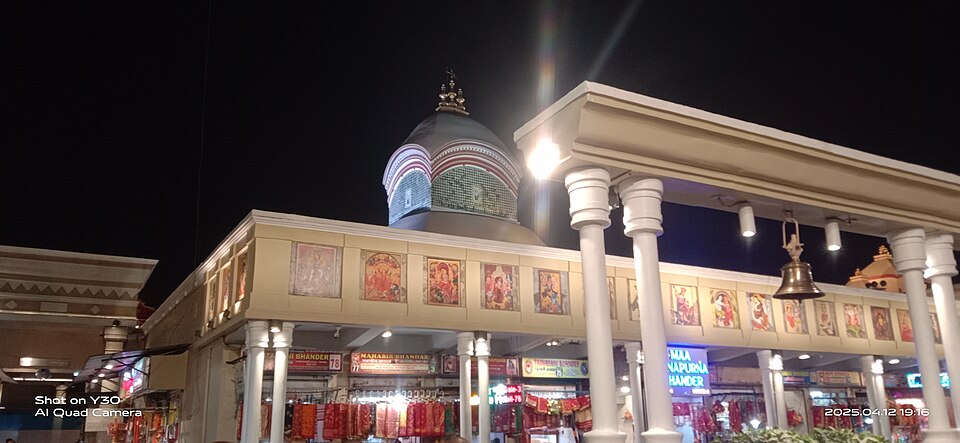
Kalighat Temple

Kalighat Temple

কালীঘাট মন্দির

Kalighat

One of the holiest temples to the goddess Kali in India, said by tradition to mark the spot where a finger of the goddess Sati fell, and possibly the source of Kolkata's own name. The current structure dates from 1809. Rituals here are intense and loud, and goats are sacrificed on certain days.

Tip: At the entrance you'll be surrounded by pandas (temple priests) offering fast-track access and a blessing, then asking for thousands of rupees — decline firmly or agree a price up front. Photography isn't allowed inside. Right next door is Nirmal Hriday, Mother Teresa's first hospice, which can be visited respectfully, mindful of the patients. Shoes come off at the entrance.

Admission:
free
Time needed:
45 min
Indian Museum

Indian Museum

ভারতীয় জাদুঘর

Park Street

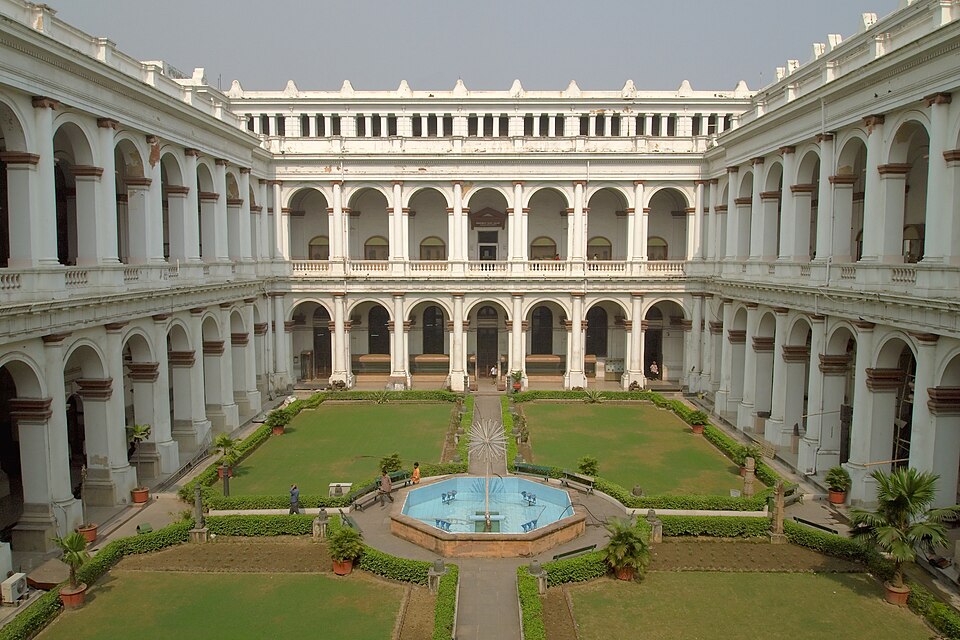
India's oldest and largest museum, founded in 1814 in a sprawling building around a courtyard. Collections include Buddhist sculptures from Bharhut and Gandhara, an Egyptian mummy, fossils, meteorites and natural history exhibits. The building itself is a colonial-era landmark.

Tip: The museum is huge and old-fashioned in its displays, so focus on the ground-floor sculpture galleries, home to the most valuable Buddhist reliefs. It's closed on Mondays. It sits on Park Street in the centre, so it's easy to combine with lunch at one of the historic restaurants on the same street, some cooking since the 1950s.

Admission:
around INR 500 (foreigners)
Time needed:
1.5–2 h
Belur Math

Belur Math

বেলুড় মঠ

Belur (Howrah)

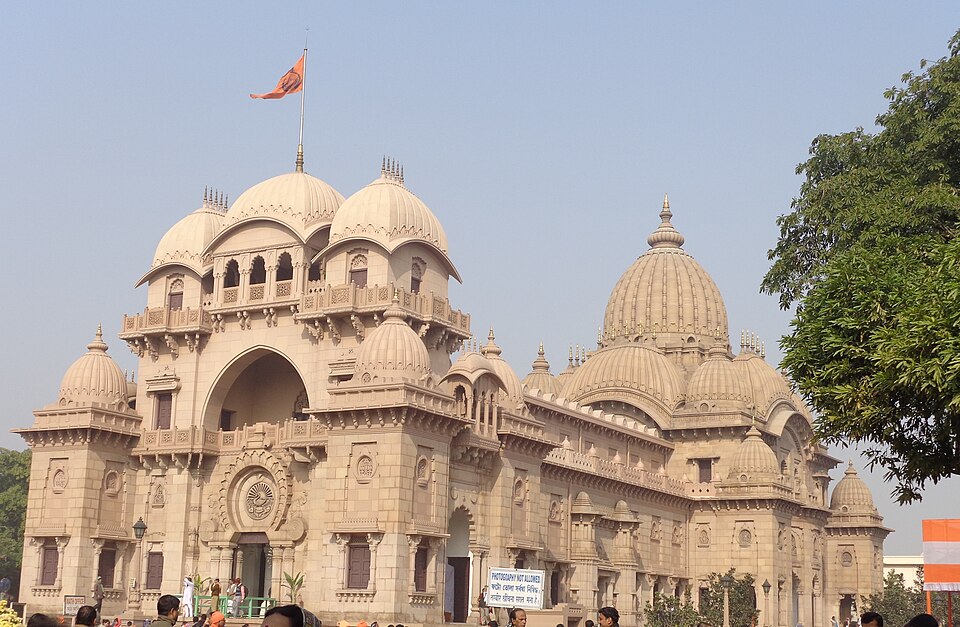
The headquarters of the Ramakrishna Mission, founded by Swami Vivekananda in 1897. The main temple, built in 1938, deliberately blends elements of a Hindu temple, a mosque and a church to symbolise the unity of religions. The riverside grounds are peaceful and well kept, with lawns and gardens.

Tip: Thousands come for the evening aarti prayer around 6pm, with chanting that makes for a powerful experience; silence is required in the shrine and photography isn't allowed. The temple closes at midday, from 11:30am to 3:30pm. The best way here is by boat from Dakshineswar or from the Bagbazar ghat in Kolkata.

Admission:
free
Time needed:
1 h
Marble Palace

Marble Palace

মার্বেল প্যালেস

North Kolkata

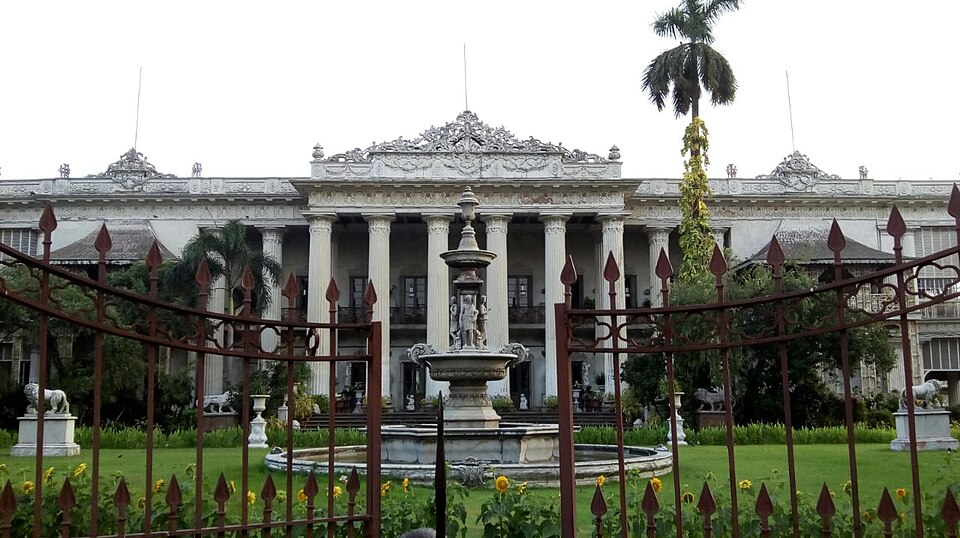
The 1835 mansion of a wealthy Bengali merchant, built from 90 kinds of marble and packed with European sculptures, chandeliers, paintings, clocks and furniture. The family still lives there and keeps it as though time stopped in the 19th century. The garden holds a small aviary.

Tip: Entry is free, but you must request permission from the West Bengal Tourism office on BBD Bag at least a day ahead; without it you won't be let in. Photography isn't allowed inside. A caretaker will guide you and expects a small tip at the end. Closed on Mondays and Thursdays.

Admission:
free with permit
Time needed:
45 min
Kumartuli

Kumartuli

কুমোরটুলি

North Kolkata

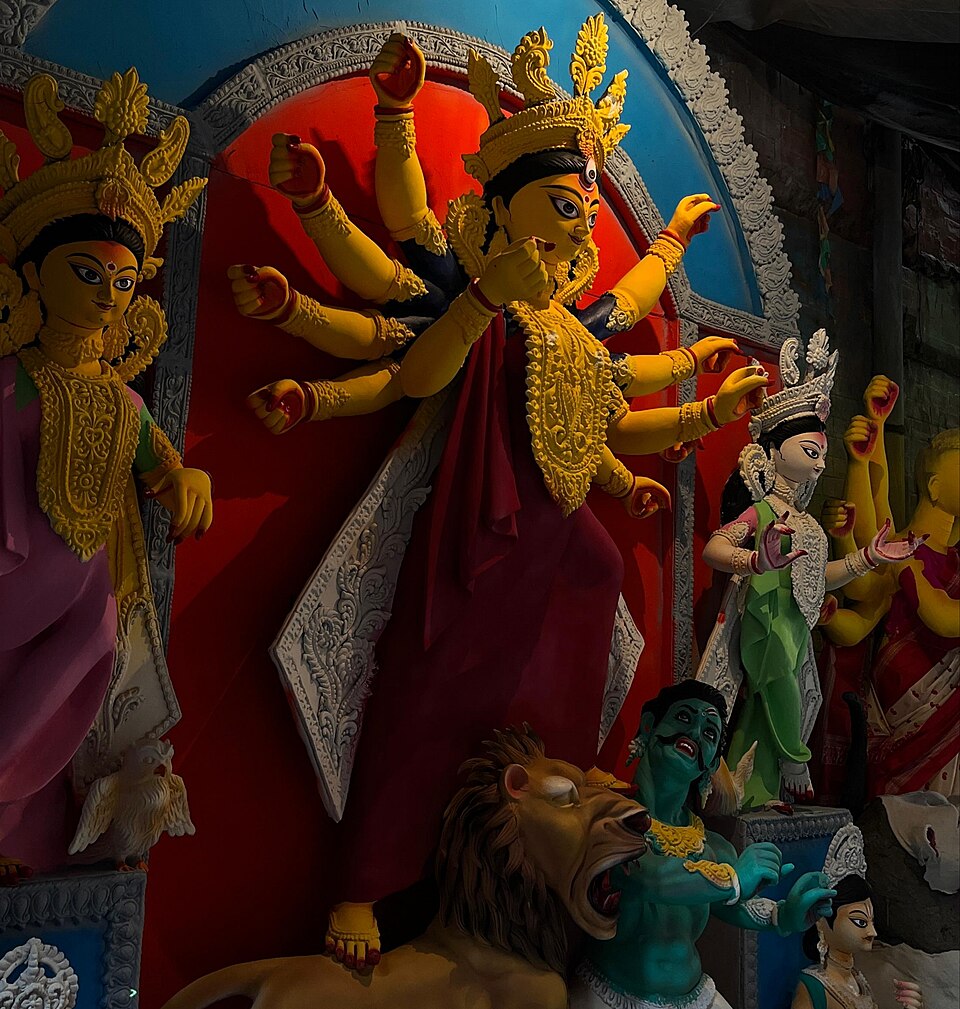
A riverside potters' and sculptors' district where statues of gods have been made for Kolkata's festivals for centuries. In its narrow lanes and workshops, thousands of images of the goddess Durga are shaped from bamboo, straw and river clay, then immersed in the river after the festival. The craft passes from father to son.

Tip: The most interesting time is the 2 months before Durga Puja, roughly August and September, when the workshops fill with statues at every stage — from straw skeletons to painted faces. The sculptors are used to photographers, but ask first, and consider buying something, even a small figurine. The neighbourhood can be walked in an hour and combines well with Ahiritola ghat on the river.

Admission:
free
Time needed:
1 h
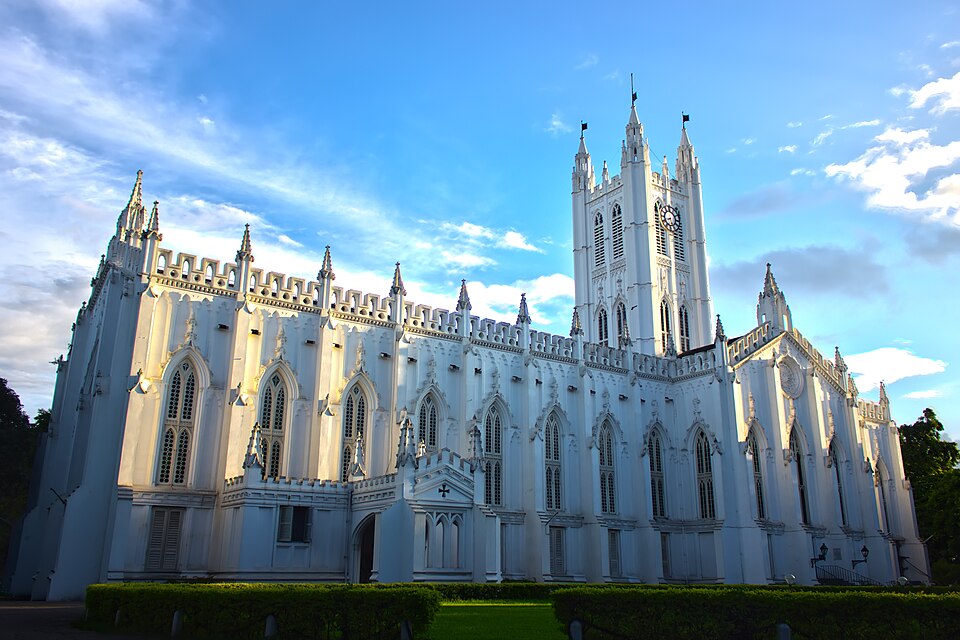
St Paul's Cathedral

St Paul's Cathedral

সেন্ট পলস ক্যাথেড্রাল

Maidan

An Anglican cathedral built in 1847 in the Indo-Gothic style, the first episcopal cathedral in Asia. Inside are stained-glass windows designed by Edward Burne-Jones and memorial plaques to British officials and soldiers who died in Kolkata. It stands on the edge of the Maidan, close to the Victoria Memorial.

Tip: The cathedral is open until 6pm and photography isn't allowed inside. On Christmas Eve thousands attend the midnight service across all faiths, since Christmas is a big occasion in Kolkata, and Park Street is lit up throughout December. It's a 10-minute walk from here to the Victoria Memorial.

Admission:
free
Time needed:
30 min

Photos: Victoria Memorial — Subhrajyoti07 (CC BY-SA 4.0) · Howrah Bridge and flower market — Apoorva Karlekar (CC BY-SA 4.0) · Dakshineswar Temple — Knath (CC BY-SA 3.0) · Kalighat Temple — Ku423winz1 (CC BY-SA 4.0) · Indian Museum — Vyacheslav Argenberg (CC BY 4.0) · Belur Math — K.vishnupranay (CC BY-SA 4.0) · Marble Palace — Souvik pal (CC BY-SA 4.0) · Kumartuli — DK Rupayan (CC0) · St Paul's Cathedral — Ankitesh Jha (CC BY-SA 3.0)

Where to stay

Areas and districts, matched to the kind of trip you are taking

Park Street and around

Best for: first-time visitors, restaurants, nightlife

The main strip of restaurants and bars from the era when jazz bands played here, now lined with cafés, bakeries and hotels in every category. The Indian Museum, the Maidan and New Market are all within walking distance. It's the most convenient base for a first visit, and the street is lit up for Christmas in December.

Sudder Street

Best for: budget travel, backpackers

A narrow street behind the Indian Museum with cheap hotels and guesthouses, traditionally a gathering point for backpackers and Missionaries of Charity volunteers. The hotels are basic and noisy, but everything is close at hand, with restaurants and New Market just steps away.

North Kolkata

Best for: old Kolkata, photography

The traditional Bengali neighbourhoods, with the mansions of once-wealthy families, narrow lanes, temples, Kumartuli and markets. Accommodation is scarce and less comfortable, but it's the most rewarding part of the city for wandering. It's a 20-minute metro ride from Park Street.

Ballygunge and Salt Lake

Best for: quiet stays, business trips

Ballygunge to the south is an affluent residential area with parks, boutique hotels and cafés; Salt Lake and New Town to the east are modern business districts with offices and large hotels close to the airport. For visitors they're further from the sights, but quieter and cleaner.

Getting around

From the airport

Kolkata is reached with 1 stop on most international routes, commonly via hubs such as Dubai, Doha, Abu Dhabi, Istanbul, Delhi or Bangkok; total journey times run to around 14–18 hours from many European cities. An Indian visa is required for most foreign nationals, and the simplest option is the official e-Visa, applied for online in advance. Netaji Subhash Chandra Bose International Airport lies in the northeast, 16 kilometres from the centre. The main railway station is Howrah, on the opposite bank of the river, along with Sealdah in the city, from where trains run to Darjeeling, Varanasi and Delhi.

Kolkata Netaji Subhash Chandra Bose (CCU) · 16 km

  • Metro (purple line) from the airport into the centre· 45–60 min· INR 30
  • Uber or Ola to Park Street· 45–75 min· INR 400
  • Prepaid yellow taxi from the counter· 45–75 min· INR 500

Around town

Kolkata has India's oldest metro, dating from 1984, and its newest stretch — the country's first underwater metro tunnel, which has linked Howrah station with the centre since 2024. The main line runs north to south through Park Street and Kalighat. The iconic yellow Ambassador taxis have meters, but drivers like to negotiate instead; Uber is more straightforward. Kolkata is India's last city with trams, running on only a handful of lines now, but the ride is worth it. Ferries cross the river for a few rupees. Hand-pulled rickshaws can still be found in North Kolkata and around New Market.

Metro5 lines; the underwater stretch runs beneath the Hooghly between Howrah and Esplanade. · INR 5
Yellow taxi / UberTaxis have meters, though in practice haggling is common; Uber is more transparent. · INR 80
TramA slow, nostalgic ride on the handful of lines that remain. · INR 7
Ferry across the HooghlyBetween the city's ghats and Howrah, with the best view of the bridge. · INR 10

Useful apps: Uber, Ola, Metro Kolkata (Tickets), Google Maps, Zomato

When to go

The best period is November to February, when it's sunny, dry and around 25°C during the day; December and January bring cool mornings and evenings, and Kolkata comes alive with cultural festivals, a book fair and Christmas lights on Park Street. March to May is hot and very humid, and sharp nor'wester storms arrive at the start of summer. The monsoon from June to September is intense, streets flood, and the humidity is unpleasant. The high point of the year is Durga Puja at the end of September or in October: for 5 days the city is decked out, people are out on the streets all night, and hotels sell out months in advance.

Best time

November–February, Durga Puja in September/October

What to avoid

April–May (humid heat), peak monsoon in July and August

MonthJanFebMarAprMayJunJulAugSepOctNovDec
Day26°29°34°36°36°34°32°32°32°32°30°27°
Night13°16°21°25°26°27°26°26°26°24°19°14°
Rainy days1223713181814610

Food & drink

Bengalis live for food, and Kolkata has one of India's finest cuisines, little known outside Bengal. It's built around freshwater fish from the river and delta — rohu carp, catfish and the king of them all, hilsa — cooked in mustard oil, with mustard paste and the five-spice blend panch phoron. Dishes are eaten in a set order, from bitter greens to a sweet dessert to finish. Kolkata also has its own versions of dishes brought by the Mughals and the British: biryani with potato and egg, kathi rolls, and the Chinese cooking of the Hakka community, who have lived here since the 18th century. And then there are the sweets: every street has a shop selling rosogolla, sandesh and mishti doi, and Bengalis eat them after every meal. Street food is cheap and excellent — try it wherever there's a queue.

What to try

Rosogolla

Soft balls of fresh cheese cooked in sugar syrup, the pride of Bengal. Best eaten warm straight from the pot at the old sweet shops of North Kolkata, for around 20 rupees a piece.

Mishti doi

Sweet, caramel-flavoured yoghurt set in clay pots. Served as a dessert and eaten straight from the pot with a wooden spoon.

Hilsa in mustard sauce

Rich hilsa fish braised in a paste of mustard seeds and green chillies, Bengal's most celebrated dish. The season runs through the monsoon from June to September; the fish is very bony, so eat it with your hands and take care.

Kosha mangsho

Slow-braised mutton in a thick, dark sauce with onion, ginger and spices, a classic Sunday dish served with rice or fried luchi bread.

Kolkata biryani

Milder and less spicy than elsewhere, with a piece of meat, a boiled potato and an egg. The potato was added by the cooks of a deposed Nawab of Awadh, who lived out his exile in Kolkata.

Kathi roll

A roll invented in Kolkata: a paratha flatbread fried with egg and wrapped around grilled meat, onion and lime. A quick meal for 100–200 rupees around New Market and Park Street.

Phuchka

Kolkata's take on pani puri: crisp puffed balls filled with potato and tamarind water. The vendor hands them to you one at a time until you say stop, then gives you a few dry ones to finish.

Tangra Chinese food

The Hakka Chinese community brought dishes like chilli chicken and fried noodles to Kolkata, now popular across India. On Sunday mornings, Chinese dumplings and soups are sold on the pavements of Tiretta Bazaar.

What it costs

Tea in a clay cup

INR 10–20

Rosogolla or sandesh

INR 15–30

Kathi roll

INR 100–200

Bengali lunch at a restaurant

INR 400–900

Metro ride

INR 5–30

Uber across town

INR 200–400

Victoria Memorial entry (foreigners)

INR 500

Night at a 3-star hotel for 2

INR 3,000–6,000

Indicative prices that change over time — treat them as a guide, not a price list.

Practical information

SocketsCEuroplug, two round pinsDthree round pins (India)MSouth African, large pins
Voltage230V / 50Hz
Tap waterDo not drink tap water — Never drink tap water, and don't use it to brush your teeth or add it to drinks. Bottled water costs around 20 rupees a litre; check that the seal is intact when you buy it — refilled bottles are a common scam in India. Only take ice in drinks at hotels and established venues.
TippingTipping is expected and should be part of your budget. In restaurants, 10 percent unless a service charge is already added; 50 rupees per bag for porters; 300–500 rupees for a driver on a full-day trip. Keep small notes on hand, since change is often unavailable and you'll otherwise overpay.
Driving on theleft
SafetyViolent crime against tourists is low in India's big cities; the real issues are scams and traffic. Touts hang around stations and airports with stories that your hotel has burned down or the 'tourist office' is closed, and they'll steer you to an agency that sells an overpriced tour — trust no one who approaches you on the street, and use Uber or a prepaid taxi. Cross the road alongside locals; cars don't stop even at crossings. Women shouldn't take a night taxi hailed on the street alone, and should use the women's carriage on the crowded metro. Stomach upsets hit almost everyone; eat where turnover is high and food is cooked in front of you. The emergency number is 112.
Opening hoursCity shops open late, around 11am, and close from 9 to 10pm; malls run from 11am to 10pm every day. Bazaars each close 1 day a week, which varies by neighbourhood. Monuments run by the Archaeological Survey of India are open from sunrise to sunset, and entry tickets for foreigners cost significantly more than for Indian nationals — booking online through the ASI website is usually around 50 rupees cheaper than at the gate. Banks are closed on the second and fourth Saturday of the month. During Diwali and Holi, cities grind to a halt and traffic becomes unpredictable. In Kolkata, the whole city stops for 5 days during Durga Puja, when offices and banks close.
Customs & etiquetteShoes come off before entering a temple, mosque or private home, and photography is banned in many temples. The left hand is considered unclean — hand over food, money and gifts with the right hand. Outside beaches and resorts, modest dress is expected, especially covered shoulders and knees for women; this is more relaxed in Goa than elsewhere in the country, but it still applies in a church or village. Cows are sacred and have the right of way everywhere, including on the road. A side-to-side head wobble means agreement, not disagreement.
A few local wordsHello — NomoškarThank you — DhonnobadHow much does this cost? — Koto dam?Not spicy — Džhal komGood (food) — Khub bhalo

How to plan your days

1 day

Kolkata in a day

  1. 16am at the Mullick Ghat flower market beneath Howrah Bridge.
  2. 2Ferry across the river and back.
  3. 3Morning at the Victoria Memorial and St Paul's Cathedral.
  4. 4Lunch on Park Street, then the Indian Museum in the afternoon.
  5. 5Evening kathi rolls and sweets around New Market.

2 days

2 days: temples and the river

  1. 1Day 1: Howrah Bridge, Victoria Memorial, Park Street.
  2. 2Day 1 afternoon: Kalighat and Mother Teresa's hospice.
  3. 3Day 2: Dakshineswar Temple, then by boat to Belur Math.
  4. 4Day 2 afternoon: Kumartuli and the Marble Palace (with permit).
  5. 5Day 2 evening: a tram ride and dinner at a Bengali restaurant.

3 days

3 days with old Kolkata

  1. 1Day 1: the Maidan, Victoria Memorial, Indian Museum and Park Street.
  2. 2Day 2: Dakshineswar, Belur Math and North Kolkata.
  3. 3Day 3 morning: Chinese breakfast at Tiretta Bazaar (Sunday only).
  4. 4Day 3 late morning: College Street bookshops and the Indian Coffee House.
  5. 5Day 3 afternoon: Kalighat, then evening aarti at the riverside ghat.

Day trips

Chandannagar

35 km · 1 h by train

A former French colony on the Hooghly River that belonged to France until 1950. Colonial buildings line the Strand riverfront, along with the Sacred Heart Church and a museum of French culture. The town is famous for its light displays during the autumn Jagaddhatri Puja festival, which draws people from across Bengal. A suburban train runs from Howrah station.

Santiniketan

160 km · 2.5–3 h by train

A university town founded by the poet and Nobel laureate Rabindranath Tagore as an open-air school. Classes are still sometimes held under the trees, and the campus has a museum devoted to Tagore's life and work. A crafts and baul music market runs on Saturdays. It makes for a long day trip, though the Shatabdi Express does the job; for the Basanta Utsav festival at Holi, it's better to stay overnight.

Sundarbans

110 km · 3–4 h by car and boat

The world's largest mangrove forest and a UNESCO national park in the Ganges delta, home to Bengal tigers, crocodiles and dolphins. Few visitors ever spot a tiger, but the boat trip through the mangrove channels is a memorable experience in itself. It's too far for a single day; organised tours from Kolkata run 2–3 days with accommodation in a lodge or on a boat. The best season is November to February.

Frequently asked questions

Is Kolkata safe?+

Yes, Kolkata is among the safest big cities in India, even at night. Harassment of women is rarer here than in Delhi. As everywhere, watch your pockets in crowds and around Howrah and Sealdah stations, and book taxis through an app.

When is Durga Puja?+

According to the Hindu calendar, at the end of September or in October; the main celebrations last 5 days. Thousands of decorated pandal pavilions with statues of the goddess Durga go up around the city, and people go from one to the next all night long. UNESCO has listed it as intangible cultural heritage. Book hotels months ahead and expect gridlocked streets.

Can I volunteer with Mother Teresa's mission?+

Yes, the Missionaries of Charity take volunteers for short-term help at their homes, even for just a few days. Sign up in person at the Mother House on AJC Bose Road, on selected mornings. Mother Teresa's tomb at the Mother House is open to visitors free of charge.

How many days do I need for Kolkata?+

2–3 days for the main sights, the river and the food. Kolkata is also a good base for the tea hills of Darjeeling (fly to Bagdogra, then drive), the Sundarbans, or for crossing into Bangladesh or Bhutan.

How do the trams work?+

The network has shrunk to a handful of lines in recent years; you buy your ticket from the conductor on board. The prettiest ride is the route around the Maidan and Esplanade. It's slow, but it's the cheapest and most charming way to see the old city centre.

How do I get from Howrah station into the centre?+

The quickest way is the underwater metro, which runs from Howrah station beneath the river to Esplanade in a few minutes. The alternatives are the ferry from the ghat by the station, or a taxi from the prepaid queue; don't go with drivers who approach you on the platform.

What should I buy in Kolkata?+

Bengali cotton and silk saris and scarves, terracotta and clay figurines, books on College Street, and Darjeeling tea from the shops around New Market. Sweets are best bought in tins, which survive the journey home.

Is it appropriate to photograph people and poverty?+

Be sensitive about it. Kolkata's residents are welcoming and often happy to be photographed if you ask, but photographing people living on the street without permission is disrespectful. No photography at all is allowed in temples or at the Missionaries of Charity.

Visa Requirements

Check the latest visa requirements for entering this country. Some nationalities may need to apply for a visa or e-visa before travel.

Check visa requirements

Language

Hindi / English

Currency

INR

Timezone

GMT+5:30

Dial Code

+91

Population

1.43B

Area

3,287,263 km²

Voltage

230V / 50Hz

Driving Side

Left

Top Hotels in Kolkata

Live prices from 500+ properties

Loading hotels...

More destinations in India

Planning a trip to Kolkata?

Compare hundreds of hotels, find the best price, and book with free cancellation on TravelManiac.